
Casale del Giglio gives Lazio a different wine argument: not hill-town nostalgia, but Agro Pontino experimentation shaped by maritime air, cordon-trained vineyards, and a research program that tested dozens of varieties. Its strongest case is terroir by investigation, from Syrah and Petit Verdot to Viognier and Bellone, with Decanter recognition adding external weight.
Pearl is the En Primeur Club membership app — saves, bookings, and concierge access live there. Same editors, same standards.
- Address
- Latina, Italien
- Directions
- Get directions
 Saves & bookings on Pearl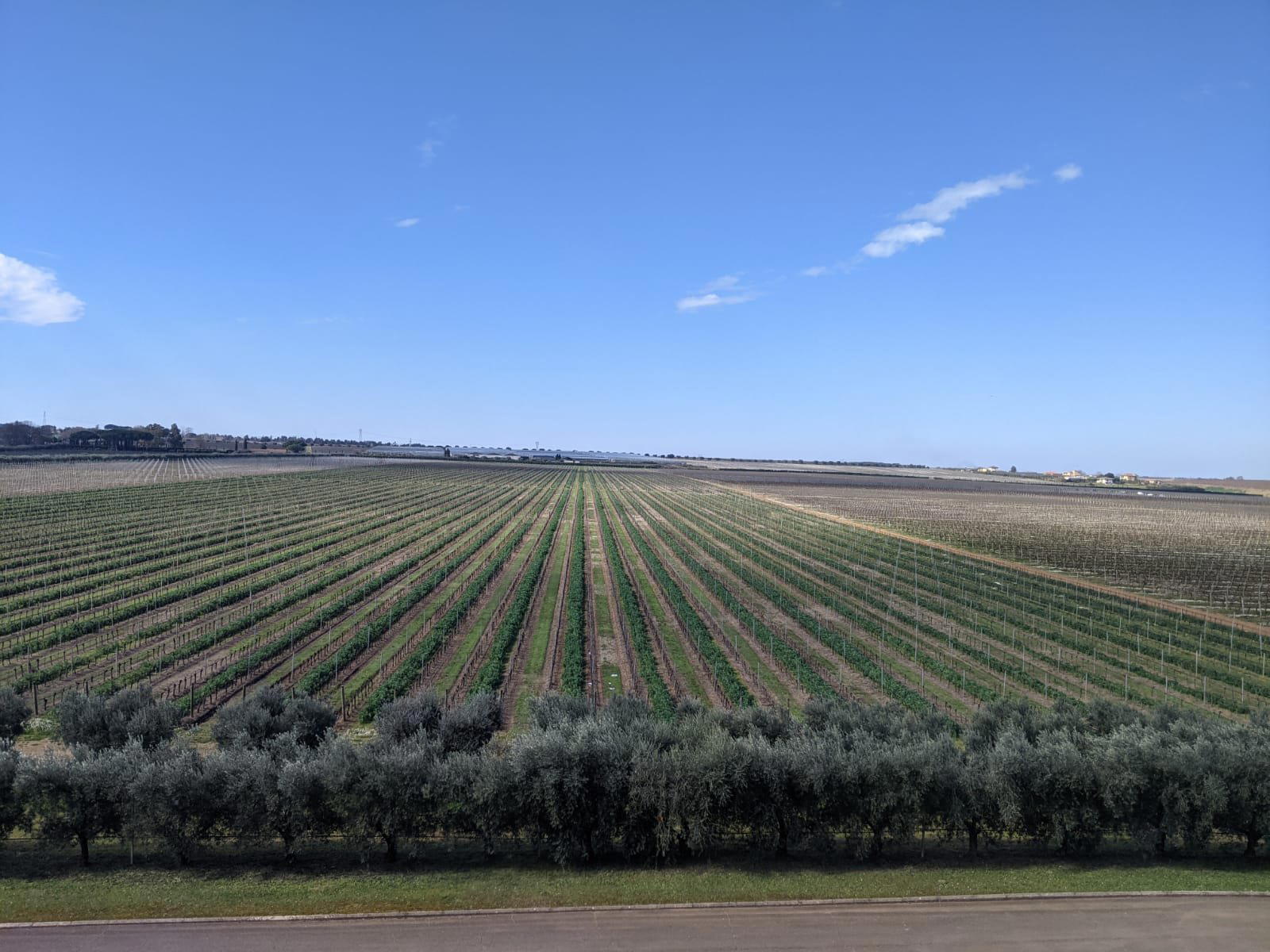
Casale del Giglio in Latina is best understood through its identity as a pioneering, research-driven winery with a strong sense of terroir-focused innovation in the Agro Pontino valley. Rather than treating it as just another place to drink wine, the more useful way to frame it is as a venue whose appeal rests on the relationship between landscape, investigation, and a willingness to define character through place.
For EP Club readers, the useful hook is the contrast between heritage and experimentation. Casale del Giglio is presented as a hidden-gem wine address in Latina, with a $$ price range and an emphasis on the Agro Pontino as a place of ongoing viticultural inquiry. That combination gives it a slightly different rhythm from a standard restaurant, wine bar, or casual tasting stop: the draw is not only what may be poured, but the wider identity of a winery associated with research and a distinctive local setting. Specific grapes, bottle lists, scores, services, and tasting arrangements should be confirmed directly before planning around them.
Agro Pontino wine shaped by experiment, not inheritance
The character of Casale del Giglio centers on research, terroir, and innovation in the Agro Pontino valley. That makes it a compelling stop for travelers who want to understand Latina through a wine estate rather than through a conventional restaurant or bar listing. In this context, terroir is not being used as a decorative label, but as the main lens through which the venue should be read: the place, its agricultural identity, and the idea of testing what the landscape can express are all central to the impression.
What can be stated confidently is the broad identity: pioneering, research-driven, historic, and connected to its landscape. Those words matter because they suggest a winery whose reputation is not presented here as a simple matter of fashion or convenience. Instead, the available description points toward continuity and inquiry at the same time: a venue with a sense of background, yet one whose modern appeal is tied to exploration rather than repetition.
Read the winery as a venue where the place itself matters. Its appeal comes from the idea of a winery rooted in the Agro Pontino while continuing to project a sophisticated, exploratory character. For a visitor, that means the value is partly atmospheric and partly intellectual: it is about seeing Latina through a wine identity that is connected to the surrounding valley, and about understanding why a research-minded estate can feel more memorable than a venue defined only by a list of bottles.
A recommendation led by identity
Specific award claims, medal results, scores, and vintage-by-vintage accolades are not part of the public record provided here. That restraint is intentional. A wine venue can be interesting without the page leaning on rankings or recognition, and in this case the stronger editorial position is to focus on the identity that is already clear.
Instead, the grounded recommendation is simpler: the winery is a $$ wine venue in Latina with a classic yet hidden-gem profile, a scenic setting, and a research-driven identity. Those traits are enough to distinguish it from more generic dining or drinking options in the city. The phrase should be understood here as a cue to its appeal for travelers who enjoy places with a defined point of view, not as a promise of exclusivity or undisclosed access. The classic side gives it poise; the experimental side keeps it from feeling static.
Travelers interested in recognition, current releases, or formal tastings should verify those details directly with the venue before making plans. That is especially important because the experience a visitor has at a winery can depend heavily on practical arrangements that are not confirmed in the available description. The safest reading is to let the venue’s identity guide your interest, then check the operational details before committing time in an itinerary.
How to read the visit
Approach the winery as a terroir-focused winery identity in Latina rather than as a page built around a fixed menu, chef, dining format, or published award history. Particularly reliable expectation is a sophisticated, scenic, research-minded venue associated with the Agro Pontino valley. In practical editorial terms, that means the visit should be understood less as a checklist experience and more as a way to encounter the area through one of its wine-focused addresses.
Keep plans flexible until those practical details are confirmed. If the purpose of the visit is a tasting, a purchase, a tour-style experience, or simply a broader understanding of the winery’s role in the area, confirmation matters. The available information supports interest in the venue’s profile, but it does not support assumptions about access, structure, timing, or what will be available on a given day.
For planning around the city, keep the winery in context with other options in Latina, described generically unless separately verified. Its strongest fit is for travelers who want a wine stop with a sense of place and a research-driven story, especially when the goal is to look beyond obvious dining categories. Treated that way, it becomes a useful Latina recommendation: not overclaimed, not reduced to awards or lists, and anchored in the qualities that the current record can support.
Recognition history
Dated appearances from independent guides and award organizations, with the underlying list record or original source where available.
Falstaff Winery - 4 Stars
Falstaff
Continue exploring
More in Latina
Wineries in Latina
Browse all →

Bars in Latina
Browse all →
Restaurants in Latina
Browse all →
At a Glance
- Classic
- Scenic
- Sophisticated
- Wine Education
- Group Outing
- Special Occasion
- Vineyard Tour
- Estate Grounds
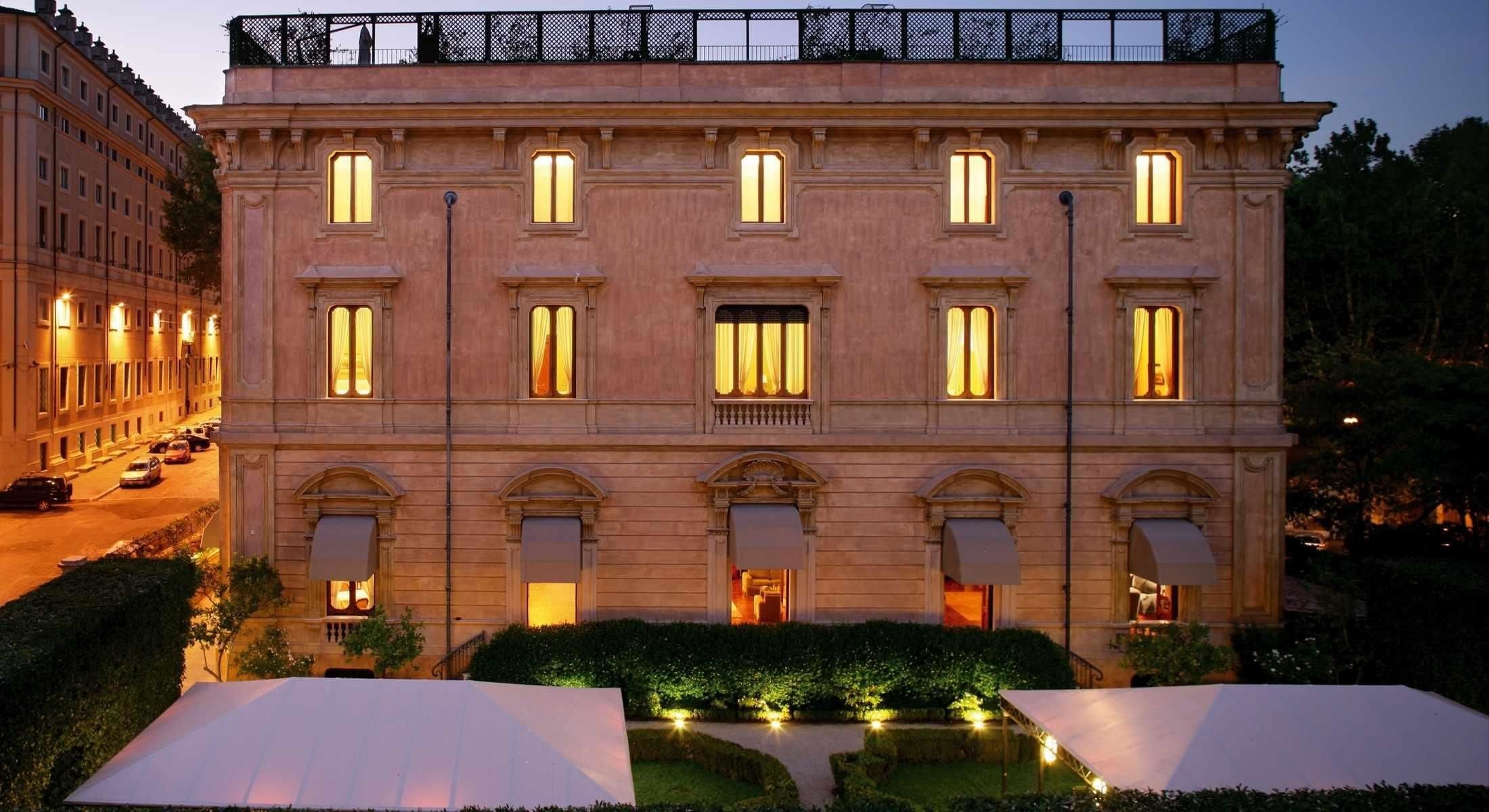
- Historic Building
- Private Tasting
- Sustainable
- Vineyard
- Lazio IGT
- Syrah
- Petit Verdot
- Sauvignon
- Viognier
- Petit Manseng
- Still White
- Still Red
- Dessert
- Guided Tasting
- Food Pairing Tasting
Pioneering and research-driven, with a historic winery identity and a strong sense of terroir-focused innovation in the Agro Pontino valley.