


A 16th-century house annexed to Palazzo Borghese, Hotel Vilòn holds just 18 rooms and carries both Michelin 2 Keys recognition and a 93.5-point score from La Liste's 2026 Top Hotels ranking. The calm inside is almost jarring given how close the Trevi Fountain and Spanish Steps sit. Adelaide Ristorante & Salotto anchors the dining program with seasonal Roman cuisine served across a dining room, terrace, and bar.
Pearl is the En Primeur Club membership app — saves, bookings, and concierge access live there. Same editors, same standards.
- Address
- Via dell'Arancio, 69, 00186 Roma RM
- Phone
- +39 06 878187
- Website
- hotelvilon.com
- Directions
- Get directions
 Saves & bookings on Pearl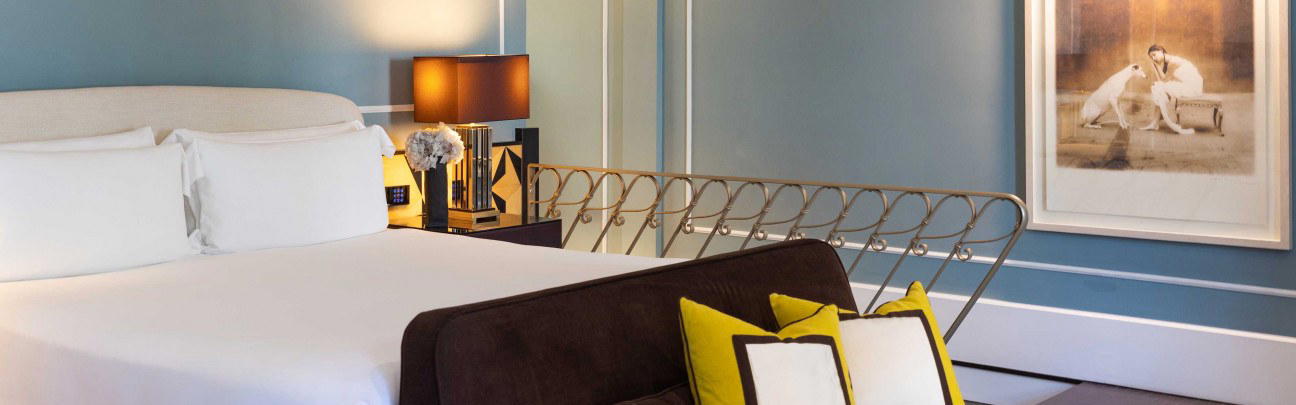
Quiet in the Historic Centre
Rome's centro storico operates at a particular pitch: cobblestones amplify footsteps, piazzas funnel crowds, and the city's ancient density means there is rarely any real distance between you and somewhere significant. The boutique hotels that succeed here do so not by competing with the noise but by filtering it out entirely. Hotel Vilòn, occupying a 16th-century house annexed to the Palazzo Borghese, achieves that filtering with some conviction. Step through the entrance on Via dell'Arancio and the shift is immediate: the street sounds drop away, the pace slows, and the building's monastic history — it functioned as a nunnery through much of the 20th century — seems to have left something in the walls. Eighteen rooms accommodate the full guest count, which keeps the corridors quiet even at capacity.
That scale places Vilòn in a specific tier of Roman hospitality, one that prioritises residential intimacy over hotel-lobby spectacle. Larger properties like Bulgari Hotel Roma and Hotel Eden occupy a different register entirely, with full-service amenities calibrated to international grand-hotel expectations. Vilòn's 18-room count puts it closer to Maalot Roma and Portrait Roma in terms of scale and intent, where the building itself carries as much weight as the service offering.
The Architecture of the Stay
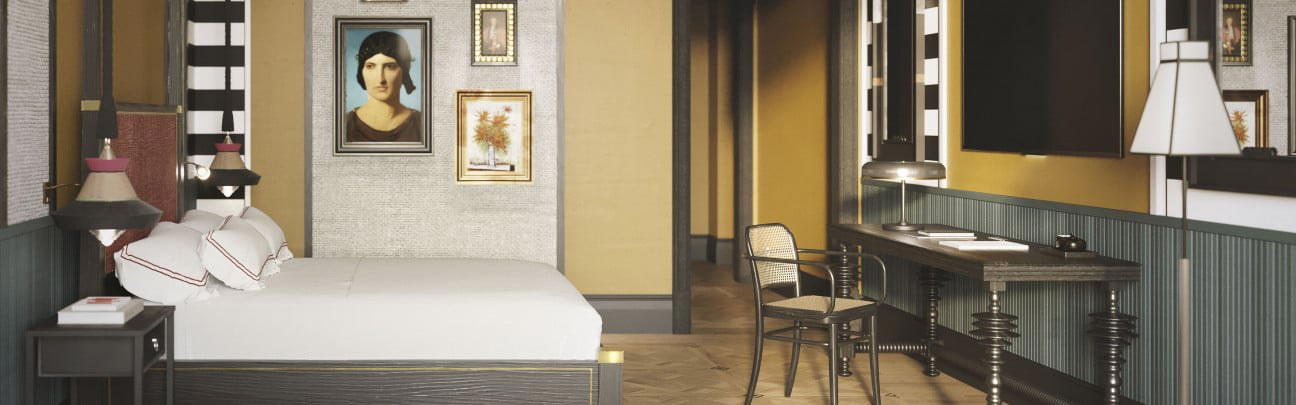
Italy's design culture tends toward strong individual voices, and Hotel Vilòn engaged two of them for distinct parts of the property. Architect Giampiero Panepinto shaped the common areas; film set designer Paolo Bonfini took responsibility for the rooms. The collaboration reads clearly in the result: the shared spaces feel architecturally grounded while the rooms carry a more curated, almost staged quality, with colour choices and furnishing decisions that reward attention. Artwork appears throughout, and the density of visual references in any given corner reflects Bonfini's professional instinct for composed frames.
The 18 rooms themselves lean residential in feel. Walk-in closets and complimentary minibar provisions push the experience away from transactional hotel logic and toward something closer to a well-appointed private apartment. Views from several rooms look onto the Palazzo Borghese's private garden, which adds a layer of quiet visual depth that no city-centre piazza can replicate. This residential quality is the distinguishing characteristic of small-format Roman boutique hotels generally, and Vilòn sustains it consistently.
The recognition is documented: Michelin awarded the property 2 Keys in 2024, a designation the guide reserves for hotels where the stay itself constitutes an experience worth travelling for. La Liste's 2026 Leading Hotels ranking placed Vilòn at 93.5 points, positioning it clearly within Rome's upper tier of design-led properties. For context, that is the same ranking tier where you find properties like JK Place Roma and Rocco Forte Hotel De La Ville, hotels that share Vilòn's commitment to character over corporate uniformity. Rates start around $1,056 per night.
Adelaide: The Dining Ritual in a Roman Context
Roman restaurant culture has its own particular pacing. Lunch is not incidental, in the city's better kitchens it carries the same weight as dinner, structured around seasonal sourcing and the specificity of Rome's own culinary tradition: the offal preparations, the cacio e pepe lineage, the artichoke customs that change with the calendar. Hotels that take this seriously run restaurants that function independently of the room count, drawing guests and non-guests alike. Adelaide Ristorante & Salotto is that kind of operation.
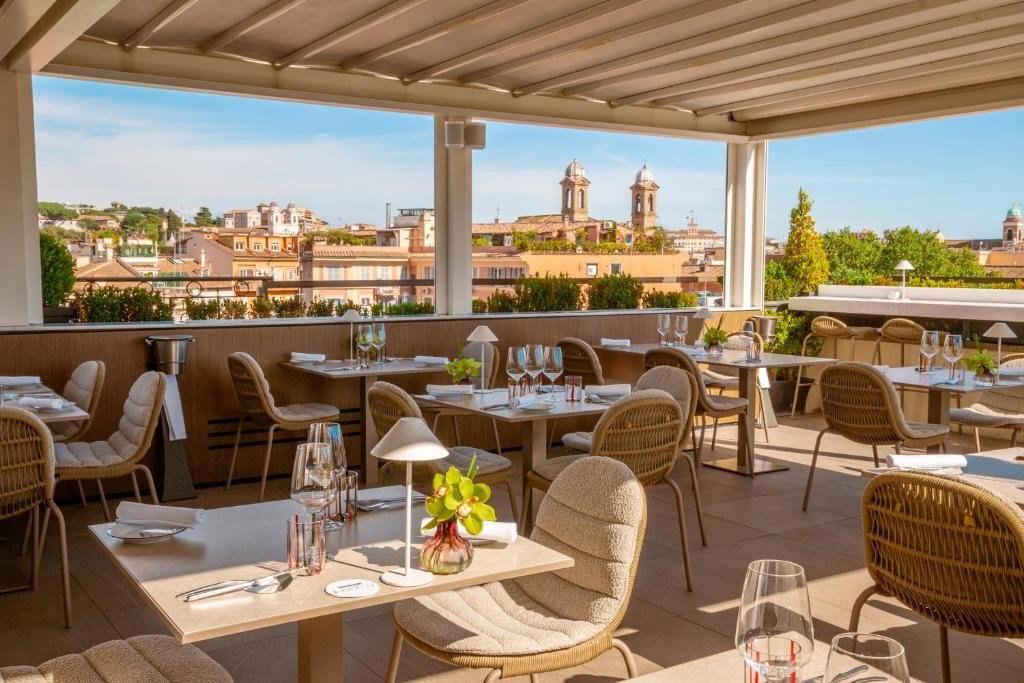
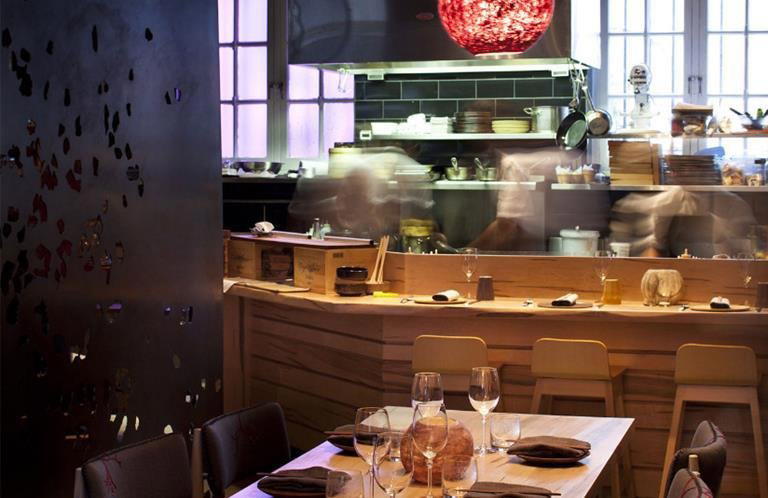
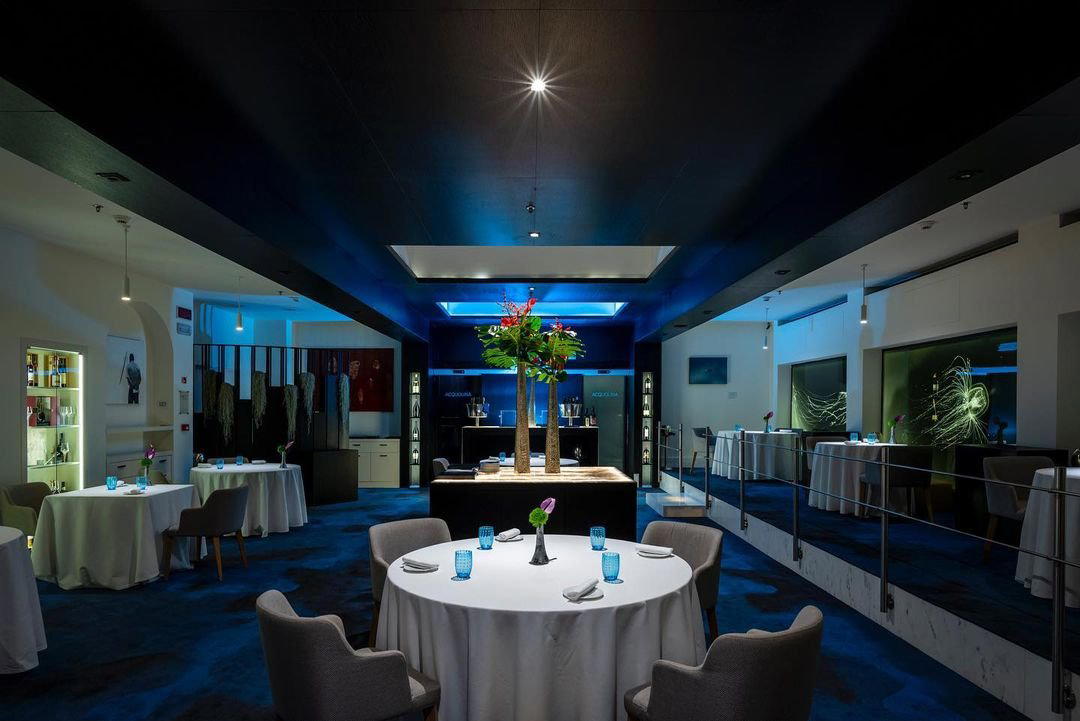
The restaurant occupies three distinct formats within the property: a dining room, an outdoor terrace, and a bar called the Salotto. That spatial range matters for how a meal actually unfolds here. The terrace shifts the experience toward something more ambient and unhurried; the dining room holds the more formal rhythm of a structured sitting; the Salotto allows for the kind of loose, extended conversation over a final glass that Roman evenings tend to demand. Seasonal Italian cuisine with a Roman focus runs through all three, which means the menu responds to what the city's markets are producing rather than to a fixed, year-round brief.
The bistro also serves lunch, which makes Vilòn genuinely useful as a base for daytime exploration: the Trevi Fountain and Spanish Steps are a short walk, but returning to a calm courtyard setting for the midday meal is a different proposition than queuing at a tourist-facing trattoria. That convenience compounds with the property's location logic, close enough to the major sites to be practical, insulated enough from them to feel separate.
Where Vilòn Sits in Rome's Boutique Field
Rome's premium boutique market has stratified noticeably. At one end sit the grand institutionss, Hassler Roma at the top of the Spanish Steps, with its century of operational history, or Hotel Locarno, which draws on its own long legacy in the city. At the other end, newer design-led properties like Vilòn and Maalot Roma compete on intimacy, curation, and the particular quality of quiet they can deliver in a city that rarely goes silent.
Vilòn's building history gives it a positioning advantage most newer entrants cannot replicate: a 16th-century palazzo annexe with genuine monastic provenance is not a designed atmosphere but an inherited one. That distinction between manufactured calm and structural calm matters in how the property reads and feels over multiple nights. Guests who have cycled through several Rome hotels tend to notice it.
Italy holds a number of properties operating in this register. Aman Venice approaches it from a palazzo-conversion angle; Castello di Reschio in Umbria draws on medieval fabric; Casa Maria Luigia in Modena works through a more domestic residential format. What connects them is the insistence on building character as the primary experience, with service and food in support. Vilòn belongs to that cohort. So does Four Seasons Hotel Firenze in its Florentine context, though the scale there is considerably larger. For coastal alternatives, Borgo Santandrea and Il San Pietro di Positano operate in a similar spirit with dramatically different settings. Further afield in Italy, Passalacqua on Lake Como and Rosewood Castiglion Del Bosco in Montalcino represent the estate-scale version of the same underlying hospitality logic. Outside Italy, those seeking comparable residential intimacy at city scale might look at Portrait Milano, The Fifth Avenue Hotel in New York, or Aman New York for an urban counterpart with comparable scale discipline. Amangiri in Canyon Point and JK Place Capri extend the conversation into more remote or island-specific formats. Corte della Maestà in Civita di Bagnoregio handles the extreme end of the small-property, historic-fabric model.
Planning the Stay
Hotel Vilòn sits at Via dell'Arancio, 69, in Rome's historic centre, within a short walk of the Trevi Fountain, Spanish Steps, and Piazza Navona, central enough that most of what visitors come to Rome for is accessible on foot. The 18-room count means availability tightens quickly around major Roman calendar dates and the spring and autumn shoulder seasons, when the city draws its highest concentration of international visitors. Booking well ahead of those windows is the direct approach. Rates position the property firmly in Rome's premium boutique tier, at around $1,056 per night, which reflects both the building's credentials and the Michelin 2 Keys and La Liste recognition the property carries into 2025 and 2026. For a broader sense of where Vilòn sits within Rome's dining and accommodation field, the EP Club Rome guide covers the city's full range.
How Hotel Vilòn Rome compares with similar nearby venues.
| Venue | Awards |
|---|---|
| Hotel Vilòn | Michelin 2 Keys |
Recognition history
Dated appearances from independent guides and award organizations, with the underlying list record or original source where available.
La Liste Top Hotels
La Liste
Mr & Mrs Smith Smith Seal of Approval
Mr & Mrs Smith
Michelin 1 Key
Michelin
Small Luxury Hotels of the World Member
Small Luxury Hotels of the World
Michelin 2 Keys
Michelin
Continue exploring
More in Rome
Hotels in Rome
Browse all →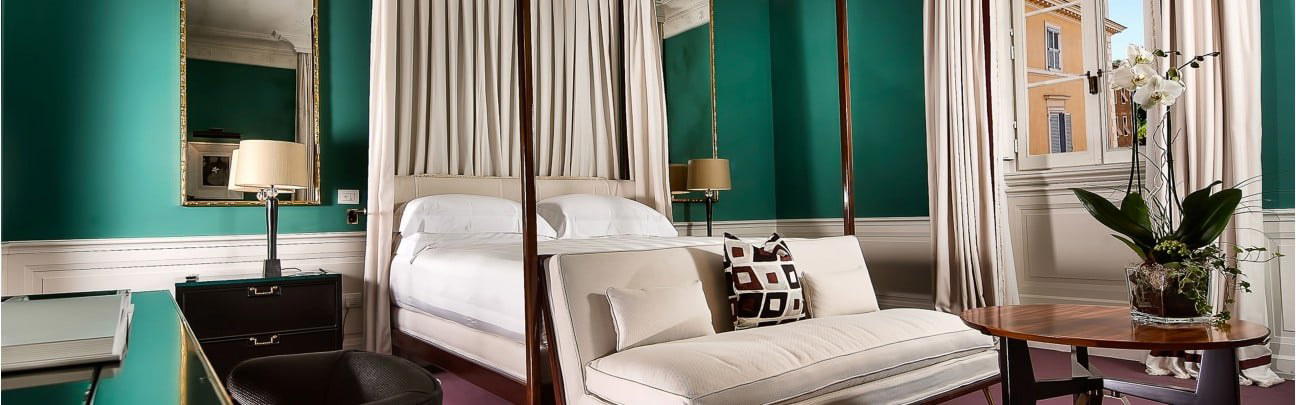
Bars in Rome
Browse all →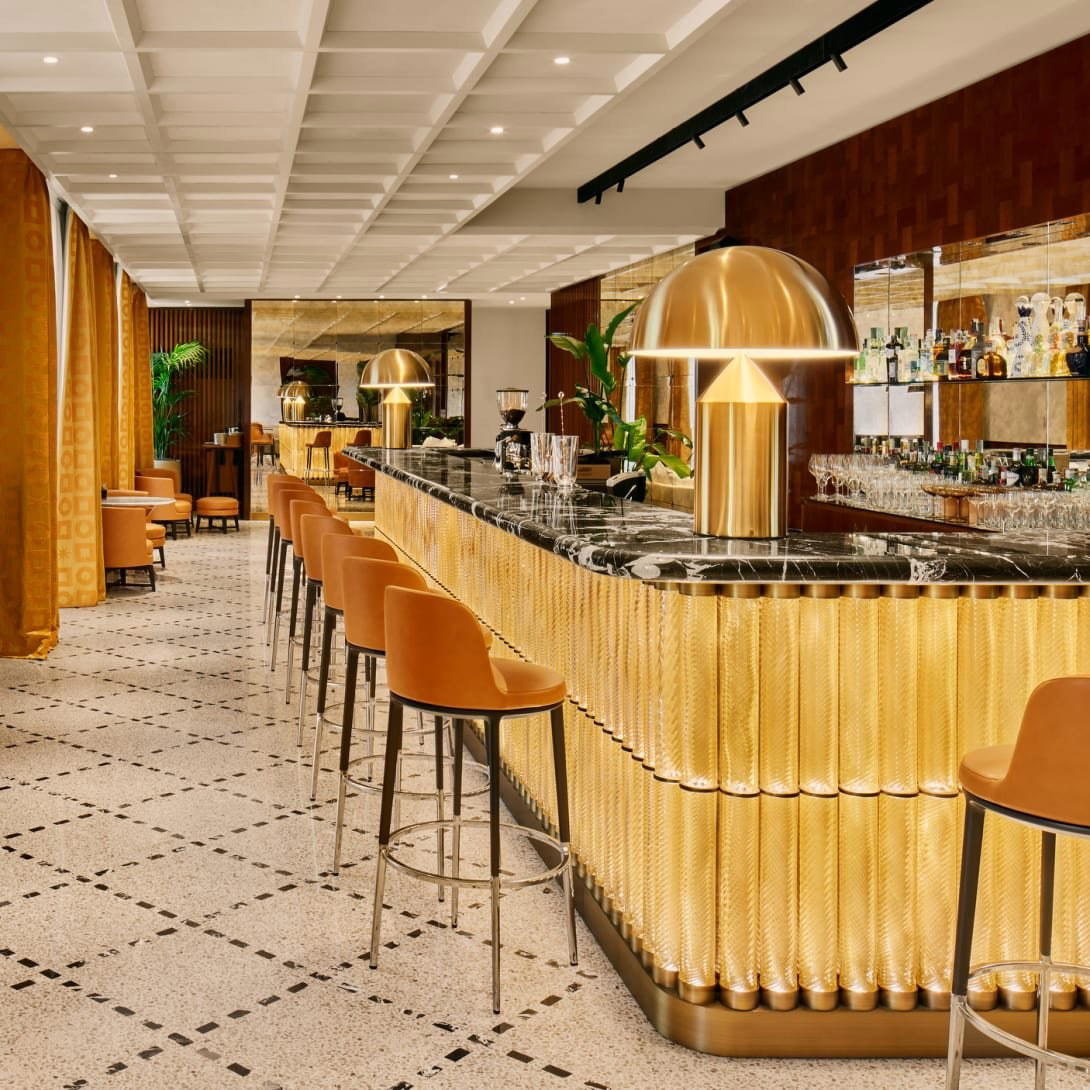
Restaurants in Rome
Browse all →

At a Glance
- Elegant
- Sophisticated
- Romantic
- Intimate
- Ornate
- Honeymoon
- Romantic Getaway
- Anniversary
- Terrace
- Historic Building
- Garden
- Wi Fi
- Room Service
- Concierge
- Elevator
- Valet Parking
- Restaurant
- Bar
- Garden
- Wi Fi
- Room Service
- Concierge
- Elevator
- Valet Parking
- Restaurant
- Bar
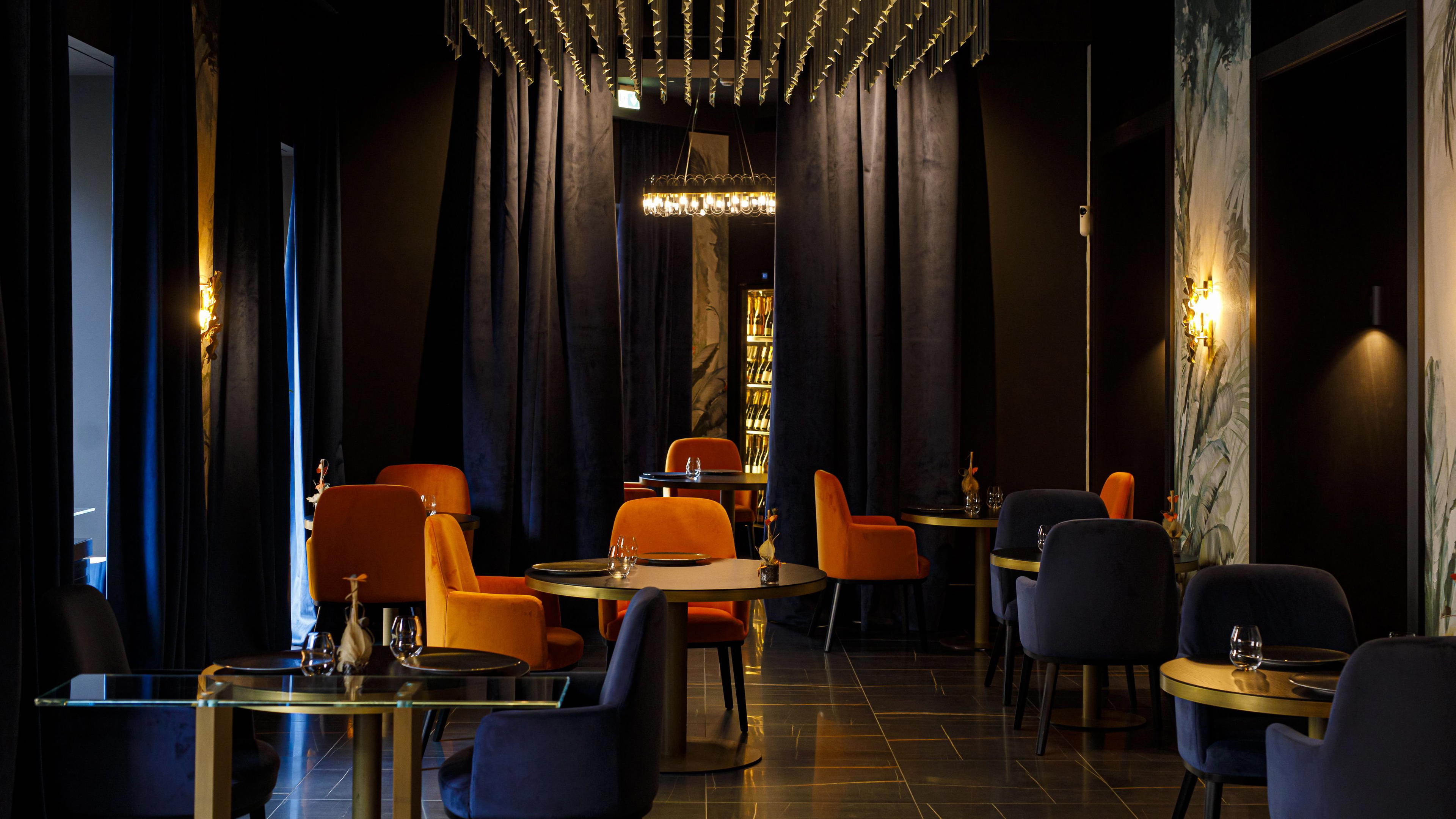
Bright and inviting with high ceilings, natural light, layers of velvet, brass lamps, and colorful contemporary art blended with historic features, creating a sophisticated Roman bohemian atmosphere.
Know Before You Go
- Getting there
- Via dell'Arancio, 69, 00186 Roma RM