

Star Wine List · Falstaff Wine Bar - 88 Falstaff Points
In Garbatella, one of Rome's most characterful southern neighbourhoods, La Mescita has established itself as a serious address for minimal intervention wines poured in an unhurried, convivial setting. The name translates simply to 'the pouring', which is as accurate a summary of the philosophy as any. For natural wine drinkers looking beyond the city centre, it represents a significant stop on the Roman scene.

Pearl is the En Primeur Club membership app, where members save venues, book tables and use the concierge.
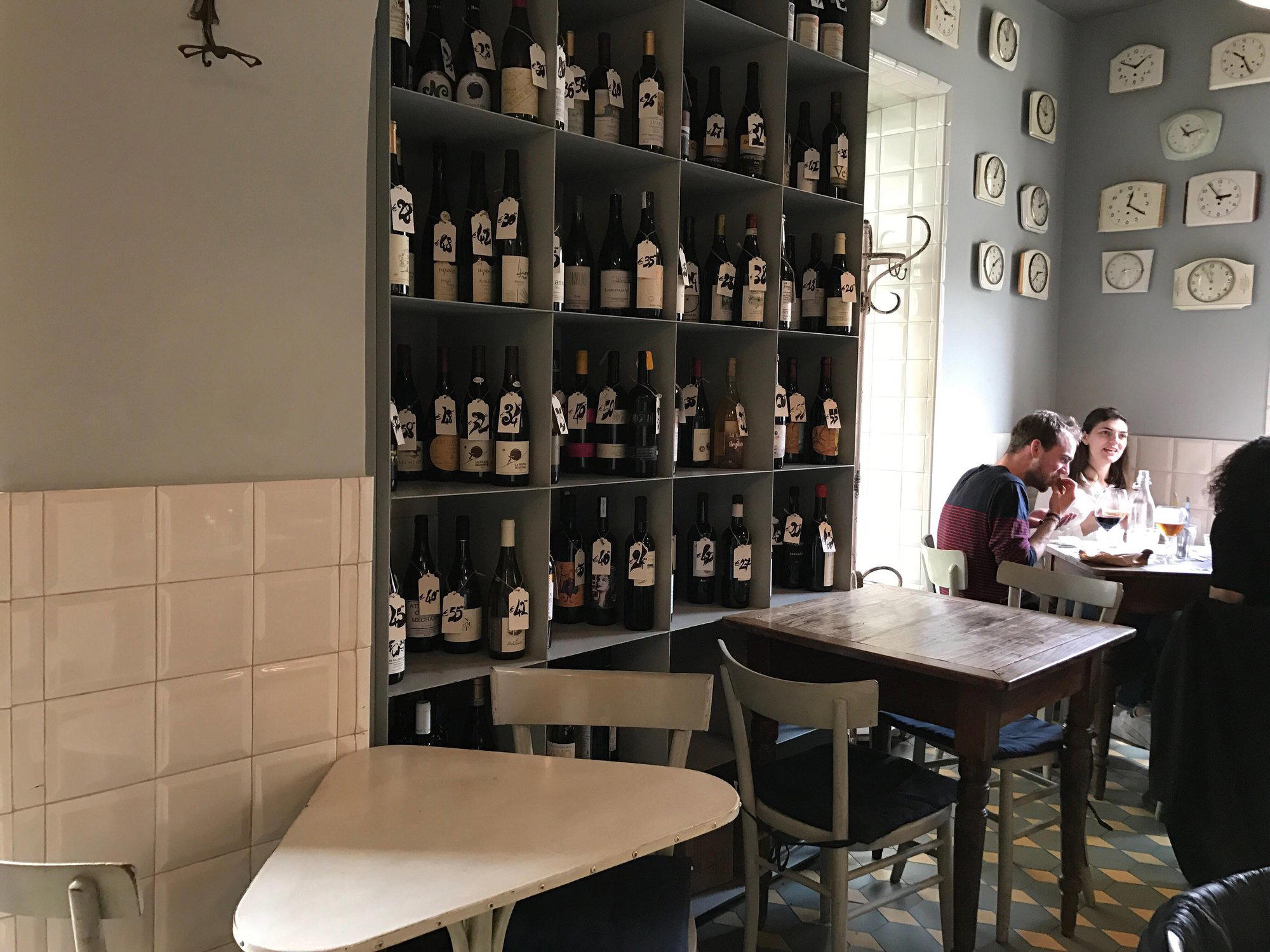
Garbatella Before the Glass
Rome's natural wine conversation tends to concentrate inside the old walls, around Trastevere and Testaccio, where the tourism infrastructure and the city's more recognisable bar culture overlap. Garbatella sits south of that cluster, a residential quarter built in the 1920s with a distinctly self-contained character: low-rise courtyards, a strong neighbourhood identity, and a local clientele that eats and drinks on its own terms. When a wine bar earns a reputation in Garbatella, it does so without the tailwind of foot traffic from the Centro Storico. That context matters when assessing La Mescita's position in the Roman scene. The address at number 44 places it squarely in the residential fabric of the neighbourhood rather than on a piazza or a pedestrian corridor. Arriving there requires a degree of intention, which filters the clientele toward people who already know what they want from an evening.
What 'The Pouring' Actually Means
Across Italian cities, the enoteca and the wine bar exist on a spectrum that runs from dusty bottle-shops with a few stools to considered hospitality operations with serious kitchen programmes. La Mescita occupies a position defined by conviviality rather than ceremony. The name, which translates directly as 'the pouring', signals an orientation toward the act of sharing wine rather than the performance of presenting it. In the minimal intervention wine world, that distinction carries weight: the leading natural wine spaces tend to foreground the liquid and the conversation around it rather than the credentials of the room.
Minimal intervention wine as a category has matured considerably across Italian cities over the past decade. What began as a counter-cultural position, associated with orange wines, pet-nats, and vignerons operating outside the appellation system, has developed into a legitimate tier of the wine trade with its own critical infrastructure, its own importers, and its own loyal drinker base. Rome has been part of that shift, and La Mescita is identified as one of the rising addresses within it. For Italian natural wine more broadly, the comparison points run north toward Bologna, where Enoteca Historical Faccioli has built a longer track record in the category, and toward Venice, where Al Covino operates in a similar register of specialist, convivial wine drinking.
Garbatella as Context, Not Just Address
The neighbourhood framing is not incidental. Rome's drinking culture has historically stratified by geography: the aperitivo circuit anchored in Prati and the Piazza del Popolo axis, the cocktail bars clustered around Trastevere and the riverside, and a more diffuse set of serious wine addresses spread across the eastern and southern quarters. Garbatella fits into that last category alongside the Ostiense and Pigneto zones, areas where the clientele skews local and the programming skews specialist.
That geography places La Mescita in a different competitive set from the city's more visible cocktail operations. The bars that define Rome's wider drinking reputation, including Drink Kong with its technically ambitious cocktail programme, Jerry Thomas Speakeasy with its long-running hidden-door format, Freni e Frizioni in Trastevere, and Boeme, are each operating in a cocktail-led idiom oriented toward a broader urban audience. That narrowness is a strength in a city where natural wine bars of real seriousness remain fewer than demand warrants.
The broader Italian natural wine bar scene, represented elsewhere by 1930 in Milan and more southern expressions like L'Antiquario in Naples, each follows its own local logic. Rome's version, which La Mescita exemplifies in Garbatella, tends toward the unpretentious and the neighbourhood-rooted rather than the design-forward or the destination-seeking. That is a considered position, not a default one.
The Atmosphere and What It Produces
The 'convivial and relaxed' description attached to La Mescita points to something specific in how minimal intervention wine spaces tend to operate at their leading. The wines in this category are often conversation starters by nature: cloudy, volatile, sometimes bracingly acidic or tannic in ways that invite discussion rather than passive consumption. Spaces that match that register, unhurried, unfussy, oriented toward the table rather than the room, tend to produce a different kind of evening than the sleeker operations further into the city centre. Gucci Giardino in Florence represents one pole of the Italian wine bar spectrum, design-conscious and high-visibility. La Mescita represents the opposite tendency: neighbourhood-embedded, atmosphere-driven, built on repeat custom rather than destination footfall. Both approaches have their logic; they are simply calibrated for different kinds of evenings. Given its neighbourhood positioning and rising profile within Rome's natural wine scene, checking current opening hours directly before visiting is advisable, as smaller wine bars of this type often operate on schedules that shift by season. Booking ahead is the sensible approach for evenings, particularly on weekends, when the local clientele fills the room early. For the broader Rome context and to build an itinerary around the visit, the full Rome restaurants and bars guide covers the city's key drinking and dining addresses across neighbourhoods. Those arriving from further afield, for instance from Lost and Found in Nicosia or Bar Leather Apron in Honolulu, will find La Mescita sits within a natural wine tradition that is as developed in Rome as anywhere in southern Europe.
At a Glance
Comparable venues nearby, for context on price, style, and recognition.
| Venue | Cuisine | Price | Awards | Notes |
|---|---|---|---|---|
| La MescitaThis venue (the venue you are viewing) | Not listed | $20–30 | Star Wine List · Falstaff Wine Bar - 88 Falstaff Points | Not listed |
| Ciampini Roma | Campo Marzio, Bar | $20–30 | Not listed | Not listed |
| Birra + | Not listed | $20–30 | Not listed | Prenestino-Labicano, beer_bar |
| Banana Republic Roma | Not listed | $10–20 | Not listed | Monte Mario, cocktail_bar |
| Trastevere | Not listed | $20–30 | Falstaff Wine Bar - 89 Falstaff Points | Trastevere, cocktail_bar |
| Sant' Eustachio Caffè | San Eustachio, Bar | $10–20 | Not listed | Not listed |
Recognition history
Dated appearances from independent guides and award organizations, with the underlying list record or original source where available.
Star Wine List
Star Wine List
Falstaff Wine Bar - 88 Falstaff Points
Falstaff
Continue exploring
More in Rome
Bars in Rome
All bars in Rome →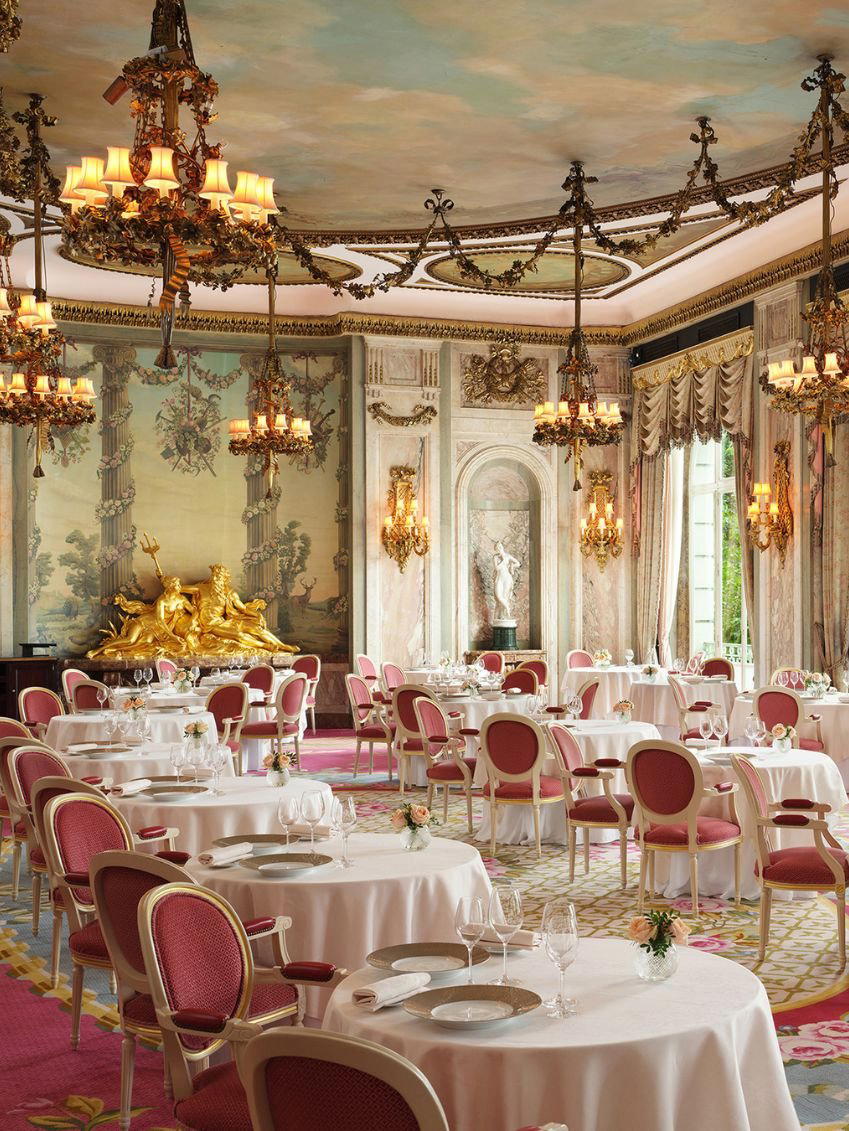
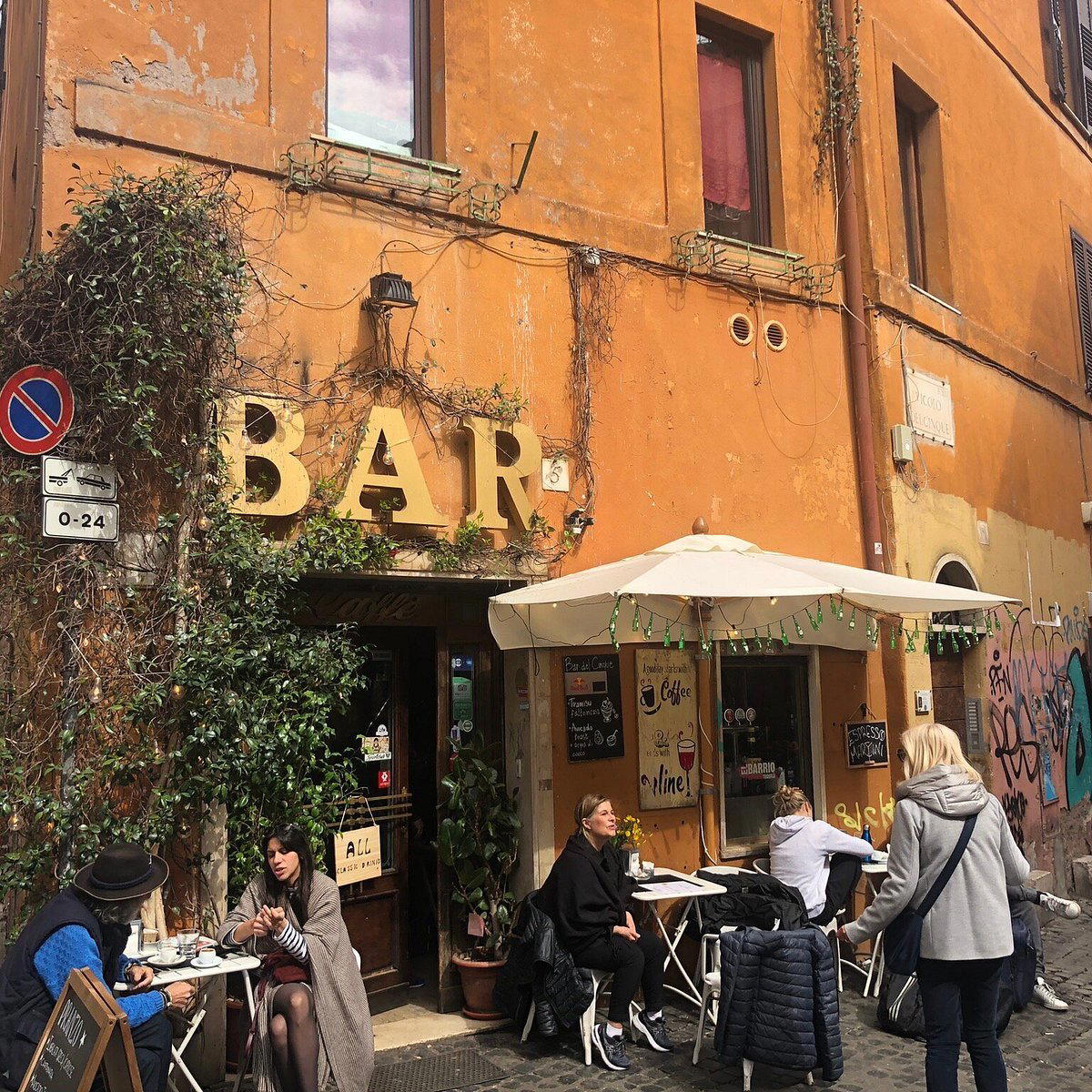
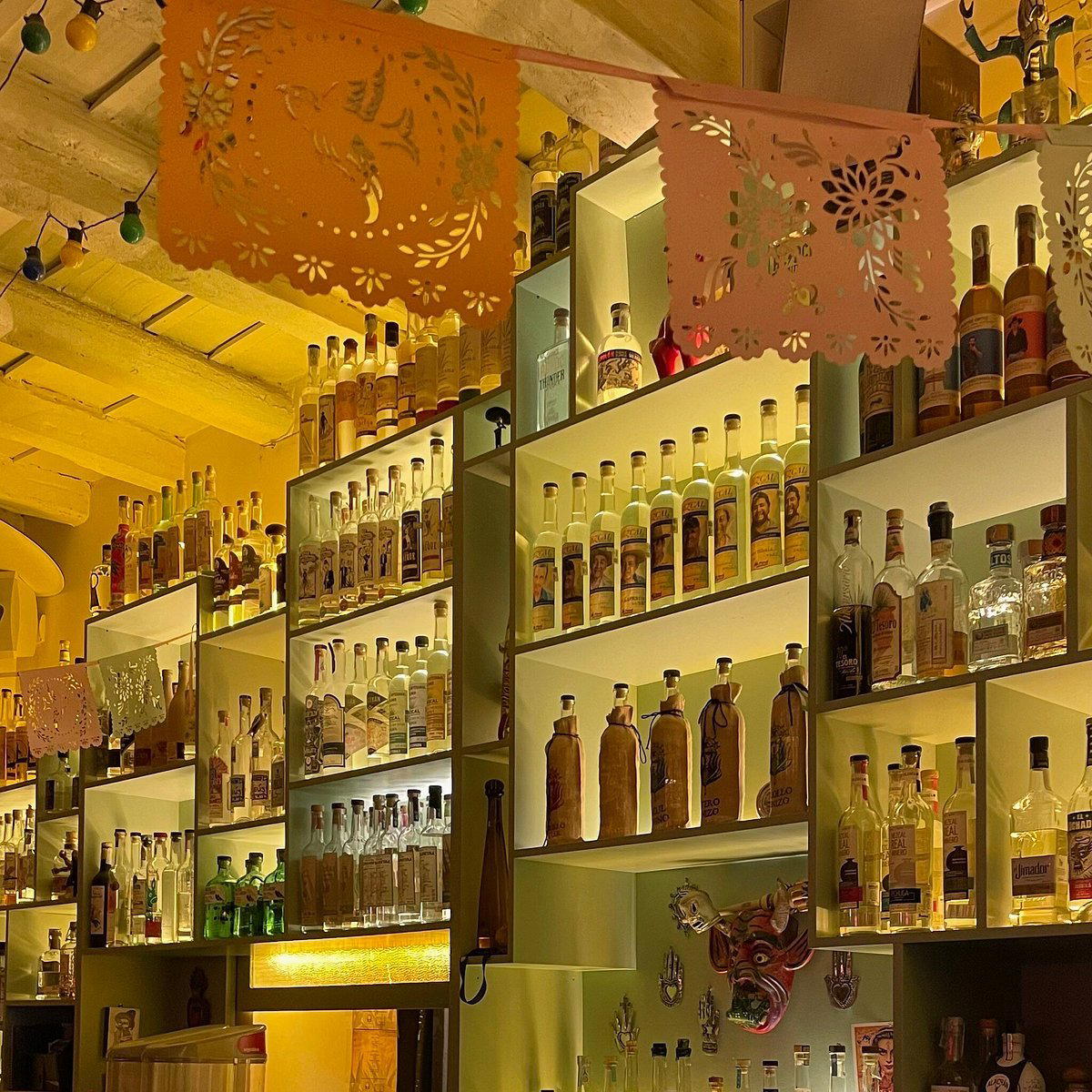
Restaurants in Rome
All restaurants in Rome →
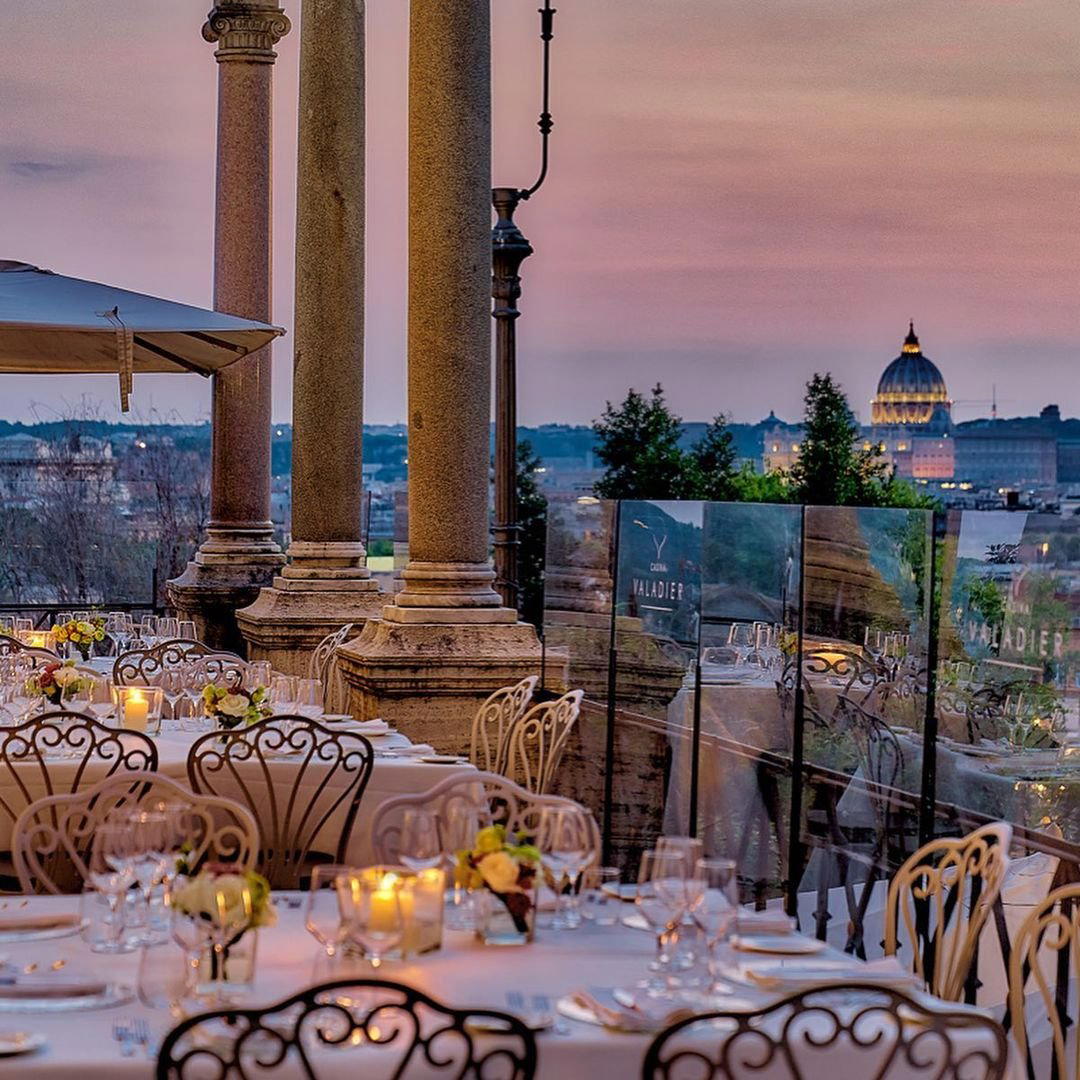
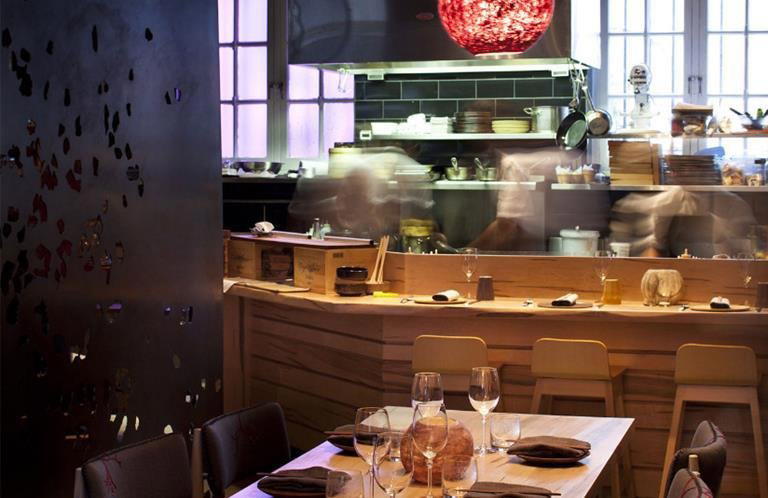
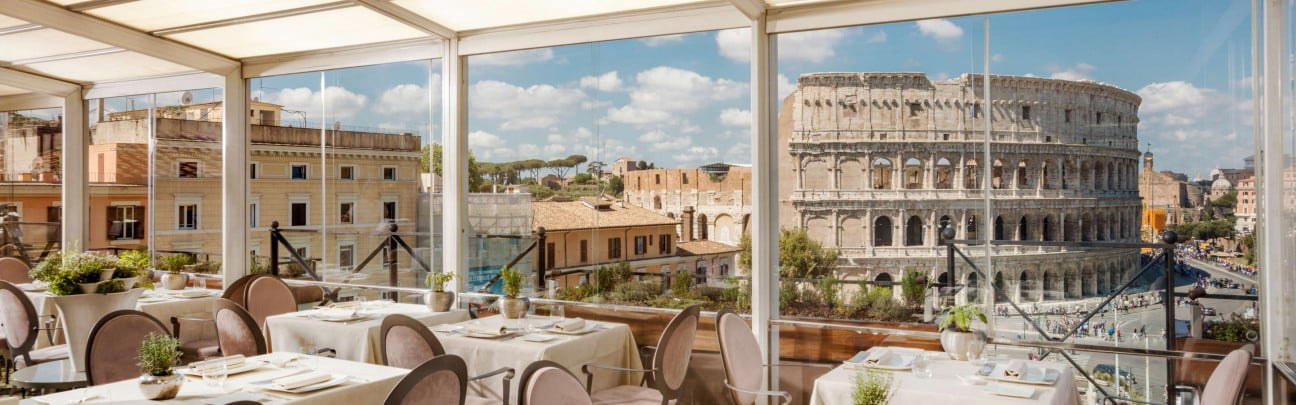
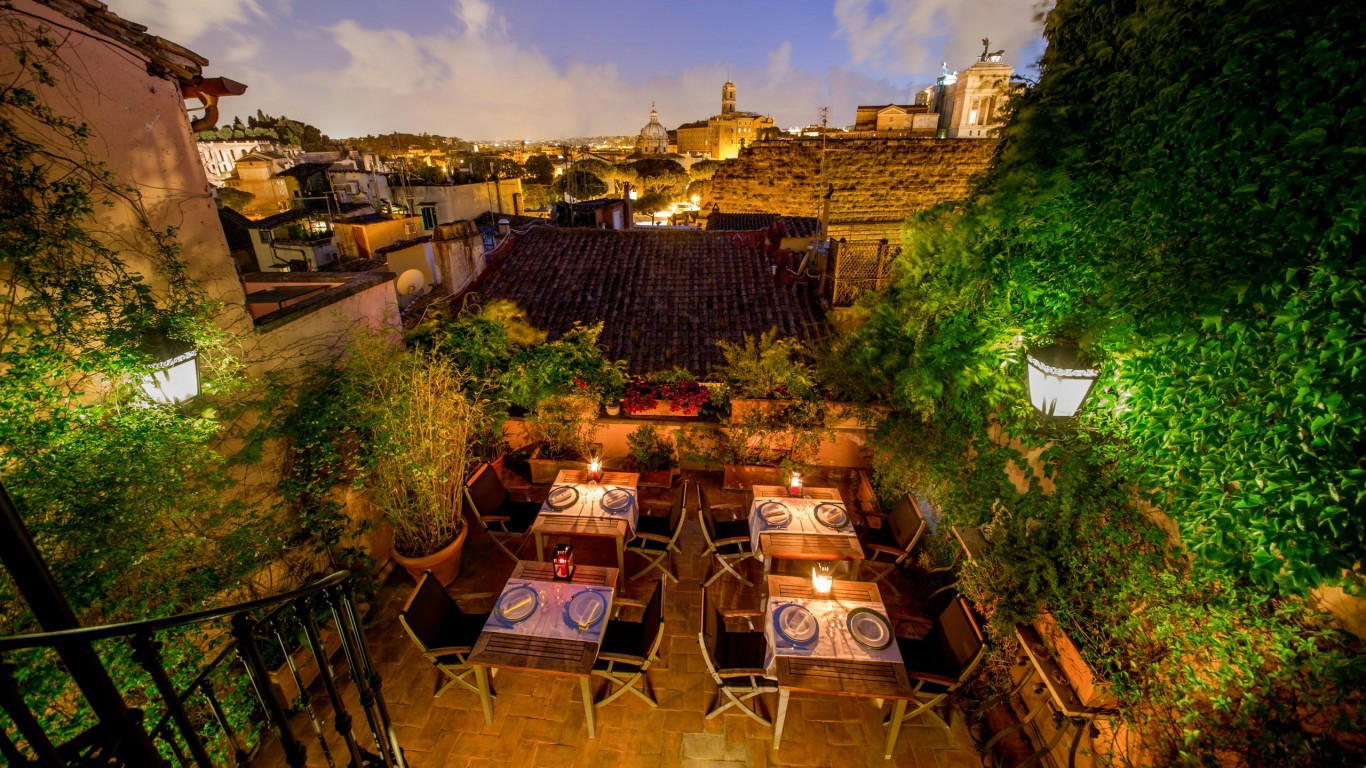

La Mescita
The wine
- Wine program
- Deep wine list
- Natural wine
- Craft beer
Signature drinks: Montepulciano d'Abruzzo, Spanish white blend.
Details
- Cozy
- Lively
- Bohemian
- Casual Hangout
- After Work
- Group Outing
- Date Night
- Standalone
- Terrace
- Seated Bar
- Outdoor Terrace
- Communal Tables
- Natural Wine
- Conventional Wine
- Craft Beer
- Street Scene
Current opening hours
- Monday
- 6 PM–1 AM
- Tuesday
- 6 PM–1 AM
- Wednesday
- 6 PM–1 AM
- Thursday
- 6 PM–1 AM
- Friday
- 6 PM–1 AM
- Saturday
- 6 PM–1 AM
- Sunday
- 6 PM–1 AM
Hours can change for holidays and private events. Hours as of .
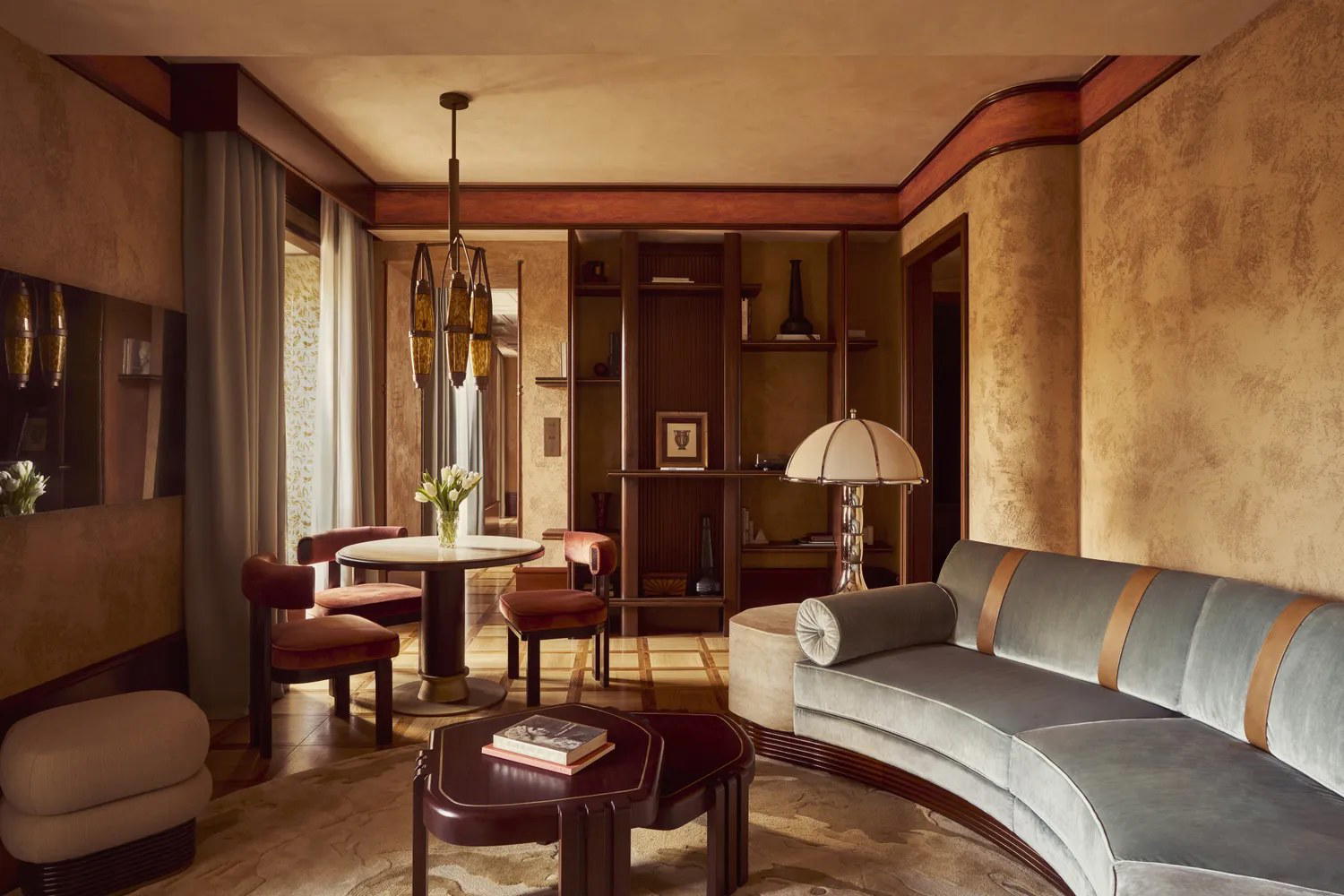
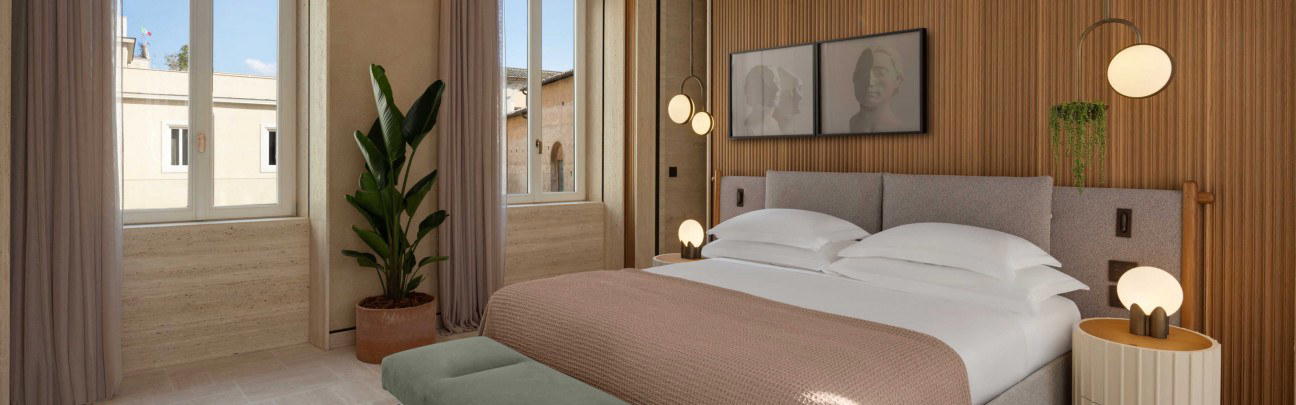
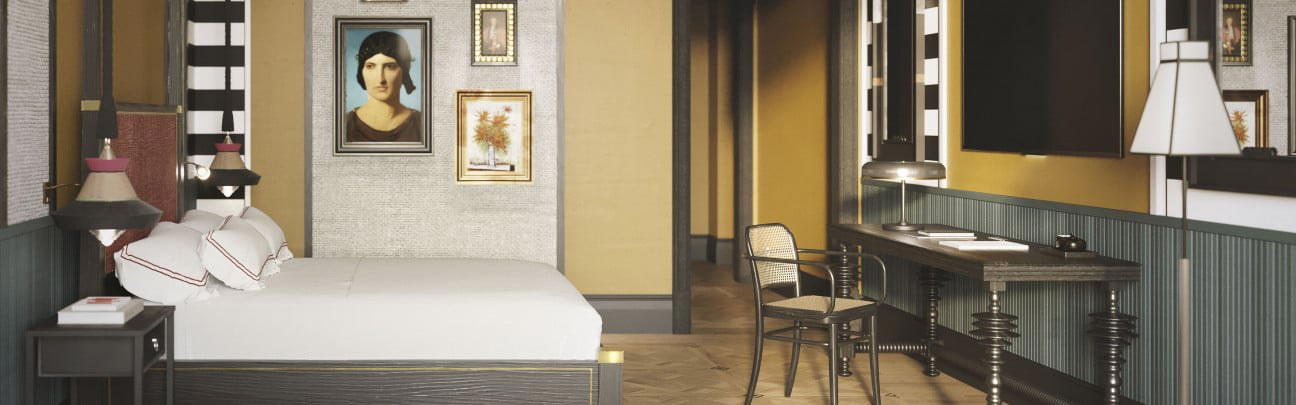
Warm, inviting, and effortlessly casual with cozy wooden tables inside and outdoor street seating; relaxed and social atmosphere that feels like a local gathering spot rather than a polished establishment.