

Six Senses Rome occupies the 15th-century Palazzo Salviati Cesi Mellini, steps from historic landmarks, with 96 rooms designed by Patricia Urquiola, a Michelin-keyed restaurant program, and a spa conceived around ancient Roman bathing culture. At rates from $1,162 per night, it sits at the upper tier of Rome's palace-hotel category, distinguished by a sustainability focus that sets it apart from the city's more traditional luxury addresses.
Pearl is the En Primeur Club membership app — saves, bookings, and concierge access live there. Same editors, same standards.
- Address
- P.za S. Marcello, 4, 00187 Roma RM
- Phone
- +39 06 8681 4000
- Website
- sixsenses.com
- Directions
- Get directions
 Saves & bookings on Pearl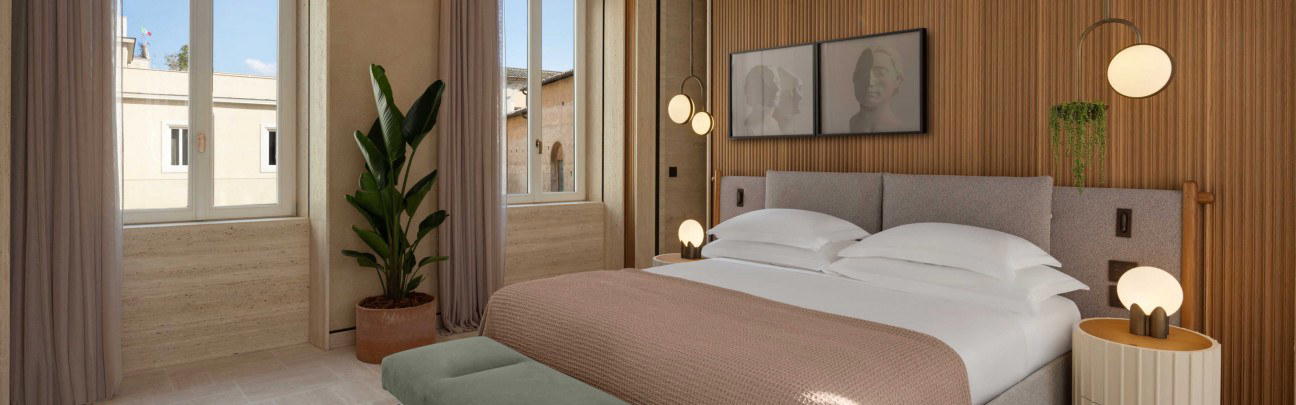
A Palazzo Reimagined for the Modern Traveller
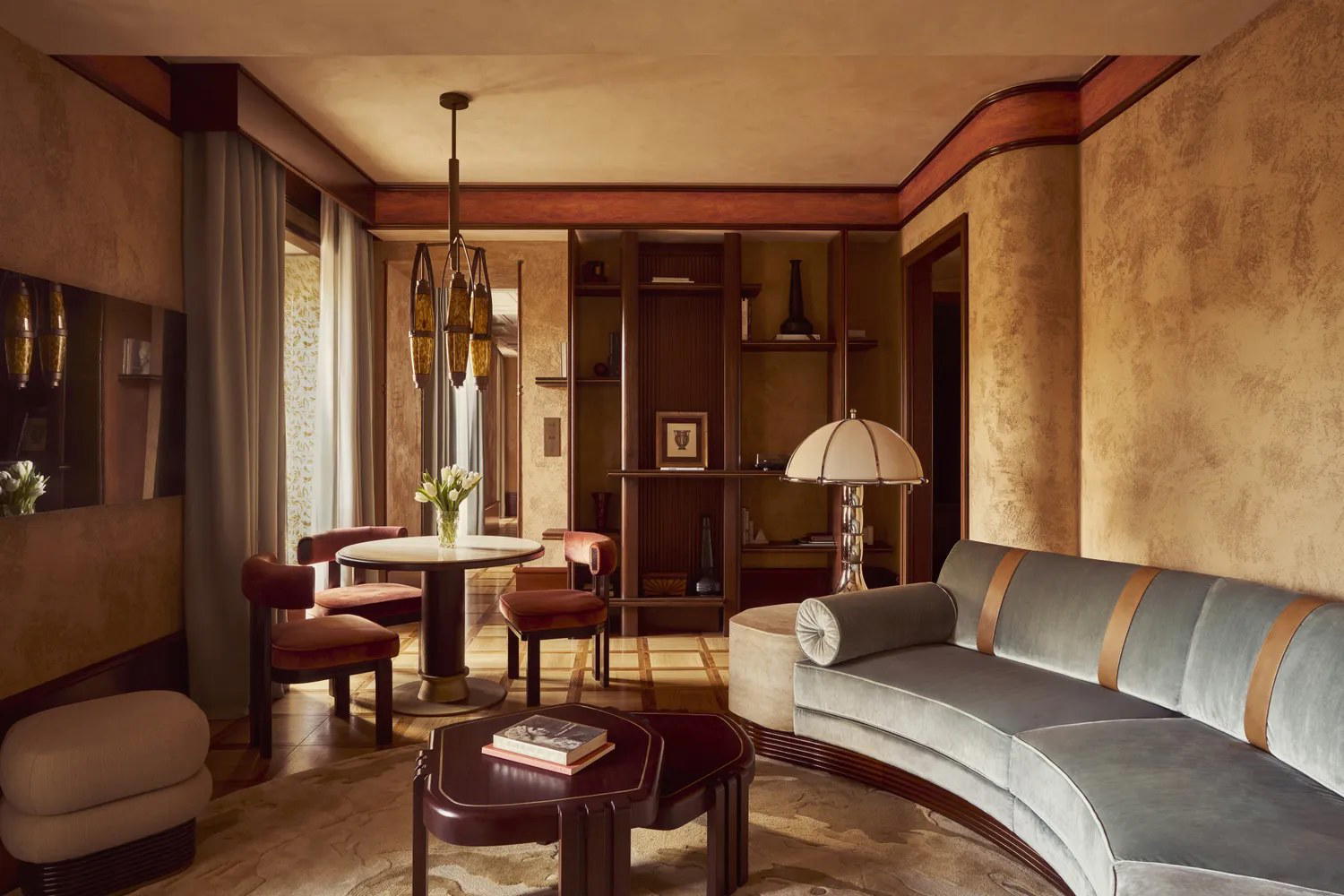
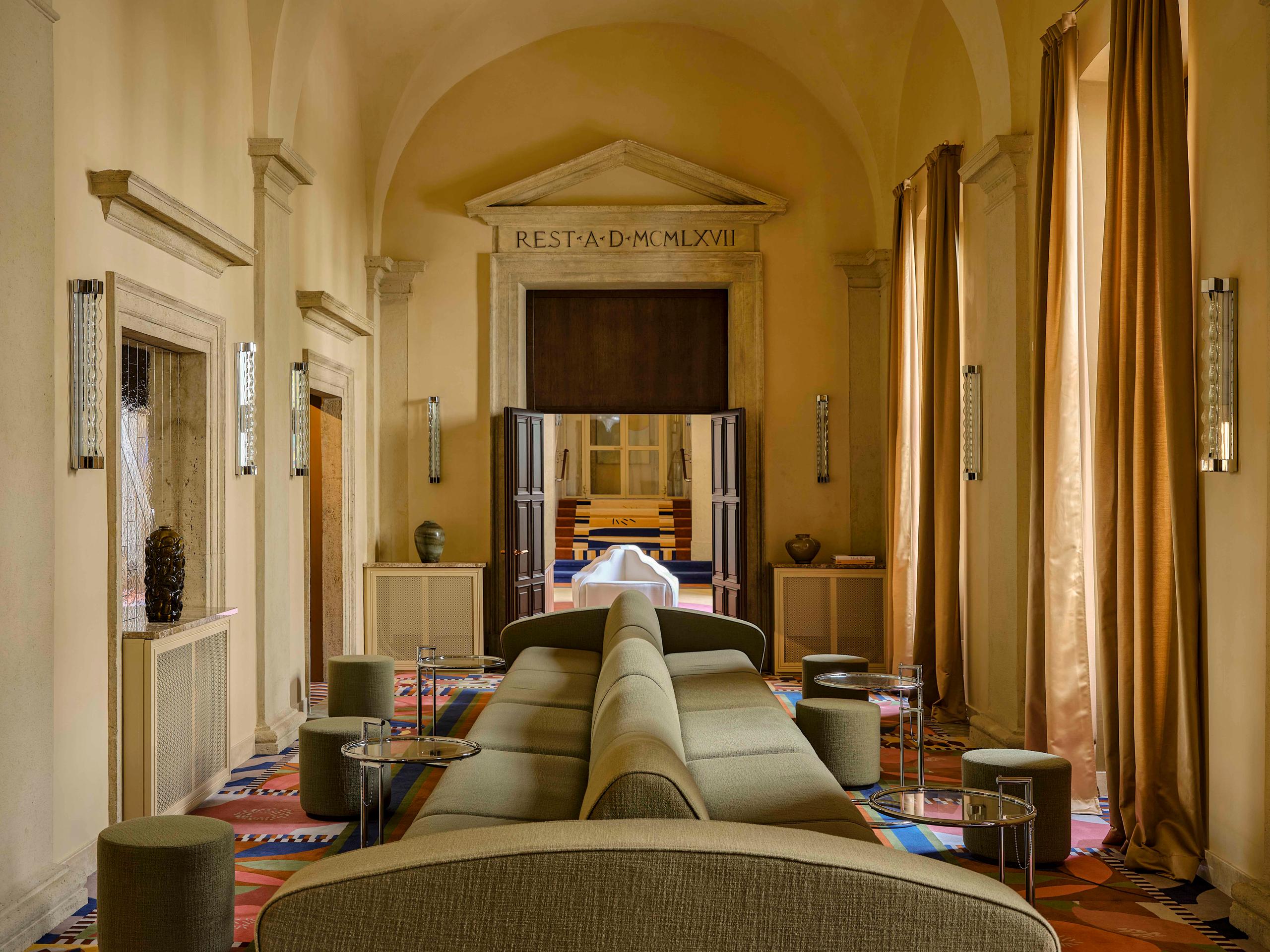
Rome's palace-hotel category is crowded with properties that treat historical fabric as a constraint. The approach at Six Senses Rome, which occupies the 15th-century Palazzo Salviati Cesi Mellini near Piazza San Marcello, runs in the opposite direction: the exterior and architectural bones have been meticulously preserved, while the interiors were handed to designer Patricia Urquiola with what reads, from the result, as considerable creative latitude. The tension between a cardinal's former residence and a rigorously contemporary luxury fit-out is not accidental. It is the central editorial statement of the property.
That tension is apparent from arrival. The palazzo's facade signals age and authority; the lobby signals a hotel brand that has never treated heritage as a reason to be conservative. Six Senses, which operates properties from Douro Valley to the Maldives, applies a consistent design intelligence across its portfolio: materials-led, wellness-rooted, and deliberately non-grandiose in its finishes even when the bones of the building are grand. In Rome, where neighbouring luxury addresses like Bulgari Hotel Roma and Hotel Eden play more directly to the city's theatrical self-image, the Six Senses approach reads as a deliberate counterpoint.
What Michelin's Key Signals About the Food Program
Six Senses Rome received one Michelin Key in the program's first year, a signal that positions it within the tier of Rome hotels where the food and beverage offering is considered integral to the stay rather than incidental to it.
The BIVIUM Restaurant-Café-Bar, which functions as the property's all-day anchor, is built around a modern Italian menu that is half plant-based and entirely locally sourced. In a city where sustainability claims are often decorative, that level of sourcing discipline is operationally demanding. The NOTOS Rooftop operates as a separate format, oriented around the city view and a lighter food-and-drink proposition. Rome's rooftop bar circuit is competitive, and NOTOS occupies the upper end of it by virtue of both the address and the quality of the surrounding context: the Palazzo's central position places landmark Roman architecture within sightline in multiple directions.
Michelin Key recognition also matters as a comparative signal. Other Rome properties at this price point, including Hassler Roma and Portrait Roma, carry their own credentials and food programs, but the Six Senses distinction lies in the systematic approach to sourcing and the wellness alignment that runs through the menu rather than appearing as a separate offering.
The Spa as Core Product
Roman bathing culture predates the city's contemporary wellness economy by roughly two millennia, and Six Senses Rome positions its spa as a direct heir to that tradition rather than a modern amenity grafted onto a historic building. The spa format follows the brand's established model: programming built around recovery, sensory grounding, and what the brand describes as rituals. In Rome, that language maps onto an actual historical reference point, which gives the proposition more coherence than it would in a city without the same bathing legacy.
Wellness infrastructure is increasingly a differentiator in the upper tier of European palace hotels. Properties like Aman Venice and Four Seasons Hotel Firenze invest heavily in spa programming as a retention tool for guests who might otherwise treat the hotel as a base rather than a destination. Six Senses has built its entire brand identity around this logic, which means the spa at the Rome property is not an add-on, it is part of the primary proposition.
Rooms: Scale, Design, and What the Price Reflects
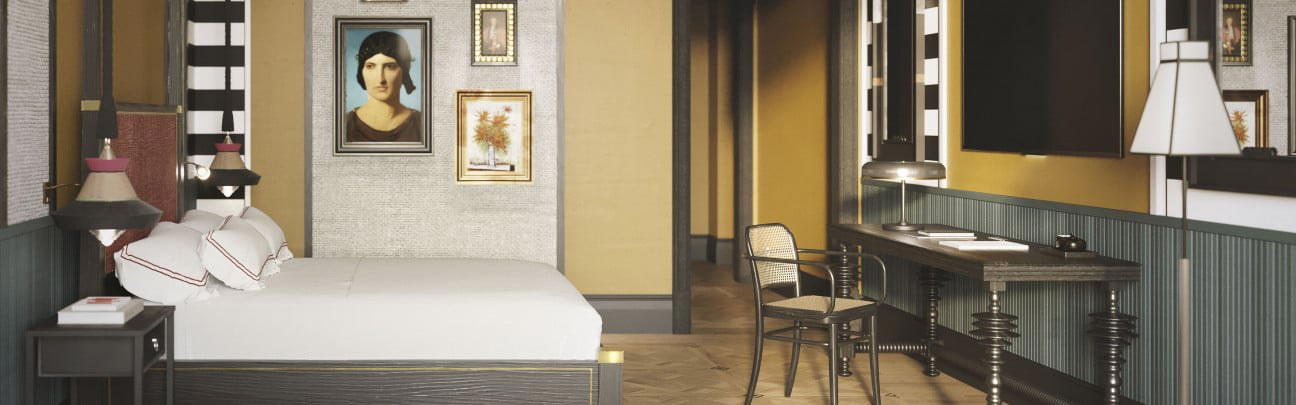
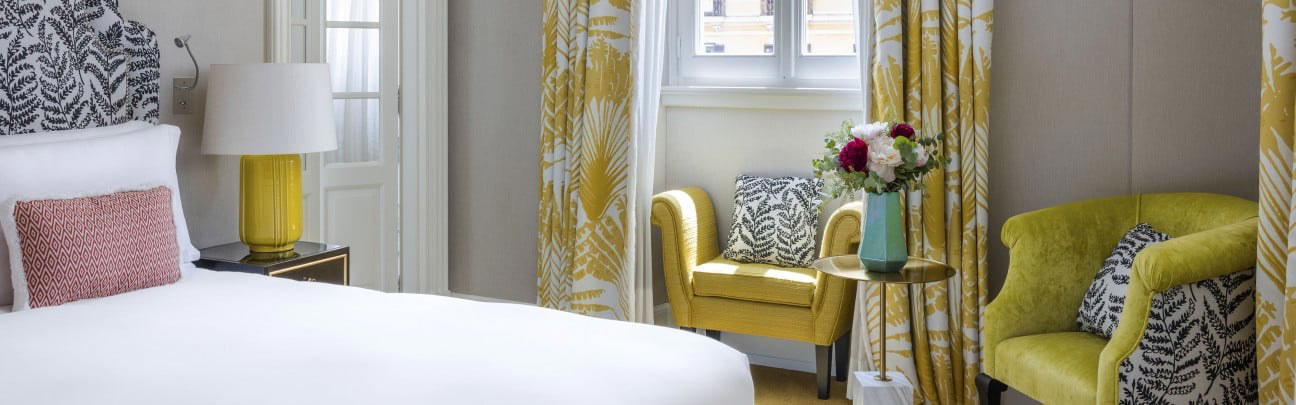
The property runs 96 rooms, a count that places it in the mid-range by Roman palace standards, larger than particularly intimate addresses like Hotel Vilòn or Maalot Roma, but compact enough to maintain service consistency at the level the brand requires. Entry rooms begin at approximately 28 square meters, a footprint that is honest rather than generous by the standards of a rate that starts at $1,162 per night. The upper-tier suites expand considerably from that base, and the design at all levels reflects the Urquiola brief: contemporary Italian luxury rather than period pastiche.
The pricing places Six Senses Rome in direct competition with JK Place Roma and the upper bracket of the Roman palace market. At that price point, the decision to stay here rather than at a property with larger standard rooms is essentially a decision about what the stay is for: if wellness programming, food philosophy, and design coherence matter more than raw square footage at the entry level, the Six Senses proposition makes sense. If space is the primary consideration, there are arguments for other addresses in the same price tier.
Guests considering Rome within a broader Italian itinerary will find that hotel's positioning connects logically to properties like Borgo Santandrea on the Amalfi Coast, Rosewood Castiglion Del Bosco in Montalcino, or Casa Maria Luigia in Modena, properties where the food and environmental philosophy is as considered as the architecture. The Il San Pietro di Positano and JK Place Capri represent the coastal end of a similar tier. For travellers building multi-stop itineraries across Italy, the Six Senses approach to consistency across properties is a planning convenience; the Rome address offers a city anchor with the same wellness infrastructure available at more rural or coastal outposts in the portfolio.
Location and the Logic of the Address
Piazza San Marcello sits within walking distance of the Trevi Fountain, the Pantheon, and Piazza Navona, which means the hotel's position is genuinely central rather than peripherally adjacent to the historic core. In a city where location determines the practicality of a stay as much as the room quality, this matters. Rome's leading hotels cluster in a roughly defined triangle between the Spanish Steps, the Vatican corridor, and the area around Campo de' Fiori; the Six Senses address sits within that triangle, close enough to the main landmarks to make the city walkable without requiring constant transport decisions.
The Hotel Locarno and Castello di Reschio in Umbria represent different ends of the Italian hospitality spectrum in terms of setting; the hotel occupies the urban, historic-centre position that suits guests prioritising access to the city's cultural density over seclusion. Those seeking a more removed Italian experience might look to Il Pellicano in Porto Ercole, Borgo Egnazia in Puglia, or Passalacqua on Lake Como, but the Rome property's value is precisely its urban density.
For international travellers using Rome as part of a wider trip that includes other major cities, the Six Senses address compares in tier and approach to properties like Aman New York or The Fifth Avenue Hotel, properties where the building's history is part of the product, and the contemporary fit-out is layered on rather than imposed over it.
Planning Your Stay
Rates at the hotel begin at approximately $1,162 per night, positioning the property at the upper end of Rome's palace-hotel market. The hotel operates 96 rooms across multiple categories, from standard rooms at 28 square meters to considerably larger suites. The BIVIUM Restaurant-Café-Bar runs across all-day formats with a locally sourced, half-plant-based modern Italian menu; NOTOS Rooftop operates as a separate destination within the property. The spa is central to the Six Senses programming model. The property is located at Piazza San Marcello 4, within walking distance of the Trevi Fountain and the Pantheon.
At-a-Glance Comparison
Comparable venues nearby, for context on price, style, and recognition.
| Venue | Cuisine | Price | Awards | Notes |
|---|---|---|---|---|
| Six Senses RomeThis venue — the venue you are viewing | Urban wellness retreat fusing Roman heritage and contemporary design | $$$$ | Michelin 1 Key | Not listed |
| Umiltà 36 | Retro-inspired Roman Dolce Vita boutique with refined ambiance and modern touches | $$$$ | Michelin 1 Key | Trevi |
| The Inn at the Roman Forum | Intimate five-storey terraced townhouse converted into a luxury boutique residence with personalized service and historic character. | $$$$ | Michelin 1 Key | Monti |
| Hotel Locarno | Historic Art Deco boutique hotel with retro-classic style. | $$$$ | Michelin 1 Key | Campo Marzio |
| Hotel Eden | Luxury historic boutique in the heart of Rome near Spanish Steps. | $$$$ | Michelin 1 Key | Ludovisi |
| Maalot Roma | Boutique luxury hotel with personalized service and glamorous dining. | $$$$ | Michelin 1 Key | Trevi |
Recognition history
Dated appearances from independent guides and award organizations, with the underlying list record or original source where available.
Mr & Mrs Smith Smith Seal of Approval
Mr & Mrs Smith
Virtuoso Luxury Hotel Partner
Virtuoso
Michelin 1 Key
Michelin
Michelin 1 Key
Michelin
Continue exploring
More in Rome
Hotels in Rome
Browse all →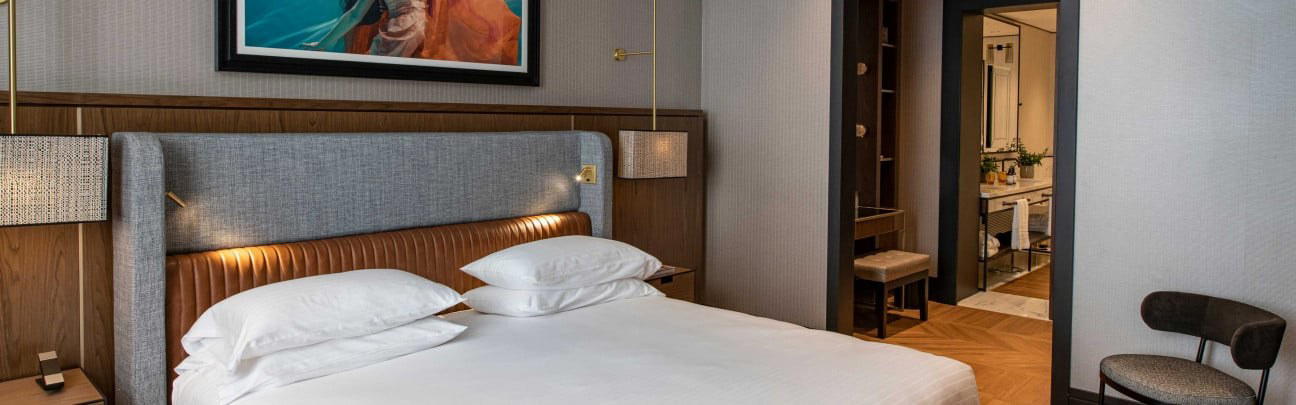
Restaurants in Rome
Browse all →
Wineries in Rome
Browse all →
At a Glance
- Elegant
- Sophisticated
- Modern
- Serene
- Romantic Getaway
- Wellness Retreat
- Anniversary
- Rooftop Pool
- Destination Spa
- Terrace
- Historic Building
- Panoramic View
- Wi Fi
- Pool
- Spa
- Fitness Center
- Room Service
- Concierge
- Valet Parking
- Garden
- Wi Fi
- Pool
- Spa
- Fitness Center
- Room Service
- Concierge
- Valet Parking
Airy and tranquil with natural light, sustainable elements, and a calm retreat atmosphere enhanced by soundproofed rooms and spa facilities.