Falstaff Bar - 93 Falstaff Points
Our verdict
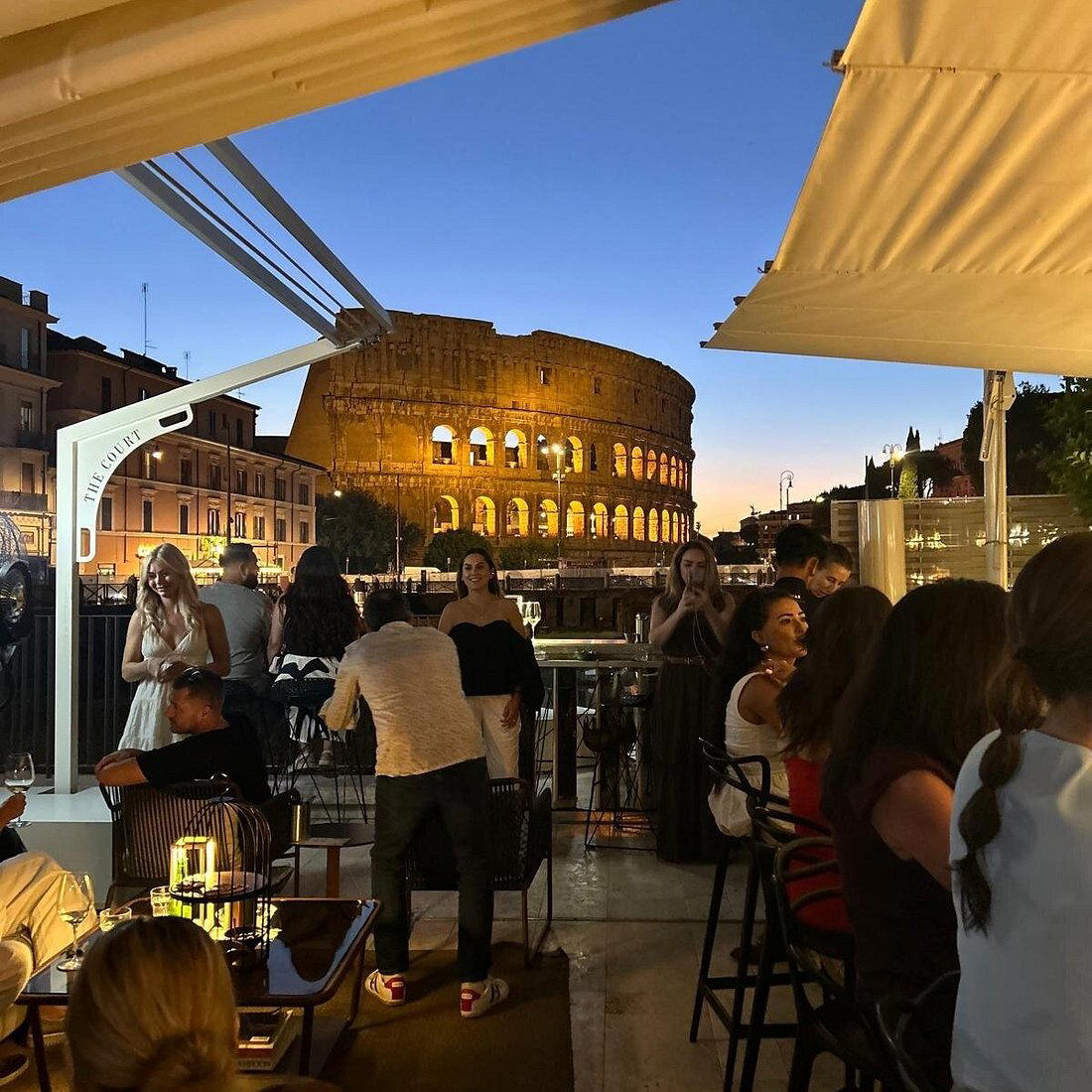
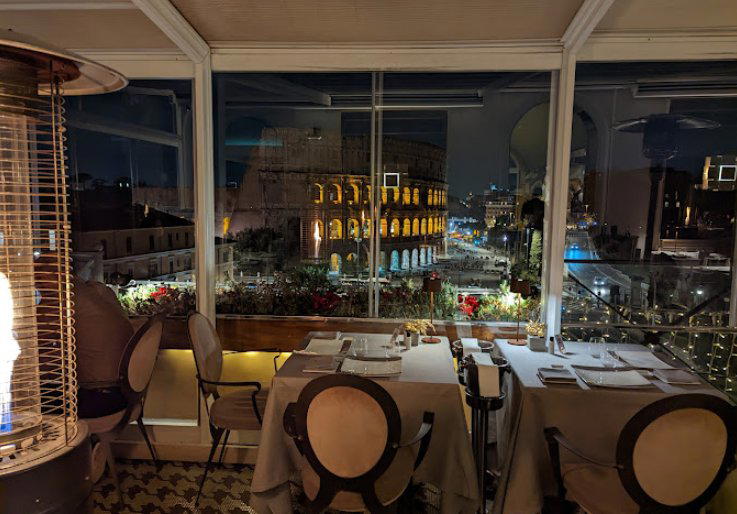
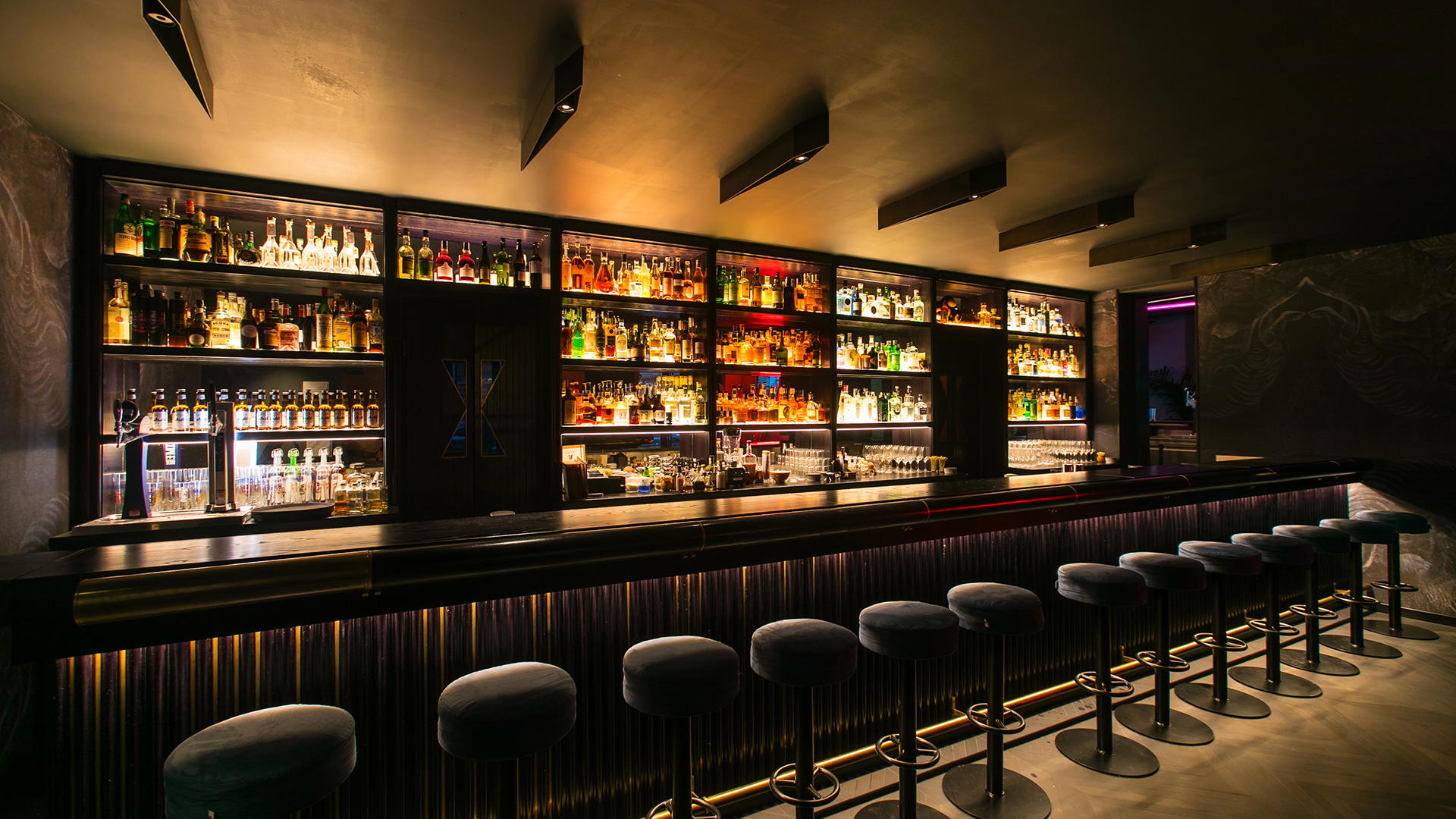
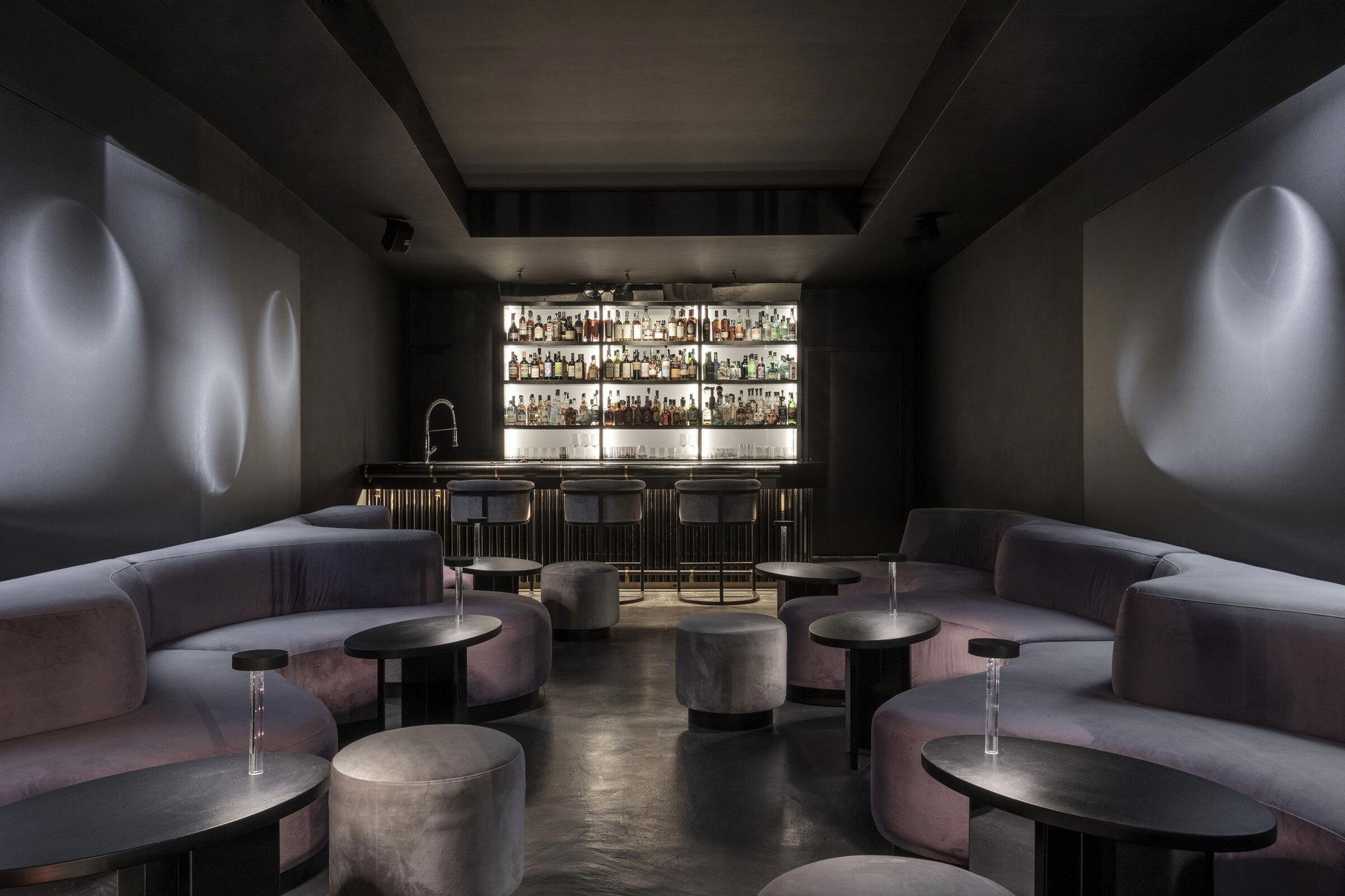
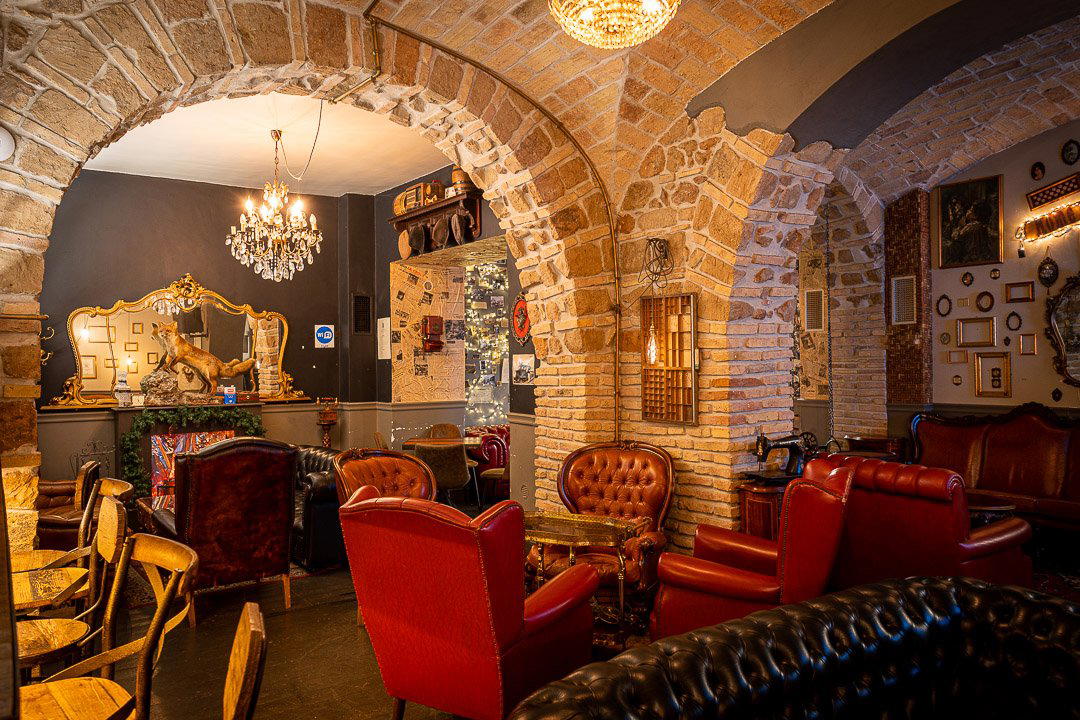
On Via Labicana, within walking distance of the Colosseum, The Race Club occupies a stretch of Rome where ancient archaeology and contemporary city life run in close proximity. The venue sits in a tier of the Roman dining scene where the address carries weight, and the surrounding neighbourhood context shapes what guests expect before they arrive.

Pearl is the En Primeur Club membership app, where members save venues, book tables and use the concierge.
The menu
What to order
- Aston Martini
- V for Vespetta
- Mezzo Pieno
- Inseparabili
- Sea Son
- Golden Blood
Where Via Labicana Places You
The stretch of Via Labicana running southeast from the Colosseum is one of Rome's more architecturally loaded corridors. The amphitheatre sits at one end, the Lateran basilica at the other, and between them the neighbourhood oscillates between tourist-facing operations and establishments that draw from a more resident and professional crowd. A venue at number 52 on that street is positioned where both audiences converge, which creates a particular kind of pressure on what a room needs to deliver. It cannot rely on novelty alone, and it cannot ignore the fact that first-time visitors to Rome will compare it against the full weight of the city's dining tradition.
Rome's fine and creative dining scene has consolidated over the past decade around a handful of addresses that justify premium positioning through either culinary lineage or a clear editorial point of view on what contemporary Italian cooking should be. At the top tier, La Pergola holds three Michelin stars and remains the clearest benchmark in the city. Below that, venues like Il Pagliaccio and Enoteca La Torre have built sustained recognition on creative menus that treat Italian ingredients as a point of departure rather than a constraint. The Race Club sits in a neighbourhood that historically has not been the primary address for that kind of ambition, which makes the location itself an editorial signal worth reading carefully.
The Architecture of a Menu in This Context
In Rome's contemporary dining scene, menu structure has become one of the clearest indicators of where a restaurant positions itself and what kind of relationship it wants with its guests. The shift from à la carte dominance to tasting-led formats, or to hybrid menus that offer both, tracks closely with how seriously a kitchen takes the idea of authorship. Venues operating in the creative tier, including Acquolina and Achilli al Parlamento, have each made distinct structural choices that signal their intent: how many courses, how much flexibility, how the wine programme is integrated, and whether the kitchen treats the menu as a fixed argument or an ongoing conversation with the season.
For a venue on Via Labicana, the question of menu architecture carries additional weight because the immediate area does not have the same density of reference points as, say, the centro storico. That relative isolation means the menu itself has to do more work in establishing what register the kitchen is operating in. Across Italy's broader fine dining circuit, from Osteria Francescana in Modena to Piazza Duomo in Alba, the restaurants that have built lasting reputations have done so by making structural commitments that are legible from the first look at the menu.
Understanding where any Rome restaurant sits requires mapping the full spread of the city's serious dining options. The creative and contemporary Italian category in Rome is smaller and more defined than in Milan or Florence. Enrico Bartolini in Milan and Enoteca Pinchiorri in Florence both operate in cities where the fine dining infrastructure is denser and more internationally connected. Rome's version of that tier has historically been smaller, which means individual venues carry more representational weight within the local conversation.
That dynamic has parallels in other Italian regions. Destination restaurants like Dal Pescatore in Runate and Reale in Castel di Sangro have built reputations that transcend their geographic isolation precisely because the kitchen's point of view is clear enough to travel. Uliassi in Senigallia and Quattro Passi in Marina del Cantone both demonstrate that address and proximity to major urban centres matter less than the coherence of what a kitchen is arguing. The same standard applies to any serious Rome venue operating outside the established fine dining neighbourhoods.
Internationally, the pattern holds. Le Bernardin in New York and Atomix have both demonstrated that menu architecture, specifically how a kitchen sequences its argument and what it chooses to include or exclude, is among the most reliable signals of long-term seriousness. Atelier Moessmer Norbert Niederkofler in Brunico and Le Calandre in Rubano represent the Italian end of that argument: both operate menus built around a declared philosophy that the structure itself makes visible.
What the Address Signals
Via Labicana 52 is a specific address in a city where addresses carry symbolic freight. The Colosseum's proximity means the surrounding area absorbs significant visitor traffic, which in turn shapes the competitive environment for any serious restaurant operating there. Venues that want to appeal beyond the tourist rotation need to offer something that local and returning visitors will seek out by choice rather than by proximity. In Rome's most competitive dining tiers, that means the food and the room together need to make a case for themselves that the neighbourhood does not automatically make on their behalf.
This is not a disadvantage in any absolute sense. Some of Rome's most interesting recent openings have deliberately chosen addresses slightly removed from the established fine dining corridors, treating the relative lack of competition nearby as an opportunity rather than a liability. The question worth asking of any venue in this position is whether the menu architecture and overall format are coherent enough to generate their own gravitational pull.
Know Before You Go
- Address: Via Labicana, 52, 00184 Roma, Italy
- Neighbourhood: Between the Colosseum and the Lateran, southeast of the centro storico
- Getting There: The Colosseo metro station (Line B) is within walking distance; tram lines on Via Labicana provide additional access from other parts of the city
- Price Range:; verify directly before planning
Frequently asked questions
Where exactly is The Race Club?
The Race Club is located at Via Labicana, 52, 00184 Roma RM, Italy, Rome.
Is The Race Club a good option for dinner before or after visiting the Colosseum?
Geographically, the answer is yes: Via Labicana 52 sits directly on the road running southeast from the Colosseum, making it one of the closer seated dining options to the amphitheatre without retreating into the tourist-saturated blocks immediately adjacent.
What should I order at The Race Club?
At restaurants in Rome's Via Labicana corridor, an area that skews toward market-led cooking given its proximity to the city centre, asking staff what arrived that morning is the most reliable approach. Confirm current menu options directly with the venue before visiting.
How hard is it to get a table at The Race Club?
No booking data or reservation window is publicly documented for The Race Club at Via Labicana 52. Restaurants in Rome's Colosseum quarter face consistent tourist-driven demand, which typically compresses table availability at dinner, particularly on weekends. check the venue's official channels to establish current lead times.
What makes The Race Club worth seeking out?
The address alone carries context: Via Labicana 52 places the venue within metres of the Colosseum, in a stretch of Rome where the architectural density is matched by few other dining corridors in the city. Whether the kitchen capitalises on that positioning with cooking of equivalent seriousness is the question worth putting to recent diners before booking.
Is The Race Club good for vegetarians?
No menu or dietary information is publicly listed for The Race Club. Rome's contemporary dining tier has moved substantially toward vegetable-forward cooking over the past decade, but coverage at any individual restaurant depends on kitchen philosophy. Call ahead or check the current menu on the venue's own channels before making the trip.
In Context: Similar Options
Comparable venues nearby, for context on price, style, and recognition.
| Venue | Cuisine | Price | Awards | Notes |
|---|---|---|---|---|
| The Race ClubThis venue (the venue you are viewing) | Craft Cocktail Bar | $20–30 | Falstaff Bar - 93 Falstaff Points | Not listed |
| The Barber Shop | Speakeasy Cocktails | Not listed | Not listed | Monti |
| Pommidoro dal 1890 Ristorante | Traditional Roman Trattoria | Not listed | Not listed | Tiburtino |
| Sottosopra Trastevere | Modern Roman Italian | $50–100 | Not listed | Trastevere |
| Urbana 47 | Modern Roman Locavore | $20–30 | Not listed | Monti |
Recognition history
Dated appearances from independent guides and award organizations, with the underlying list record or original source where available.
Falstaff Bar - 93 Falstaff Points
Falstaff