









2 Michelin Keys · World's 50 Best #66 · Town & Country Hotel Awards
Orient Express La Minerva opened in April 2025 on Piazza della Minerva, steps from the Pantheon, marking the storied travel brand's first hotel. Housed in a 17th-century mansion restored by designer Hugo Toro, the 93-room property blends original marble statues and Murano chandeliers with Art Deco detailing. Rates are available on request, and the rooftop restaurant offers Mediterranean cuisine with direct views across the Roman skyline.

Pearl is the En Primeur Club membership app — saves, bookings, and concierge access live there. Same editors, same standards.
- Address
- Piazza della Minerva, 69, 00186 Roma RM
- Phone
- +39 06 844299
- Website
- laminerva.orient-express.com
- Directions
- Get directions
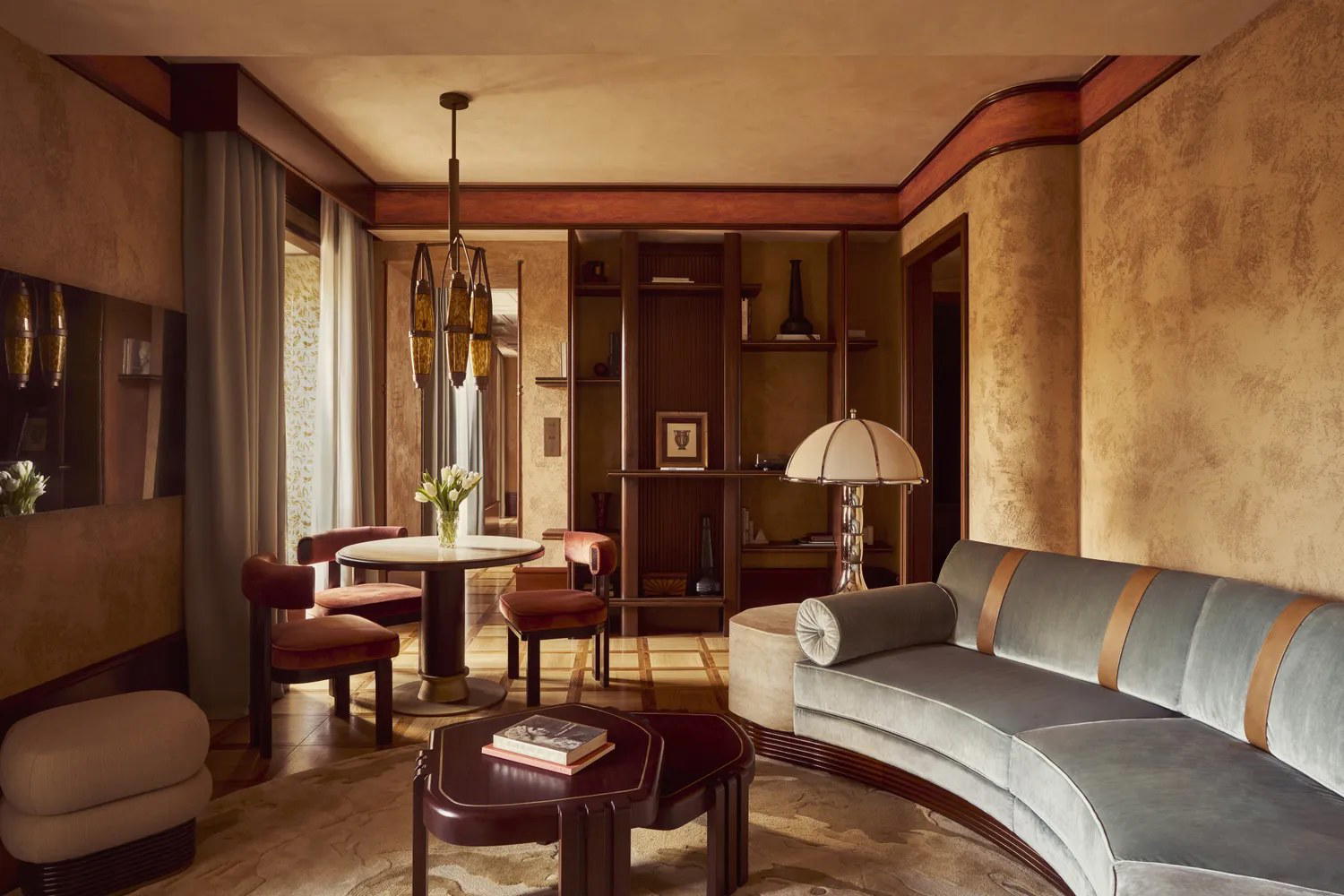
Where the Grand Tour Ends and Stays
Piazza della Minerva sits in one of Rome's most compressed pockets of history: the Pantheon is a two-minute walk north, Parliament a similar distance south, and the Egyptian obelisk at the square's centre has stood there since the 17th century. It is precisely this address that gives Orient Express La Minerva its editorial weight before a single room is considered. Hotels in this quarter of the centro storico do not manufacture proximity to antiquity; they either have it or they do not. La Minerva has it absolutely, and opened in April 2025 as the Orient Express brand's first hotel entry, converting the ambition of a train brand synonymous with slow luxury into a fixed address.
A Building With Four Centuries of Precedent
The structure itself carries more credential than most hotels acquire in operation. Established in 1620 as the Roman residence of the noble Portuguese Fonseca family, the building became a hotel in 1811 and drew a literary and artistic roster through the 19th century that included Herman Melville, Stendhal, and George Sand, all of whom passed through during the Grand Tour period when Rome functioned as the final destination of a continent-wide cultural circuit. That roster is not mere decorative history. It positions La Minerva within a very specific tier of European hotel legacy: properties that served as intellectual gathering points before the category of luxury travel had formalised itself.
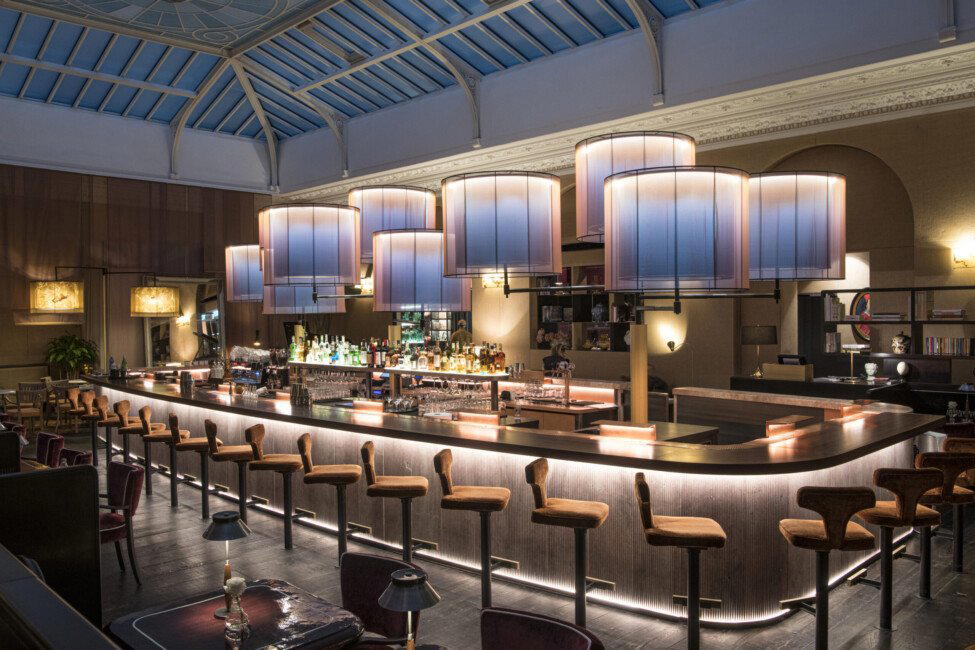
Designer Hugo Toro handled the restoration, working with the existing fabric rather than against it. Marble statues and ornate Murano glass chandeliers remain in place; the layering of Art Deco sensibility over 17th-century architecture creates a tension that reads as considered rather than conflicted. The building's historic skylight, which covers La Minerva Bar on the ground floor, is the clearest example of that approach: a structural element that would be architecturally significant in any context, now functioning as the centrepiece of the hotel's primary bar.
Rome's Ultra-Luxury Hotel Tier in 2025
The opening of La Minerva adds a significant new address to a Rome luxury hotel market that has been expanding at the leading end for several years. Properties like Bulgari Hotel Roma, Hotel Eden, and Hassler Roma occupy the reference points of that upper bracket, each differentiated by location and legacy.
The design-led, locally-rooted approach that distinguishes La Minerva echoes a broader pattern in premium hospitality, where international brand investment is increasingly channelled into historically significant buildings rather than purpose-built structures. Hotel Vilòn, Portrait Roma, and Maalot Roma each operate on a similar logic within Rome, as do JK Place Roma and Hotel Locarno, both of which have built reputations through character rather than square footage. La Minerva enters this conversation with the advantage of brand recognition and the disadvantage of being entirely new: it has not yet had time to accumulate the layered reputation that those properties carry.
The Rooftop and the Bar: Where the Building Performs
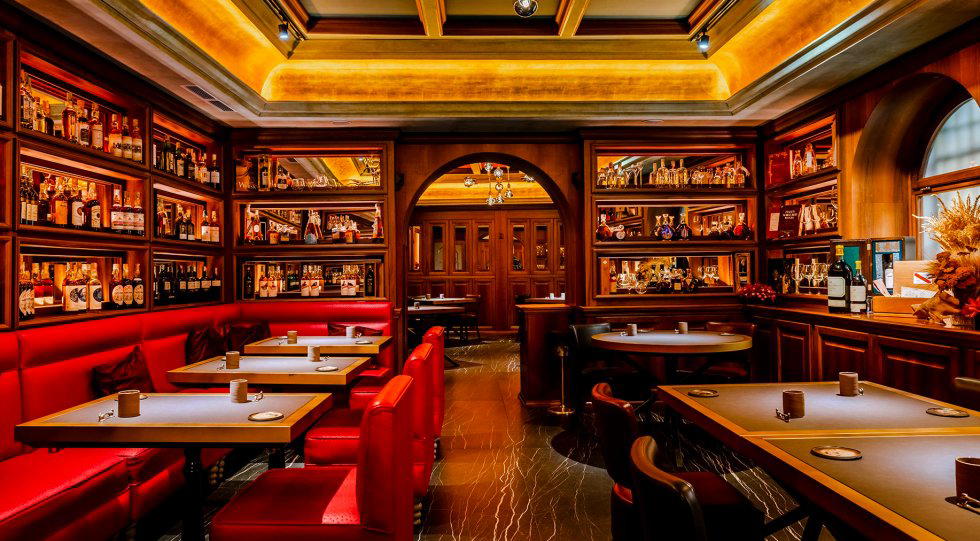
Two spaces define the hotel's social geography. La Minerva Bar operates beneath the building's original skylight on the ground floor, functioning as the property's central axis for evening drinks and the kind of ambient presence that marks a hotel bar worth visiting on its own terms. The rooftop restaurant and bar takes a different register entirely: Mediterranean cuisine served with a direct sightline to the Pantheon and across the Roman skyline. In a city where rooftop dining has become a competitive category, proximity and elevation matter considerably. La Minerva's rooftop has both, which places it in a strong position relative to properties further from the ancient core.
Rates are available on request, a pricing structure that signals positioning at the upper register of Rome's luxury market. For context on how La Minerva fits within Italy's wider ultra-luxury accommodation spectrum, the comparable properties include Aman Venice, Four Seasons Hotel Firenze in Florence, and Passalacqua in Moltrasio, each of which occupies a historically weighted building at the ceiling of their respective markets.
Orient Express La Dolce Vita: The Extended Proposition
The Orient Express brand has constructed a deliberate pairing between La Minerva and Orient Express La Dolce Vita, a luxury train offering two-to-three day itineraries across Italy with interiors designed by the same Hugo Toro. This cross-format coherence is not incidental: it positions La Minerva as both a standalone destination and a natural anchor point for a wider Italian itinerary. Guests arriving or departing via La Dolce Vita have a logical base in Rome that shares design language, brand philosophy, and the same slow-travel ethos the Orient Express name has traded on since 1883. For travellers combining Rome with destinations such as Castello di Reschio in Umbria, Casa Maria Luigia in Modena, or Rosewood Castiglion Del Bosco in Montalcino, La Minerva functions as the urban chapter of an itinerary weighted toward landscape and historical depth.
Planning a Stay
Orient Express La Minerva opened in April 2025 and holds 93 rooms across its restored palazzo. Pricing is on request, so direct contact with the property is required before any booking decision. The address at Piazza della Minerva, 69 puts guests within walking distance of the Pantheon, Piazza Navona, Campo de' Fiori, and the historic centre's densest concentration of restaurants and churches. For the full picture of what to eat, drink, and explore nearby, see our full Rome restaurants guide. Travellers building broader Italian itineraries might also consider Borgo Santandrea on the Amalfi Coast, Il Pellicano in Porto Ercole, Borgo Egnazia in Puglia, Il San Pietro di Positano, or JK Place Capri as complementary stops. For those extending travel beyond Italy, Aman New York, The Fifth Avenue Hotel, Amangiri in Utah, and Corte della Maestà in Civita di Bagnoregio each represent comparable positioning in their respective markets. Also of note for the Italy-focused traveller: Portrait Milano offers the same design-led, locally anchored approach in Milan that La Minerva represents in Rome.
Reputation First
Comparable venues nearby, for context on price, style, and recognition.
| Venue | Cuisine | Price | Awards | Notes |
|---|---|---|---|---|
| Orient Express La MinervaThis venue — the venue you are viewing | Historic palace reimagined with Orient Express luxury. | Not listed | 2 Michelin Keys · World's 50 Best #66 | Not listed |
| Rocco Forte Hotel de Russie | Luxury historic hotel with secret gardens | Not listed | 2 Michelin Keys · La Liste Top Hotels | Campo Marzio |
| Hotel Vilòn | Restored 16th-century historic mansion with Art Deco elements | Not listed | 1 Michelin Key · La Liste Top Hotels | Campo Marzio |
| Palazzo Talìa | Restored Renaissance palace blending historical architecture with modern luxury and informal elegance. | $500–750 | 2 Michelin Keys · Tablet Hotels Best New Hotel Designs (Europe) | Colonna |
| JK Place Roma | Luxury boutique hotel blending 17th-century Roman palazzo architecture with contemporary design, positioned as an exclusive private townhouse experience. | $500–750 | 1 Michelin Key · La Liste Top Hotels | Campo Marzio |
| The St. Regis Rome | Grand historic palace blending noble heritage with modern luxury interiors | $500–750 | 2 Michelin Keys · La Liste Top Hotels | Castro Pretorio |
Recognition history
Dated appearances from independent guides and award organizations, with the underlying list record or original source where available.
Michelin 2 Keys
Michelin
World's 50 Best Hotels 51-100 #66
World's 50 Best
AFAR Best New Hotels
AFAR · AFAR 40 Best New Hotels 2026
Conde Nast Hot List Hotels
Conde Nast
Food & Wine Top 10 Global Hotels for Food and Drink #2
Food & Wine
Full recognition history (11 entries)
Prix Versailles World Selection
Prix Versailles
Town & Country Hotel Awards
Town & Country
Travel + Leisure It List Hotels
Travel + Leisure
Virtuoso Luxury Hotel Partner
Virtuoso
Architectural Digest 2025 Architectural Digest Great Design Hotel Award Winners
Architectural Digest
Michelin 2 Keys
Michelin
Continue exploring
More in Rome
Hotels in Rome
Browse all →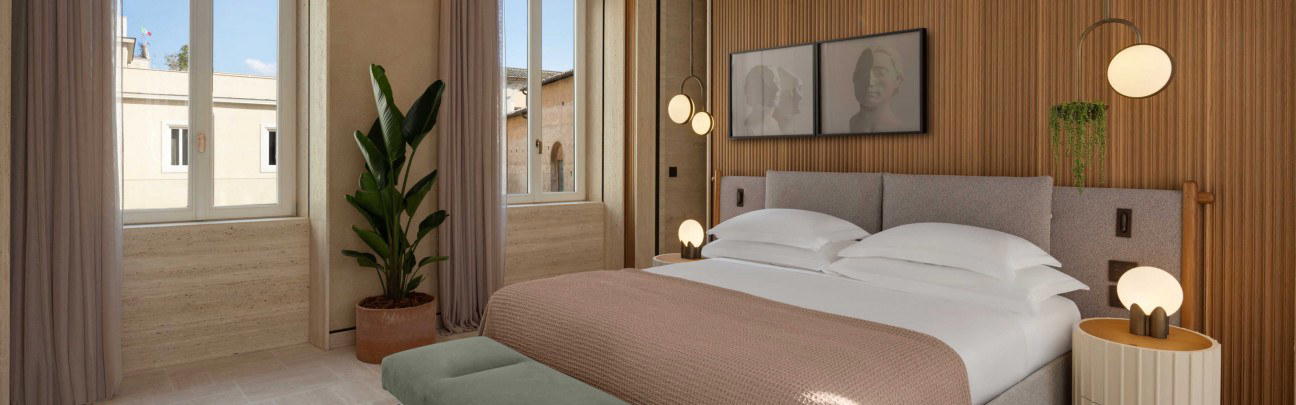
Bars in Rome
Browse all →
Restaurants in Rome
Browse all →

Details
- Elegant
- Sophisticated
- Ornate
- Romantic
- Classic
- Honeymoon
- Romantic Getaway
- Anniversary
- Historic Building
- Terrace
- Panoramic View
- Wi Fi
- Spa
- Fitness Center
- Room Service
- Concierge
- Business Center
- Valet Parking
- Skyline
- Street Scene
- Wheelchair Accessible
- Elevator
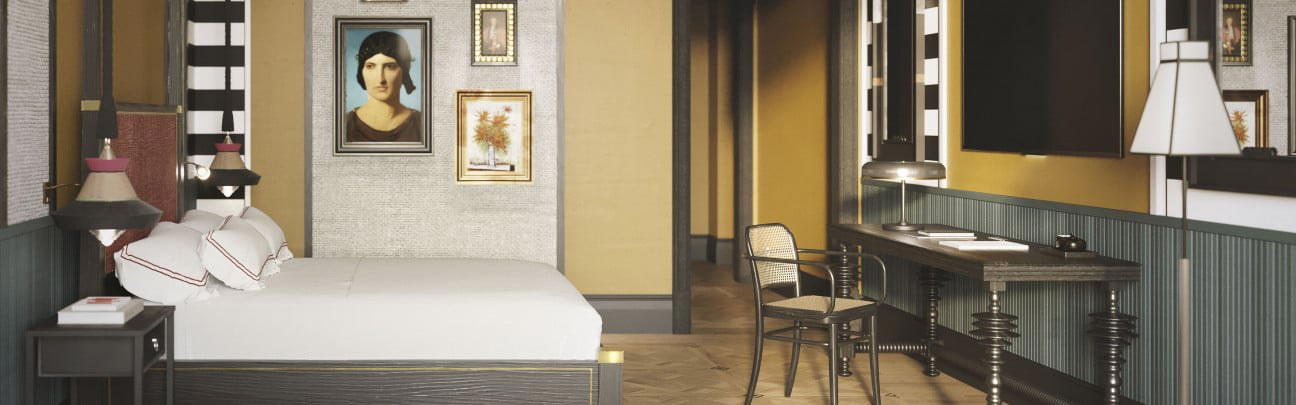
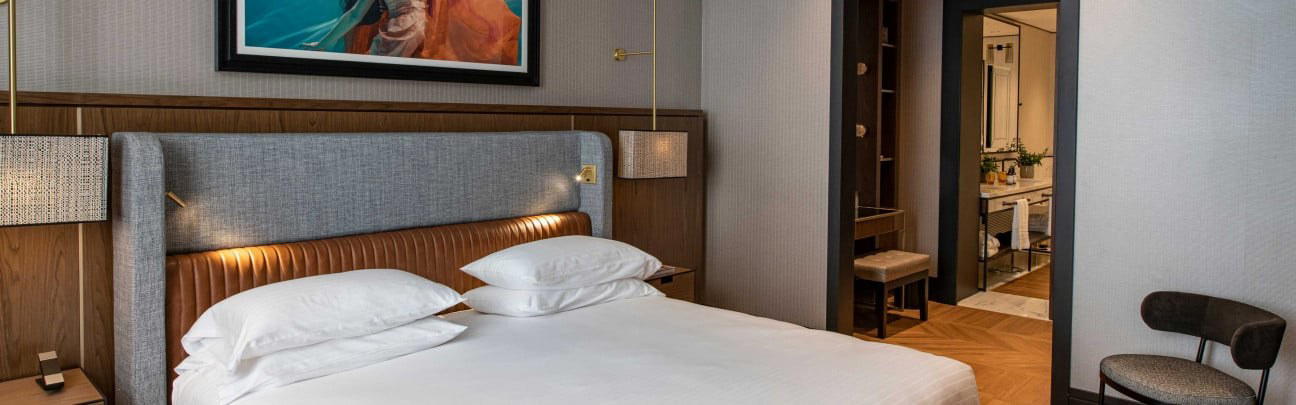
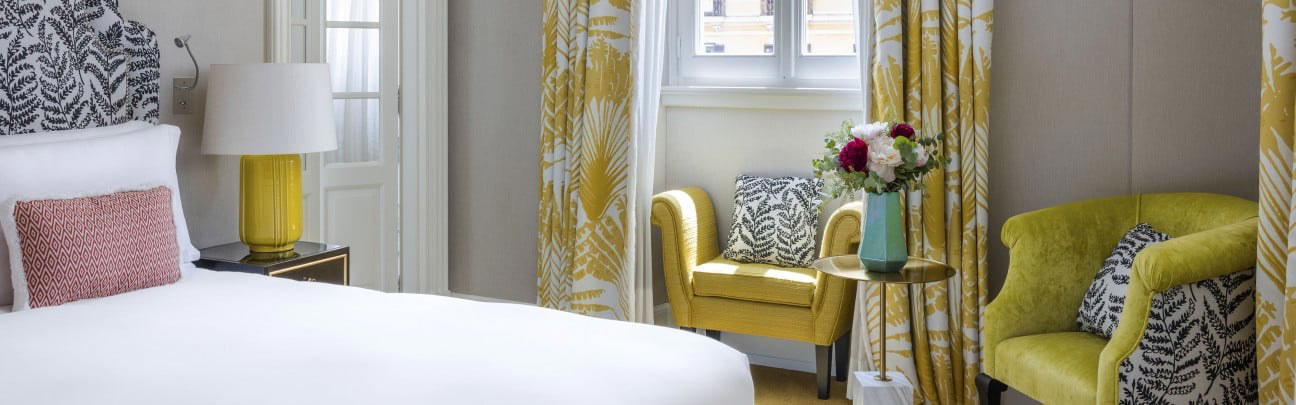
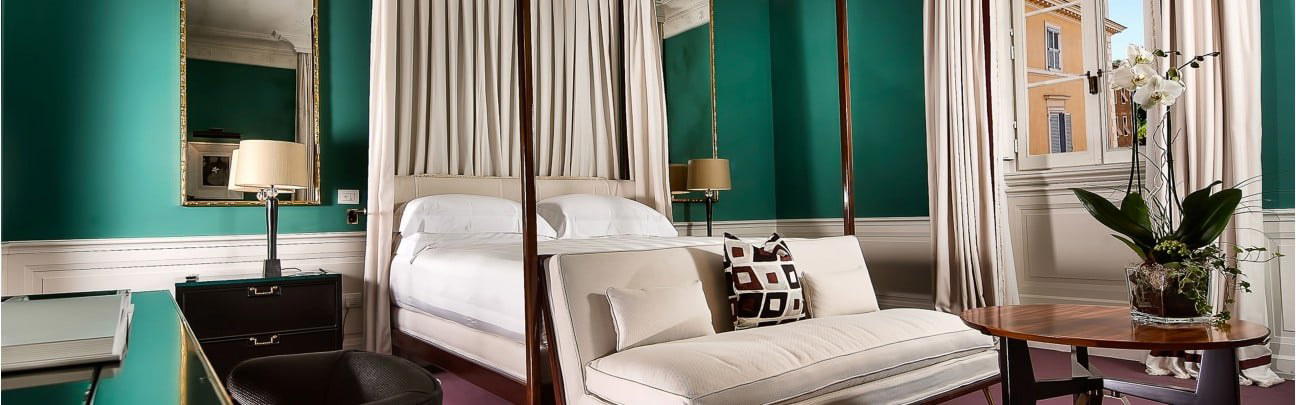
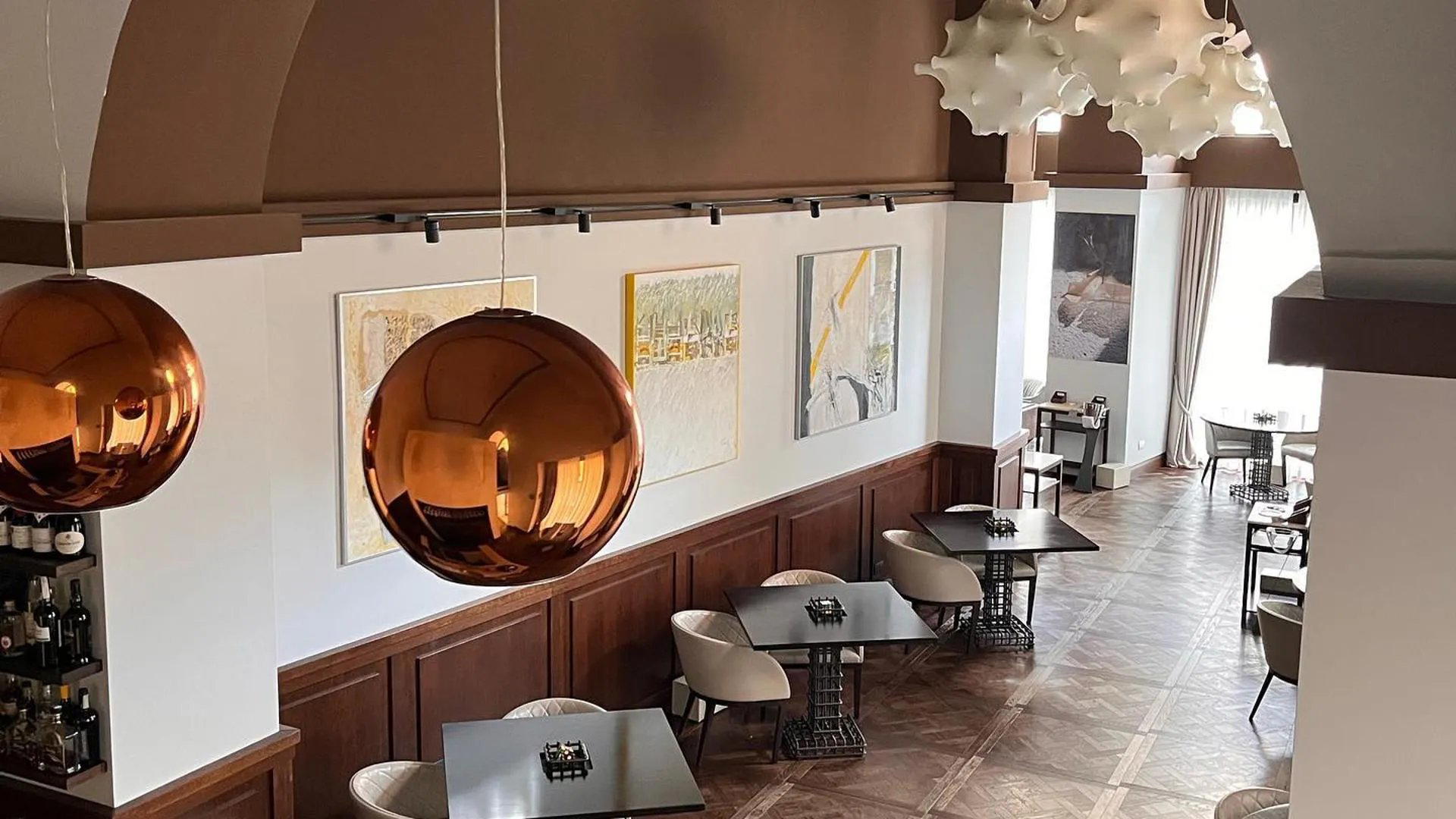
Timeless Art Deco elegance blended with contemporary sophistication, featuring refined lighting and luxurious marble bathrooms.