


2 Michelin Keys · Forbes 5-Star · Virtuoso Luxury Hotel Partner
Perched above the Spanish Steps on Via Sistina, Rocco Forte Hotel De La Ville holds a Michelin Key (2024) and 104 rooms designed around the aesthetic logic of the 18th-century Grand Tour.

Pearl is the En Primeur Club membership app, where members save venues, book tables and use the concierge.
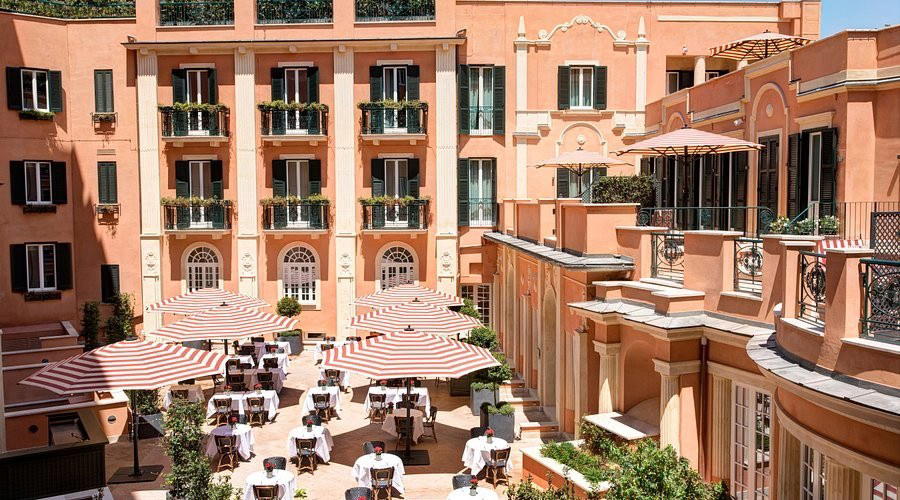
Arriving at the top of Rome
The approach to Hotel De La Ville sets a particular kind of expectation. Via Sistina climbs from the Tridente toward the Pincian Hill, and by the time you reach number 69, the Spanish Steps are already below you, a fact that registers immediately once you step onto one of the upper-floor terraces and the ochre and rust geometry of the city fans out across the horizon. Rome has no shortage of grand-address hotels near Piazza di Spagna, but the altitude advantage here is specific. The Hassler Roma, which occupies the summit position at the top of the Steps, and Hotel De La Ville, just up Via Sistina, share that refined perch as near-neighbours. What Rocco Forte did with their property when they repositioned it was bet heavily on interiors rather than compete purely on geography, and that bet has largely paid off.
The Grand Tour as a Design Thesis
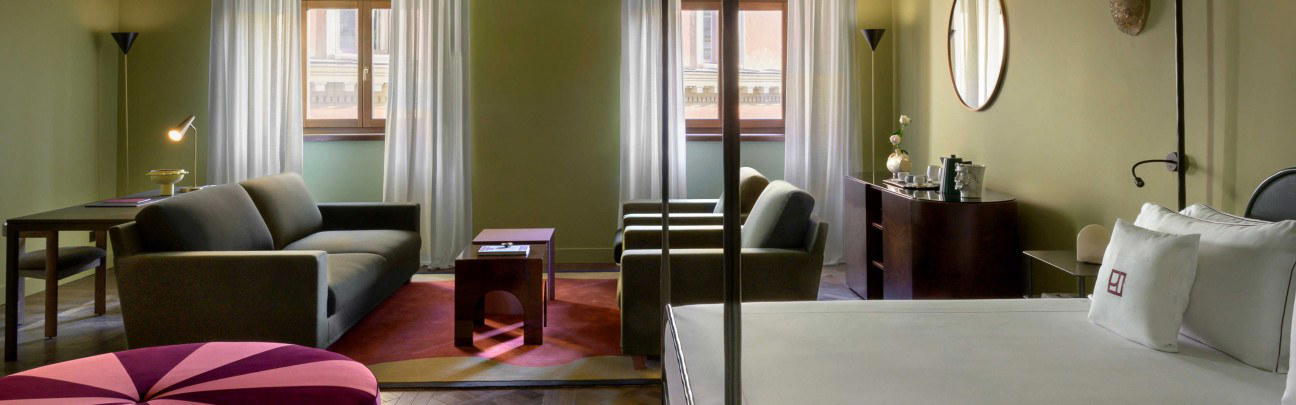
Rome's upper tier of luxury hotels has divided between two broad approaches over the past decade. One group relies on heritage continuity, centuries-old palazzi, frescoed ceilings, the accumulated patina of history. The other, represented by arrivals like the Bulgari Hotel Roma and the converted-palazzo model, constructs a more controlled aesthetic environment, deploying contemporary design inside historic shells. Hotel De La Ville sits in the second camp, though its design reference is deliberately historical. Olga Polizzi, Director of Design for Rocco Forte Hotels, worked with designer Tommaso Ziffer to build the interiors around the conceptual frame of the Grand Tour, the 18th-century practice through which English and German nobility travelled through European cities accumulating art, objects, and cultural capital. The handmade wallpaper sourced from Rubelli and Dedar, the Italian fabrics, and the historic textiles from Zardi and Zardi are not decorative gestures; they are meant to read as a curated collection in the tradition of a well-travelled aristocrat's residence. Whether that conceit fully lands depends on how much you enjoy living inside a theory. What it unambiguously produces is a set of rooms that feel considered rather than generic, an increasingly rare quality at this price point in any European capital.
The 104 rooms include several suite categories, with the Suite de la Ville occupying the eighth floor and accessible via a private elevator. Its two panoramic terraces and assembly of contemporary and antique furniture represent the logical conclusion of the Grand Tour concept at scale. For context within the Rocco Forte portfolio, comparable design-led properties under the same group include work seen at Portrait Roma nearby, though that property operates as an entirely separate product, the Lungarno Collection's apartment-style format sitting at a different point on the spectrum of Roman luxury.
Six Outlets, One Courtyard, and a Rooftop
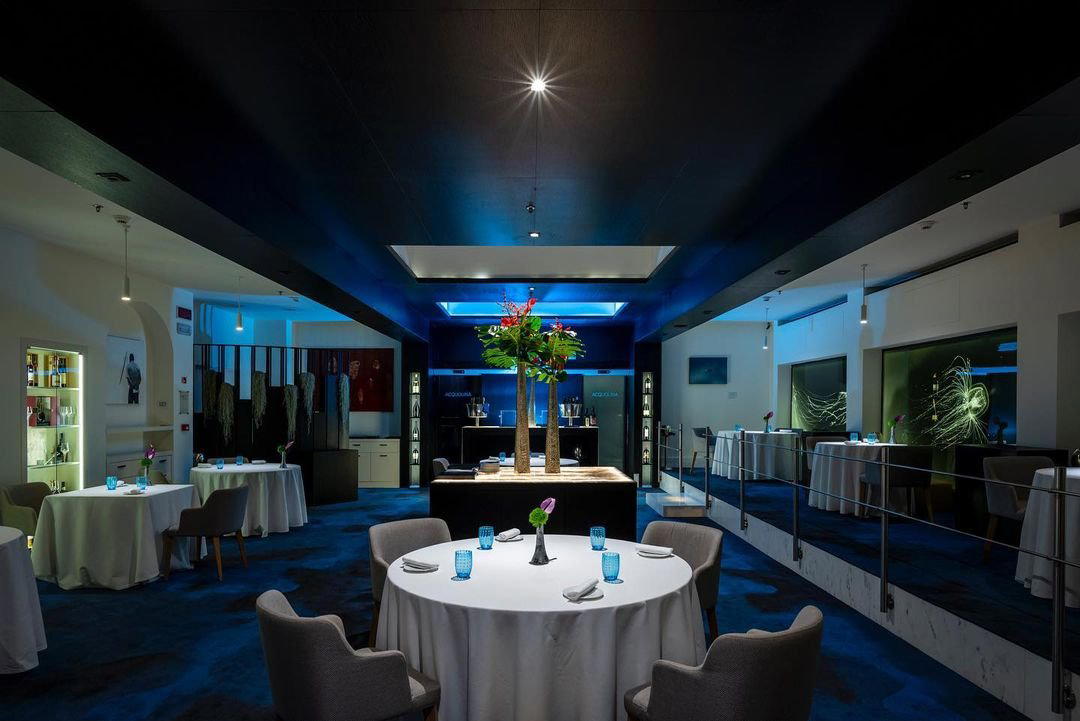
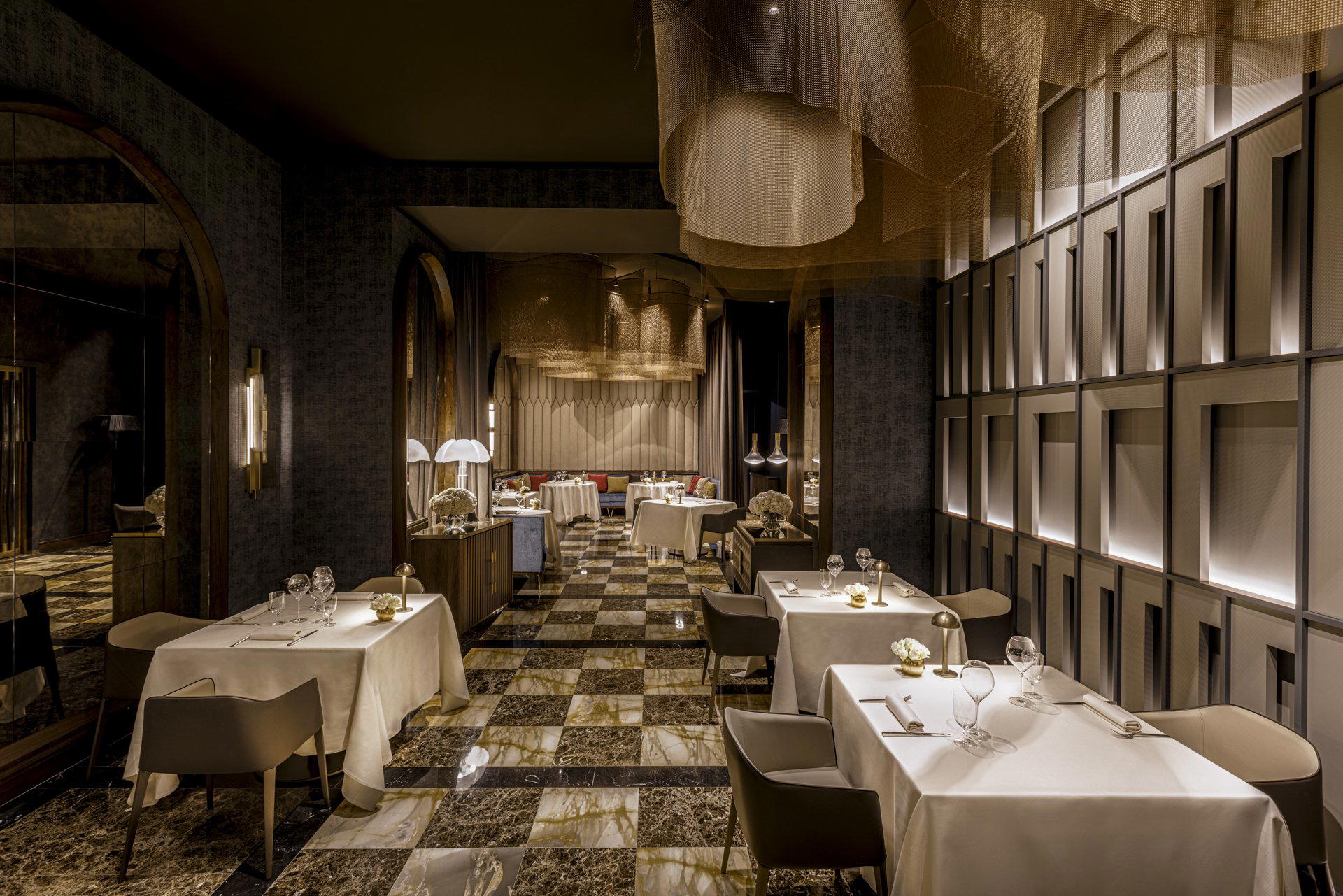
The food and beverage program at Hotel De La Ville is more architecturally complex than most Rome hotel offerings, and that complexity reflects a genuine editorial point about how this category of hotel now competes. In a city where guests increasingly arrive with dinner reservations already secured at external restaurants, hotel dining has to justify itself on its own terms rather than as a fallback. Rocco Forte answered this by assigning Fulvio Pierangelini, the chef's chef in contemporary Italian cooking, whose work at Gambero Rosso in San Vincenzo earned him a reputation that preceded the Rocco Forte relationship by decades, as Creative Director of Food for the group. His influence shapes the menu across outlets, from the all-day trattoria format at Da Sistina to the Mediterranean gourmet register at Mosaico, which looks over the courtyard.
Courtyard itself merits attention as a piece of design thinking rather than simply as a pleasant outdoor space. George Carter, who specialises in garden design rooted in 17th-century geometry, unified three separate buildings through it, using obelisks, black and gold detailing, and layered lighting calibrated to suggest candlelit depth. In the evening, it functions as one of the more atmospherically considered spaces in the Centro Storico, a neighbourhood not short of atmospheric courtyards, which makes the execution here more impressive rather than less.
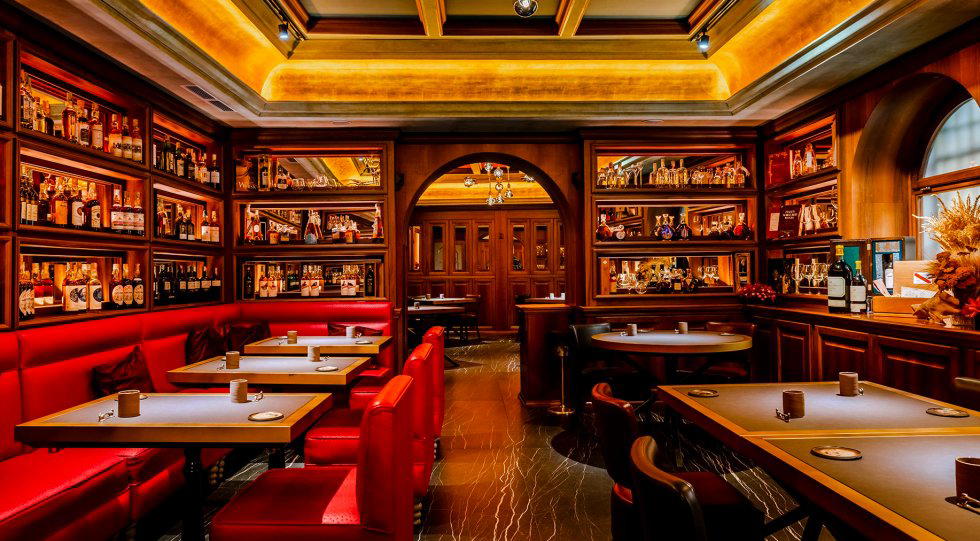
Rooftop bar, Cielo, operates above all of it, with views across the Roman skyline that confirm the hotel's altitude advantage. Rome's rooftop aperitivo culture is well-established, and Cielo positions itself inside that tradition while extending into a cocktail program through the Julep bar at ground level. The hotel earned a Michelin Key in 2024, a designation the guide applies to hotels whose food and beverage programs meet a threshold of culinary quality, a signal that the Pierangelini-directed offering is being taken seriously by the metric most likely to affect peer-set comparisons at this price tier.
Wellness at the Centre of the City
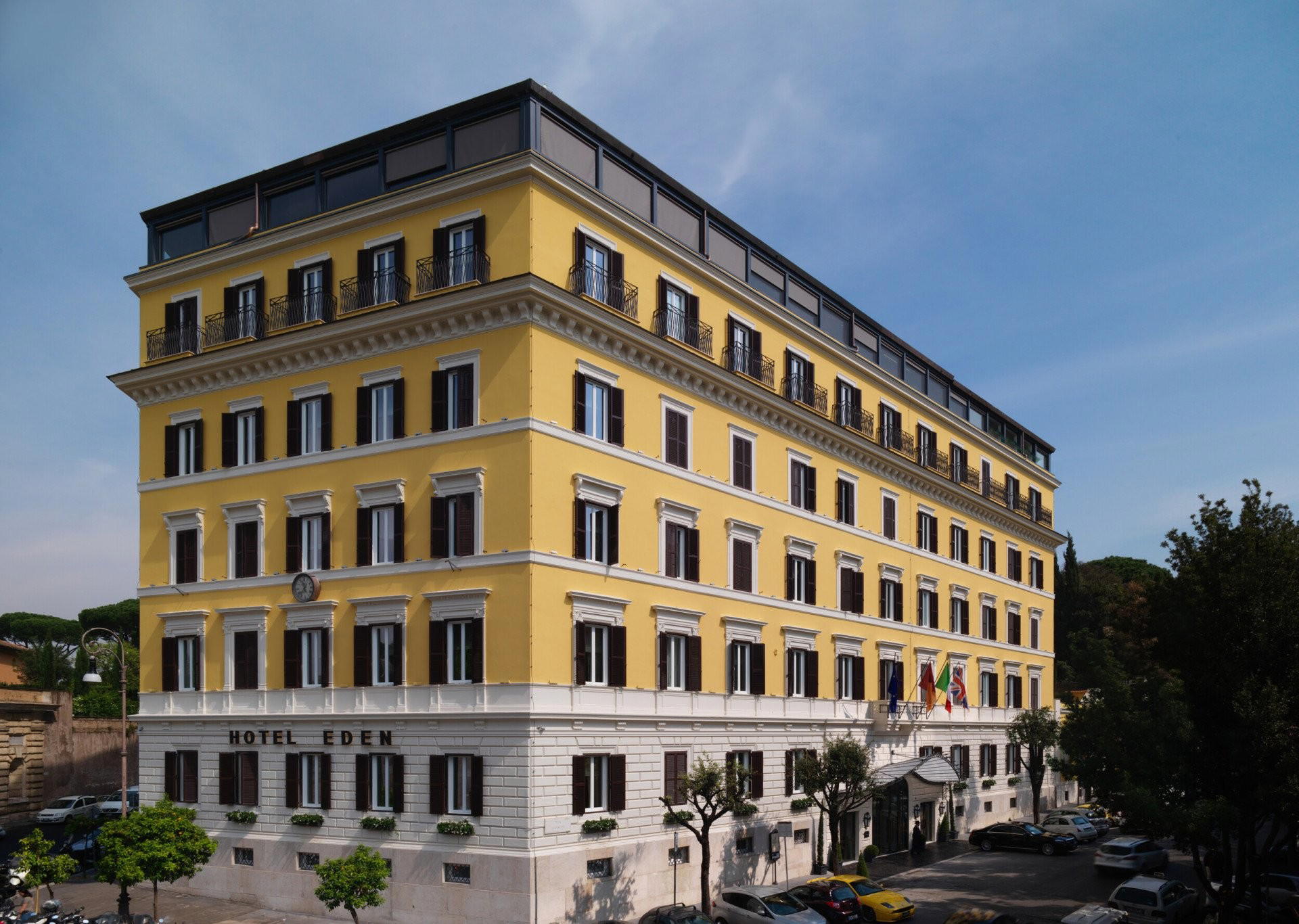
550-square-metre Rocco Forte Spa occupies a position within the hotel that functions less as an amenity and more as a counterweight to the density of a Centro Storico address. Rome's historic core is genuinely demanding, the crowds at the Spanish Steps, the Trevi Fountain, and along Via del Corso are not minor inconveniences but sustained sensory pressure, particularly in summer. A spa of this scale, using Irene Forte Skincare products developed within the Rocco Forte family's health-focused line, offers a real decompression chamber rather than a perfunctory pool and treatment room. For travellers staying at comparably positioned properties, the Hotel Eden on Via Ludovisi, the JK Place Roma in the Tridente, the wellness footprint at De La Ville is a point of differentiation at roughly the same geography.
Where This Sits in Rome's Luxury Tier
Rome's leading hotel market has expanded in quality and compressed in geography. Most of the city's leading addresses cluster between the Spanish Steps, the Borghese gardens, and the Pantheon. Hotel De La Ville, Hotel Vilòn on Via del Bottino, Maalot Roma, and Hotel Locarno represent different points on a spectrum that runs from intimate boutique to full-service grand hotel. De La Ville sits firmly in the grand-hotel tier: 104 keys, six F&B; outlets, a full spa, a rooftop bar, and a concierge team positioned to build bespoke itineraries. It does not trade on intimacy the way a 30-key property like Hotel Vilòn does. It trades on completeness, the ability to spend a significant portion of your Roman stay within the building without feeling that you are missing something.
Guests weighing it against the Hassler Roma are choosing between two very different aesthetic philosophies with near-identical geographical advantages. The Hassler leans into traditional grandeur; De La Ville offers something more designed, more deliberate, and arguably more contemporary in sensibility without abandoning historical references. Across the broader Italian portfolio, Rocco Forte's own properties provide a useful comparison set: Portrait Roma in the same city, and further afield properties like Four Seasons Hotel Firenze in Florence or Aman Venice in Venice represent the range of what this level of investment can buy across Italy's premium hotel market.
Planning Your Stay
The hotel's address on Via Sistina, 69 places it within ten minutes on foot of the Trevi Fountain, the Borghese Gallery entrance, and the main shopping corridor of Via Condotti. Concierge-assisted itinerary planning is positioned as a core service, oriented toward the kind of bespoke access, private gallery visits, artisan workshops, off-schedule restaurant bookings, that the Grand Tour design concept implies. For dining beyond the hotel, our full Rome restaurants guide covers the range from neighbourhood trattorie to Michelin-tracked tables across the city's distinct quarters. Peak booking periods align with the standard Roman high seasons: spring (April to June) and autumn (September to October) move quickly at this price tier across the entire Centro Storico, and the suite categories in particular warrant early planning. Summer rates in August tend to ease marginally as the Roman social calendar thins out, though the city's tourist volume does not follow the same pattern.
Compact Comparison
Comparable venues nearby, for context on price, style, and recognition.
| Venue | Price | Awards | Notes |
|---|---|---|---|
| Rocco Forte Hotel De La VilleThis venue (the venue you are viewing) | Not listed | 2 Michelin Keys · Forbes 5-Star | Not listed |
| Hotel Vilòn | Not listed | 1 Michelin Key · La Liste Top Hotels | Campo Marzio, Restored 16th-century historic mansion with Art Deco elements |
| The St. Regis Rome | $500–750 | 2 Michelin Keys · La Liste Top Hotels | Castro Pretorio, Grand historic palace blending noble heritage with modern luxury interiors |
| Orient Express La Minerva | Not listed | 2 Michelin Keys · World's 50 Best #66 | Pigna, Historic palace reimagined with Orient Express luxury. |
| Palazzo Talìa | $500–750 | 2 Michelin Keys · Tablet Hotels Best New Hotel Designs (Europe) | Colonna, Restored Renaissance palace blending historical architecture with modern luxury and informal elegance. |
| JK Place Roma | $500–750 | 1 Michelin Key · La Liste Top Hotels | Campo Marzio, Luxury boutique hotel blending 17th-century Roman palazzo architecture with contemporary design, positioned as an exclusive private townhouse experience. |
Recognition history
Dated appearances from independent guides and award organizations, with the underlying list record or original source where available.
Michelin 2 Keys
Michelin
Forbes 5-Star
Forbes
Virtuoso Luxury Hotel Partner
Virtuoso
Full recognition history (4 entries)
Michelin 1 Key
Michelin
Continue exploring
More in Rome
Hotels in Rome
All hotels in Rome →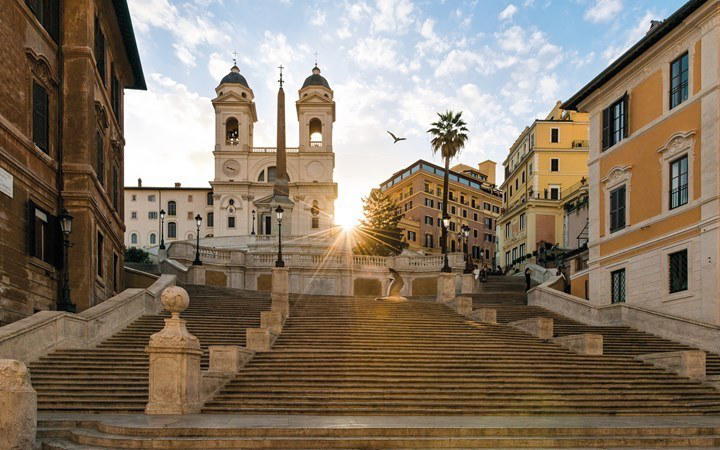
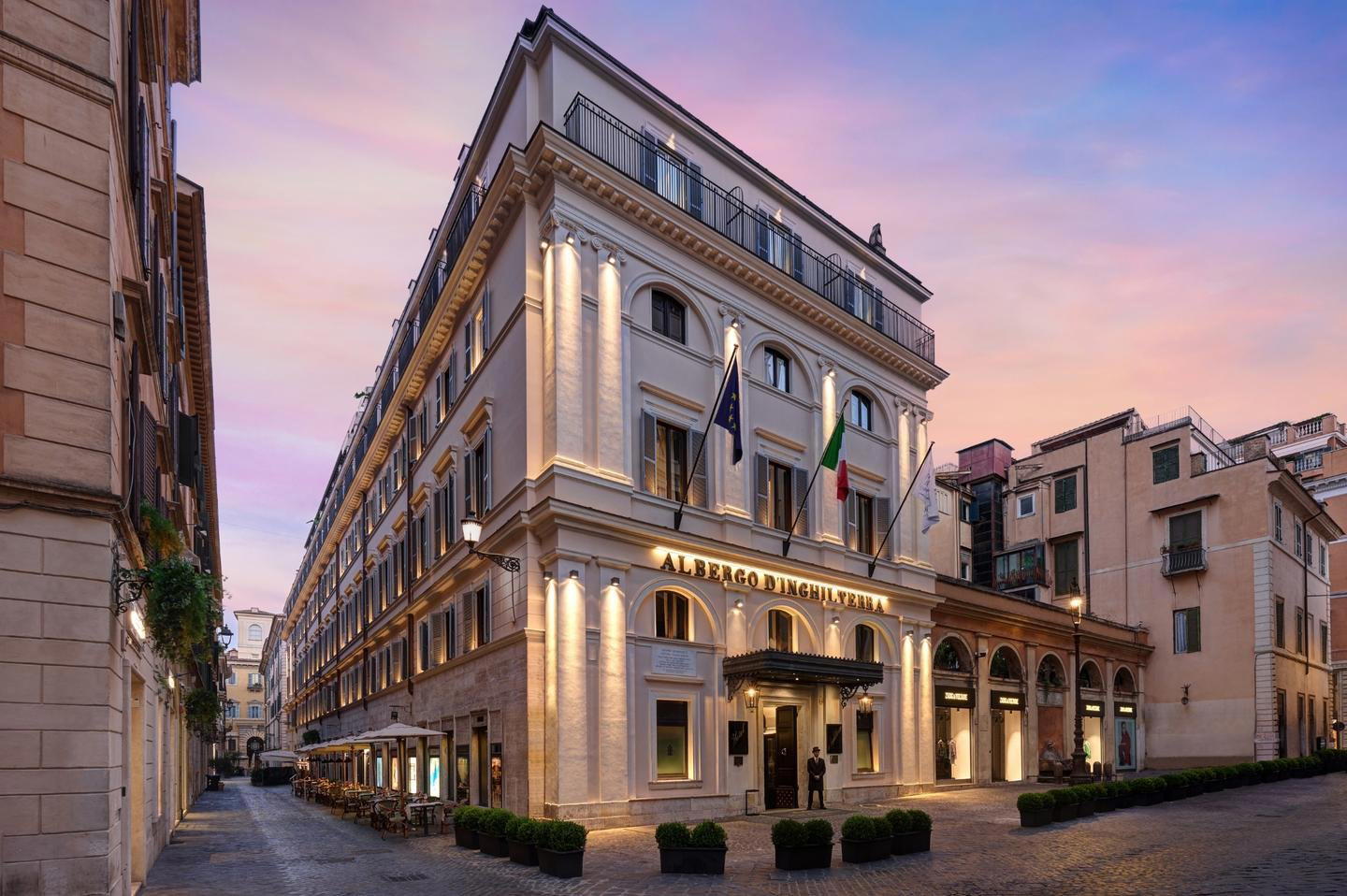
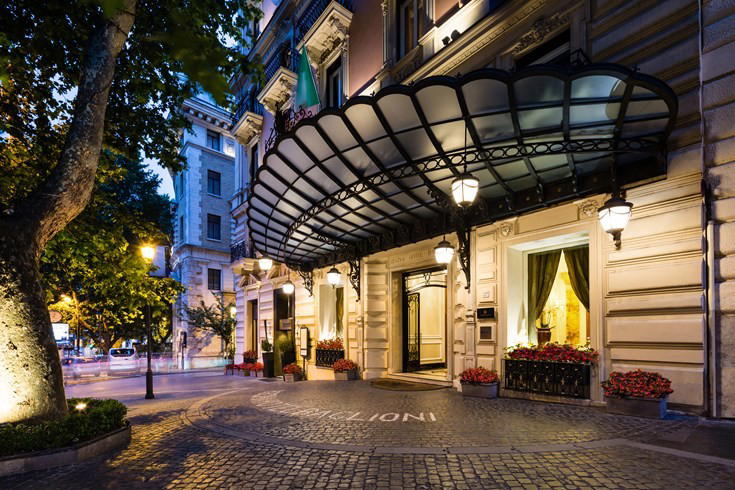
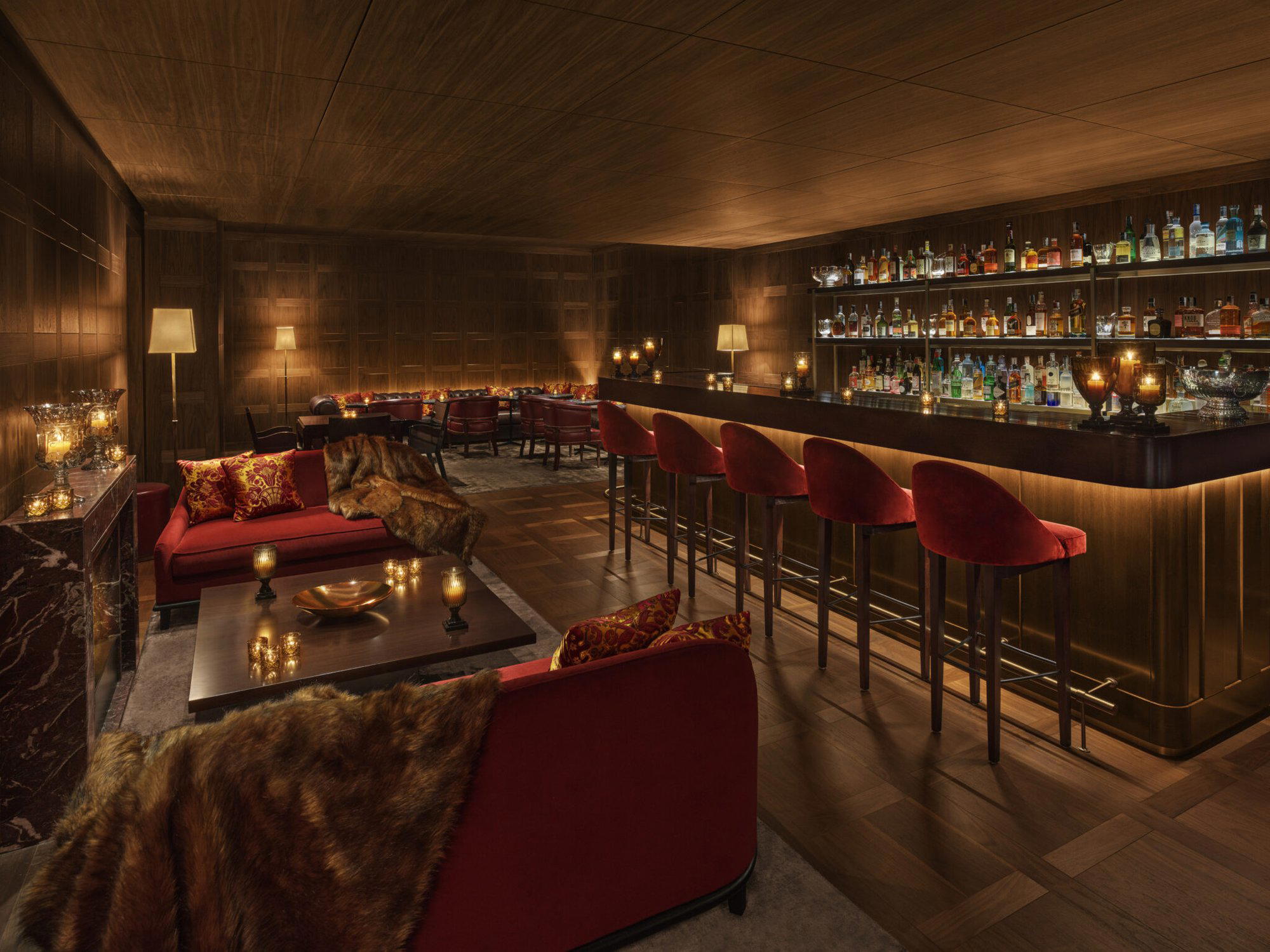
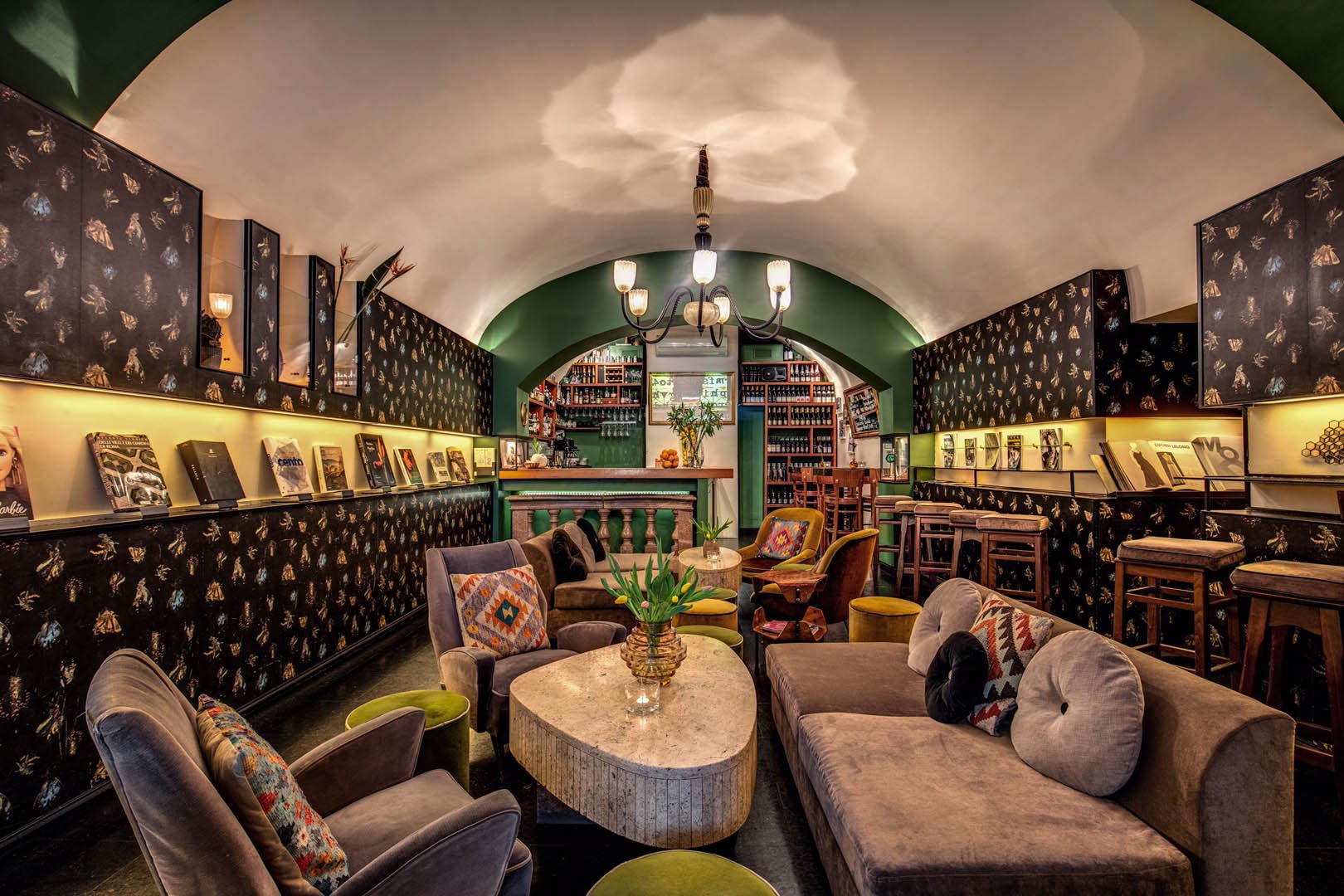
Bars in Rome
All bars in Rome →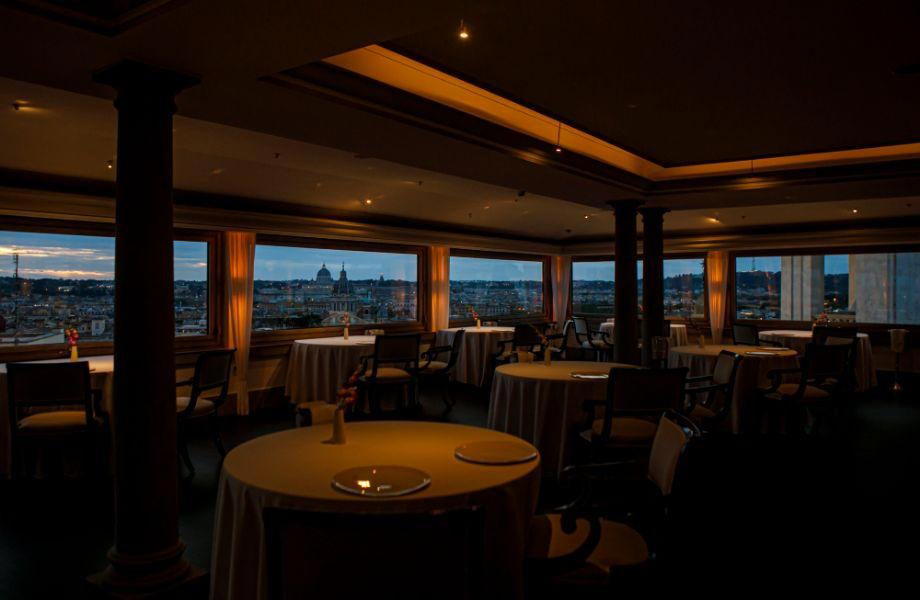
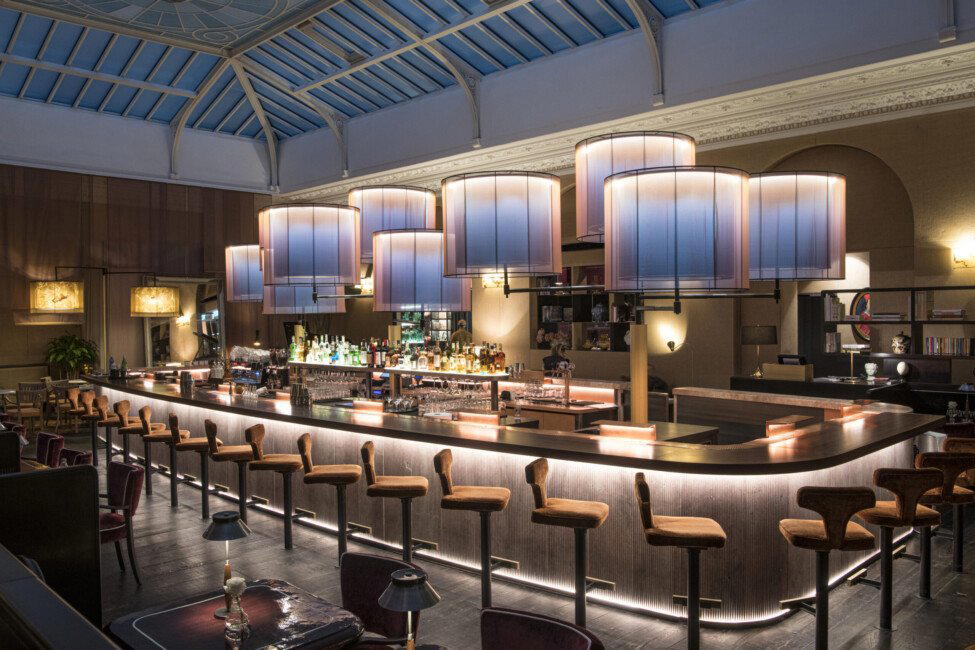
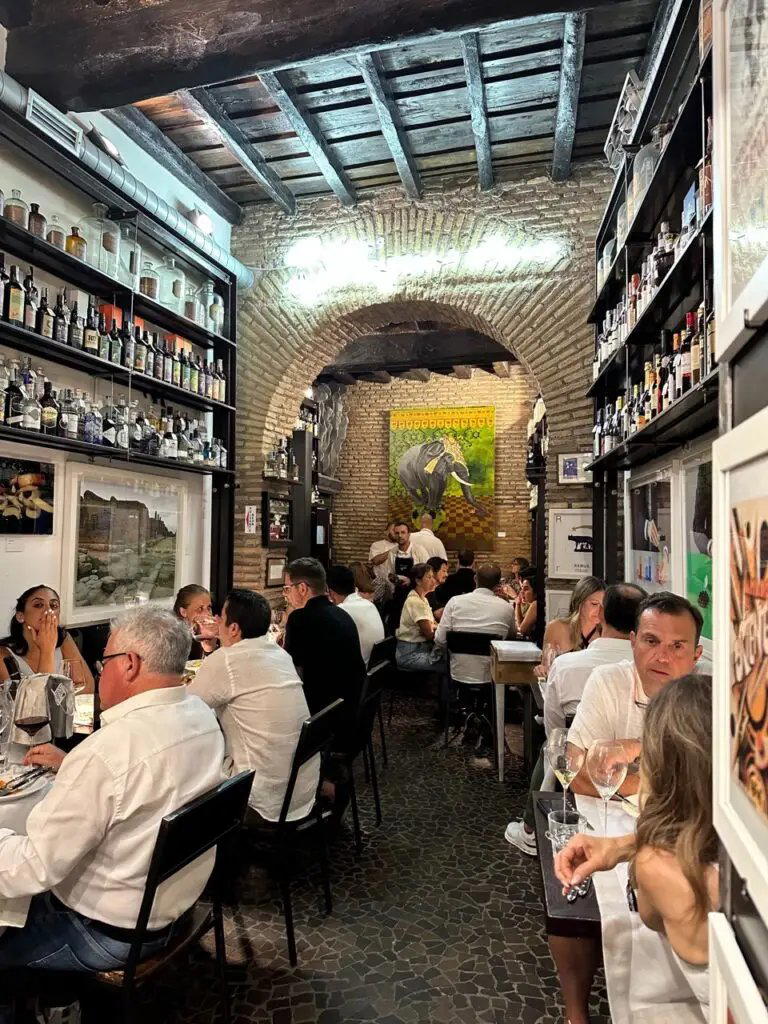
Restaurants in Rome
All restaurants in Rome →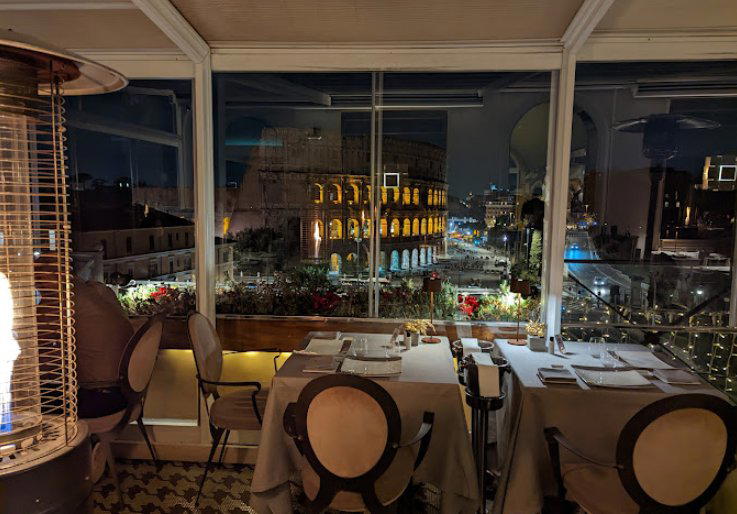

Details
- Elegant
- Sophisticated
- Romantic
- Ornate
- Well Known
- Honeymoon
- Romantic Getaway
- Anniversary
- Rooftop Pool
- Historic Building
- Panoramic View
- Terrace
- Wi Fi
- Pool
- Spa
- Fitness Center
- Room Service
- Concierge
- Business Center
- Valet Parking
- Skyline
- Wheelchair Accessible
- Elevator
Sophisticated and lively with timeless elegance blending contemporary flair, featuring busy rooftop bar, enchanting courtyard dining, and a tranquil spa sanctuary.