



1 Michelin Star · Falstaff Restaurant - 94 Falstaff Points · We're Smart World 4 Radishes
Our verdict
All'Oro holds a Michelin star and an OAD Classical Europe ranking (№459, 2025) for creative reinterpretations of Roman and Italian tradition. Chef Riccardo Di Giacinto, a JRE member, works from a basement dining room in Prati, close to Piazza del Popolo, transforming dishes like carbonara and tiramisù into something recognisable yet unexpected. A dedicated plant-based menu runs alongside the main offering.

Pearl is the En Primeur Club membership app, where members save venues, book tables and use the concierge.
The menu
What to order
- Summary of carbonara
- Cappelletti in dry broth
- Roman-style lamb
- Tiramisù savory and sweet
Descending Into Prati
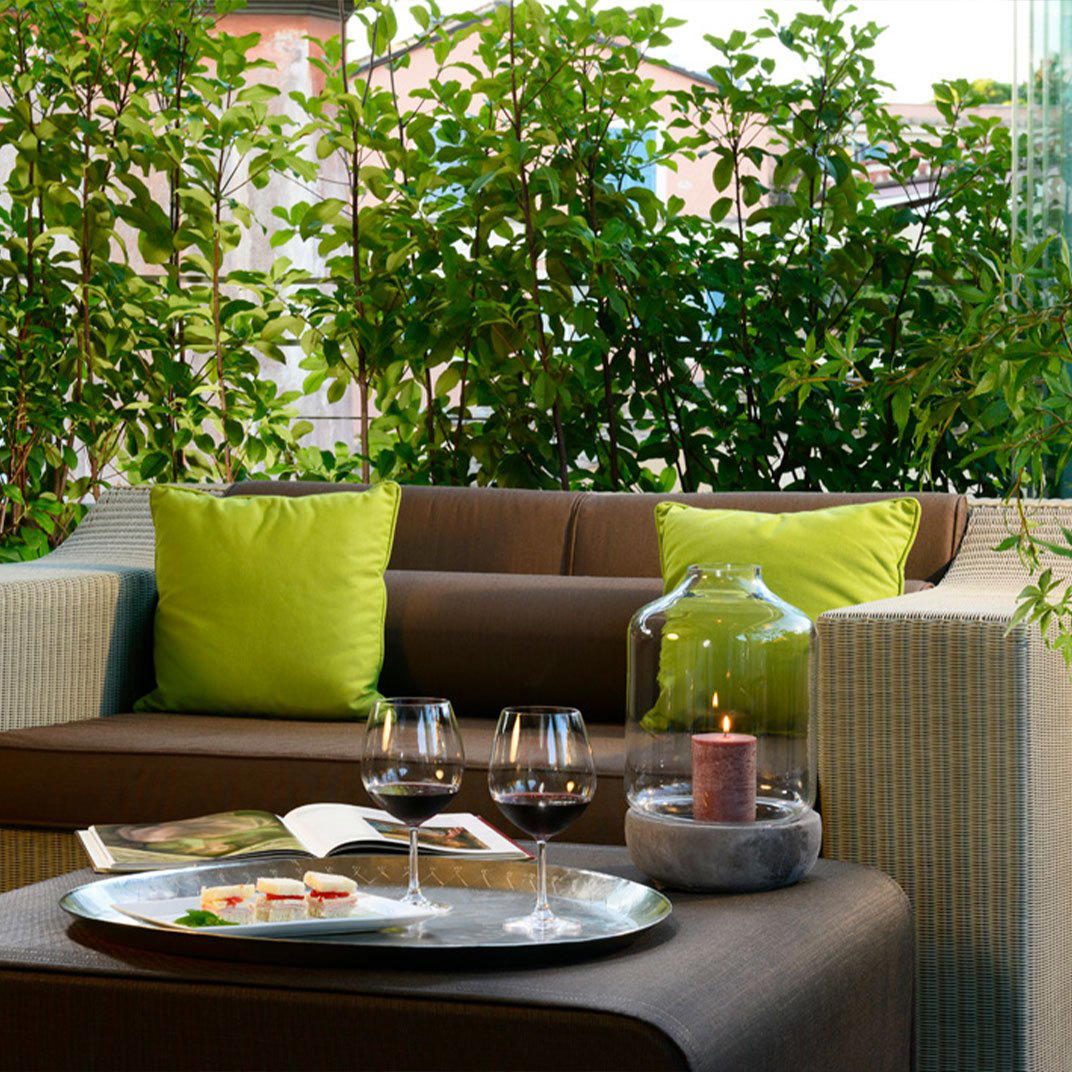
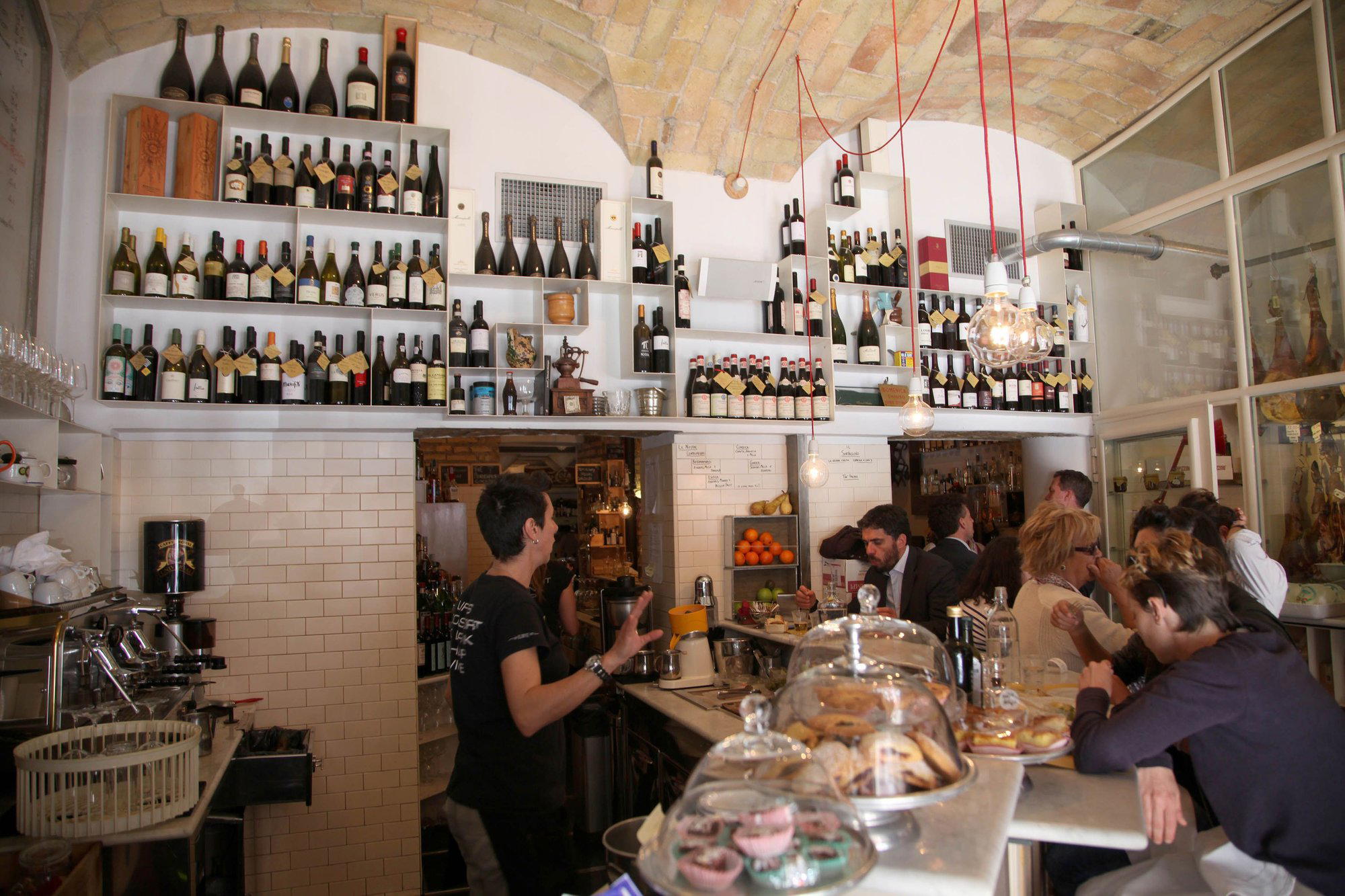
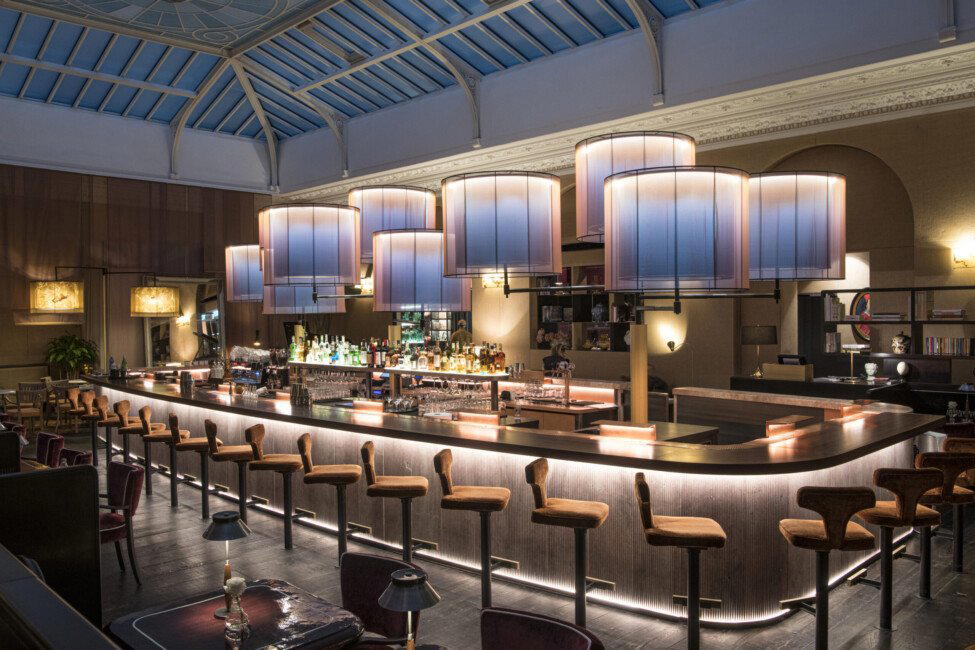
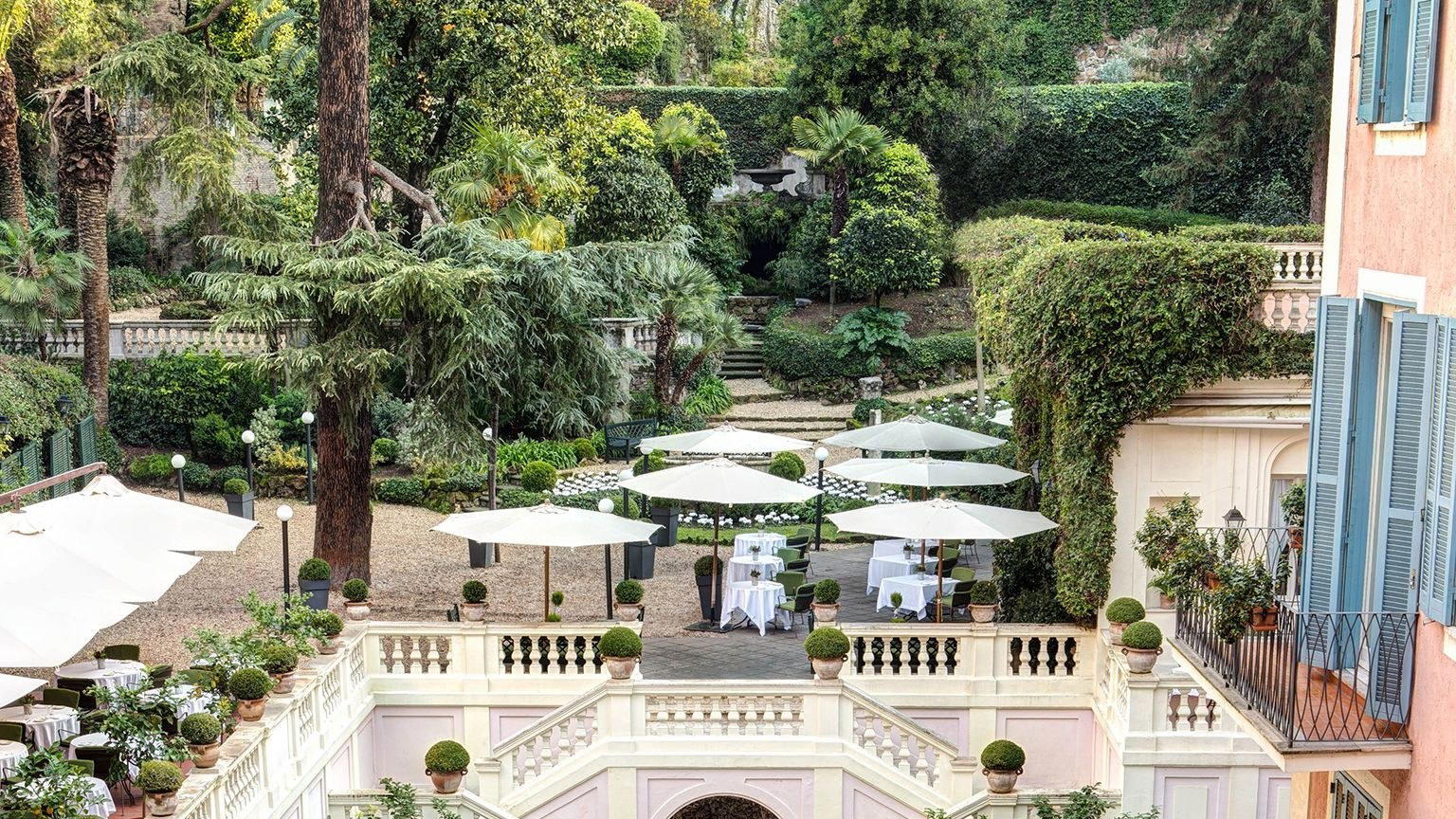
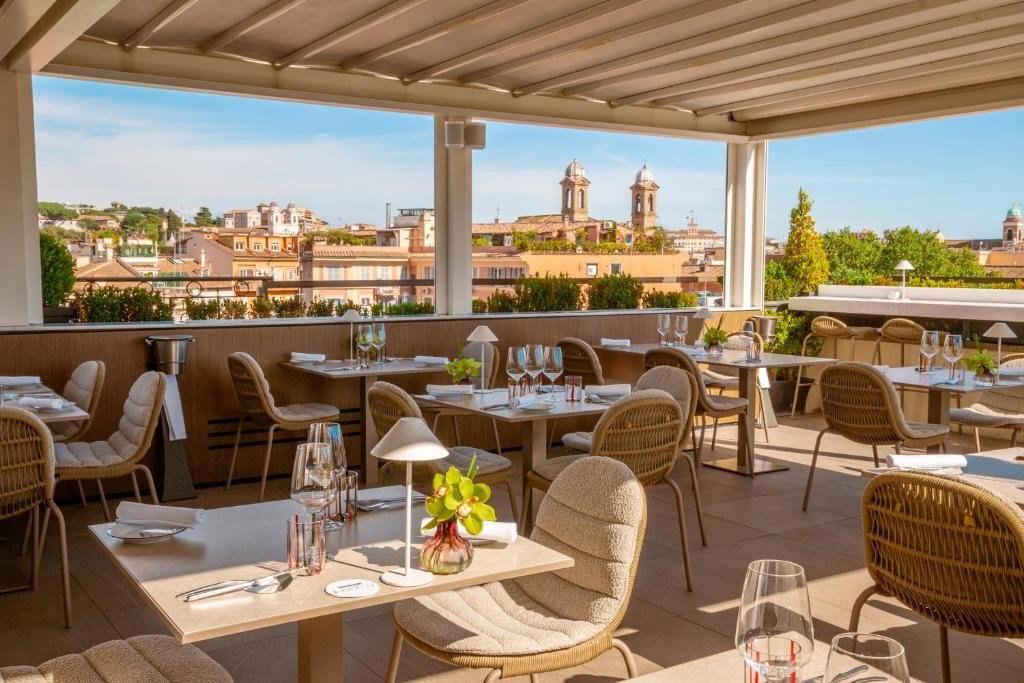
Rome’s creative dining scene operates on a quiet tension: the city’s cooking identity is so tightly bound to tradition that chefs who reinterpret it risk alienating the very audience that sustains them. The restaurants that earn lasting loyalty here are not those that abandon Roman classics but those that make you see them differently. All’Oro, located on Via Giuseppe Pisanelli in the Prati district, a short walk from Piazza del Popolo, occupies that precise position. Housed in the basement of The H’All Tailor Suite, the restaurant’s two contemporary dining rooms sit below street level, which gives the space an intentional remove from the city’s noise. In fine weather, tables move outside, and the shift in register is notable: the same menu reads differently against open sky than it does in the quieter enclosure below.
Prati is not the neighbourhood Rome’s food press tends to lead with. It lacks the tourist-heavy friction of Trastevere and the historical density of the centro storico. That relative quietness works in All’Oro’s favour. Regulars return partly because the room allows them to focus on what’s on the plate rather than on the spectacle of the address.
What Keeps the Regulars Coming Back
Rome’s creative fine-dining tier has a specific problem: it is easier to impress a first-time visitor with technique than to hold the attention of someone who has eaten the same reimagined carbonara across five restaurants in two years. The dishes at All’Oro have earned sustained recognition precisely because they do not simply deconstruct Roman cooking for its own sake. Di Giacinto, a member of the Jeunes Restaurateurs d’Europe, uses reinterpretation as a structural approach rather than a stylistic flourish. The “summary” of carbonara, cappelletti in “dry broth,” and Roman-style lamb are not novelties dressed in classical clothing; they are arguments about what those dishes actually mean, made through technique and proportion.
The tiramisù is perhaps the clearest example of why this matters to returning diners. All’Oro presents it in two versions: the expected sweet form and a savoury interpretation built on potatoes and salted cod. That kind of structural parallel, the same dish read through two entirely different registers, is the sort of thing that gives regulars something to consider on a second or third visit that they may have missed on the first. It is also the kind of decision that separates a restaurant operating with a consistent intellectual position from one chasing seasonal novelty.
Restaurants with long tails of positive reviews in Rome’s competitive Michelin-adjacent tier tend to be the ones where the kitchen’s consistency holds across service rather than spiking on high-profile nights.
The Creative Tier in Rome
Rome’s €€€€ creative category is not as densely populated as Milan’s or Florence’s, but it is more internally competitive than it appears from outside. Enoteca La Torre and Glass Hostaria operate in the same tier, and both carry Michelin recognition. Il Pagliaccio, with two stars, and Idylio by Apreda at the Pantheon Iconic Rome Hotel push into a higher bracket on ambition and price signal. Marco Martini Chef represents the newer wave of Roman creative cooking, leaner in format and more recent in its recognition history.
That is a different competitive signal to a new star placement. For the regular diner, it implies a restaurant whose quality has been tracked over multiple seasons rather than caught on an upswing. Acquolina and Achilli al Parlamento speak to the broader depth of the Rome table, each with its own angle on Italian tradition.
Across Italy more broadly, the creative tradition reads differently by city and region. Osteria Francescana in Modena and Enoteca Pinchiorri in Florence operate at the category’s upper altitude. Enrico Bartolini in Milan and Dal Pescatore in Runate show how rooted Italian cooking and technical ambition can coexist at different price registers. Quattro Passi in Marina del Cantone adds a coastal dimension that contrasts with the landlocked intensity of Rome’s leading tables. Atelier Moessmer Norbert Niederkofler in Brunico represents the alpine pole of Italian creative cooking, as distant from All’Oro’s Roman register as geography allows.
For context beyond Italy, the creative format at this price tier has parallels in Alléno Paris au Pavillon Ledoyen and in the more concentrated ambition of JAN in Munich, both of which approach technique and tradition from a European fine-dining framework.
The Menus and What They Signal
All’Oro’s decision to maintain a dedicated vegetarian menu alongside a fully plant-based option under the name All’Erbiv’Oro is not a recent accommodation. It reflects a structural commitment that distinguishes the restaurant from peers where plant-based eating remains an afterthought or a single modified dish. For regular diners with dietary restrictions, or those who cycle between omnivore and plant-focused meals across a week, this matters practically. It also signals a kitchen confident enough to run parallel creative tracks without collapsing one into a lesser version of the other.
The Michelin star (2024) confirms the cooking’s technical level, but the OAD ranking adds a different dimension: OAD rankings are built from the opinions of frequent diners and food professionals rather than anonymous inspectors alone. A ranking generated by that methodology tends to reflect accumulated loyalty more directly than a star, which is why it reads as a signal of sustained relevance rather than a single year’s performance.
Planning Your Visit
All’Oro opens for dinner only, Tuesday through Sunday, from 6 PM to 11 PM. It is closed on Mondays. The kitchen’s dinner-only format is standard at this level of the Rome creative tier, where a single focused service allows the kitchen to operate at its actual ceiling rather than stretching across a lunch-dinner double. The address on Via Giuseppe Pisanelli places it in northern Prati, within walking distance of Piazza del Popolo and easily reached by the Flaminio metro stop on Line A.
At the €€€€ price point, All’Oro prices against its Michelin-starred Rome peers rather than against neighbourhood trattorie, which is appropriate given the format. Reservations at this level require advance planning, particularly in high season (late spring through early autumn, when the garden tables become a factor) and in the weeks surrounding Italian public holidays. For those assembling a broader Rome itinerary, the full range of the city’s table is mapped in our full Rome restaurants guide. Planning around dining in Rome benefits from knowing the hotel tier as well; our full Rome hotels guide covers that ground, and our full Rome bars guide is useful for building an evening around a dinner reservation. For those interested in the city’s wine culture, our full Rome wineries guide and our full Rome experiences guide round out the picture.
Frequently asked questions
What days is All'Oro closed?
Hours at All'Oro: Monday 6 PM-11 PM Tuesday 6 PM-11 PM Wednesday 6 PM-11 PM Thursday 6 PM-11 PM Friday 6 PM-11 PM Saturday 6 PM-11 PM Sunday 6 PM-11 PM.
Peers in This Market
Comparable options at a glance, pulled from our tracked venues.
| Venue | Cuisine | Price | Awards | Notes |
|---|---|---|---|---|
| All'OroThis venue (the venue you are viewing) | Modern Italian Fine Dining | $100–150 | 1 Michelin Star · Falstaff Restaurant - 94 Falstaff Points | Not listed |
| La Pergola | Modern Italian Fine Dining | $500+ | 3 Michelin Stars · La Liste Top Restaurants | Italian, Mediterranean Cuisine |
| Enoteca La Torre | Modern Italian Fine Dining | $200–300 | 2 Michelin Stars · La Liste Top Restaurants | Creative |
| Il Pagliaccio | Modern Italian-Japanese Fusion Fine Dining | $150–200 | 2 Michelin Stars · La Liste Top Restaurants | Contemporary Italian, Creative |
| Aroma | Modern Roman Fine Dining | $200–300 | 1 Michelin Star · Falstaff Restaurant - 93 Falstaff Points | Modern Cuisine |
| Idylio by Apreda | Modern Mediterranean-Asian Fusion | $150–200 | 1 Michelin Star · La Liste Top Restaurants | Modern Italian, Italian Contemporary |
Recognition history
Dated appearances from independent guides and award organizations, with the underlying list record or original source where available.
Michelin 1 Star
Michelin
Falstaff Restaurant - 94 Falstaff Points
Falstaff
Opinionated About Dining Classical in Europe Ranked #459
Opinionated About Dining
We're Smart World 4 Radishes
We're Smart World
Full recognition history (6 entries)
Michelin 1 Star
Michelin
Michelin 1 Star
Michelin
Continue exploring
More in Rome
Restaurants in Rome
All restaurants in Rome →
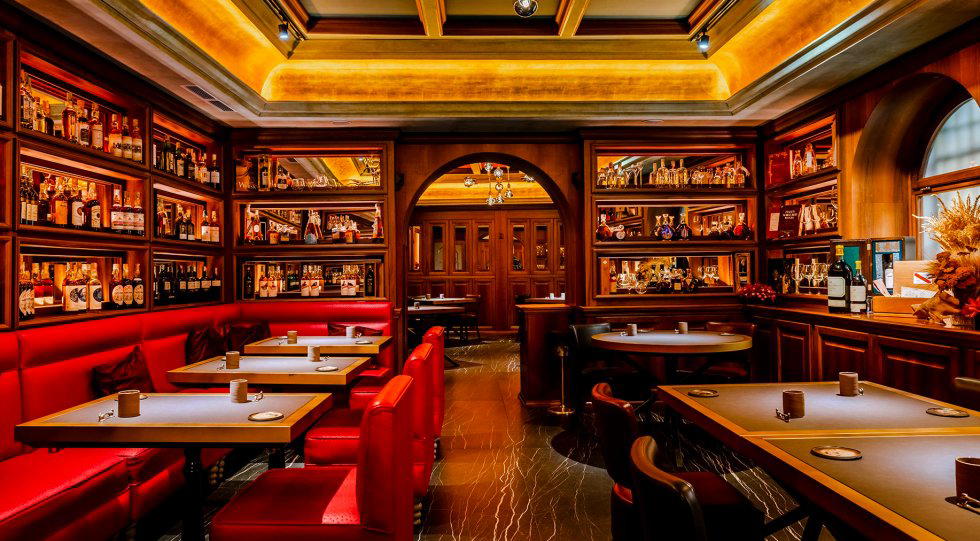
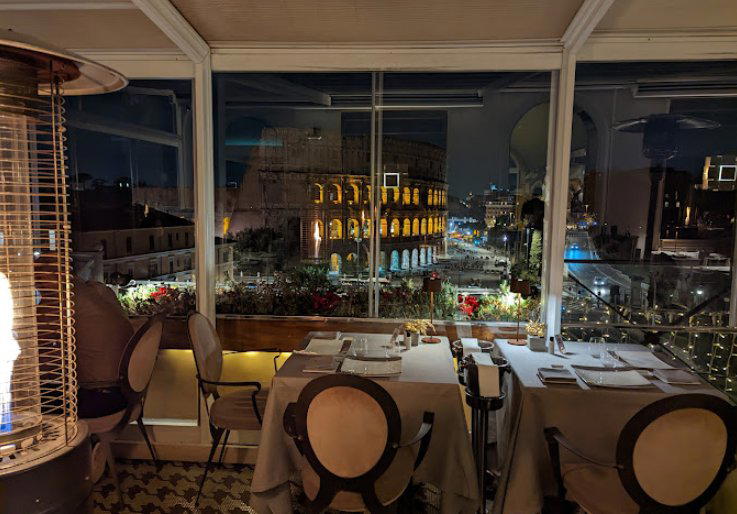
Bars in Rome
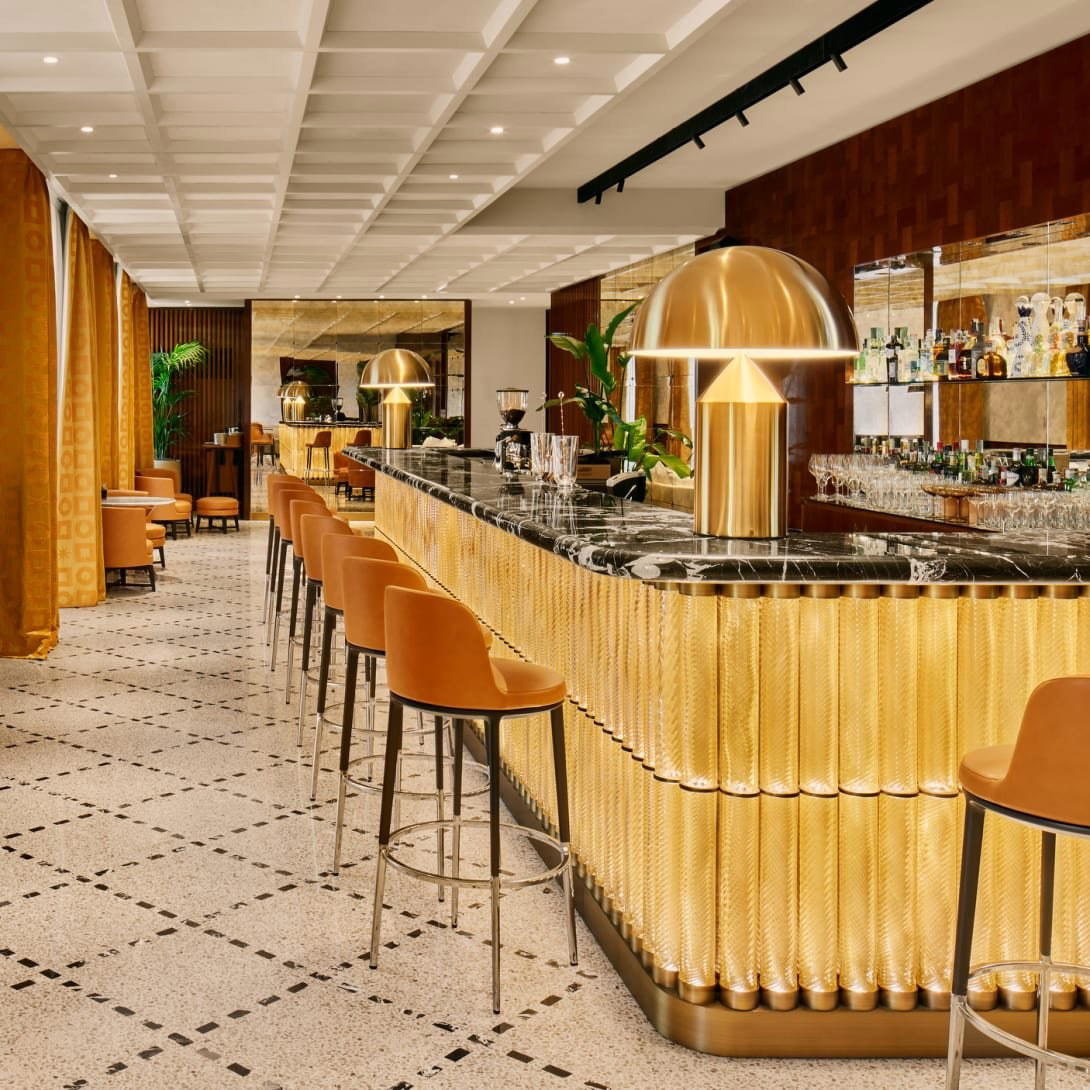
All bars in Rome →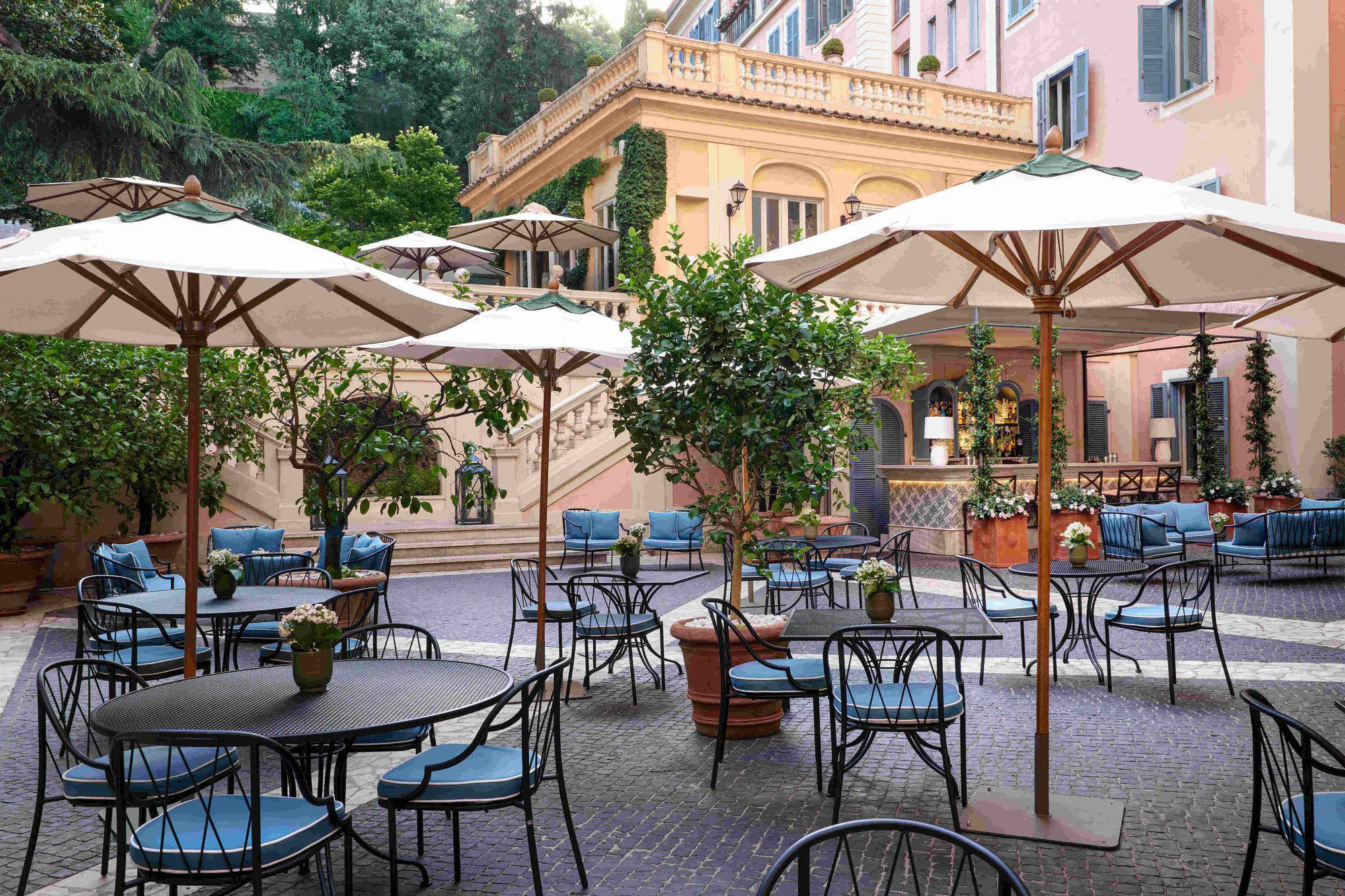

Details
- Elegant
- Intimate
- Modern
- Sophisticated
- Date Night
- Special Occasion
- Open Kitchen
- Extensive Wine List
- Sommelier Led
- Tasting Menu
- A La Carte
- Allergy Accommodating
Current opening hours
- Monday
- 6–11 PM
- Tuesday
- 6–11 PM
- Wednesday
- 6–11 PM
- Thursday
- 6–11 PM
- Friday
- 6–11 PM
- Saturday
- 6–11 PM
- Sunday
- 6–11 PM
Hours can change for holidays and private events. Hours as of .
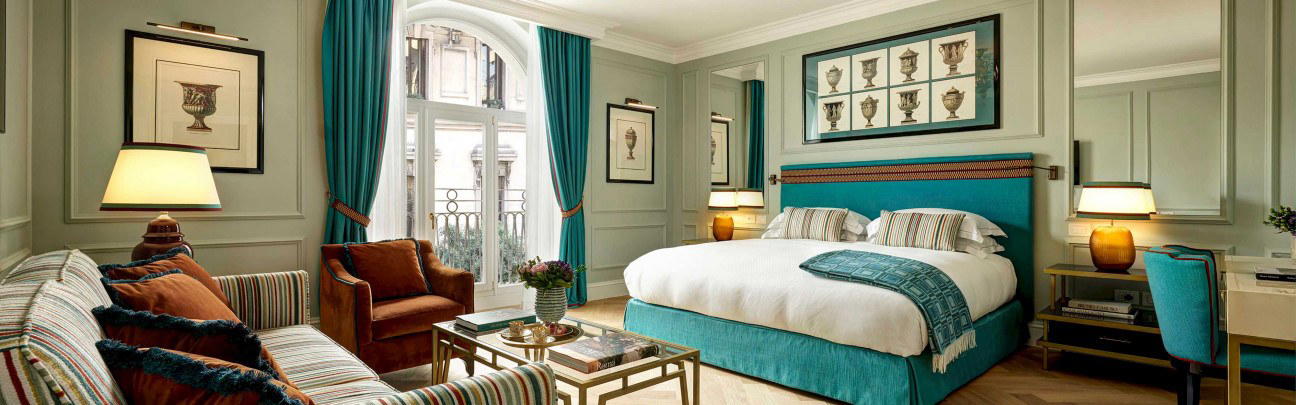
Dark, elegant basement with contemporary styling, soft lighting, and intimate atmosphere.