



Michelin Selected · Virtuoso Luxury Hotel Partner · Forbes 4-Star
A 16th-century palazzo steps from Piazza di Spagna, Hotel d'Inghilterra has occupied Rome's fashion triangle for over 170 years. Reopened after a full renovation in 2024, it operates within the Starhotels Collezione portfolio, with individually styled rooms, the Café Romano restaurant, and a new rooftop cocktail bar and spa. The guest list across its history runs from John Keats to Elizabeth Taylor.

Pearl is the En Primeur Club membership app, where members save venues, book tables and use the concierge.
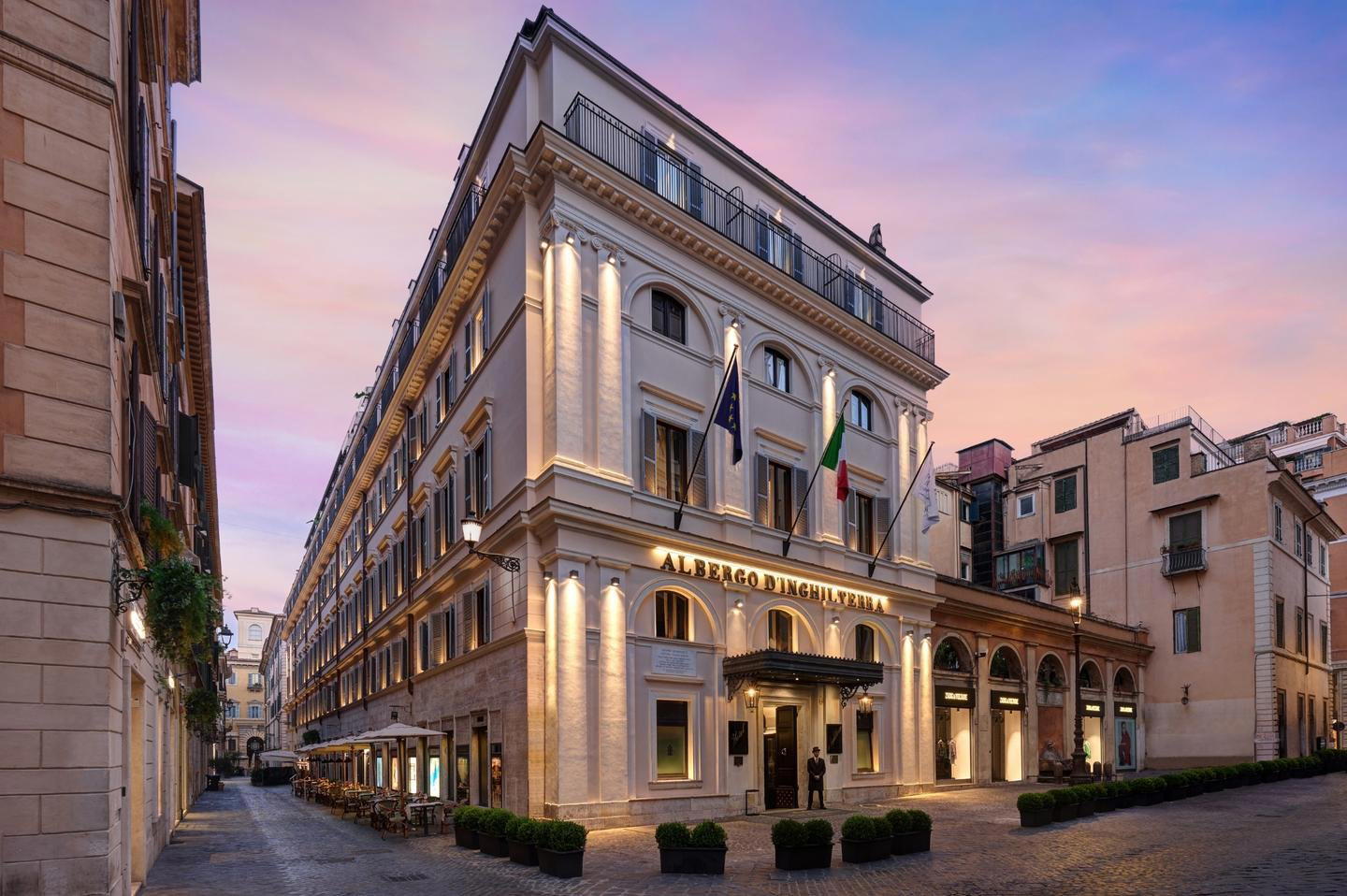
Where the Spanish Steps Meet a Different Kind of Roman Hotel
Rome's luxury hotel market clusters around two competing logics: the grand international brand with a standardised formula, and the historically rooted property that earns its position through accumulation of place and time. Via Bocca di Leone, tucked between Via Condotti and Via Frattina in the city's established fashion district, belongs firmly to the second category. Hotel d'Inghilterra has occupied this address for over 170 years, and the street itself carries the weight of that continuity. Piazza di Spagna is steps away; the Trevi Fountain and the Pantheon are walkable. The location is not incidental to what the hotel is, it is central to it.
Within Rome's current luxury tier, properties like Bulgari Hotel Roma, Hotel Eden, and Hassler Roma each make distinct arguments about what premium hospitality in Rome should look like. D'Inghilterra's argument is one of layered history combined with a genuine renovation commitment: the property completed a yearlong restoration in 2024, reopening under the Starhotels Collezione banner with updated interiors that, according to the hotel's own account, were executed with deliberate respect for the palazzo's original architectural character.
The Physical Environment as Host
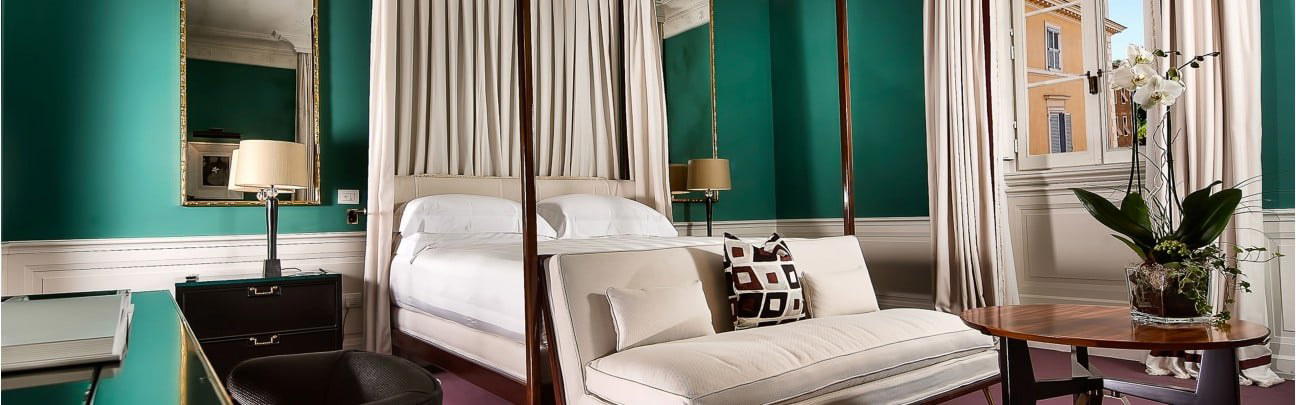
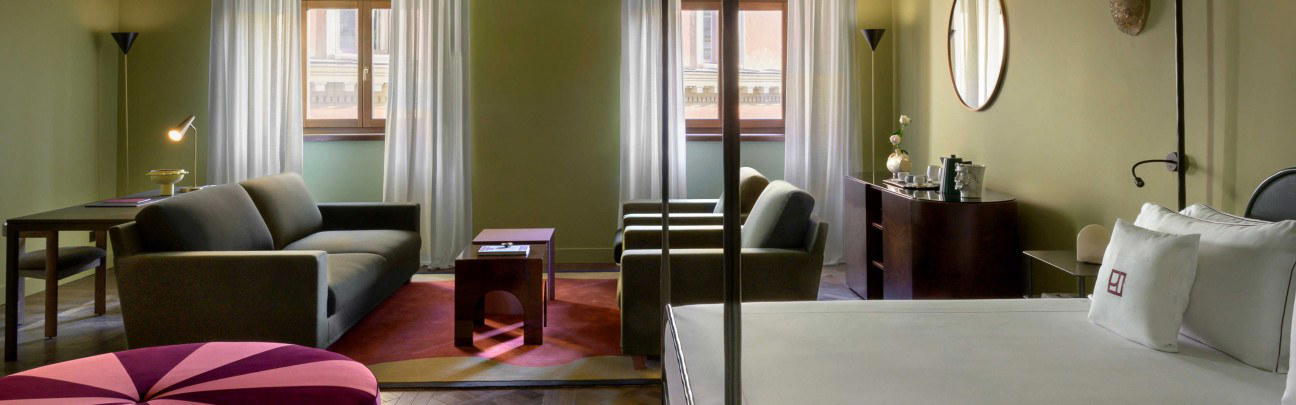
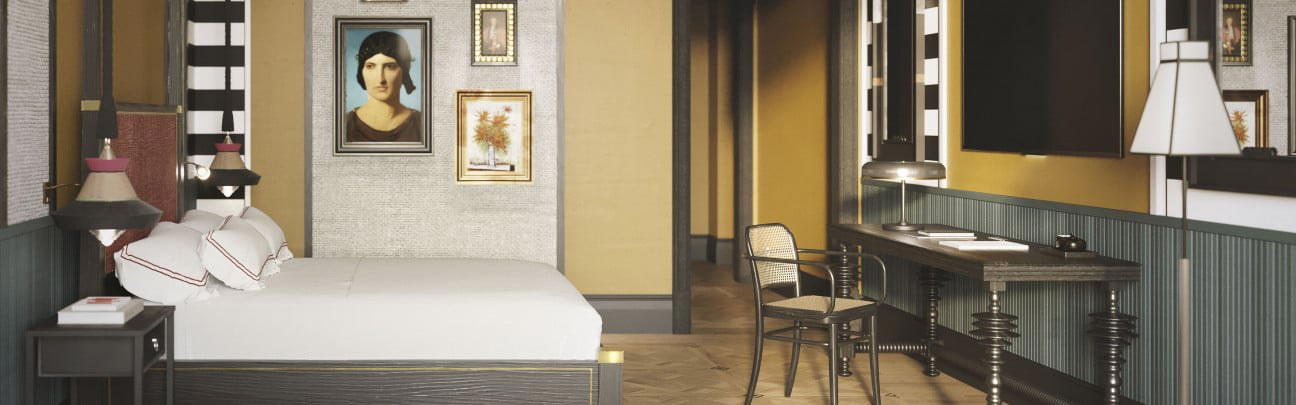
The building itself is a 16th-century Roman residence, and that provenance shapes how guests move through it. The rooms are individually styled rather than standardised, which places d'Inghilterra in the same cohort as Hotel Vilòn and JK Place Roma, properties where no two rooms are quite the same and where the architectural shell informs the experience in ways that purpose-built hotels cannot replicate. The suites carry what the property describes as precious details, a phrase that, in the context of a renovated palazzo, points toward decorative plasterwork, period proportions, and the kind of material presence that comes from genuine age rather than reproduction.
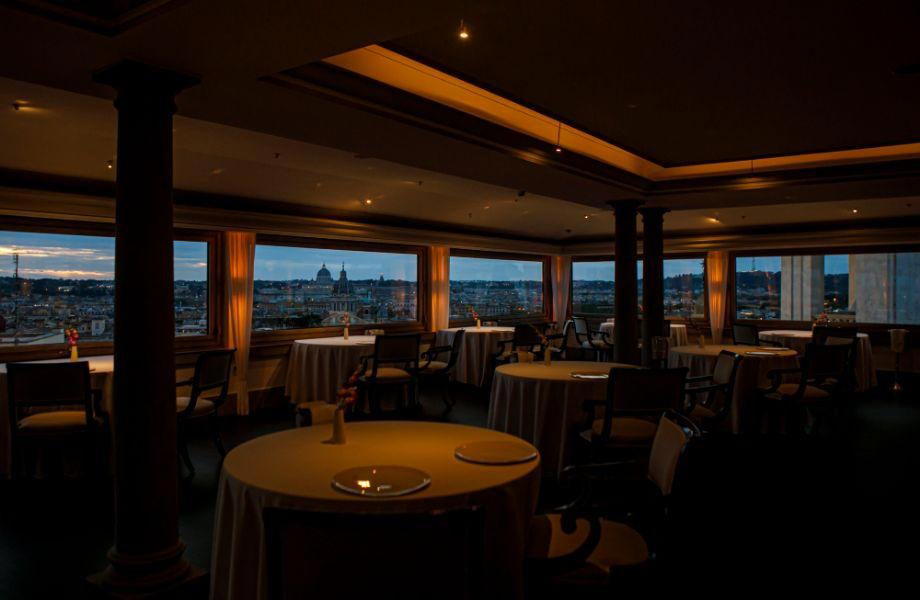
The 2024 renovation added two new anchors to the guest experience. Café Romano, the hotel's restaurant and lounge bar, positions itself around Italian and Roman traditional ingredients reinterpreted rather than simply replicated. The Terrazza Romana, a rooftop cocktail bar with an attached spa suite, is the more structurally significant addition: rooftop terraces in Rome are not merely amenities, they are orientation devices, and an after-dinner position above the fashion district with views across the city changes the rhythm of an evening in ways a ground-floor bar cannot. The spa component, which draws on Eastern treatment traditions, rounds out what is now a more self-contained urban retreat than the hotel offered before its closure for renovation.
Service as Accumulated Institutional Memory
Editorial angle most relevant to d'Inghilterra is not the physical renovation but the service model that underlies a 170-year address. Hotels that occupy the same site across multiple generations develop a form of institutional hospitality that is genuinely different from properties operating on a shorter timeline. The staff culture at a hotel like this carries memory of what repeat guests expect, how the neighbourhood behaves across seasons, and which details matter to the kind of traveller who chooses a historically rooted property over a newer luxury arrival. That is not a claim made lightly, it is an observation about what longevity in a single location tends to produce.
Guest list documented across d'Inghilterra's history is itself a form of evidence. Mark Twain, Henry James, Elizabeth Taylor, Gregory Peck, and the Romantic poet John Keats are all on record as having stayed here. What that lineage signals is not nostalgia but a consistent pattern of attraction: writers, actors, and intellectuals at the height of their careers choosing this address over Rome's alternatives across more than a century. That kind of track record reflects something durable about the property's hospitality register. Comparable historical depth in Italy is found at properties like Aman Venice or the Four Seasons Hotel Firenze, buildings with their own centuries-long backstories that shape what it means to be a guest inside them.
Where It Sits in the Rome Market
Rome's current premium hotel field has expanded considerably over the past decade. Properties including Maalot Roma, Portrait Roma, and Hotel Locarno each occupy distinct positions within that expanded field. D'Inghilterra's position is defined by three overlapping factors: historical continuity, a prime fashion-district address, and a post-renovation physical product that now includes rooftop access and a spa.
For guests making comparisons across Italian itineraries, d'Inghilterra sits alongside properties like Castello di Reschio in Lisciano Niccone, Passalacqua in Moltrasio, or Rosewood Castiglion Del Bosco in Montalcino, all properties where the argument for the price is grounded in built heritage rather than brand formula. The difference is setting: d'Inghilterra is a city hotel operating at the centre of Rome's most concentrated luxury retail and cultural district, not a countryside estate or lakeside retreat.
Planning Your Stay
Hotel d'Inghilterra is at Via Bocca di Leone 14, in the first arrondissement of Rome's historic centre, with Piazza di Spagna and the Spanish Steps a short walk away. The hotel operates year-round, and the fashion-district location makes it a natural base for guests whose Rome visit combines cultural itineraries with access to the Via Condotti retail corridor. For dining beyond the hotel, our full Rome restaurants guide covers the city's current scene in detail. Guests with extended Italian itineraries might also compare properties like Borgo Santandrea on the Amalfi Coast, Il San Pietro di Positano, JK Place Capri, Borgo Egnazia in Savelletri di Fasano, Il Pellicano in Porto Ercole, Casa Maria Luigia in Modena, and Corte della Maestà in Civita di Bagnoregio as part of a wider Italian circuit. For international reference points in the Starhotels Collezione category, Portrait Milano offers a comparable positioning in a different Italian city context.
Awards and Standing
Comparable venues nearby, for context on price, style, and recognition.
| Venue | Cuisine | Price | Awards | Notes |
|---|---|---|---|---|
| Hotel d'InghilterraThis venue (the venue you are viewing) | Historic aristocratic mansion with eclectic originality and casual elegance. | Not listed | Michelin Selected · Virtuoso Luxury Hotel Partner | Not listed |
| Palazzo Shedir | Ornate private mansion within 17th-century Palazzo Borghese, restored to ancient splendor with exclusive suites and wellness facilities. | Not listed | Leading Hotels of World Member | Campo Marzio |
| Casa Monti | Artist's residence reimagined with bohemian sprezzatura and effortless freshness. | Not listed | Michelin Selected · Mr & Mrs Smith Seal of Approval | Monti |
| SINA Bernini Bristol, Autograph Collection | Well-known 150-year-old luxury hotel reinterpreting Baroque luxury with contemporary twist. | $300–500 | Michelin Selected | Piazza Barberini |
| Radisson Collection Hotel, Roma Antica | Contemporary luxury palazzo conversion blending rationalist architecture with modern design, emphasizing timeless elegance through tactile materiality and designer furnishings. | $300–500 | Michelin Selected | Roma Antica |
| Hotel Eden, Dorchester Collection | Modern luxurious sanctuary with authentic Roman spirit | Not listed | 1 Michelin Key · La Liste Top Hotels | Ludovisi |
Recognition history
Dated appearances from independent guides and award organizations, with the underlying list record or original source where available.
Michelin Selected
Michelin
Forbes 4-Star
Forbes
Virtuoso Luxury Hotel Partner
Virtuoso
Small Luxury Hotels of the World Member
Small Luxury Hotels of the World
Continue exploring
More in Rome
Hotels in Rome
All hotels in Rome →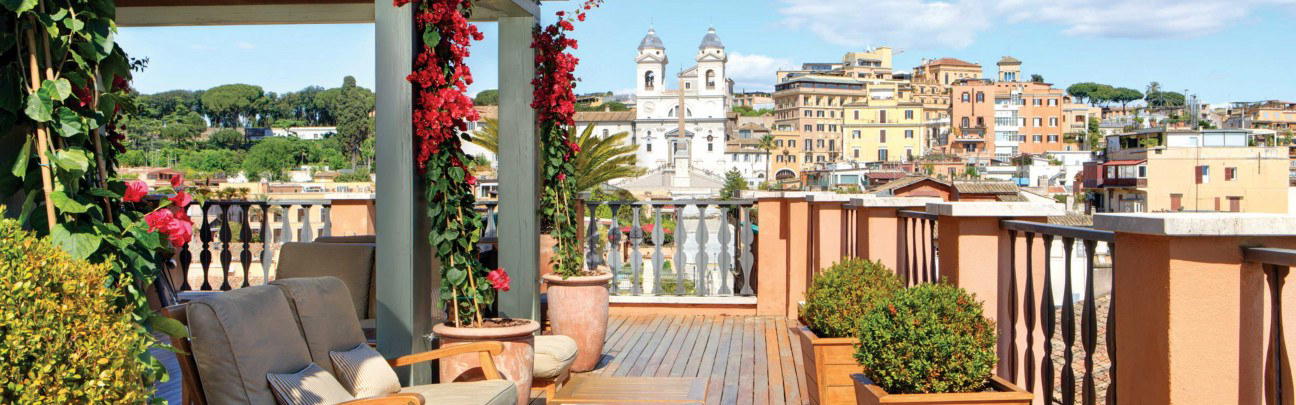
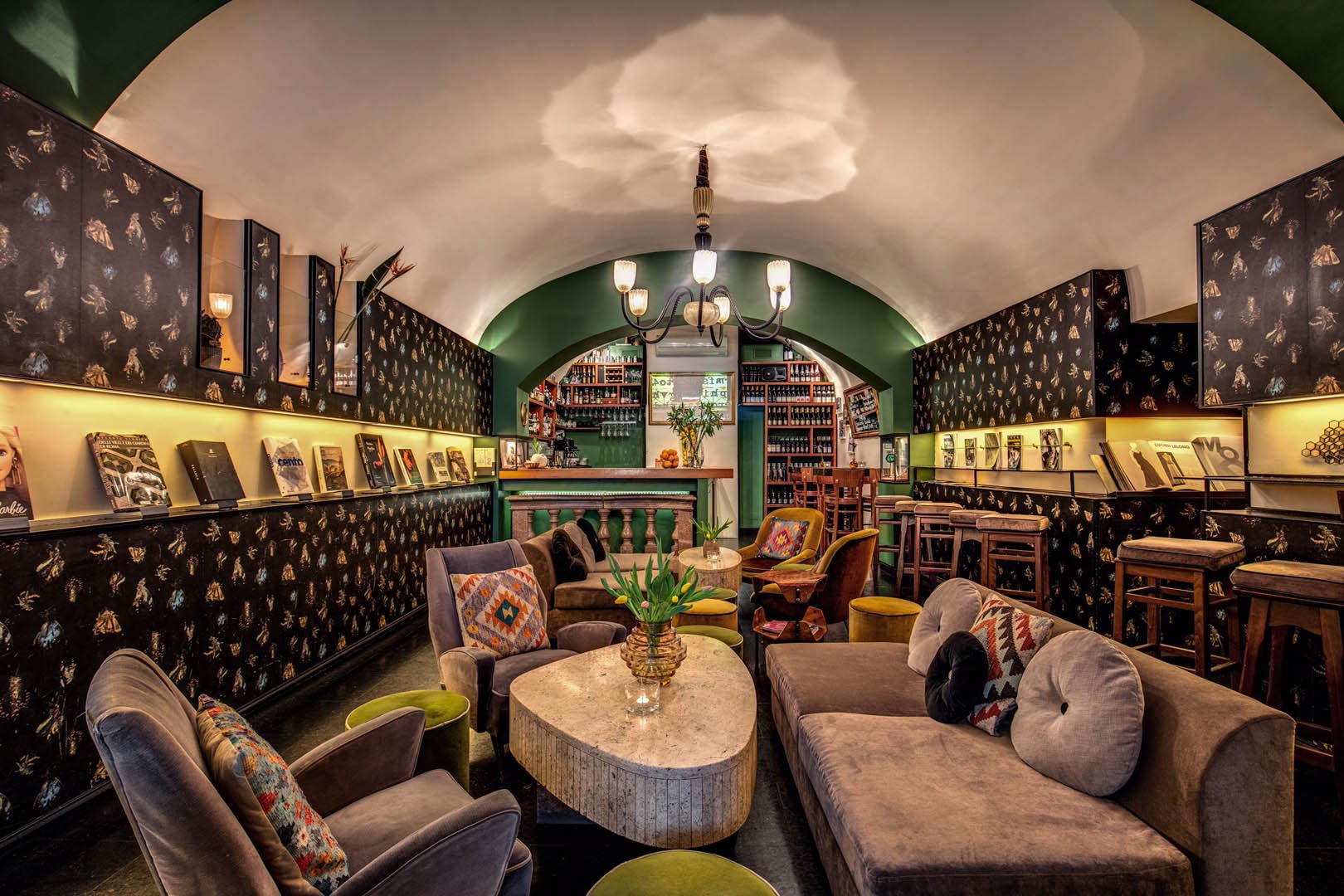
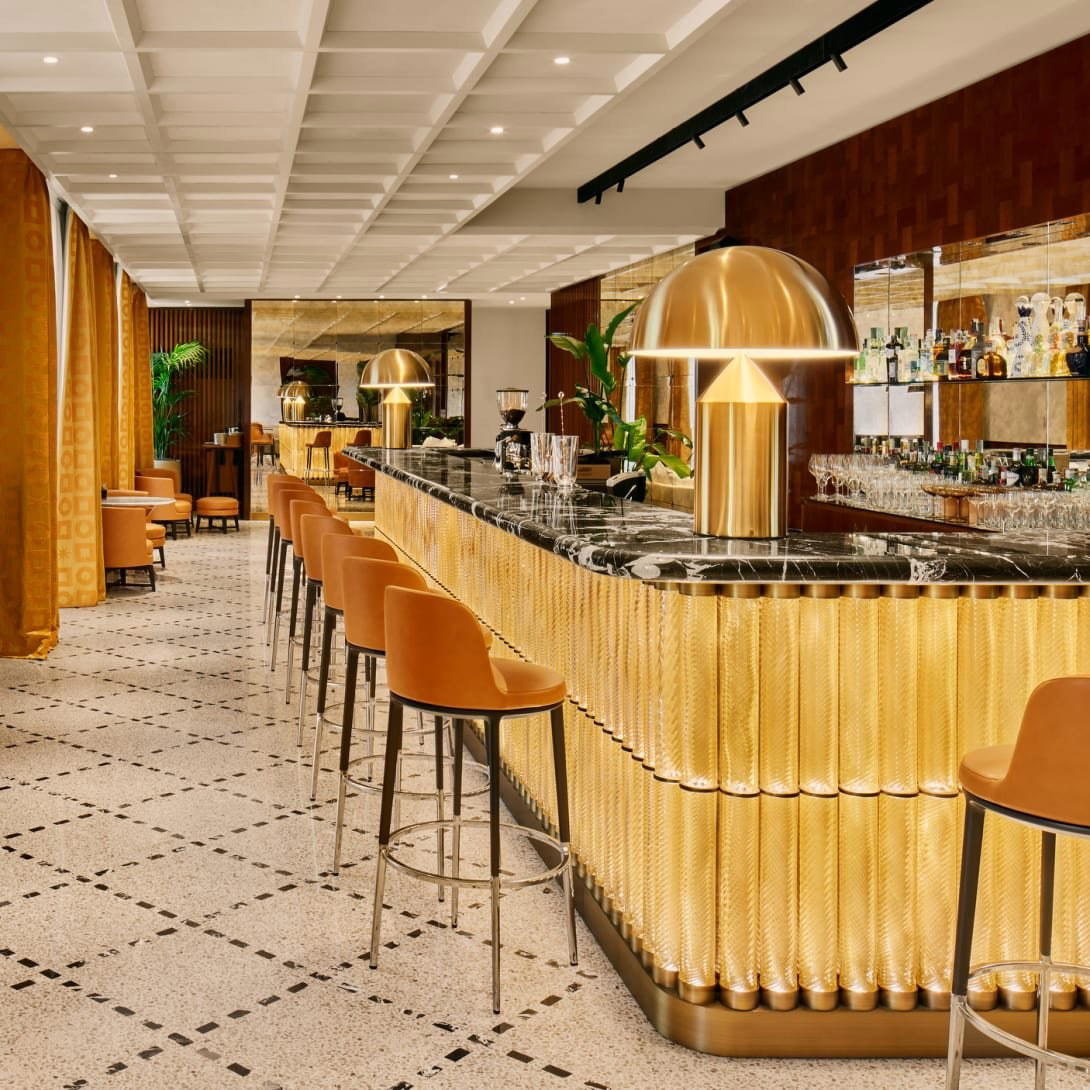
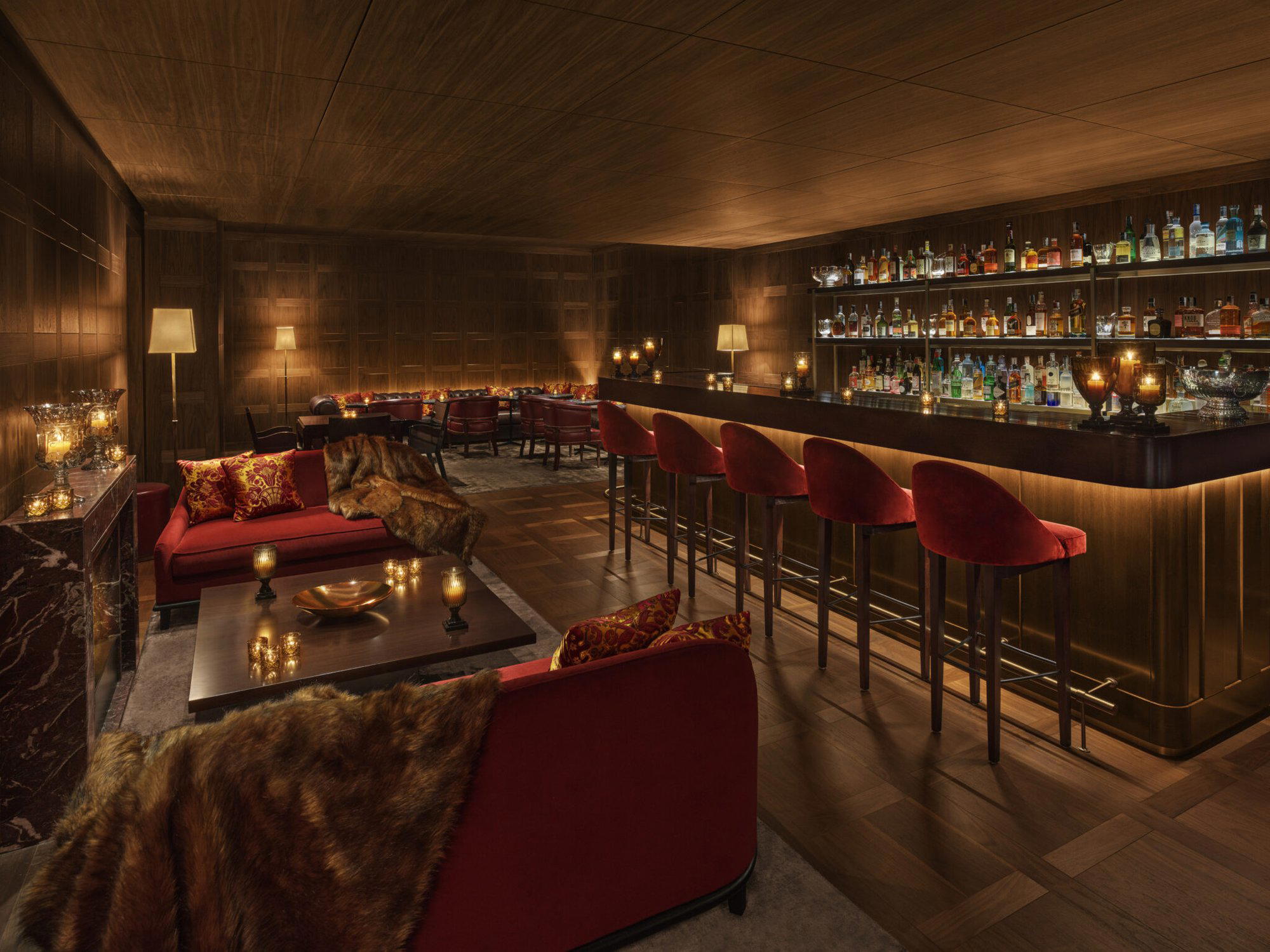
Bars in Rome
All bars in Rome →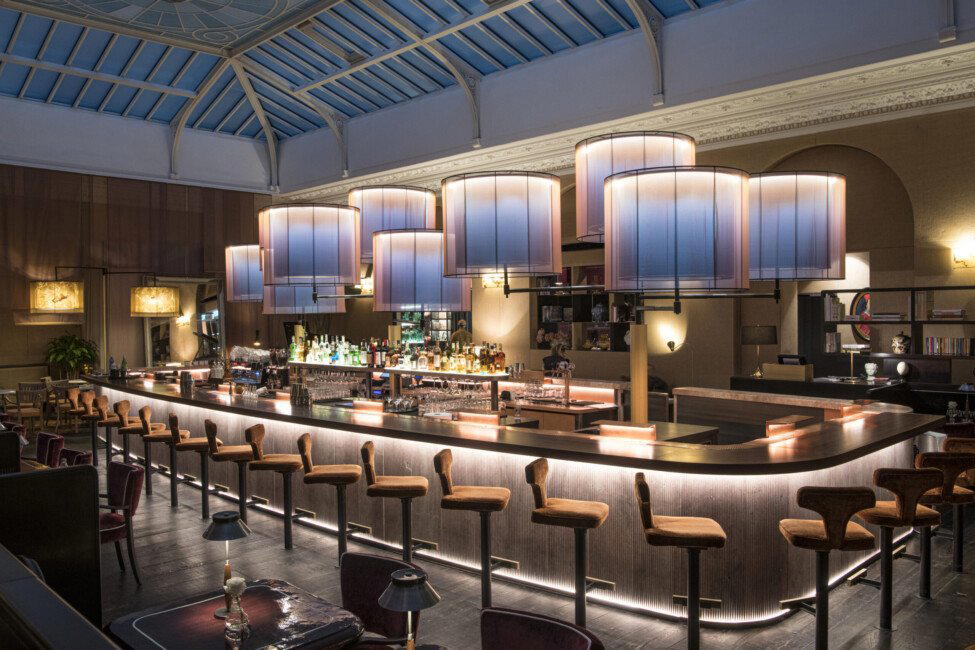
Restaurants in Rome
All restaurants in Rome →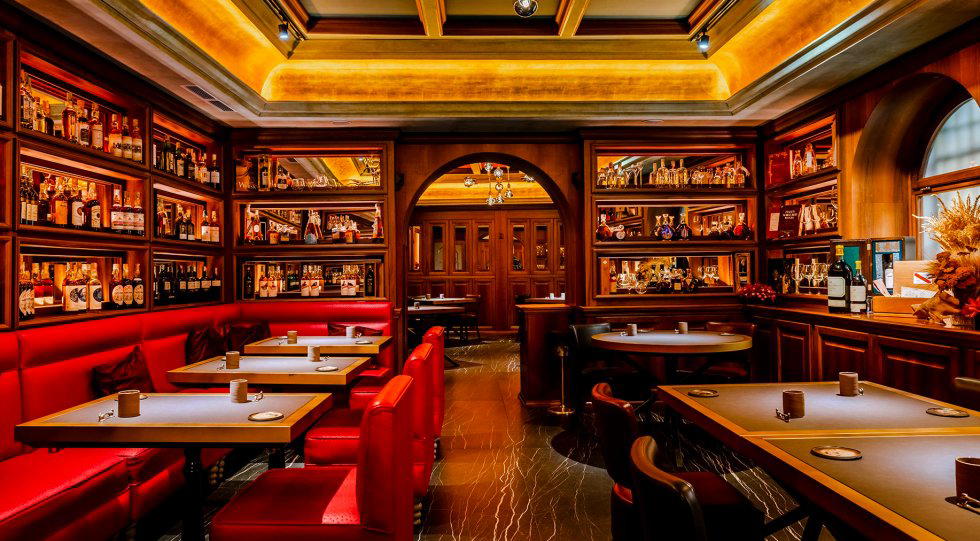

Details
- Elegant
- Classic
- Sophisticated
- Romantic
- Intimate
- Romantic Getaway
- Anniversary
- Honeymoon
- Historic Building
- Terrace
- Wi Fi
- Fitness Center
- Room Service
- Concierge
- Restaurant
- Bar
- Street Scene
- Elevator
- Wheelchair Accessible
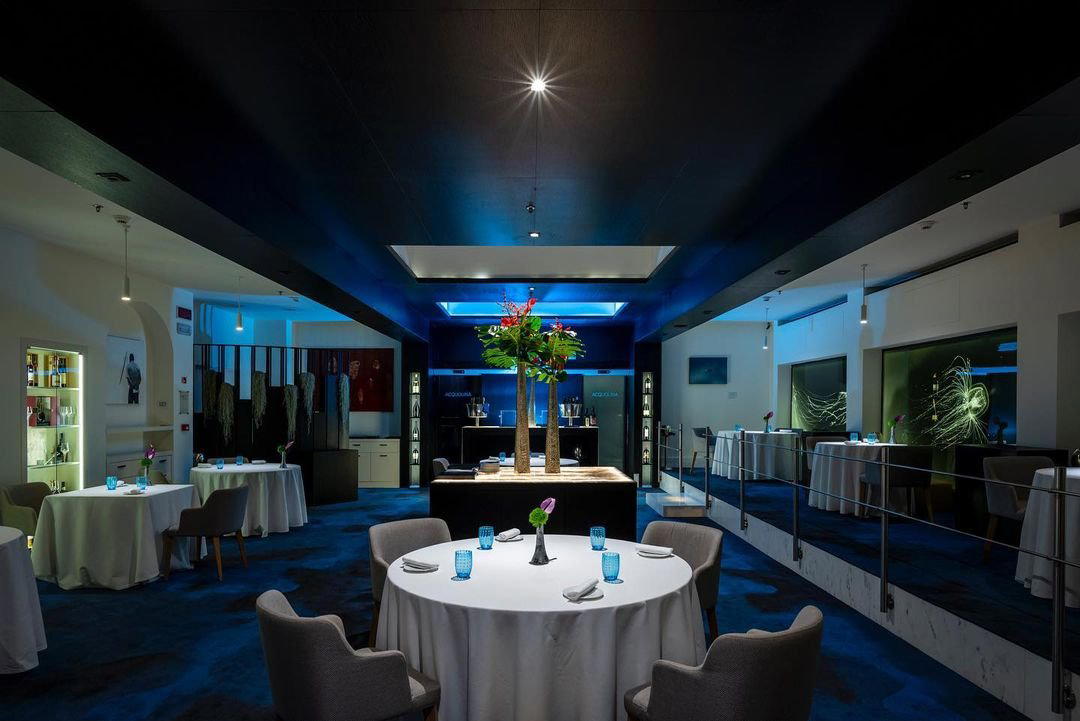
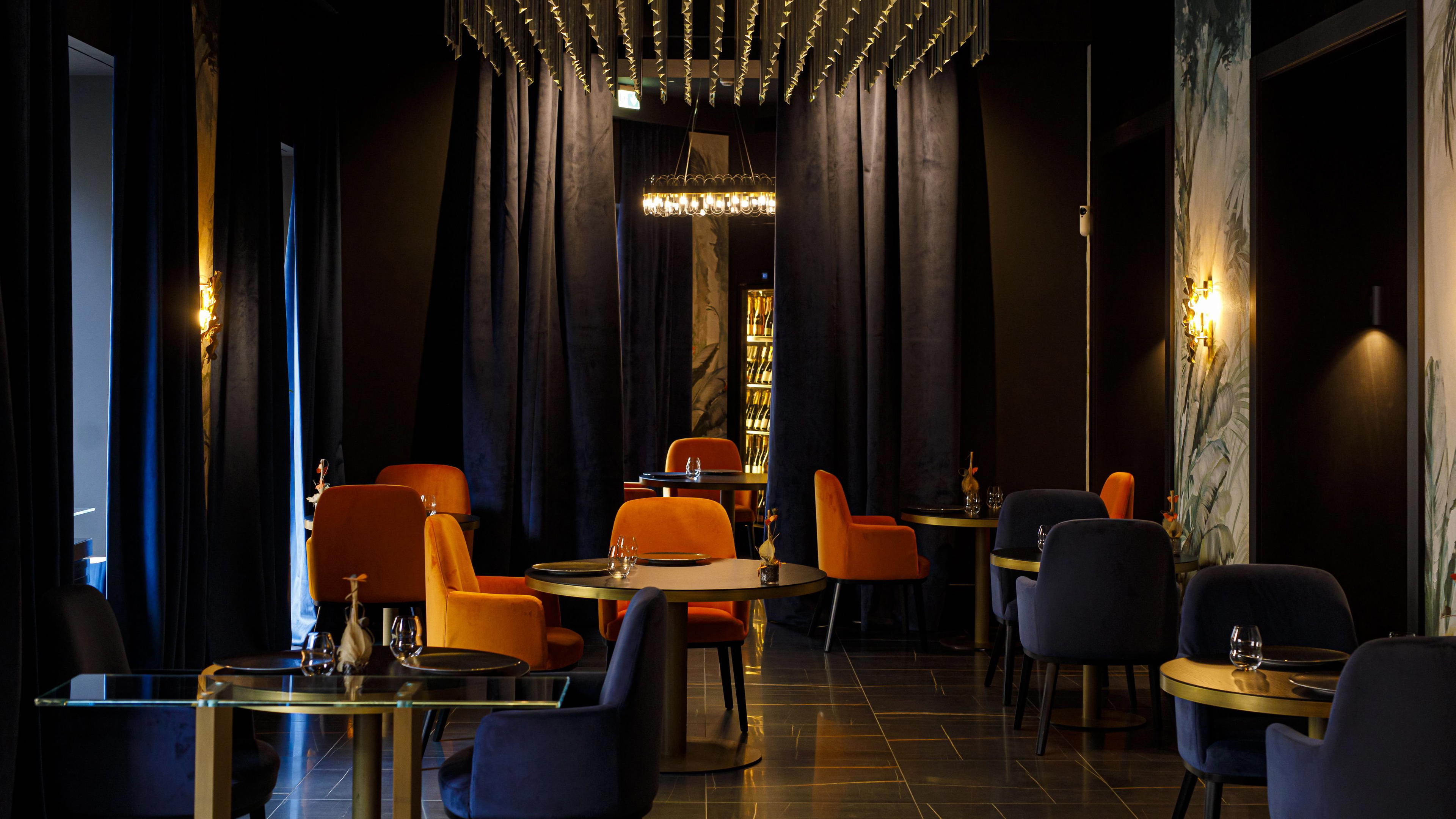
Elegant and timeless with classical charm, tasteful decor, comfortable lighting from Murano chandeliers, and a refined, intimate atmosphere.