Occupying a restored 19th-century building on Via Nazionale, 1880 Atypical Rooms positions itself within Rome's growing tier of design-conscious boutique stays that reject the grand-hotel template. The property sits in the Esquilino district, walkable from the Baths of Diocletian and Termini, placing it at a practical crossroads between ancient Rome and contemporary city life. For travellers who find the city's larger luxury addresses too impersonal, this is a considered alternative.

Pearl is the En Primeur Club membership app, where members save venues, book tables and use the concierge.

Via Nazionale and the Case for Slower Rome
Rome's accommodation market has, over the past decade, sorted itself into recognisable tiers. At one end sit the established grand hotels: the Hassler Roma above the Spanish Steps, Hotel Eden on the Pincian Hill, and the Bulgari Hotel Roma in the Villa Borghese gardens, properties where the address carries as much weight as the rooms. At the other end, a quieter tier of design-led boutique properties has matured: smaller key counts, more deliberate interiors, and a different relationship with the city. 1880 Atypical Rooms, on Via Nazionale at number 66, belongs to that second category.
Via Nazionale runs northeast from Piazza Venezia through the Esquilino rione, connecting the historic centre to the Termini transport hub. It is a broad, busy artery, not the Rome of golden-hour alleyways and postcard fountains, but that bluntness is also the point. Staying here puts you within walking distance of the Baths of Diocletian, the Palazzo delle Esposizioni, and Santa Maria Maggiore, with the city's metro and rail connections close at hand. Travellers who have already done the Spanish Steps hotel experience and want something positioned more practically for a wider radius of the city tend to gravitate toward this corridor.
The Retreat Logic Behind Boutique Stays
The wellness instinct in urban travel has shifted over the past several years. It is no longer confined to resort spas and countryside escapes. Increasingly, city travellers seek out properties where the room itself functions as the restorative space: where design decisions slow the eye rather than accelerate it, where noise is managed, and where the scale is human enough to feel like temporary residence rather than transit accommodation. This shift has driven demand for the kind of boutique format 1880 Atypical Rooms represents.
The name itself signals the intent. "Atypical" is a positioning statement as much as a description, placing the property in deliberate contrast to the volume-driven hotel model. In Rome specifically, this positioning carries weight: the city's dominant luxury offer has long been concentrated in larger, internationally branded properties. Properties like Portrait Roma, Hotel Vilòn, and JK Place Roma have demonstrated that a smaller, more curated format can attract a particular type of traveller, one who treats the room as a sanctuary rather than a base camp.
For comparison, properties operating in a similar spirit across Italy illustrate what this model looks like at its most developed. Casa Maria Luigia in Modena offers a farmhouse retreat with a strong culinary identity. Corte della Maestà in Civita di Bagnoregio leans into total quiet and remote character. Maalot Roma, also in the capital, operates on a similarly intimate scale. Each deploys the boutique format differently, but they share an underlying logic: fewer guests, more considered space, a slower pace than the city around them. That logic, applied to an urban context like Via Nazionale, is precisely what 1880 Atypical Rooms is drawing on.
What the Building Carries
The name references the building's 19th-century provenance, a common thread in Rome's boutique hotel sector. The city is so dense with historical fabric that even a mid-tier building on a commercial street tends to carry significant architectural memory. Properties in this category often use restoration rather than renovation as their guiding principle, preserving ceiling heights, original floor materials, and structural details rather than overlaying them with contemporary hotel-standard finishes.
For context on how Rome's wider hotel sector handles heritage interiors at the higher end, Hotel Locarno near Piazza del Popolo has maintained Art Nouveau details across decades of operation. At the international scale, the Aman Venice and Four Seasons Hotel Firenze show how high-investment restoration can transform a historic shell into a complete hospitality experience. 1880 Atypical Rooms operates at a different scale and price point, but the heritage engagement is part of its core identity.
Planning a Stay: Practical Considerations
Via Nazionale 66 places the property roughly equidistant between the Termini rail hub and the Roman Forum, making it a genuinely functional base for a Rome stay that ranges from the Colosseum to the contemporary galleries of the Palazzo delle Esposizioni. The Esquilino neighbourhood has changed substantially in character over the past fifteen years, the area around Piazza Vittorio Emanuele II now hosts one of Rome's most diverse food markets and a concentration of pan-Asian and Middle Eastern restaurants that offer a distinct counterpoint to the city's trattoria mainstream.
For current rates and reservation procedures, reaching out via the property's direct channels or through a specialist travel service is advisable. As a boutique property with a limited number of rooms, availability at peak periods, particularly April through June and September through October, when Rome's visitor numbers are highest, should be assumed to be constrained. Travellers with fixed dates in those windows should treat lead time as a planning factor, not an afterthought.
For those building a broader Italian itinerary around a Rome stay, the boutique tier extends well beyond the capital. Castello di Reschio in Lisciano Niccone, Borgo Egnazia in Fasano, Rosewood Castiglion Del Bosco in Montalcino, and Il Pellicano in Porto Ercole each represent distinct versions of the Italian retreat model, countryside, coast, and wine country respectively. For the Amalfi alternative, Borgo Santandrea and Il San Pietro di Positano anchor the southern coastal tier. JK Place Capri and Passalacqua in Moltrasio extend the boutique logic to island and lake settings. See our full Rome restaurants and hotels guide for broader context on how the capital's accommodation market is structured.
For travellers whose itinerary extends beyond Italy, the same boutique-retreat instinct applies at properties like Aman New York, The Fifth Avenue Hotel, Portrait Milano, and at the more remote end, Amangiri in Canyon Point.
Comparison Snapshot
Comparable options at a glance, pulled from our tracked venues.
| Venue | Price | Awards |
|---|---|---|
| 1880 Atypical RoomsThis venue (the venue you are viewing) | $200–300 | Not listed |
| Bulgari Hotel Roma | Not listed | 3 Michelin Keys · World's 50 Best #32 |
| Rocco Forte Hotel De La Ville | Not listed | 2 Michelin Keys · Forbes 5-Star |
| Rocco Forte Hotel de Russie | Not listed | 2 Michelin Keys · La Liste Top Hotels |
| Singer Palace Hotel | Not listed | 1 Michelin Key · Virtuoso Luxury Hotel Partner |
| Six Senses Rome | Not listed | 1 Michelin Key · Virtuoso Luxury Hotel Partner |
Continue exploring
More in Rome
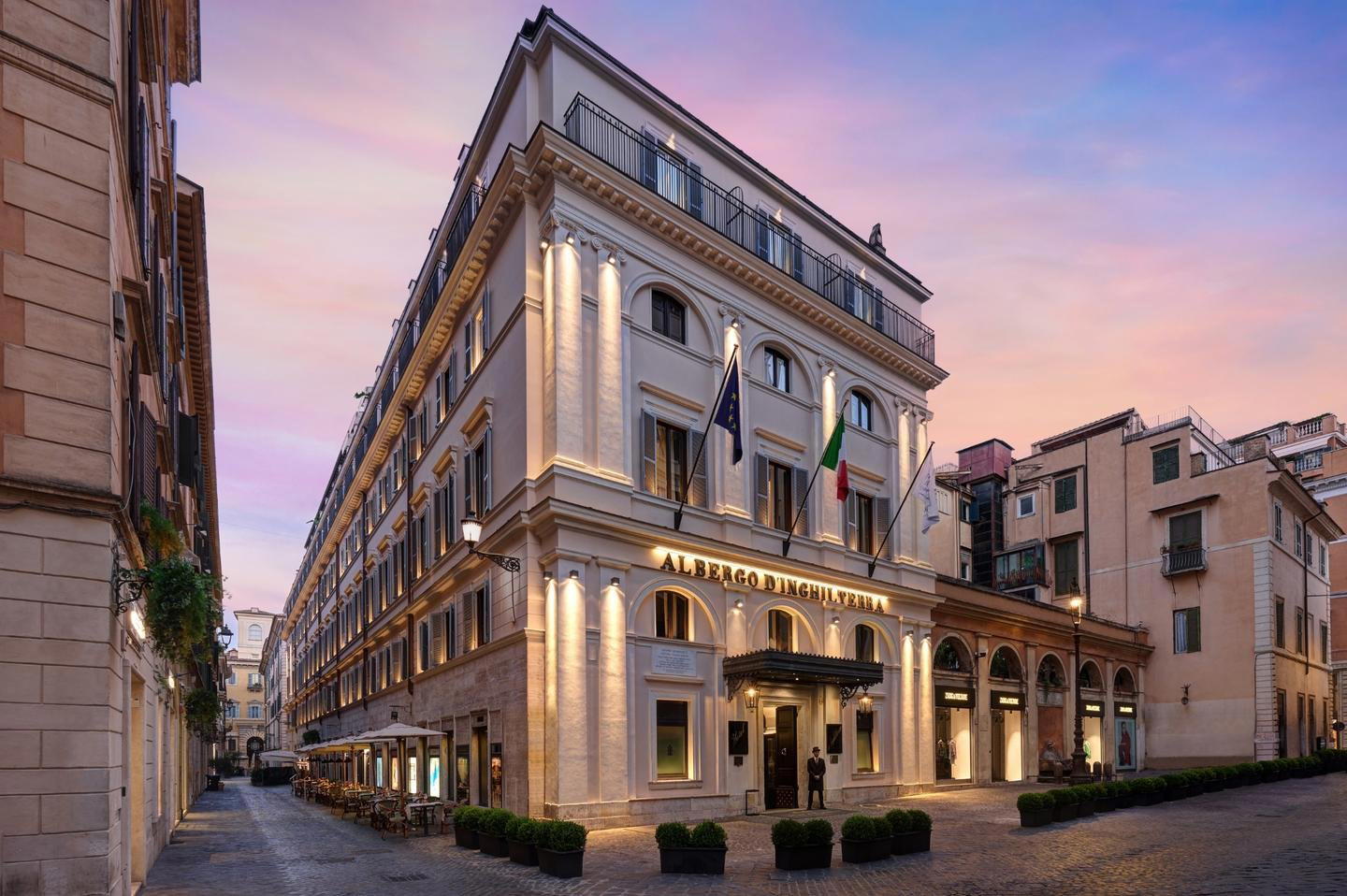
Hotels in Rome
All hotels in Rome →
Bars in Rome
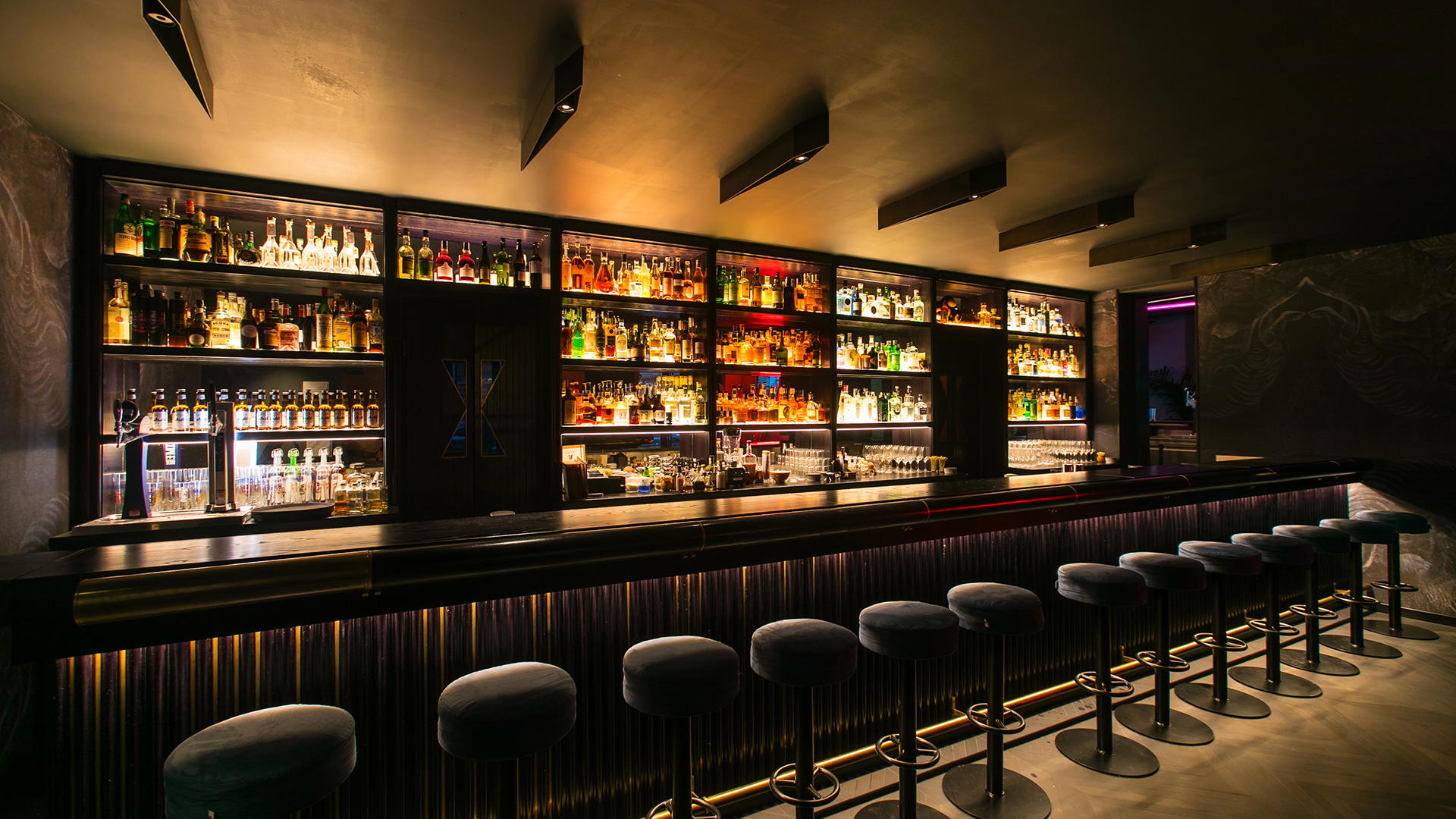
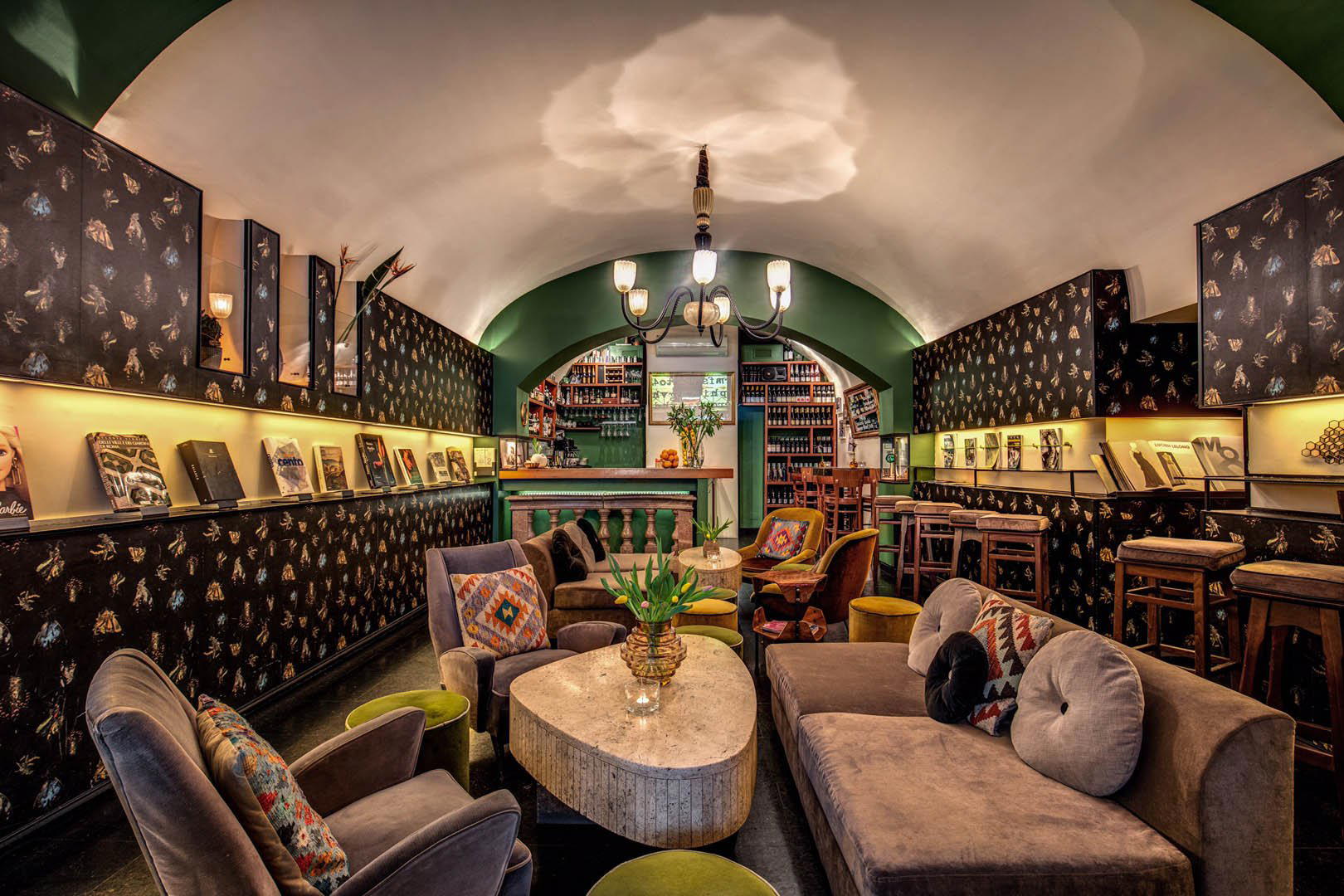
All bars in Rome →
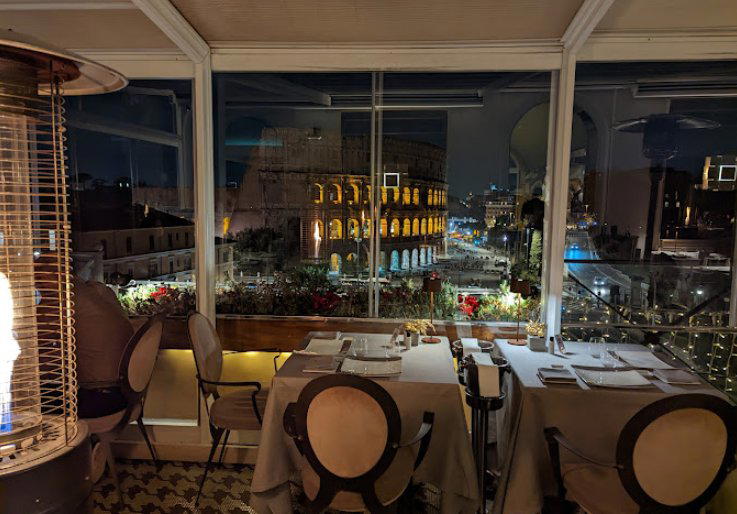
Restaurants in Rome
All restaurants in Rome →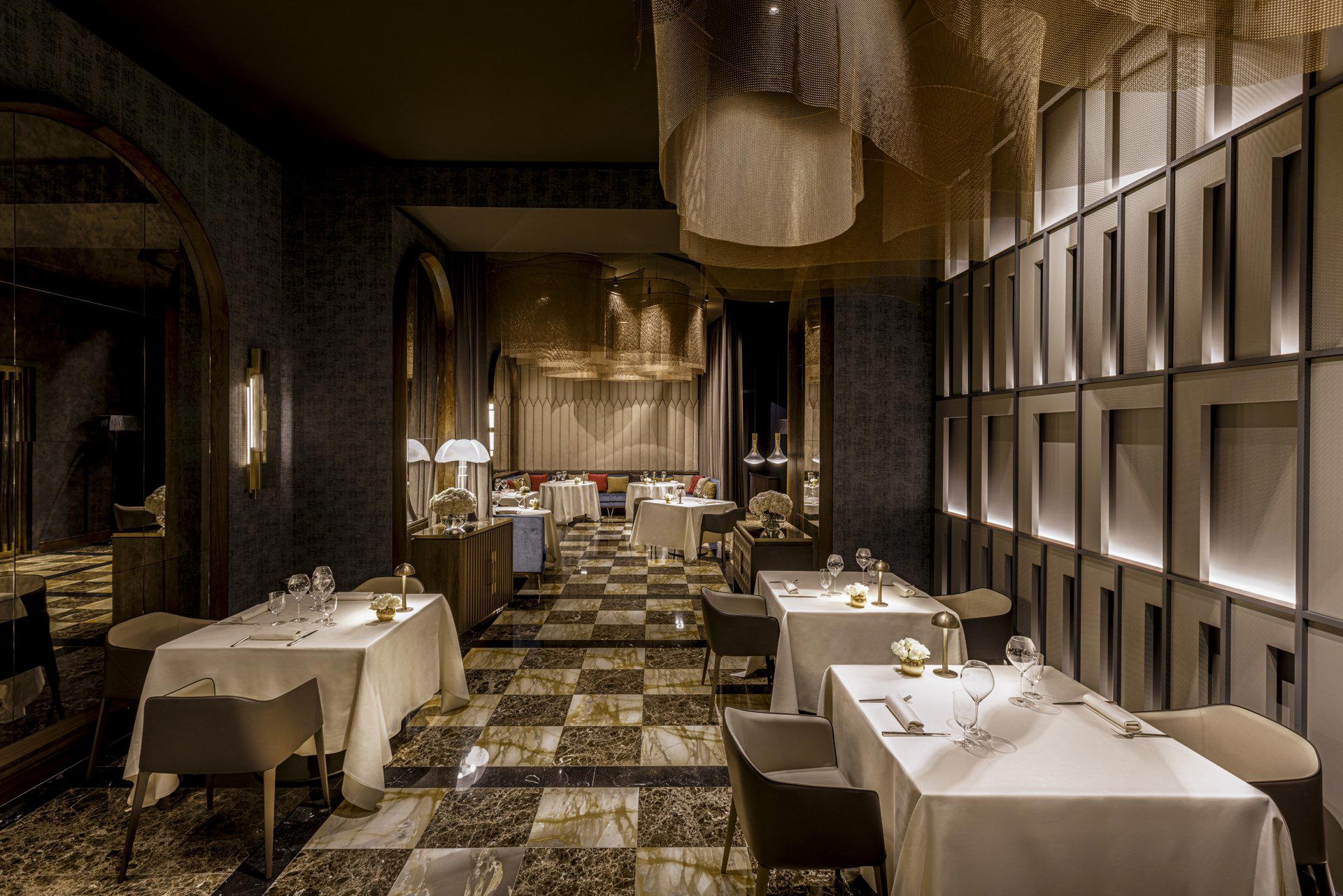

Details
- Modern
- Trendy
- Elegant
- Minimalist
- Romantic Getaway
- Weekend Escape
- Historic Building
- Design Destination
- Wi Fi
- Air Conditioning
- Elevator
- Concierge
- Luggage Storage
- Laundry Service
- Housekeeping
- Elevator
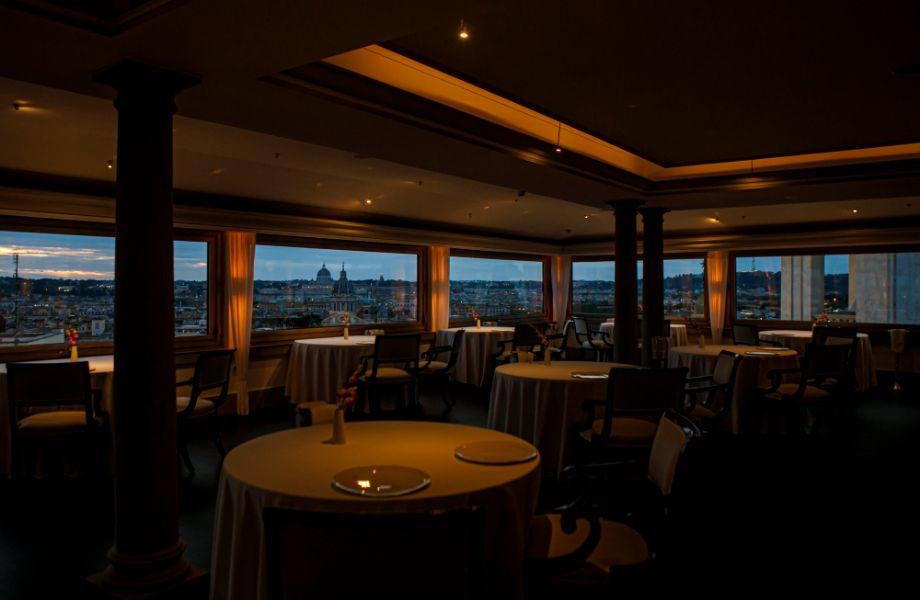
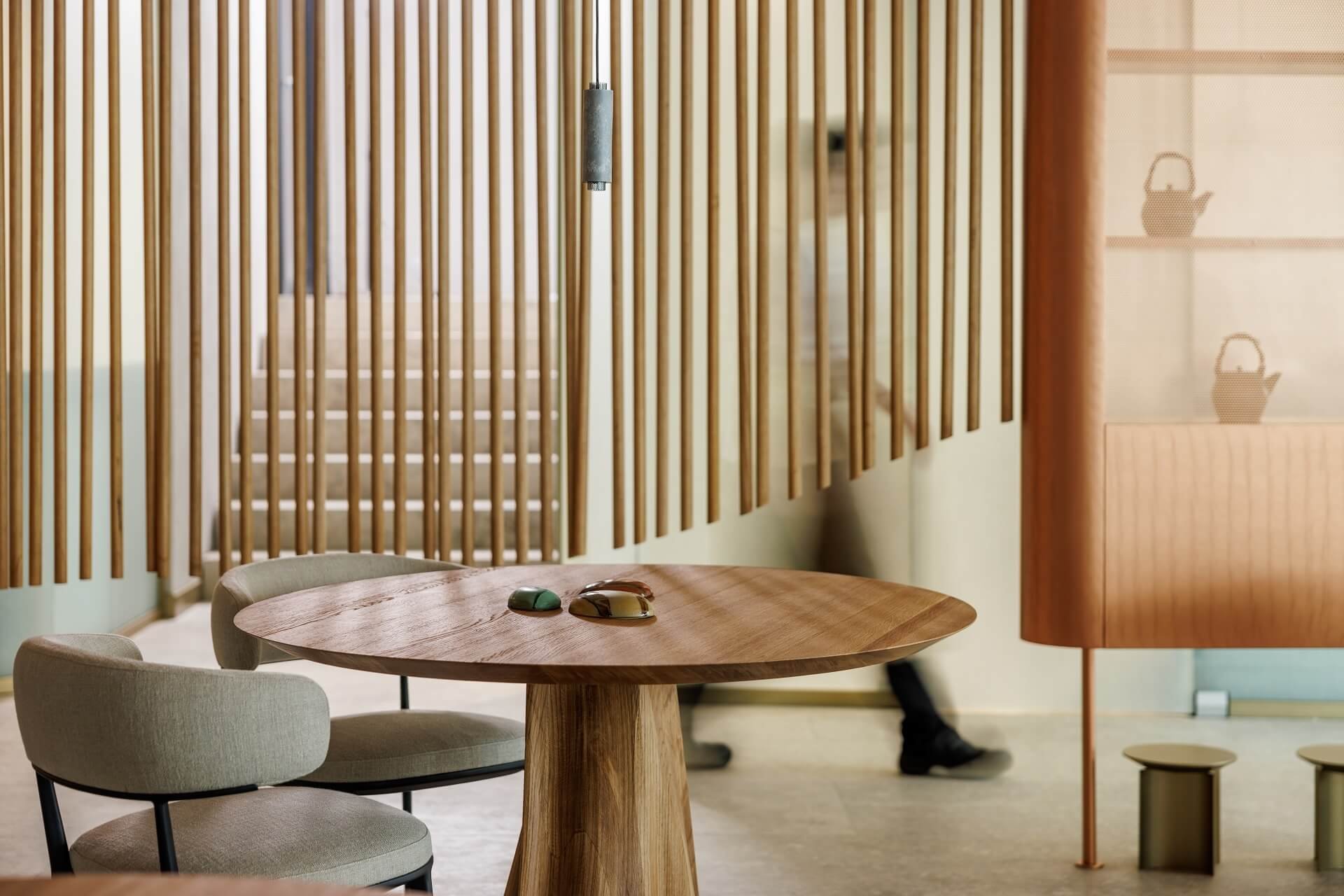
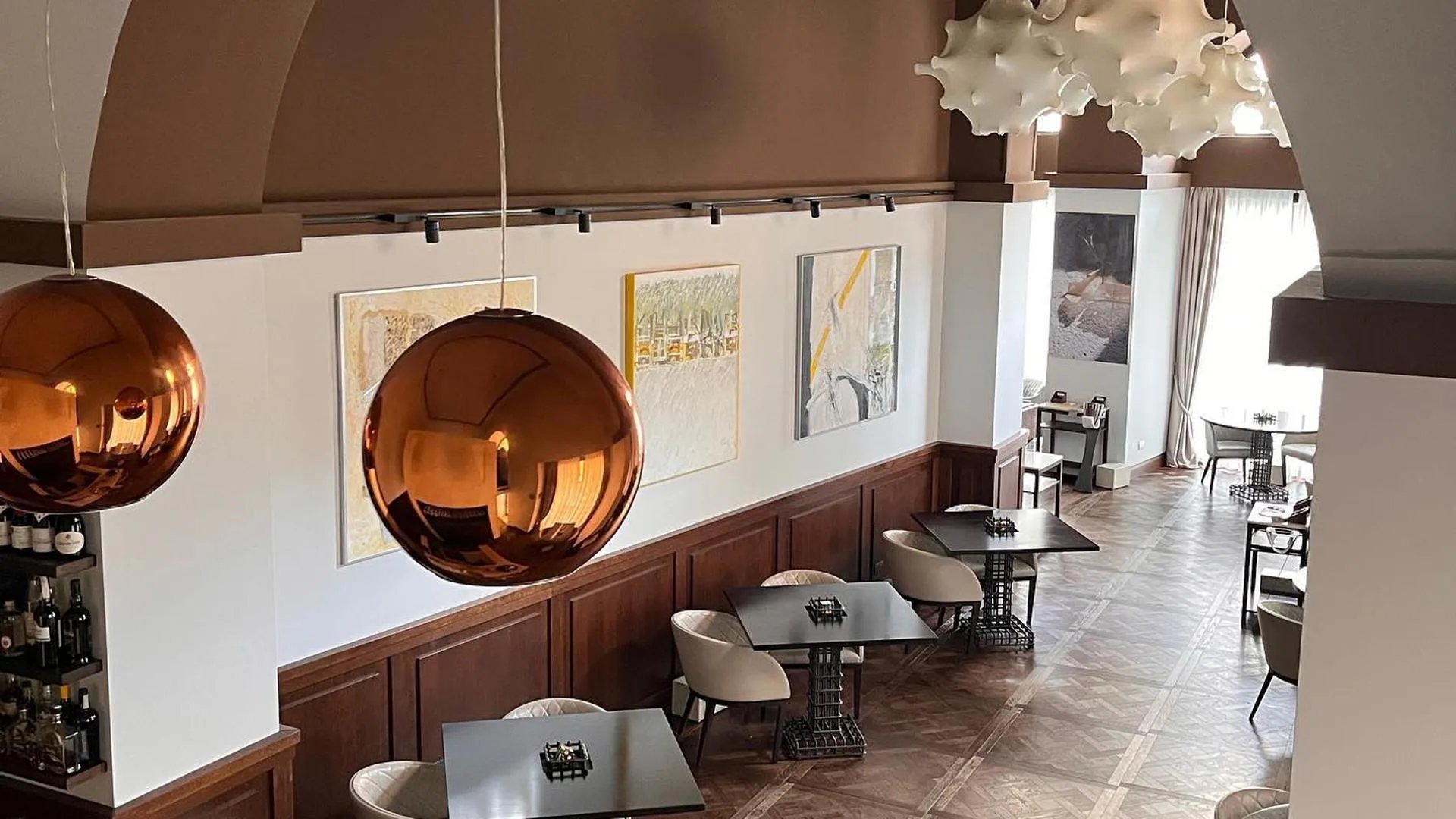
Modern and design-focused atmosphere in a historic setting with soundproof rooms for a quiet stay.