
Occupying a landmark Belle Époque palace on Trieste's historic waterfront, the Savoia Excelsior Palace carries Michelin Selected status for 2025 and positions itself among the upper tier of grand-hotel properties in northeastern Italy. The building's architecture and its address on Riva del Mandracchio place it directly in Trieste's storied relationship with Austro-Hungarian civic grandeur, making it a considered base for the city's distinctive cultural mix of Central European formality and Adriatic immediacy.
Pearl is the En Primeur Club membership app — saves, bookings, and concierge access live there. Same editors, same standards.
- Address
- Riva del Mandracchio, 4, 34124 Trieste TS, Italy
- Phone
- +39 040 77941
- Website
- collezione.starhotels.com
- Directions
- Get directions
 Saves & bookings on Pearl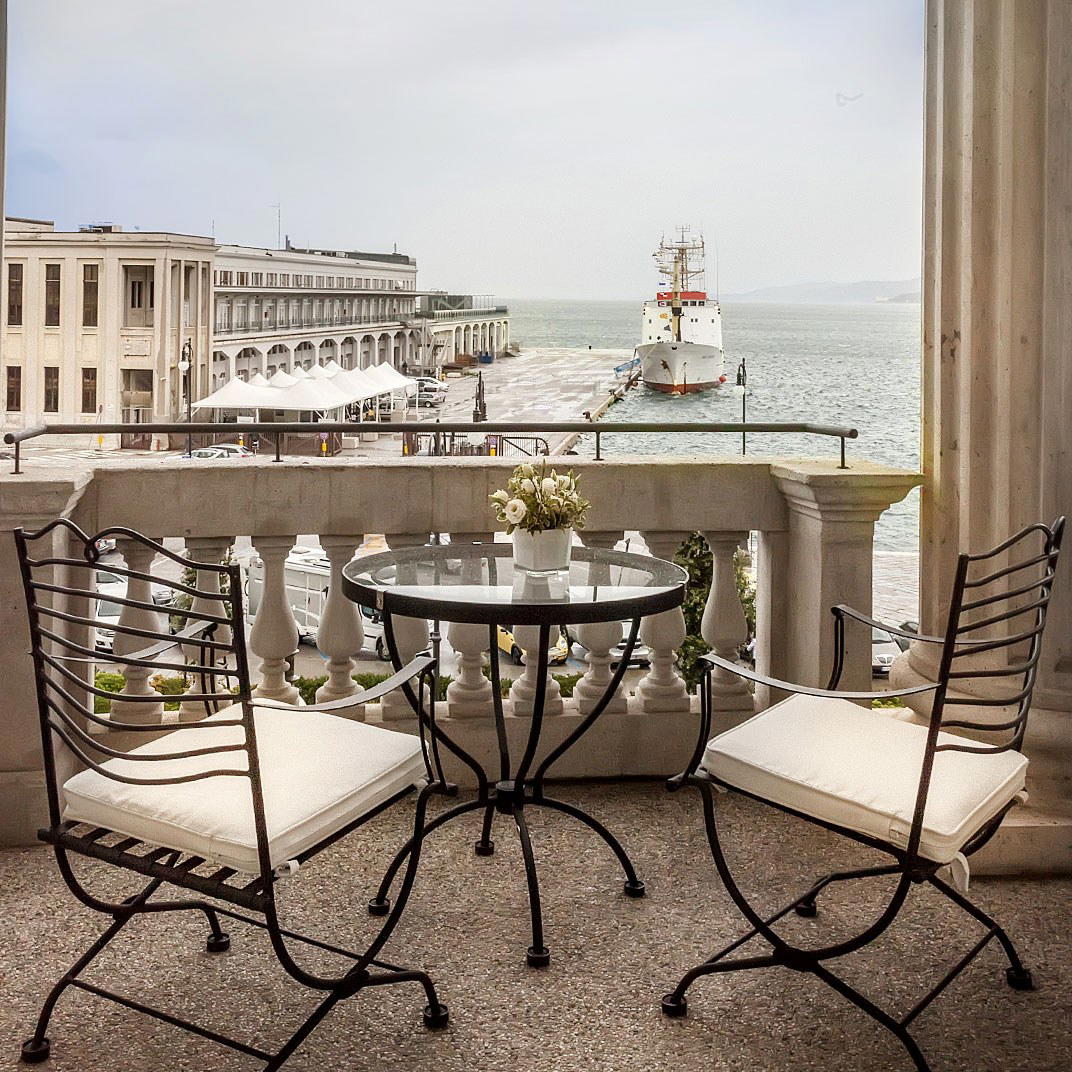
A Palace on the Waterfront: What the Address Signals
Trieste's Riva del Mandracchio is not a street that allows understatement. The waterfront promenade running along the Adriatic's northern edge has functioned as the city's civic spine since the Habsburg era, lined with institutions that were built to express authority and permanence. The Savoia Excelsior Palace sits on that promenade at number four, in a building whose Belle Époque façade places it squarely in the architectural conversation that defines Trieste's identity as a border city — Central European in its formal ambitions, Mediterranean in its light and physical exposure. Arriving on foot from Piazza Unità d'Italia, Italy's largest seafront square, the building presents itself not as a hotel inserted into a neighbourhood but as a structural component of it. That distinction matters in a city where the built environment is unusually coherent and any new presence is measured against a very high architectural baseline.
Trieste sits in a position unlike any other Italian city of its size. Historically the main seaport of the Austro-Hungarian Empire, it retains a density of late-19th- and early-20th-century civic architecture that puts it in closer visual dialogue with Vienna or Prague than with the hill towns of Tuscany or the baroque extravagance of southern Italy. Hotels that occupy historic palazzi in this context inherit the design logic of a city that built seriously and expected buildings to last. The Savoia Excelsior Palace, part of the Starhotels Collezione portfolio, operates within that inheritance.
The Architecture as Editorial Argument
The Collezione tier within Starhotels is specifically reserved for properties where the building itself is the primary asset — a deliberate strategy that places physical heritage ahead of contemporary design interventions. This distinguishes the Savoia from the other end of the Italian luxury hotel spectrum, where properties like Aman Venice or the Four Seasons Hotel Firenze layer highly contemporary interior programming over historic shells. The Savoia's position is closer to the grand-hotel tradition in its original form: architecture as the experience, materiality as the argument.
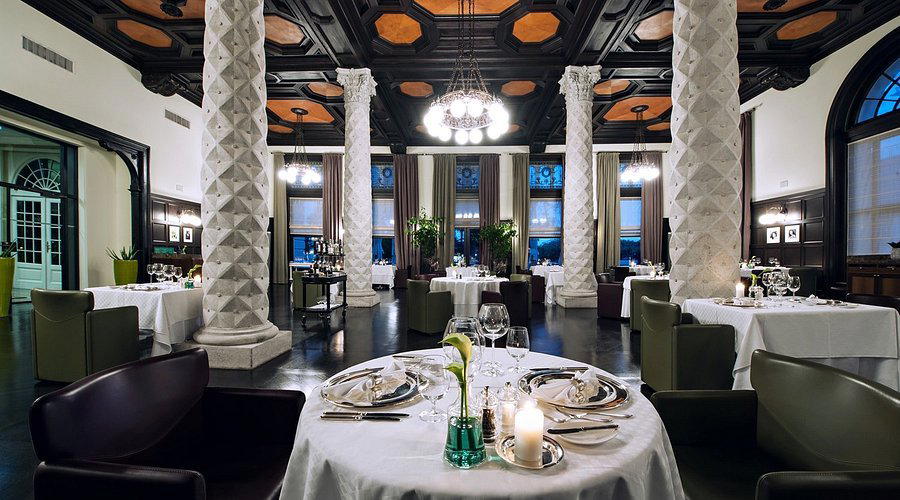
Belle Époque hotel design in this part of Europe followed a consistent grammar. Public spaces were conceived as civic rooms rather than private retreats, high ceilings, generous proportions, columns and plasterwork intended to signal that the hotel was a public institution as much as a private accommodation. That grammar reads differently from the intimate scale favoured by properties like JK Place Capri or the rural conversion logic behind Castello di Reschio. At the Savoia, the building's formal proportions are the dominant design statement, and the question for any visit is how comfortably the contemporary hotel programme inhabits that inherited framework.
The waterfront elevation also creates a specific relationship with natural light that is intrinsic to the building's appeal. The Adriatic facing the Riva del Mandracchio runs northwest to southeast at this latitude, and the light that enters the building from the water side has the particular quality of reflected sea-light that characterises this stretch of the upper Adriatic, brighter and more diffuse than Mediterranean light further south, cooled by the proximity to the karst plateau behind the city.
Trieste's Hotel Market and Where the Savoia Sits
Trieste's premium hotel tier is smaller and more contained than comparable Italian cities of greater tourist volume. The city draws a specific traveller profile: literary and cultural visitors drawn by the city's associations with James Joyce, Italo Svevo, and Umberto Saba; business travellers connected to the port and to the city's significant scientific and research infrastructure; and a growing segment of Italian and Central European guests who come precisely because Trieste has not been overtaken by mass tourism. That profile supports a different kind of hotel proposition than, say, Florence or the Amalfi Coast, where properties like Borgo Santandrea or Il San Pietro di Positano compete on natural setting as much as on architecture.
Within Trieste itself, the most direct comparison is the Grand Hotel Duchi d'Aosta, which occupies an equally historic position on Piazza Unità d'Italia. The two properties represent the city's upper bracket and effectively define the premium tier between them. The Savoia's Michelin Selected distinction for 2025 places it in a recognised cohort of properties that the guide endorses for a combination of quality, setting, and hospitality standard, a signal that has become a meaningful reference point in the European hotel market as Michelin has expanded its hotel coverage beyond the established luxury capitals.
For a broader read of how the Savoia fits within Italy's historic-palace hotel category, the relevant comparisons extend to properties across the peninsula: the Bulgari Hotel Roma at the design-forward end, the Passalacqua on Lake Como for the intimate heritage approach, or the Grand Hotel Tremezzo for the lakefront grand-hotel archetype. The Savoia occupies the seafront-palace niche specifically, a category that in Italy is more limited than lake or hilltop equivalents.
The City as Context for the Stay
Any assessment of a hotel on the Riva del Mandracchio needs to account for what the address provides beyond the building itself. Trieste's waterfront is a functioning promenade: the Bora wind that rolls in from the Karst plateau gives it a physical drama absent from more sheltered Adriatic settings, and the daily rhythm of the city plays out along its length. The Piazza Unità d'Italia, a five-minute walk, is one of the architecturally significant public squares in northern Italy, framed by the Palazzo del Municipio, the Palazzo del Lloyd Triestino, and the Palazzo della Prefettura in a unified late-Habsburg composition. For those using the hotel as a base for the wider city, the proximity to the historic centre's concentration of coffee houses, Trieste maintains one of Italy's most serious café cultures, with institutions like Caffè degli Specchi and Caffè San Marco at walking distance, adds practical depth to the location. [For a fuller picture of what the city offers across dining and culture, see our full Trieste restaurants guide.]
Visitors travelling into northeastern Italy as part of a broader itinerary should note that Trieste functions well as either a standalone destination or as a point on a route that extends to Ljubljana (roughly 100 kilometres north), Pula and Istria to the south, or Venice to the west, a journey of under two hours by rail. That positioning gives the Savoia a logical role in itineraries that take the Adriatic arc seriously rather than defaulting to the Veneto circuit. Travellers who have already covered properties like Casa Maria Luigia in Modena or Portrait Milano and are extending east will find Trieste's character genuinely distinct from the rest of northern Italy's hotel market.
Planning the Visit
The Savoia Excelsior Palace is located at Riva del Mandracchio 4, directly on Trieste's waterfront promenade, approximately 500 metres from Piazza Unità d'Italia and walkable from the city's main rail station in under fifteen minutes. Trieste Centrale connects to Venice Santa Lucia in roughly two hours, with onward connections to Milan and Rome. The city is also served by Trieste Airport at Ronchi dei Legionari, around 35 kilometres from the centre. As a Michelin Selected property for 2025, the hotel is bookable through the Michelin guide platform as well as through the Starhotels Collezione direct channel. For peak summer months along the upper Adriatic and for the period around Trieste's significant literary and cultural calendar events, advance booking is advisable, the city's limited upper-bracket inventory means that the two principal palace properties fill earlier than comparable tier options in larger Italian cities.
How Savoia Excelsior Palace Trieste: MICHELIN-Selected Hotel in Trieste compares with similar nearby venues.
| Venue | Awards |
|---|---|
| Savoia Excelsior Palace Trieste – Starhotels Collezione | MICHELIN Guide, Hotels Selected (2025) |
Recognition history
Dated appearances from independent guides and award organizations, with the underlying list record or original source where available.
Michelin Selected
Michelin
Continue exploring
More in Trieste
Hotels in Trieste
Browse all →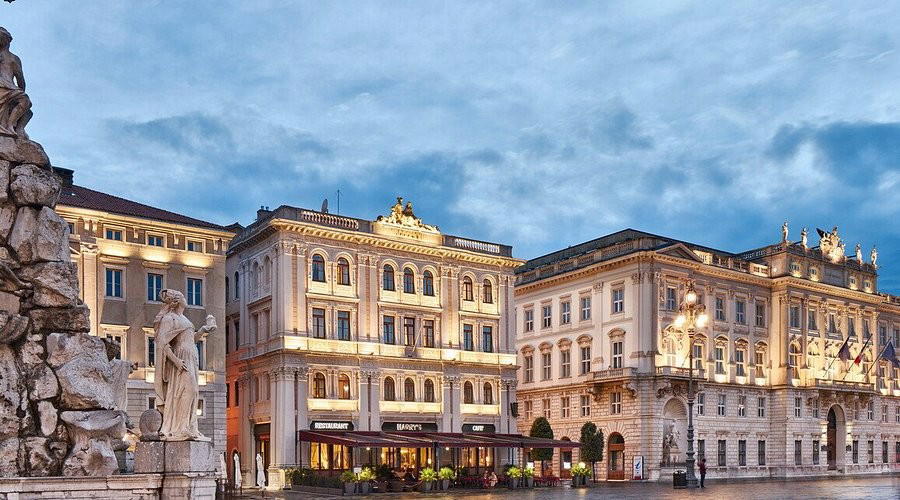
Bars in Trieste
Browse all →
Restaurants in Trieste
Browse all →
At a Glance
- Elegant
- Classic
- Sophisticated
- Ornate
- Romantic Getaway
- Honeymoon
- Business Trip
- Waterfront
- Historic Building
- Panoramic View
- Wi Fi
- Fitness Center
- Room Service
- Concierge
- Waterfront
- Wi Fi
- Fitness Center
- Room Service
- Concierge
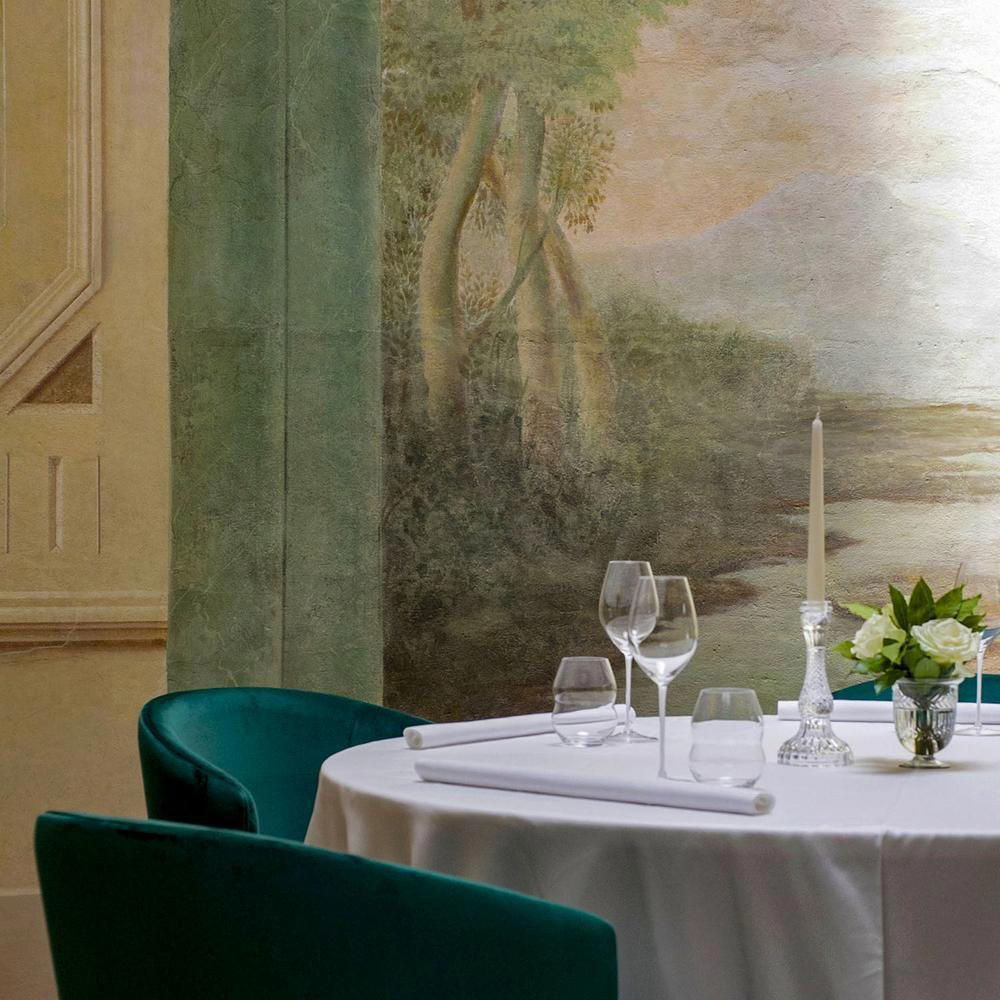
Elegant and historic atmosphere blending classic grandeur with contemporary details, featuring ornate marble bathrooms, pristine public areas, and sea-facing balconies.
Know Before You Go
- Getting there
- Riva del Mandracchio, 4, 34124 Trieste TS, Italy