
Set inside a medieval palace in Tivoli, Al Madrigale positions itself within Italy's growing rural-contemporary movement, earning a Michelin Plate in 2025 for Gian Marco Bianchi's approach to Lazio's pastoral larder. The format offers a tasting menu or four-course structure built around regional ingredients, from sheep's ricotta ravioli to grilled lamb with cacio e ovo zabaglione, paired with local sparkling malvasia aged 36 months on the lees.
Pearl is the En Primeur Club membership app — saves, bookings, and concierge access live there. Same editors, same standards.
- Address
- Via Ponte Gregoriano, 1, 00019 Tivoli RM, Italy
- Phone
- +39 0774 011261
- Website
- almadrigale.it
- Directions
- Get directions
 Saves & bookings on Pearl
A Medieval Setting, a Rural Kitchen
The approach to Tivoli sets a particular kind of expectation. The hill town sits roughly 30 kilometres east of Rome's ring road, far enough from the capital that the culinary register shifts with the landscape: fewer trattorie playing to tourist circuits, more kitchens drawing on the pastoral traditions of the Lazio hills. It is in this context that Al Madrigale occupies its position, housed within a medieval palace on Via Ponte Gregoriano where a spiral staircase deposits guests into a dining room lined with Liberty-style cement tiles and chestnut tables. The physical environment is doing real editorial work here: the building is not decorative backdrop but an argument about continuity, about the idea that contemporary cooking and inherited material culture can share the same room without contradiction.
This architectural framing matters more in provincial Italian dining than it might elsewhere. At addresses like Osteria Francescana in Modena or Enoteca Pinchiorri in Florence, the relationship between historic Italian interiors and contemporary cooking has been carefully calibrated over decades. Al Madrigale is operating in the same conceptual territory but from a different scale and tier: a Michelin Plate holder in 2025, placing it in the recognition category below starred addresses yet still within the guide's curated set. In the broader Italian regional-cuisine category, that positioning puts it in company with properties like Fahr in Künten-Sulz and Gannerhof in Innervillgraten, kitchens that have built coherent identities around specific regional larders rather than cosmopolitan menus.
The Logic of Nuova Cucina Rurale
Italy's rural-contemporary movement has developed its own internal grammar over the past decade. The premise is neither purely nostalgic nor aggressively modernist: the ingredients and flavor references come from the land immediately surrounding the kitchen, while the technique and plating apply enough contemporary discipline to make those references precise rather than approximate. Chef Gian Marco Bianchi's stated position at Al Madrigale is legible within that grammar, described through a motto of "new rural cuisine" that situates the restaurant inside this wider Italian conversation rather than apart from it.
The format options available to guests reflect this positioning. A tasting menu runs alongside a four-course structure, giving the kitchen flexibility to present its argument at different depths. This dual-track approach is common among Italian regional addresses of this tier: it acknowledges that some guests want the full orchestrated sequence while others prefer a shorter, more self-directed encounter. The menu's anchor points are drawn from Lazio's pastoral traditions. The shepherd's raviolo, built around sheep's ricotta and finished with lamb jus, is the kind of dish that tests a kitchen's ability to work within a narrow register: every element is local and conventional, so execution has nowhere to hide. The grilled lamb preparation with cacio e ovo, presented as a zabaglione alongside, applies a technique more associated with Italian pastry and brunch traditions to a savory pairing, a compositional choice that suggests at least some willingness to reframe inherited forms.
Team and Table: The Collaboration That Holds the Room
In kitchens operating at this register, the service and sommelier functions carry as much interpretive weight as the food itself. At Al Madrigale, the front-of-house role involves translating a fairly specific culinary argument to guests who may have driven from Rome specifically for this experience or who have discovered the restaurant through Michelin's 2025 Plate recognition. That audience profile shapes what the room needs to deliver: it cannot rely on the ambient familiarity that Rome's centro storico restaurants enjoy. The sommelier's work is correspondingly specific. The signature pairing suggested by the kitchen is a local sparkling malvasia blended with a touch of sangiovese, produced by the traditional method and aged 36 months on the lees. That is a technically serious wine by any regional measure, and presenting it requires the sommelier to have a clear narrative about why Lazio's sparkling production belongs in the same conversation as the food on the plate. Restaurants that get this dialogue right between kitchen, floor, and cellar tend to develop a coherence that single-element operations lack. The challenge for a kitchen in Al Madrigale's position is sustaining that coherence as it moves through courses and wine pairings without the institutional depth of a two- or three-starred address.
The starred Italian options in and around the capital offer useful comparison. La Pergola operates at €€€€ with three Michelin stars and a Mediterranean register that draws on international technique. Il Pagliaccio and Enoteca La Torre both hold two stars and price at the tier above Al Madrigale's €€€ positioning. Acquolina works a creative seafood register. What Al Madrigale offers that those addresses do not is a reading of the Lazio countryside from within it, in a medieval room in Tivoli rather than from a city hotel terrace or a Roman palazzo. For guests willing to commit to the journey out from the capital, that specificity is the value proposition. Addresses like NUH Osteria Contemporanea represent the capital's own contemporary osteria movement; Al Madrigale operates in a different geographic and conceptual register entirely.
Italy's most discussed regional kitchens, from Dal Pescatore in Runate to Le Calandre in Rubano to Atelier Moessmer Norbert Niederkofler in Brunico, share a commitment to geographic specificity that has become a meaningful differentiator in European fine dining. Al Madrigale is at an earlier and smaller scale of that project, but the conceptual alignment is clear. The question any new rural-cuisine kitchen at this stage of recognition faces is whether the execution depth will compound over time or plateau.
Planning a Visit
Al Madrigale sits at Via Ponte Gregoriano, 1, in Tivoli, approximately 30 kilometres east of Rome, making it a natural candidate for a half-day or day trip from the capital, particularly given Tivoli's own draw as the site of Villa d'Este and Hadrian's Villa. Driving is one direct approach. The restaurant prices at €€€€, positioning it below the capital's leading starred addresses but above the everyday trattoria register, which fits the four-course and tasting menu format.
A Tight Comparison
Comparable venues nearby, for context on price, style, and recognition.
| Venue | Cuisine | Price | Notes |
|---|---|---|---|
| Al Madrigale | Nuova Cucina RuraleThis venue — the venue you are viewing | Tivoli, Nuova Cucina Rurale | $$$$ | Not listed |
| Achilli al Parlamento | Not listed | $$$$ | Campo Marzio, Modern Italian Fine Dining with Campania Influences |
| INEO | Not listed | $$$$ | Castro Pretorio, Modern Italian Fine Dining |
| Zia | Trastevere, Modern Italian Fine Dining | $$$$ | Not listed |
| Pipero Roma | Parione, Modern Roman Fine Dining | $$$$ | Not listed |
Recognition history
Dated appearances from independent guides and award organizations, with the underlying list record or original source where available.
Michelin 1 Star
Michelin
Michelin Plate
Michelin
Continue exploring
More in Rome
Restaurants in Rome
Browse all →
Bars in Rome
Browse all →
Hotels in Rome
Browse all →

At a Glance
- Elegant
- Rustic
- Intimate
- Sophisticated
- Special Occasion
- Date Night
- Historic Building
- Open Kitchen
- Extensive Wine List
- Local Sourcing
- Farm To Table
Current opening hours
- Monday
- 7:30–9:30 PM
- Tuesday
- Closed
- Wednesday
- Closed
- Thursday
- 7:30–9:30 PM
- Friday
- 7:30–9:30 PM
- Saturday
- 12:30–2 PM, 7:30–9:30 PM
- Sunday
- 12:30–2 PM, 7:30–9:30 PM
Hours can change for holidays and private events. Last verified .
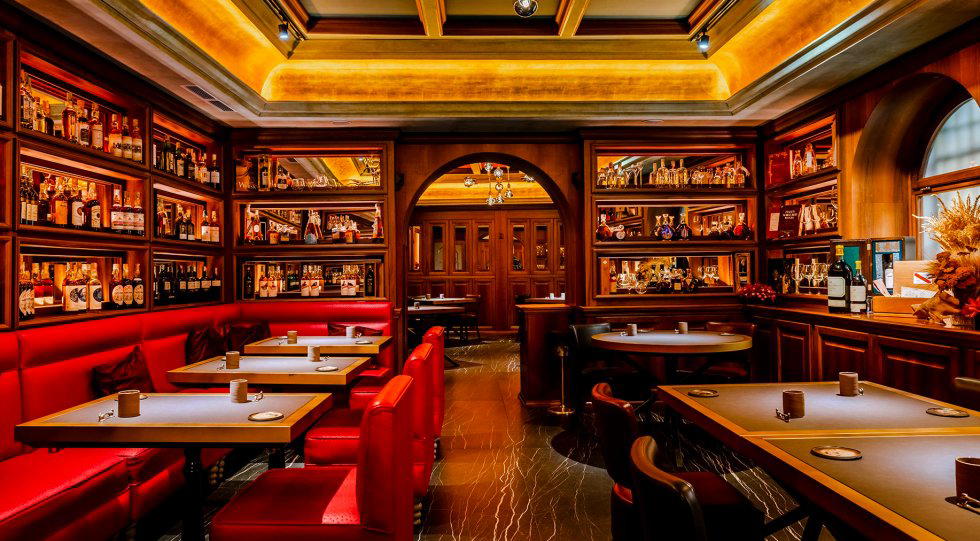
Elegant dining room in a medieval palace with Liberty-style cement tiles and chestnut tables, offering an intimate and historic atmosphere.