
Falstaff Wine Bar - 89 Falstaff Points
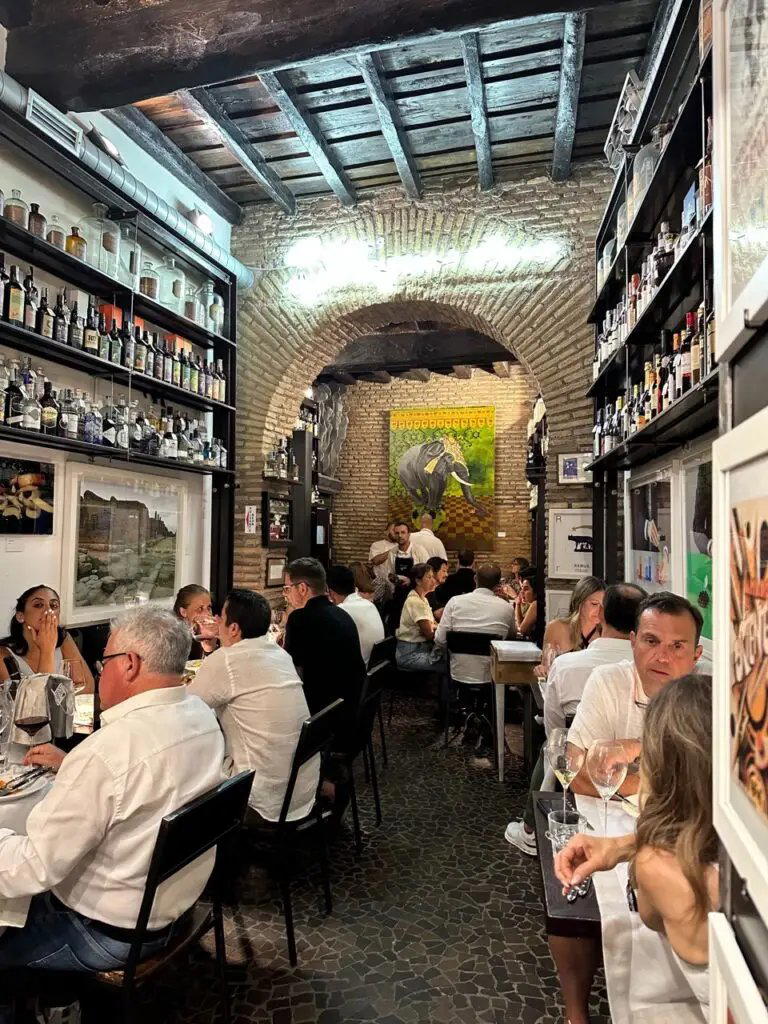
Trastevere is one of Rome's most characterful neighbourhoods for evening drinking, where cobbled lanes and medieval courtyards set the scene for everything from natural wine bars to craft cocktail programs. The area draws a mix of locals and travellers who treat the rione as a destination in itself rather than a stop on the way somewhere else. Bars here tend to run late and reward those who stay past the tourist hour.

Pearl is the En Primeur Club membership app — saves, bookings, and concierge access live there. Same editors, same standards.
- Address
- Rome, Metropolitan City of Rome Capital, Italy
- Directions
- Get directions
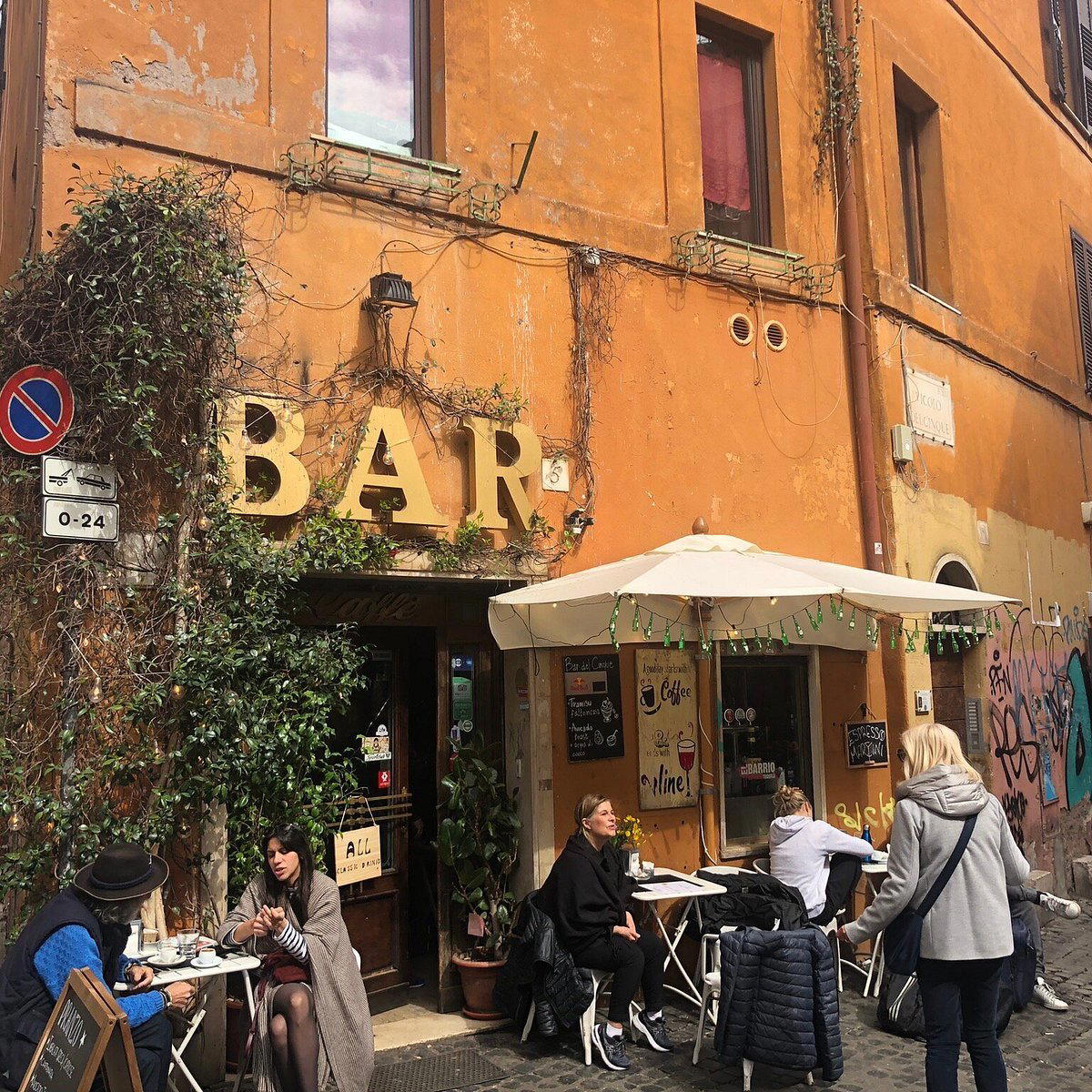
Where Trastevere Sits in Rome's Drinking Scene
Rome's bar culture has never followed a single model. The city lacks the concentrated cocktail corridor of Milan's Navigli or the institutional wine-bar density of Bologna, and that fragmentation is partly what gives individual neighbourhoods their character. Trastevere, the densely woven rione on the Tiber's west bank, functions as one of the capital's most consistent evening destinations, not because it holds the city's most technically ambitious programs, but because the physical environment and the concentration of venues create something harder to engineer: a reason to stay out.
The comparison set matters here. Across the river, venues like Drink Kong and Jerry Thomas Speakeasy represent Rome's more format-driven cocktail culture, where the room, the concept, and the program are tightly controlled. Trastevere operates differently. The neighbourhood's bars tend toward informality, with menus that range from serious to casual and crowds that spill onto the piazze in a way that would read as chaos in Tokyo but feels entirely correct in Rome. Freni e Frizioni, housed in a former mechanic's garage near Porta Settimiana, exemplifies the neighbourhood's approach: aperitivo-anchored, crowd-facing, and oriented around the social hour rather than the cocktail as object.
The Architecture of an Evening Here
What distinguishes Trastevere from other Roman neighbourhoods is how the evening is structured by geography rather than by any single venue. You arrive through narrow streets where the light changes from orange to yellow as dusk settles, pass under laundry lines that have been photographed ten thousand times without losing their effect, and find yourself moving between places rather than committing to one. The neighbourhood encourages a kind of drinking itinerary that is informal but real: aperitivo at a standing bar near Santa Maria in Trastevere, a glass of something natural at a wine-focused spot on a side street, and a later cocktail somewhere that runs past midnight.
This menu architecture at the neighbourhood level, where each venue type plays a role in a longer evening, reflects how Romans actually drink. The aperitivo hour is not decorative. It serves a genuine transitional function between the working day and dinner, and Trastevere's bars are calibrated to it. Spritz and Negroni remain the dominant orders at the aperitivo tier, not because the programs lack ambition, but because the social context rewards familiar formats. When the crowd thins after ten, the remaining drinkers tend to be more engaged with what is in the glass.
For those who want more technically considered cocktail work in Rome, the comparison points outside the neighbourhood are useful. Boeme sits in a different register, and the Italian cocktail scene more broadly has produced some internationally recognised programs, including 1930 in Milan, which occupies a hidden-format tier, and Gucci Giardino in Florence, where design and brand context frame the drinking experience. Trastevere is not competing with those venues. It is doing something else.
Wine, Natural and Otherwise
The neighbourhood's wine culture has deepened over the past decade in line with broader Italian interest in natural and low-intervention production. Small enoteca-format bars have opened alongside the longer-established osterie, and the by-the-glass selection at better spots now reflects regions beyond Lazio: orange wines from Friuli, volcanic reds from Campania, skin-contact whites from producers who would have been unknown in Rome ten years ago. For a more single-minded approach to natural wine in an Italian context, Enoteca Storica Faccioli in Bologna represents the specialist end of that spectrum. Trastevere's version is more embedded in the social fabric, less curated but often more alive.
The by-the-glass format is worth noting as a structural choice. In a neighbourhood where the evening moves between venues, bottles are impractical. The leading Trastevere wine bars have built lists that reward single-glass exploration, with staff who can talk through the selection without making the conversation feel like a seminar. That combination of accessibility and depth is harder to achieve than it sounds, and the bars that get it right are the ones that sustain a local clientele year-round rather than running on tourist turnover alone.
How Trastevere Compares Regionally
Placed against other European neighbourhood drinking destinations, Trastevere holds a specific position. It is less aggressively curated than some of Lisbon's Bairro Alto bars, less design-forward than certain Barcelona districts, and more physically atmospheric than most. The medieval street plan is not a backdrop; it is structural to the experience. The neighbourhood's character resists the kind of gentrification that flattens other European old towns, partly because the density of residents keeps it functional as a place people actually live.
Internationally, the neighbourhood-as-evening-destination format appears elsewhere with similar logic. L'Antiquario in Naples operates in a different Italian register, more intimate and craft-focused. Al Covino in Venice maps to the bacaro tradition. Lost and Found in Nicosia and Bar Leather Apron in Honolulu show how far the serious cocktail bar format has distributed globally, each finding a different relationship with local context. What Trastevere offers is less about a single venue making a case for itself and more about a neighbourhood that functions as a coherent argument for staying out late in Rome.
Planning the Visit
The neighbourhood is walkable from the Centro Storico in around twenty minutes, or reachable by tram from Largo di Torre Argentina, which makes it a logical second stop after dinner elsewhere. The most useful practical knowledge is timing: Trastevere's leading hours run from around seven in the evening through to one in the morning, with the piazze at their most animated between nine and eleven. Arriving before the aperitivo crowd peaks gives you the leading access to seating at the better wine bars, most of which are small. For a structured view of where Trastevere fits within the city's broader restaurant and bar offering, see our full Rome guide.
Cuisine and Awards Snapshot
| Venue | Cuisine | Price | Awards |
|---|---|---|---|
| TrastevereThis venue — the venue you are viewing | This venue | $20–30 | Falstaff Wine Bar - 89 Falstaff Points |
| Drink Kong | World's 50 Best | $50–100 | World's 50 Best #32 · Falstaff Bar - 96 Falstaff Points |
| Freni e Frizioni | World's 50 Best | $10–20 | World's 50 Best #31 · Falstaff Bar - 94 Falstaff Points |
| Jerry Thomas Speakeasy | World's 50 Best | Not listed | World's 50 Best #98 · Top 500 Bars Best Bars #174 |
| Salotto 42 | World's 50 Best | Not listed | Not listed |
| Boeme | World's 50 Best | $10–20 | World's 50 Best #47 |
Recognition history
Dated appearances from independent guides and award organizations, with the underlying list record or original source where available.
Falstaff Wine Bar - 89 Falstaff Points
Falstaff
Continue exploring
More in Rome
Bars in Rome
Browse all →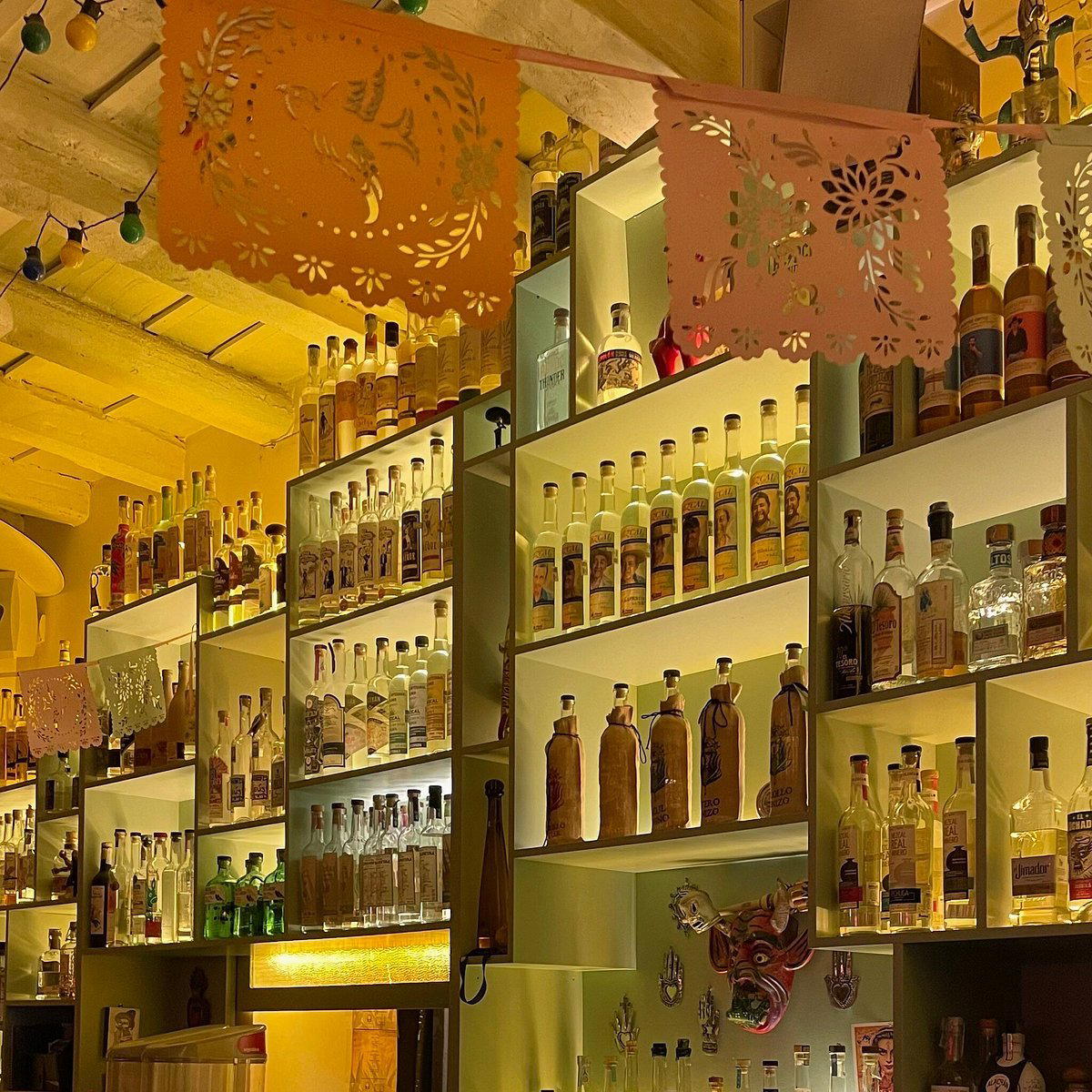
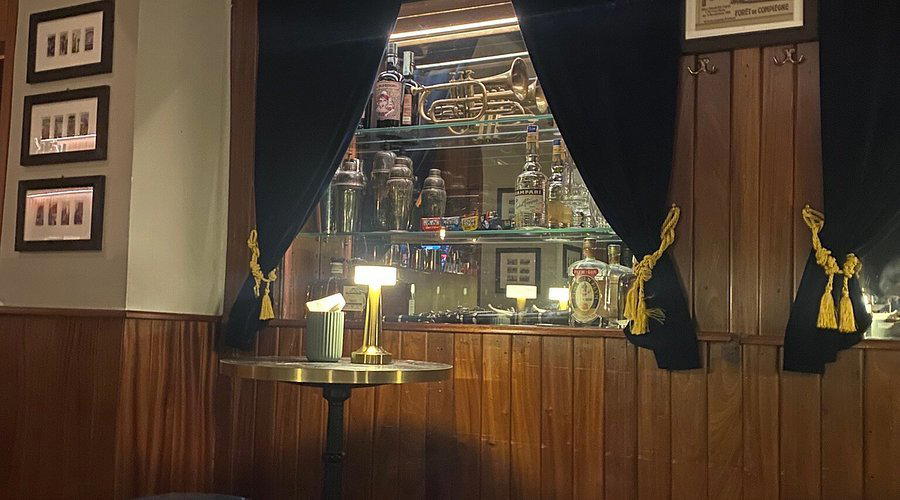
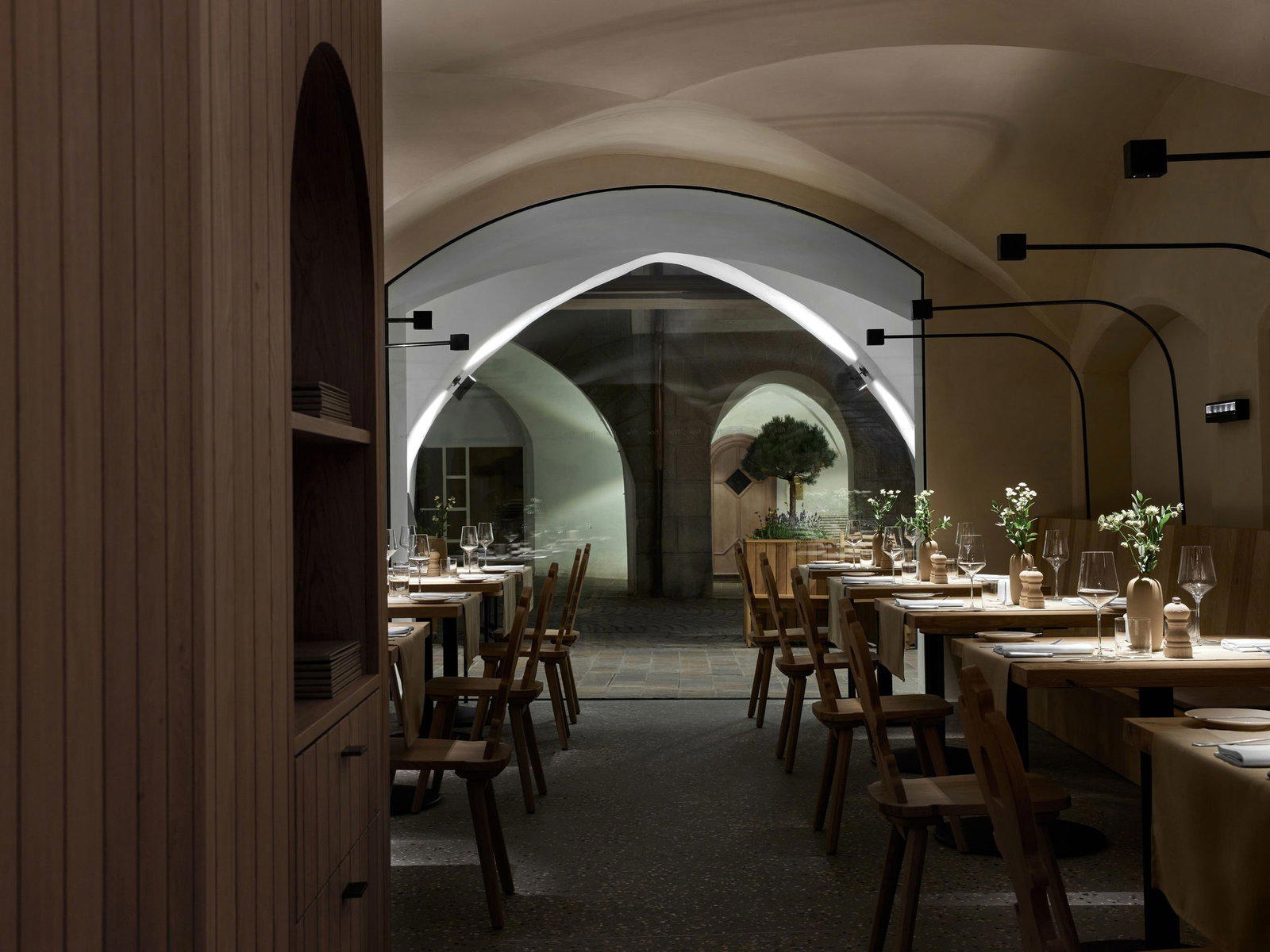
Restaurants in Rome
Browse all →
Hotels in Rome
Browse all →

Details
- Lively
- Rustic
- Trendy
- Cozy
- Energetic
- Date Night
- Late Night
- Group Outing
- Casual Hangout
- Live Music
- Courtyard
- Historic Building
- Outdoor Terrace
- Seated Bar
- Lounge Seating
- Craft Cocktails
- Classic Cocktails
- Street Scene