


A Michelin-starred creative restaurant in Rome's Trastevere neighbourhood, Glass Hostaria operates Wednesday through Sunday evenings (plus weekend lunches) from a converted carriage workshop on Vicolo del Cinque. Chef Fabio Cappiello leads tasting menus, including a vegetarian option, that reference Lazio tradition while moving firmly in a contemporary direction. La Liste scored it 84 points in 2025 and 82 in 2026.
Pearl is the En Primeur Club membership app — saves, bookings, and concierge access live there. Same editors, same standards.
- Address
- Vicolo del Cinque, 58, 00153 Roma RM, Italy
- Phone
- +39 06 5833 5903
- Website
- glasshostaria.it
- Directions
- Get directions
 Saves & bookings on Pearl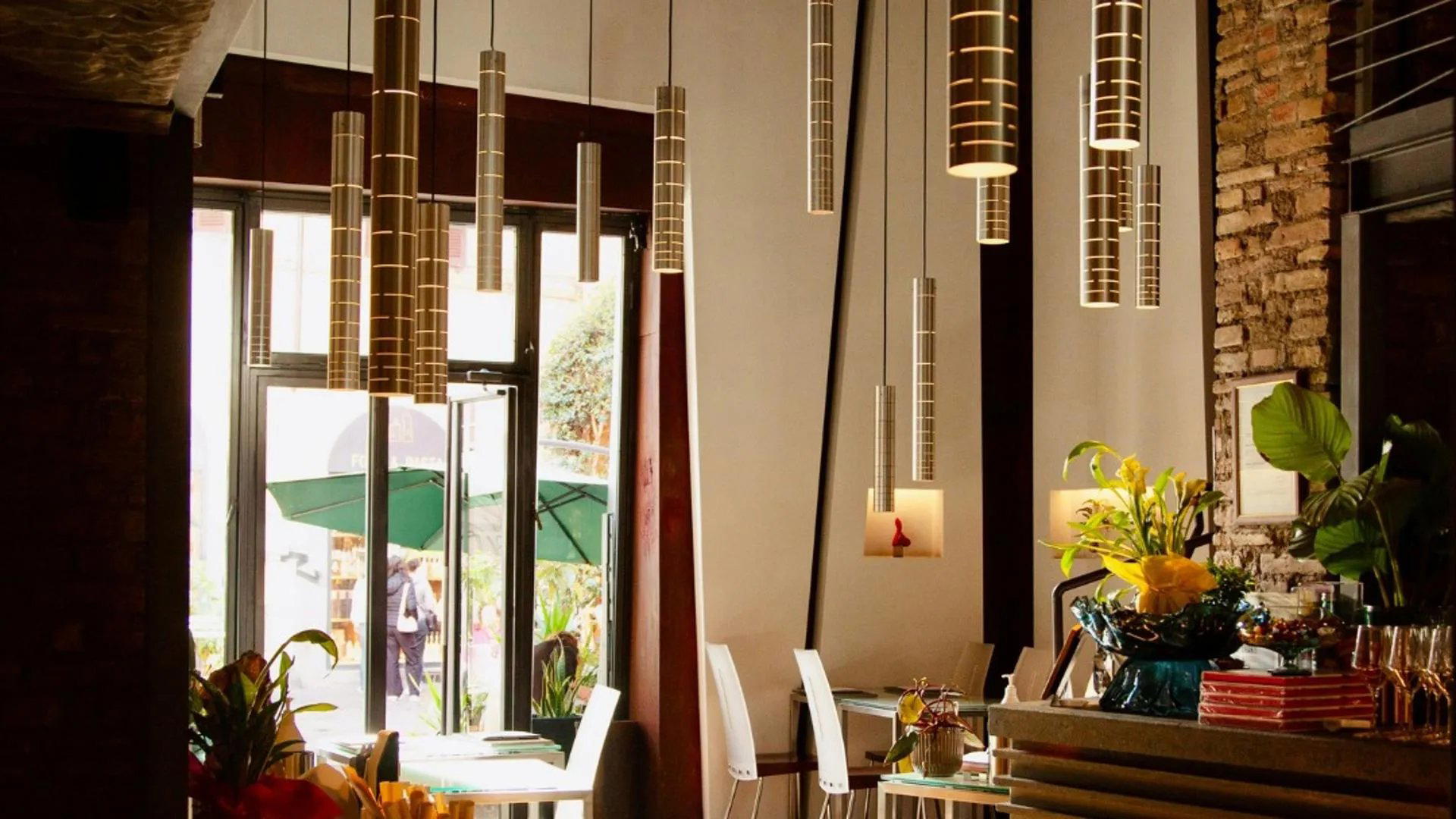
A Carriage Workshop in the Middle of Trastevere's Trattoria Belt
Glass Hostaria is a one-star Michelin restaurant in Rome, serving modern Italian fine dining at Vicolo del Cinque, 58 in Trastevere. Walking down it, Glass Hostaria announces itself not through signage or spectacle but through its physical container, a former carriage workshop whose original ceiling height survives, giving the interior a vertical spaciousness that feels incongruous against the dense streetscape outside. The conversion is deliberate in what it keeps and what it replaces: the industrial past is readable in the bones, while the fitout reads as contemporary and considered.
That tension between the historic and the present tense shapes the room. Rome's creative restaurant scene has often clustered elsewhere, while Trastevere built its identity around affordable, convivial eating. Glass has long stood apart in the premium tier, holding a Michelin star while surrounded by neighbourhood joints where the cover charge is a fraction of its tasting menu price. That positioning, geographically embedded in a populist food culture, culinarily operating somewhere else entirely, shapes the atmosphere in ways that a similarly starred room in Parioli or the EUR district would not replicate.
The Creative Tier in Rome: Where Glass Fits
Rome's Michelin-starred creative category is a smaller field than the city's reputation as an eating destination might suggest. The single-star bracket includes All'Oro, Aroma, Idylio by Apreda, and Glass itself. La Pergola, three stars, Mediterranean-inflected, sits in a separate competitive tier entirely, pricing and positioning against international fine dining rather than the city's creative mid-tier.
Within the single-star group, Glass occupies a specific niche: creative cooking with a demonstrable Lazio anchor, delivered in a neighbourhood context rather than a hotel or a formal centro storico address. That distinguishes it from All'Oro and Idylio by Apreda, both of which operate within hotel frameworks. Across the broader Italian creative category, the reference points extend well beyond Rome: Osteria Francescana in Modena, Le Calandre in Rubano, and Enrico Bartolini in Milan define the upper register of what Italian creative cooking looks like at scale. Glass operates at a different scale but within a shared set of priorities: regional identity pushed through a contemporary technique filter, with wine programs treated as equal to the food rather than subordinate to it.
La Liste's scoring places Glass in a credible but not upper-tier position. For context, Enoteca Pinchiorri in Florence and Dal Pescatore in Runate both sit considerably higher on La Liste, as does Atelier Moessmer Norbert Niederkofler in Brunico. The score is useful less as a rank and more as a signal that Glass is operating at a level recognised by critics beyond Italy, without claiming the position of Italy's foremost creative kitchen.
The Menu Architecture
Chef Fabio Cappiello leads a kitchen that structures its offer around tasting menus as the primary format, with a more condensed à la carte selection as an alternative. A vegetarian tasting menu runs alongside the main sequence, a structural commitment rather than an accommodation, which places Glass in a cohort of European creative kitchens that have built plant-forward sequences as core rather than peripheral to the offer. The Lazio references in the cooking sit alongside rather than dominate the creative direction: local tradition appears as material to work with rather than as a constraint to stay within.
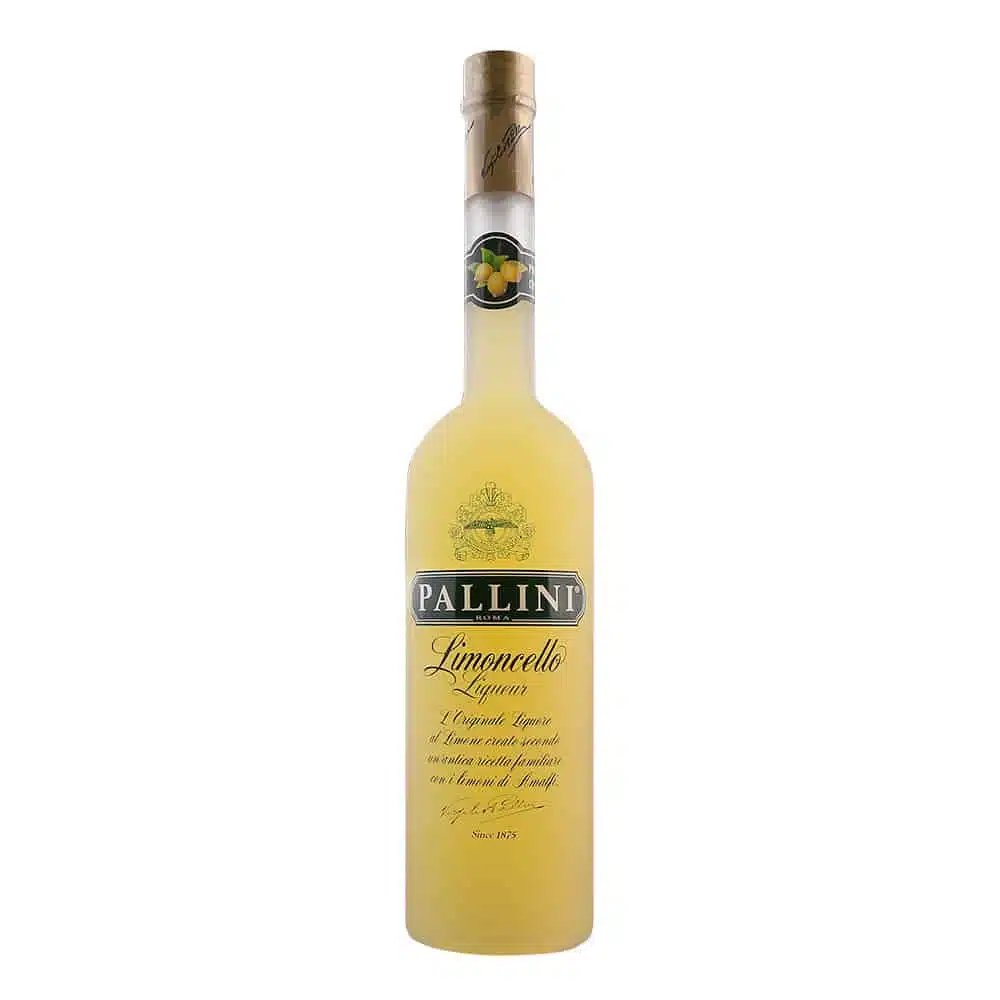
The wine list is curated with the same seriousness applied to the food, augmented by a selection of liqueurs and spirits that extends the drinking program beyond a conventional bottle-and-glass wine service. For a room of Glass's size and price point, that depth in the beverage program is a differentiator within the Roman creative tier, where wine lists at comparable restaurants can feel like afterthoughts relative to the kitchen's ambition. Diners who want to eat and drink at a matching level of engagement will find the infrastructure to do so here.
Comparable creative programs across Europe, Alléno Paris au Pavillon Ledoyen and Arpège in Paris both illustrate how the creative tasting format has evolved to treat the full dining sequence, beverages included, as a single composed experience. Glass operates at a different tier than either of those, but the structural philosophy, menu and cellar designed together, is shared.
Planning Your Visit: What the Schedule Demands
Glass requires attention before you book. The restaurant is closed Monday and Tuesday. Wednesday through Friday, service runs evenings only, from 7 PM to 10 PM. Saturday and Sunday add a lunch service from 12 PM to 2:30 PM alongside the evening window. For travellers with fixed arrival and departure dates, that schedule narrows the viable booking windows considerably, a Wednesday arrival with a Thursday departure, for example, gives you one evening service and nothing else.
The address on Vicolo del Cinque is in the heart of Trastevere, which means approaching on foot through lanes that are not navigable by car. Trastevere is served by tram along Viale di Trastevere, and the neighbourhood sits within reasonable walking distance from Testaccio, the Jewish Ghetto, and Campo de' Fiori. Arriving by taxi is direct to the edge of the pedestrian zone; the last few minutes will be on foot regardless.
Glass is in the €€€€ tier, with tasting menus at the upper end of what the city's non-three-star creative kitchens charge. Booking should be treated as essential, and weekend evenings, particularly Saturday, merit early planning. The restaurant's scale means covers are finite.
For diners building a wider Rome eating itinerary around a Glass visit, the city's creative tier provides natural companions. Acquolina and Marco Martini Chef operate in adjacent registers, while the more traditional end of Rome's serious eating, Achilli al Parlamento for wine-led dining, fills out a multi-night programme without repetition.
Booking and Cost Snapshot
Comparable venues nearby, for context on price, style, and recognition.
| Venue | Cuisine | Price | Awards | Notes |
|---|---|---|---|---|
| Glass HostariaThis venue — the venue you are viewing | Trastevere, Modern Italian Fine Dining | $$$$ | Michelin 1 Star | Not listed |
| All'Oro | Flaminio, Modern Italian Fine Dining | $$$$ | Michelin 1 Star | Not listed |
| La Terrazza | Ludovisi, Modern Italian Fine Dining | $$$ | Michelin 1 Star | Not listed |
| INEO | Not listed | $$$$ | Michelin 1 Star | Castro Pretorio, Modern Italian Fine Dining |
| Zia | Trastevere, Modern Italian Fine Dining | $$$$ | Michelin 1 Star | Not listed |
Recognition history
Dated appearances from independent guides and award organizations, with the underlying list record or original source where available.
Falstaff Restaurant - 93 Falstaff Points
Falstaff
La Liste Top Restaurants
La Liste
Michelin 1 Star
Michelin
La Liste Top Restaurants
La Liste
Michelin 1 Star
Michelin
Michelin 1 Star
Michelin
Continue exploring
More in Rome
Restaurants in Rome
Browse all →
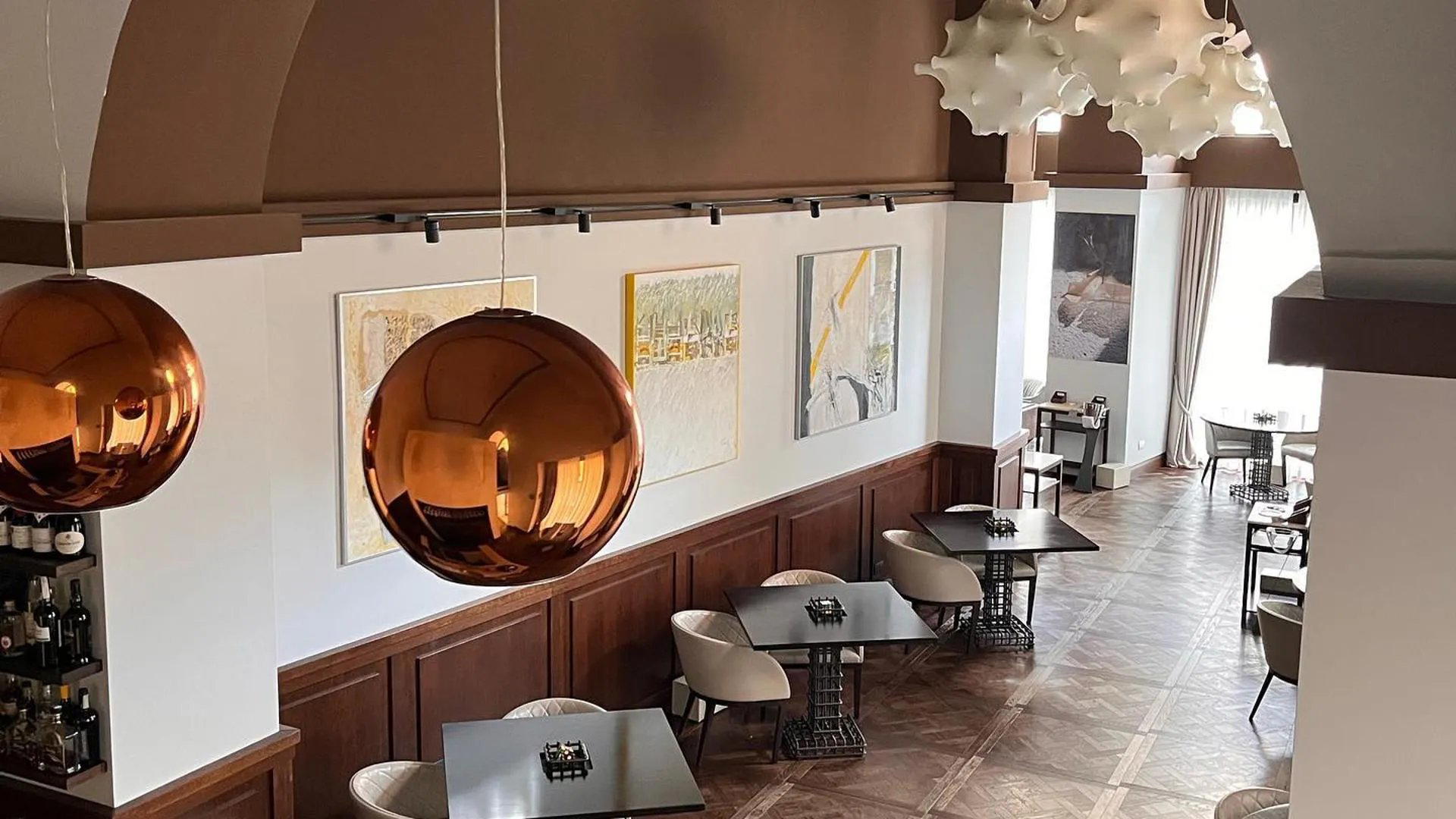
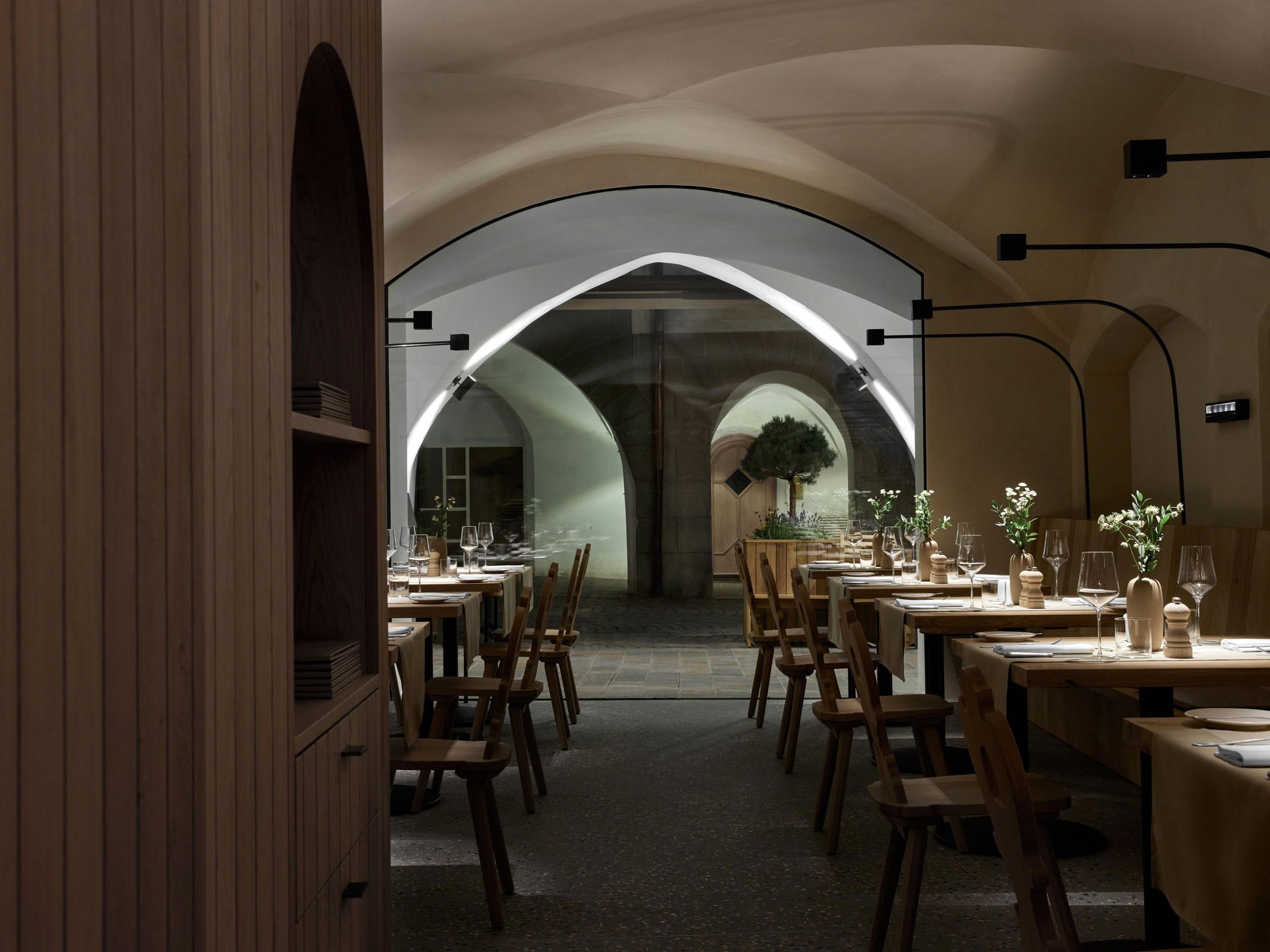
Bars in Rome
Browse all →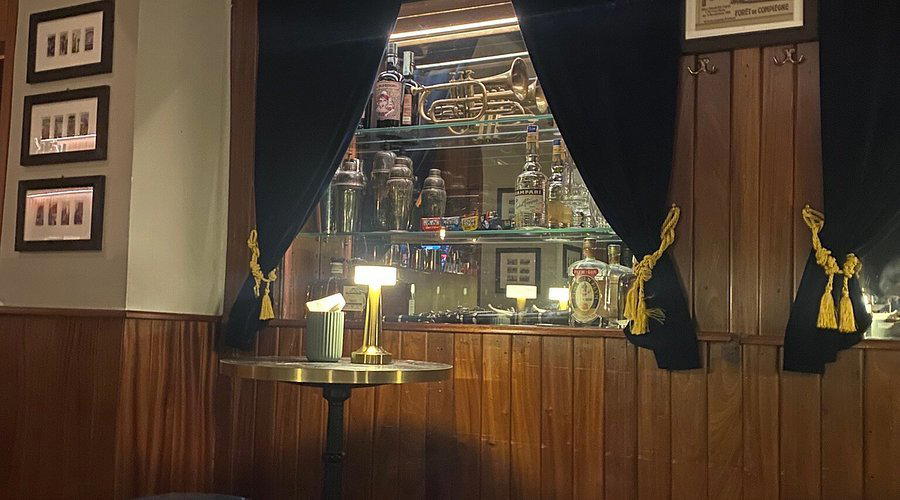
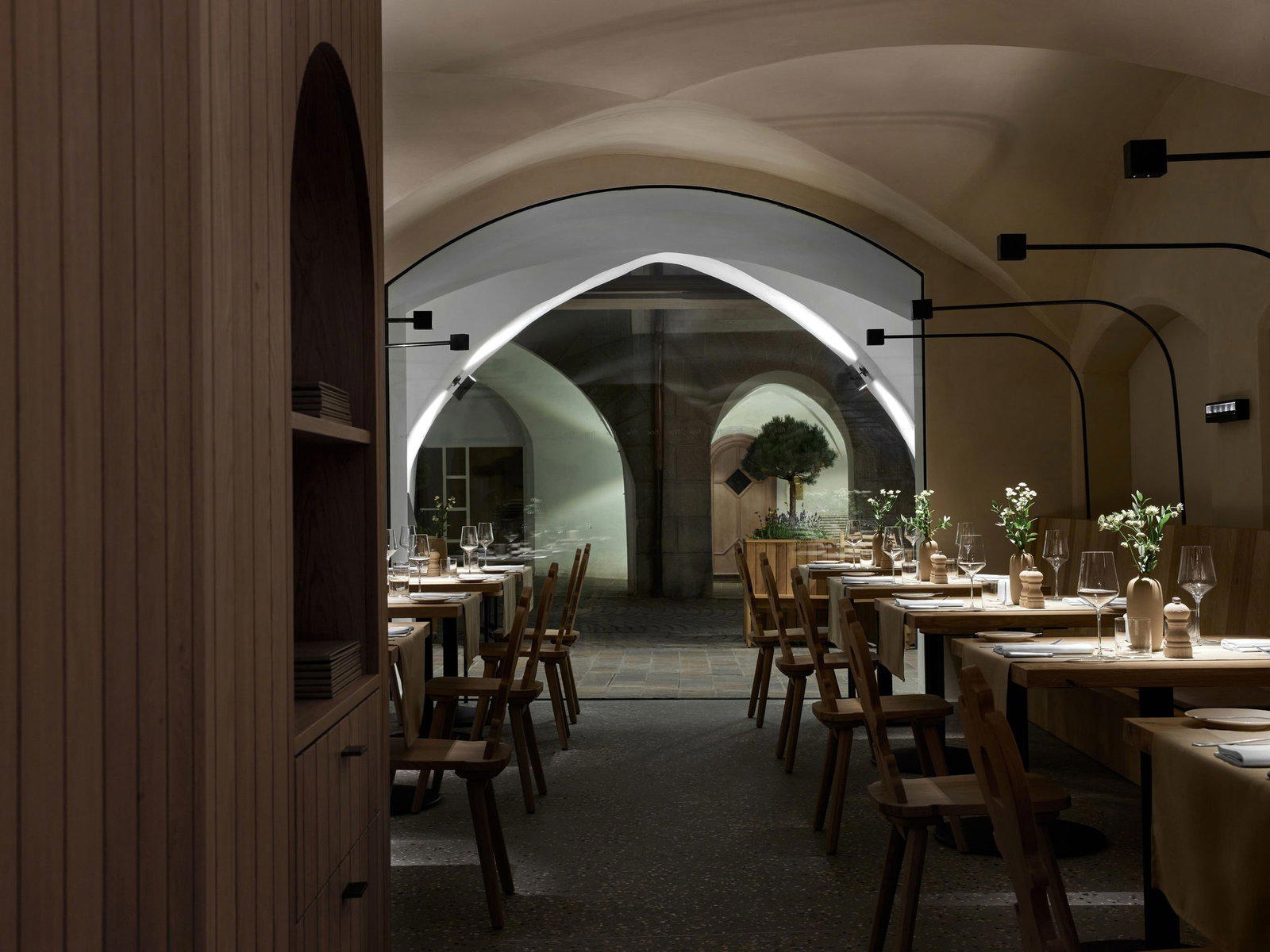
Hotels in Rome
Browse all →

At a Glance
- Modern
- Elegant
- Sophisticated
- Intimate
- Date Night
- Special Occasion
- Open Kitchen
- Historic Building
- Extensive Wine List
Current opening hours
- Monday
- Closed
- Tuesday
- Closed
- Wednesday
- 7–10 PM
- Thursday
- 7–10 PM
- Friday
- 7–10 PM
- Saturday
- 12–2:30 PM, 7–10 PM
- Sunday
- 12–2:30 PM, 7–10 PM
Hours can change for holidays and private events. Last verified .
Simple and modern atmosphere with high ceilings, stylish interiors, and an elegant yet approachable feel.