
Hotel Pulitzer Roma sits on Viale Guglielmo Marconi in Rome's EUR district, a quarter defined by Fascist-era rationalist architecture and a quieter pace than the historic centre. The property occupies a different tier than the trophy-address hotels of Via Veneto or the Prati neighbourhood, offering a business-district alternative for travellers who want distance from the centro storico crowds.
Pearl is the En Primeur Club membership app — saves, bookings, and concierge access live there. Same editors, same standards.
- Address
- Viale Guglielmo Marconi, 905, 00146 Roma RM, Italy
- Phone
- +39 06 598591
- Website
- hotelpulitzer.it
- Directions
- Get directions
 Saves & bookings on Pearl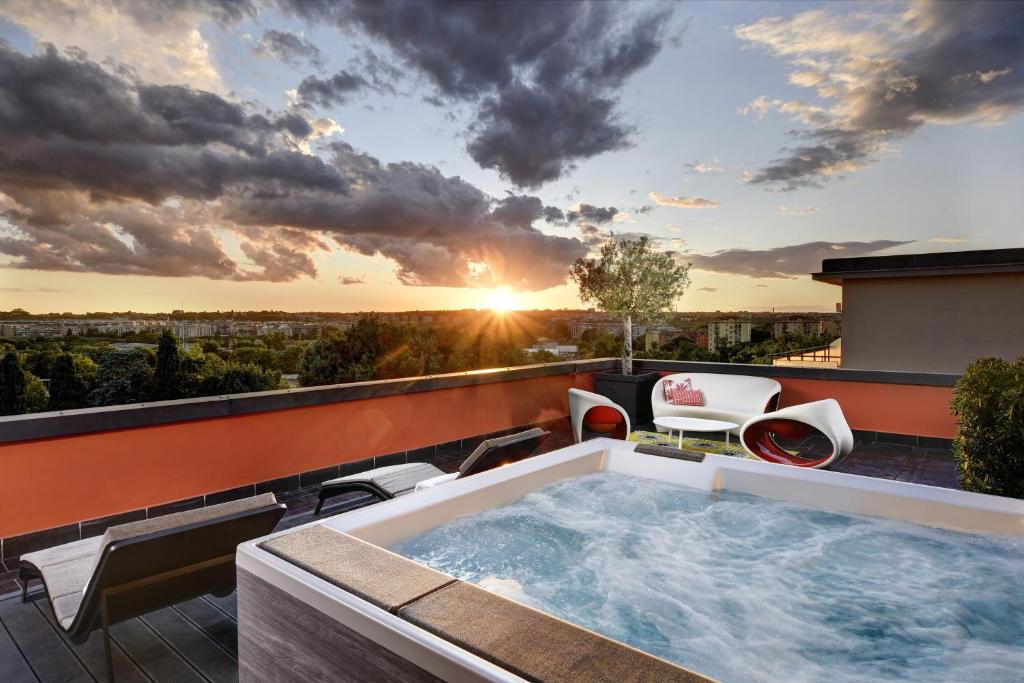
A Different Rome, South of the Tiber
Rome's hotel geography has always been read through its monuments. The Hassler Roma commands the Spanish Steps; the Bulgari Hotel Roma anchors the Spagna quarter; Hotel Eden and Hotel Vilòn compete for the same high-design traveller in the same historic-centre radius. Hotel Pulitzer Roma operates on a different axis entirely. Its address on Viale Guglielmo Marconi places it in EUR, the planned district Mussolini commissioned for a world's fair that never happened, and which Rome absorbed into its southward sprawl after the war. That context matters. EUR's wide boulevards, travertine-clad ministry buildings, and relative quiet are a deliberate departure from cobblestone Rome, and any stay at the Pulitzer is shaped by that geography before a single room key is turned.
EUR and the Architecture of Ambition
The EUR district reads as an archaeological layer distinct from every other stratum of Roman building. Its Fascist rationalist blocks, symmetrical, monumental, stripped of ornament, were meant to project a new imperial identity for the 1942 Esposizione Universale di Roma, a project cancelled by the Second World War. Today the quarter functions as Rome's administrative and financial south, home to corporate headquarters, the Palazzo dello Sport (designed by Pier Luigi Nervi and Marcello Piacentini for the 1960 Olympics), and the Lago Artificiale, the artificial lake that softens the district's formal geometry. For a traveller prepared to read the city in layers rather than a loop between the Colosseum and Trastevere, EUR offers a Rome that most international visitors fly over without registering. Hotel Pulitzer Roma's location at Viale Guglielmo Marconi 905 places it squarely inside this alternative urban register.
The distinction from central Rome hotels is not merely aesthetic. Properties in the centro storico operate within a compressed competitive field, where JK Place Roma, Portrait Roma, Maalot Roma, and Hotel Locarno all trade on proximity to antiquity and the prestige of a historic postcode. EUR properties like the Pulitzer compete differently: on conference infrastructure, transport links, and the practical logic of the business traveller or the visitor whose itinerary extends beyond the tourist circuit. The metro B line connects EUR Palasport and EUR Fermi stations to Termini and the broader network, making the district functional rather than isolated, even for leisure travel.
Positioning Within Rome's Broader Hotel Tier
Rome's accommodation market has separated into clearly legible bands over the past decade. At the upper end, international trophy brands have moved into the city: the Bulgari Hotel Roma and Six Senses Rome define the ceiling, each with design investments and brand authority that price them at the summit of any Roman comparison set. Below that, a dense tier of independently positioned four- and five-star properties serves travellers who want design quality and location without brand-hotel pricing. Hotel Pulitzer Roma sits at a further remove from both: the EUR address self-selects a different guest profile, one less concerned with the prestige of a Piazza del Popolo or Via Condotti postcode and more focused on the practical calculus of connectivity and value within the Italian capital.
For travellers comparing across Italy, the EUR position is worth contextualising against the broader luxury geography. Properties like Aman Venice, Four Seasons Hotel Firenze, and Passalacqua in Moltrasio all trade on address as a primary differentiator. The Pulitzer's proposition is structural rather than locational: it serves a specific demand within Rome's geography rather than competing for the same trophy-address guest as a Portrait Roma or JK Place Roma.
Approaching and Staying: What EUR Means in Practice
Arriving at Viale Guglielmo Marconi is a distinctly Roman experience of the non-tourist variety. The boulevard is wide, lined with mid-century buildings, and conspicuously free of gelato carts and tour groups. Leonardo da Vinci airport at Fiumicino connects via the FL1 train to Ostiense station, a short distance from EUR, which places the Pulitzer in a logical corridor for travellers arriving from the west. For guests whose Rome involves the Baths of Caracalla, the Centrale Montemartini museum, or the Palazzo della Civiltà Italiana, the square Colosseum that is EUR's defining landmark, the address functions as a base rather than a detour. Those whose programme is centred on the Forum, Campo de' Fiori, or the Vatican should factor the metro journey into their daily planning.
The broader Italian context for a EUR stay is worth noting for travellers building multi-city itineraries. Rome sits at the hub of a rail network that makes day trips or onward moves to Modena, the Amalfi Coast, or further south to Puglia entirely viable. For travellers moving between Roman properties and coastal or rural Italy, EUR's southern position can reduce friction compared with crossing the centro storico to reach a motorway or regional rail connection.
Planning Your Stay
Given the EUR address, the practical booking logic differs from central Rome. Advance reservations during Rome's high season, April through June and September through October, remain advisable, as the city-wide compression of hotel availability affects all districts. Business travel peaks around major conferences held in the EUR convention infrastructure, which can tighten availability on specific dates independently of tourist seasonality. Travellers focused on Rome's wider restaurant and cultural programme should map their plans against the metro B line schedule, which runs frequently but closes before midnight, requiring taxis or ride-share for late returns to the EUR neighbourhood. Luggage logistics are also worth considering: EUR's wide pavements and lower pedestrian density make arrivals easier than the cobblestone approach to central properties like Hotel Locarno or Maalot Roma.
At a Glance
Comparable venues nearby, for context on price, style, and recognition.
| Venue | Price | Notes |
|---|---|---|
| Hotel Pulitzer RomaThis venue — the venue you are viewing | $$$ | Not listed |
| 1880 Atypical Rooms | $$$ | Monti, Renovated 19th-century building with atypical modern design |
| Trastevere Roma UNA Esperienze | $$$ | Trastevere, Contemporary luxury boutique hotel blending modern design with authentic Roman charm, positioned as a refined urban retreat in a historic neighborhood. |
| Casa Montani | $$$$ | Flaminio, Intimate luxury townhouse guesthouse in historic palazzo |
| Hotel Scenario | $$$ | Pigna, Modern boutique in historic 18th-century palazzo |
| Trastevere | $$$ | Borgo, Historic convent transformed into elegant boutique hotel |
Recognition history
Dated appearances from independent guides and award organizations, with the underlying list record or original source where available.
Michelin Selected
Michelin
Continue exploring
More in Rome
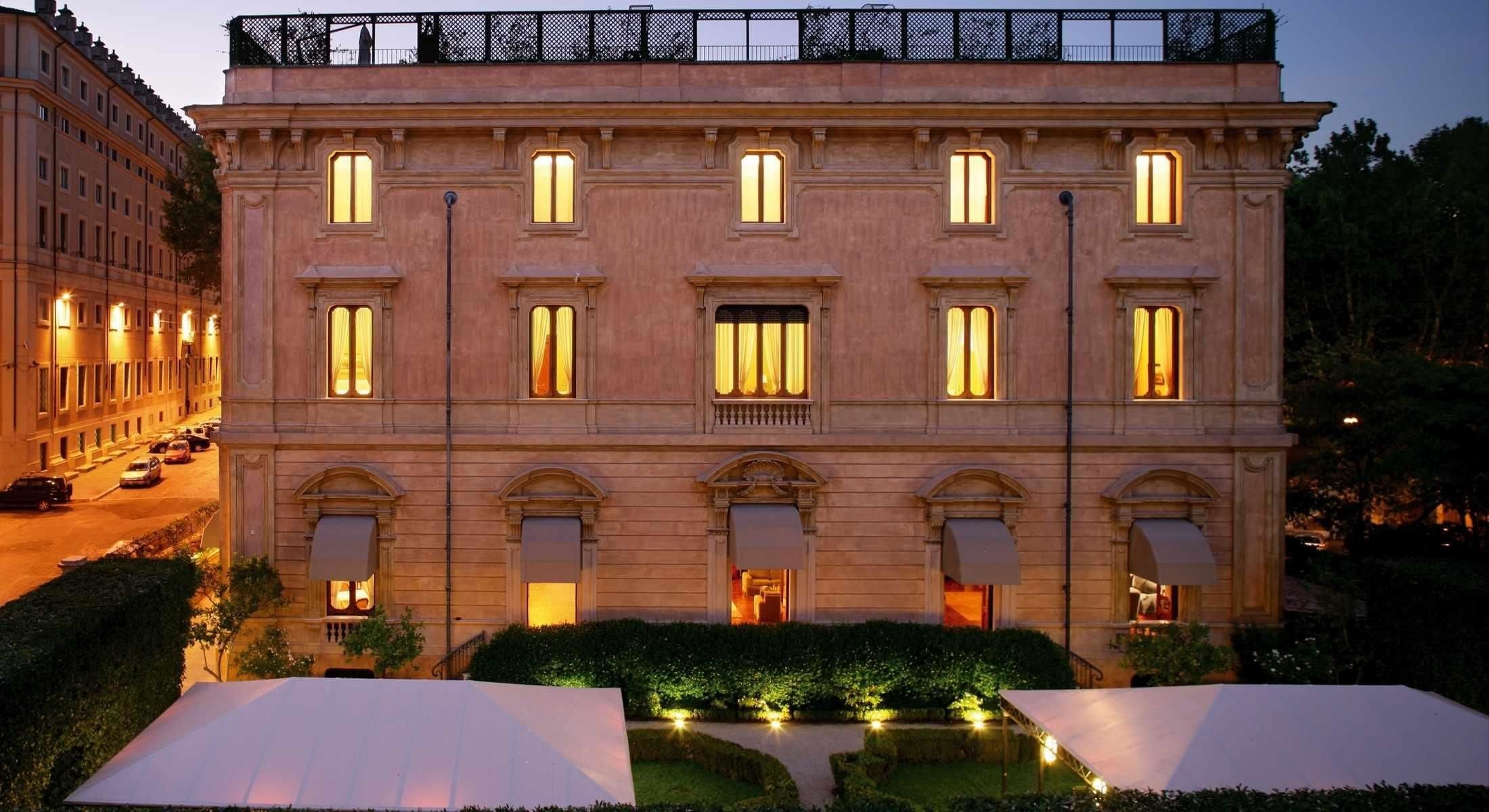
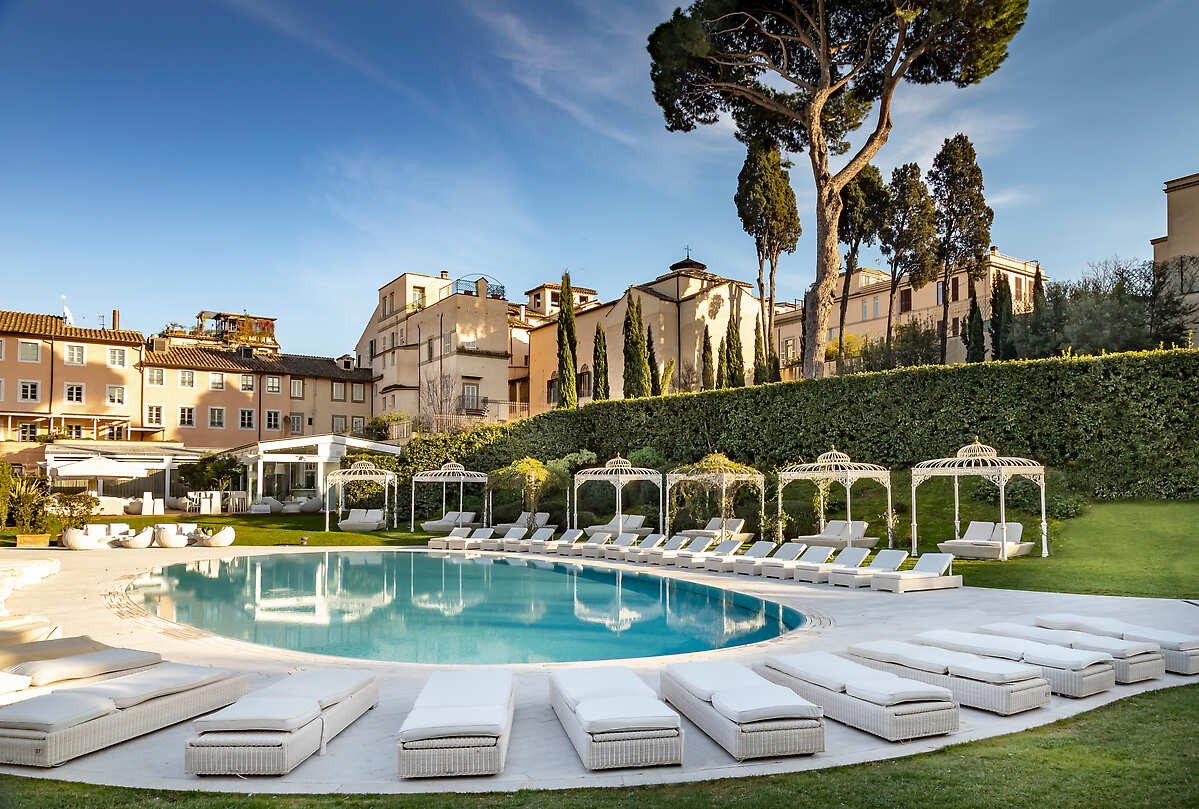
Hotels in Rome
Browse all →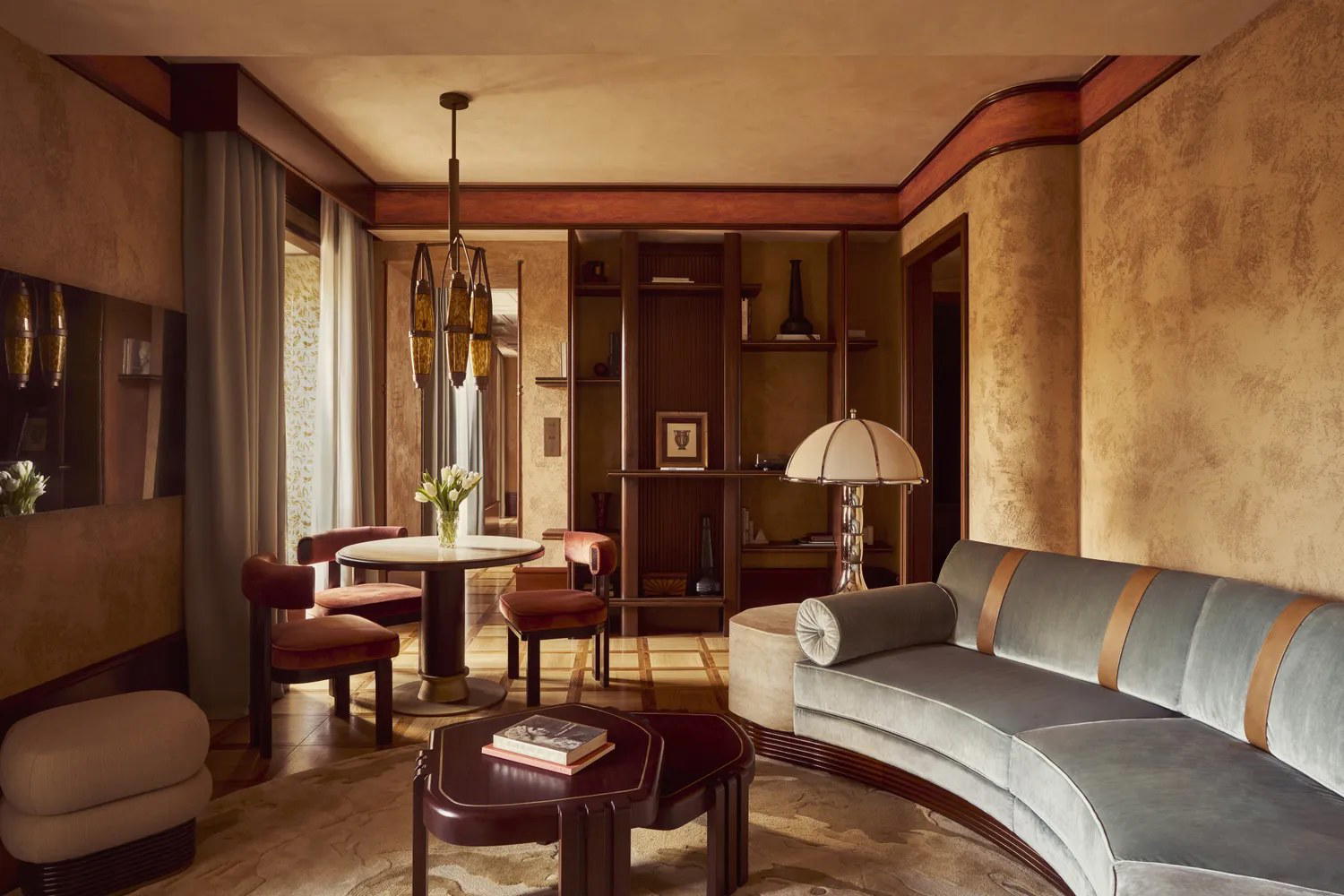
Bars in Rome
Browse all →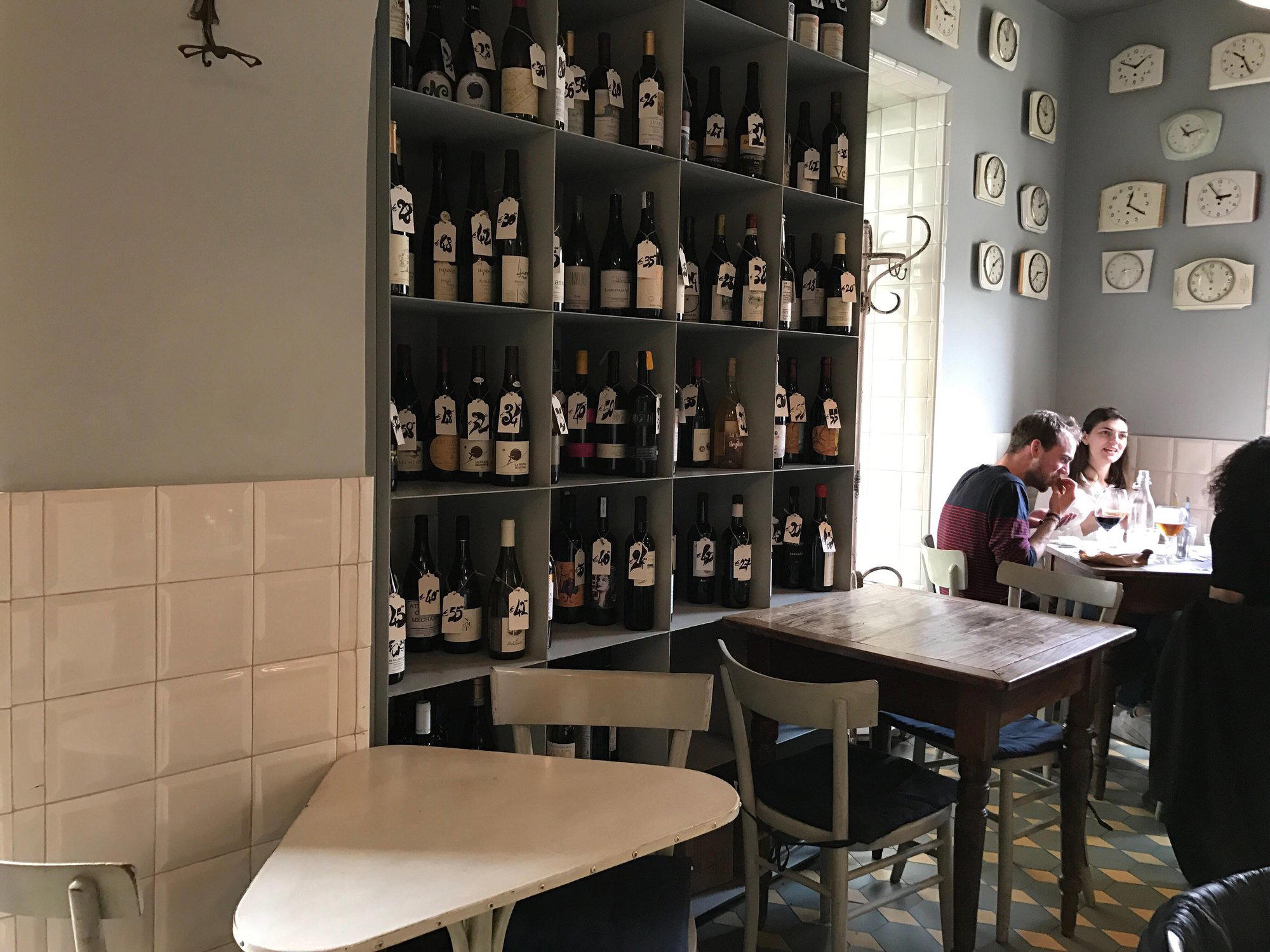
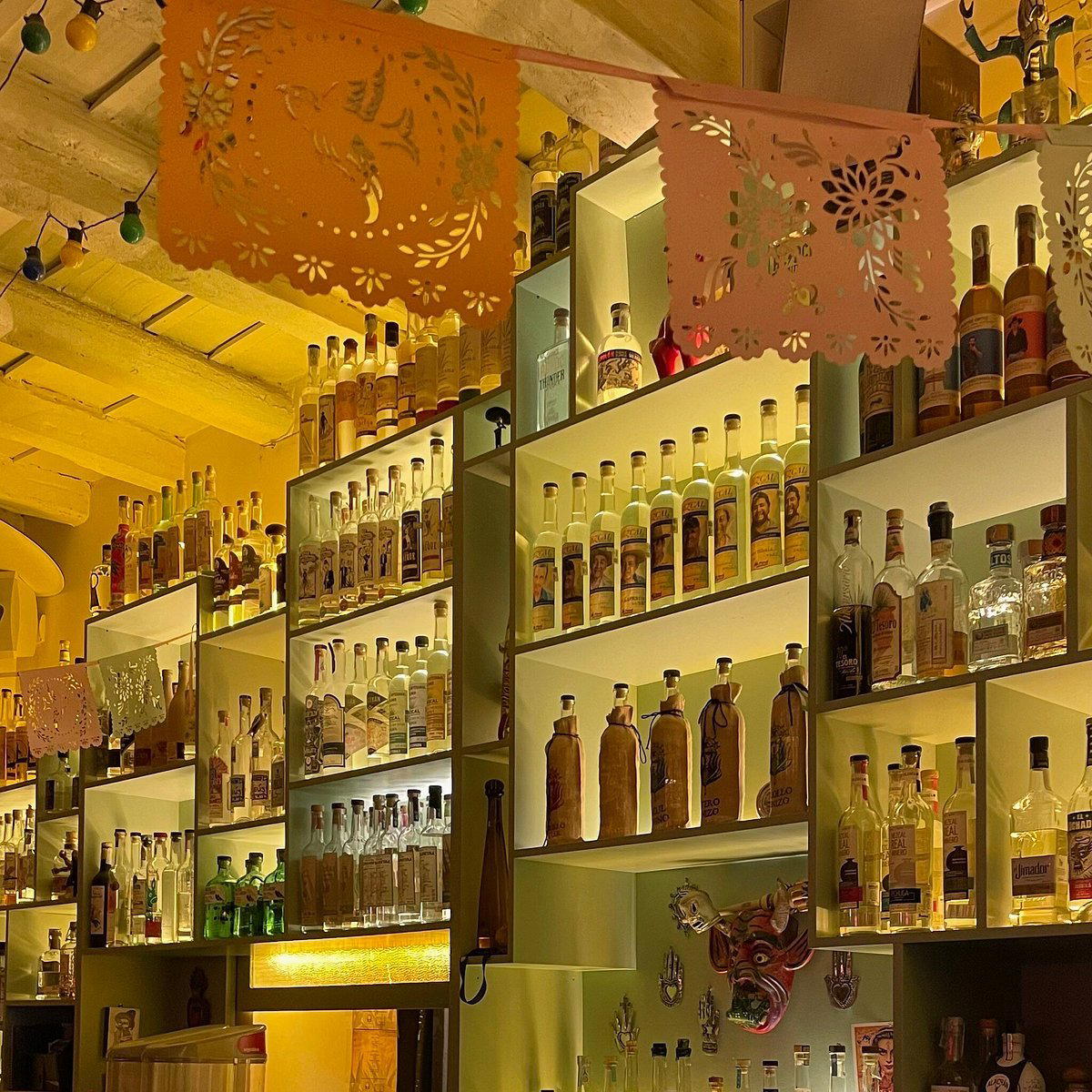
Restaurants in Rome
Browse all →
Wineries in Rome
Browse all →
At a Glance
- Elegant
- Modern
- Classic
- Business Trip
- Family Vacation
- Romantic Getaway
- Garden
- Terrace
- Design Destination
- Wi Fi
- Fitness Center
- Hot Tub
- Restaurant
- Bar
- Room Service
- Concierge
- Business Center
- Air Conditioning
- Wi Fi
- Fitness Center
- Hot Tub
- Restaurant
- Bar
- Room Service
- Concierge
- Business Center
- Air Conditioning
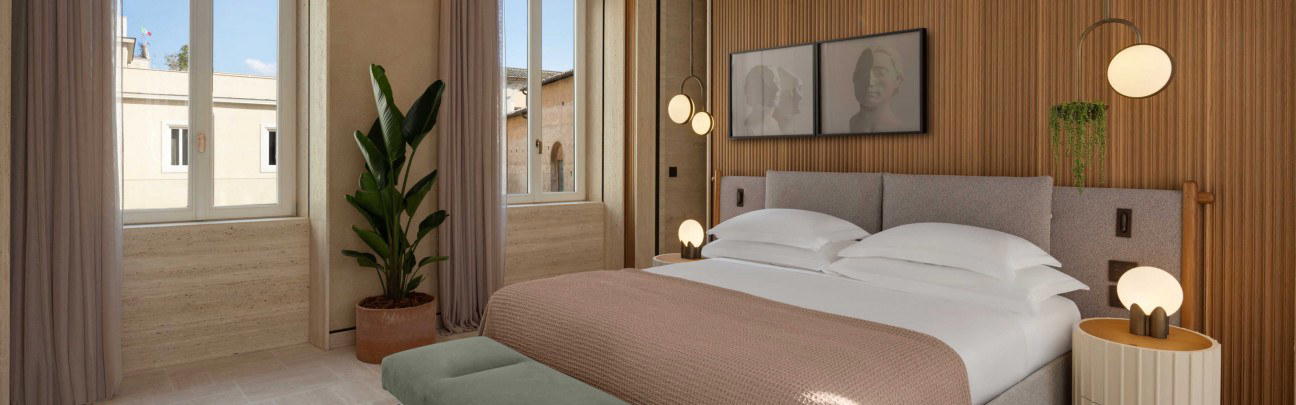
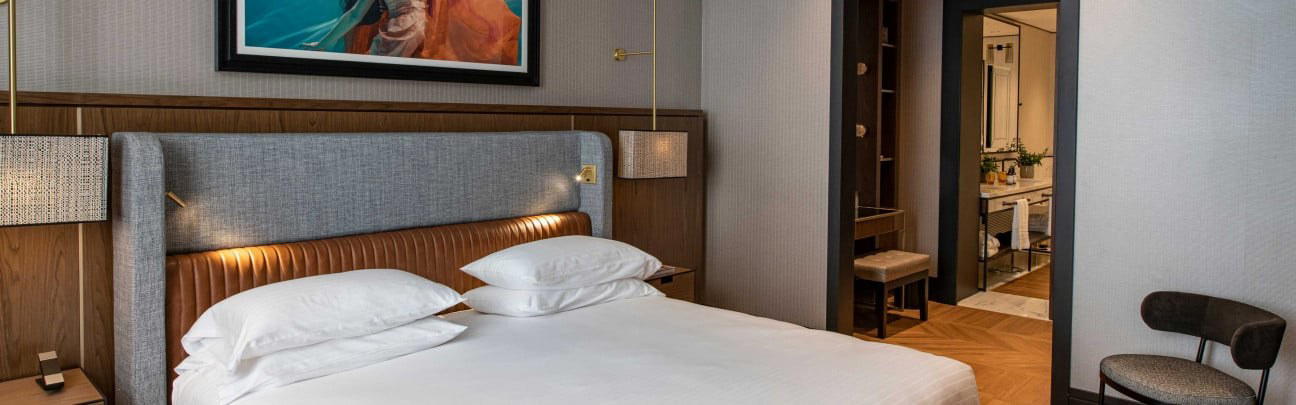
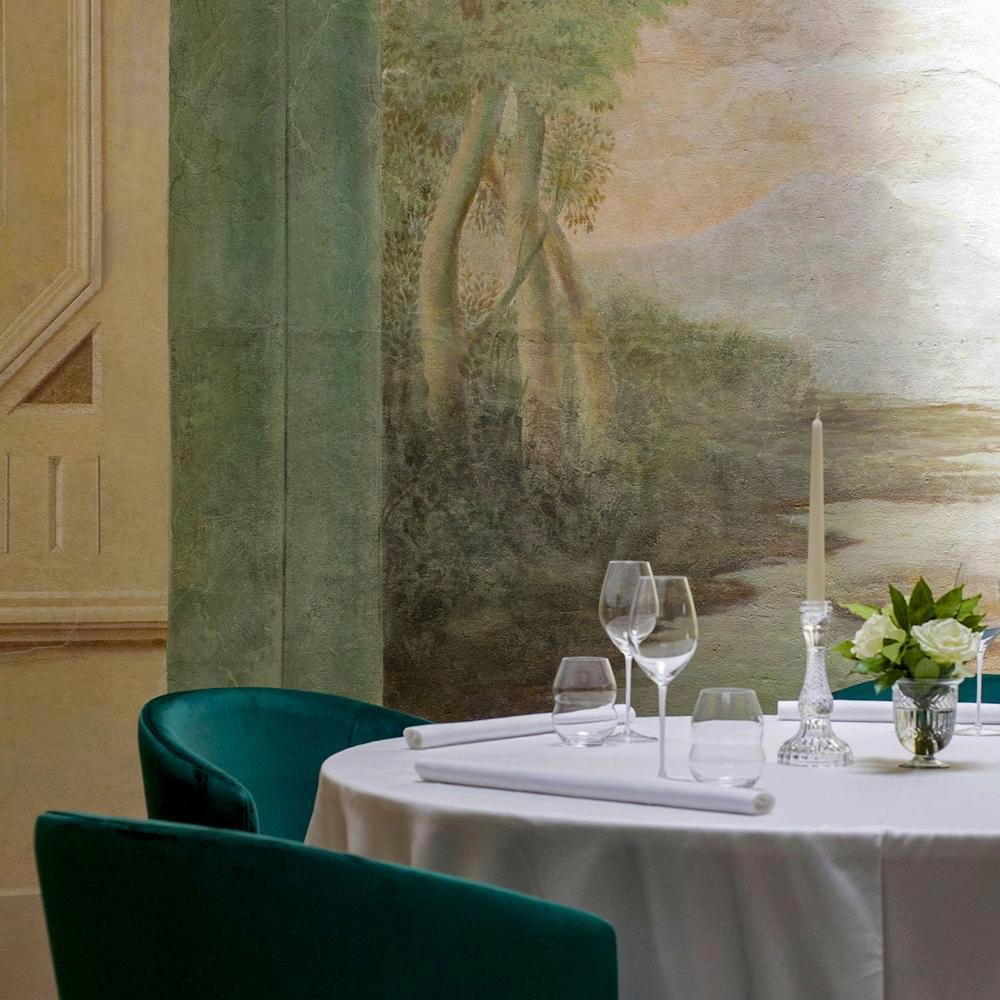
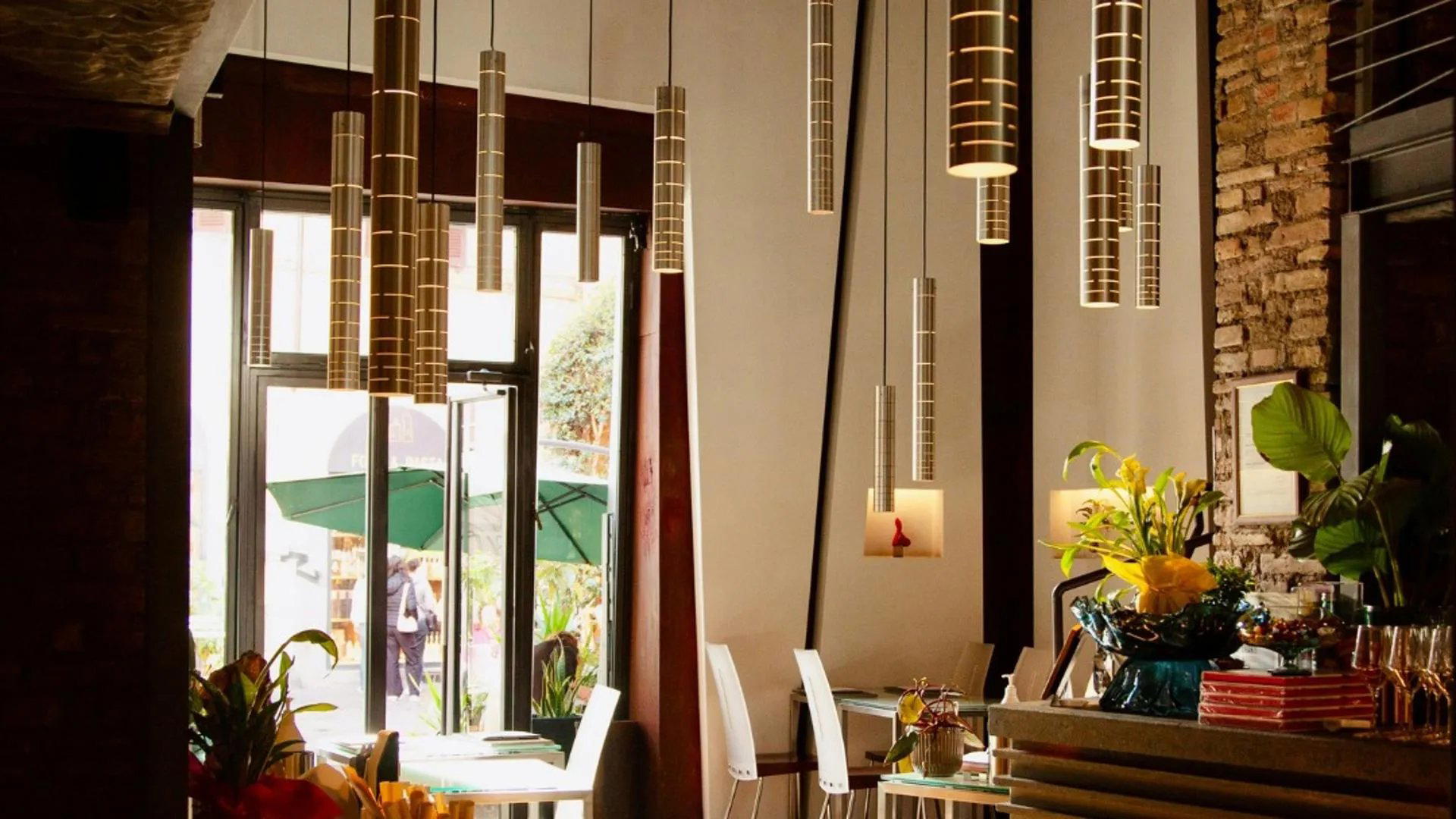
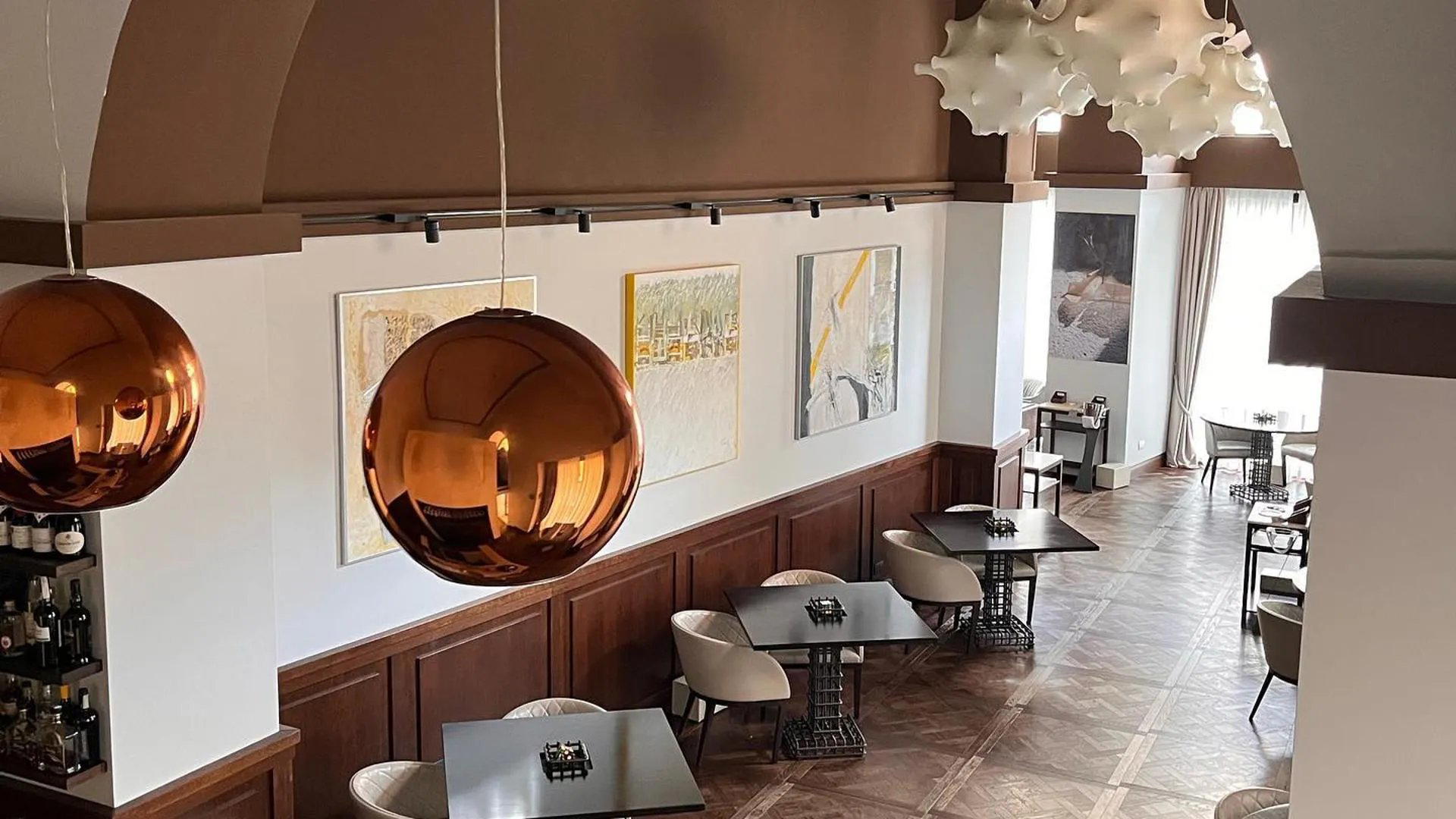
Elegant and contemporary with sober, refined design; guests praise the inviting atmosphere and modern, clean rooms with warm welcome, though the surrounding area can be noisy.