
Mochizuki gives Goto’s dining scene a grounded yoshoku address rather than another seafood-only island meal. Its Tabelog 100 Yoshoku WEST 2025 selection, steak category listing, and mid-range JPY 5,000 dinner and lunch bracket place it in a narrow lane: Japanese-style Western cooking treated with regional seriousness, not nostalgia alone.
Pearl is the En Primeur Club membership app — saves, bookings, and concierge access live there. Same editors, same standards.
- Address
- 5-12 Fukuecho, Goto, Nagasaki 853-0007, Japan
- Phone
- +81 959-72-3370
- Website
- goto.nagasaki-tabinet.com
 Saves & bookings on Pearl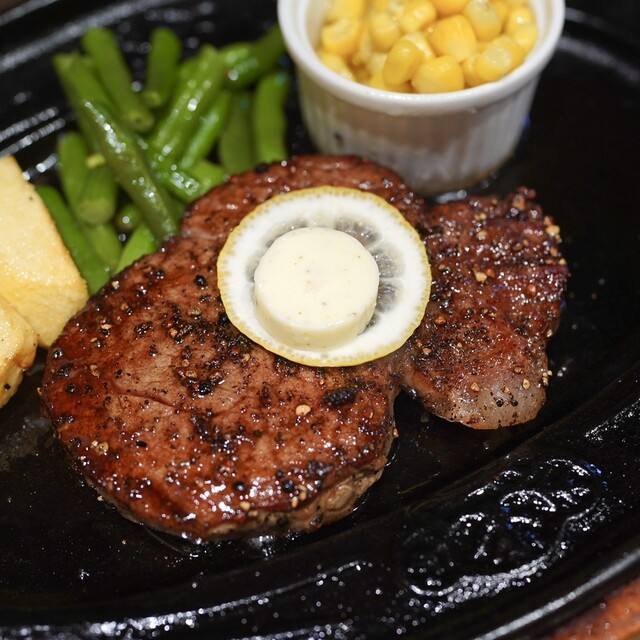
Fukuecho does not announce dinner with metropolitan theatre. Its appeal is quieter: low buildings, island traffic, and the practical rhythm of a port town where meals register the place around them. In Goto, that often means seafood first, but the city’s table is broader. Yoshoku, Japan’s long-running adaptation of Western cooking, has particular charge here because it turns local appetite and island supply into a form that feels familiar without becoming generic.
Mochizuki sits inside that conversation. Its listing in the Tabelog 100 Yoshoku WEST 2025 matters because yoshoku is often treated as comfort cooking rather than a category with regional hierarchy. The selection places a Goto address within western Japan’s wider field, significant for a city better known to travelers for churches, ferries, beaches, and fish markets than destination dining. The point is not that Goto needs a Tokyo-style trophy table, but that its food culture has room for a serious yoshoku-steak address without resort polish.
Yoshoku on an island where sourcing carries extra weight
Yoshoku has always been cuisine as translation: cutlets, stews, omelet rice, sauces, grilled meats, and Western-derived formats filtered through Japanese kitchens. In large cities, it can lean nostalgic or technically retro. On an island, the equation changes. Supply chains are shorter, seasonality is harder to ignore, and beef or steak reads differently inside a food culture so closely associated with the sea. The category listing, yoshoku and steak, signals that dual identity: Western-form cooking in a Japanese register, with meat central to the meal rather than an afterthought.
That is why the price bracket matters as evidence, not decoration. At JPY 5,000 to JPY 5,999 for both lunch and dinner, the restaurant occupies a serious everyday-special tier for Goto, not the rarefied bracket of destination tasting-menu dining. Locally, it sits well below an out-of-metro inn such as Auberge Akadama at JPY 30,000 to JPY 39,999, and above simpler low-spend addresses such as Jiyu Tei Kissa Shitsu or bread A espresso. That middle position suggests a meal for diners who care about cooking and ingredients without turning dinner into a luxury itinerary.
The strongest case is ingredient context. Goto’s dining identity is shaped by island logistics: what arrives by ferry, what is landed nearby, what can be stored, and what local regulars will return for outside holiday season. A yoshoku-steak kitchen here works under a different discipline from a big-city Western-style restaurant with endless suppliers. Restraint becomes part of the format. The scene rewards cooking that feels anchored, not imported whole from the mainland.
Recognition without the big-city performance
The Tabelog 100 Yoshoku WEST 2025 selection is the clearest trust signal. It does not make the restaurant a Michelin-style ceremony; it identifies the kitchen within a category Japanese diners understand with more nuance than many visitors do. Yoshoku is not simply “Western food in Japan.” It is a domestic tradition with its own expectations around sauce work, texture, heat, portioning, and rice-table compatibility. A Goto restaurant named in that field argues for taking the island’s non-seafood dining seriously.
That distinction helps when planning Goto. From outside, the city’s restaurant map can look narrow, especially to travelers scanning between ferry schedules and hotel availability. ray dining gives one local point of reference, while Our full Goto restaurants guide helps separate casual meals from deliberate reservations. The wider trip architecture matters too: Our full Goto hotels guide, Our full Goto bars guide, Our full Goto wineries guide, and Our full Goto experiences guide frame the meal as part of an island stay rather than a standalone detour.
Compared with Japan’s more specialized urban categories, the interest here is not maximalism. A traveler moving between formats such as -Grilled beef Sukiyaki- KAMAKURA TANUKIAN 鎌倉 たぬき庵 in Kamakura, . 鮪と炭火焼き うお炭 秋葉原店 in Tokyo, .cafe in Osaka, or .know in Kumamoto will find different value in Goto: fewer layers of concept, more dependence on place and category. Mochizuki reads better as part of a regional food itinerary than as a checklist restaurant.
Who should place it in a Goto itinerary
This is the right booking for travelers who want one Goto meal that shifts away from the expected seafood script without losing the island’s sense of proportion. The no-smoking policy, reservation availability, and absence of private rooms point to a conventional restaurant experience rather than private dining. Parking is not provided, so it fits better into a Fukuecho plan than a drive-by stop on a loose island circuit.
The audience is not limited to yoshoku obsessives. Steak gives the table an easy access point, while the award category supplies the critical reason to pay attention. For families, the price bracket makes it a considered meal rather than a casual fallback; for couples or small groups, it offers a way to read Goto through land-based cooking. Payment details are practical: JCB, AMEX, and Diners credit cards are accepted, electronic money is not, and QR code payments are accepted.
Use the meal to widen the island’s food story. Japan’s regional dining is often understood through hyper-specialization, from (Shoku) Vietnam in Kawasaki to [Curry Senmon Ten] Maruyama Kyoju. in Sapporo, [ki:] in Kyoto, #肉といえば松田 奈良本店 in Kashihara, 1/3 HAMBURGER FACTORY in Kanazawa, and 1000 in Yokohama. Even outside Japan, focused formats such as Jōdo Saké Bar in Los Angeles and Onigiri Time in Pasadena show how narrow categories carry serious cultural weight. In Goto, yoshoku and steak do that at island scale: familiar forms, local pressure, and a recognition signal strong enough to justify making space between ferries, churches, and coast roads.
At-a-Glance Comparison
Comparable venues by cuisine and price in the same metro.
| Venue | Cuisine | Price | Notes |
|---|---|---|---|
| MochizukiThis venue — the venue you are viewing | Goto beef-focused yoshoku & steakhouse | $$$ | Not listed |
| Restaurant Steakhouse Keyspring (カントリーレストラン キースプリング) | Country Steakhouse with Local Yamanashi Beef | $$$ | 小淵沢 |
| Asakura | Japanese Steak Salon | $$$ | Sasebo |
| The Rope Tei | Mountain steakhouse specializing in fillet block | $$$ | Ashikita-machi |
| Lion | Teppanyaki steakhouse featuring Imari beef | $$$ | / Niricho Ozato Otsu |
| Wagyu Sukiyaki Soshiji Karuizawa | Wagyu Sukiyaki | $$$ | Old Karuizawa Ginza |
Recognition history
Dated appearances from independent guides and award organizations, with the underlying list record or original source where available.
Tabelog 100 #81 · No. 81
Tabelog · Tabelog 100 - Yoshoku - WEST - 2025
Continue exploring
More in Goto
Hotels in Goto
Browse all →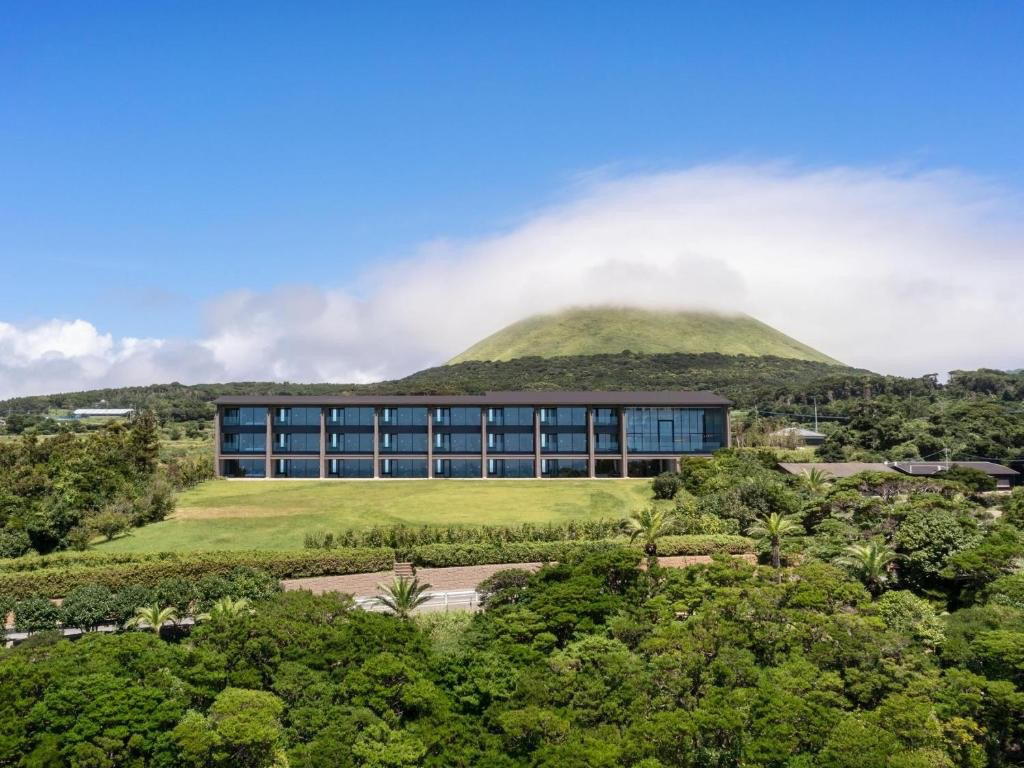
At a Glance
- Cozy
- Classic
- Family
- Group Dining
- Casual Hangout
- Date Night
- Special Occasion
- Standalone
- Local Sourcing
Current opening hours
- Monday
- 11 AM–2 PM, 5–8 PM
- Tuesday
- Closed
- Wednesday
- 11 AM–2 PM, 5–8 PM
- Thursday
- 11 AM–2 PM, 5–8 PM
- Friday
- 11 AM–2 PM, 5–8 PM
- Saturday
- 11 AM–2 PM, 5–8 PM
- Sunday
- 11 AM–2 PM, 5–8 PM
Hours can change for holidays and private events. Last verified .
Casual, homely Japanese-style western restaurant with a warm, neighborhood feel, focused on comfortable meals rather than design theatrics.