
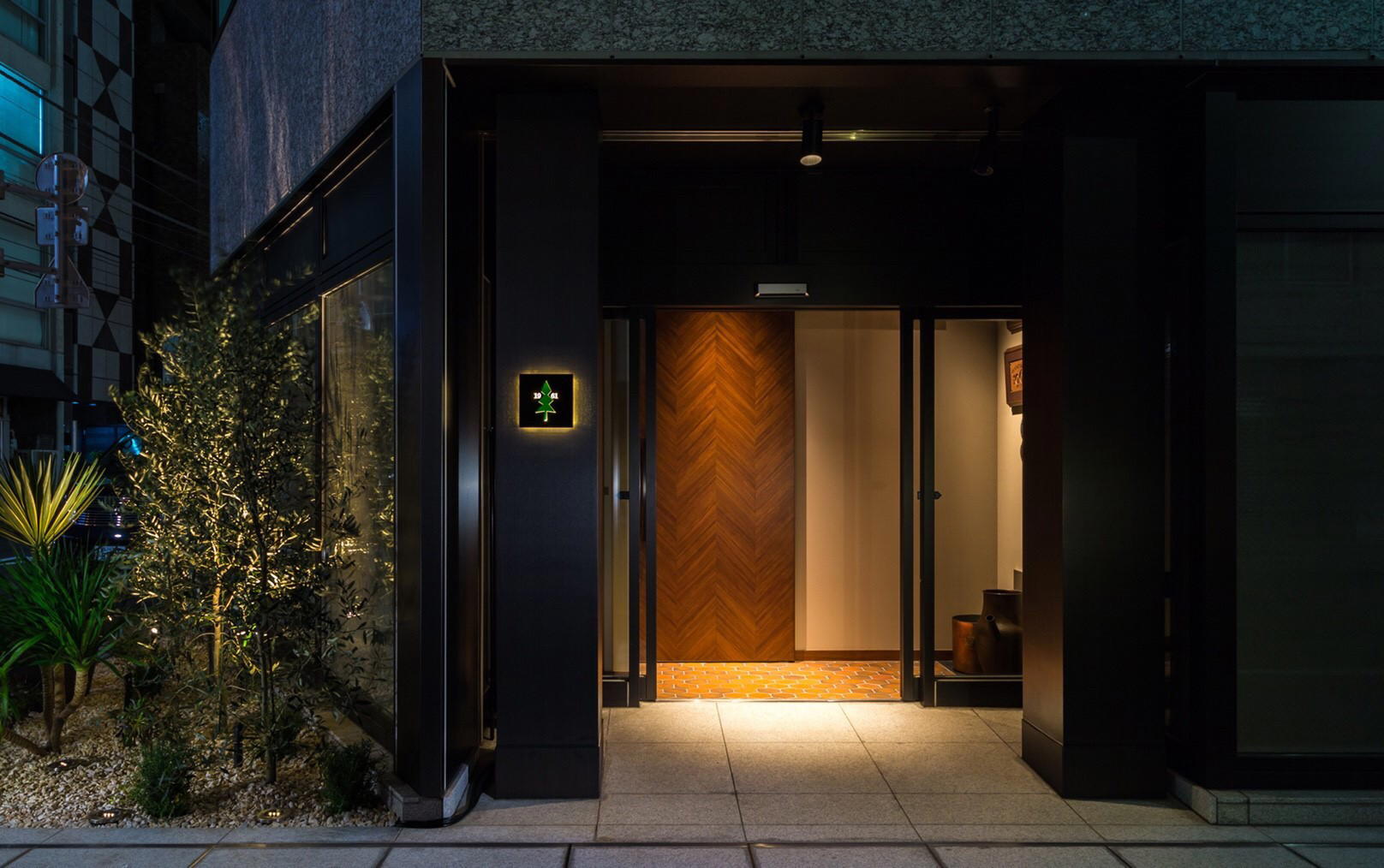
A Michelin Selected hotel positioned in Ginza's commercial and cultural core, GINZA HOTEL by GRANBELL occupies a mid-scale design tier that puts guests within walking distance of the district's flagship stores, galleries, and restaurant concentrations. Its Chuo-ku address makes it a practical base for extended stays focused on the neighbourhood's arts and retail circuits, without the room rates of the area's upper-tier international properties.
Pearl is the En Primeur Club membership app — saves, bookings, and concierge access live there. Same editors, same standards.
- Address
- 7 Chome-2-18 Ginza, Chuo City, Tokyo 104-0061, Japan
- Phone
- +81 3-6263-8935
- Website
- granbellhotel.jp
- Directions
- Get directions
 Saves & bookings on Pearl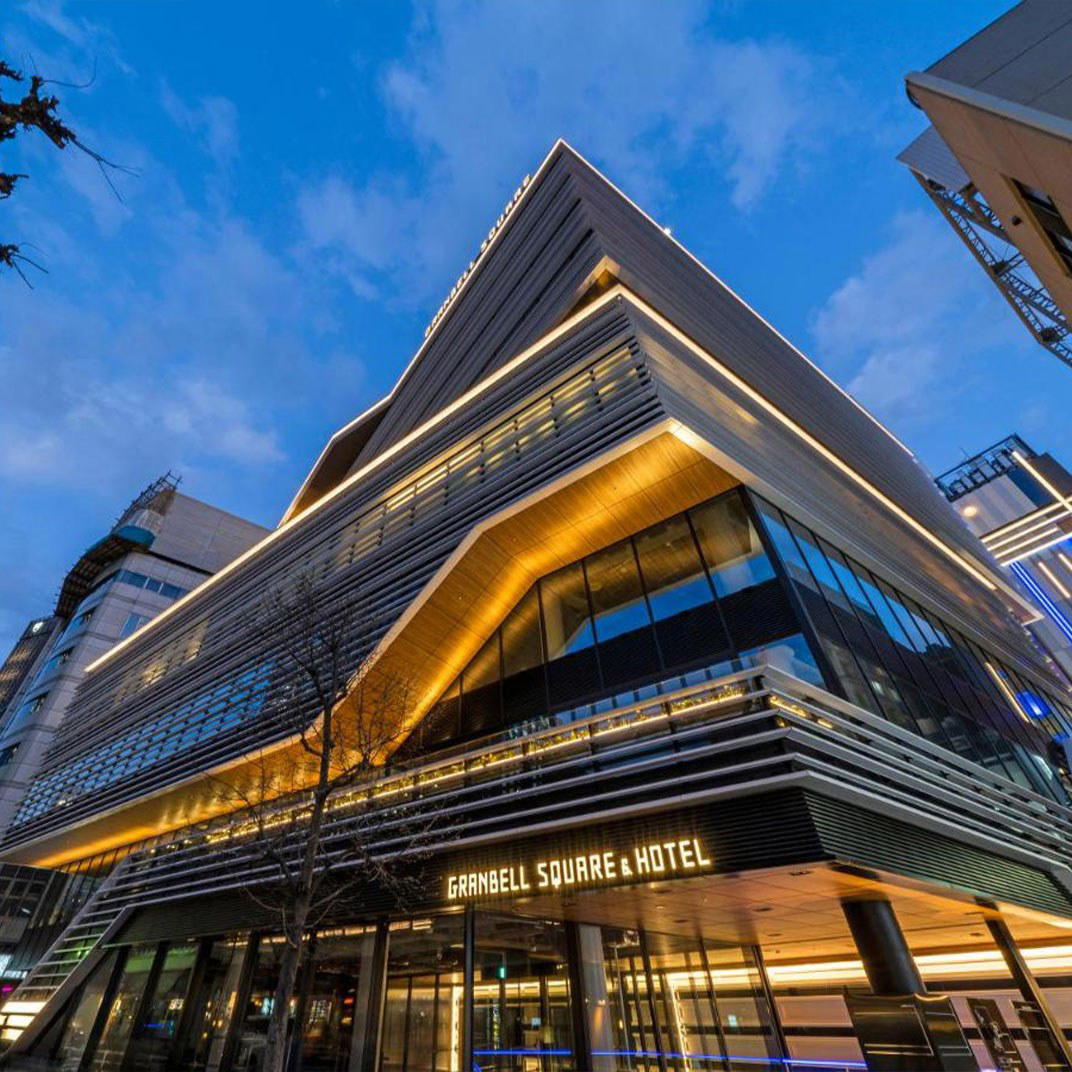
Ginza's Hotel Spectrum: Where Design-Led Mid-Scale Sits
GINZA HOTEL by GRANBELL is a 4-star hotel in Tokyo's Ginza district, with rates from about $270 per night. The district is associated with Chanel flagships and Michelin-starred counters, but the hotel stock runs from large-format international luxury, properties like Bvlgari Hotel Tokyo and Aman Tokyo at the leading, down through a secondary tier of design-conscious independents and brand-affiliated properties that price against value rather than prestige. GINZA HOTEL by GRANBELL sits in that secondary tier, Michelin Selected in the 2025 guide, which places it inside the guide's curated set of hotels worth recommending without occupying the starred or key-holder bracket held by properties such as Four Seasons Hotel Tokyo at Otemachi or Palace Hotel Tokyo.
The Michelin Selected designation is a useful calibration tool for travellers trying to read Tokyo's dense hotel market. In a city where the hotel supply is enormous and variation between properties is difficult to judge from photographs alone, that third-party signal carries practical weight.
The Address: Ginza 7-Chome and What It Means in Practice
The hotel's position at Ginza 7-Chome, Chuo-ku, places it in the southern stretch of the main commercial corridor. Ginza's grid runs roughly from 1-Chome near the Ginza Six complex in the north down to 8-Chome near Shimbashi, and the 7-Chome location puts the property within the concentrated retail and cultural zone rather than on its fringes. The proximity to Higashi-Ginza station on the Toei Asakusa and Tokyo Metro Hibiya lines gives direct subway access to Shibuya, Roppongi, and Akihabara, and the Ginza station interchange for the Marunouchi, Hibiya, and Ginza lines is a short walk north.
That subway access matters for guests using the hotel as a base for broader Tokyo exploration. Ginza itself is dense with options, the Tsukiji Outer Market is within walking distance to the east, and the Hamarikyu Gardens border the district to the south, but the real value of a central Chuo-ku address is what it unlocks across the city by transit. For those extending their Japan trip, the area connects efficiently to Shinkansen access at Tokyo Station, making it a logical staging point before heading to properties like HOTEL THE MITSUI KYOTO in Kyoto or ryokan-format stays such as Gora Kadan in Hakone or Fufu Kawaguchiko in Fujikawaguchiko.
The Granbell Positioning: Independent Design in a Brand-Heavy Market
Granbell Hotels operate as an independent Japanese hotel group with properties concentrated in urban design districts. The brand's approach sits closer to the boutique-independent model than to the international chain formula, which gives properties a distinct character without the loyalty programme infrastructure of Hyatt or Marriott-affiliated addresses. In Tokyo's hotel market, that positioning occupies a specific niche: design-attentive, locally operated, and priced to compete with mid-scale international flags rather than with the luxury tier represented by Andaz Tokyo or JANU Tokyo.
For a certain kind of traveller, particularly those returning to Tokyo on multiple trips and already familiar with the flagship luxury properties, that independent positioning is an asset rather than a limitation. The absence of large-format lobby programming and extensive F&B; infrastructure pushes guests out into Ginza's own restaurant and bar circuit, which is among the more concentrated in the city.
Ginza as a Dining District: What the Neighbourhood Delivers
One of the less-discussed advantages of a Ginza address is access to a restaurant concentration that covers more price points and formats than the district's luxury retail image implies. The area's sushi counter density is particularly notable: several of Tokyo's most decorated omakase addresses operate within a few blocks of each other, alongside tempura counters, French-Japanese hybrids, and a long-established izakaya layer that serves the neighbourhood's office population. Tsukiji's outer market, decommissioned for wholesale but still active for retail and breakfast counters, remains a short walk away and represents one of the more direct connections between Tokyo's sourcing infrastructure and its dining culture, fish that moves through Toyosu Market often reaches Ginza counters within hours.
That sourcing proximity shapes the ingredient quality available across the district's restaurant range. The relationship between Tokyo's wholesale fish markets and its restaurant supply is tighter and faster than in most comparable cities, and Ginza, positioned between Toyosu to the east and the older Tsukiji network to the west, sits at the centre of that supply chain. For guests focused on eating well at the highest level, Bellustar Tokyo, A Pan Pacific Hotel and properties in the The Capitol Hotel Tokyu tier tend to anchor their own restaurant programming around that same sourcing logic.
Placing GINZA HOTEL by GRANBELL in the Broader Japan Hotel Context
Tokyo accounts for a large share of Japan's hotel supply, but the country's broader accommodation range runs from city-centre design hotels through to remote ryokan formats that prioritise seasonal kaiseki and onsen access over urban connectivity. GINZA HOTEL by GRANBELL sits firmly in the city-centre, design-led category. Travellers building a Japan itinerary that mixes urban base hotels with more immersive regional stays might pair a Ginza night with properties like Amanemu in Mie, Asaba in Izu, or Zaborin in Kutchan for contrast. Further afield, Halekulani Okinawa and Benesse House in Naoshima represent entirely different registers of Japanese hospitality, oriented around landscape and art rather than urban access.
For those comparing the Ginza property against international peers outside Japan, the mid-scale Michelin Selected category occupies a different bracket than properties like Badrutt's Palace Hotel in St. Moritz or Hôtel de Paris Monte-Carlo. The common thread is Michelin recognition, but the tier, scale, and hospitality model differ substantially. Within Japan itself, comparable urban design-hotel positioning can be found at properties like Nishimuraya Honkan in Kinosaki-cho or Kamenoi Besso in Yufu, though those operate within the onsen-ryokan format rather than the city hotel model.
Planning a Stay: Practical Notes
Specific room categories and booking channels are not published here. Demand is likely strongest during cherry blossom season in late March and early April, and during autumn foliage periods in November. Booking in advance is the standard approach. Guests arriving from international destinations will find Higashi-Ginza station one efficient local transit point, with the Airport Limousine Bus serving Ginza from both Narita and Haneda.
Cuisine and Recognition
Comparable venues nearby, for context on price, style, and recognition.
| Venue | Cuisine | Price | Awards | Notes |
|---|---|---|---|---|
| GINZA HOTEL by GRANBELLThis venue — the venue you are viewing | Contemporary designer boutique hotel that modernizes Art Deco aesthetics while maintaining Ginza's sophisticated essence. | $$$ | 4-Star | Not listed |
| MOXY Tokyo Kinshicho | Trendy lifestyle boutique hotel with urban social vibe | $$$ | 4-Star | Sumida |
| Royal Park Hotel | Modern high-rise urban hotel with executive floors | $$$ | 4-Star | Chūō |
| The Royal Park Hotel Tokyo Haneda (ザ ロイヤルパークホテル 東京羽田) | Contemporary airport hotel with functional luxury positioning; designed for business travelers and transit passengers seeking comfort and convenience. | $$$ | 4-Star | Ota |
| Hyatt House Tokyo Shibuya | residential-style extended-stay apartment hotel | $$$$ | 4-Star | Shibuya |
| ASAKUSA KOKONO CLUB HOTEL | Creative concept hotel inspired by American boutique style in historic Japanese setting | $$$ | 3-Star | Taitō |
Recognition history
Dated appearances from independent guides and award organizations, with the underlying list record or original source where available.
Michelin Selected
Michelin
Continue exploring
More in Tokyo
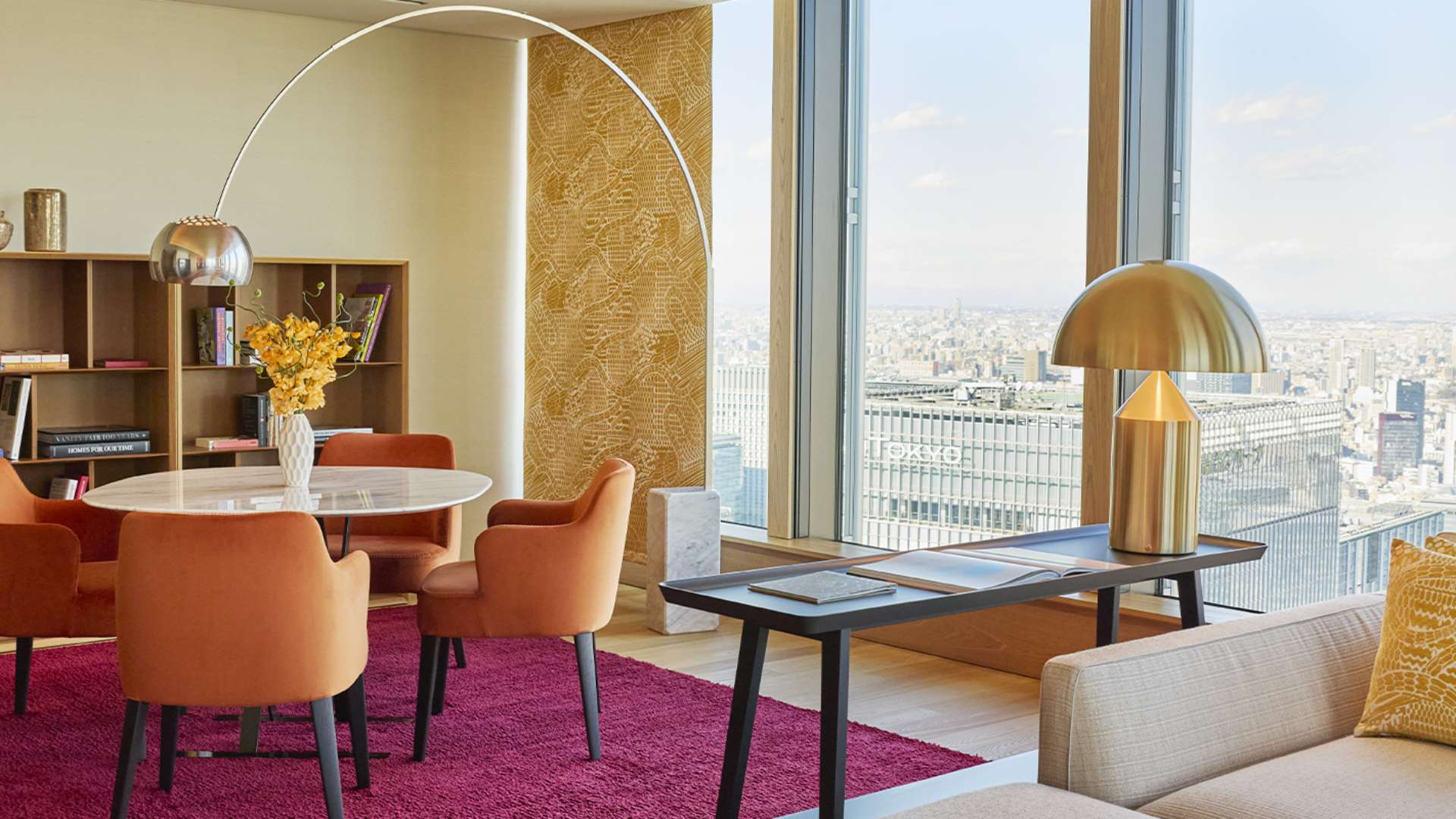
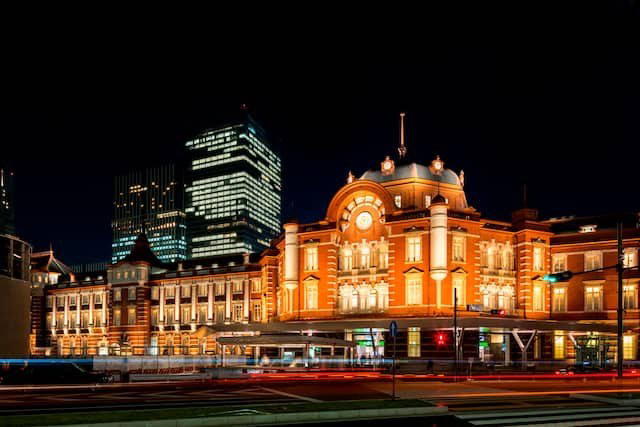
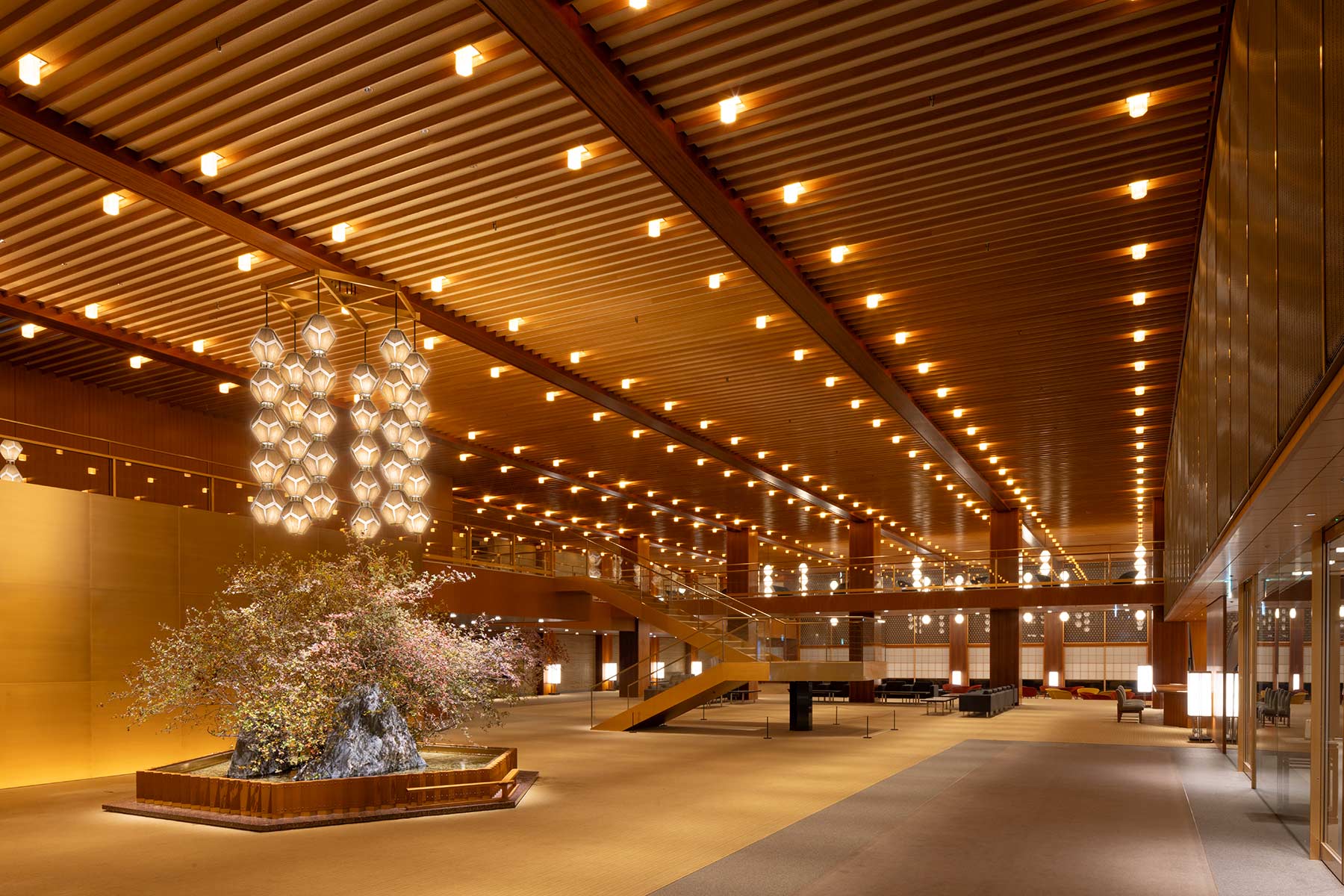
Hotels in Tokyo
Browse all →

Bars in Tokyo
Browse all →


Restaurants in Tokyo
Browse all →


At a Glance
- Modern
- Elegant
- Sophisticated
- Trendy
- Business Trip
- Weekend Escape
- Celebration
- Rooftop Pool
- Design Destination
- Terrace
- Wi Fi
- Spa
- Sauna
- Massage
- Restaurant
- Public Bath
- Room Service
- Concierge
- Wi Fi
- Spa
- Sauna
- Massage
- Restaurant
- Public Bath
- Room Service
- Concierge
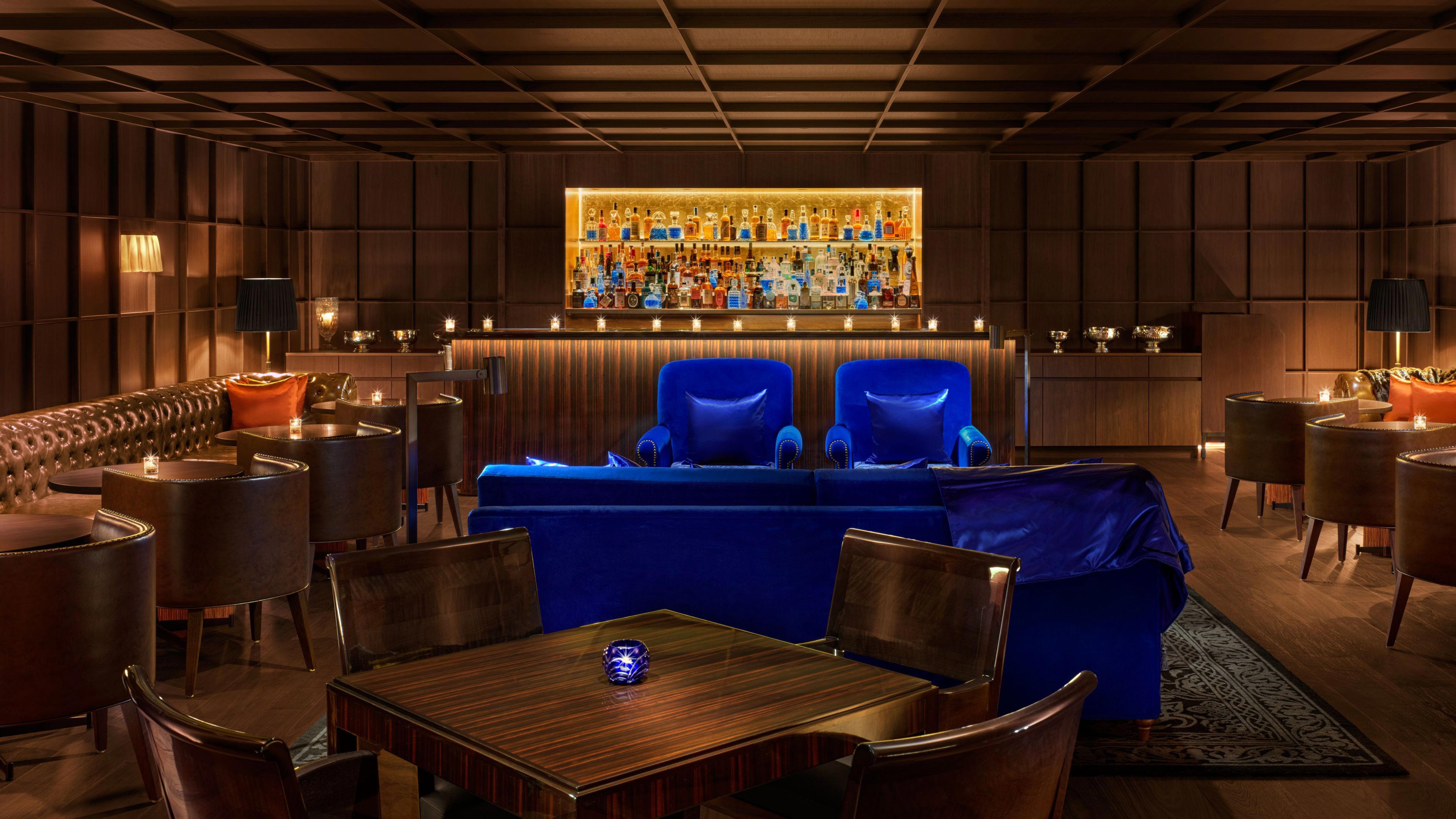
Luxurious and open front lobby with high-quality spaces filled with modern classic decor; warm and stylish guest rooms contrasting with austerely modern public spaces.