Garner Beijing 798 Art District places guests inside one of the Chinese capital's most architecturally charged neighbourhoods, where Cold War-era Bauhaus factory buildings now house galleries, studios, and design-led hospitality. The property sits at the intersection of post-industrial heritage and contemporary Beijing, making it a practical base for the art district's concentrated cultural programming. For travellers whose itinerary centres on the 798 zone, proximity to this scene is the defining argument for the address.
 Request Booking on Pearl
Pearl is the En Primeur Club membership app — saves, bookings, and concierge access live there. Same editors, same standards.
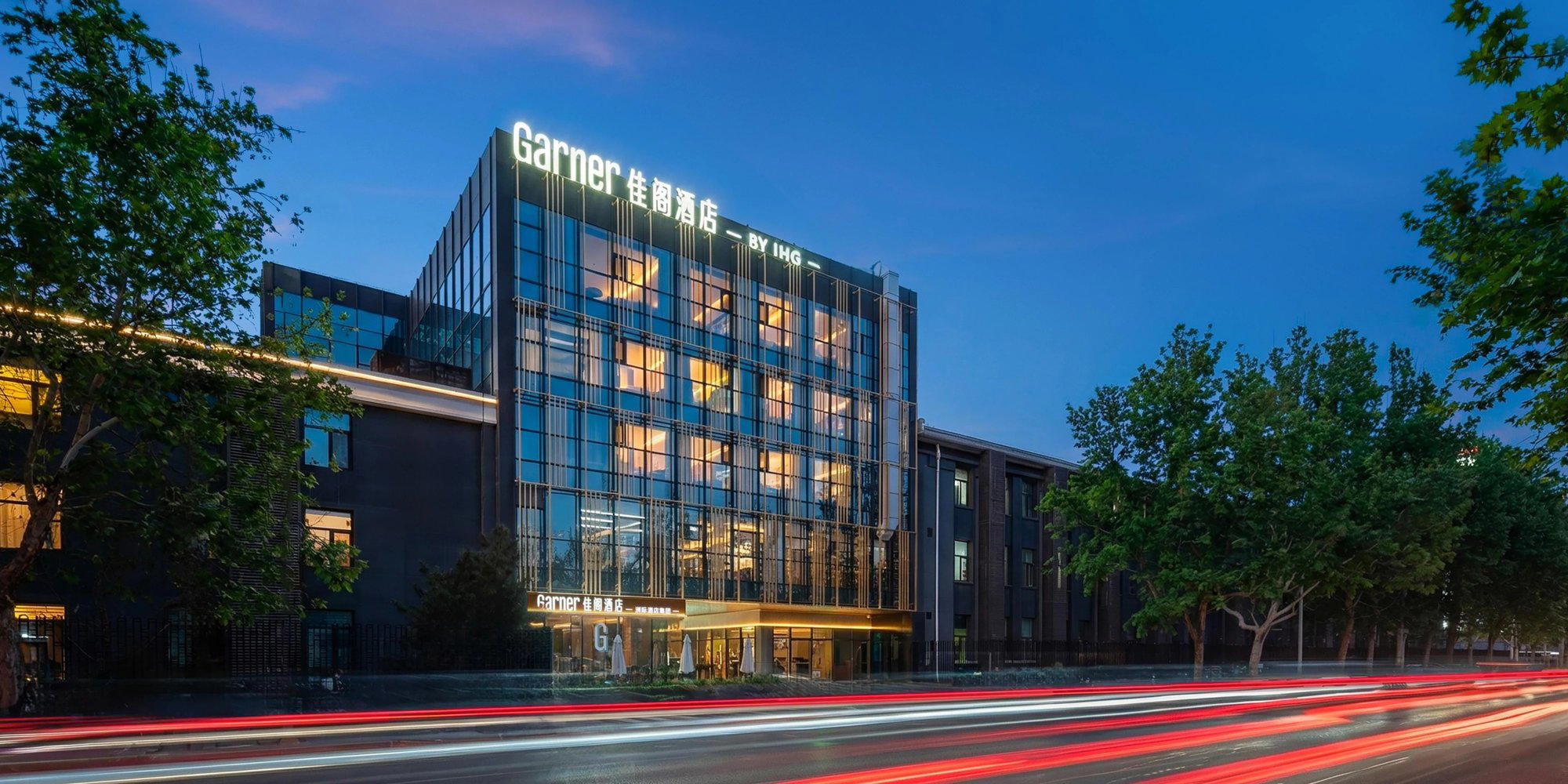
Where Industrial Architecture Becomes the Amenity
The 798 Art District occupies a particular position in Beijing's urban story. Built in the early 1950s with Soviet and East German technical assistance, its Bauhaus-influenced factory complexes were designed for precision electronics manufacturing, not cultural production. The sawtooth rooflines, north-facing skylights engineered for even workshop light, and reinforced concrete spans were functional decisions that, decades later, proved ideal for large-scale contemporary art installations. When artists began occupying the decommissioned spaces in the early 2000s, they were not simply finding cheap real estate; they were inheriting an architectural logic that suited their purposes almost by accident.
Garner Beijing 798 Art District sits within this context. The address places guests inside a neighbourhood where the built environment is the primary attraction, and where the distinction between hotel, gallery, and public square blurs more than in most parts of the city. For travellers arriving from properties like the Mandarin Oriental Qianmen or the Bvlgari Hotel Beijing, which anchor themselves in historic or luxury commercial districts, 798 represents a different kind of Beijing entirely: post-industrial, self-consciously contemporary, and oriented around visual culture rather than dynastic heritage or financial prestige.
The 798 Zone: A District Defined by Its Bones
What makes 798 architecturally distinctive is not what was added after the artists arrived, but what was already there. The original factory complex, known as Factory 718 and later subdivided into numbered facilities, was constructed with a disciplined structural logic. Columns at regular intervals, ceiling heights that exceed what most residential or commercial development would justify, and industrial-grade materials throughout. When galleries and studios moved in, many retained original Maoist-era slogans painted on walls, exposed pipe runs, and the factory's characteristic saw-tooth profile visible from street level.
This preservation of industrial character places 798 in a global category of post-industrial cultural districts, alongside Berlin's Mitte galleries or London's earlier Shoreditch, but with a specificity tied to mid-century Chinese industrial history that those comparisons only approximate. Beijing's version is denser and more compressed geographically, which means the concentration of galleries, design studios, and food and beverage operations within walking distance is higher than in more sprawling equivalents elsewhere.
Hotels operating in this environment face a design challenge that properties in conventional districts do not: the neighbourhood itself sets a high architectural standard, and a property that reads as generic against that backdrop loses the primary advantage of its location. The Garner brand, positioned as a design-forward mid-to-upper segment offering within the IHG portfolio, is structured to address exactly this kind of context. For travellers comparing options, the Eclat Beijing occupies a different design register entirely, with its art-collection approach to interiors, but sits in a different part of the city.
Positioning Within Beijing's Hotel Spectrum
Beijing's hotel market stratifies clearly. At the leading, properties like Aman Summer Palace, with its courtyard architecture adjacent to the imperial gardens, and the China World Summit Wing, with its CBD tower positioning, serve a specific luxury tier with corresponding price points. Further down the scale, the Fairmont Beijing Hotel and Conrad Beijing occupy the upper-midscale to luxury boundary, with strong business travel infrastructure. Garner's positioning sits in a different conversation: it is not competing on butler service or imperial-era address, but on design coherence and neighbourhood specificity.
For travellers whose priorities are proximity to gallery programming, independent restaurant and bar culture, and a property that reflects its environment rather than insulates guests from it, the 798 address carries more practical value than a centrally located tower. The Brickyard Retreat at Mutianyu Great Wall operates on a similar logic of location-as-amenity, though in a completely different geographic and experiential register.
Getting to 798 and Timing Your Stay
The 798 Art District sits in the Chaoyang district in northeastern Beijing, roughly 14 kilometres from Tiananmen Square and approximately 30 kilometres from Beijing Capital International Airport, though the newer Daxing International Airport is considerably further. Road travel times into central Beijing vary significantly by traffic and time of day; the district is not on a direct metro line, making taxis, ride-hailing services, or cycling the practical options for most movement. Visitors planning to combine a 798 base with regular access to the Forbidden City, Temple of Heaven, or Drum Tower neighbourhoods should factor in journey time as a real variable, not a minor inconvenience.
In terms of timing, the 798 district draws largest visitor numbers during major Beijing cultural events and the warmer months, when outdoor programming and the district's pedestrian character are most accessible. Spring and autumn represent the most temperate windows for extended outdoor walking in what is fundamentally an outdoor, street-level district. Winter visits are entirely viable but the experience shifts toward indoor gallery programming rather than the street-level browsing that defines 798 at its most active.
Amanfayun in Hangzhou, Andaz Shenzhen Bay, and Amandayan in Lijiang, each of which uses location and architectural character as primary selling arguments. See also 1 Hotel Haitang Bay, Sanya and Altira Macau for southern China and Macau coverage. For broader regional context, Xiamen Yunding Resort, Vanke Lake Songhua Yunlu Hotel in Jilin, and Mohe Youran Mountain Residence represent the range of design-led options available across mainland China. JW Marriott Hotel Shanghai at Tomorrow Square for a contrasting approach to urban design hospitality in China's other major city.
Planning Your Stay
Travellers combining Beijing with international stops may find relevant comparison in EP Club's coverage of Aman New York, The Fifth Avenue Hotel in New York City, or Aman Venice, each of which uses architectural heritage as a core part of its proposition in a similar way to 798.
How It Stacks Up
Comparable venues nearby, for context on price, style, and recognition.
| Venue | Cuisine | Price | Awards | Notes |
|---|---|---|---|---|
| Garner Beijing 798 Art DistrictThis venue — the venue you are viewing | Contemporary urban hotel in art district with conversion-friendly design | $$$ | 4-Star | |
| The Ritz-Carlton, Beijing | English manor-inspired luxury hotel | $$$$ | 5-Star | Balizhuang |
| Conrad Beijing | Contemporary luxury with natural wood, stone elements, and panoramic city views | $$$$ | 5-Star | Tuanjiehu |
| The Opposite House | Trendy urban residence with art gallery vibe | $$$$ | 5-Star | Sanlitun |
| China World Summit Wing, Beijing | Luxury skyscraper lifestyle sanctuary | $$$$ | 5-Star | Chaoyang |
| InterContinental Beijing Beichen | Contemporary luxury hotel with Art Deco architecture in Olympic Business District | $$$$ | 5-Star | Beijing International Convention Centre |
At a Glance
- Modern
- Trendy
- Industrial
- Minimalist
- Business Trip
- Weekend Escape
- Design Destination
- Historic Building
- Wifi
- Fitness Center
- Room Service
- Restaurant
- Laundry
- Concierge
- Street Scene
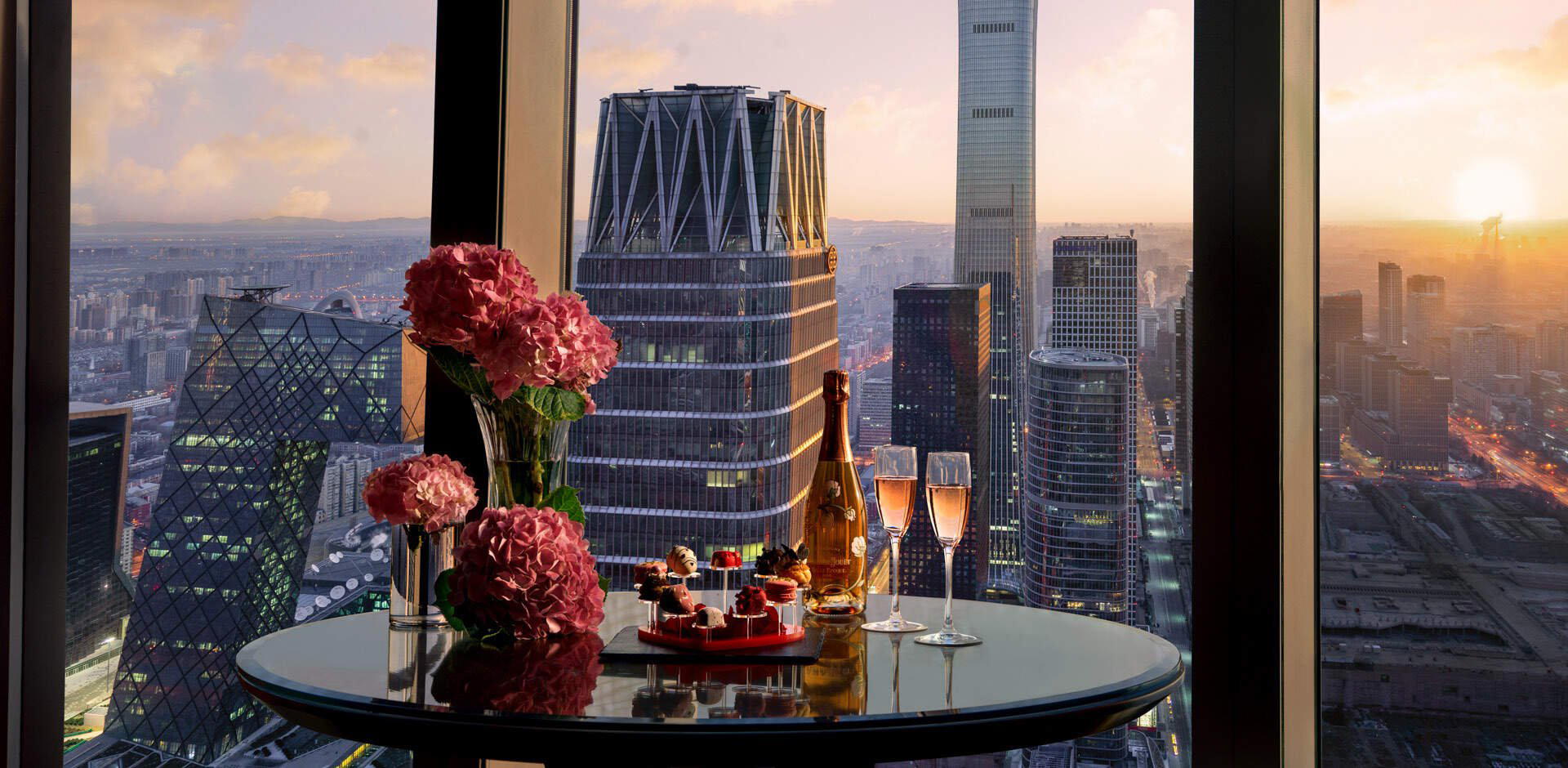
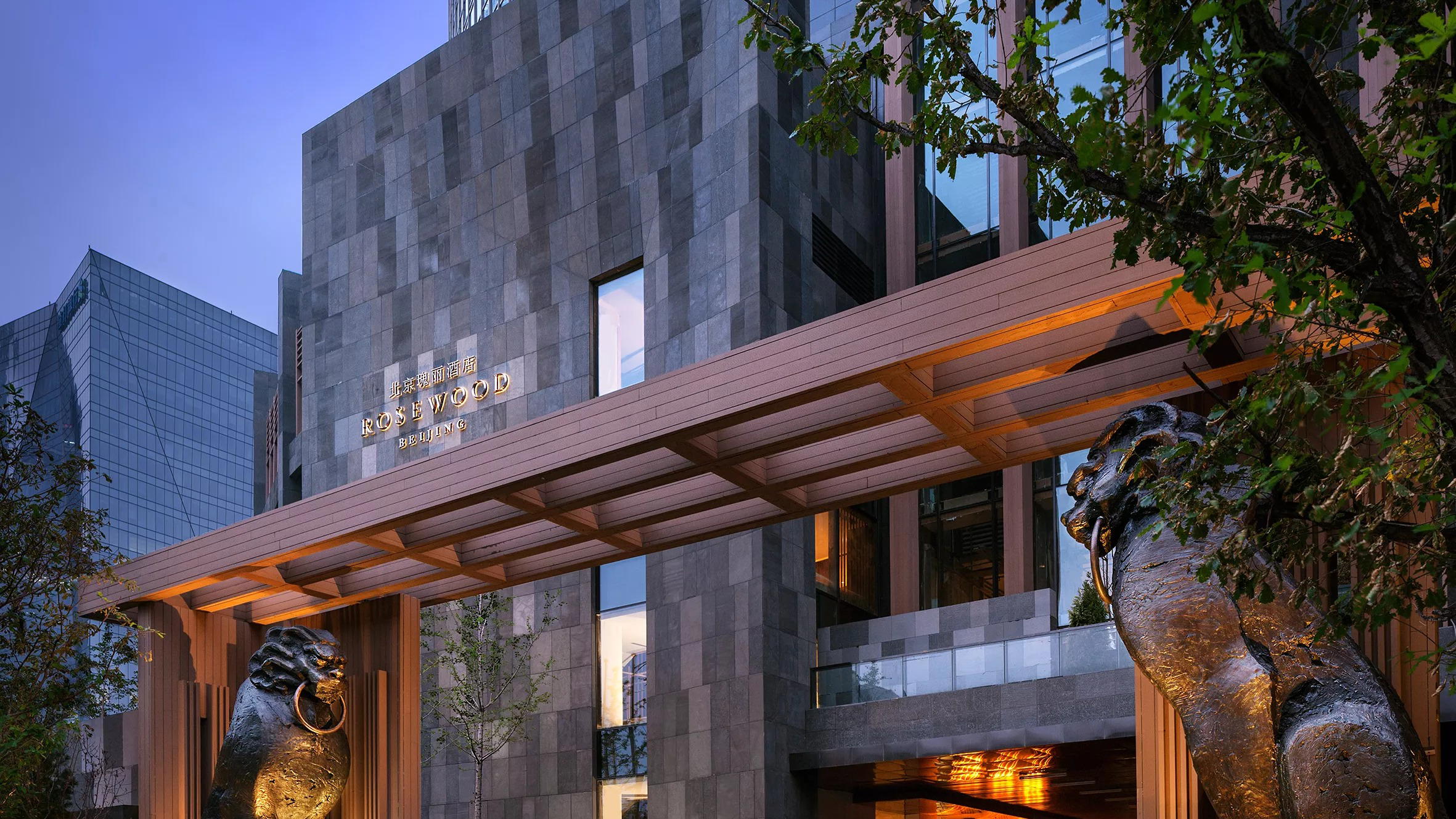
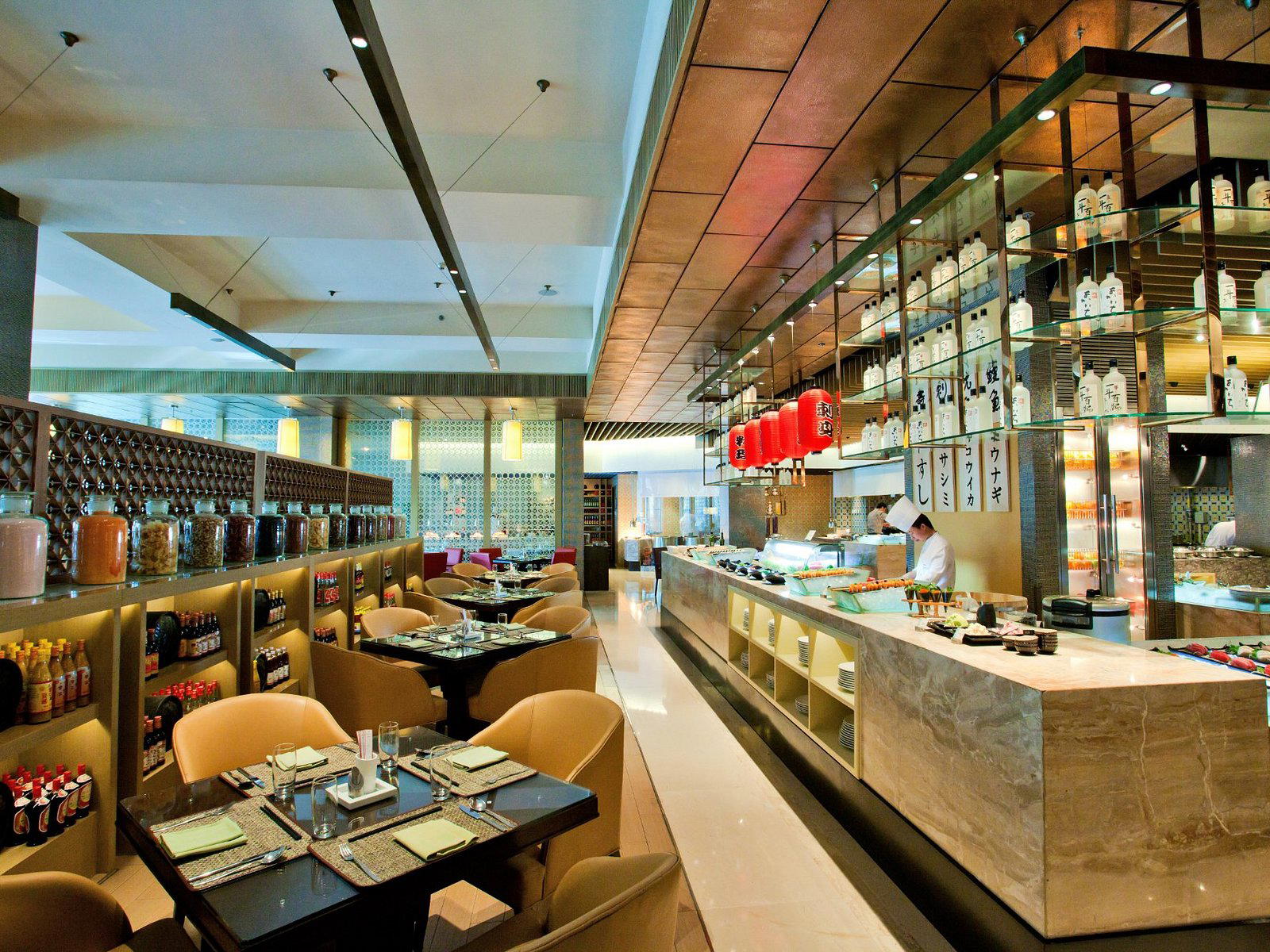
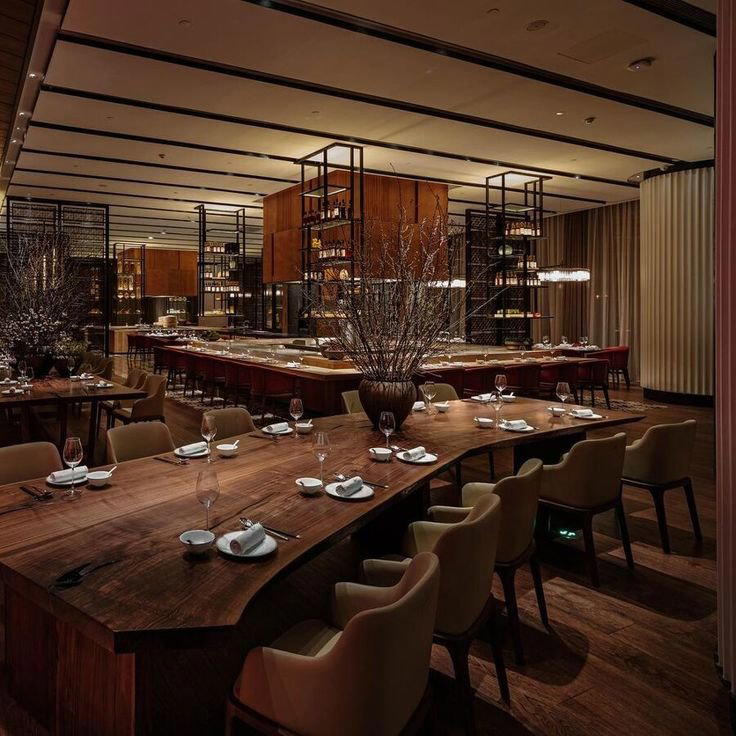
Modern and inspiring atmosphere at the crossroads of art and urban energy, with premium, comfortable rooms and public areas designed for business and leisure travelers.