A converted brick kiln compound set directly below the Mutianyu section of the Great Wall in Huairou District, Brickyard Retreat occupies a category of its own among Beijing-area escapes: genuinely rural, architecturally coherent, and positioned close enough to the Wall that early-morning access requires only a short walk. The food programme leans on local produce and open-fire cooking, holding its own against far more resourced city alternatives.

Pearl is the En Primeur Club membership app, where members save venues, book tables and use the concierge.
Wall-Adjacent, and Deliberately So
Most properties marketed around the Great Wall of China keep the Wall at a comfortable, photogenic distance. Brickyard Retreat at Mutianyu does the opposite. Set in Beigou Village, Huairou District, the compound sits close enough to the Mutianyu section that the crenellated silhouette registers from the grounds without a telephoto lens. That proximity is the primary editorial fact about this property, and everything else, the food programme, the room layout, the pace of the place, follows from it.
Mutianyu itself occupies a different tier from Badaling, the Wall section most international tour buses reach. It is less trafficked, better restored along its original Ming-dynasty stonework, and flanked by forested ridgelines that make the approach feel earned rather than ticketed. Brickyard has positioned itself as the logical overnight base for that section, and the argument holds up: early-morning access, before day-visitor coaches arrive, is the measurable advantage the address provides.
The Architecture and What It Tells You About the Programme
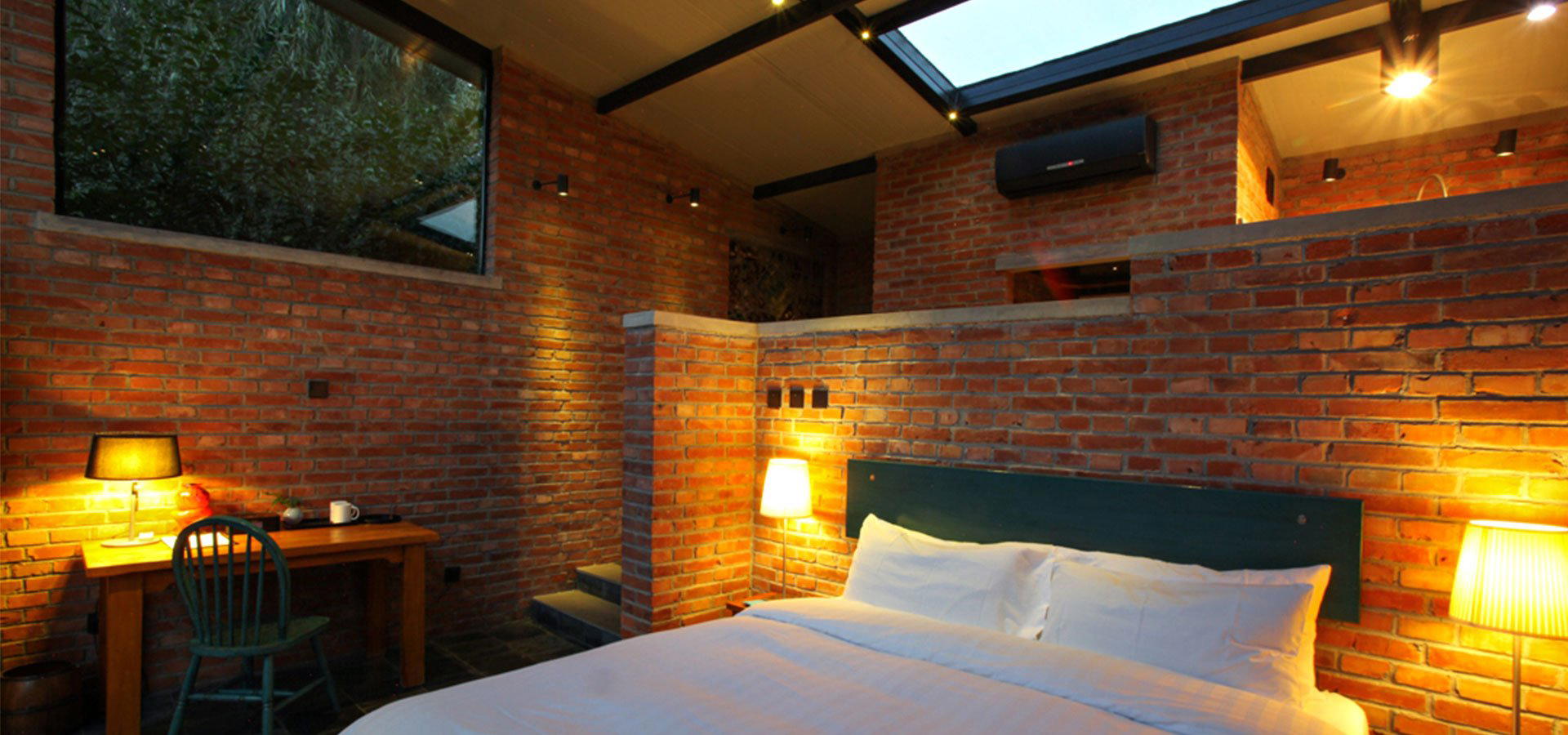
The property occupies a converted brick kiln and surrounding farm buildings, a building typology common to rural Huairou but rarely preserved with this degree of material honesty. Exposed brick, low-ceiling volumes, and courtyard orientations define the spatial character. This matters for the food and hospitality programme because the physical constraints of the compound, its scale, its orientation toward outdoor gathering, its separation from the supply chains of central Beijing, set the editorial frame for how the kitchen operates.
Properties working within similar constraints across rural China, from Amanfayun in Hangzhou to Amandayan in Lijiang, have found that the most coherent food programmes are those that accept the logic of their location rather than importing urban restaurant formats into rural compounds. At Brickyard, the food skews toward fire-cooked preparations, hearty regional fare, and local sourcing from Huairou's vegetable and grain farms, a sensible response to being an hour and a half from the supply density of central Beijing.
The Dining Programme in Context
Beijing's hotel dining scene at the upper end is shaped by a small cohort of city-centre properties, among them Mandarin Oriental Qianmen, Bvlgari Hotel Beijing, and Four Seasons Hotel Beijing, each running restaurants that compete with the city's standalone dining circuit and invest accordingly in chef talent and imported product. Brickyard does not sit in that competitive set and would be misread if evaluated against it.
The relevant comparison is a smaller category: rural retreat properties where the dining programme functions as a complement to landscape immersion rather than as a destination in its own right. In that frame, the question is whether the food is good enough to keep you on-site in the evening after a day on the Wall, and by most accounts it clears that bar. The kitchen's orientation toward Northern Chinese cooking traditions, braised meats, grain-based staples, and preserved vegetables, aligns with the regional character of Huairou rather than performing a generic international menu.
For guests accustomed to the food programming at, say, Aman Summer Palace in Beijing's western suburbs, Brickyard will feel pared down. That is by design rather than by deficit. The property's value is in the specificity of its location and the coherence of its register, not in the breadth of its culinary offer.
Getting There and Booking Logic
Huairou District sits roughly 70 kilometres north of central Beijing. The standard approach is by private car or organised transfer, as public transport connections to Beigou Village are limited and add considerable time. Most guests coordinate arrival through the property directly. Given the distance from the city and the limited room count typical of converted rural compounds at this scale, advance booking is advisable, particularly for weekends between April and October, when Mutianyu sees its highest day-visitor pressure and the case for overnight access becomes strongest. Winter visits, November through February, bring quiet on the Wall itself and a different atmospheric register entirely, with snow cover on the stone parapets and far shorter queues at the cable car terminal.
Compared to the logistical straightforwardness of booking an urban Beijing property like Conrad Beijing or Fairmont Beijing Hotel, Brickyard requires more planning around transfer and timing. That friction is part of the point: the property works precisely because it is not frictionless.
How It Sits in the Broader China Escape Category
China's landscape-retreat segment has grown considerably over the past decade, with properties across Yunnan, Sichuan, and the northeast, including Mohe Youran Mountain Residence in Da Hinggan Ling and Vanke Lake Songhua Yunlu Hotel in Jilin, establishing that a market exists for properties where landscape is the primary product and the hotel infrastructure serves rather than competes with it. Brickyard sits comfortably in that pattern, with the added credential of the Wall itself as the landscape anchor.
The Mutianyu section's management has also improved the visitor experience over the years, with English-language signage, a functioning gondola system, and a toboggan descent route that has attracted a younger demographic. That broadening of the Wall's visitor base has in turn expanded the potential guest profile at Brickyard beyond the heritage-tourism circuit it once served exclusively.
For reference on what the broader Beijing market offers, our full Beijing restaurants guide covers the city-centre dining scene in detail, which serves as a useful contrast when planning how to split time between urban programming and a Mutianyu overnight.
Planning Your Stay
Brickyard Retreat sits in Beigou Village, Huairou District (postal reference CHJ2+C54), accessed by private transfer from central Beijing. The drive runs approximately 90 minutes depending on traffic, with the final stretch through the valley road being the most scenic portion. Peak-season weekends from May through September book ahead, and the spring shoulder months of April and early May offer the clearest combination of manageable visitor numbers and full-foliage hillsides. Guests interested in comparing the rural retreat format against Aman's approach to historically significant Chinese landscapes may also consider Amanfayun in Hangzhou or Amandayan in Lijiang as reference points, though neither offers proximity to the Wall itself.
Budget Reality Check
| Venue | Price | Awards |
|---|---|---|
| Brickyard Retreat at Mutianyu Great WallThis venue (the venue you are viewing) | Not listed | Not listed |
| Aman Summer Palace | $1,000–1,500 | Forbes 4-Star |
| Bvlgari Hotel Beijing | Not listed | 2 Michelin Keys · La Liste Top Hotels |
| Conrad Beijing | $200–300 | Forbes Recommended |
| Fairmont Beijing Hotel | Not listed | Forbes Recommended |
| Four Seasons Hotel Beijing | $500–750 | Michelin Selected · La Liste Top Hotels |
Continue exploring
More in Beijing
Details
- Scenic
- Rustic
- Quiet
- Cozy
- Intimate
- Romantic Getaway
- Wellness Retreat
- Weekend Escape
- Panoramic View
- Historic Building
- Wi Fi
- Spa
- Fitness Center
- Room Service
- Concierge
- Mountain
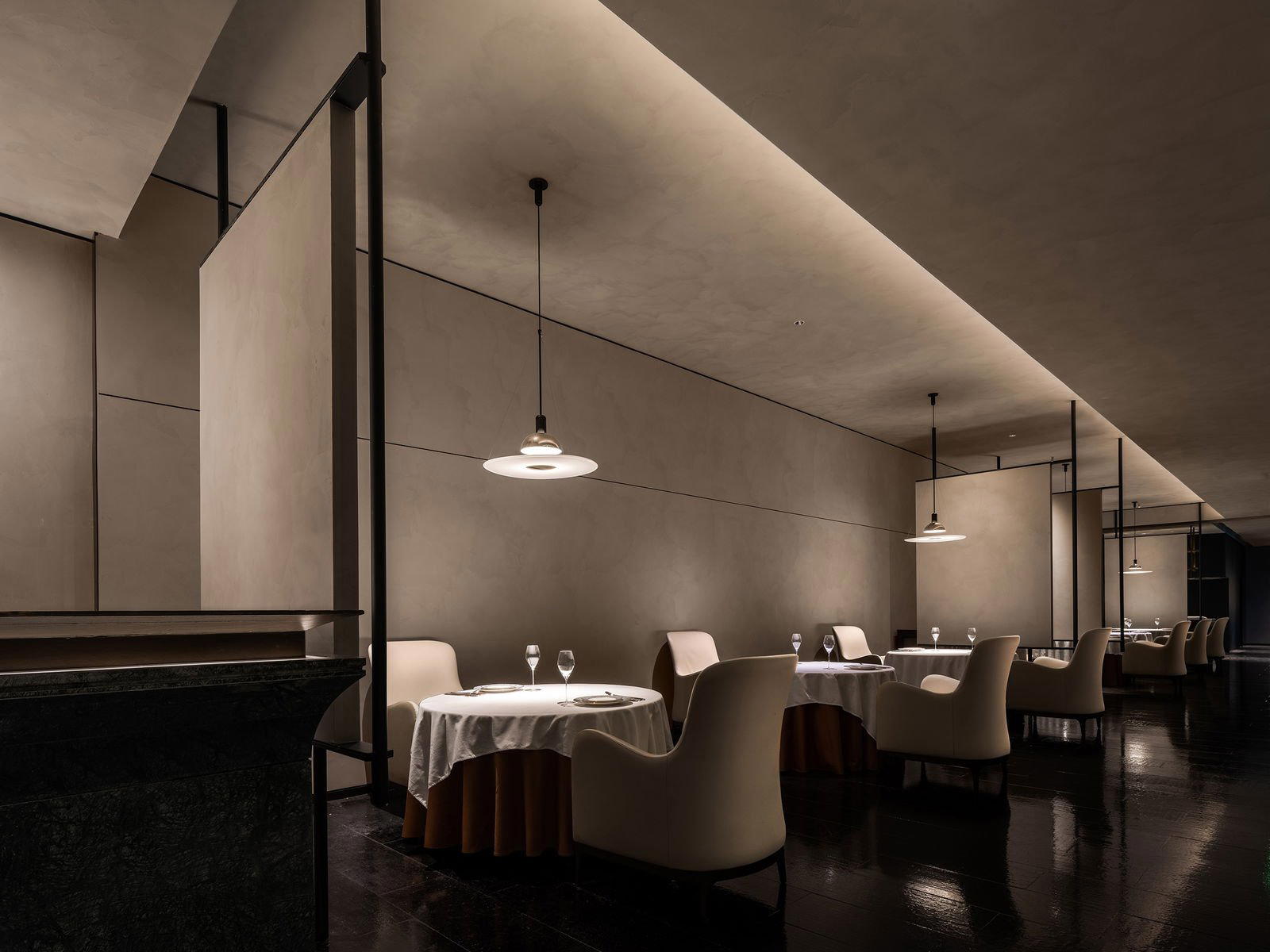
Tranquil and zen-like with natural light, gardens incorporating original tiles, and cozy fireplaces.