Listed in Tatler's Best Bars Asia-Pacific 2025, Hide & Seek occupies a garden setting inside Lido Park in Chaoyang District, operating as a cocktail bar and café hybrid that draws on Chinese ingredients and an unhurried, oasis-style atmosphere. It sits at the more concept-driven end of Beijing's bar scene, where ingredient narrative and setting carry as much weight as the drink itself.
Pearl is the En Primeur Club membership app — saves, bookings, and concierge access live there. Same editors, same standards.
- Address
- Inside Lido Park, Fangyuan West Road, Chaoyang District, Beijing, China
- Phone
- +86 130 0108 9118
 Saves & bookings on Pearl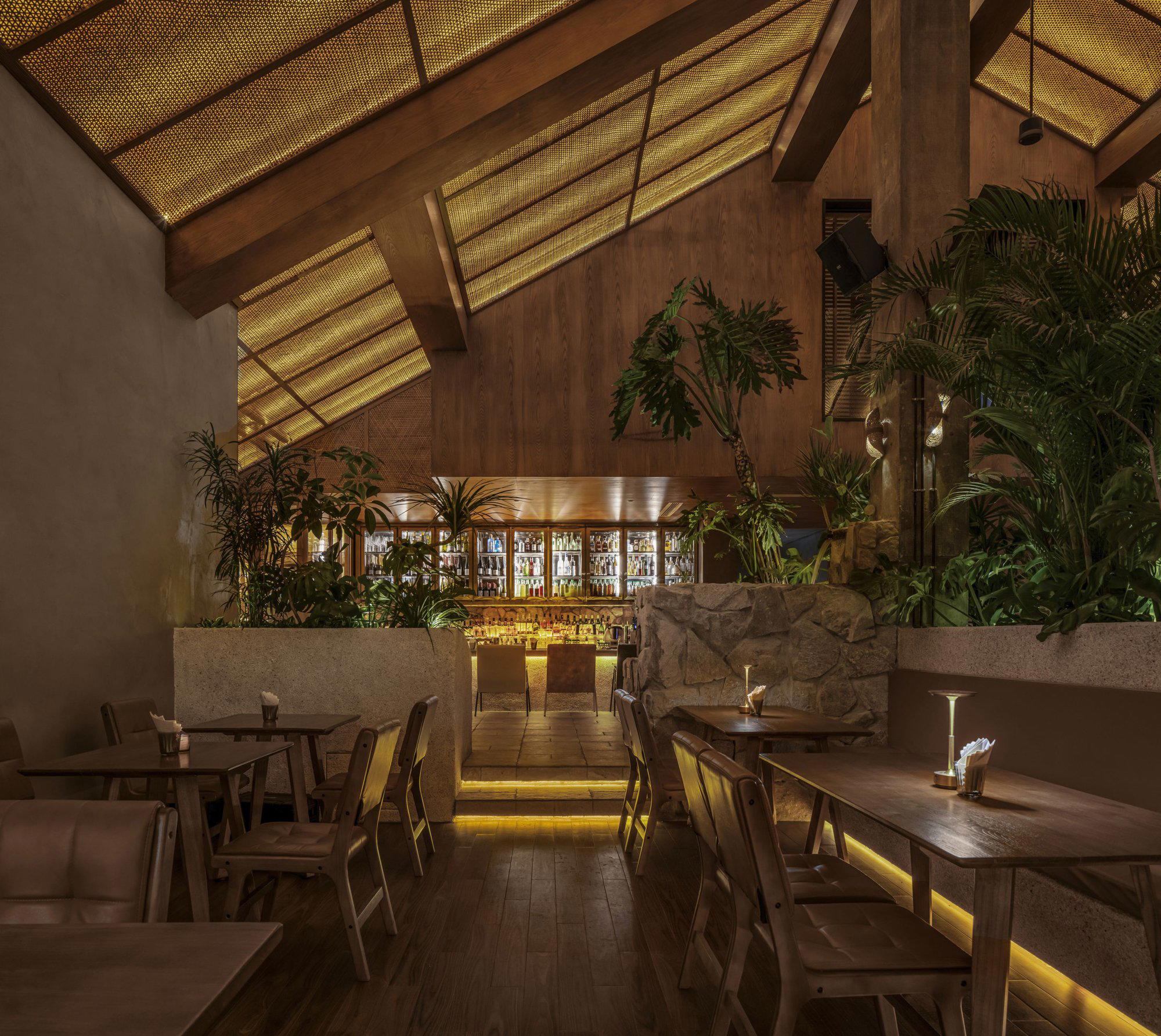
An Oasis Format in a City of High-Concept Bars
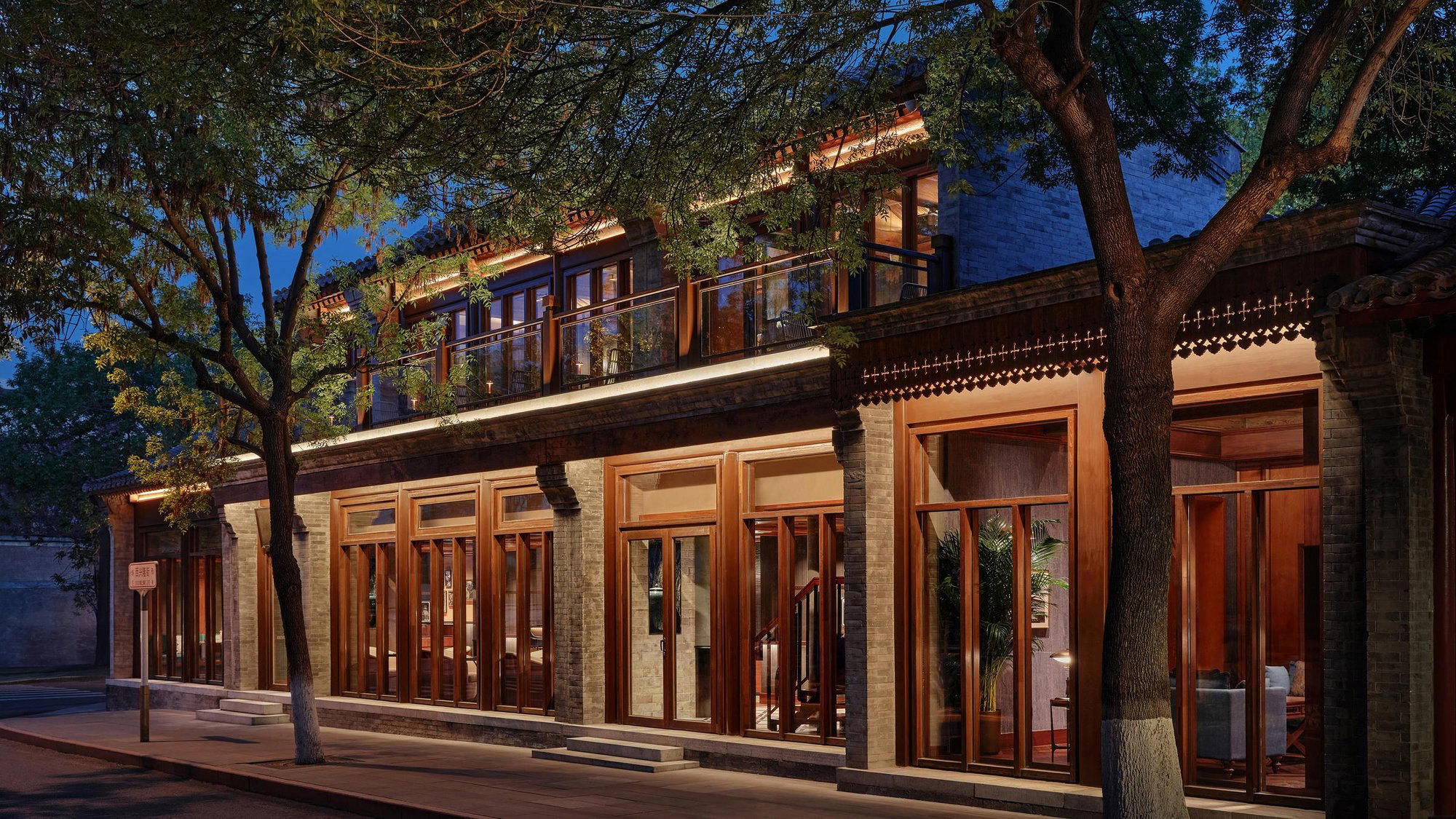
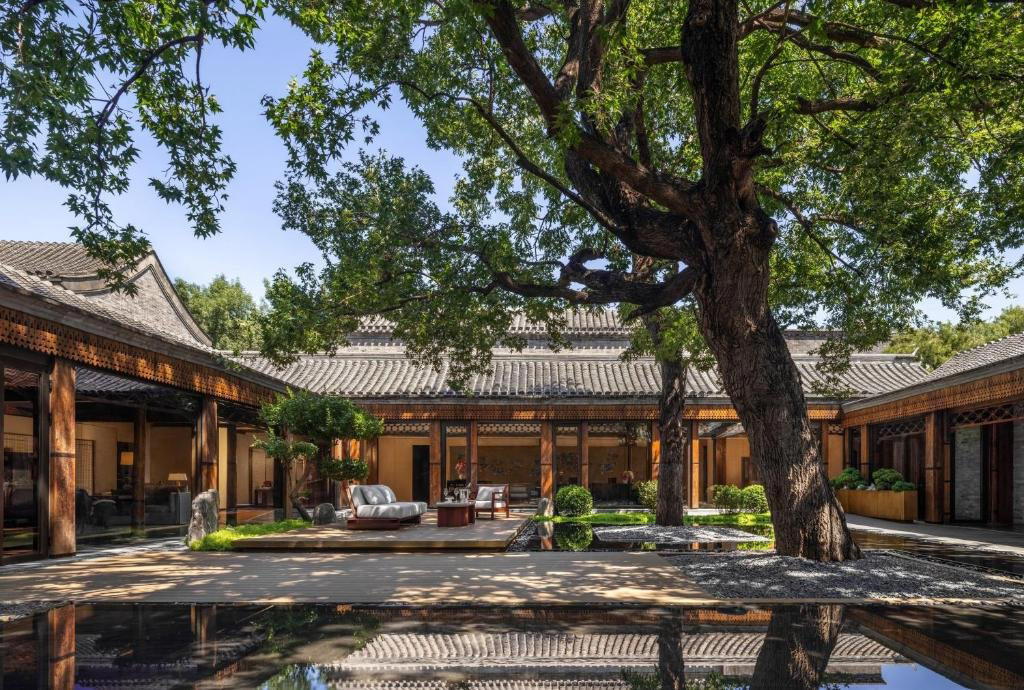
Beijing's cocktail bars have, over the past decade, split into two recognisable camps: the downtown speakeasy tier, where low lighting and theatrical service dominate, and a smaller cohort of neighbourhood-embedded spaces that trade on setting, pace, and ingredient storytelling. Hide & Seek belongs firmly in the second group. Situated inside Lido Park on Fangyuan West Road in Chaoyang District, it operates from a parkland address that already signals a different tempo before you reach the bar itself. The physical environment does much of the editorial work: greenery, ambient light, and a sense of deliberate remove from the city's more relentless drinking circuits.
That positioning is not accidental. The bar's framing around an "Urban Oasis Getaway" philosophy reflects a broader shift in how serious bars in Chinese cities are differentiating themselves. Where earlier-generation cocktail bars competed on technique and rarity of spirit, a newer wave competes on total atmosphere, what surrounds the drink, not just what's in the glass. Hide & Seek's Lido Park address gives it a structural advantage in that competition: the setting cannot be replicated by a competitor who opens a room downtown.
Chinese Ingredients as the Back Bar's Foundation
The editorial angle that defines Hide & Seek within Beijing's bar scene is its commitment to Chinese ingredients as a primary driver of flavour, not as decoration applied to an otherwise Western-structured programme. This aligns it with a movement visible across China's most-watched bars of the past several years. Bars like Hope & Sesame in Guangzhou and Coa (Shanghai) in Shanghai have built recognised programmes around indigenous botanicals, regional spirits, and local fermentation traditions. Hide & Seek operates in that lineage, applying the same logic to a Beijing context with its own regional pantry.
What this means in practice is that the curation decisions behind the bar reflect a different supply chain than a standard international cocktail programme. Baijiu, huangjiu, local herbal distillates, and ingredient categories specific to Chinese culinary tradition form the structural vocabulary. The back bar at a venue with this orientation reads less like a global spirits showcase and more like a considered regional argument, bottles chosen to support a flavour thesis rather than to demonstrate range for its own sake. That kind of curation discipline is what separates a concept bar from a well-stocked one.
Tatler's inclusion of Hide & Seek in its Leading Bars Asia-Pacific 2025 list places it among the region's notable bars. Within Beijing specifically, Hide & Seek joins Janes & Hooch as one of the city's entries earning regional attention, two bars that approach the city's cocktail conversation from different angles.
The Café-Bar Hybrid Format
One structural fact about Hide & Seek that shapes both who visits it and when is its positioning as a cocktail bar and café hybrid. This format is increasingly common across Asia's more design-conscious bar openings, and it solves a practical problem: it extends the operating window across daylight hours, creates a lower-threshold entry point for visitors who might not commit to an evening cocktail session, and softens the atmosphere in a way that allows a broader type of customer to feel at home.
For visitors or residents, this hybrid format has practical utility. You can arrive in the afternoon, spend time in a thoughtfully constructed environment, and calibrate your evening from there. The Lido Park setting reinforces this: a park-adjacent address naturally pulls in a daytime audience that a basement bar cannot reach.
The format also positions Hide & Seek differently from the more overtly serious cocktail rooms operating in Beijing's central business and entertainment districts. It is not competing primarily for the after-dinner drinking crowd. It is building a different kind of loyalty, one based on repeat visits across different times of day rather than single-occasion destination dining.
Where Hide & Seek Sits in Beijing's Broader Bar Scene
Beijing's cocktail culture has developed more slowly than Shanghai's but has produced a distinct identity, one that is less internationally networked than Shanghai and more focused on serving a local professional and expatriate community with specific neighbourhood needs. Chaoyang District, where Hide & Seek operates, has historically been the address of choice for internationally oriented residents, and the Lido area within it carries a particular association with the city's expatriate residential concentration.
That context matters for understanding what Hide & Seek is doing and for whom. A bar in this location draws from a community that has experience of bar culture in other cities and regions, which raises the baseline expectation. The Tatler recognition confirms that Hide & Seek is meeting a standard that reads beyond its immediate neighbourhood.
Across China's broader cocktail circuit, the bars currently generating sustained attention are those that have found a clear identity rather than a broad appeal strategy. Obsidian Bar in Shenzhen, CMYK in Changsha, and ÉPANOUIR in Xiamen each operate from a distinct position rather than trying to be a comprehensive cocktail destination. Hide & Seek follows the same logic: oasis setting, Chinese ingredient focus, café-bar accessibility. Three pillars, clearly maintained.
For travellers moving across the region, the comparative frame is useful. The Ritz-Carlton Bar & Lounge in Macau and Bar Leather Apron in Honolulu represent the hotel-anchored end of regional bar culture. FLAIR in Wuhan, Lobby Bar in Nanjing, and Jeno Belgium Pub in Hsi An cover the range of approaches emerging in China's secondary cities. Hide & Seek's place in this geography is as Beijing's oasis-format entry in a national conversation about what a serious bar can look like beyond the standard template.
Planning Your Visit
Hide & Seek is located inside Lido Park on Fangyuan West Road in Chaoyang District, an address that sits away from Beijing's central bar clusters and is best reached by taxi or rideshare rather than on foot from the main tourist circuits. The Lido area is well served by both options. As a venue that operates as both a café and bar, it covers more of the day than a standard evening-only cocktail room, making it viable for afternoon visits as well as evening ones. Given its Tatler 2025 recognition, demand has grown;
Pricing, Compared
Comparable venues nearby, for context on price, style, and recognition.
| Venue | Cuisine | Price | Awards | Notes |
|---|---|---|---|---|
| Hide & SeekThis venue — the venue you are viewing | Not listed | $$$ | Not listed | Not listed |
| Janes & Hooch | Tuanjiehu, speakeasy | $$$ | World's 50 Best #18 | Not listed |
| 1949 The Hidden City | Not listed | $$$ | Not listed | Chaoyang District, Upscale Peking Duck & Chinese Fine Dining |
Recognition history
Dated appearances from independent guides and award organizations, with the underlying list record or original source where available.
Tatler Listed in Best Bars Asia-Pacific
Tatler

At a Glance
- Trendy
- Cozy
- Modern
- Date Night
- Casual Hangout
- Design Destination
- Lounge Seating
- Outdoor Terrace
- Private Rooms
- Craft Cocktails
- Street Scene
Amazing environment and atmosphere like a tropical daydream with subtropical style and holiday vibe.