
Michelin Selected
Holding a MICHELIN Selected distinction in the 2025 guide, Sunrise Suites Kyoto operates from Minami-ku, a quieter southern district that sits outside the temple-circuit crowds while remaining connected to the city's transit grid. The property represents a compact, suite-format tier of Kyoto accommodation where neighbourhood calm and considered scale take precedence over lobby spectacle.

Pearl is the En Primeur Club membership app — saves, bookings, and concierge access live there. Same editors, same standards.
- Address
- 120-1 Nishikujo Hieijocho, Minami-ku, Kyoto Prefecture, Japan
- Phone
- 075-585-1118
Southern Kyoto and the Case for Staying Outside the Centre
Kyoto's accommodation market has long been dominated by properties clustered around Higashiyama, Gion, and the central hotel corridor along Shijo-dori. The logic is obvious: proximity to temples, machiya streets, and the morning ritual crowds. But that concentration has a cost. Nightly rates in those districts now reflect peak demand year-round, and the quieter hours between sightseeing blocks are spent navigating foot traffic rather than recovering from it. A parallel tier of properties has emerged in response, positioned in residential and transitional districts where the city's character is still present but the density is not.
Minami-ku, where SUNRISE SUITES KYOTO sits at 120-1 Nishikujo Hieijocho, belongs to that tier. The southern ward is functionally connected to central Kyoto via the city's rail network, and Kyoto Station itself is close enough to serve as a practical hub for day trips across the Kansai region. What the district lacks in designated heritage corridors it compensates with a lower operational pace and a residential texture that the tourist-dense wards have largely surrendered.
MICHELIN Selection and What It Signals in the Hotel Category
SUNRISE SUITES KYOTO holds a MICHELIN Selected distinction in the 2025 guide, placing it inside a curated set that the Michelin inspectors have identified as warranting attention without necessarily reaching the starred tiers. In Kyoto Prefecture, that selection carries real weight: the city's hotel pool is large, and the MICHELIN hotel guide applies the same consistency-of-standard logic it uses for restaurants. Inclusion signals that the property met a threshold for quality, comfort, and character, not simply that it submitted for consideration.
Within Kyoto's broader accommodation picture, the MICHELIN Selected category tends to capture properties that operate with a clear identity and consistent execution rather than properties competing primarily on scale or brand recognition. Aman Kyoto and Four Seasons Hotel Kyoto occupy the large-footprint luxury end of the market. SUNRISE SUITES KYOTO, by its suite-format name and southern address, operates in a different register entirely.
The Suite Format as an Environmental and Spatial Argument
Japan's smaller, suite-led properties have quietly become one of the more coherent responses to the question of what sustainable hospitality looks like in practice. The logic is structural rather than marketing: fewer rooms mean lower energy and water throughput, procurement is easier to control and source responsibly, and the staff-to-guest ratio can be maintained at a level where service is attentive without being overstaffed in ways that create waste. Properties like Hoshinoya Kyoto and Higashiyama Shikikaboku have built their reputations partly on that kind of operational restraint.
The suite format also tends to reduce the high-turnover pressure that pushes larger hotels toward synthetic materials and standardised amenities. In Kyoto specifically, where craft traditions in textiles, ceramics, and woodwork remain active and locally sourced, smaller properties have a practical advantage in incorporating those materials into rooms without the cost becoming prohibitive across hundreds of keys.
For travellers placing environmental criteria alongside comfort when selecting accommodation, the suite-led, smaller-footprint model in a non-central district is worth considering as a category. The alternatives at the top of Kyoto's market include Hotel Kanra Kyoto, which similarly works within a defined neighbourhood logic, and eph KYOTO, which occupies a design-led position in the city's accommodation spectrum.
Kyoto in the Context of Japan's Broader Premium Lodging Scene
Kyoto sits at one end of a spectrum of premium Japanese destinations that reward slower travel. At the other end of that spectrum are properties like Gora Kadan in Hakone and Zaborin in Kutchan, both of which operate in natural settings where the surrounding environment is inseparable from the accommodation experience. Amanemu in Mie and Asaba in Izu add onsen culture to that register. Kyoto's version of the same impulse is urban: the slow experience here is about neighbourhood rhythm, temple schedules, and the particular light of early mornings on stone-paved lanes rather than mountain air or thermal waters.
Within Kyoto, the comparison set for a MICHELIN Selected suite property also includes HOTEL THE MITSUI KYOTO at the upper end of the city's historic-context hotels, and properties like Nishimuraya Honkan in Kinosaki-cho and Kamenoi Besso in Yufu for travellers extending their Japan itinerary into ryokan territory. SUNRISE SUITES KYOTO occupies a middle position in that landscape: city-based, formally recognised, and operating at a scale that allows for considered rather than industrial hospitality.
Planning a Stay: What the Location Means Practically
Minami-ku is served by the JR Nishioji Station and the Kintetsu Kyoto Line at Toji, both within walking distance of the Nishikujo address. That access makes the property a workable base for Fushimi Inari, reached in under fifteen minutes by local rail, as well as for day trips to Nara, Osaka, and Uji without the need to cross the city. The tradeoff is distance from Gion and the Higashiyama temple walk, which require either a longer transit leg or a taxi. Travellers who structure their days around a single area tend to find that calculus unfavourable; travellers who move across the city or out of it daily will find Nishikujo's rail access more convenient than a central address that requires navigating pedestrian congestion to reach any platform.
Advance booking is advisable. Kyoto operates at high occupancy during cherry blossom season (late March to mid-April) and autumn foliage (mid-November), and MICHELIN Selected properties at the suite scale fill quickly in those windows. The shoulder months of May-June and September-October offer more flexibility, lower pricing pressure, and weather that is generally more comfortable for extended time on foot.
For comparison of the full range of Kyoto's recognised accommodation, our full Kyoto Prefecture restaurants guide maps the city's dining and hospitality options across districts and price tiers. Other properties worth examining alongside SUNRISE SUITES KYOTO include GRANBELL HOTEL KYOTO, Candeo Hotels Kyoto Karasuma Rokkaku, and Benesse House in Naoshima for travellers building a broader Japan itinerary that includes Setouchi.
Comparison Snapshot
Comparable venues nearby, for context on price, style, and recognition.
| Venue | Cuisine | Price | Awards | Notes |
|---|---|---|---|---|
| SUNRISE SUITES KYOTOThis venue — the venue you are viewing | Boutique Japanese-style suites with modern amenities in a historic-inspired setting | Not listed | Michelin Selected | Not listed |
| Candeo Hotels Kyoto Karasuma Rokkaku | Modern ryokan-inspired heritage hotel | $1–100 | Michelin Selected | Nakagyo Ward |
| GRANBELL HOTEL KYOTO | Modern designer hotel infused with authentic Kyoto Gion charm through collaborations with traditional craft creators. | Not listed | Michelin Selected | Higashiyama |
| Node Hotel | Contemporary boutique hotel inspired by a private art collector's residence, blending hospitality with curated contemporary art. | $100–200 | Michelin Selected | Shijo Nishinotoin, Nakagyo-ku |
| Kyoto Tokyu Hotel | Modern hotel with traditional Kyoto garden courtyard | $200–300 | Preferred Hotels Member | Shimogyō |
| Moxy Kyoto | Playful lifestyle hotel blending urban fun with Kyoto heritage. | $100–200 | Michelin Selected | Nakagyo-ku |
Recognition history
Dated appearances from independent guides and award organizations, with the underlying list record or original source where available.
Michelin Selected
Michelin




Details
- Quiet
- Elegant
- Cozy
- Classic
- Intimate
- Scenic
- Romantic Getaway
- Weekend Escape
- Garden
- Historic Building
- Wi Fi
- Garden
- Elevator
- Concierge
- Luggage Storage
- Garden
- Wheelchair Accessible
- Elevator
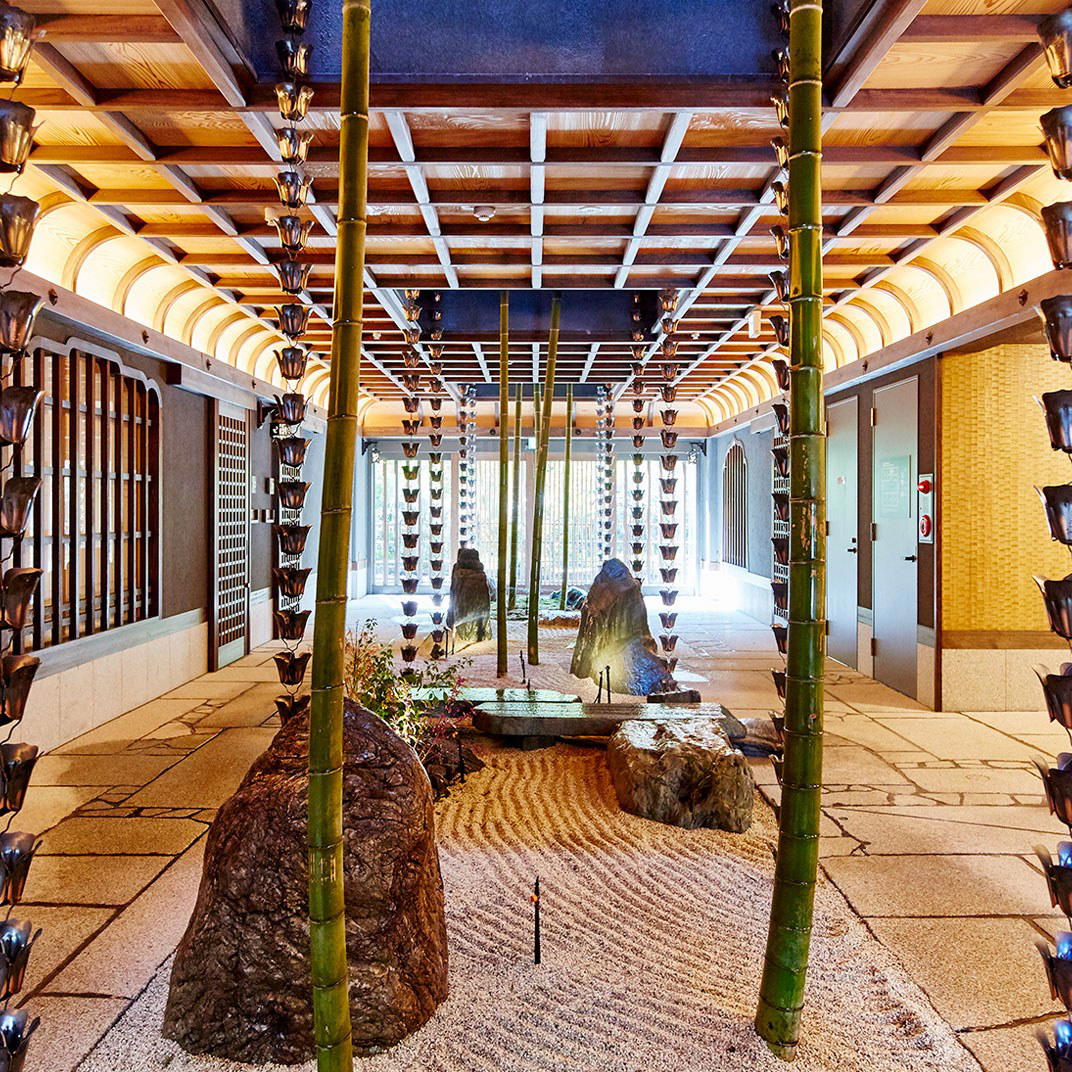
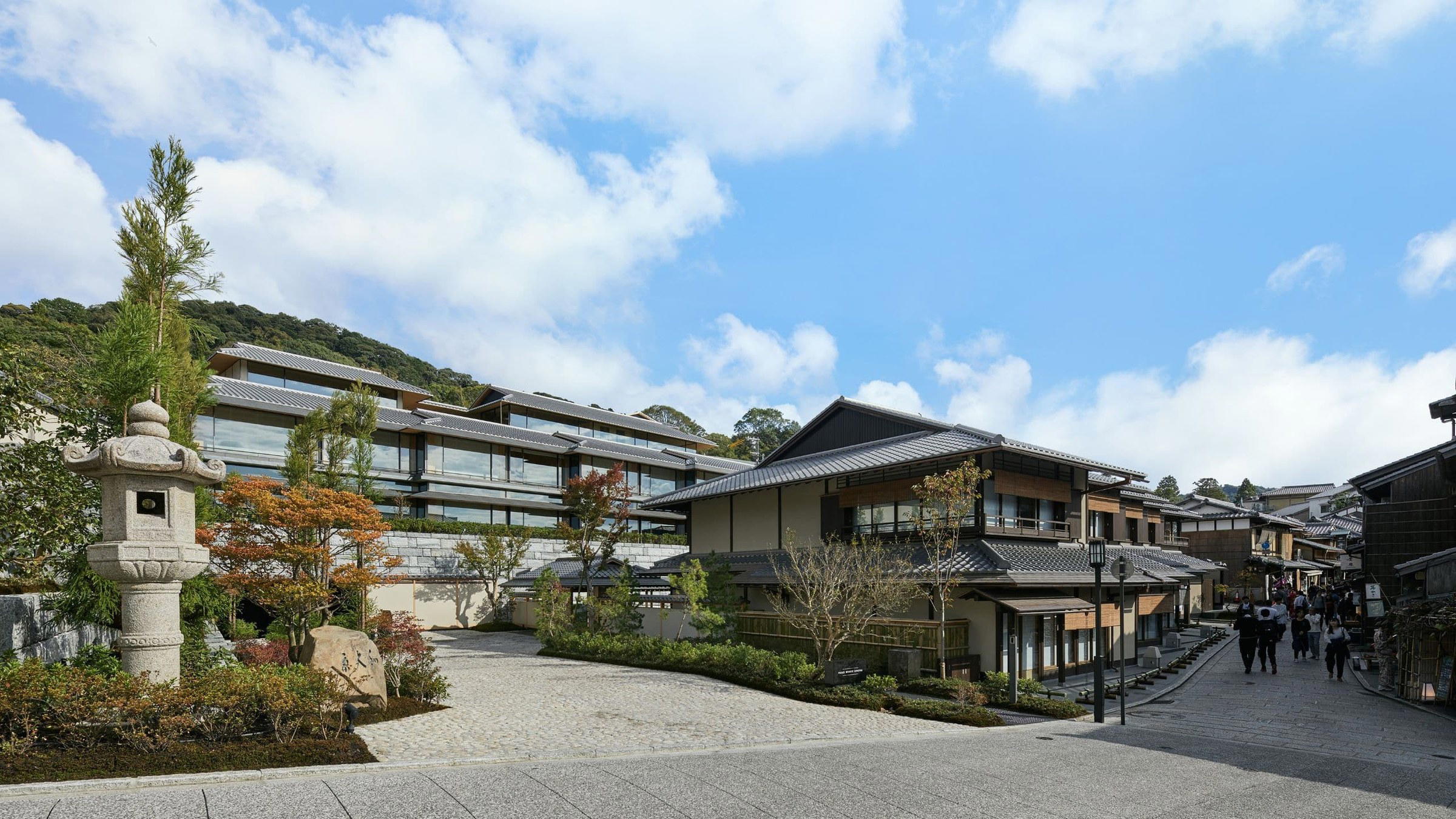
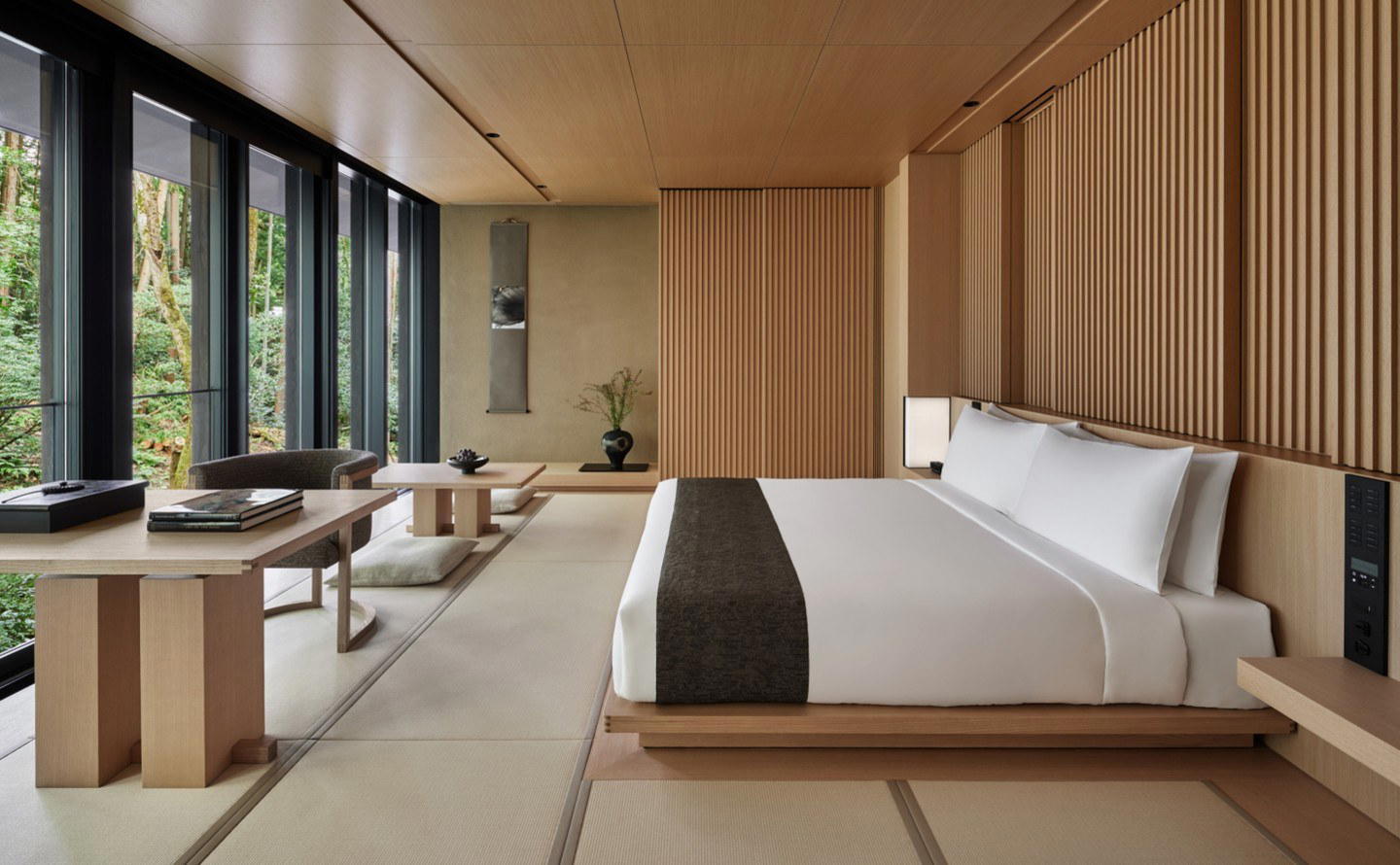
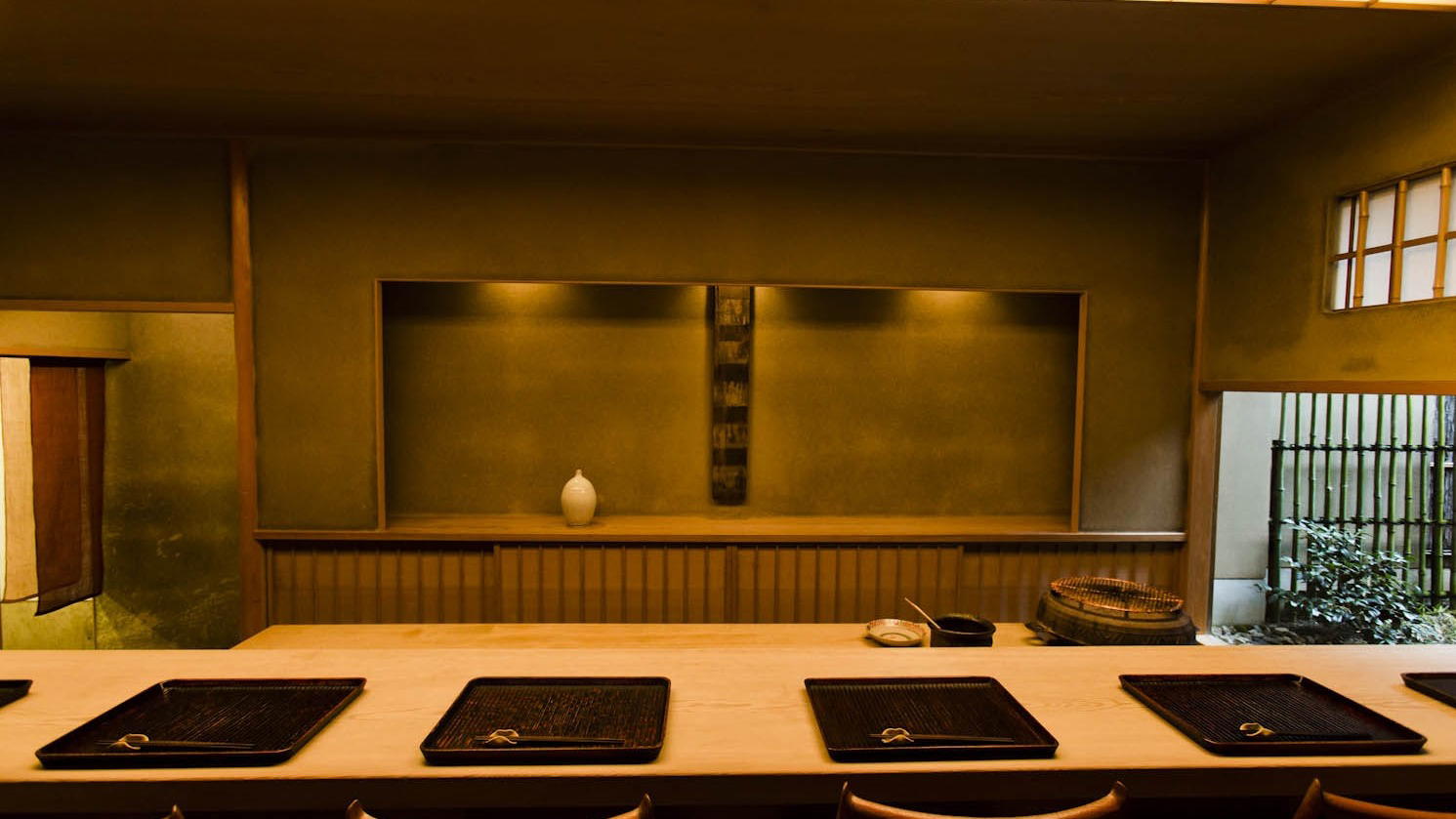
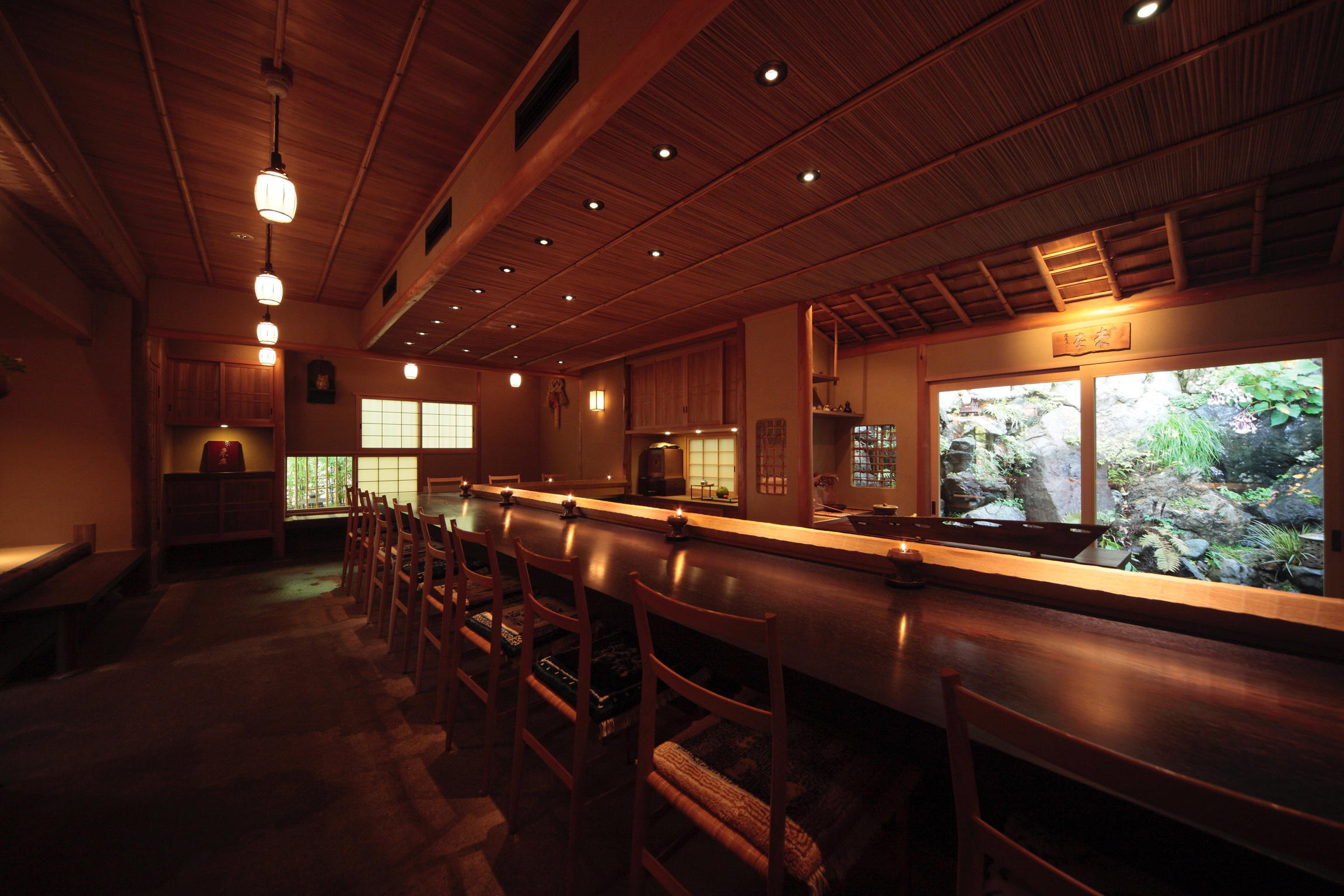
Cozy and serene with traditional Japanese motifs, soft lighting from latticework shoji-inspired designs, surrounded by tranquil indoor/outdoor gardens and koi ponds.