Four Seasons Hotel Seoul



Four Seasons Hotel Seoul occupies a 29-story glass-and-steel tower in Jongno District, steps from Gyeongbokgung Palace and Cheonggyecheon Stream. Rated 95.5 points on La Liste's Top Hotels 2026 and named South Korea's Leading Luxury Hotel at the 2025 World Travel Awards, it holds 317 rooms, eight food and beverage outlets, and a wellness floor that draws as many local guests as international travelers. Rates from approximately $641 per night.
 Discover on Pearl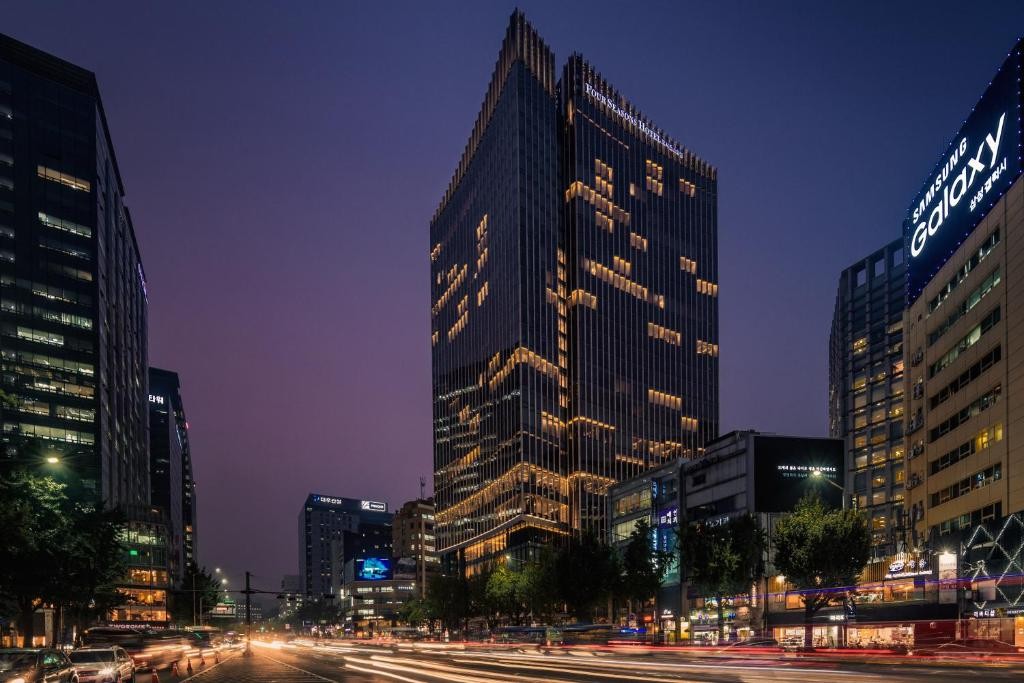
Where Jongno's History Meets a 29-Story Glass Tower
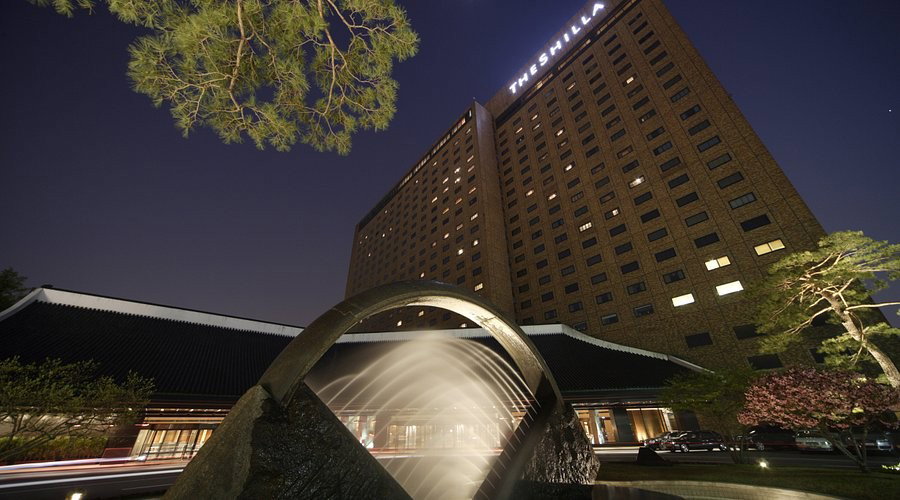
The approach to Four Seasons Hotel Seoul along Saemunan-ro sets up a quiet tension that runs through the entire property. Outside, a glass-and-steel facade rises 29 stories above one of Seoul's most historically charged corridors, minutes on foot from Gyeongbokgung Palace and the restored ribbon of Cheonggyecheon Stream. Architect Su Sin Tao of Singapore calibrated the building's geometry to recall the tiered rooflines of a Joseon-era palace, pushing that reference through a contemporary material vocabulary rather than literal recreation. The result belongs to a pattern visible across Seoul's premium hotel tier: properties that take Korean architectural memory seriously as a design brief, rather than deploying it as surface ornament.
The lobby reinforces this reading. Its central feature is a circular fireplace cast from an ancient bronze map of Korea, large enough to anchor the room without competing with the sightlines to the street and the mountains beyond. That decision to ground a modern hotel interior in a cartographic object from Korean history reflects a considered approach to place-making that separates this property from international-brand hotels that treat local identity as an amenity add-on. Among comparable addresses in central Seoul, including Fairmont Ambassador Seoul and Grand Hyatt Seoul, the Jongno location carries particular weight: it places guests inside the historical core of the city rather than the commercial density of Gangnam.
A Hotel Built Around What Seoul Found Beneath It
During construction, builders uncovered the remains of a medieval neighborhood underneath the site. Rather than clearing the archaeology to accelerate the build, the hotel preserved and displayed the excavated structures in the basement level, where they now serve as the setting for The Market Kitchen buffet. That decision carries more than symbolic weight. It signals an approach to development in which a site's pre-existing identity is treated as an asset rather than an obstacle, a posture that aligns with a broader shift in responsible luxury hospitality toward integration with place rather than erasure of it.
The archaeological display also provides a grounding counterpoint to what might otherwise read as a straightforwardly corporate five-star property. Guests moving through the lower levels encounter a record of the neighborhood's continuity across centuries, not just the hotel's own history since opening. In the Seoul hotel market, where new luxury builds have accelerated sharply over the past decade, this kind of layered relationship to site history represents a meaningful differentiator. For more context on how the Seoul hospitality scene has developed, see our full Seoul restaurants and hotels guide.
Wellness at Scale, and What That Means in Practice
Seoul's premium hotel sector has moved decisively toward comprehensive wellness programming as a key competitive axis. Four Seasons Hotel Seoul deploys that logic at a scale that is measurable: the fitness center covers 8,772 square feet and includes dedicated rooms for group classes alongside floor-to-ceiling windows. The pool floor offers three lap lanes, a heated vitality pool, a kids pool, and a panoramic sauna. These are standard markers of the international luxury wellness tier.
What distinguishes the property within that tier is the traditional Korean sauna experience on the ninth floor. Separate facilities for men and women, cold-warm-hot bath progressions, and both dry and wet sauna rooms place this offering inside the jjimjilbang tradition, adapted for a five-star context. For guests whose primary interest is recovery-focused travel, the ninth-floor facility answers a question that most international luxury hotels in Korea sidestep: how to connect wellness programming to local bathing culture rather than importing a generic European spa model. Properties such as Banyan Tree Club and Spa Seoul take a different approach, positioning spa as the hotel's central proposition; here it sits within a broader amenity stack rather than defining it.
Eight Outlets, One Address, and the Staycation Economy
No hotel in Korea operates eight food and beverage outlets under a single roof, and the data from the property suggests this distinction shapes guest behavior. A significant share of guests are Koreans on staycation, many of whom move deliberately through each outlet during their stay. This pattern reflects a broader shift in how Seoul's domestic luxury market engages with hotels: not as transient accommodation but as contained hospitality destinations, where the quality of the F&B; program determines whether a local guest books a second visit.
The eight-outlet structure also carries an implicit sustainability argument. Concentrating dining variety within a single building reduces the impulse to move guests through the car-dependent restaurant circuit that defines much of Seoul's premium dining scene. Whether that consolidation rises to a formal environmental commitment or remains a commercially convenient byproduct is a distinction the property does not make explicit, but the effect on guest movement patterns is observable.
The Rooms and What They Signal About the Hotel's Positioning
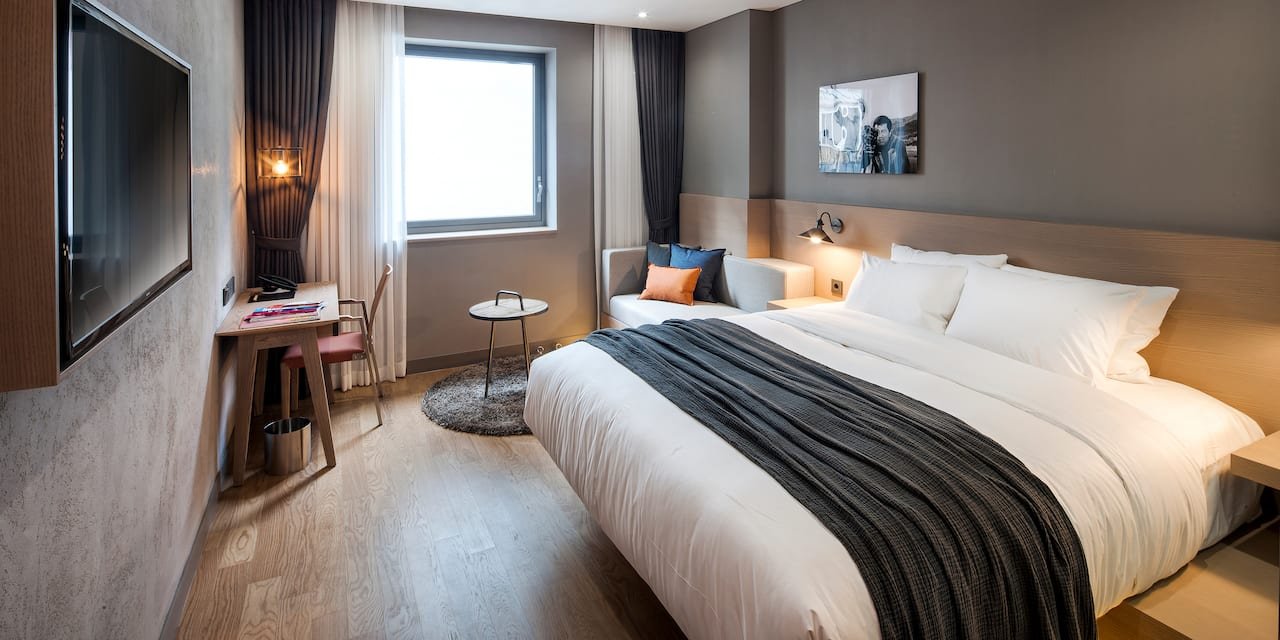
All 317 rooms are fitted with white Italian marble bathrooms, separate showers, double sinks, soaking tubs with city views, espresso makers, and iPad Minis integrated into the room communication system. These specifications place the property inside the upper band of Seoul's international luxury hotel set, alongside Conrad Seoul and the Grand Hyatt Seoul, rather than the smaller design-led properties such as Aman Seoul Cheongdam, which operate on a lower key count and a more curated material palette.
Suite guests access the 28th-floor Executive Club Lounge, which provides express checkout, unlimited snacks, beverages, and wine. The Presidential Three-Bedroom Suite runs to 4,445 square feet with a private sauna and full-city panorama. The Sejong Two-Bedroom Suite, at 2,217 square feet and named after Korea's most celebrated monarch, takes corner windows that frame the district's roofline at a height that separates it from the street-level noise of Jongno. The naming convention is deliberate: it grounds suite categories in Korean historical identity rather than generic luxury nomenclature. For travelers comparing Seoul's premium suite market against international benchmarks, properties like Aman New York or The Fifth Avenue Hotel offer a useful calibration of what the same price tier delivers in a different city context.
Recognition and Where It Places the Property
La Liste's 2026 Leading Hotels ranking assigned the property 95.5 points, placing it within the upper cohort of recognized luxury hotels globally. The 2025 World Travel Awards named it South Korea's Leading Luxury Hotel. A Google rating of 4.6 across 7,030 reviews suggests the recognition holds at volume, not just in curated critical assessments. Within Seoul, comparable flagship addresses include Grand InterContinental Seoul Parnas and Casino Hotel Seoul, each of which competes for a different traveler profile.
Planning Your Stay
The hotel sits at 97 Saemunan-ro in Jongno District, placing it on foot-commuting distance from Gyeongbokgung Palace, Cheonggyecheon Stream, and Seoul Plaza. Rooms start from approximately $641 per night. Suite-category bookings unlock access to the Executive Club Lounge on the 28th floor. The 10th-floor Golf Experience offers a virtual simulator with professional instruction, a detail that appeals to the Korean business travel market where golf access is a practical consideration rather than a leisure afterthought. Travelers planning broader itineraries across South Korea may want to pair a Seoul stay with properties in other regions, including Grand Hyatt Jeju, JW Marriott Jeju Resort and Spa, Ananti at Busan Cove, or smaller experiential addresses like Soi Hanok Stay in Gyeongju and Camptong Forest in Gapyeong.
Booking and Cost Snapshot
A quick peer check to anchor this venue’s price and recognition.
Continue exploring
More in Seoul
Hotels in Seoul
Browse all →
At a Glance
- Elegant
- Sophisticated
- Opulent
- Business Trip
- Romantic Getaway
- Family Vacation
- Rooftop Pool
- Panoramic View
- Wifi
- Pool
- Spa
- Fitness Center
- Room Service
- Concierge
- Business Center
- Valet Parking
- Ev Charging
- Skyline
- Mountain
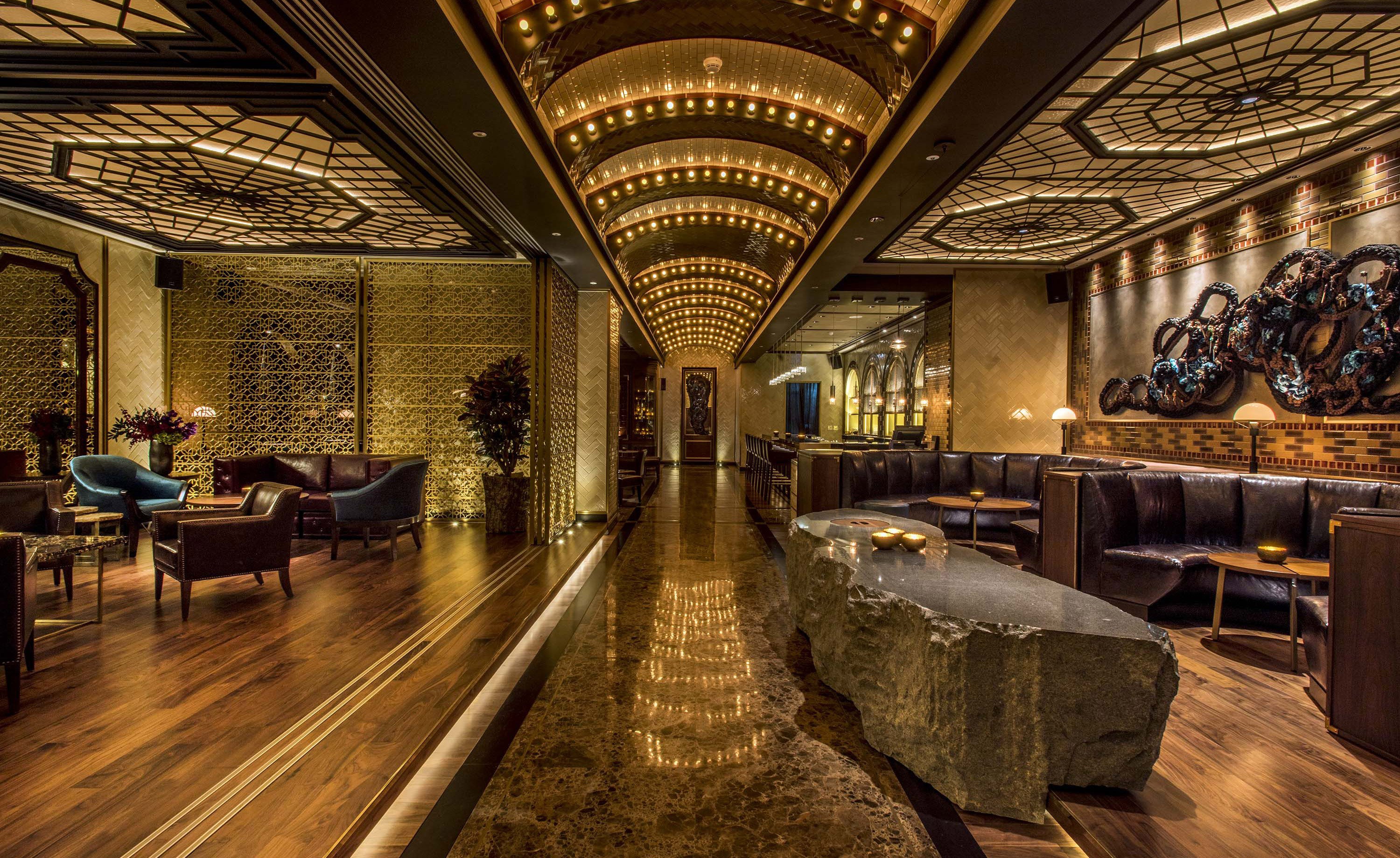
Serene and luxurious with natural light from large windows, high ceilings, contemporary Korean art, and a cast bronze fireplace creating an elegant atmosphere.