Viña Progreso sits in Canelones, Uruguay's most productive wine department. The address places it in the small town of Progreso, on rural roads where Canelones' fruit-forward, Atlantic-influenced viticulture takes shape. For travellers tracing Uruguay's wine geography beyond Montevideo, it belongs on the shortlist.

Pearl is the En Primeur Club membership app — saves, bookings, and concierge access live there. Same editors, same standards.
- Address
- Camino Delbono s, n, 8QJ3+PR2, 15900 Progreso, Departamento de Canelones
- Phone
- +59823690050
- Website
- vinaprogreso.com
- Directions
- Get directions
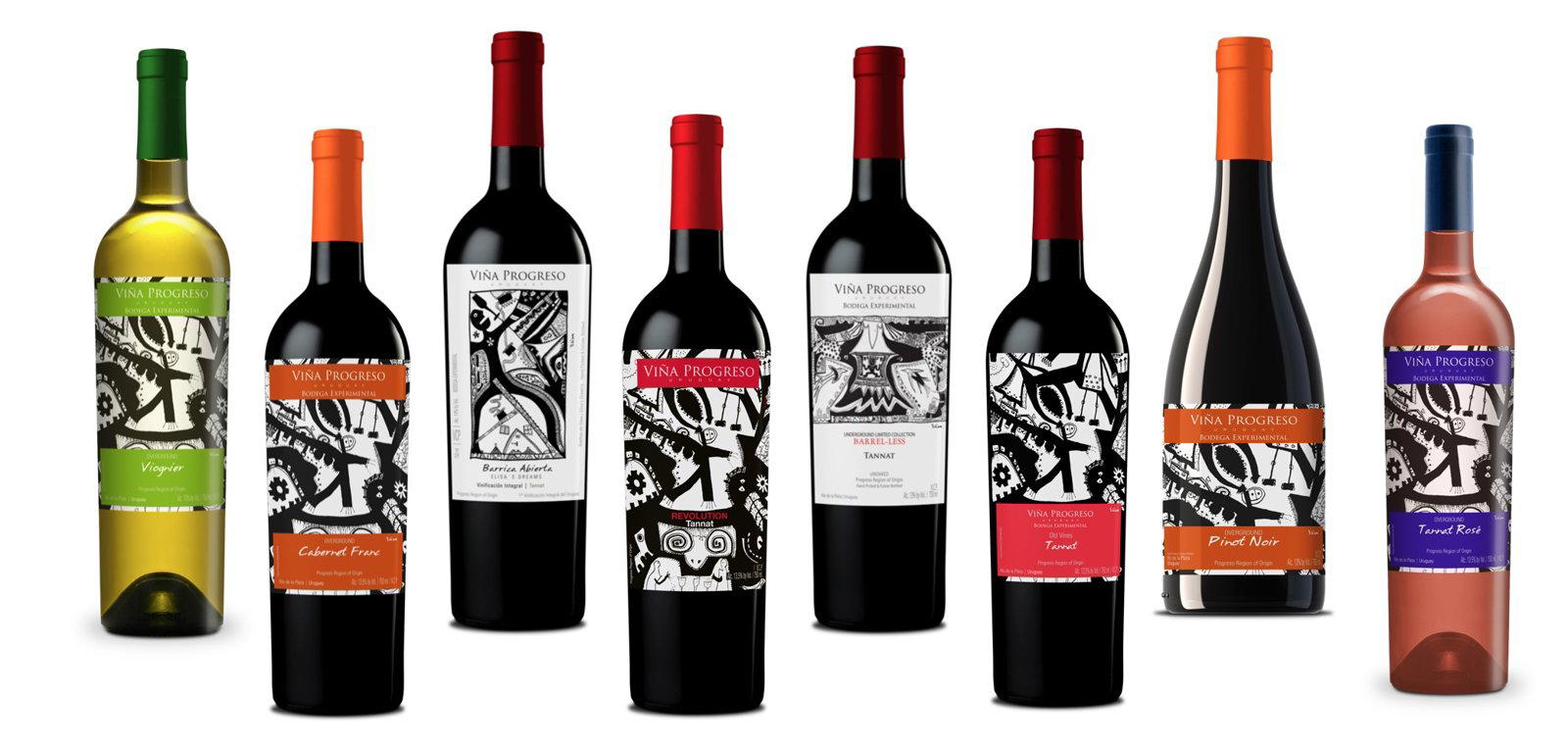
Progreso, Canelones: What This Corner of Uruguay Actually Produces
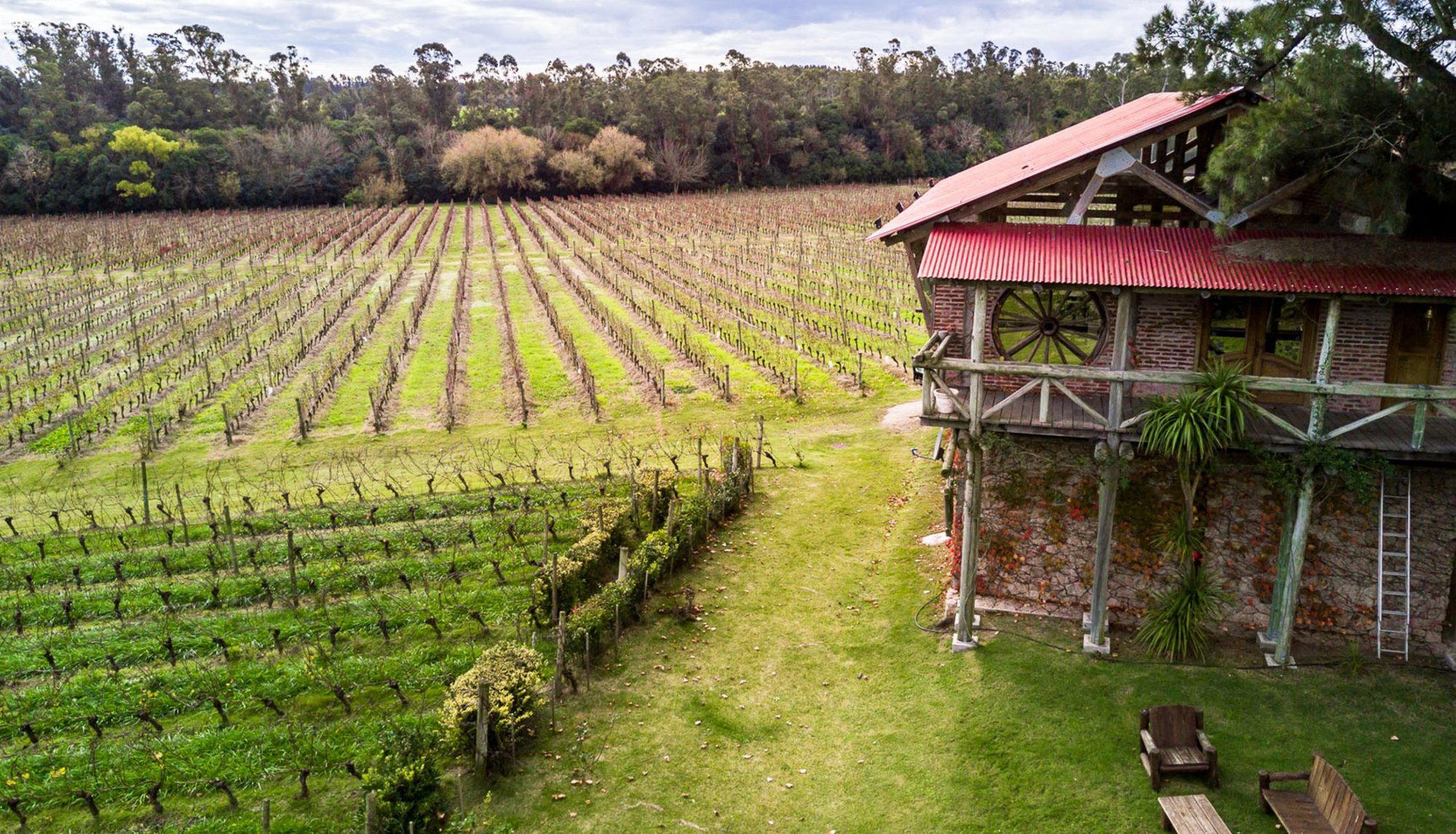
The town of Progreso sits in Canelones department, roughly between Montevideo and the interior, on the kind of flat, clay-heavy terrain that defines much of Uruguay's wine output. This is not the dramatic valley scenery associated with Argentine Mendoza or Chilean Colchagua. The visual register is quieter: low horizons, gravel roads, vineyards that blend into cattle pasture. What the land offers instead is consistent maritime influence from the Río de la Plata and Atlantic proximity, a moderate climate that extends the growing season and preserves acidity in ways that hotter South American wine regions cannot replicate.
Canelones produces the majority of Uruguay's total wine volume, and the department carries a dual identity. It supplies high-volume commercial production on one hand, and on the other, a cluster of serious estate wineries working with Tannat, Albariño, Viognier, and the Italian varietals that arrived with immigrant families in the late nineteenth century.
The Address and What It Signals
The Camino Delbono address locates Viña Progreso on a rural road outside the town centre, a pattern consistent with working wineries in this part of Canelones. This is not a polished wine-tourism corridor in the way that some visitors might expect from better-known New World wine regions. Getting here requires a car or pre-arranged transport from Montevideo, a journey of roughly thirty to forty minutes depending on traffic from the capital. That relative remove is part of the experience: Canelones' leading producers sit on working agricultural land, and visits have a functional, production-oriented character that distinguishes them from more theatrically packaged wine destinations.
Travellers who have covered the Uruguayan wine circuit tend to structure Canelones visits as day trips from Montevideo, combining two or three properties in a single afternoon. The department's geography makes this practical: several significant producers are clustered within a short driving radius. Varela Zarranz, Antigua Bodega Stagnari, and Artesana all operate in Canelones, as do Bodega De Lucca and Bodega Juanicó (Familia Deicas). Building an itinerary around multiple Canelones properties on a single day is more efficient than attempting to reach outlying departments.
Uruguay's Wine Geography Beyond the Capital
Uruguay's wine output is geographically concentrated in ways that visitors sometimes underestimate. Canelones alone accounts for a substantial proportion of national production, but producers outside the department represent distinct terroir and stylistic positions worth tracking. Bodega Bouza in Montevideo operates closer to the urban edge, while Bodega Carrau in Las Piedras sits just outside the capital in a historically significant production zone. Further afield, Bodega Cerro del Toro in Piriápolis and Bodega Oceánica José Ignacio in Maldonado work in coastal Maldonado department, where the Atlantic influence becomes even more pronounced and saline character in the wines is a consistent marker.
To the west, Bodega Los Cerros de San Juan in Colonia del Sacramento and El Legado in Carmelo sit in Colonia department, where the Río Uruguay influence and heavier alluvial soils produce noticeably different structure in Tannat. In the far north, Cerro Chapeu (Carrau) in Rivera represents Uruguay's most continental wine climate, at altitude and latitude that separates it from the coastal south entirely. Each of these positions Canelones producers, including Viña Progreso, within a national map rather than as isolated individual operations.
In Canelones, where the producer range runs from bulk cooperative production to small-batch estate work, that positioning is a meaningful differentiator. It aligns Viña Progreso with a group of regional producers whose output warrants deliberate visits rather than casual drop-ins, and whose wines merit comparison across vintages rather than single-bottle assessment.
For the Uruguayan market more broadly, recognition from international rating frameworks carries weight precisely because domestic wine criticism operates at smaller scale than in Argentina or Chile. Producers in Canelones who receive external validation tend to see that recognition translate into allocation demand, particularly from the Montevideo restaurant market and from export buyers exploring South American alternatives to better-known regions.
Planning a Visit: Seasonal and Practical Considerations
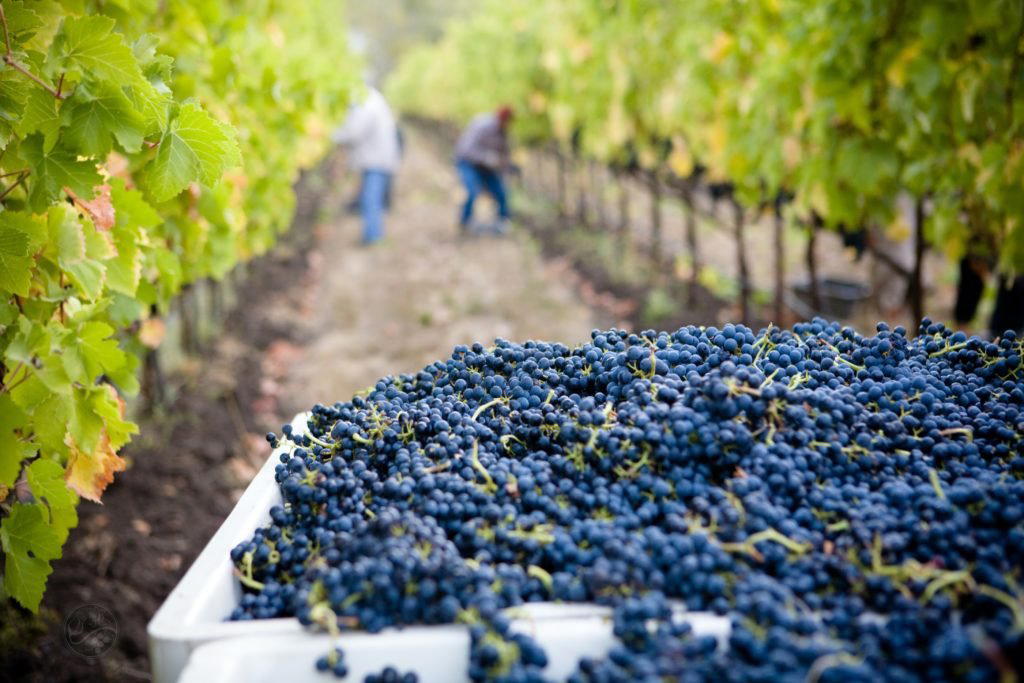
Harvest season in Canelones runs from late February through April, when temperatures moderate from the Southern Hemisphere summer peak and the vineyards carry the year's most active energy. Visiting during harvest provides the highest probability of seeing working production, though it also concentrates demand at properties that receive visitors. The austral autumn months of March and April represent the most practical window: the heat of January and February has passed, the growing season is at its conclusion, and the roads through Canelones' wine country carry noticeably more traffic from both domestic tourists and international visitors on the Montevideo circuit.
Because Viña Progreso's booking method, in, prospective visitors should approach planning through our full Canelones restaurants and wineries guide, which consolidates regional logistics. Attempting arrival without prior confirmation is inadvisable at working estate wineries in this part of Uruguay, where opening hours can shift seasonally and tasting infrastructure varies considerably from one producer to the next. A confirmed appointment is the standard expectation across Canelones' serious producers.
For those extending the trip beyond wine, the regional context is worth noting. Canelones as a department contains a mix of agricultural towns and Montevideo exurbia, with limited dedicated food and hospitality infrastructure outside the capital. Most visitors eat before or after their winery visits in Montevideo rather than in Progreso itself, which has the character of a working rural town rather than a tourist destination. The drive back to Montevideo takes under an hour from most Canelones wine properties, making the day-trip model the standard approach for international visitors.
For further context on how Canelones fits within Uruguay's broader wine geography, the producer range in neighbouring departments, and what distinguishes estate wineries from the larger commercial houses that also operate in the region, the EP Club Canelones guide provides department-level depth. For those curious how Uruguay's approach to Tannat compares with internationally known wine frameworks, Aberlour in Aberlour and Accendo Cellars in St. Helena illustrate, by contrast, how place-specific identity operates in Old World and Napa contexts respectively.
Similar Picks
Comparable venues nearby, for context on price, style, and recognition.
| Venue | Cuisine | Price | Notes |
|---|---|---|---|
| Viña ProgresoThis venue — the venue you are viewing | Tannat, Albariño | Not listed | Not listed |
| Bodega Marichal | Tannat, Merlot | Not listed | Etchevarría, Las Violetas |
| Varela Zarranz | Tannat, Cabernet Sauvignon | $30–50 | Joaquín Suarez |
| Bodega Pisano | Tannat, Cabernet Sauvignon | Not listed | Progreso |
| Pizzorno Family Estates | Tannat, Cabernet Sauvignon | $30–50 | Canelón Chico |
| Los Nadies | Tannat, Merlot | $50–100 | Prado |
Continue exploring
More in Canelones
Wineries in Canelones
Browse all →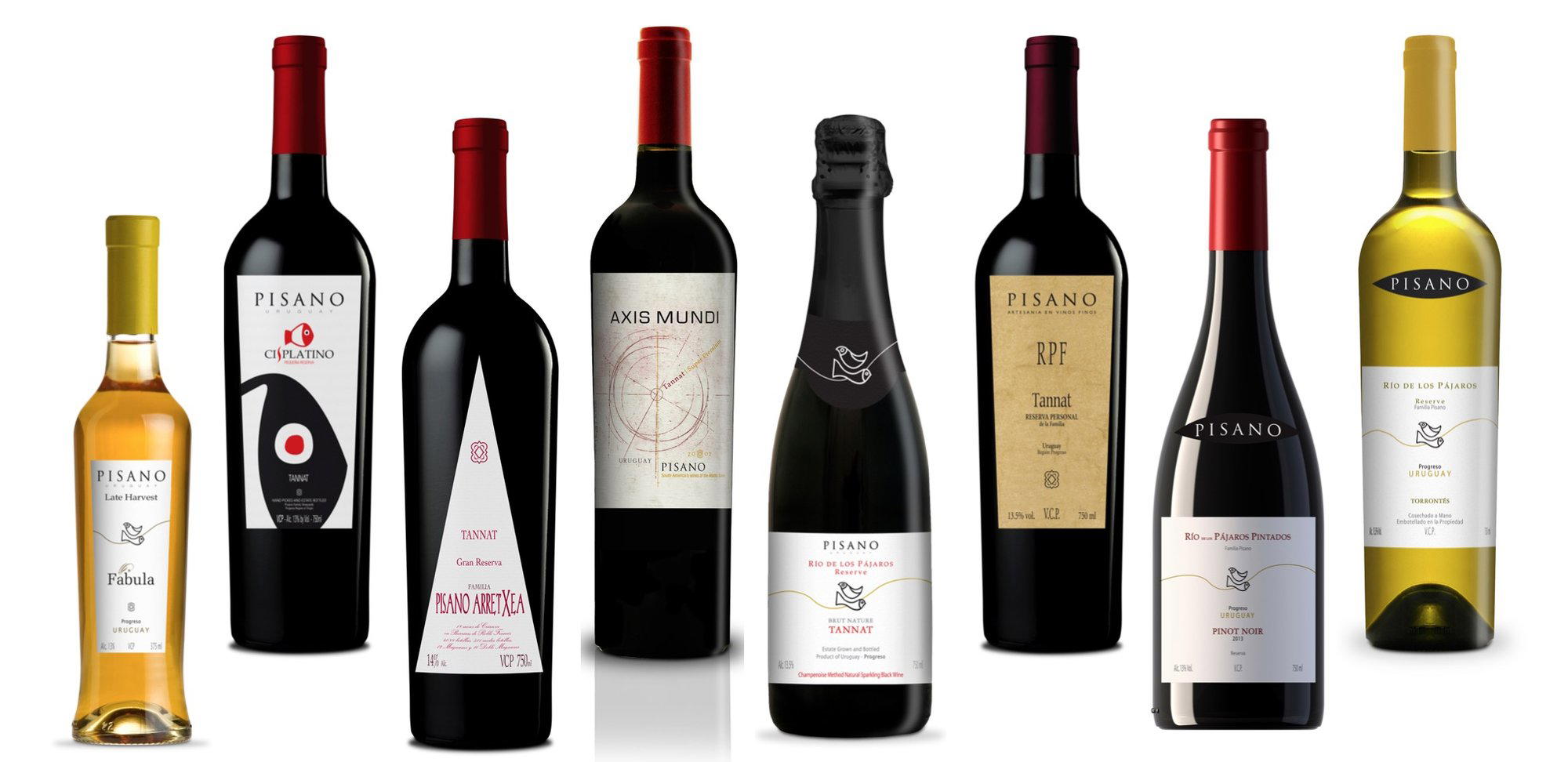
Bars in Canelones
Browse all →

Restaurants in Canelones
Browse all →


Details
- Rustic
- Modern
- Wine Education
- Solo Exploration
- Vineyard Tour
- Estate Grounds
- Vineyard
- Tannat
- Albariño
- Viognier
- Sangiovese
- Pinot Noir
- Cabernet Franc
- Still Red
- Still White
- Cave Tasting
- Private Tasting
- Spanish
- English
Modern, fruity, and young style wines produced in a boutique setting reflecting adventurous winemaking.