H. Stagnari sits along a rural road in La Paz, Canelones. The address places it within reach of Montevideo but firmly in agricultural terrain, where the connection between vine, land, and glass shapes the experience from the first pour.
Pearl is the En Primeur Club membership app — saves, bookings, and concierge access live there. Same editors, same standards.
- Address
- km 20 La Puebla, Brigadier Gral. Fructuoso Rivera, 90100 La Paz, Departamento de Canelones
- Phone
- +598 2362 2940
- Website
- stagnari.com
- Directions
- Get directions
 Saves & bookings on Pearl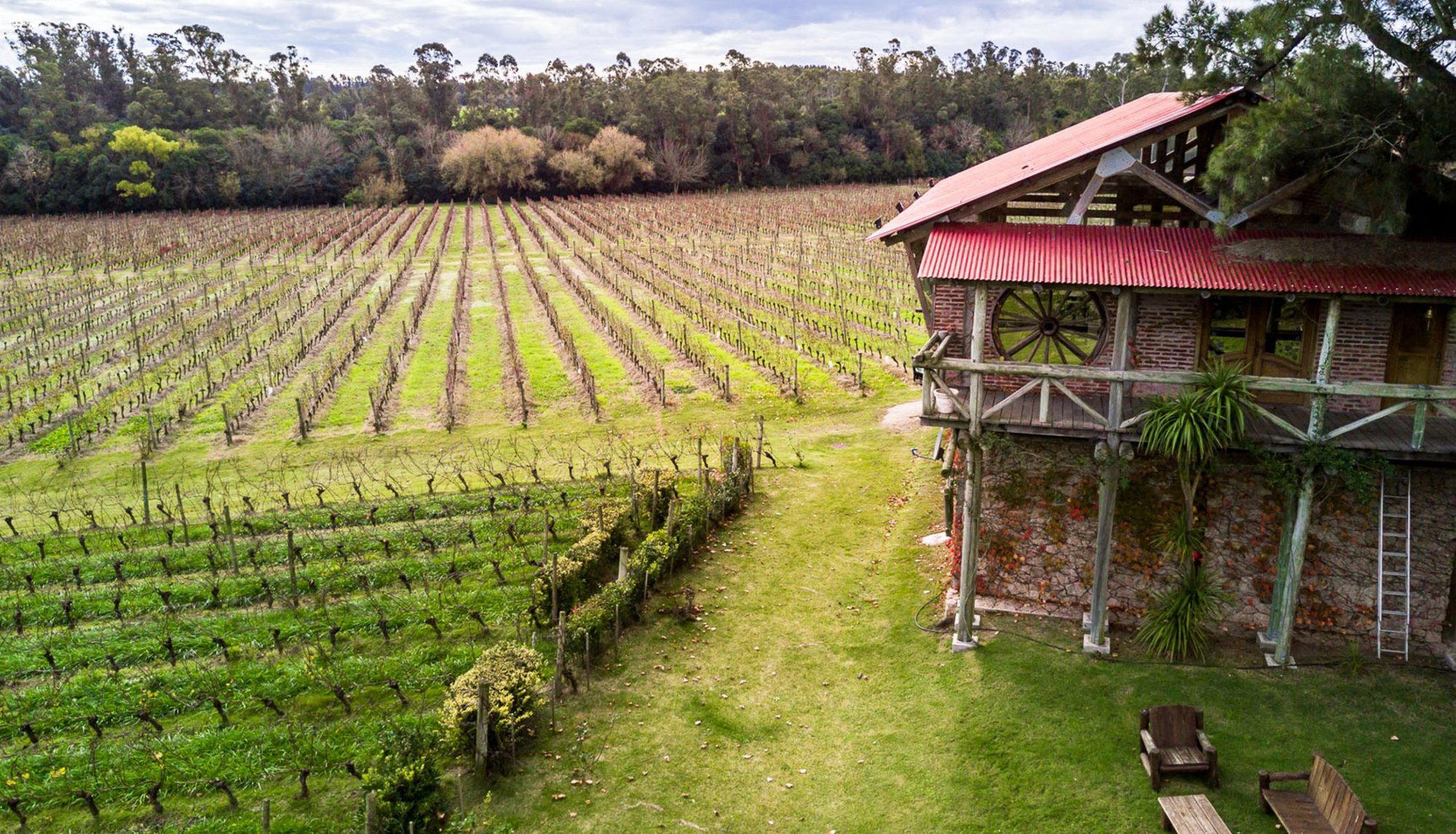
Road 20, La Paz: Where Canelones Wine Country Takes a Serious Turn
Heading northwest out of Montevideo on Brigadier General Fructuoso Rivera, the city gives way to a sequence of low hills, market gardens, and winery gates that define the Canelones department's character as Uruguay's most densely planted wine region. By kilometre 20, the terrain has made its case: this is working agricultural land, not a backdrop designed for tourism. H. Stagnari occupies that address, and the surroundings are part of what the operation communicates before you have tasted anything. The approach is functional, the landscape unadorned, and the focus is redirected immediately toward what is being made rather than where you are standing.
Canelones accounts for a substantial majority of Uruguay's total wine production, a fact that makes the department simultaneously the country's engine room and its most competitive proving ground. Wineries here range from volume producers supplying the domestic table-wine market to small prestige operations chasing international attention. H. Recognition at that tier in Canelones signals a deliberate positioning away from commodity wine and toward something the international market can take seriously.
The Sourcing Logic Behind Canelones Viticulture
Uruguay's wine identity is inseparable from its agricultural philosophy, and nowhere is that more apparent than in Canelones. The department's soils shift between heavy clay and alluvial deposits depending on how close you are to the Río de la Plata watershed, and those transitions happen across relatively short distances. For a winery operating at La Paz specifically, the sourcing question is not abstract: the fruit comes from ground that has been cultivated for generations, shaped by Atlantic maritime influence and the particular drainage characteristics of low-lying terrain. The result is a growing environment that pushes toward aromatic precision and structural firmness rather than the ornate fruit weight associated with warmer inland zones.
Tannat is the reference point for any serious discussion of Uruguayan wine, and Canelones producers have spent decades calibrating how much tannin management, oak exposure, and cellar time that grape demands before it becomes something worth the attention it receives abroad. The region's other thread is Albariño, which arrived relatively recently in Uruguay but has found the Atlantic-influenced maritime climate of Canelones and the Maldonado coast particularly congenial. Together, those two varieties define what Uruguay asks a winery to do well if it wants to be taken seriously on the international stage. The broader picture across Uruguay includes producers working from dramatically different terroirs: Bodega Bouza in Montevideo, Bodega Carrau in Las Piedras, Bodega Cerro del Toro in Piriápolis, Bodega Los Cerros de San Juan in Colonia del Sacramento, Bodega Oceánica José Ignacio in Maldonado, and the high-altitude experiment at Cerro Chapeu (Carrau) in Rivera. Each represents a different answer to the question of what Uruguayan terroir can produce. El Legado in Carmelo adds further geographic range from the Río Uruguay corridor. H. Stagnari's answer comes from the Canelones coastal plain, with all the implications that carries for the style in the glass.
In a department where the sheer number of wineries makes differentiation difficult, formal recognition at that level carries real informational weight for visitors deciding where to direct their time. It signals that the operation has been assessed against international peers, not just local ones, and that the result cleared a threshold that most producers in the region do not reach. For a traveller working through the Canelones wine circuit, it narrows the field considerably.
The comparison with other prestige wine properties is instructive as a frame even when the geography is distant. H. Stagnari's 2025 award operates the same way within the Uruguayan context: it is a data point that holds across visits and vintages, not a single-year anomaly.
Planning a Visit to La Paz, Canelones
La Paz sits roughly 20 kilometres from central Montevideo, making the winery accessible as either a half-day excursion or part of a longer Canelones wine route that could include several properties across the department. The address on Brigadier General Fructuoso Rivera is specific enough to navigate by car without difficulty, though the rural setting means public transport options are limited and hiring a driver or joining an organised tour remains the more practical approach for visitors without their own vehicle. The 2025 award makes advance contact advisable before arrival, as prestige-rated properties in Uruguay's wine circuit frequently receive visitors by appointment rather than open walk-in.
Cuisine Lens
Comparable venues nearby, for context on price, style, and recognition.
| Venue | Cuisine | Price | Notes |
|---|---|---|---|
| H. StagnariThis venue — the venue you are viewing | Tannat, Cabernet Sauvignon | $$$ | Not listed |
| Antigua Bodega Stagnari | Tannat, Merlot | $$$ | La Paz |
| Grappamiel del Uruguay | Tannat | $$$ | Etchevarria |
| Bracco Bosca | Tannat, Moscatel de Hamburgo | $$ | Atlántida |
| Bodega Marichal | Tannat, Merlot | $$ | Etchevarría, Las Violetas |
| Los Nadies | Tannat, Merlot | $$$ | Prado |
Continue exploring
More in Canelones
Wineries in Canelones
Browse all →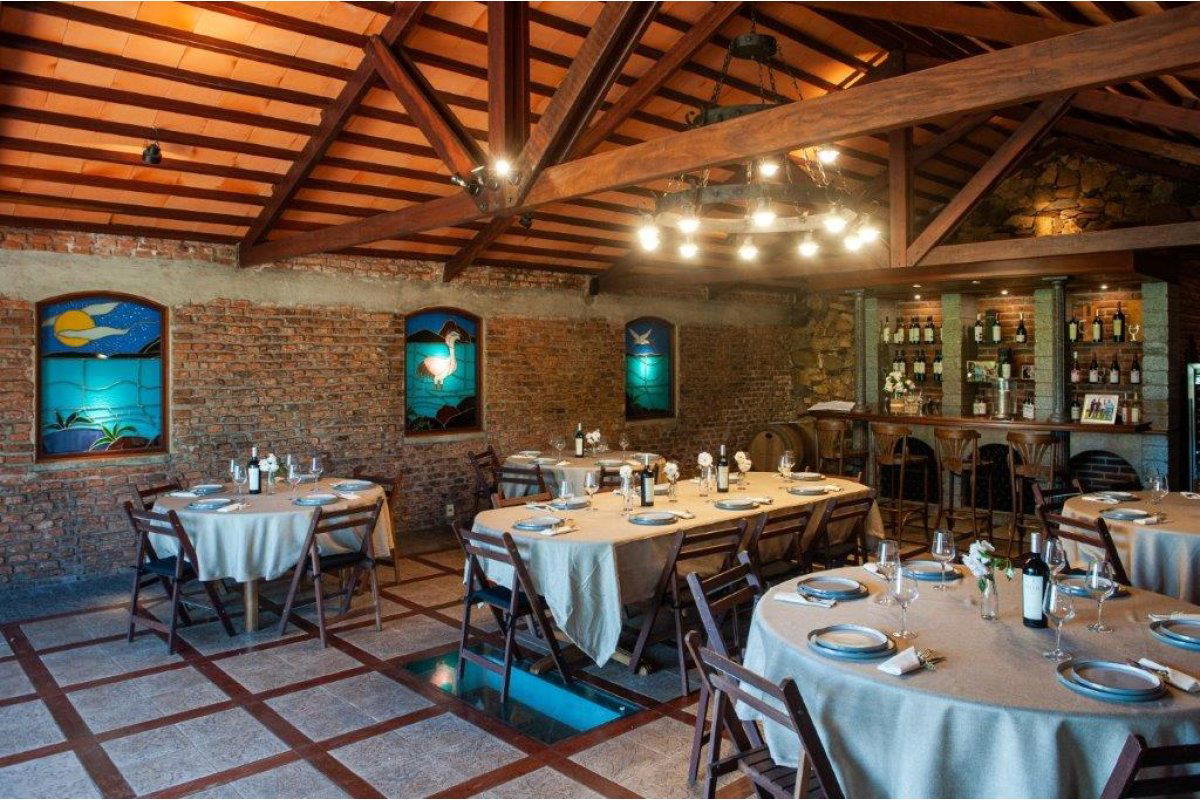
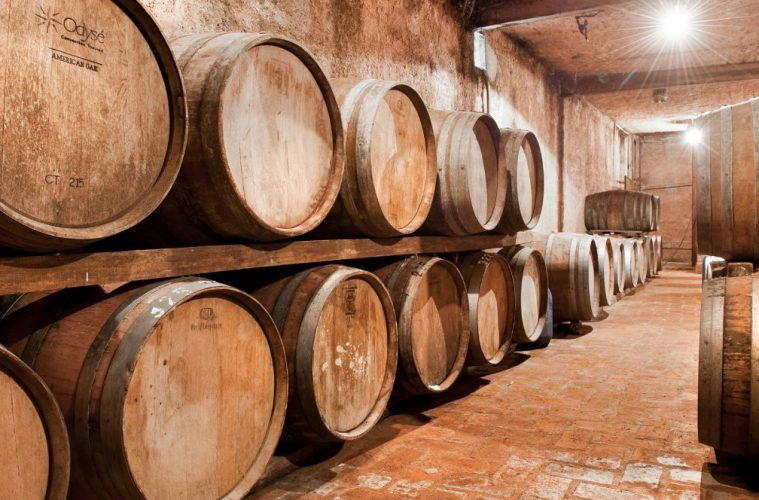
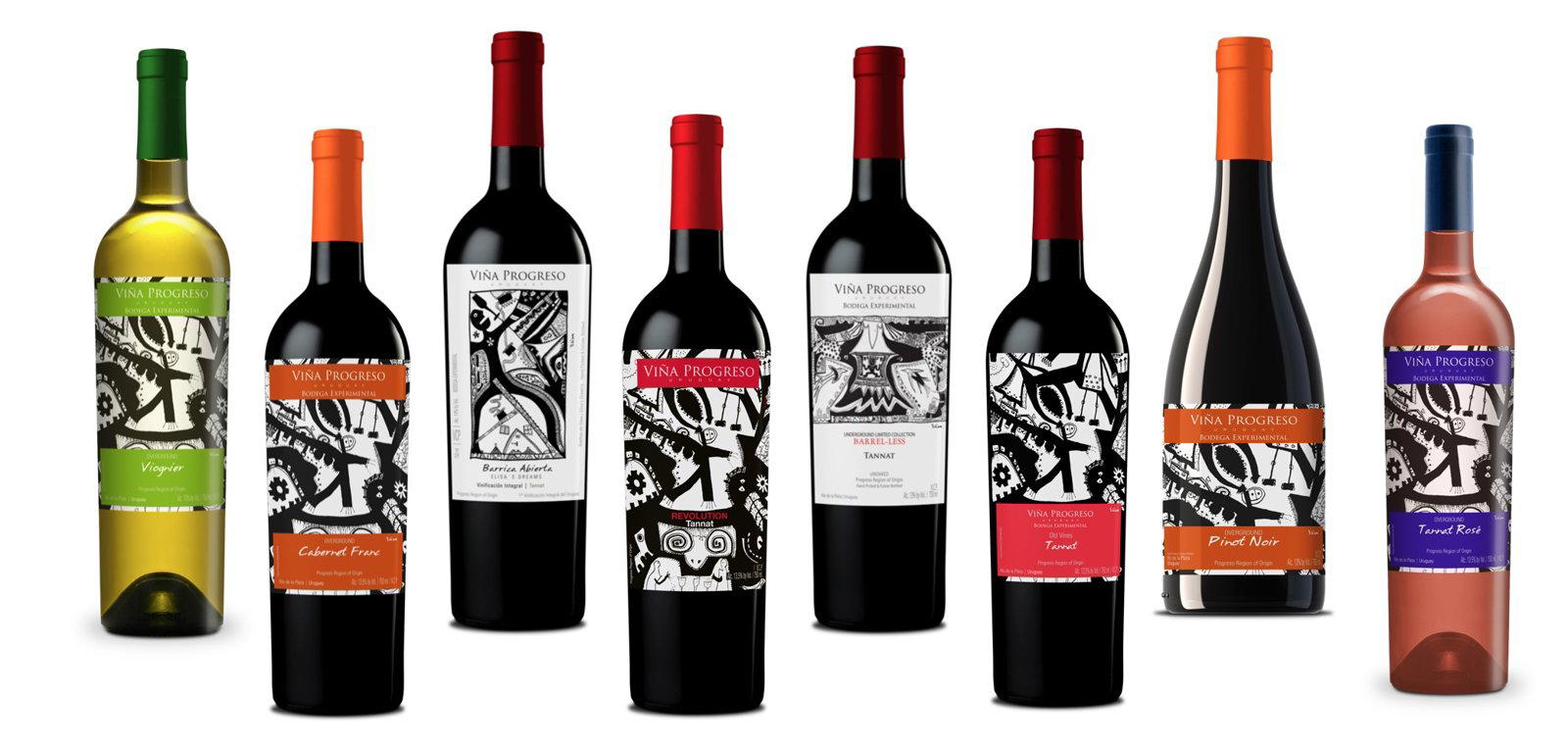
Bars in Canelones
Browse all →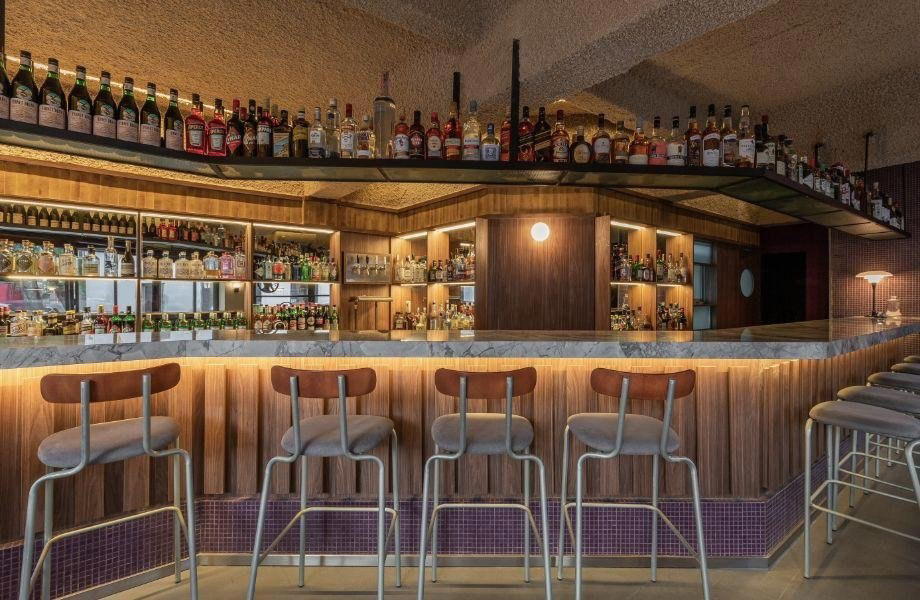
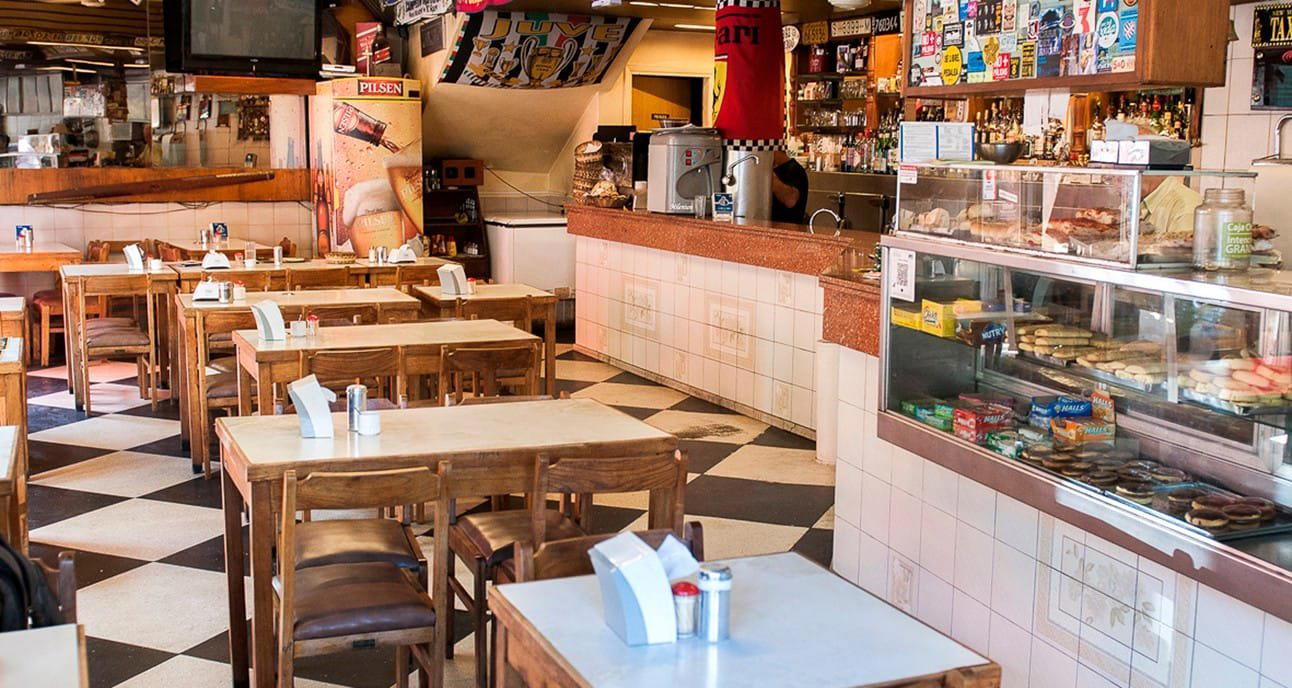
Restaurants in Canelones
Browse all →
At a Glance
- Rustic
- Classic
- Intimate
- Scenic
- Wine Education
- Solo Exploration
- Special Occasion
- Vineyard Tour
- Estate Grounds
- Cave Tasting
- Vineyard
- Garden
- Canelones
- Tannat
- Cabernet Sauvignon
- Chardonnay
- Viognier
- Gewurztraminer
- Cabernet Franc
- Merlot
- Marselan
- Syrah
- Petit Verdot
- Pinot Noir
- Still Red
- Still White
- Still Rosé
- Sparkling
- Cave Tasting
- Barrel Room
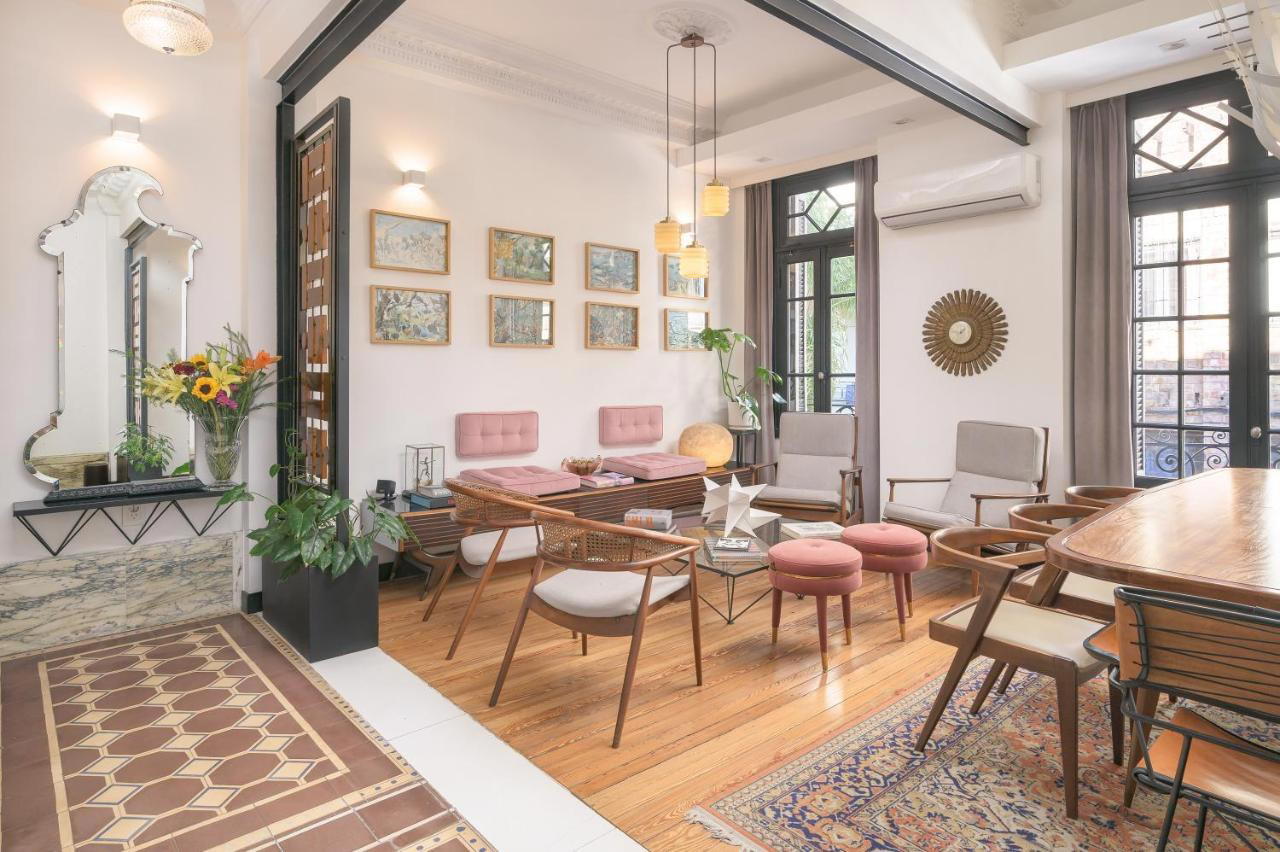
Warm, welcoming family atmosphere in a charming 1890 residence with scenic vineyard views and an underground cellar.