


1 Michelin Key · Mr & Mrs Smith Seal of Approval · Preferred Hotels L.V.X. Collection
Umiltà 36 is a 47-room Michelin Key-awarded boutique hotel on a quiet side street minutes from the Trevi Fountain, rated 4.9 on Google across 220 reviews. Interiors move between Art Deco, modernist, and contemporary art references, while dining splits between the all-day Dandy Café and the seafood-focused Aquamarina. Nightly rates from $951 position it firmly in Rome's premium boutique tier.

Pearl is the En Primeur Club membership app, where members save venues, book tables and use the concierge.
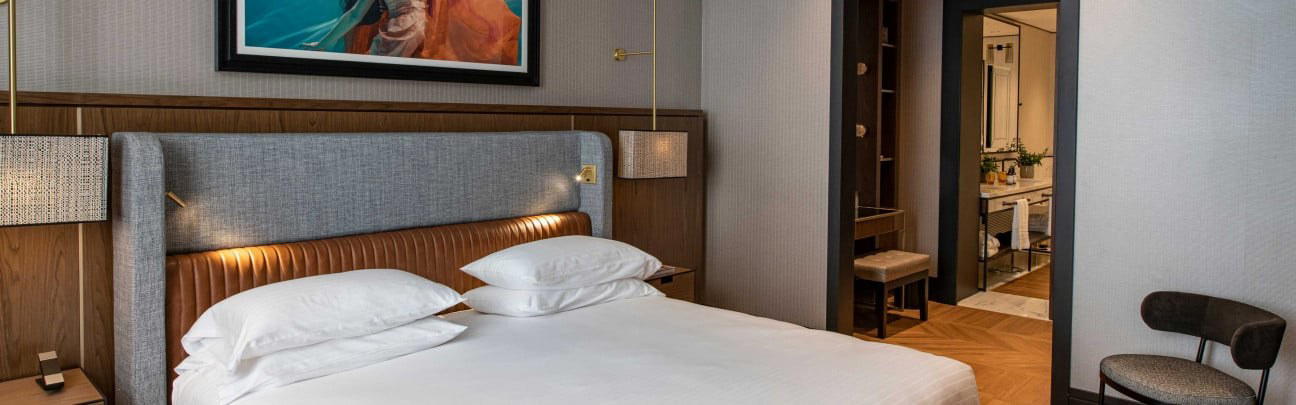
A Side Street with a Serious Interior Life
Rome's hotel market around the historic centre has long split between grand palazzo properties angling for the full-service luxury traveller and smaller boutique addresses that trade scale for atmosphere and location precision. The stretch between the Trevi Fountain and Via del Corso sits in one of the city's most trafficked tourist corridors, which is exactly why discretion matters here more than almost anywhere else in Rome. Umiltà 36 occupies a quiet side street that threads between those two points, close enough to the fountain to walk in under three minutes, far enough removed that the street itself stays calm. That positioning, on its own, is worth something at this price point.
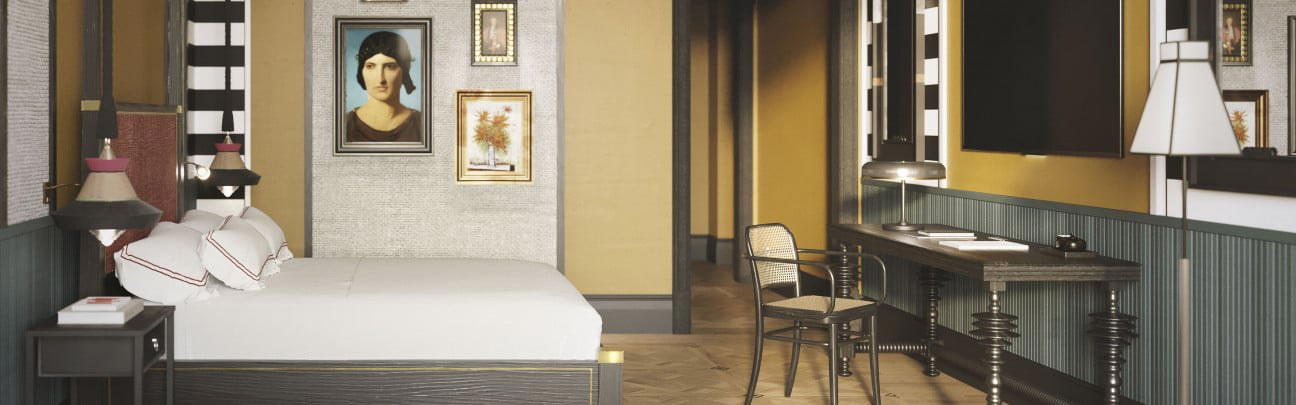
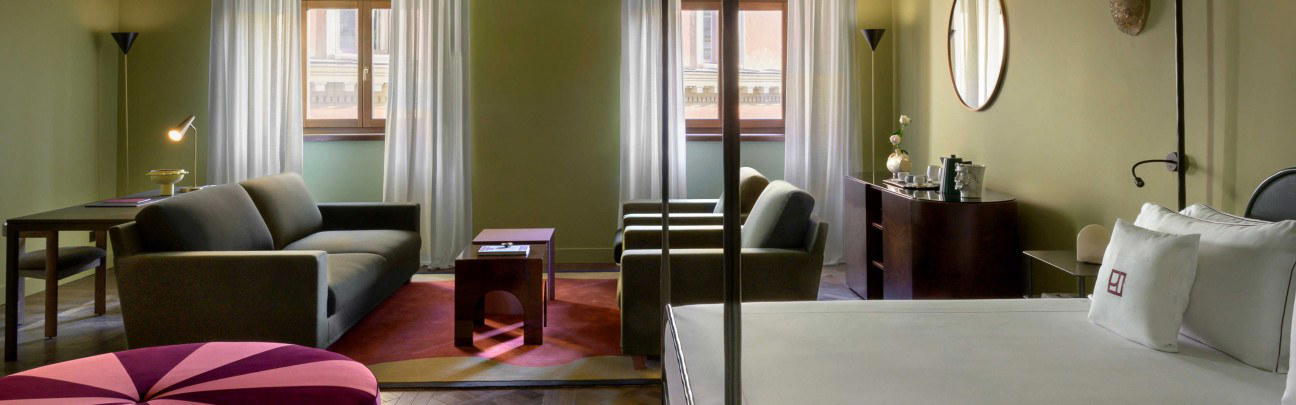
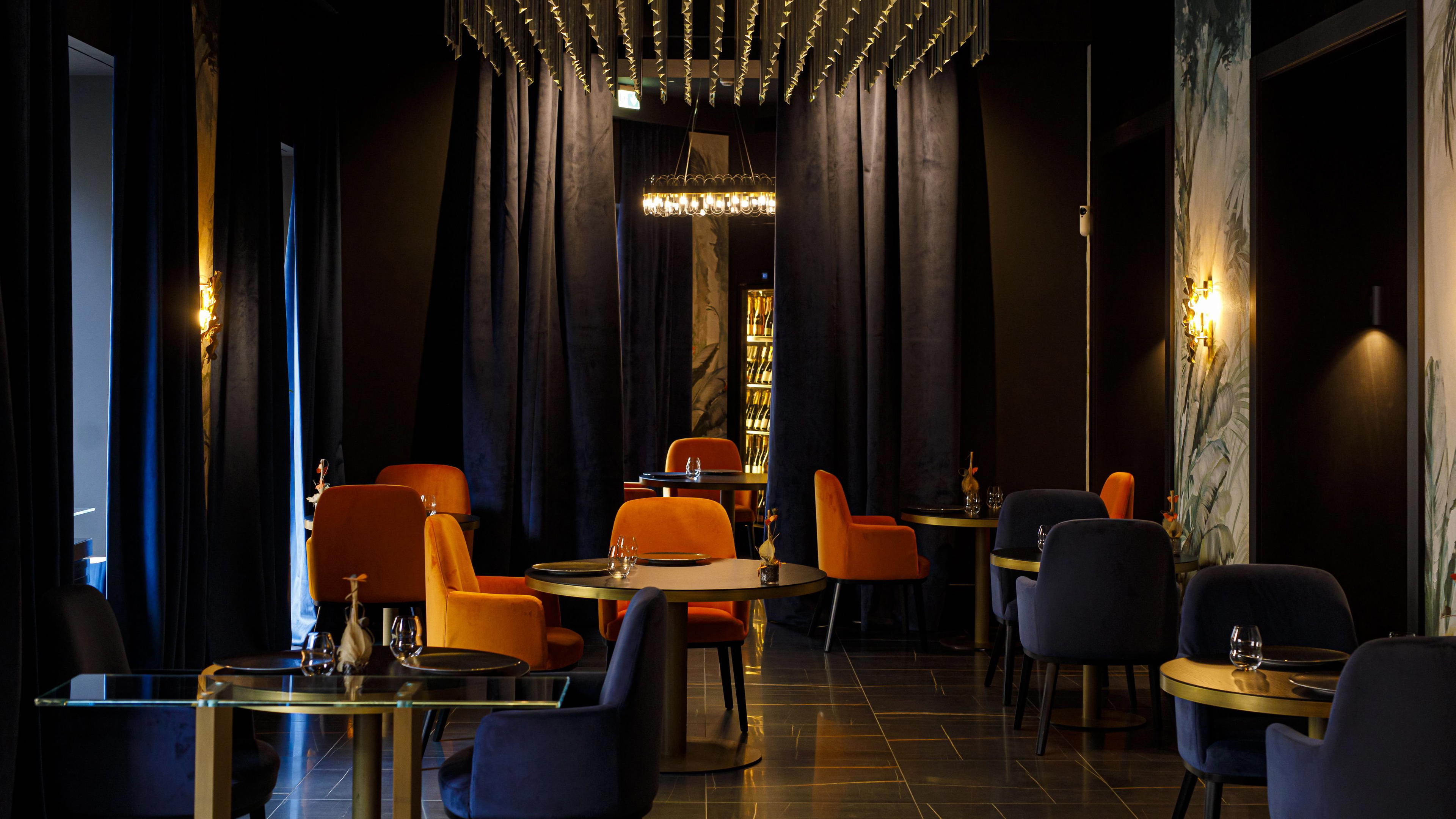
The hotel holds 47 rooms and suites, a scale that places it comfortably within Rome's design-led boutique cohort rather than the large-footprint international brands. Properties at this size tend to live or die by their interiors, and Umiltà 36 leans into contrast rather than a single period signature. The rooms read clean and contemporary, with none of the heavy ornamentation that the address might tempt a lesser property to attempt, while the public spaces layer Art Deco references against modernist lines and contemporary art. It is a considered juxtaposition rather than an accident of renovation phases. For a city so freighted with historical expectation, that confidence in mixing idioms is more difficult to pull off than it looks. Hotel Vilòn operates in a similarly intimate register nearby, though with a different architectural personality entirely.
How Daytime and Evening Service Divide at the Table
Boutique hotels in Rome that run their own food programs tend toward one of two formats: an all-day café serving as both breakfast anchor and afternoon meeting point, or a single restaurant with serious dinner ambitions. Umiltà 36 runs both simultaneously, which sharpens the contrast between the daytime and evening character of the property.
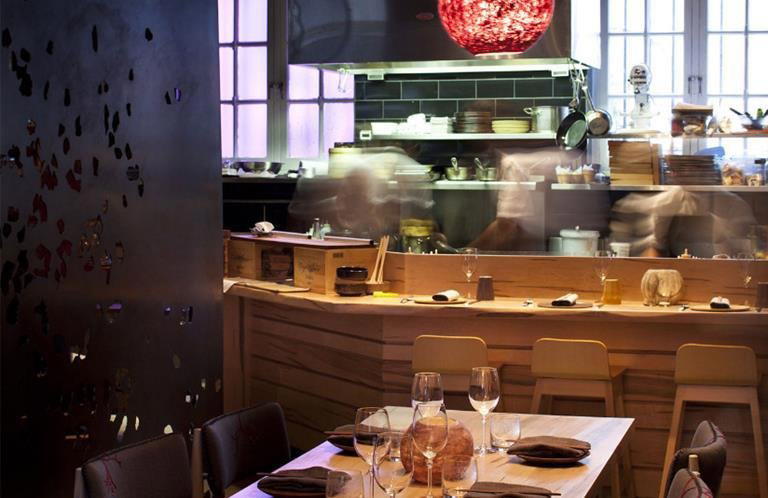
The Dandy Café operates as the hotel's daytime and casual dining spine. In Italian boutique hotel terms, a well-run café of this kind serves a function beyond breakfast service: it becomes the base from which guests orient their day, taking coffee before heading out into the Trevi corridor or returning for a late lunch after the morning crowds thin. The tone is relaxed in the way that a well-appointed room is relaxed, ordered and deliberate rather than merely informal.
Aquamarina, the property's dedicated seafood restaurant, shifts the register entirely. Seafood-focused restaurants in Rome occupy an interesting position within the city's dining traditions: Roman cuisine is historically meat-heavy, from the abbacchio lamb preparations of the Testaccio neighbourhood to the offal-centred trattorias that still hold territory in the outer rioni. A dedicated seafood address in the heart of the historic centre positions itself against that tradition and draws a different diner: one less interested in nose-to-tail Roman authenticity and more oriented toward coastal Italian produce brought inland. Aquamarina launched recently as a new addition to the property, signalling the hotel's intent to build a dining identity with some ambition behind it. For guests considering dinner within the hotel versus heading out, that distinction matters: the evening at Umiltà 36 has a different pitch from what you find in the surrounding streets.
This lunch-versus-dinner divide is worth thinking through before booking. Guests who treat the Dandy Café as their morning anchor and use the hotel primarily as a sleeping and operations base will get a different experience from those who return for Aquamarina in the evening and let the hotel serve as the dining centrepiece of the night. Both are coherent strategies; the hotel supports them with different energy at different hours.
Where It Sits in Rome's Premium Boutique Field
At nightly rates from $951 and with a 2024 Michelin Key to its name, Umiltà 36 competes in a specific band of the Rome market: premium boutique properties with genuine design intent, central addresses, and a dining program worth discussing. The Bulgari Hotel Roma and Hotel Eden operate at higher price points with larger footprints, while Hotel Locarno and Portrait Roma offer their own distinct approaches to the boutique format in Rome.
The Michelin Key recognition, awarded in 2024 under Michelin's relatively new hotel evaluation program, carries a specific signal: it indicates that the hotel's overall guest experience, including its hospitality and design, meets a standard the guide considers noteworthy. It does not function as a restaurant award, but it positions the property within a curated set that Michelin considers worth directing its readers toward.
For travellers building a broader Italian itinerary, the boutique hotel tier at this price point looks quite different city by city. Aman Venice represents one expression of that calibre in Venice; Four Seasons Hotel Firenze sits at the top of the Florence market with a different scale entirely. Within Italy's wider range of smaller, character-led properties, Castello di Reschio in Umbria and Casa Maria Luigia in Modena show how the country's countryside addresses approach the same design-first brief with very different results. On the Amalfi Coast, Borgo Santandrea and Il San Pietro di Positano operate within the same premium Italian boutique conversation from a coastal vantage point.
Planning the Stay
The hotel's 47 rooms mean availability tightens quickly during peak Roman travel periods, particularly spring and autumn when the city draws both leisure and conference traffic. At rates from $951 per night, the property prices in line with its Michelin-recognised peers in the historic centre, and the smart approach is to book well ahead for travel in March through May or September through November. The address on Via dell'Umiltà puts guests within a few minutes' walk of the Pantheon to the west and the Spanish Steps to the north, making it a logistically efficient base for covering central Rome without relying on transport for the main daytime circuit.
Guests considering the room versus suite question at this scale of property should weigh how much time they plan to spend in the hotel itself. At 47 rooms, the difference between room categories often comes down to space and light rather than access to separate facilities, and for those treating the hotel primarily as an overnight base for a full Rome itinerary, the standard room category represents solid value within the rate structure. Those planning to use the hotel as a retreat after full days out may find the additional space of a suite worth the premium at this address. Visit our full Rome hotels and restaurants guide for broader context on how the city's premium accommodation options compare.
For those whose Italian travels extend beyond Rome, Passalacqua on Lake Como, Rosewood Castiglion Del Bosco in Montalcino, Borgo Egnazia in Puglia, Il Pellicano in Porto Ercole, Corte della Maestà in Civita di Bagnoregio, and JK Place Capri each offer distinct alternatives within the same quality tier across different Italian regions. For reference points further afield, Hassler Roma operates at the top of the Spanish Steps at a different price and scale proposition, while internationally Aman New York, The Fifth Avenue Hotel, Portrait Milano, and Amangiri represent how the design-led boutique brief translates across very different geographies.
A Pricing-First Comparison
Comparable venues nearby, for context on price, style, and recognition.
| Venue | Price | Awards | Notes |
|---|---|---|---|
| Umiltà 36This venue (the venue you are viewing) | Not listed | 1 Michelin Key · Mr & Mrs Smith Seal of Approval | Not listed |
| Maalot Roma | Not listed | 1 Michelin Key · Mr & Mrs Smith Seal of Approval | Trevi, Boutique luxury hotel with personalized service and glamorous dining. |
| Singer Palace Hotel | Not listed | 1 Michelin Key · Virtuoso Luxury Hotel Partner | Colonna, Boutique luxury hotel in a historic landmark building blending Art Deco influences with contemporary Italian design. |
| Hotel Locarno | $500–750 | 1 Michelin Key · La Liste Top Hotels | Campo Marzio, Historic Art Deco boutique hotel with retro-classic style. |
| Hotel Eden | Not listed | 1 Michelin Key · La Liste Top Hotels | Ludovisi, Luxury historic boutique in the heart of Rome near Spanish Steps. |
| The First Arte, Rome | $300–500 | 1 Michelin Key · Virtuoso Luxury Hotel Partner | Campo Marzio, Contemporary luxury boutique hotel blending 19th-century palazzo architecture with modern design and curated contemporary Italian art. |
Recognition history
Dated appearances from independent guides and award organizations, with the underlying list record or original source where available.
Michelin 1 Key
Michelin
Mr & Mrs Smith Seal of Approval
Mr & Mrs Smith
Preferred Hotels L.V.X. Collection
Preferred Hotels
Full recognition history (5 entries)
Michelin 1 Key
Michelin
Michelin 1 Key
Michelin
Continue exploring
More in Rome
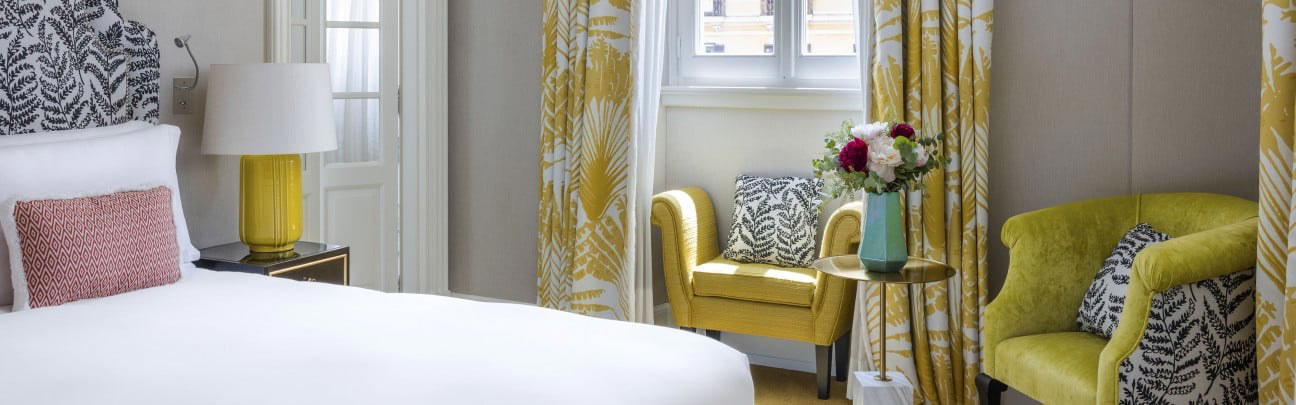
Hotels in Rome
All hotels in Rome →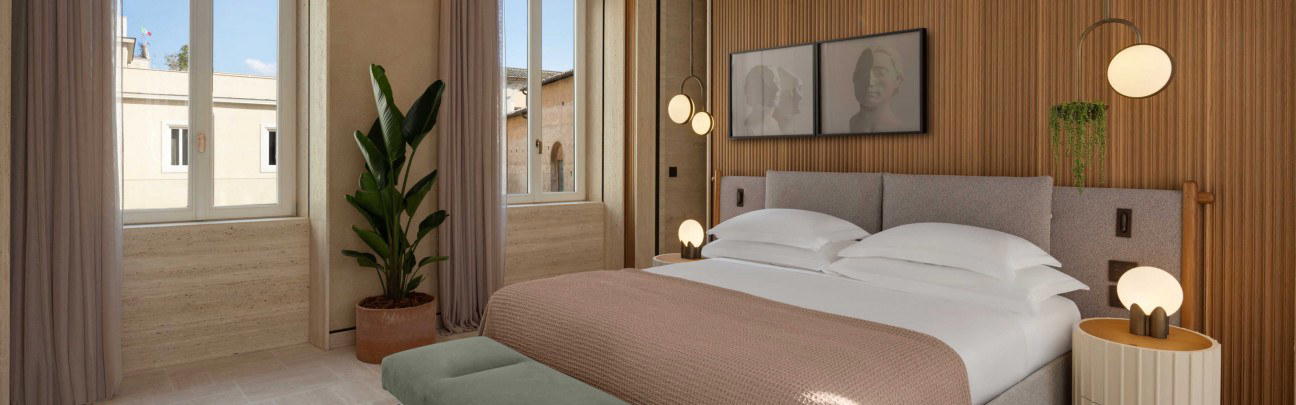
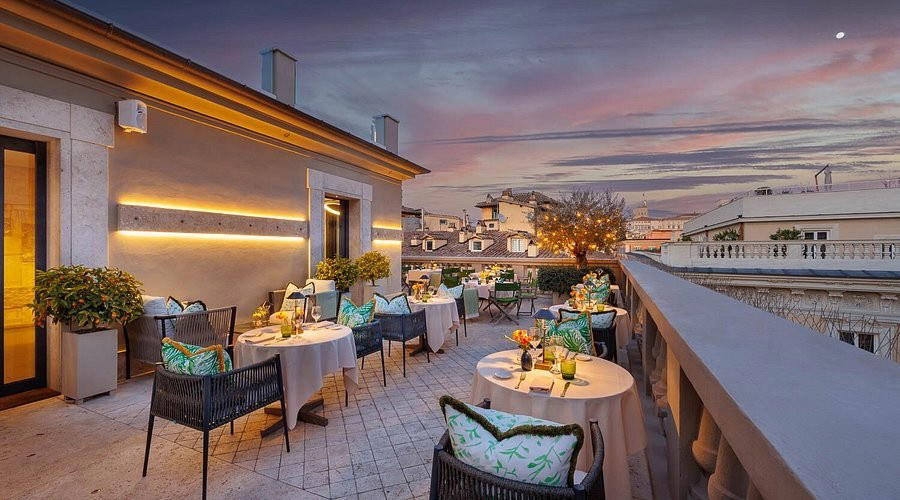
Bars in Rome
All bars in Rome →
Restaurants in Rome
All restaurants in Rome →

Details
- Elegant
- Sophisticated
- Romantic
- Intimate
- Cozy
- Romantic Getaway
- Anniversary
- Honeymoon
- Weekend Escape
- Terrace
- Historic Building
- Rooftop Pool
- Wi Fi
- Restaurant
- Concierge
- Room Service
- Fitness Center
- Elevator
- Street Scene
- Elevator
- Step Free Entrance
- Wheelchair Accessible
Refined and intimate with dark, dashing Art Deco interiors, black marble, gilt-edged glamour, and a calm oasis atmosphere amid central Rome's bustle.