The address at Località Diacceto Castellare positions it within Chianti country's quieter reaches, where smaller estates work with less commercial noise and more latitude for precision.
Pearl is the En Primeur Club membership app — saves, bookings, and concierge access live there. Same editors, same standards.
- Address
- Località Diacceto Castellare, 11, 50060 Pelago FI
- Phone
- +39 329 873 8002
- Website
- peterinflorence.com
- Directions
- Get directions
 Saves & bookings on Pearl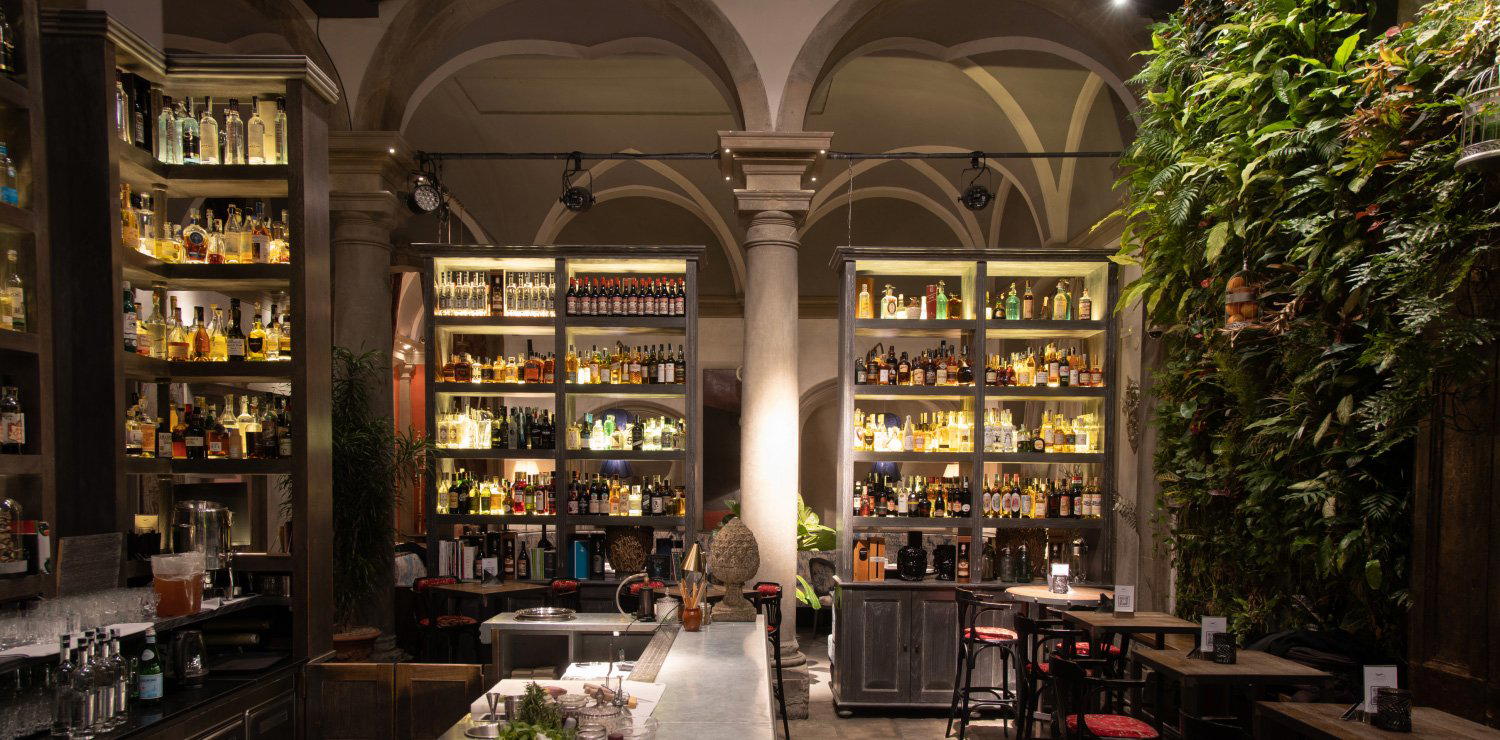
Wine Country Beyond the Postcard: Pelago and the Quieter Chianti Corridor
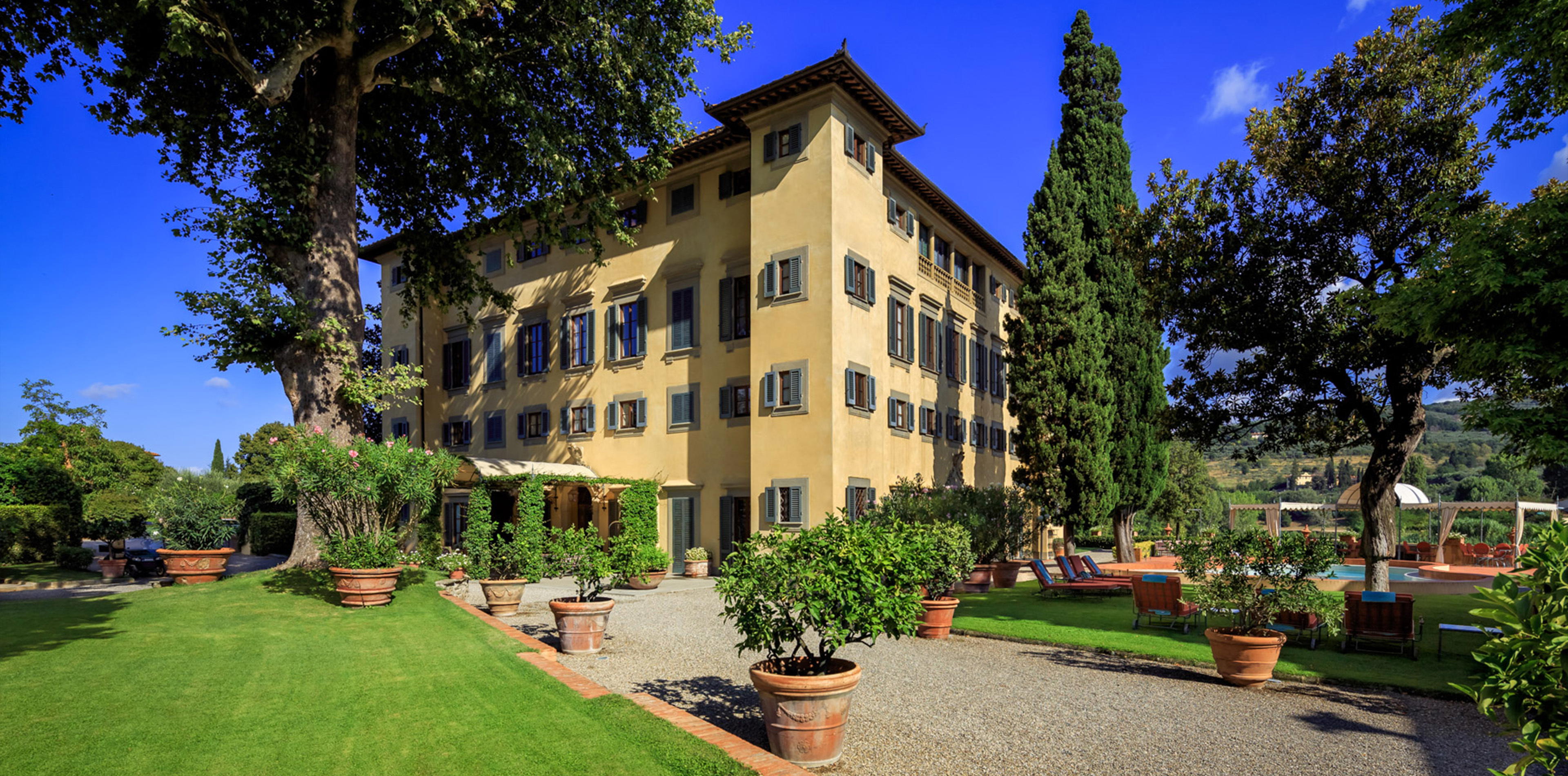
Tuscany's wine identity is heavily weighted toward a handful of well-trafficked names: the grand Chianti Classico estates visible from the Chiantigiana road, the Brunello houses of Montalcino, the Supertuscan flagships along the Bolgheri coast. That concentration of attention creates a shadow, and in that shadow sit producers working the terrain east of Florence with considerably less competition for column inches. The hills around Pelago, where the Arno valley gives way to the Pratomagno range, represent one of those quieter pockets. Peter in Florence, addressed at Località Diacceto Castellare in the municipality of Pelago, operates within this less-toured corridor, roughly forty minutes from the Florentine centre.
For a useful point of comparison, consider how the Chianti Classico heartland has stratified over the past decade. Estates like Castello di Volpaia in Radda in Chianti operate within a well-defined appellation structure that provides immediate recognisability. The value of that structure is clarity of positioning; the cost is that producers outside it must build recognition through quality signals alone. A prestige-tier award in that context carries more interpretive weight than it would for an estate already backed by a storied appellation name.
The Pelago Setting: What Altitude and Aspect Mean for the Wine
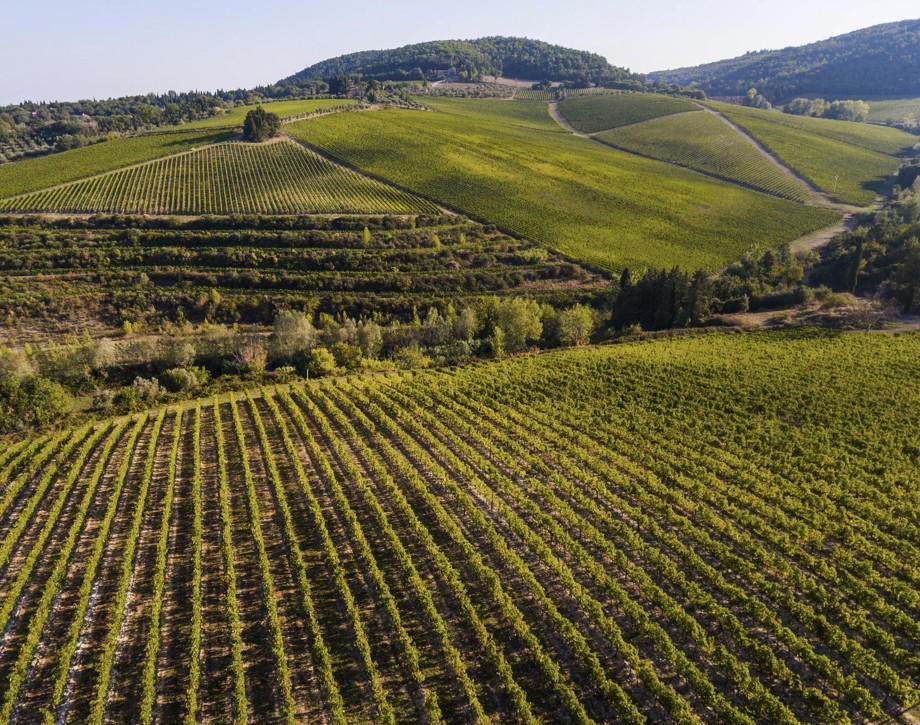
Pelago sits at the confluence of two distinct Tuscan microclimates. The Arno valley below brings warmth and humidity from the west; the Pratomagno ridge to the east creates temperature swings that slow ripening and preserve acidity in the fruit. Vineyards at altitude in this zone typically produce wines with more structural tension than those grown at lower elevation in the Chianti basin, where heat accumulation pushes toward richer, more immediate profiles. This is the same climatic logic that has driven interest in altitude viticulture across Tuscany more broadly, from the Apennine-facing slopes of Radda to the high-elevation parcels that producers in Montalcino have sought out as insurance against warming vintages.
The address at Diacceto Castellare places Peter in Florence within this refined, cooler sub-zone. What the geography supports, however, is a reasonable inference that the site was chosen for its combination of drainage, exposure, and thermal range, factors that distinguish serious Tuscan producers from those farming more convenient, lower-altitude land. For context on how terrain-driven philosophy has shaped Italian wine more broadly, the approach taken by Aldo Conterno in Monforte d'Alba or Lungarotti in Torgiano illustrates how site specificity, when pursued consistently, tends to generate wines with a legible sense of place.
This is not an entry-level acknowledgement. It positions Peter in Florence alongside a cohort of producers who have demonstrated sustained performance rather than a single strong vintage or a single well-placed barrel sample.
For context on what that tier looks like across Italian wine, Ca' del Bosco in Erbusco and Planeta in Menfi each represent producers who have built prestige recognition through a combination of consistent quality, geographic specificity, and a clear production philosophy. The winery's rating places it in that conversation at a Florentine-regional level, even if the estate operates at a smaller scale and with considerably less international brand recognition than those established names.
The Montalcino corridor provides another useful reference. Estates such as L'Enoteca Banfi in Montalcino and Poggio Antico in Monte San Vito operate within one of Tuscany's most scrutinised appellations, where prestige recognition comes with an established benchmark. Earning comparable recognition outside that system, in a zone without Brunello's infrastructure of reputation, typically requires the quality signal to do more work on its own terms.
The Florentine Wine Scene and Where Peter Fits
Florence as a wine city has historically been more of a consumption hub than a production one. The Frescobaldi network, centred on Marchesi de' Frescobaldi, is one of the exceptions: a producer with genuine historical roots in the Florentine hills who has built a multi-estate operation spanning Chianti Classico, Brunello, and coastal appellations. Against that background, smaller producers working the terrain east of the city occupy a different register. They are not building multi-appellation portfolios or targeting large export markets; they are working specific sites with the resources and focus that smaller scale allows.
The winery fits within this second category. The Pelago address places it east of the main tourist axis between Florence and Siena, which means it draws visitors who are specifically seeking out smaller producers rather than those following the established Chianti Classico trail. That distinction matters for the type of engagement on offer: smaller Tuscan estates at this tier typically offer more direct access to the people making the decisions about the wine, less mediated by the commercial apparatus that larger operations require. For readers planning a broader Florentine wine itinerary, our full Florence restaurants guide covers the city's wider drinking and dining context.
Planning a Visit: Logistics and Timing
The winery's address, Località Diacceto Castellare 11, 50060 Pelago FI, is accessible by car from Florence in under an hour via the SP34. Public transport connections to Pelago are limited, making a hire car the practical choice for most visitors travelling from the city. Direct contact should be established before making the journey. Arriving without an appointment is rarely productive.
Timing in Tuscany broadly favours late spring and early autumn for estate visits. April through June offers moderate temperatures and the visual drama of pre-harvest vine growth; September and October bring harvest activity that, at well-run estates, often means access to the year's most concentrated energy. The hill country around Pelago is cooler than central Florence at both ends of the season, which is worth accounting for in how you plan the day.
Cost Snapshot
Comparable venues nearby, for context on price, style, and recognition.
| Venue | Cuisine | Price | Notes |
|---|---|---|---|
| Peter in FlorenceThis venue — the venue you are viewing | Florence, Italian varieties | $$$ | Not listed |
| Marchesi de’ Frescobaldi | Chianti Rufina, Sangiovese, Merlot | $$$ | Not listed |
| Mazzei (Castello di Fonterutoli) | Not listed | $$$ | Castellina in Chianti, Sangiovese, Merlot |
| Tenuta Sette Ponti | Castiglion Fibocchi, Sangiovese, Merlot | $$$ | Not listed |
| L'Enoteca Banfi | Not listed | $$$ | Montalcino, Sangiovese, Sangiovese Grosso |
| Fèlsina | Not listed | $$$ | Castelnuovo Berardenga, Sangiovese, Trebbiano |
Continue exploring
More in Florence
Wineries in Florence
Browse all →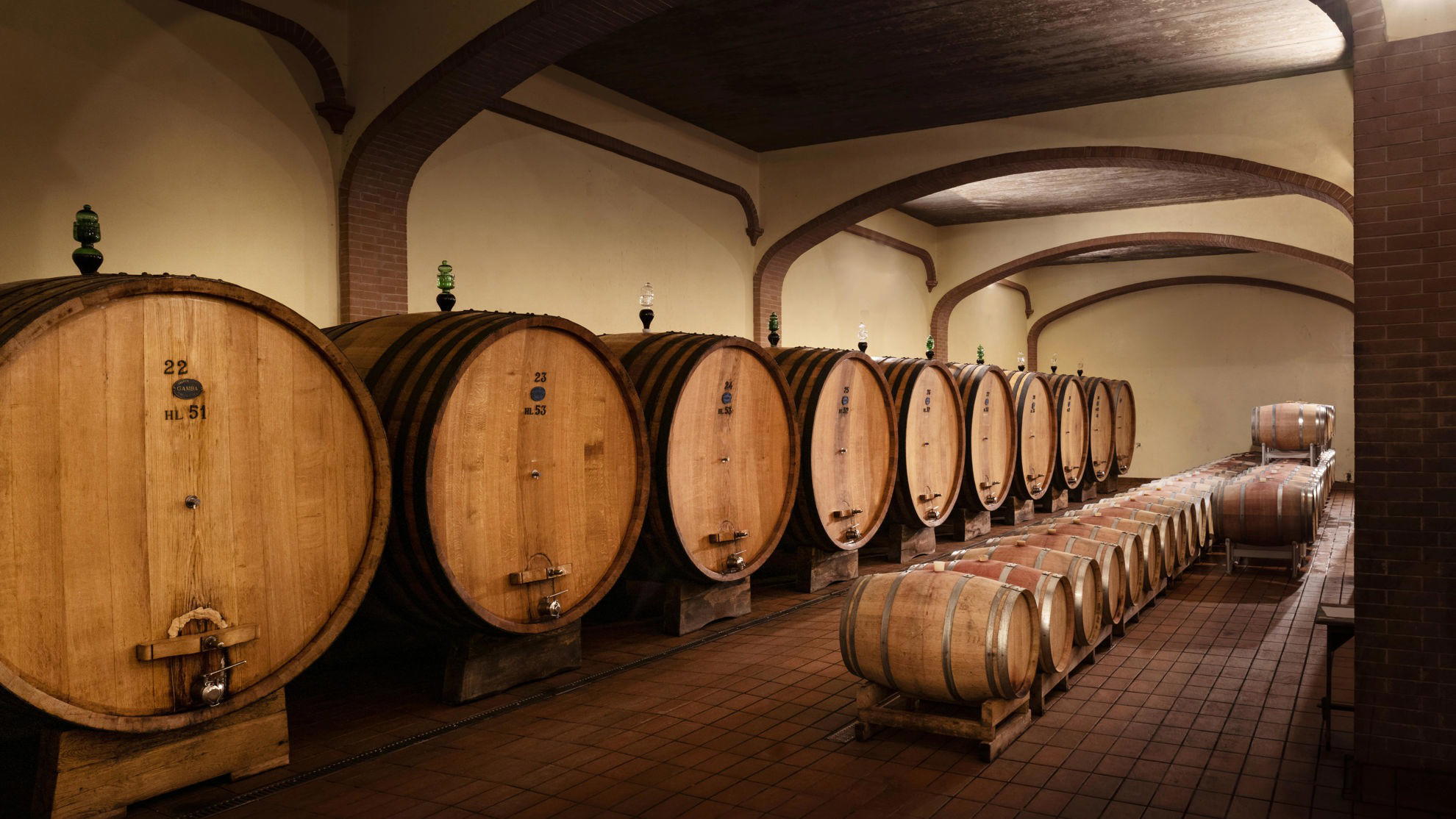

Bars in Florence
Browse all →

Restaurants in Florence
Browse all →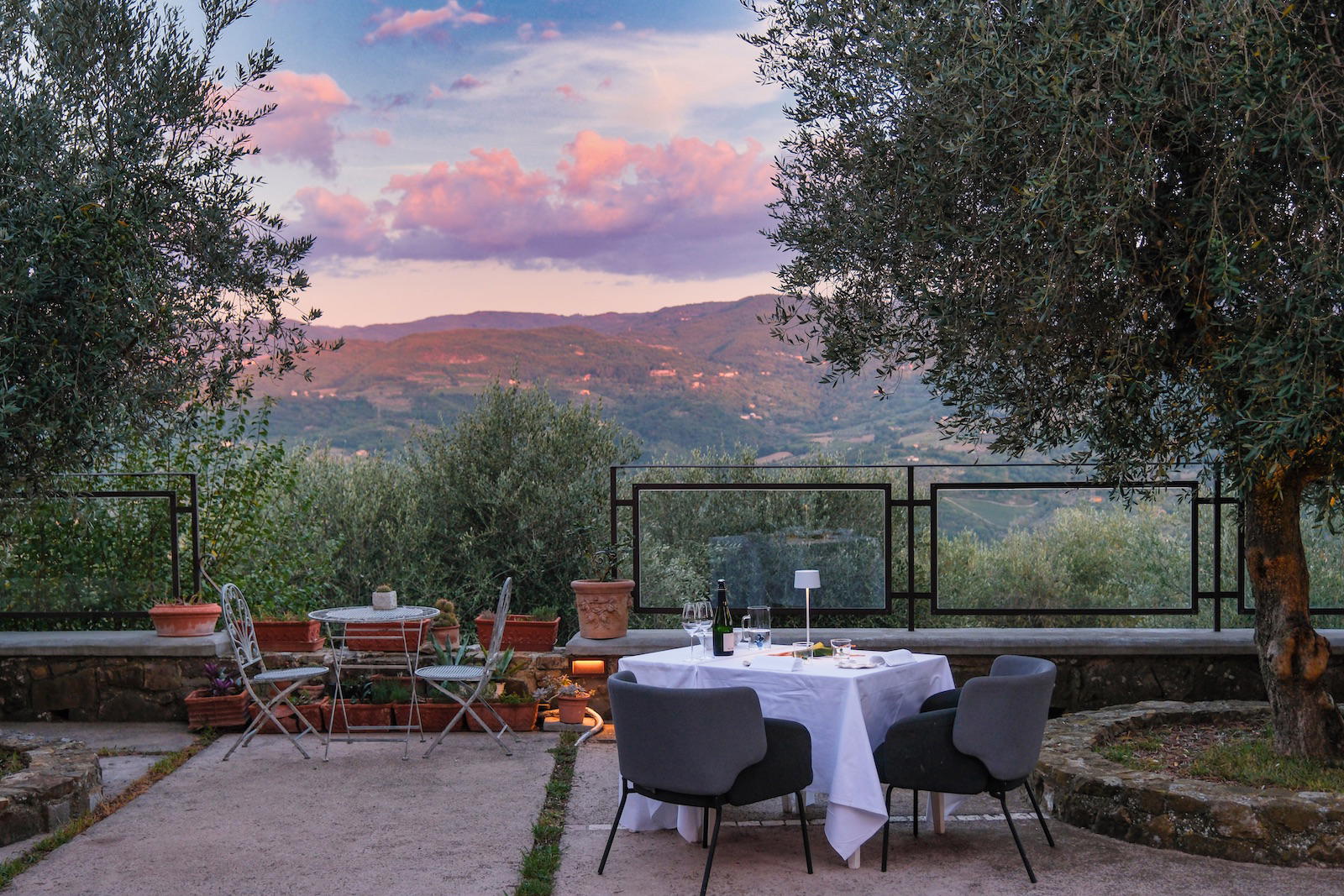
At a Glance
- Elegant
- Romantic
- Sophisticated
- Intimate
- Romantic Getaway
- Special Occasion
- Celebration
- Wine Education
- Private Tasting
- Historic Building
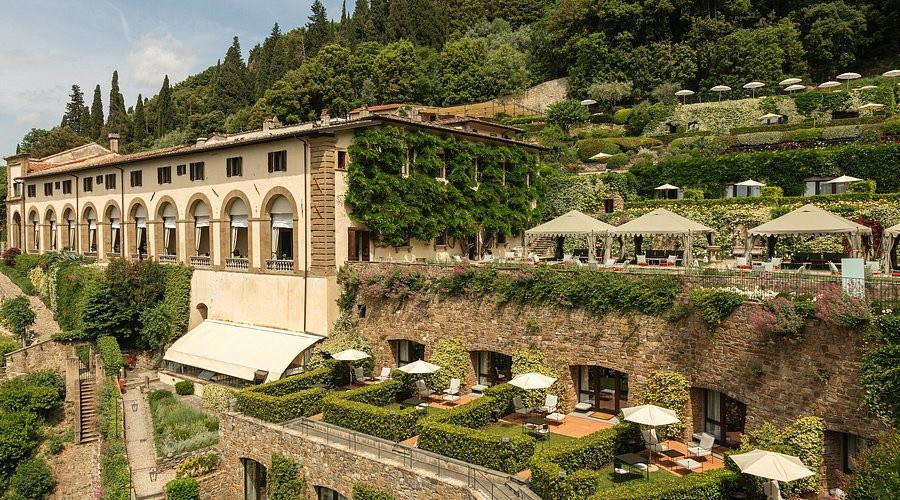
- Estate Grounds
- Tuscany
- Italian Varieties
- Wine Pairing With Courses
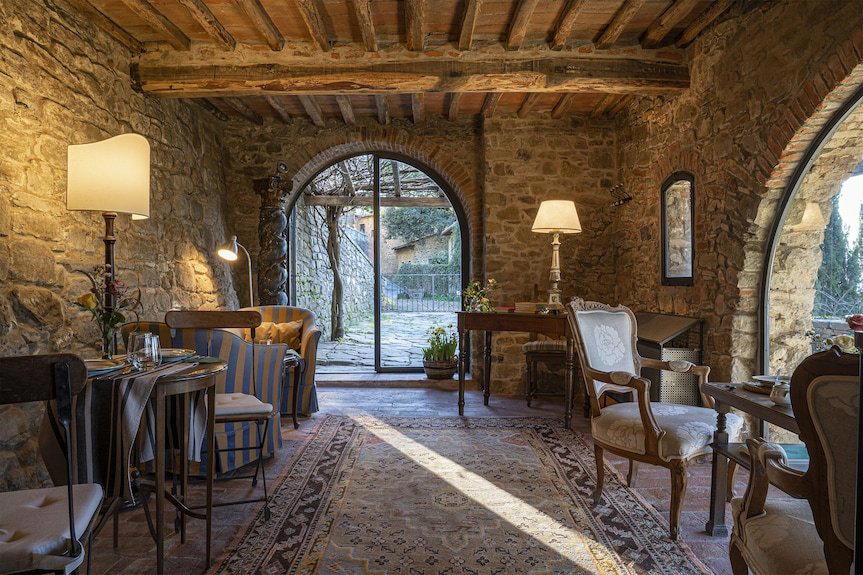
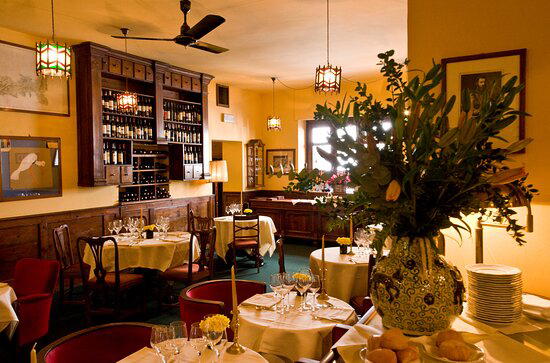
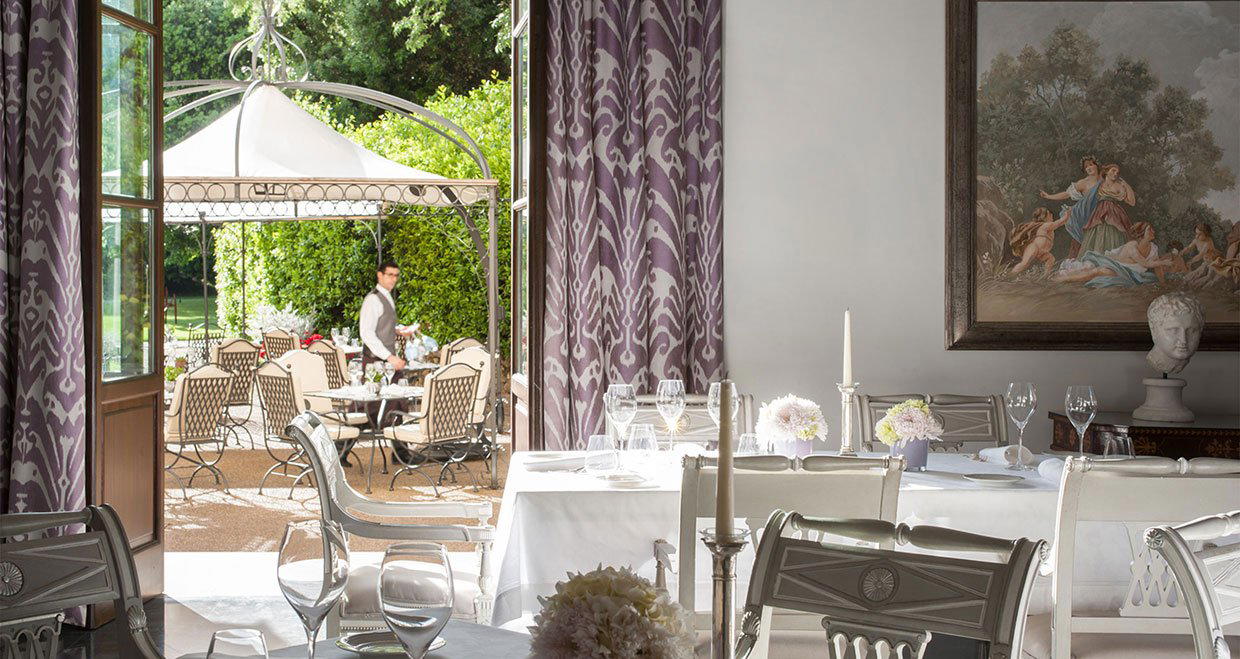
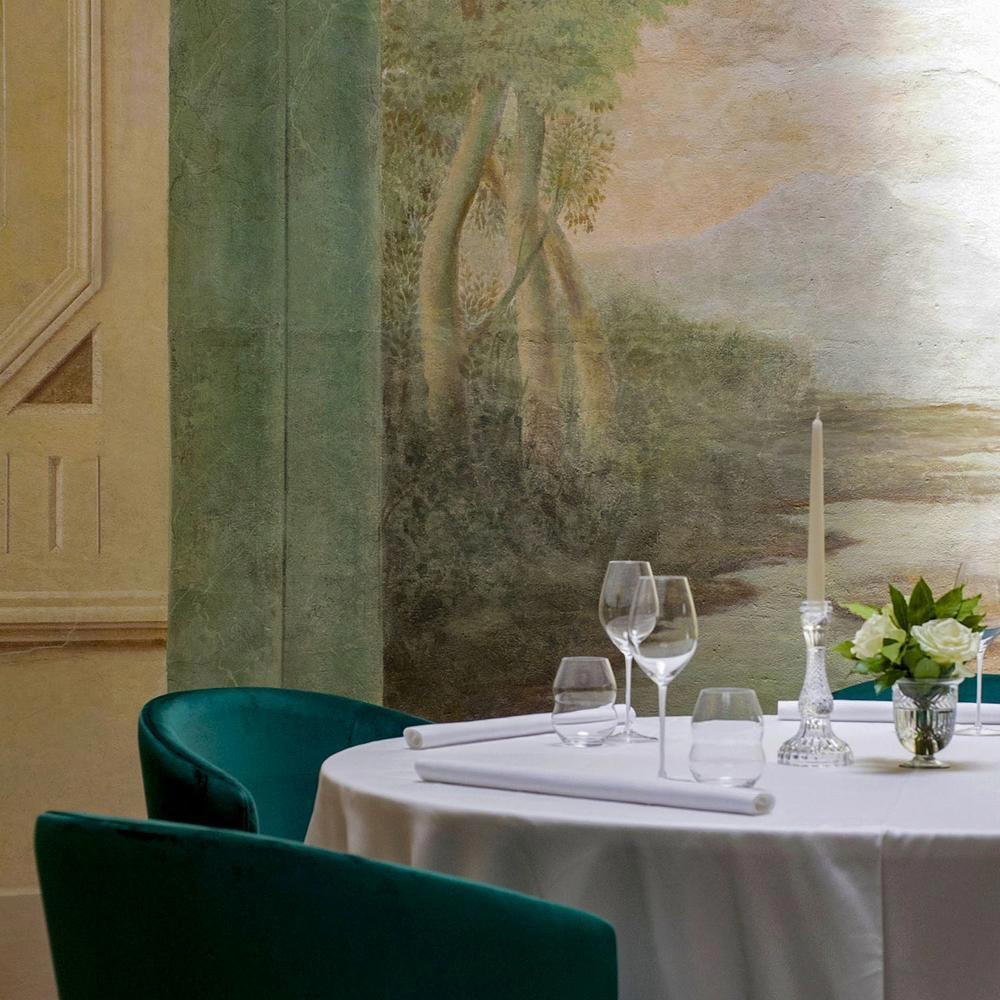
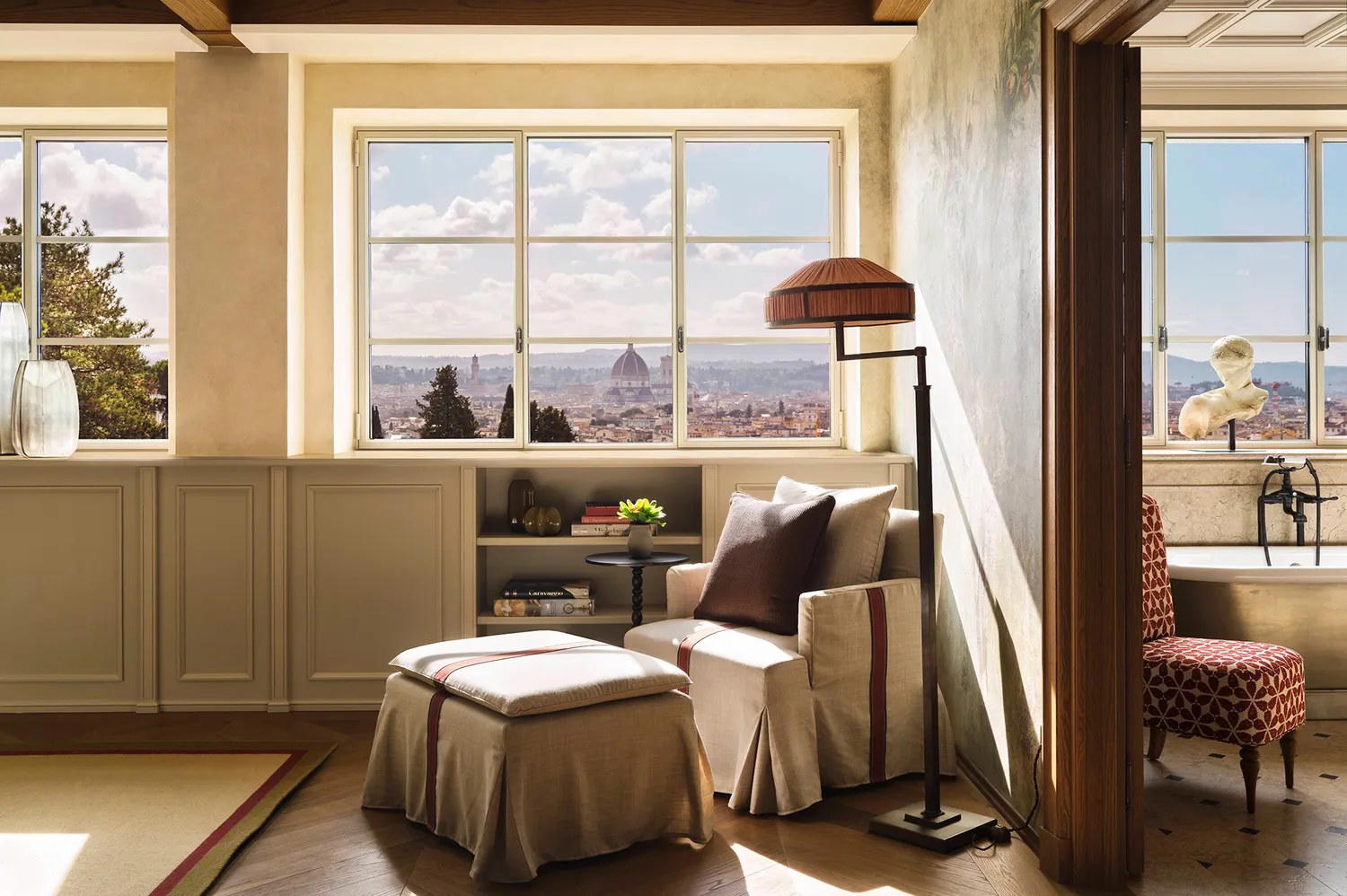
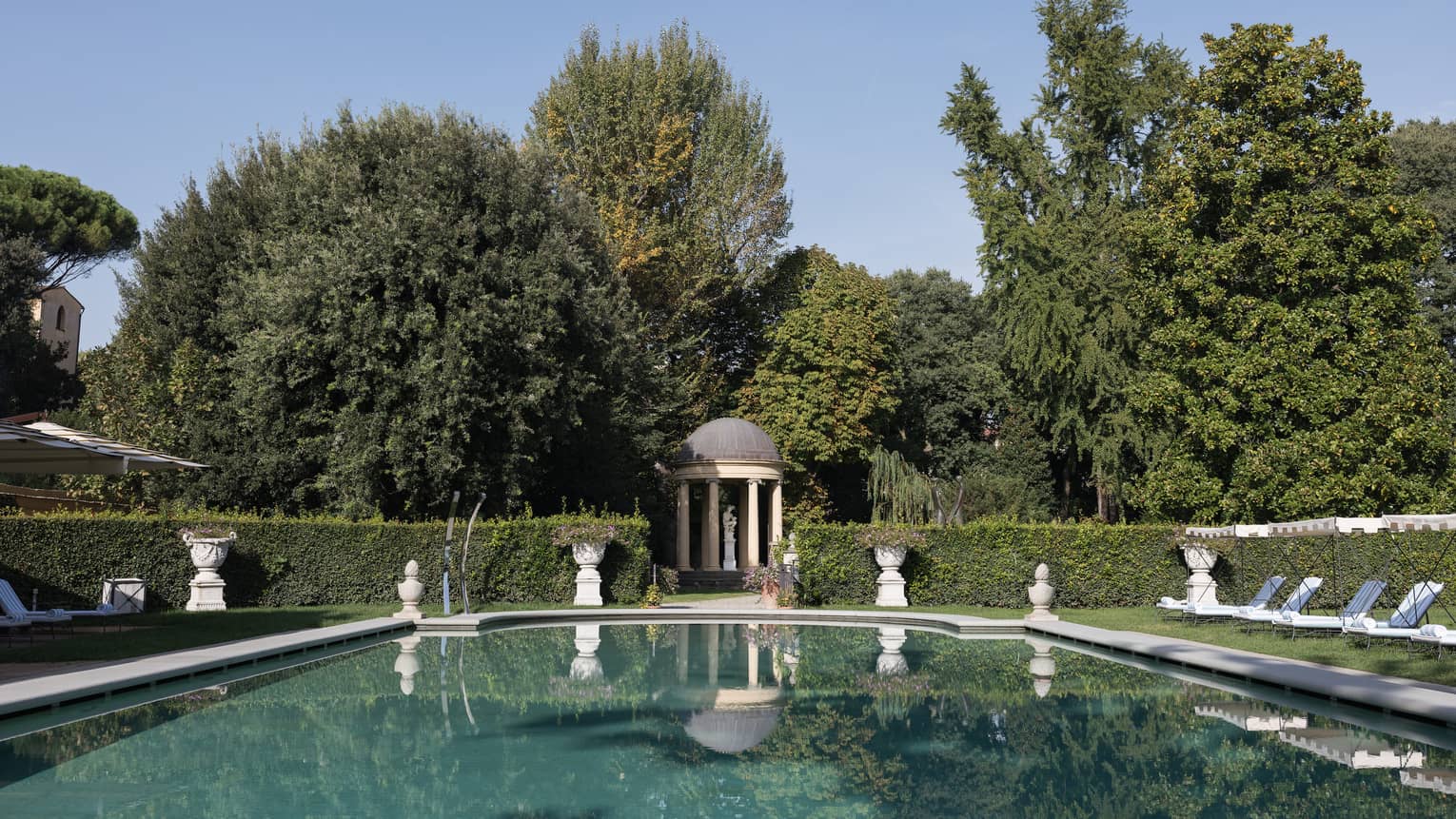
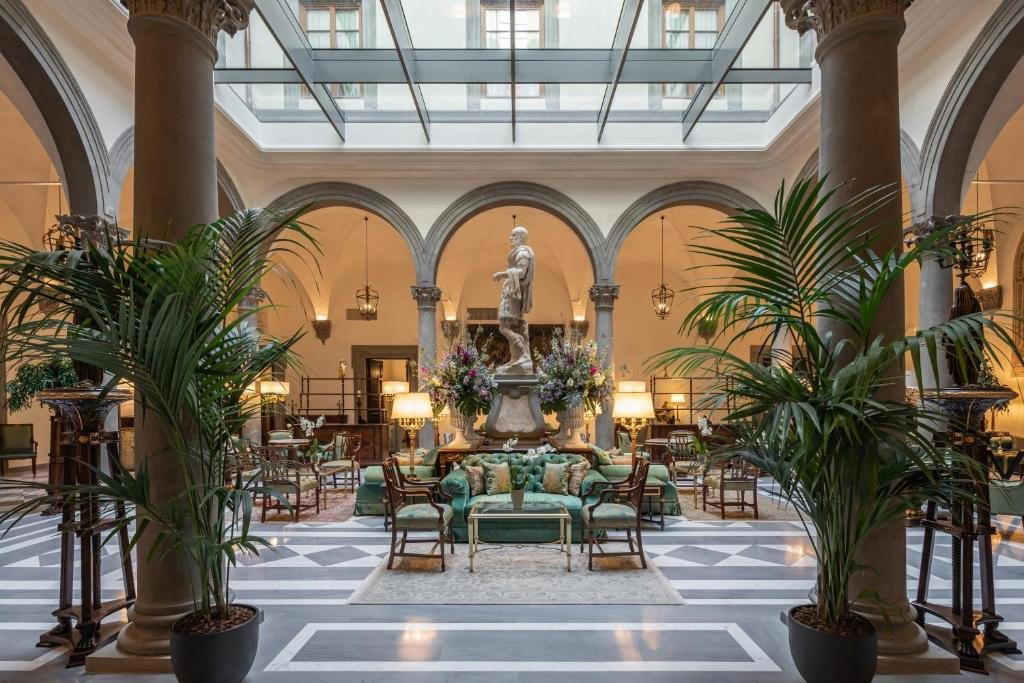
Stylish interior with beautiful frescoes on the ceiling, Roman ruins visible throughout, cozy and inviting atmosphere with warm lighting and attentive service