
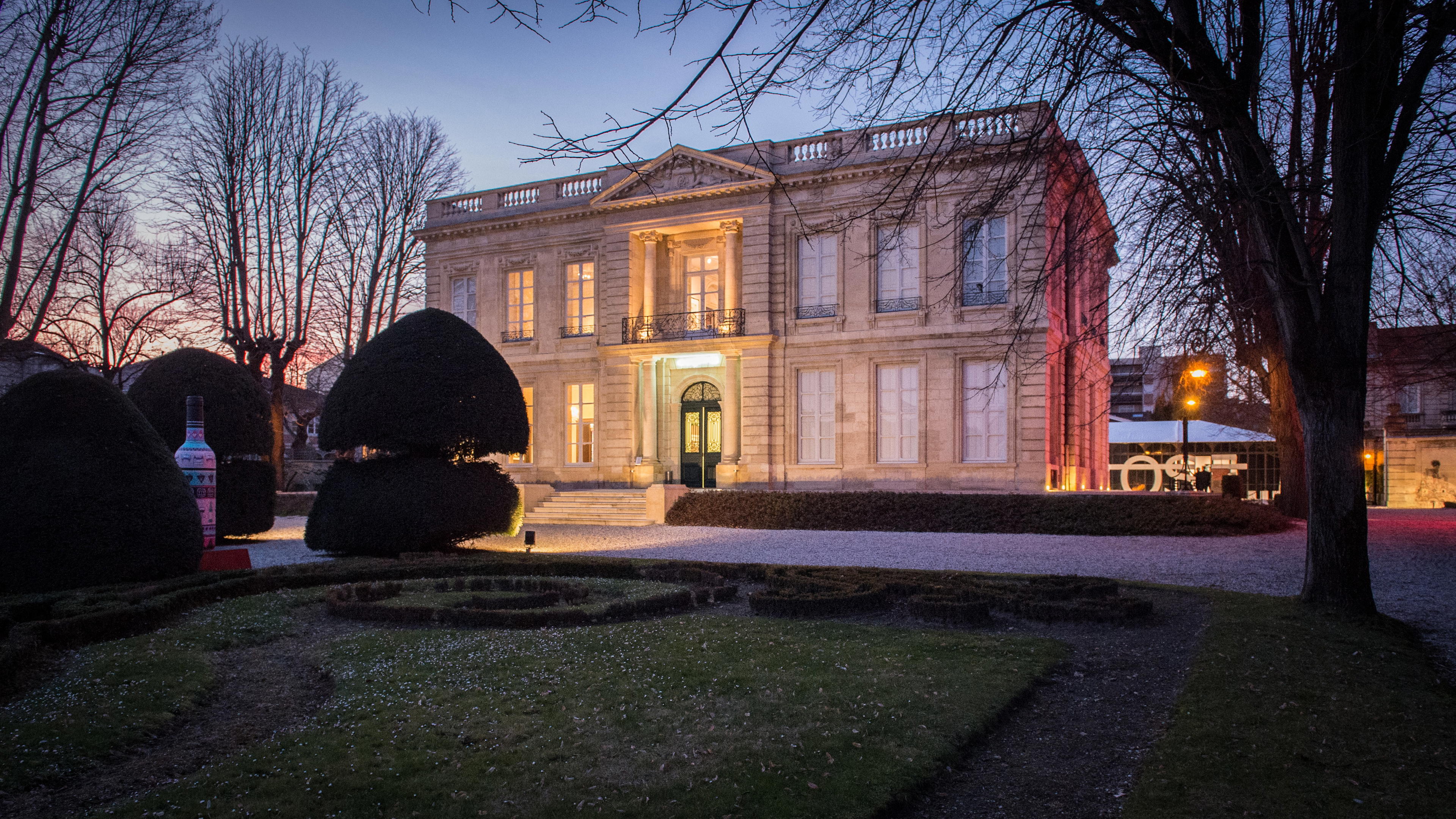
Château La Mission Haut-Brion is a Graves Classified Growth in Pessac-Léognan, rooted in gravel terraces, a chapel and cloister, and a long association with Domaine Clarence Dillon. Its appeal lies in the way Cabernet Sauvignon, Merlot, Cabernet Franc, Sémillon and Sauvignon Blanc translate this part of Pessac into age-worthy red and dry white Bordeaux.
Pearl is the En Primeur Club membership app — saves, bookings, and concierge access live there. Same editors, same standards.
- Address
- 67 Rue de Peybouquey, 33400 Talence, France
- Phone
- +33 5 56 00 29 30
- Website
- mission-haut-brion.com
- Directions
- Get directions
 Saves & bookings on Pearl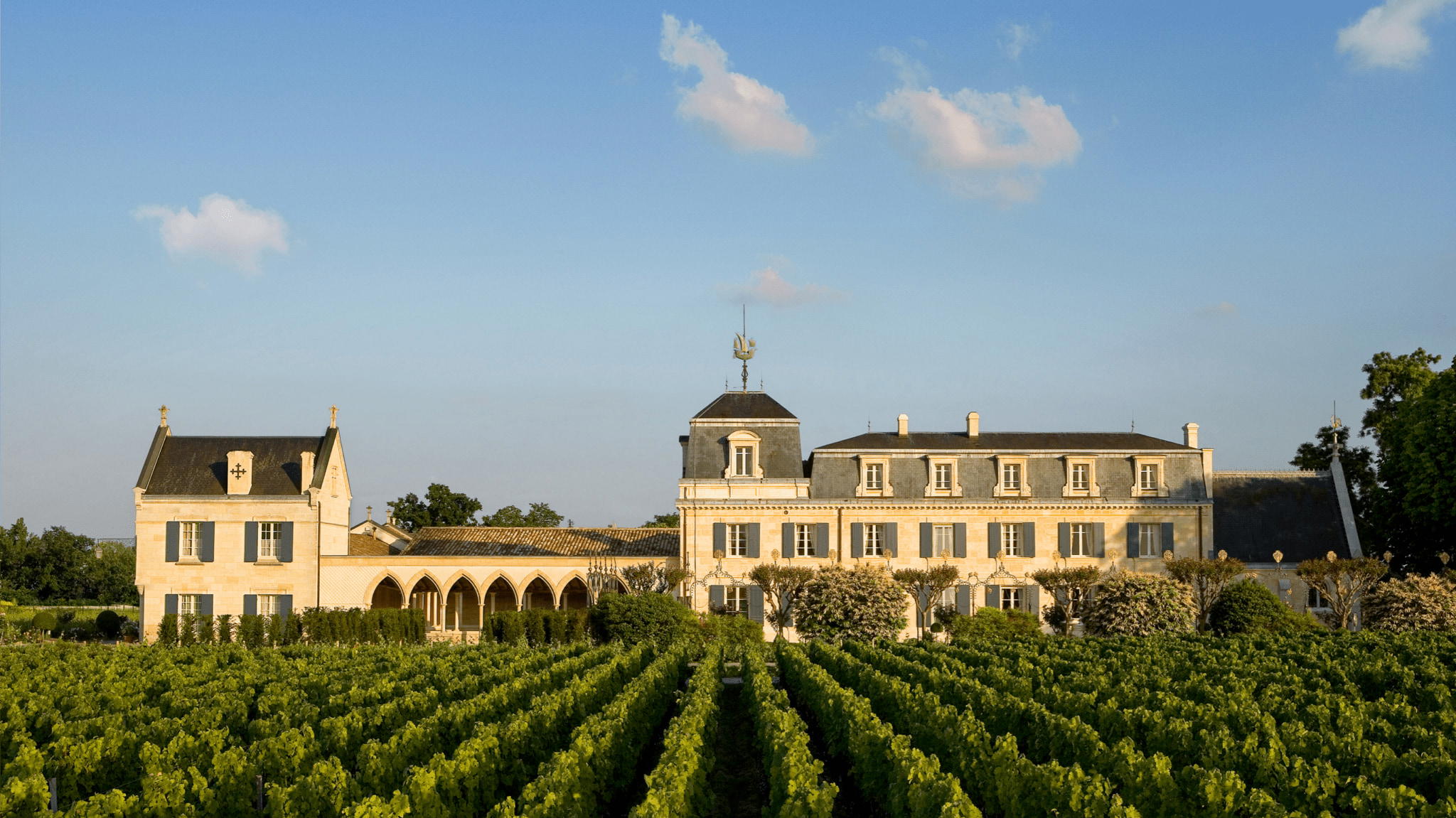
Château La Mission Haut-Brion is a premium venue in Pessac. The practical details available in this profile are intentionally limited, so the listing should be read with care rather than treated as a complete guide. What is stated is direct: the venue is listed at $$$$, and the dress code is smart casual. Those two signals are useful, but they do not replace direct confirmation of the experience currently offered.
Because no further specific service, menu, opening-hour, capacity, award, address or hospitality details are provided here, readers should treat Château La Mission Haut-Brion as a Pessac venue that requires direct confirmation before planning a visit. For a premium venue, small practical details can shape the entire visit, so confirmation is part of sensible planning rather than an afterthought.
Planning with limited details
The grounded location detail is simply Pessac. That is enough to place the venue geographically for broad trip planning, but not enough to establish a complete itinerary, route or timing.
The safest way to approach Château La Mission Haut-Brion is as a high-end Pessac listing with limited public-facing details in this profile. Confirm the current visitor experience, availability, access requirements and any hospitality format before making plans. This is especially relevant if the visit is tied to a fixed schedule, a celebration, a business engagement or travel from outside the immediate area. A $$$$ indication suggests that expectations may be refined, but the listing does not define what is included or how a visit is structured.
The comparison should therefore remain broad: consider the kind of setting you want, the level of formality you are comfortable with and how much certainty you need before committing. Until additional details are confirmed, the winery is best treated as a premium possibility rather than a fully documented plan.
What
No specific architectural, historical, ownership, classification, critic-score, award or market-price claims are made beyond the venue name, city, price tier and dress code. The name may invite curiosity, and the premium positioning may suggest a certain level of care, but this profile does not provide the evidence needed to describe the venue in those broader terms. The editorial approach here is deliberately restrained.
What is stated is practical rather than narrative: the winery is in Pessac, carries a $$$$ price indication and has a smart casual dress code. That makes it a venue to approach with the expectations appropriate to a premium setting. Smart casual is a useful cue because it points away from overly informal dress while stopping short of specifying formal attire. It gives visitors a baseline for presentation, but it should still be interpreted with common sense and, where necessary, confirmed directly.
If you are planning around a special occasion or business visit, confirm all arrangements directly with the venue, including whether appointments, guided formats or any other services are currently available. Direct contact is also the ideal way to understand how the $$$$ price tier relates to the current experience, since this profile does not describe inclusions, menus, packages or services.
How to read the visit in the wider Pessac circuit
Use this profile as a concise planning note rather than a full venue guide. The facts support only a general recommendation: the winery is a high-end Pessac venue where smart casual dress is appropriate. That can be enough to place it on an initial shortlist, particularly for travellers or locals considering premium options, but it is not enough to finalise the practical shape of a visit.
Keep comparisons general unless details are confirmed independently. In practical terms, that means weighing the winery against the kind of experience you are seeking, while recognising that this profile does not supply the detail needed for close, point-by-point comparison.
The editorial case is therefore simple: the winery belongs on a Pessac shortlist when you want a premium venue and are prepared to verify the finer details directly before visiting. Treat the listing as a prompt to enquire, not as a substitute for enquiry. With the information available here, particularly accurate recommendation is measured: note the Pessac location, respect the smart casual dress code, recognise the $$$$ positioning and confirm everything else before you go.
Recognition history
Dated appearances from independent guides and award organizations, with the underlying list record or original source where available.
Falstaff Winery - 4 Stars
Falstaff
Michelin 2 Grapes
Michelin
Continue exploring
More in Talence
Wineries in Talence
Browse all →
Bars in Talence
Browse all →
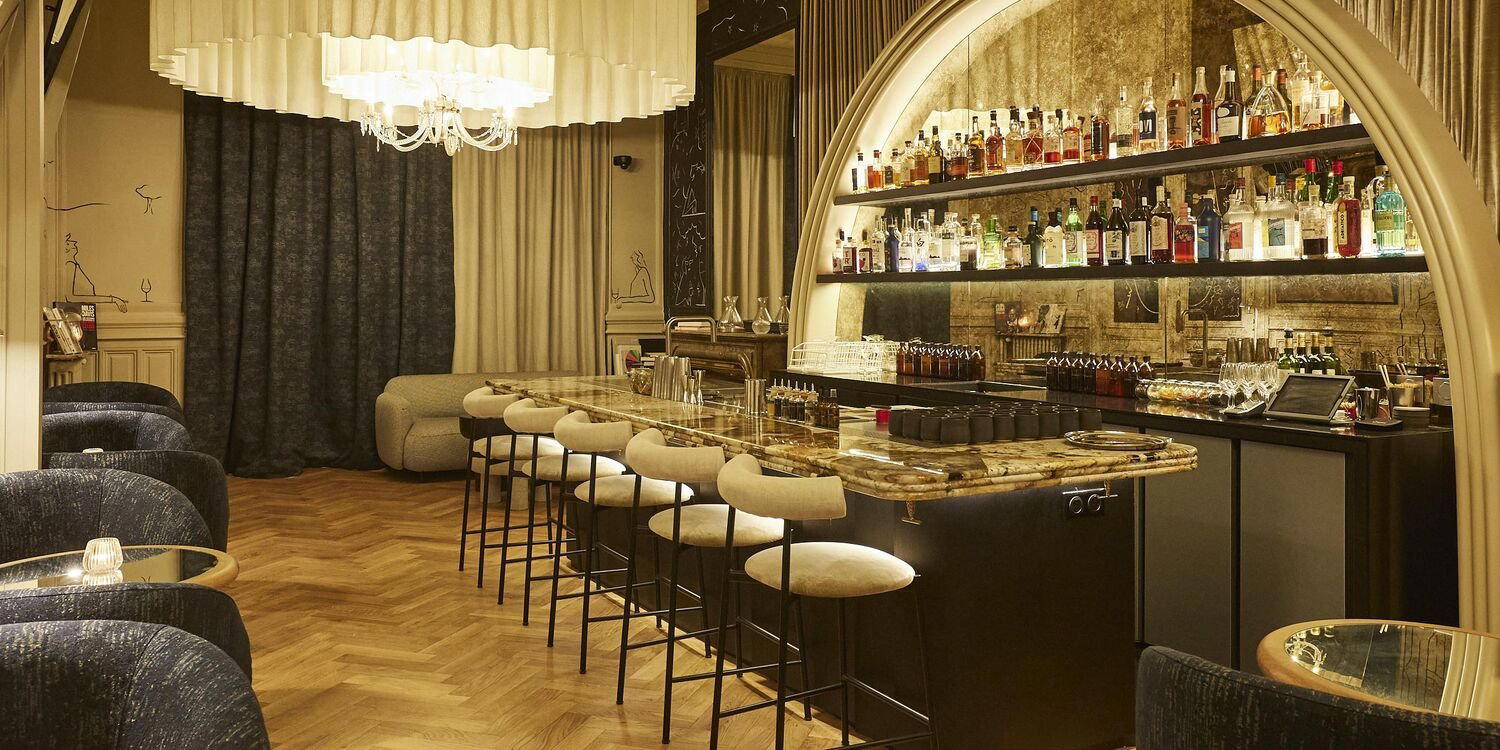
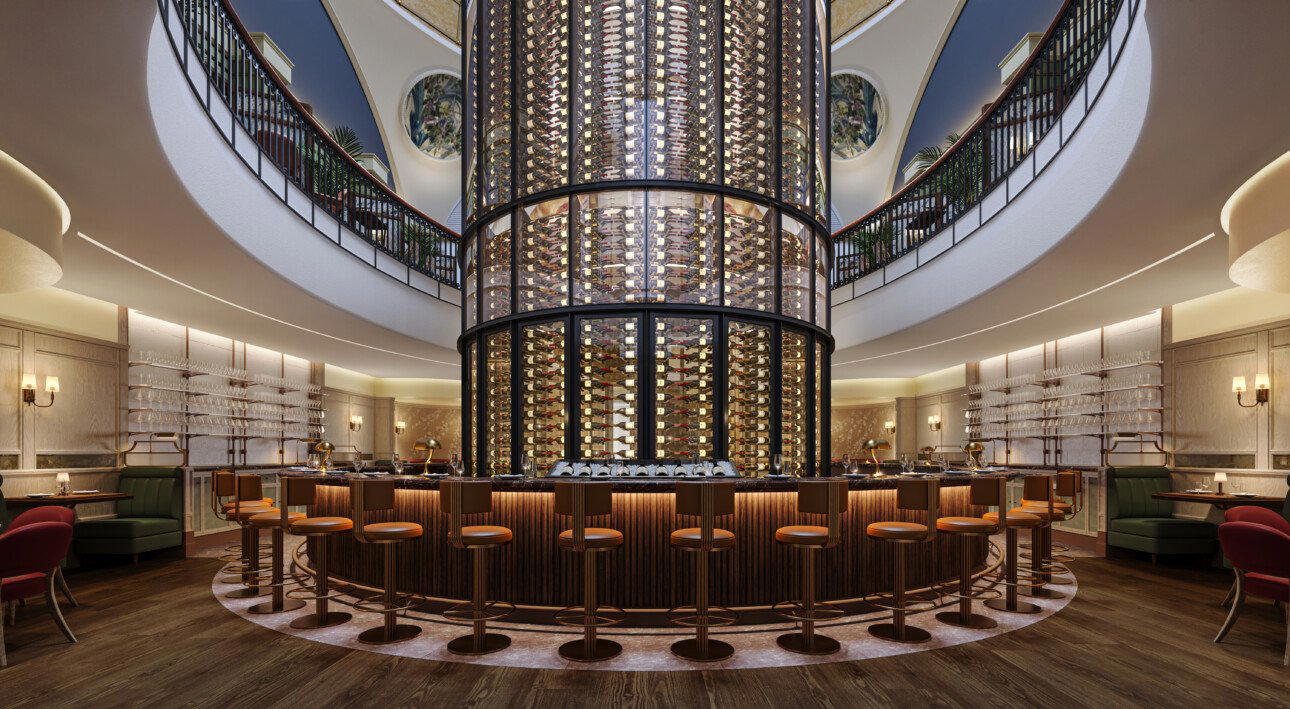
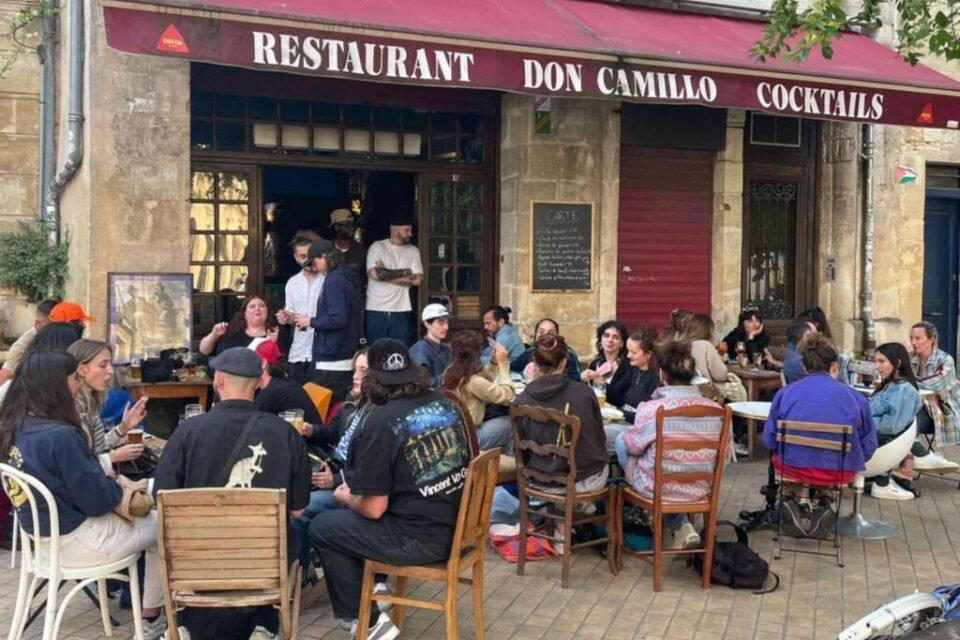
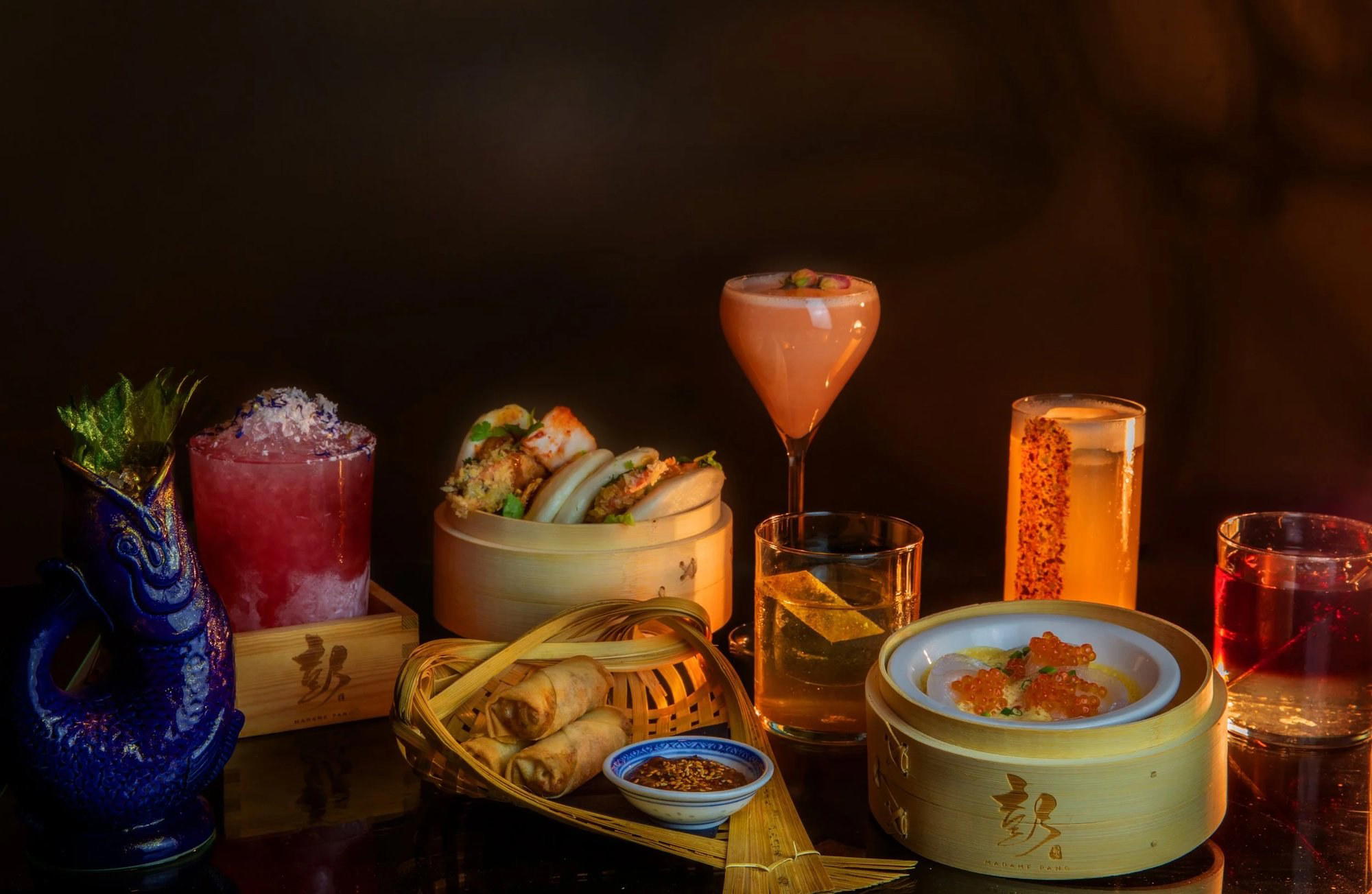
Restaurants in Talence
Browse all →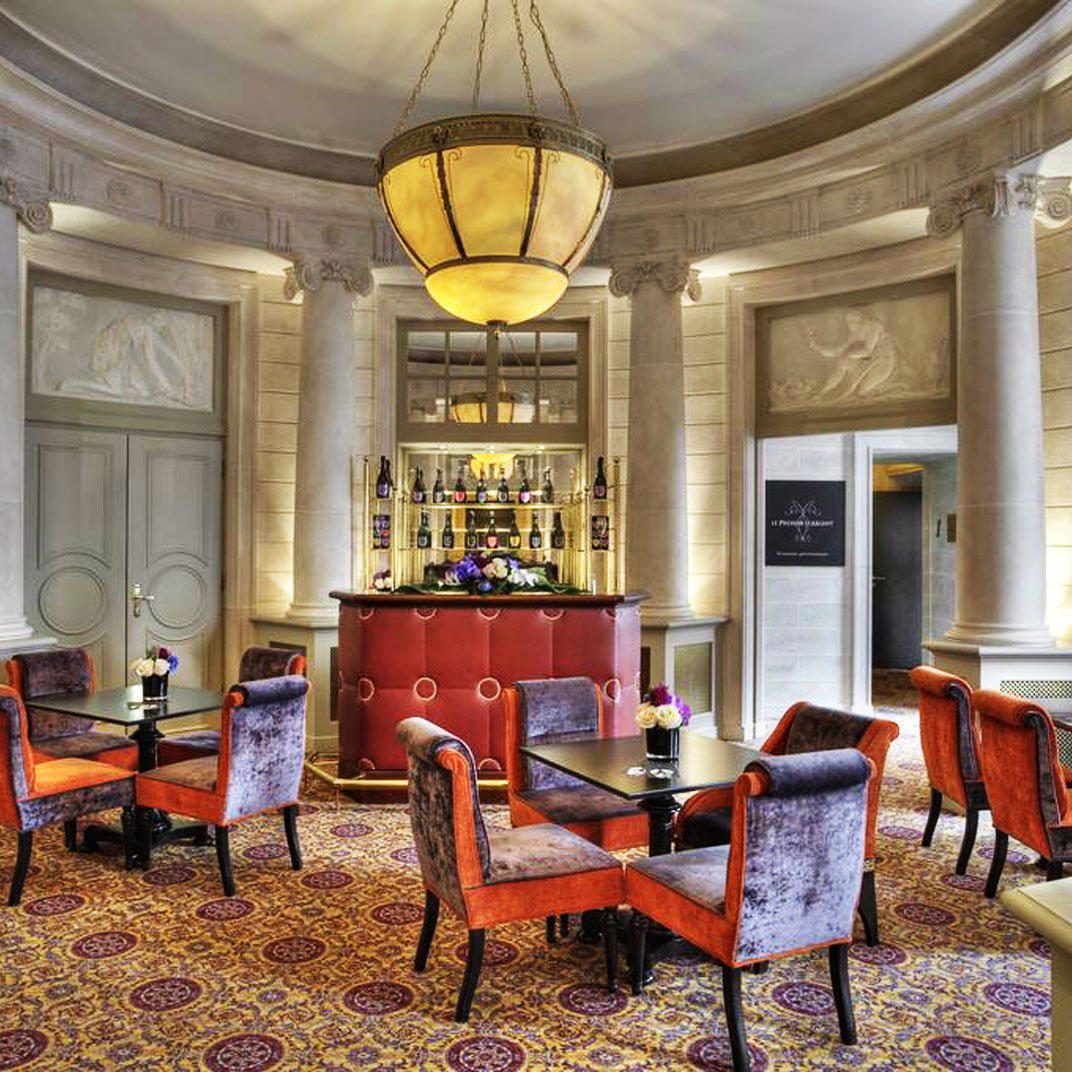
At a Glance
- Well Known
- Classic
- Scenic
- Elegant
- Romantic
- Sophisticated
- Romantic Getaway
- Special Occasion
- Wine Education
- Group Outing
- Corporate Event
- Solo Exploration
- Estate Grounds
- Historic Building
- Private Tasting
- Vineyard Tour
- Vineyard
- Garden
- Pessac Léognan AOC
- Cabernet Sauvignon
- Merlot
- Cabernet Franc
- Sémillon
- Sauvignon Blanc
- Still Red
- Still White
- Guided Estate Tour With Tasting
- Private Appointment Tasting
Current opening hours
- Monday
- 9 AM–5 PM
- Tuesday
- 9 AM–5 PM
- Wednesday
- 9 AM–5 PM
- Thursday
- 9 AM–5 PM
- Friday
- 9 AM–5 PM
- Saturday
- Closed
- Sunday
- Closed
Hours can change for holidays and private events. Last verified .
Historic, contemplative and elegant, with a spiritual aura rooted in its chapel and cloister, blending understated luxury with the quiet gravitas of a Premier Grand Cru estate.