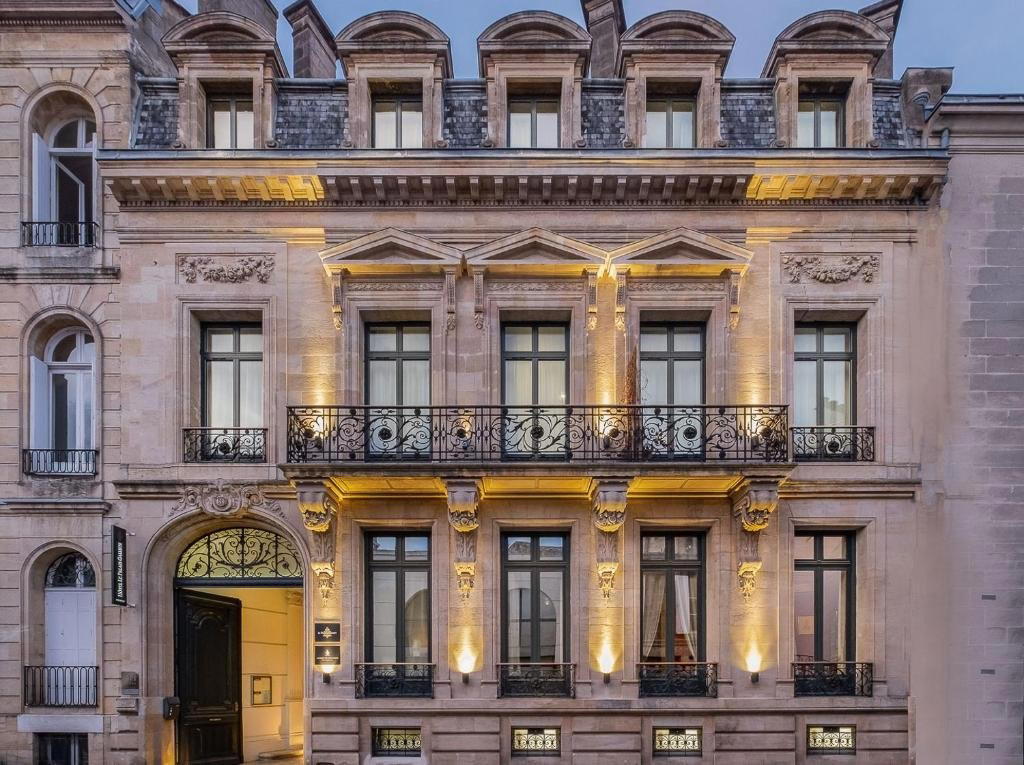
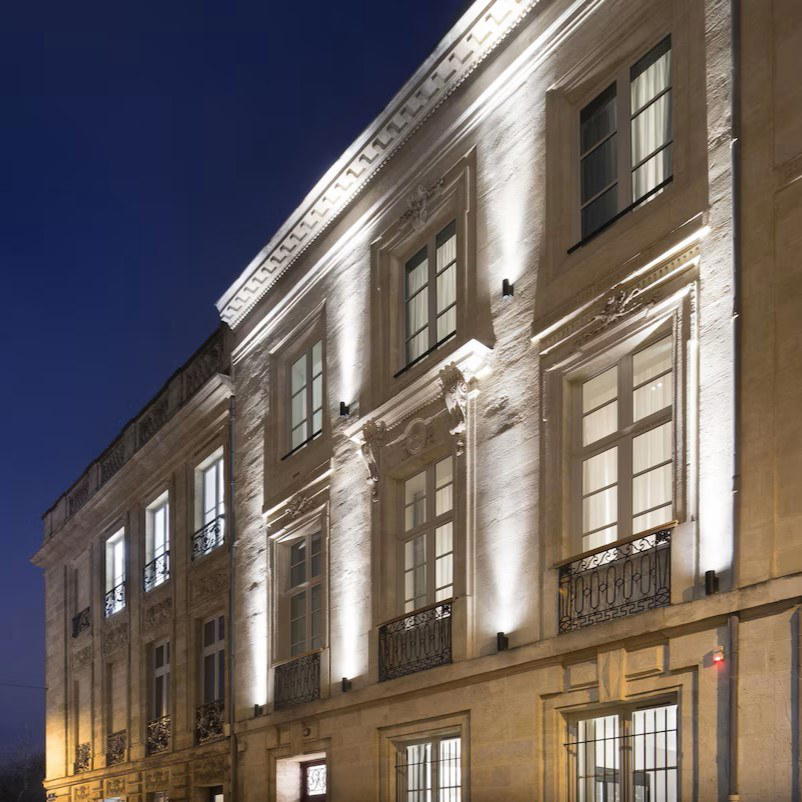
Le Ferdinand occupies a considered address on the Cours du Maréchal Foch, where Bordeaux's bar scene has been quietly shifting away from wine-centric convention toward serious cocktail craft. The room signals intention before a drink is poured, and the programme reflects the city's growing confidence in mixed drinks as a discipline in their own right. A worthwhile stop for anyone tracing that evolution across the Left Bank.

Pearl is the En Primeur Club membership app — saves, bookings, and concierge access live there. Same editors, same standards.
- Address
- 25 Cr du Maréchal Foch, 33000 Bordeaux, France
- Phone
- +33 5 64 31 22 50
- Hours
- Daily 6 PM–12 AM
- Website
- villasfoch.fr
- Directions
- Get directions
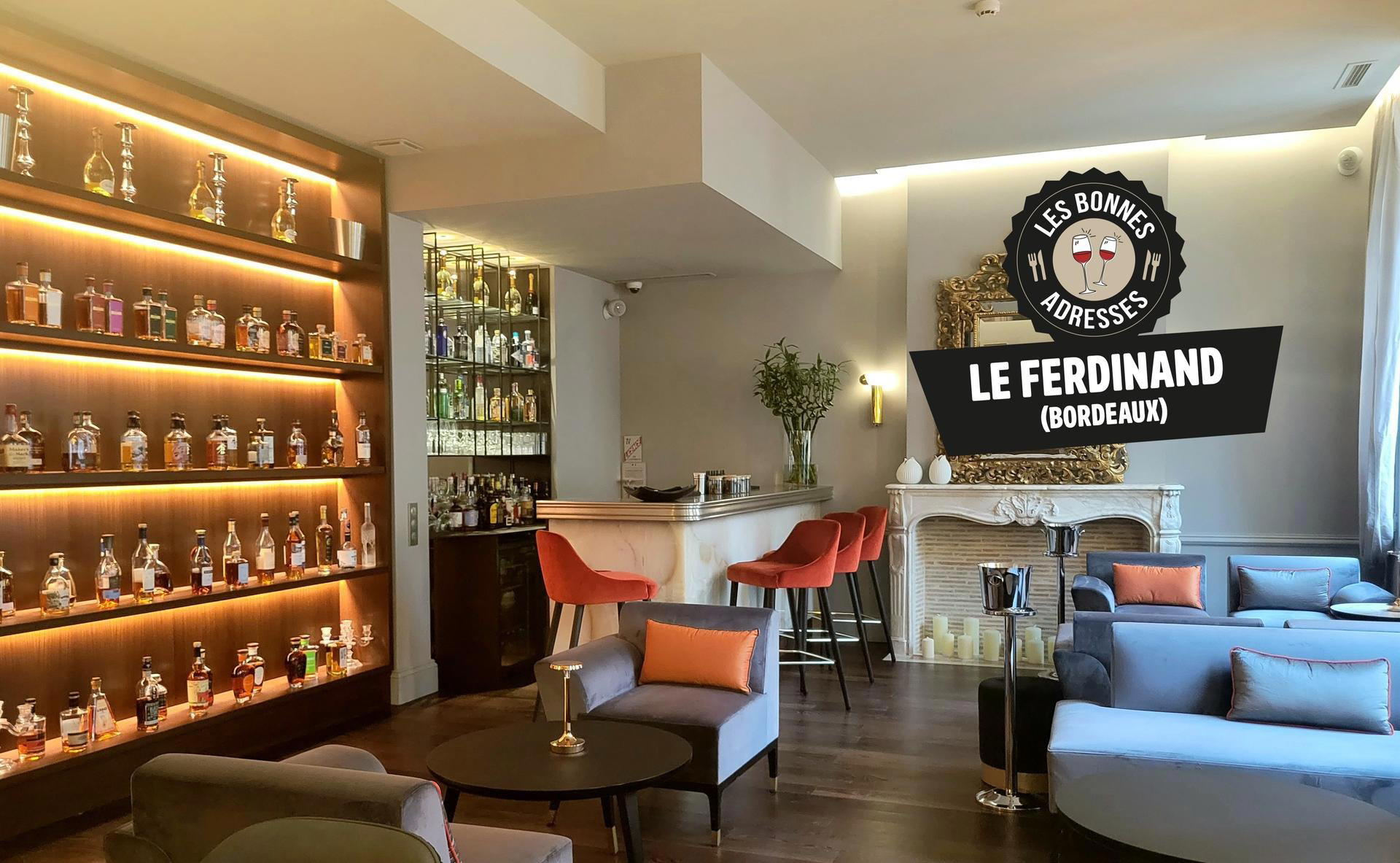
Bordeaux's Cocktail Moment, and Where Le Ferdinand Sits in It
For most of its modern history, Bordeaux's drinking culture deferred to the glass. Wine was the dominant idiom, and bars functioned largely as antechambers to dinner tables or extensions of négociant culture. That framing has been loosening over the past several years, and the Cours du Maréchal Foch corridor has become one of the addresses where the shift is most visible. Le Ferdinand, at number 25, operates inside that transition: a bar that reads as deliberate in its positioning, occupying territory between the city's older wine-bar tradition and a newer generation of technically oriented cocktail programmes.
The parallel is instructive. In Paris, the long-running split between hotel bar formality and neighbourhood experimentation eventually produced a more confident middle register, represented now by addresses like La Bar du Plaza Athénée, where craft and setting reinforce each other. Bordeaux is tracing a similar arc, and Le Ferdinand fits into the emerging layer of that city's story rather than either extreme.
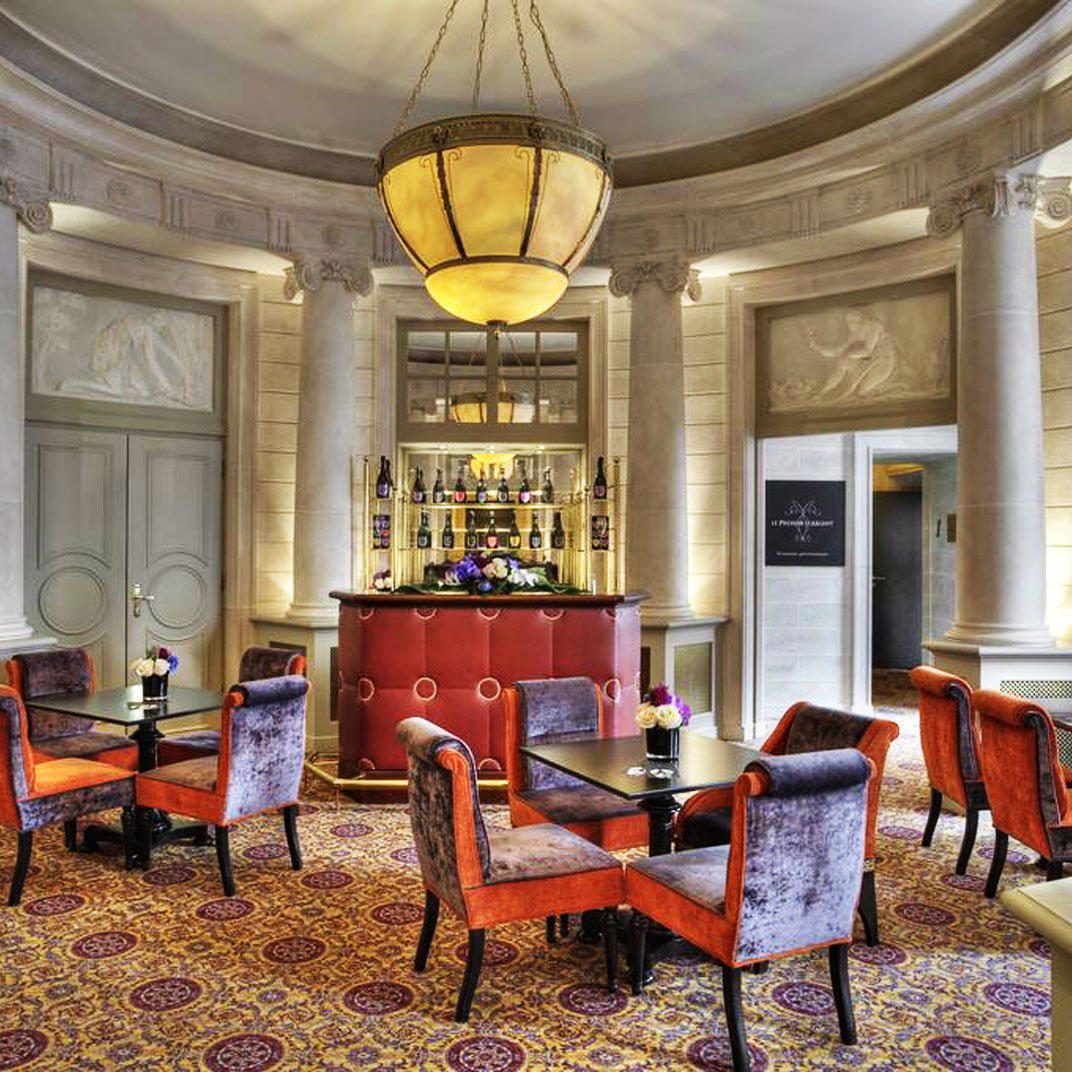
The Room: What the Address Signals Before You Order
Cours du Maréchal Foch is a broad, tree-lined artery on the western edge of Bordeaux's city centre, more civic in character than the tighter streets of the Saint-Pierre quarter. Bars here tend to attract a mix of after-work professionals and visitors with enough local knowledge to move beyond the Triangle d'Or's more tourist-facing options. Le Ferdinand's placement on this stretch positions it as a venue for deliberate drinkers rather than passing trade.
The room itself — from what the address and street-level positioning communicate — is consistent with the mid-scale cocktail format that has become the operating model for ambitious bars across provincial French cities. In Lyon, Trokson has worked a similar register: focused, well-lit, with a programme that does the talking rather than spectacle or overtly themed décor. In Reims, La Vertu applies comparable logic. The format is not flashy by design; the restraint is the point.
The Cocktail Programme: Technique as the Through-Line
Bordeaux's cocktail scene has historically operated in the shadow of its wine identity, which has created an unusual creative pressure on the bars that have chosen to specialise. Without the shorthand of a famous regional spirit or an established mixing tradition to borrow from, the better programmes in the city have been built on technique and ingredient sourcing rather than brand storytelling.
Within the city, bars like ComplanTerra have explored the intersection of local viticulture and cocktail craft, using regional grape derivatives as a bridge between the wine world and mixed drinks. Cornichon has approached the category from a different angle, with a programme oriented around seasonal produce and kitchen-adjacent thinking. Le Ferdinand sits within this evolving peer group, occupying the part of the spectrum where the physical setting and the overall atmosphere carry as much of the programme's identity as any single technique or ingredient.
Across French provincial cocktail culture more broadly, the past decade has seen a meaningful professionalisation of the bartending discipline. Cities like Montpellier, where Papa Doble has built a following around serious rum and tiki-adjacent craft, and Strasbourg, where Au Brasseur operates in the brewing and fermentation space, demonstrate that the most interesting work is now happening outside Paris. Le Ferdinand is part of that wider decentralisation.
The Wine-Bar Comparison and Why It Still Matters in Bordeaux
Any serious bar in Bordeaux exists in implicit dialogue with the city's wine-bar culture. Aux Quatre Coins du Vin is perhaps the clearest representative of the native tradition: a programme built around accessible access to serious Bordeaux and Aquitaine labels by the glass, with minimal fuss around the format. That model remains coherent and well-attended precisely because it serves a genuine local need.
What bars like Le Ferdinand represent is not a rejection of that tradition but a different proposition within the same market. The drinker choosing a cocktail programme over a wine list in Bordeaux is making a deliberate statement, and the bars that serve them well tend to acknowledge the city's wine literacy rather than ignore it. Whether that acknowledgement shows up through aperitif-adjacent builds, locally sourced botanicals, or simply in the way service is calibrated for a wine-knowledgeable crowd, the dialogue between the two disciplines is a defining characteristic of the better cocktail venues in the city.
Bar Casa Bordeaux represents yet another entry point into this conversation, approaching the overlap from a different stylistic direction. The diversity of approaches across a relatively compact city is one of the markers of a scene that has reached genuine maturity rather than simply following a trend.
Placing Le Ferdinand in the Broader French Bar Context
For visitors arriving from outside France, the most useful frame is probably the distinction between hotel bar formality and independent cocktail programming. Le Ferdinand reads as an independent programme, which in the French provincial context means a closer relationship between the people running the bar and the choices being made behind it. Comparable in spirit, if not in setting, to addresses like Le Mas Du Langoustier on the Île de Port-Cros, where the isolation from major cities has produced a self-contained approach to hospitality, or Jewel of the South in New Orleans, where a commitment to historical cocktail research underpins the entire programme. The scale and reference points differ, but the underlying orientation toward intentional craft is consistent.
Planning a Visit
Le Ferdinand is located at 25 Cours du Maréchal Foch in the 33000 postal district of Bordeaux, walkable from both the Gambetta square and the northern reaches of the Saint-Jean tram network. The Cours du Maréchal Foch position makes it a natural stop either before or after dinner rather than a destination that requires significant routing. For a fuller picture of where Le Ferdinand sits within Bordeaux's broader eating and drinking scene, the full Bordeaux restaurants and bars guide maps the city's current options with more granularity.
Given the bar's positioning on a professionally oriented artery of the city, weekday evenings tend to draw a local crowd with an after-work tempo, while weekends skew toward visitors and longer sessions. Arriving early in the evening remains the most comfortable approach for first-time visitors who want space to assess the programme without the noise of peak service.
Comparable Venues
Comparable venues nearby, for context on price, style, and recognition.
| Venue | Cuisine | Price | Awards | Notes |
|---|---|---|---|---|
| Le FerdinandThis venue — the venue you are viewing | cocktail_bar | $30–50 | Not listed | Not listed |
| Papillon | cocktail_bar | $20–30 | Not listed | Chartrons - Grand Parc - Jardin Public |
| Madame Pang | cocktail_bar | $50–100 | Top 500 Bars Best Bars #453 | Centre ville |
| ComplanTerra | wine_bar | $30–50 | Star Wine List | Centre ville |
| Aux Quatre Coins du Vin | wine_bar | $30–50 | Star Wine List | Centre ville |
Continue exploring
More in Bordeaux
Bars in Bordeaux
Browse all →
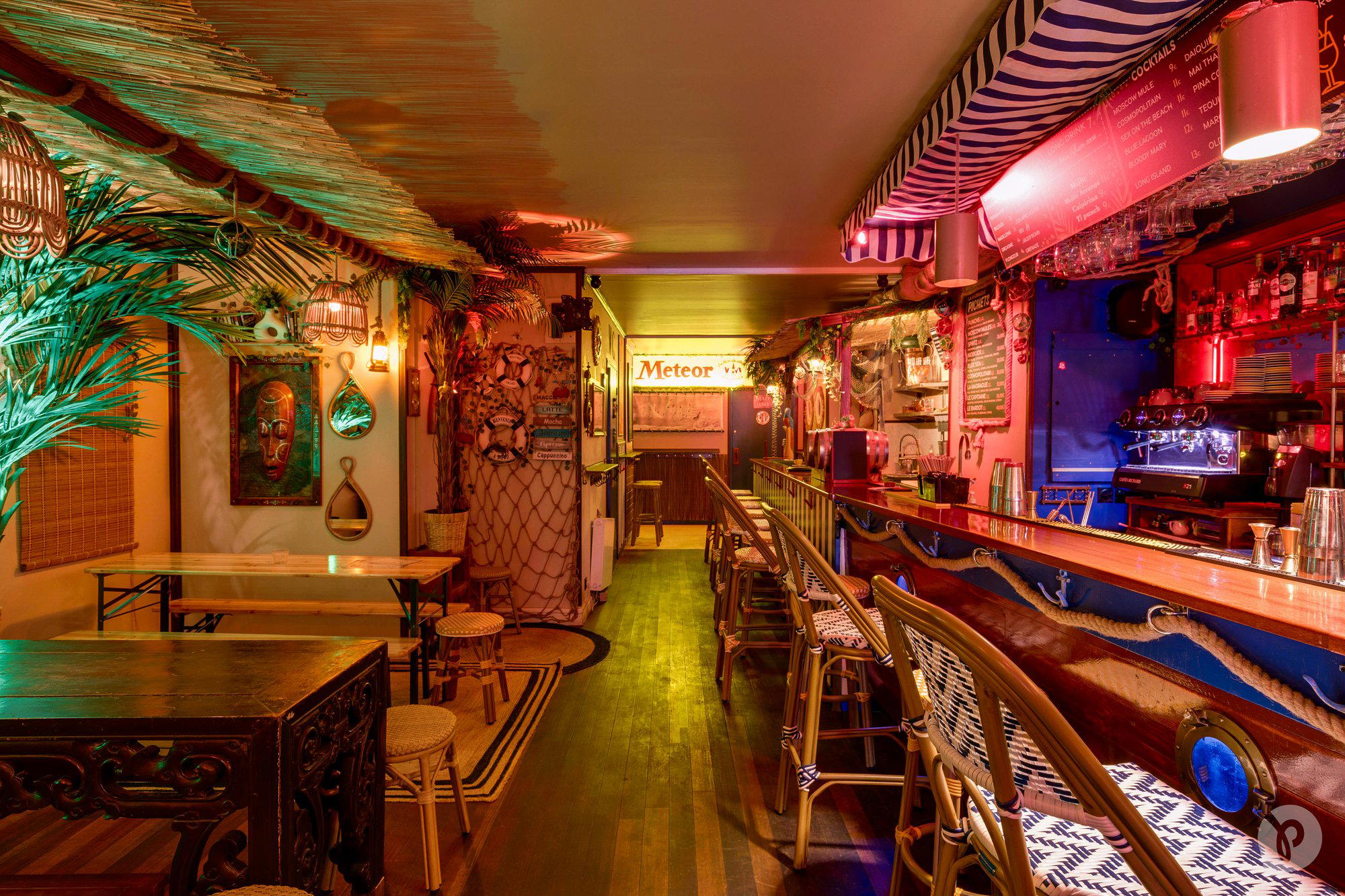
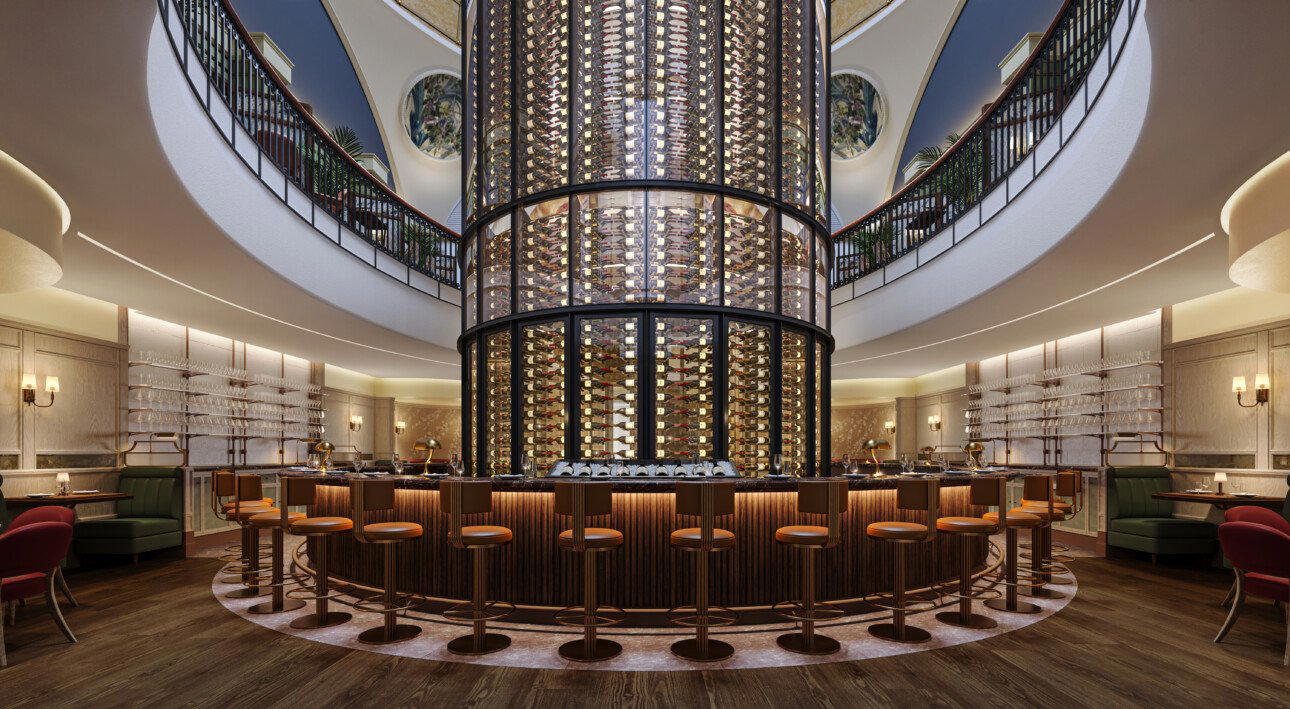
Restaurants in Bordeaux
Browse all →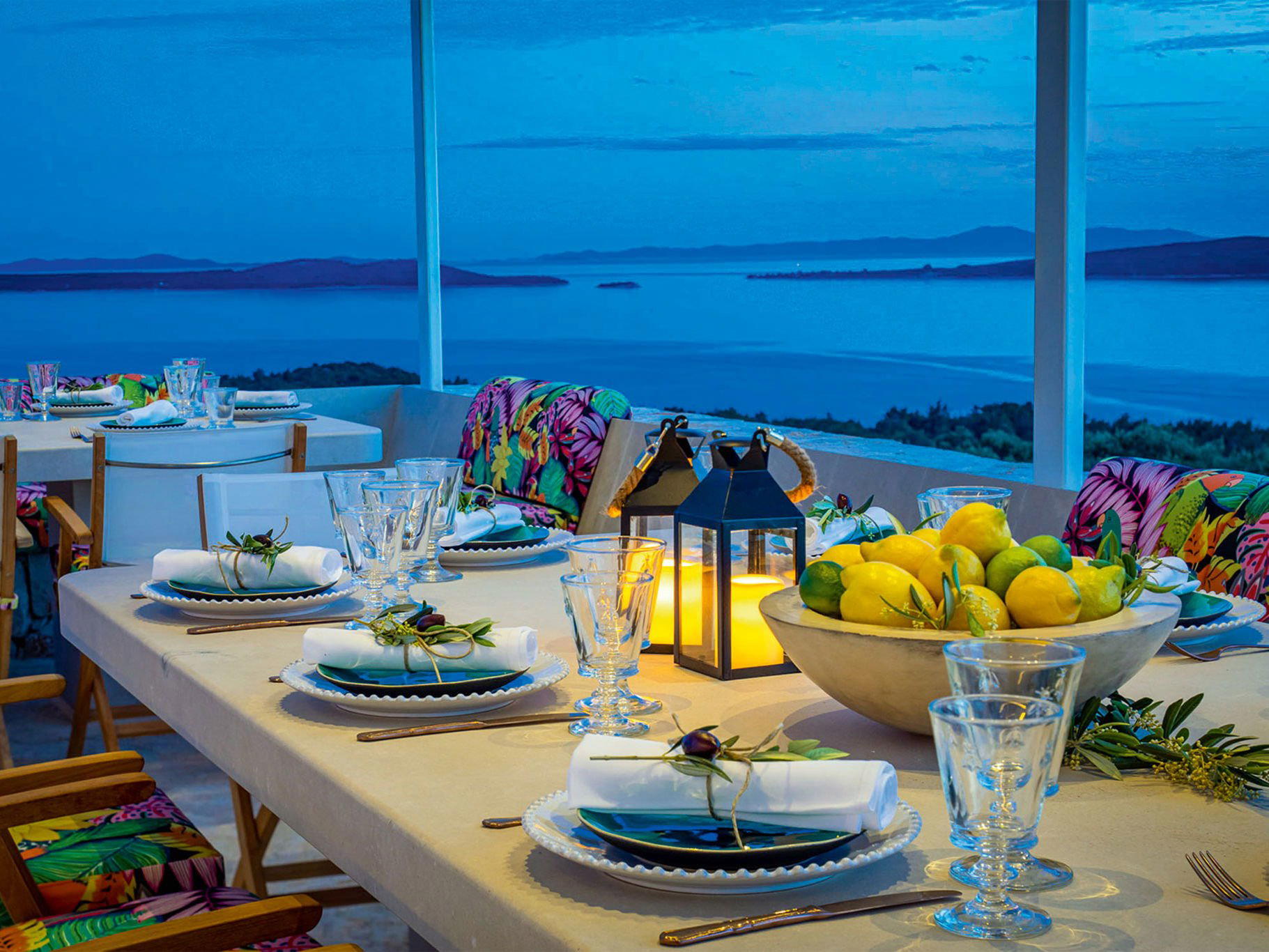
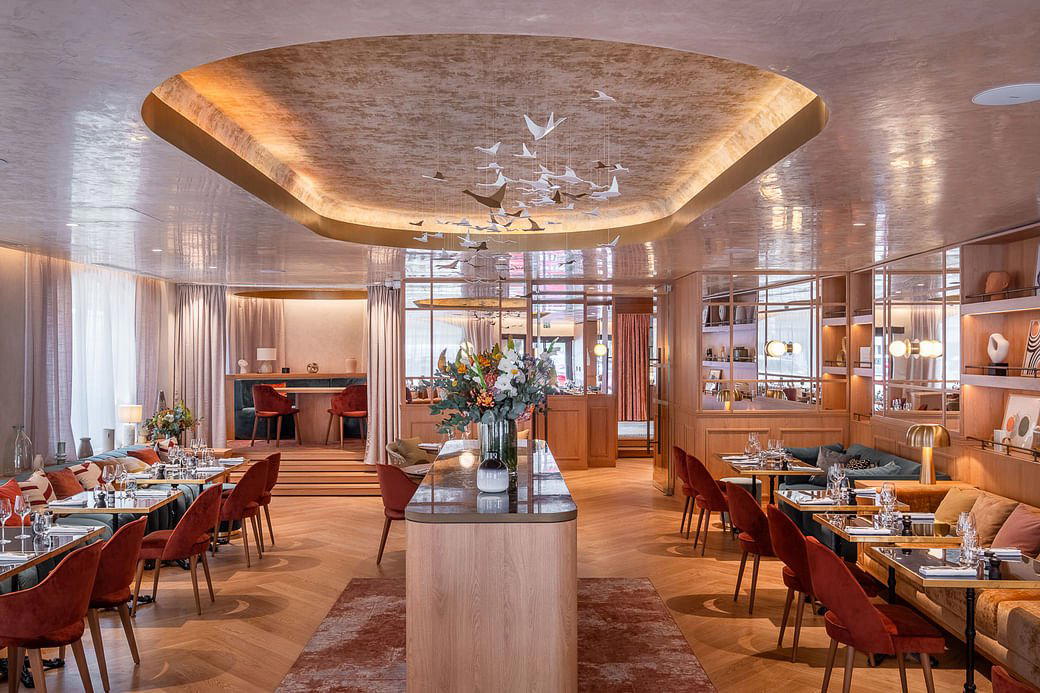
Hotels in Bordeaux
Browse all →
Details
- Elegant
- Intimate
- Sophisticated
- Cozy
- Date Night
- After Work
- Special Occasion
- Casual Hangout
- Historic Building
- Design Destination
- Hotel Bar
- Terrace
- Seated Bar
- Lounge Seating
- Outdoor Terrace
- Craft Cocktails
- Classic Cocktails
- Conventional Wine
- Natural Wine
- Street Scene
Current opening hours
- Monday
- 6 PM–12 AM
- Tuesday
- 6 PM–12 AM
- Wednesday
- 6 PM–12 AM
- Thursday
- 6 PM–12 AM
- Friday
- 6 PM–12 AM
- Saturday
- 6 PM–12 AM
- Sunday
- 6 PM–12 AM
Hours can change for holidays and private events. Last verified .
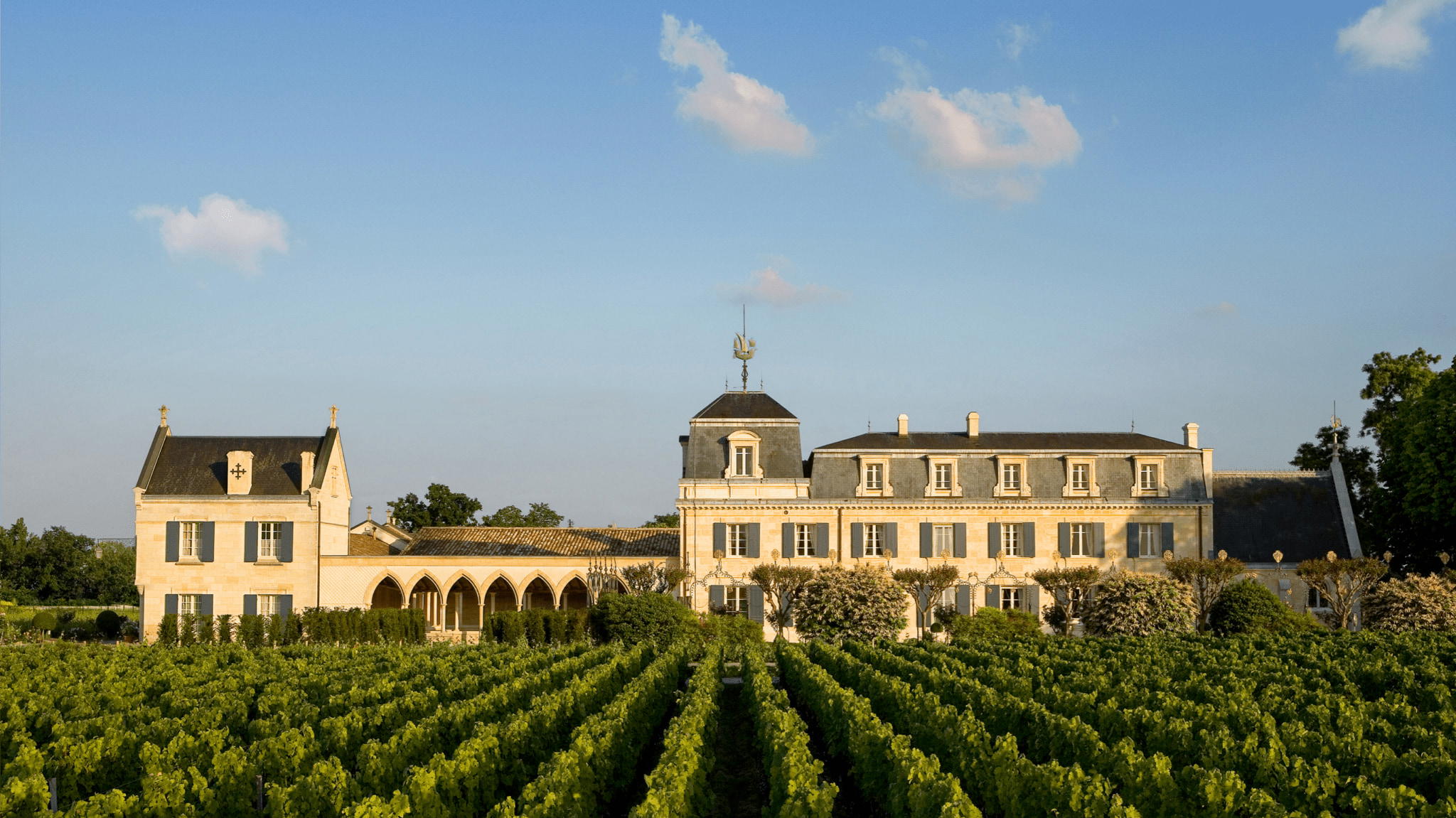
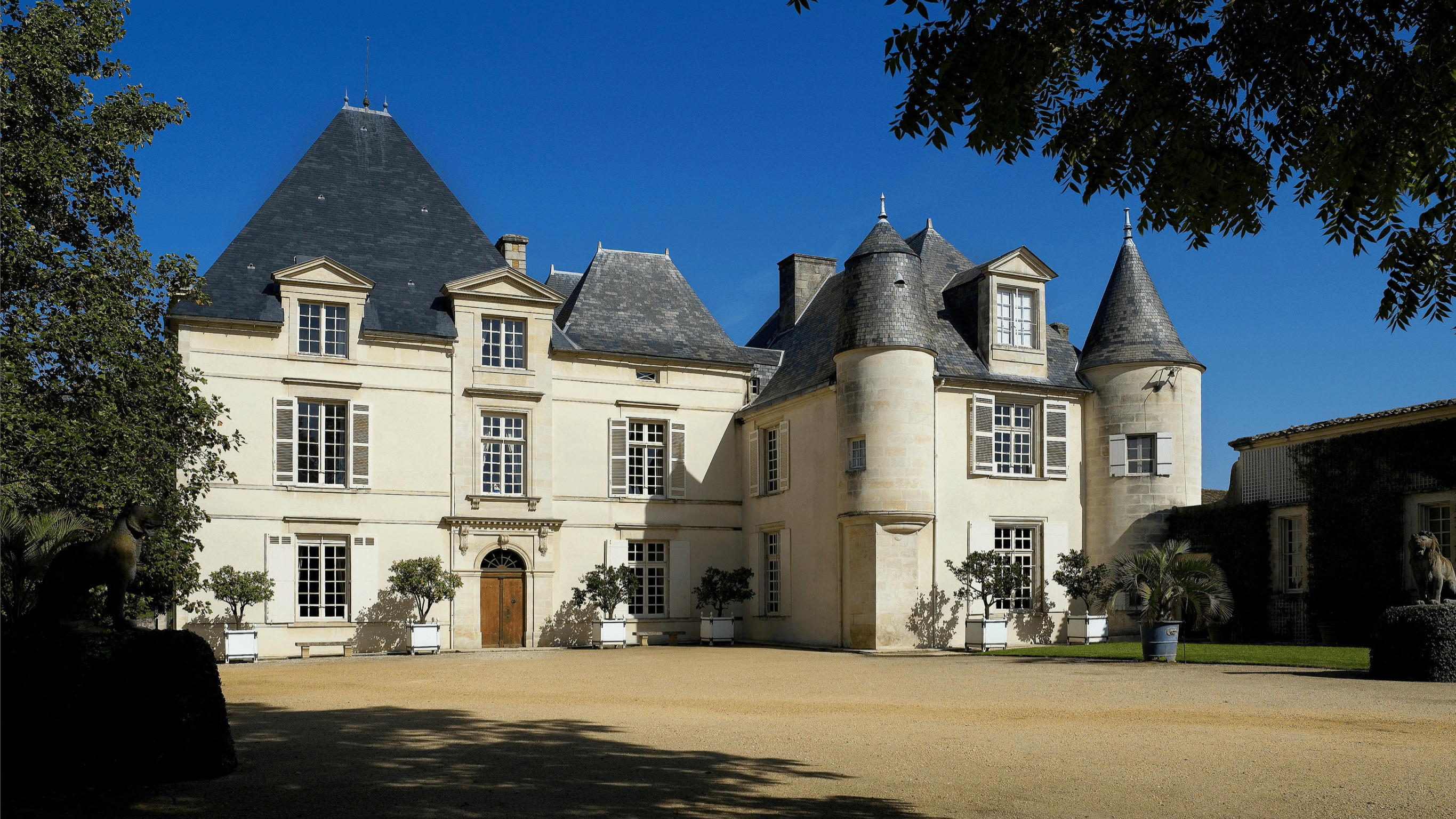
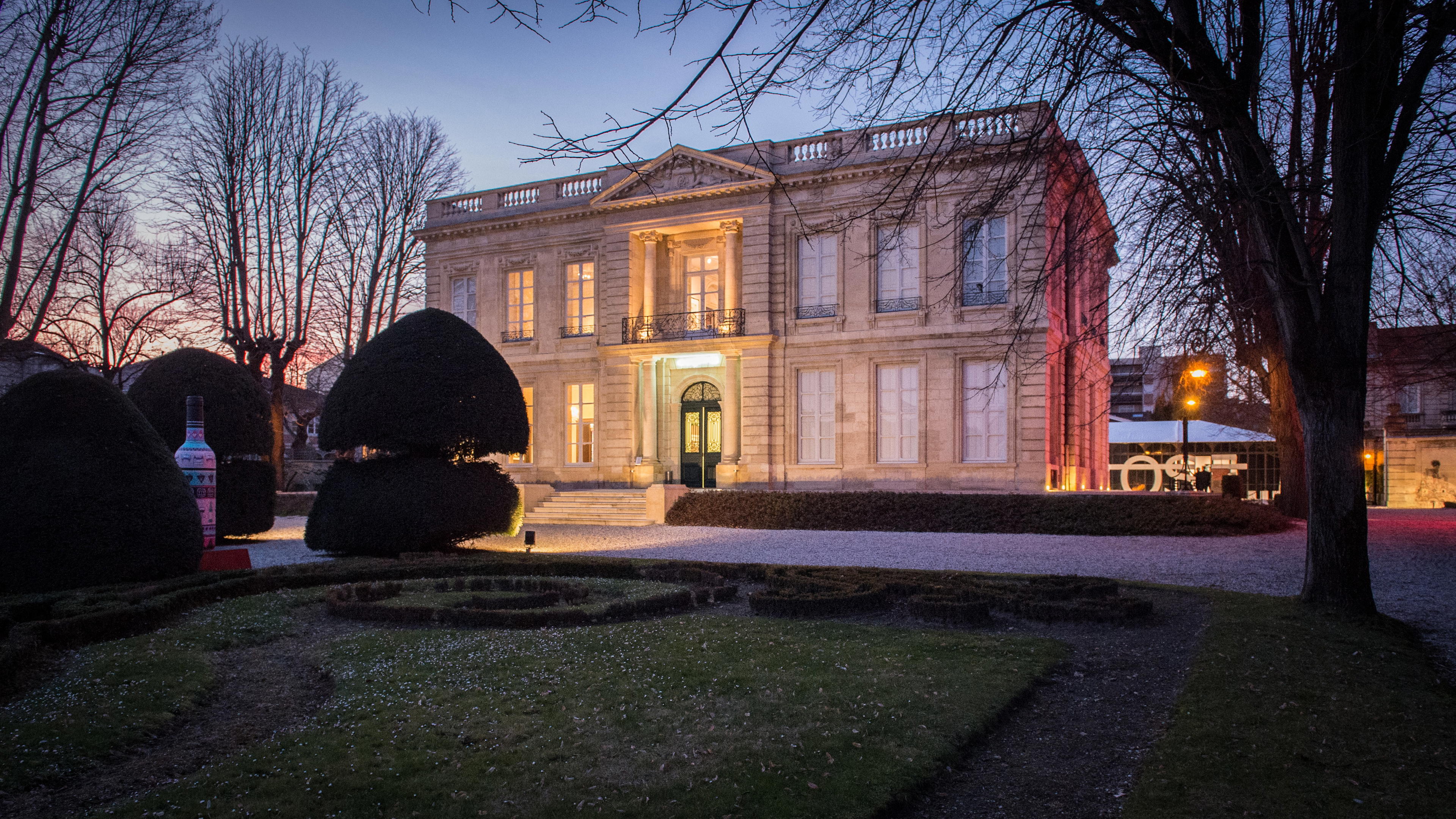
Warm and intimate with soft lighting from a period marble fireplace, onyx and zinc bar, library ambiance, and comfortable furnishings creating a sumptuous bourgeois residence atmosphere.