






2 Michelin Stars · La Liste Top Restaurants · Les Grandes Tables du Monde Member
Our verdict
Set within the Les Sources de Caudalie wine spa estate on the grounds of Château Smith Haut-Lafitte, La Grand'Vigne holds two Michelin stars under chef Nicolas Beaumann and a 90-point rating from La Liste 2026. The cooking draws on the Graves appellation's produce and wine culture, placing it among the Bordeaux region's most serious fine-dining addresses.

Pearl is the En Primeur Club membership app, where members save venues, book tables and use the concierge.
The menu
What to order
- Langoustine tartare with caviar
- Foie gras and oyster composition
- Saint-Pierre in seaweed butter
- Salers beef with celery variations
- Sarrasin dessert with citrus
Where Vineyard Setting Meets Two-Star Precision
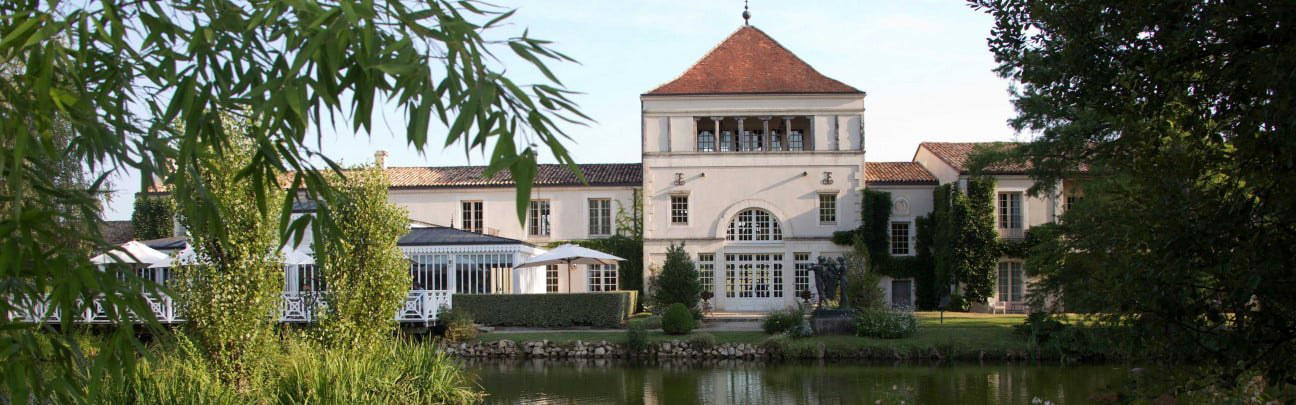
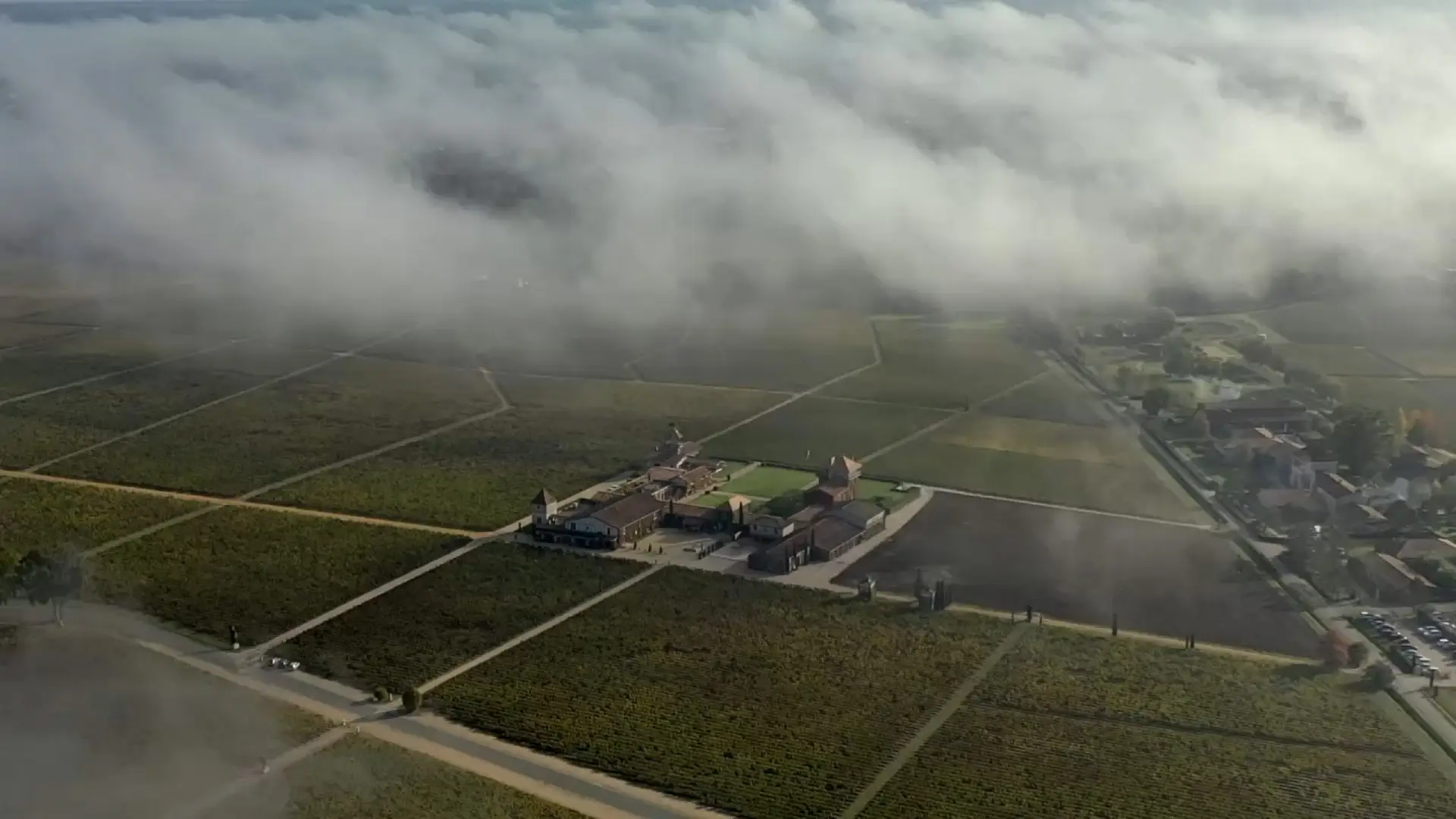
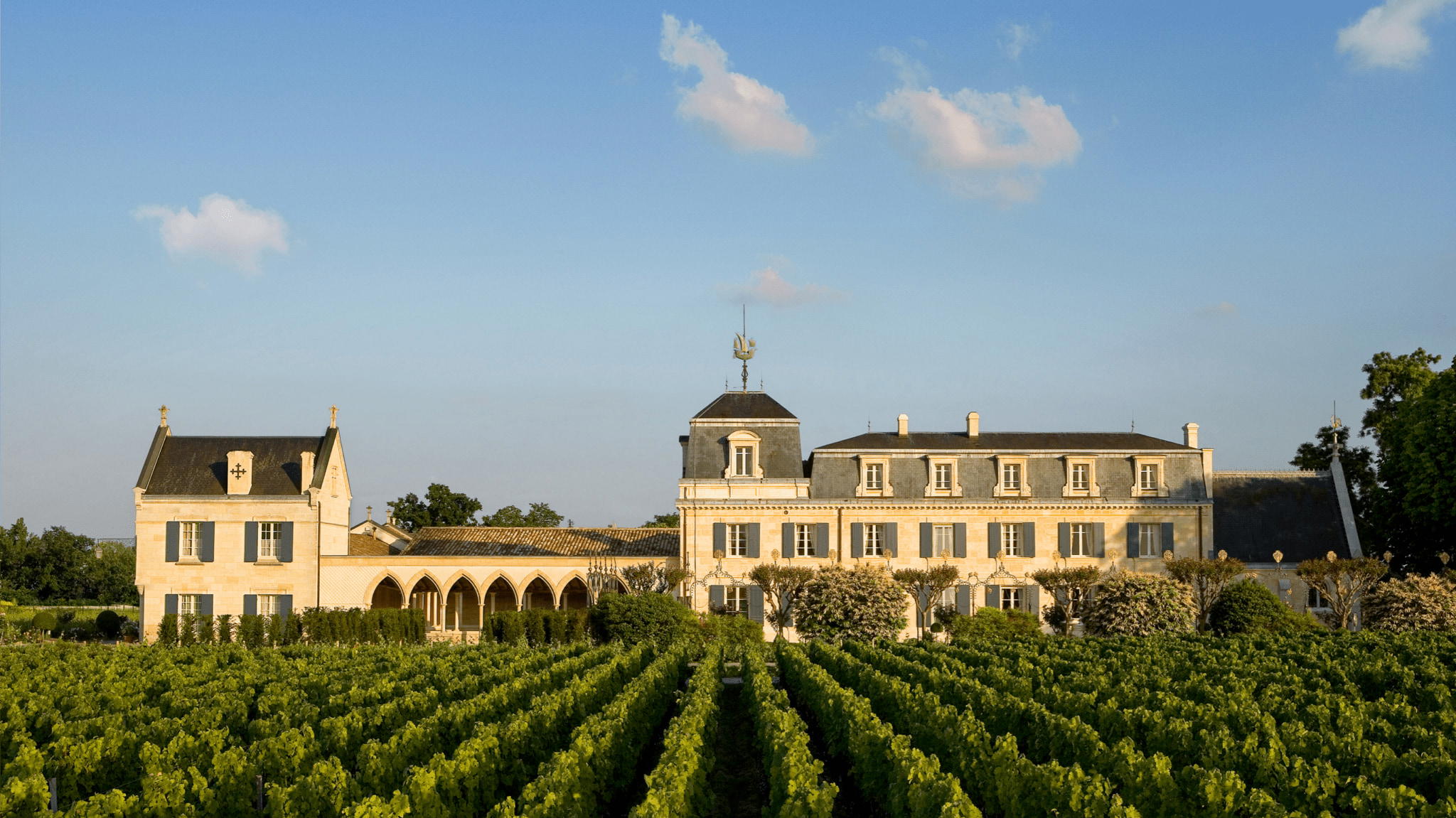
The Graves appellation south of Bordeaux has long been overshadowed by the Médoc in the fine-dining conversation, yet the village of Martillac has quietly built one of the most coherent luxury dining destinations in southwest France. The Les Sources de Caudalie estate, set on the working grounds of Château Smith Haut-Lafitte, places two restaurants, a wine spa, and a hotel within a single vineyard property. La Grand'Vigne is the estate's flagship table, operating at a level of ambition that positions it not against regional peers but against France's broader two-star tier.
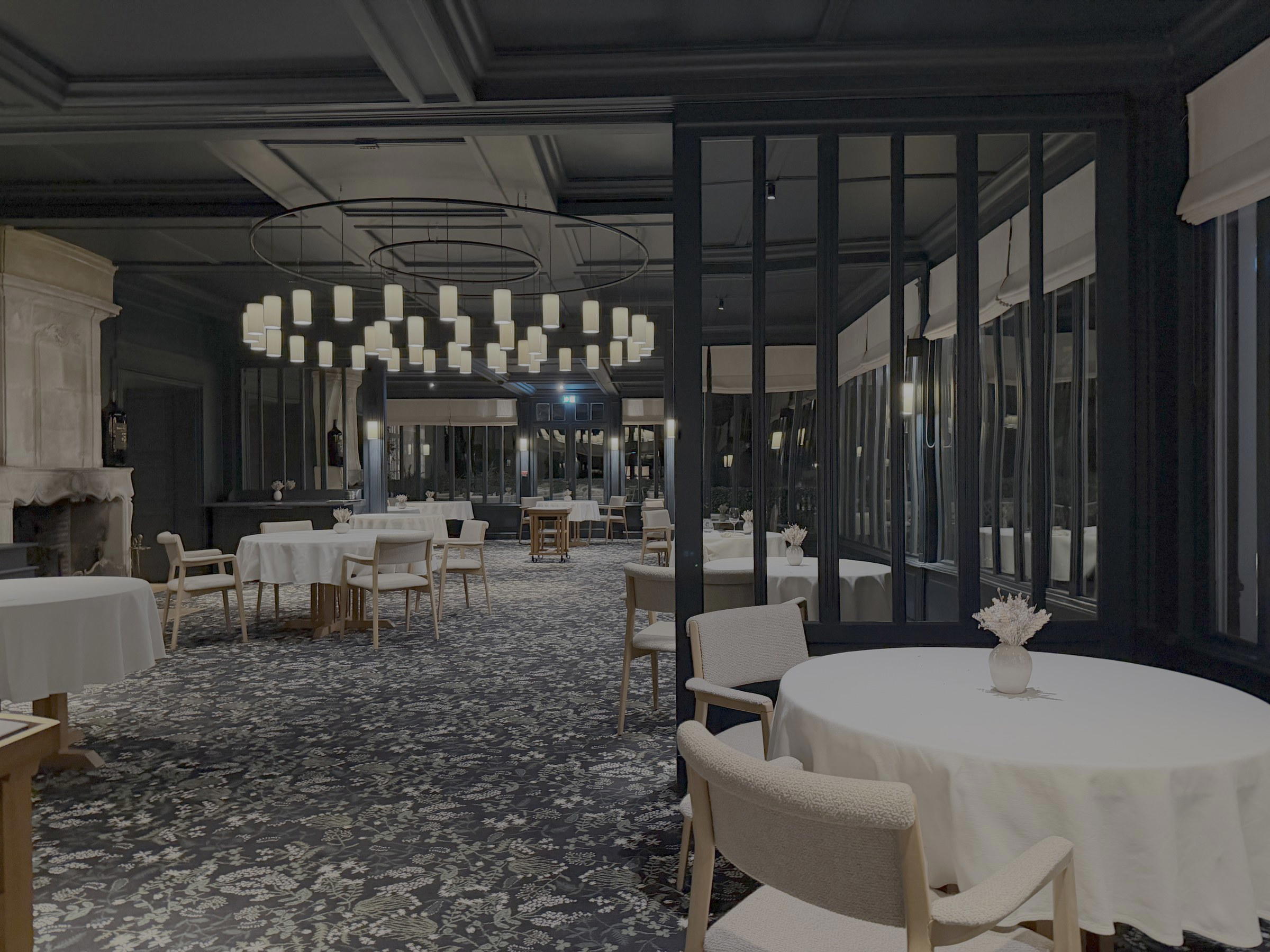
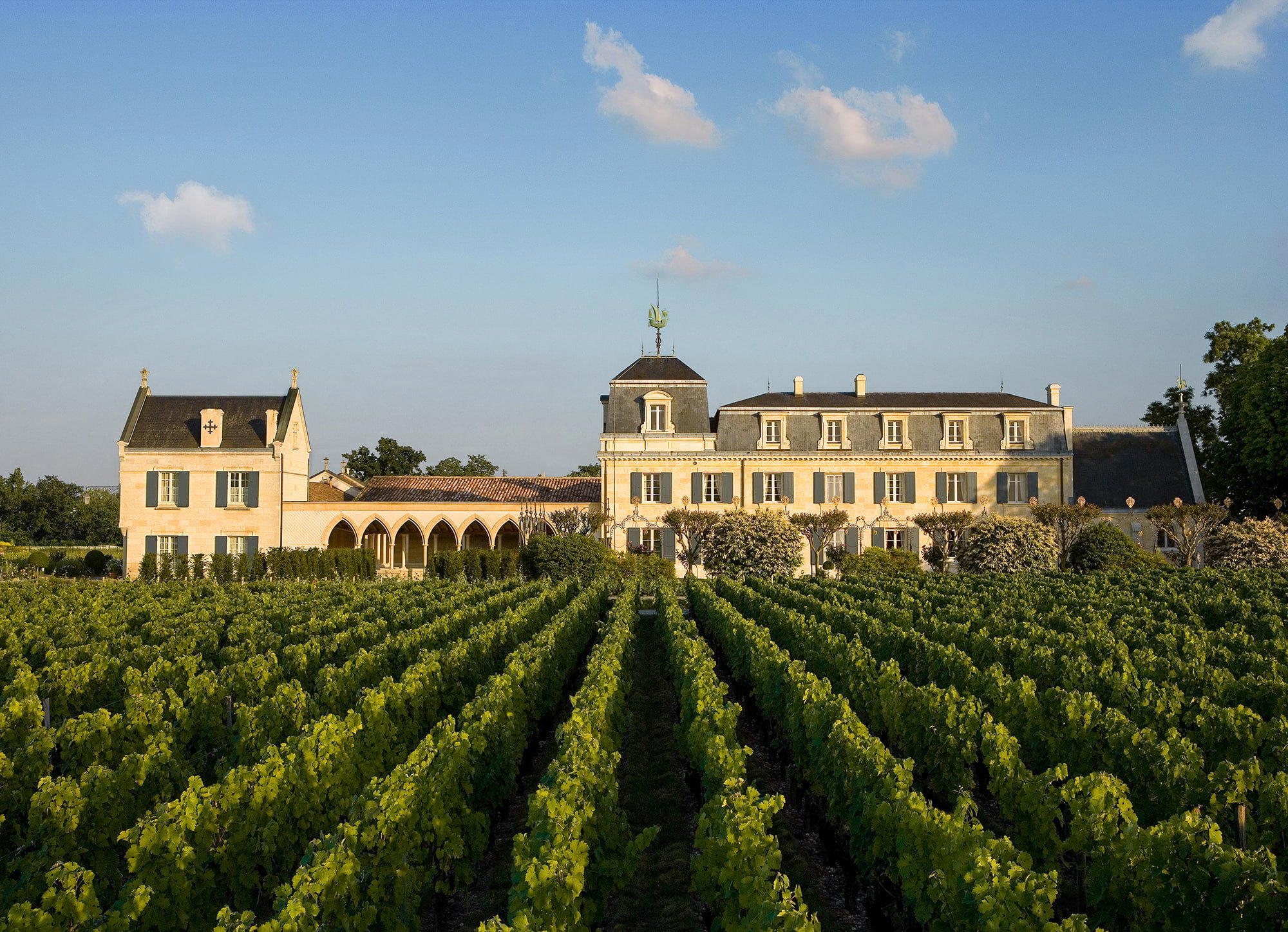
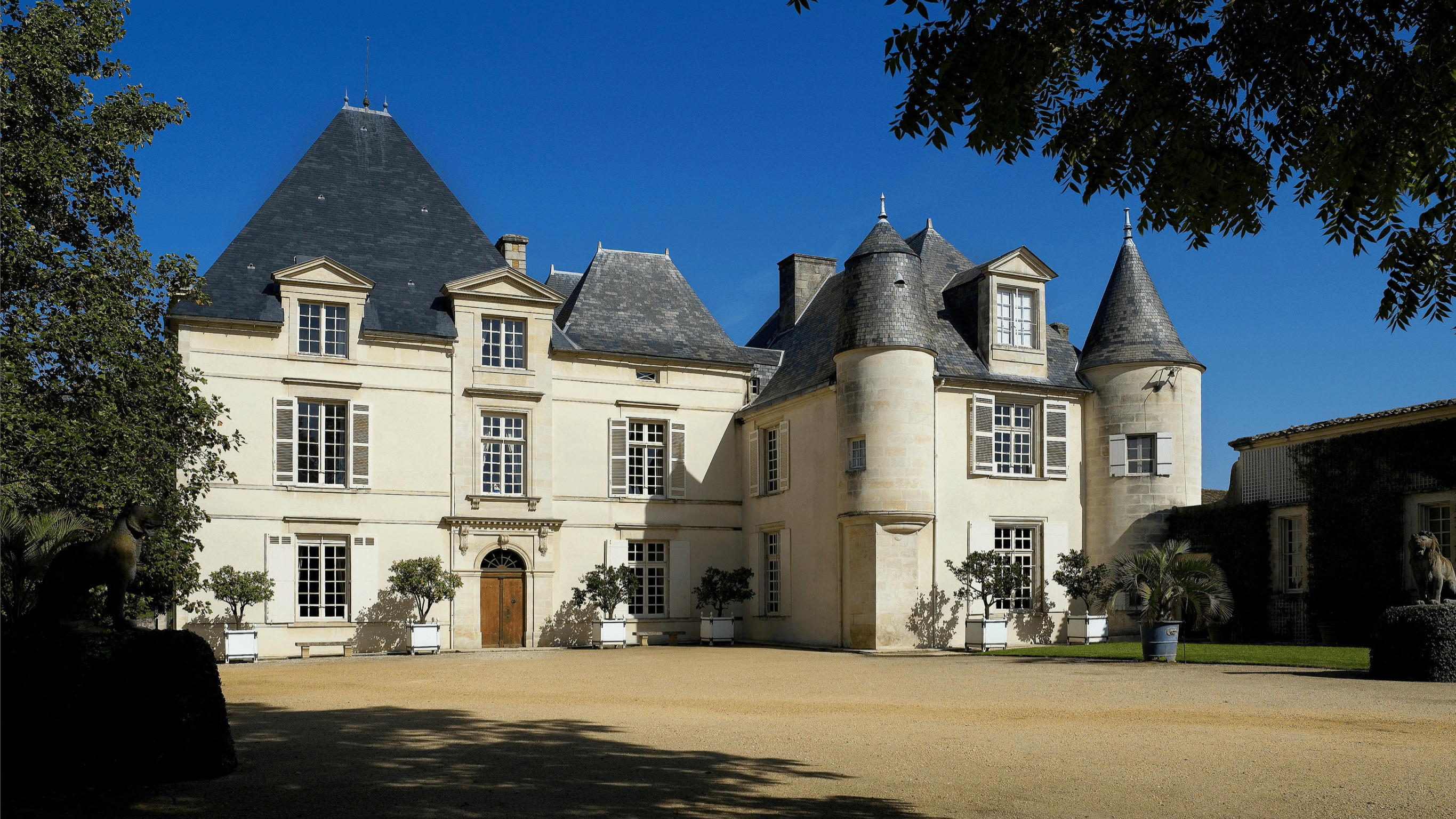
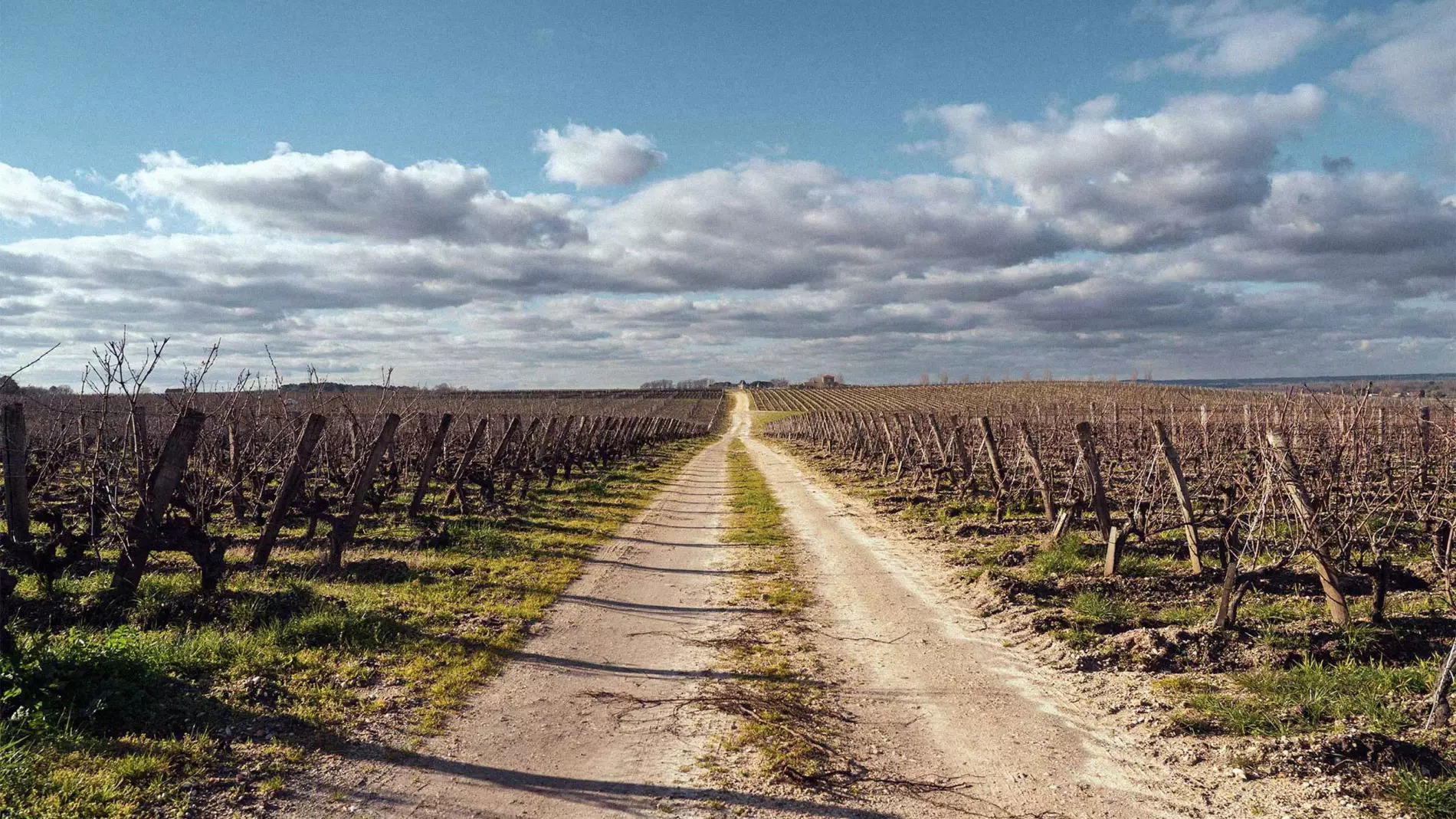
Arriving at La Grand'Vigne, the visual grammar is immediately that of Bordeaux's grand-estate tradition: stone, vine rows, the particular quality of afternoon light through old glass. The dining room sits within that setting without competing against it, a space where the surrounding vineyard acts as a constant reference point rather than mere decoration. This relationship between table and terroir is not incidental. It shapes the entire logic of the kitchen.
The Cooking and Its Bordeaux Context
Modern cuisine at two-star level across France has moved in several directions over the past decade. Some houses have pushed toward abstraction and technical provocation; others have retreated into hyper-regional identity, using local produce as both ingredient and ideology. La Grand'Vigne, under chef Nicolas Beaumann, occupies a position that draws from both impulses without fully committing to either. The cooking is identifiably of this place, the Graves, its wines, its agricultural rhythms, while maintaining the formal precision that Michelin's two-star standard demands.
Beaumann's professional formation places him within a tradition of rigorous French kitchen training, the kind of lineage that values classical technique as foundation rather than constraint. That background reads clearly in the discipline of the plate and the structure of the menu, even when the flavours themselves move toward contemporary expression. Across France's two-star tier, from Assiette Champenoise in Reims to AM par Alexandre Mazzia in Marseille, the kitchens that hold their stars consistently share this quality: technical fluency treated as a precondition, not a performance.
The estate's wine context gives the kitchen an unusual working advantage. Château Smith Haut-Lafitte is a classified Pessac-Léognan property producing both red and white Bordeaux, and the proximity of the cellar to the dining room shapes how wine integration is approached at La Grand'Vigne. This is not a restaurant that happens to have a good wine list; it is a restaurant conceived within a wine estate, where the pairing logic runs deeper than conventional sommelier selection. That distinction matters when comparing it to urban two-star addresses like Alléno Paris au Pavillon Ledoyen or Au Crocodile in Strasbourg, where the wine program is excellent but structurally separate from the property's identity.
Standing in the French Fine-Dining Tier
La Grand'Vigne has held two Michelin stars in both the 2024 and 2025 guides, a consistency that marks it as a stable presence in the upper tier rather than a recently refined table still finding its footing.
At €€€€, the restaurant operates in a register where expectation management is itself a discipline. Guests arriving from Paris or from internationally-connected wine tourism itineraries bring reference points drawn from tables like Flocons de Sel in Megève or Paul Bocuse - L'Auberge du Pont de Collonges, each carrying a different version of what French fine dining can mean. La Grand'Vigne holds its own in that context.
The Estate as a Complete Proposition
One of the structural advantages La Grand'Vigne carries is its position within a broader hospitality ecosystem. The Les Sources de Caudalie estate offers accommodation, the Caudalie wine spa, and a second restaurant in La Table du Lavoir, which operates at a more accessible register. This tiering means La Grand'Vigne is not required to serve every appetite or price expectation; it can operate at its intended level of formality and investment without the compromise that sometimes affects destination restaurants that must function as their property's only dining option.
For guests staying on the estate, the sequence of a spa treatment, a late-afternoon walk through the vineyard, and dinner at La Grand'Vigne constitutes a coherent programme rather than a collection of unrelated experiences. That coherence is part of what distinguishes estate-based fine dining from urban restaurant-going. It is a different rhythm, one that justifies a longer stay and rewards guests who approach the visit with that intention in mind.
Internationally, the model has parallels in properties like Frantzén in Stockholm or FZN by Björn Frantzén in Dubai, where a strong culinary identity anchors a broader experience architecture. At Les Sources de Caudalie, the anchoring force is Bordeaux wine culture itself, which gives the entire property a specificity of place that most multi-concept hospitality estates struggle to achieve.
Planning a Visit
Martillac sits approximately ten kilometres south of Bordeaux's city centre, making it accessible by car from the city or directly from Bordeaux-Mérignac Airport for guests travelling from outside the region. The estate's location within the Pessac-Léognan appellation means that a visit to La Grand'Vigne can be usefully combined with a broader exploration of Graves wine properties, a circuit that has its own dedicated audience among wine-focused travellers.
At the €€€€ price point with sustained Michelin two-star recognition, reservations should be made well in advance, particularly during harvest season in autumn and during the summer months when wine tourism in the Bordeaux region peaks. January and April represent the lower-traffic windows in annual search patterns, and guests willing to visit outside the peak summer period may find both availability and a somewhat more focused dining room atmosphere.
For those building a broader picture of Martillac's dining and hospitality options, EP Club's coverage extends across restaurants, hotels, bars, wineries, and experiences in the area.
Frequently asked questions
What distinctions does La Grand'Vigne - Les Sources de Caudalie have?
La Grand'Vigne - Les Sources de Caudalie has received recognition including: La Liste Top Restaurants (2026): 90pts; Category: Prestige; Michelin 2 Stars (2025); Michelin 2 Stars (2024).
What do people recommend at La Grand'Vigne - Les Sources de Caudalie?
The consistent recommendation from guests and critics is to treat the meal as part of the wider estate experience: the restaurant sits on the grounds of Château Smith Haut-Lafitte, and the wine pairing is inseparable from that context. Chef Nicolas Beaumann holds two Michelin stars (2024 and 2025 guides) and a 90-point rating on La Liste's 2026 Prestige ranking, so the tasting menu at full length is the format most aligned with what the kitchen is built to deliver. Arriving with time to walk the estate before service changes the rhythm of the evening considerably.
Is La Grand'Vigne - Les Sources de Caudalie more mid-range or high-end?
Pricing at La Grand'Vigne - Les Sources de Caudalie is listed as €€€€.
Side-by-Side Snapshot
| Venue | Cuisine | Price | Awards | Notes |
|---|---|---|---|---|
| La Grand'Vigne - Les Sources de CaudalieThis venue (the venue you are viewing) | Modern French Gastronomique | $200–300 | 2 Michelin Stars · La Liste Top Restaurants | Not listed |
| Alléno Paris au Pavillon Ledoyen | Modern French Fine Dining | $150–200 | 3 Michelin Stars · World's 50 Best #79 | Creative |
| Kei | Contemporary French, Modern Cuisine | Not listed | Michelin 3 Star | Not listed |
| L'Ambroisie | Classic French Haute Cuisine | $300–500 | 2 Michelin Stars · World's 50 Best #23 | French, Classic Cuisine |
| Le Cinq - Four Seasons Hôtel George V | Modern French Fine Dining | $300–500 | 3 Michelin Stars · World's 50 Best #24 | French, Modern Cuisine |
| Plénitude | Modern French Sauce-Led Fine Dining | $300–500 | 3 Michelin Stars · World's 50 Best #14 | Contemporary French |
Recognition history
Dated appearances from independent guides and award organizations, with the underlying list record or original source where available.
Michelin 2 Stars
Michelin
La Liste Top Restaurants
La Liste
Falstaff Restaurant - 96 Falstaff Points
Falstaff
Les Grandes Tables du Monde Member
Les Grandes Tables du Monde
Gault & Millau Prestige Restaurant
Gault & Millau
Full recognition history (10 entries)
La Liste Top Restaurants
La Liste
Michelin 2 Stars
Michelin
We're Smart World 1 Radish
We're Smart World
Michelin 2 Stars
Michelin
Opinionated About Dining Classical in Europe Recommended
Opinionated About Dining
La Grand'Vigne - Les Sources de Caudalie
Featured Guides
Continue exploring
More in Martillac
Restaurants in Martillac
All restaurants in Martillac →
Bars in Martillac
Browse all →
Hotels in Martillac
Browse all →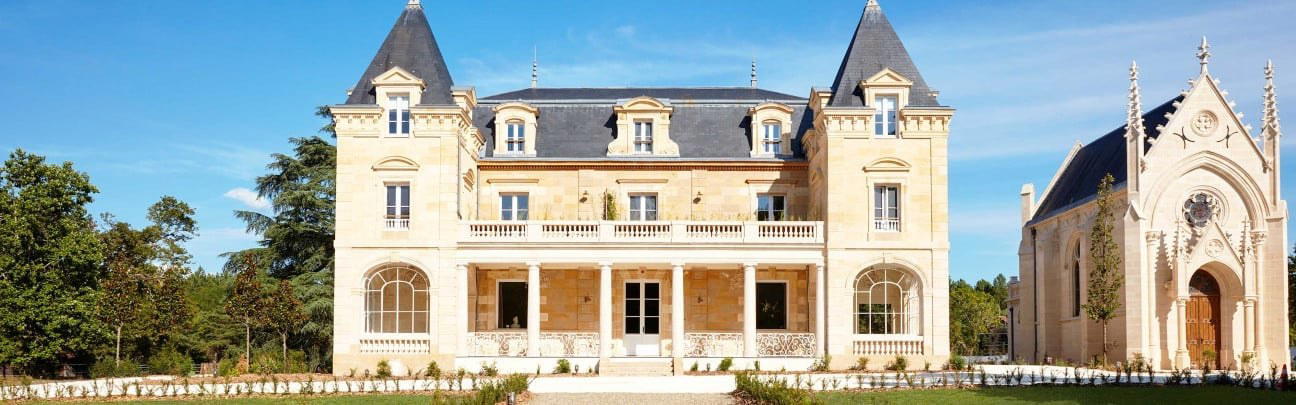
La Grand'Vigne - Les Sources de Caudalie
The wine
- Wine program
- Deep wine list
- Extensive wine list
- Sommelier-led
Details
- Elegant
- Romantic
- Sophisticated
- Scenic
- Date Night
- Special Occasion
- Celebration
- Business Dinner
- Hotel Restaurant
- Garden
- Wine Cellar
- Private Dining
- Panoramic View
- Extensive Wine List
- Sommelier Led
- Local Sourcing
- Farm To Table
- Vineyard
- Garden
- Tasting Menu
- Prix Fixe
- Wine Pairings
- Bordeaux Wines
- Regional Wine Selection
- Vegetarian Friendly
- Allergy Accommodating
Current opening hours
- Monday
- Closed
- Tuesday
- Closed
- Wednesday
- 7:30–9:15 PM
- Thursday
- 7:30–9:15 PM
- Friday
- 7:30–9:15 PM
- Saturday
- 12:15–1 PM, 7:30–9:15 PM
- Sunday
- 12:15–1 PM, 7:30–9:15 PM
Hours can change for holidays and private events. Last verified .
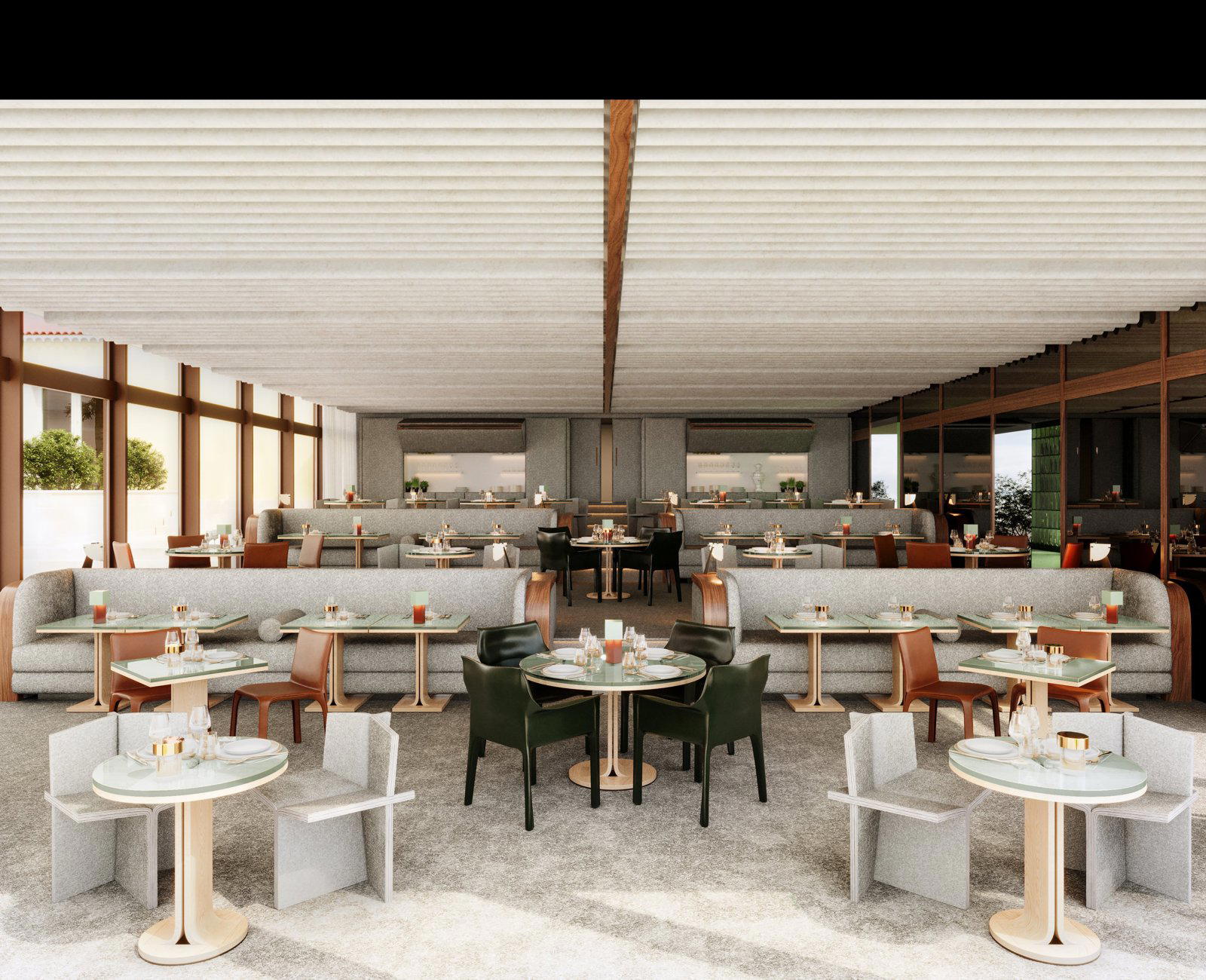
Elegant and refined with a 18th-century greenhouse-inspired glass conservatory overlooking vineyard gardens; soft, sophisticated lighting creates an intimate yet grand atmosphere of understated luxury and tranquility.