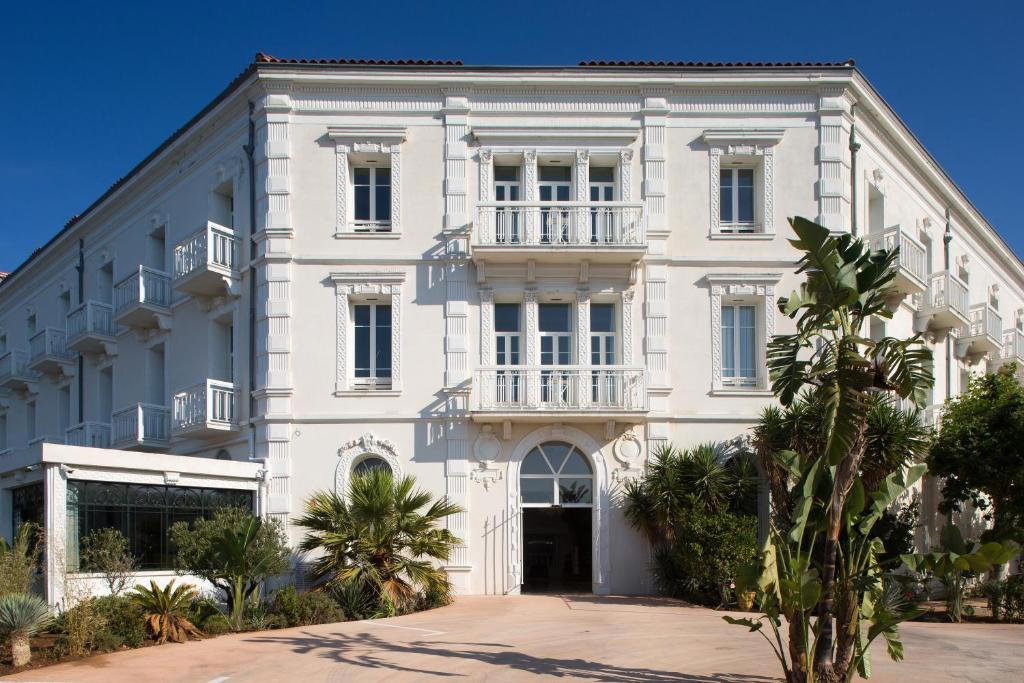
Château de Malle
Under Comte de Bournazel, the domaine works land shaped by the limestone-clay geology and maritime influence of La Cadière-d'Azur, producing wines that speak directly to their Mediterranean origins.

Pearl is the En Primeur Club membership app, where members save venues, book tables and use the concierge.
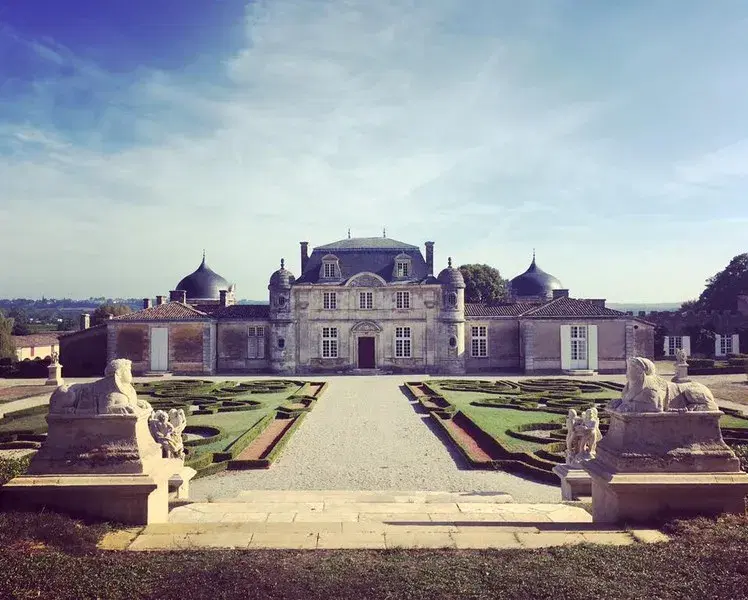
Terroir at the Edge of Provence
The vineyards around La Cadière-d'Azur sit in a part of Provence where the Sainte-Baume massif deflects cold northern air and the Mediterranean moderates summer heat, creating conditions that produce wines with a particular structural tension: ripe fruit held against a saline, mineral backbone. This is not the simple, fruit-forward Provence of supermarket rosé. The soils here shift between limestone outcrops and clay-heavy seams, and that variation registers in the glass. Estates that have worked this land long enough to understand those shifts produce wines with a complexity that shorter-tenure operations rarely achieve. Château d'Esclans in Courthézon has brought international attention to the region's premium potential, but the deeper story belongs to domaines whose roots in the land predate modern marketing by centuries.
Château de Malle is one of those domaines. With a first vintage documented in 1670, the estate has accumulated more than three and a half centuries of observation on a single terroir. That is not a trivial fact. Terroir knowledge is time-dependent: understanding how a specific parcel behaves in a cold spring, a drought summer, or an early-harvest October requires decades of accumulated data that no new estate can replicate.
What Three Centuries of a Single Site Means in the Glass
French wine culture places enormous weight on the idea of continuity: the belief that a wine is more legible, more coherent, when it comes from a producer with deep roots in a specific place. The argument is not romantic. It is practical. Long-established estates in regions like Bordeaux and Burgundy can point to specific practices refined over generations as the reason their wines behave differently from neighboring properties. Albert Boxler in Niedermorschwihr is a useful reference point: a family estate whose multi-generational presence in Alsace's grand cru sites produces wines of a specificity that newer producers in the same appellation have not yet matched.
Château de Malle occupies a comparable position in its own context. The 1670 first vintage is not a marketing date but a marker of how many growing seasons have been observed, how many vintages have tested the estate's understanding of what this land can and cannot do. The limestone-clay geology of La Cadière-d'Azur rewards patience. These soils drain well enough to stress the vine in dry years, which concentrates fruit, while retaining enough moisture during extended droughts to prevent the flat, overripe characters that can plague less well-sited Provençal properties. The maritime influence from the coast to the south keeps diurnal temperature ranges wide enough to preserve acidity even in warm vintages.
Winemaking at this level involves knowing when not to intervene. That matters in Provence particularly, where the international demand for pale, delicate rosé has pushed some producers toward a house style that owes more to market preference than to what the land naturally produces.
La Cadière-d'Azur and Its Position in the Provençal Hierarchy
La Cadière-d'Azur sits within the Bandol appellation, one of Provence's most geologically distinctive wine zones. The village perches on a ridge above the coastal plain, and the vineyards below it face south and southeast toward the sea. Bandol's reputation rests primarily on its Mourvèdre-dominant reds, wines that require extended aging to resolve the grape's characteristic tannic structure but reward patience with a complexity that few Mediterranean varieties can match. The appellation's rosés, made predominantly from Mourvèdre, Grenache, and Cinsault, also carry more structure than the region's broader Provence AOP bottlings.
That structural character is a direct product of terroir: the thin, stony soils over limestone force low yields and small berry sizes, concentrating flavor and tannin. Compared to the sandier soils of some neighboring areas, Bandol vineyards produce wines that are built for time rather than immediate consumption. For visitors, this means that tasting at an estate like Château de Malle offers something that supermarket Provence never does: a direct encounter with what the land actually produces when it is not adjusted for accessibility. If you want to understand why Bandol has held its reputation for serious wine while other parts of Provence became synonymous with poolside pours, this is the territory to explore. See our full La Cadière-d'Azur restaurants and wine guide for broader orientation on the area.
Peer Context: Where Château de Malle Sits in French Estate Wine
Château Bastor-Lamontagne in Preignac and Château Batailley in Pauillac represent this pattern in Bordeaux: estates where the appellation identity and the property's own character are inseparable. Château Cantemerle in Haut-Médoc and Château Branaire Ducru in St-Julien extend the comparison further, showing how classified Bordeaux estates have maintained their typicity across decades of ownership change and vintage variation.
In Provence, the equivalent is rarer. The region's recent commercial success has brought investment and modernization, but it has also homogenized some of the character that made its individual appellations worth distinguishing. An estate working the same terroir since 1670 is not simply older than its neighbors; it is operating from a different informational base, one that informs decisions from pruning timing to harvest date in ways that are difficult to articulate but visible in the resulting wine. For context on how other long-established French estates approach their craft, Chartreuse in Voiron illustrates a different but related tradition of site-specific production with deep historical roots.
Planning a Visit to Château de Malle
The estate is located at 410 Chemin de la Croix des Signaux in La Cadière-d'Azur, a village that rewards arrival by car given the narrow roads through vine country between the coastal towns and the ridge. La Cadière-d'Azur sits roughly between Bandol and Cassis, and the drive through the appellation vineyards is itself useful context for understanding why this specific zone produces wine with different character from the broader Provence region. Visit timing matters: the estate's position within Bandol means the late autumn and early spring periods after harvest are often when the production team has most availability, and the seasonal shift in light and temperature gives a different perspective on the landscape than a high-summer visit.
For wider estate wine itinerary planning, properties such as Château Bélair-Monange in Saint-Emilion, Château Boyd-Cantenac in Cantenac, Château Clinet in Pomerol, Château Dauzac in Labarde, and Château d'Arche in Sauternes demonstrate how France's most distinctive estate wines distribute across its major wine regions, each anchored to a specific soil type and climate that no other location can reproduce exactly. For those building a broader French wine itinerary, Aberlour and Accendo Cellars in St. Helena offer a transatlantic frame of reference for how terroir-focused production works across different wine cultures.
In Context: Similar Options
Comparable venues nearby, for context on price, style, and recognition.
| Venue | Cuisine | Price | Awards | Notes |
|---|---|---|---|---|
| Château de MalleThis venue (the venue you are viewing) | Semillon, Sauvignon Blanc | $50–100 | Not listed | Not listed |
| Château de Saint-Martin | Grenache, Syrah | Not listed | Not listed | Taradeau |
| Domaine du Cayron | Grenache, Syrah | Not listed | Not listed | Gigondas |
| Domaine de la Janasse | Grenache, Syrah | $20–30 | Not listed | Courthézon |
| Château Pas de l’Ane | Merlot, Cabernet Franc | $10–20 | Falstaff Winery - 1 Stars | Saint-Émilion |
| Domaine de la Solitude | Grenache, Syrah | Not listed | Not listed | Châteauneuf-du-Pape |
Continue exploring
More in La Cadière-d'Azur
Wineries in La Cadière-d'Azur
All wineries in La Cadière-d'Azur →
Bars in La Cadière-d'Azur
Browse all →
Restaurants in La Cadière-d'Azur
All restaurants in La Cadière-d'Azur →
Details
- Romantic
- Elegant
- Scenic
- Classic
- Romantic Getaway
- Wine Education
- Special Occasion
- Celebration
- Estate Grounds
- Vineyard Tour
- Garden
- Historic Building
- Private Tasting
- Vineyard
- Garden
- Semillon
- Sauvignon Blanc
- Muscadelle
- Merlot
- Cabernet Sauvignon
- Dessert
- Still White
- Still Red
- Estate Tasting
- Vineyard Tour
- French
- English
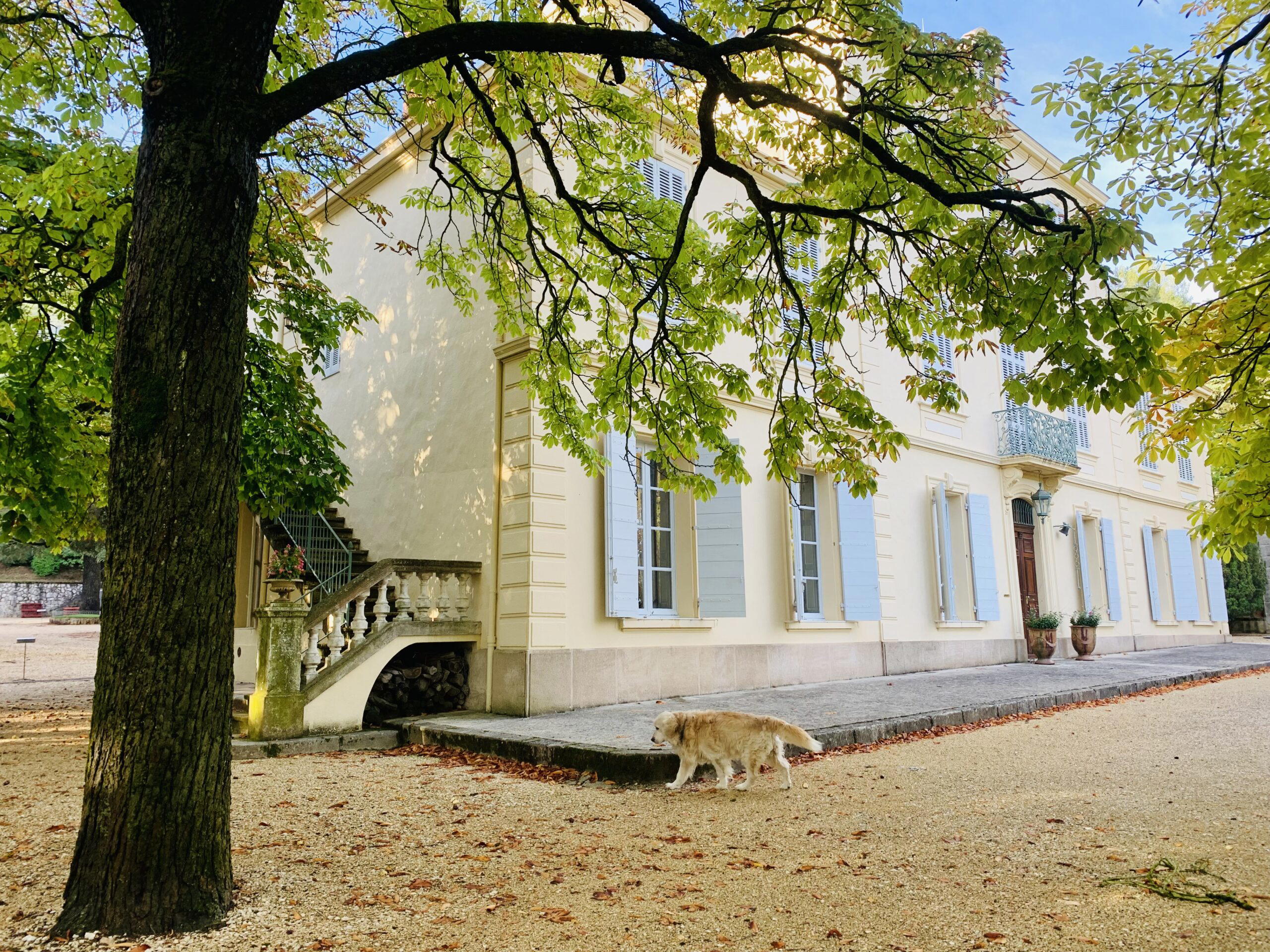
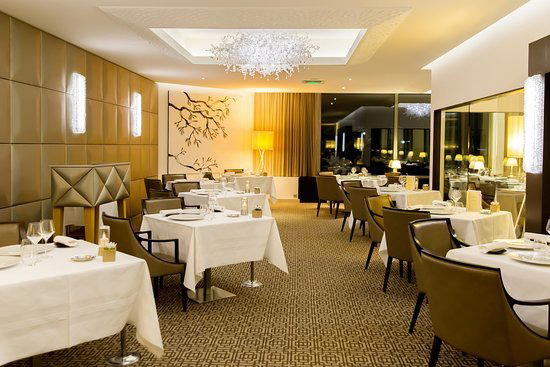
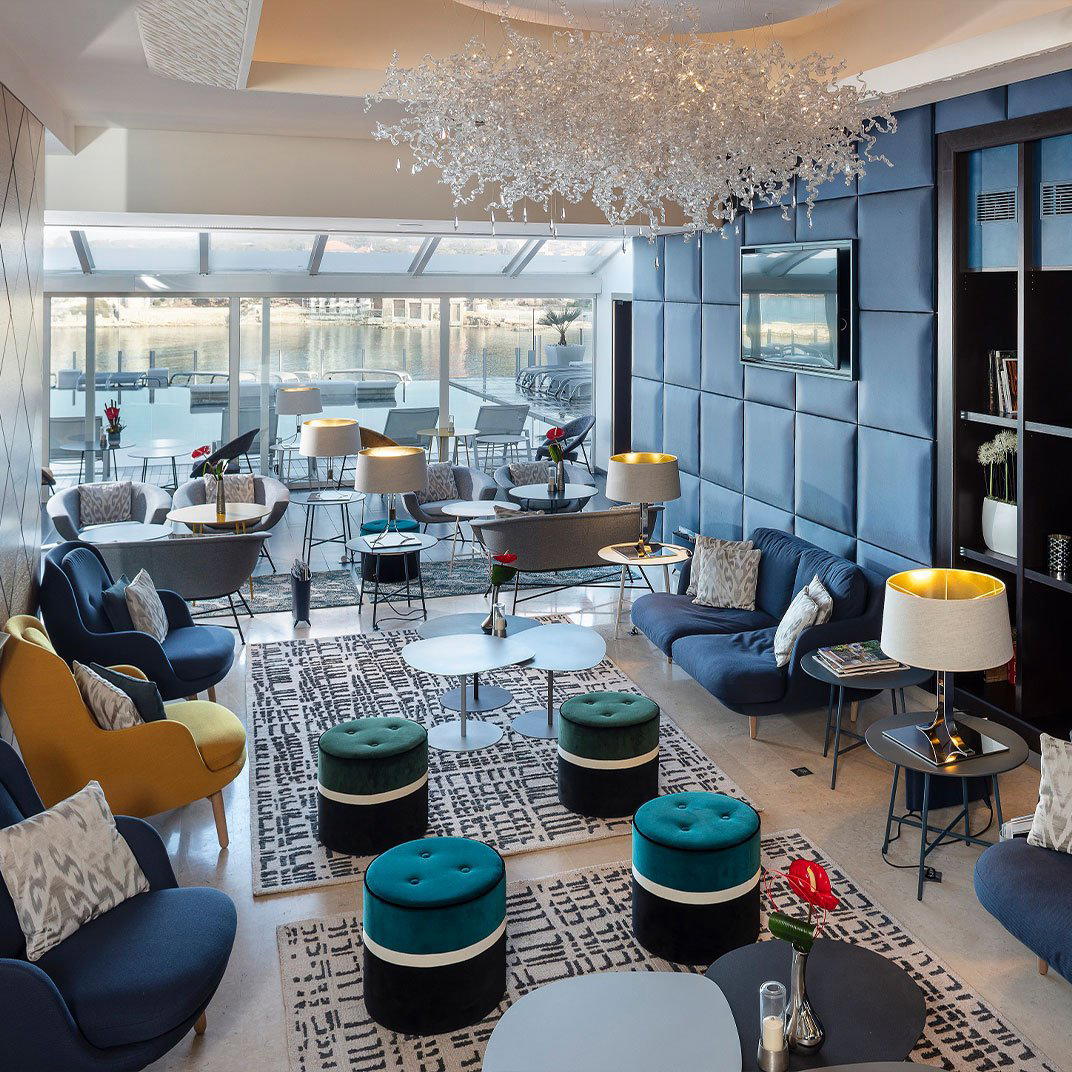
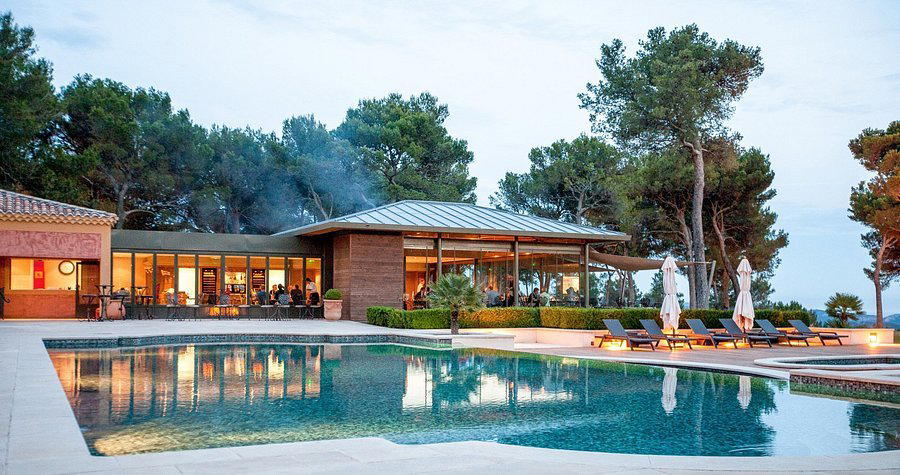
Refined and historic with elegant grounds featuring a reflecting lake and parkland surroundings, evoking classical French estate charm.