On a residential street in Marseille's 6th arrondissement, The Champ De Mars operates as the kind of neighbourhood bar that holds a district together. At 12 Rue André Poggioli, it draws a cross-section of locals rather than a tourist circuit, making it a reliable read on how Marseille actually drinks. Practical to find, easy to return to, and grounded in the rhythms of the quartier.
Pearl is the En Primeur Club membership app — saves, bookings, and concierge access live there. Same editors, same standards.
- Address
- 12 Rue André Poggioli, 13006 Marseille, France
- Phone
- +33 4 13 63 36 84
- Website
- facebook.com
- Directions
- Get directions
 Saves & bookings on Pearl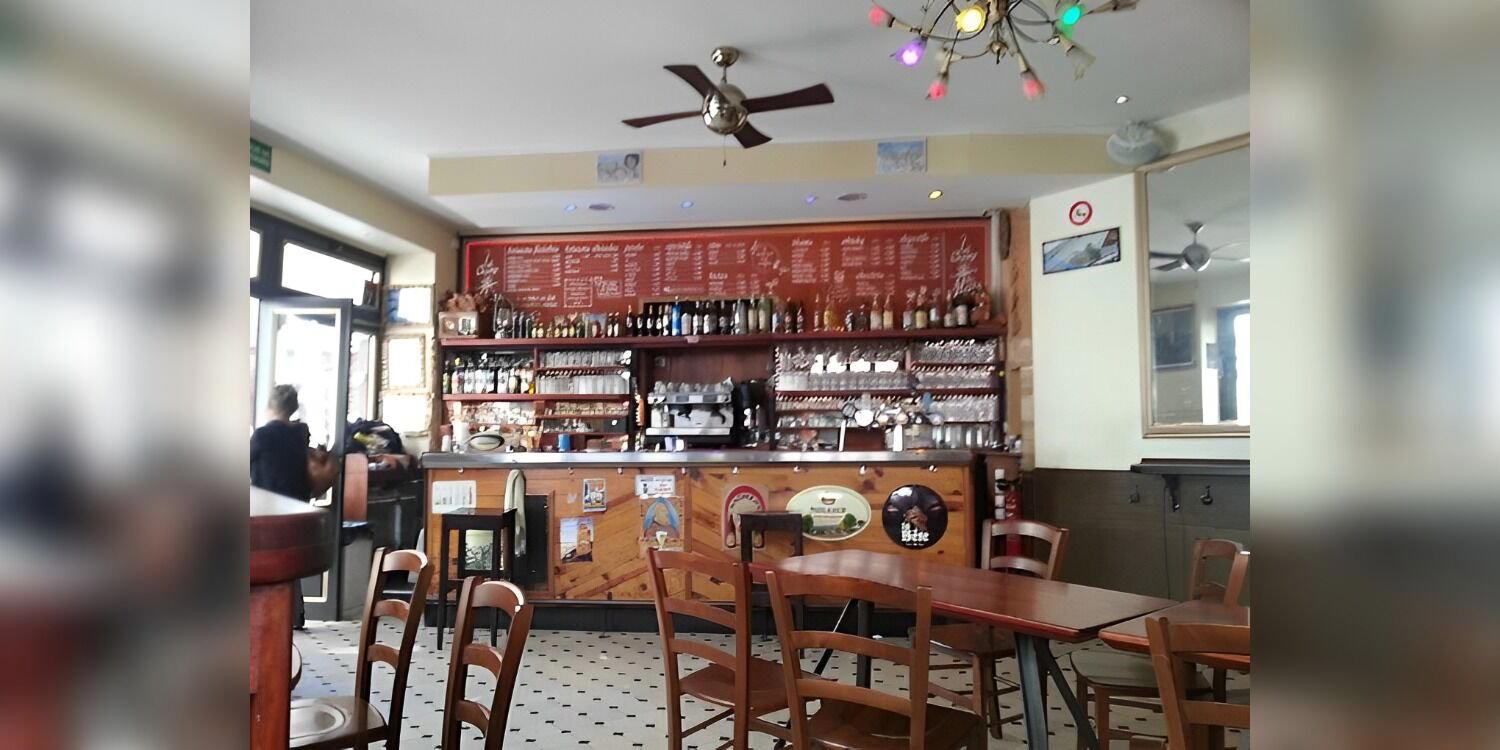
Where the 6th Arrondissement Comes to Drink
Marseille's 6th arrondissement runs on a different register from the Vieux-Port tourist circuit or the design-hotel bars along the Corniche. The quartier between Notre-Dame du Mont and Cours Julien is residential in the deepest sense: fruit vendors, pharmacy counters, local bakeries, and a density of small bars that serve the neighbourhood rather than the itinerary. The Champ De Mars, at 12 Rue André Poggioli, sits squarely in that fabric. This is not a bar that announces itself. It earns its place by being reliably there, for the people who live nearby, week after week.
That kind of bar has a specific gravity in French urban life. The café-bar as community anchor is a tradition that predates cocktail culture by a century, and Marseille has preserved it more stubbornly than most French cities, partly because the city's social life has always organised itself around the street and the neighbourhood rather than the grand boulevard. In that sense, The Champ De Mars belongs to a civic tradition as much as a drinking one.
The Neighbourhood Watering Hole as Social Infrastructure
French drinking culture has split in recent years between two poles. On one side, a generation of technically ambitious cocktail bars, producing clarified spirits, fermented syrups, and menus modelled on tasting-course logic, has taken hold in cities like Paris and Lyon. On the other, the traditional neighbourhood bar, with its zinc counter, pastis at noon, and regulars occupying the same stools for years, has held ground in cities with a stronger working-class civic identity. Marseille tilts firmly toward the second model. Bars like The Champ De Mars are part of the infrastructure of daily life rather than an occasion within it.
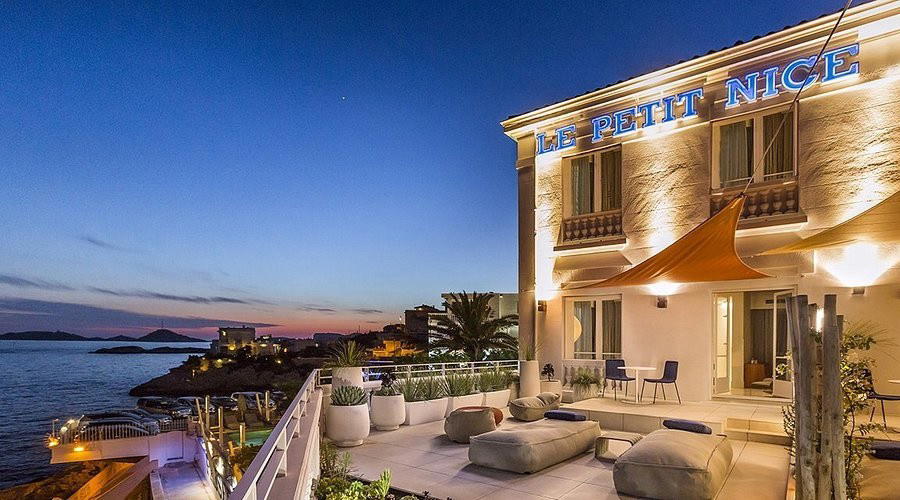
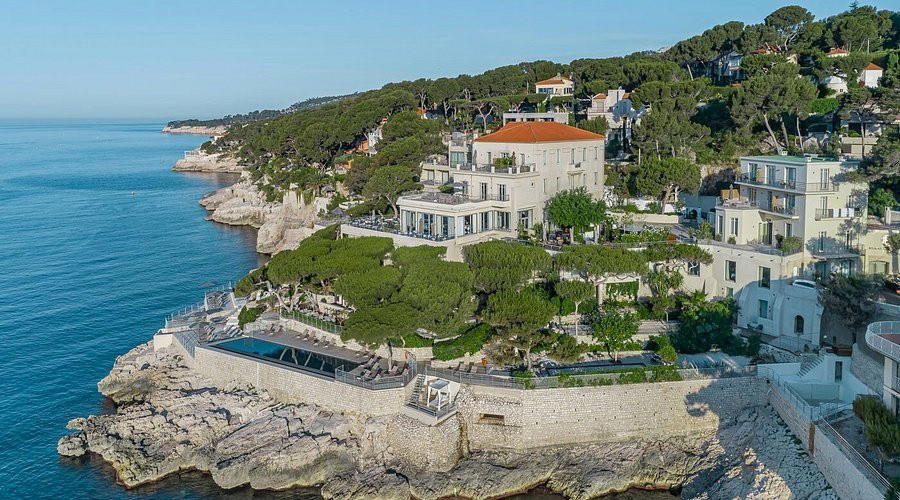
This distinction matters for how you approach the address. CopperBay Marseille operates at the opposite end of that spectrum, with a technical cocktail program and a format aimed at a destination-bar audience. Le Petit Nice Passedat occupies the hotel-bar tier, where the address and the view are part of the service. The bar is neither of those things, and that is precisely its function. It exists for the person who wants a drink in their own neighbourhood without ceremony.
Across France, this kind of bar has faced sustained pressure from rising rents and changing demographics, particularly in cities where gentrification has accelerated. Marseille's 6th, which spans the edge between the bohemian Cours Julien zone and the more established streets toward the Prado, has seen its share of that pressure. The bars that survive tend to do so by maintaining a genuine local clientele rather than pivoting to a tourist offer. Longevity in a French neighbourhood bar is its own form of endorsement.
Reading the Room: What Draws Regulars Here
The social geometry of a neighbourhood bar tells you most of what you need to know. At addresses like this one, the regular crowd is not organised around a theme or a demographic; it is organised around proximity and habit. Students from the nearby lycées, workers from the surrounding streets, older residents who have been drinking here for decades: the mix reflects the quartier itself rather than a curated audience. That heterogeneity is what separates the authentic neighbourhood bar from the bar that has simply adopted the aesthetic.
In Marseille specifically, the bar counter functions as a point of social exchange in a way that differs from, say, Lyon or Bordeaux. The city's Mediterranean temperament produces longer sessions, louder tables, and a more fluid boundary between drinking and talking. The pastis ritual, in particular, carries social meaning that extends well beyond the drink itself: the water poured from a ceramic pitcher, the conversation that expands to fill the afternoon. Any bar in the 6th that takes that tradition seriously will find its regulars.
Le Bar de la Plaine and Sarment each serve a version of this neighbourhood role in their respective parts of the city, which gives useful context for how Marseille's local bar culture distributes itself across arrondissements. The bar holds a comparable position in the 6th: a fixed point in a quartier that values continuity.
Practical Notes for Visiting
The address, 12 Rue André Poggioli, places the bar in the quieter residential grid south of Cours Julien, within walking distance of the métro stations at Notre-Dame du Mont and Castellane. The street is narrow and residential, which means arriving by foot from the surrounding quartier is both practical and gives you a better sense of why this bar exists where it does. For visitors staying in the 6th or making their way across from the Vieux-Port, the walk takes around fifteen minutes and passes through some of the more interesting streetscape in that part of the city.
Because this is a neighbourhood bar rather than a destination venue, it does not operate on a reservation model. The experience is calibrated to walk-ins and regulars rather than booked tables. The experience is calibrated to walk-ins and regulars rather than booked tables.
Where the Accolades Land
Comparable venues nearby, for context on price, style, and recognition.
| Venue | Cuisine | Price | Awards | Notes |
|---|---|---|---|---|
| The Champ De MarsThis venue — the venue you are viewing | pub | $ | Not listed | Not listed |
| Sarment | wine_bar | $$ | Not listed | Prefecture |
| CopperBay Marseille | cocktail_bar | $$$ | Not listed | Palais De Justice |
| Le Bar de la Plaine | pub | $$ | Not listed | Le Camas |
| Le Petit Nice Passedat - Hôtel 5 étoiles Relais & Châteaux à Marseille | hotel_bar | $$$$ | Michelin 3 Star | Endoume |
Continue exploring
More in Marseille
Bars in Marseille
Browse all →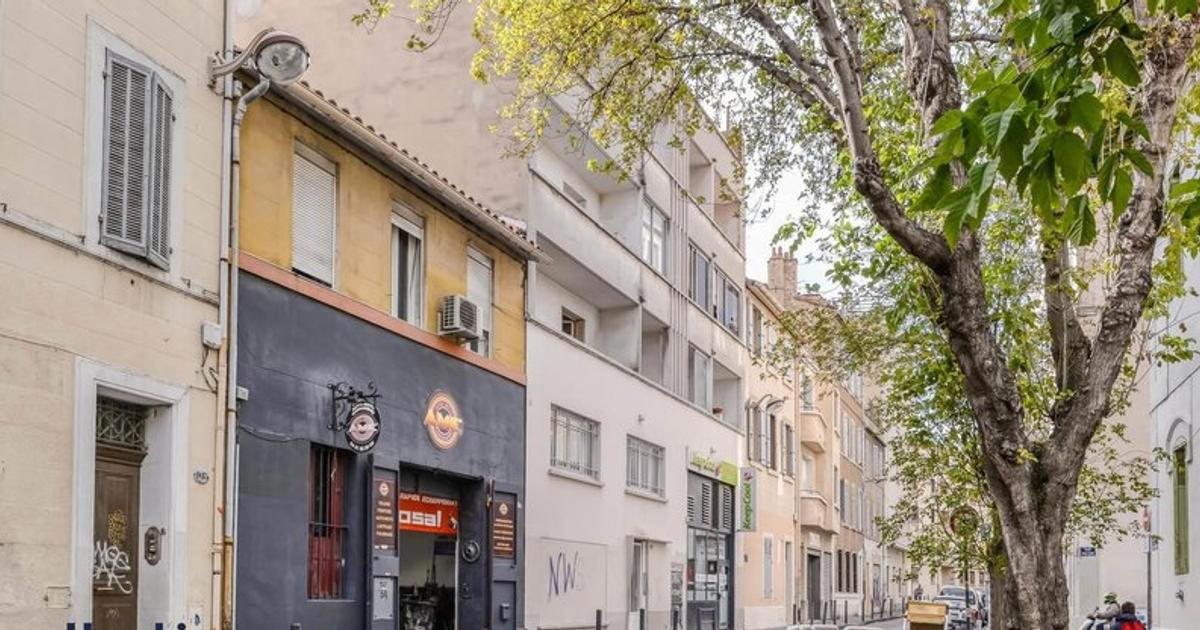
Restaurants in Marseille
Browse all →
Hotels in Marseille
Browse all →
At a Glance
- Classic
- Lively
- Cozy
- After Work
- Group Outing
- Casual Hangout
- Standalone
- Seated Bar
- Outdoor Terrace
- Classic Cocktails
- Street Scene
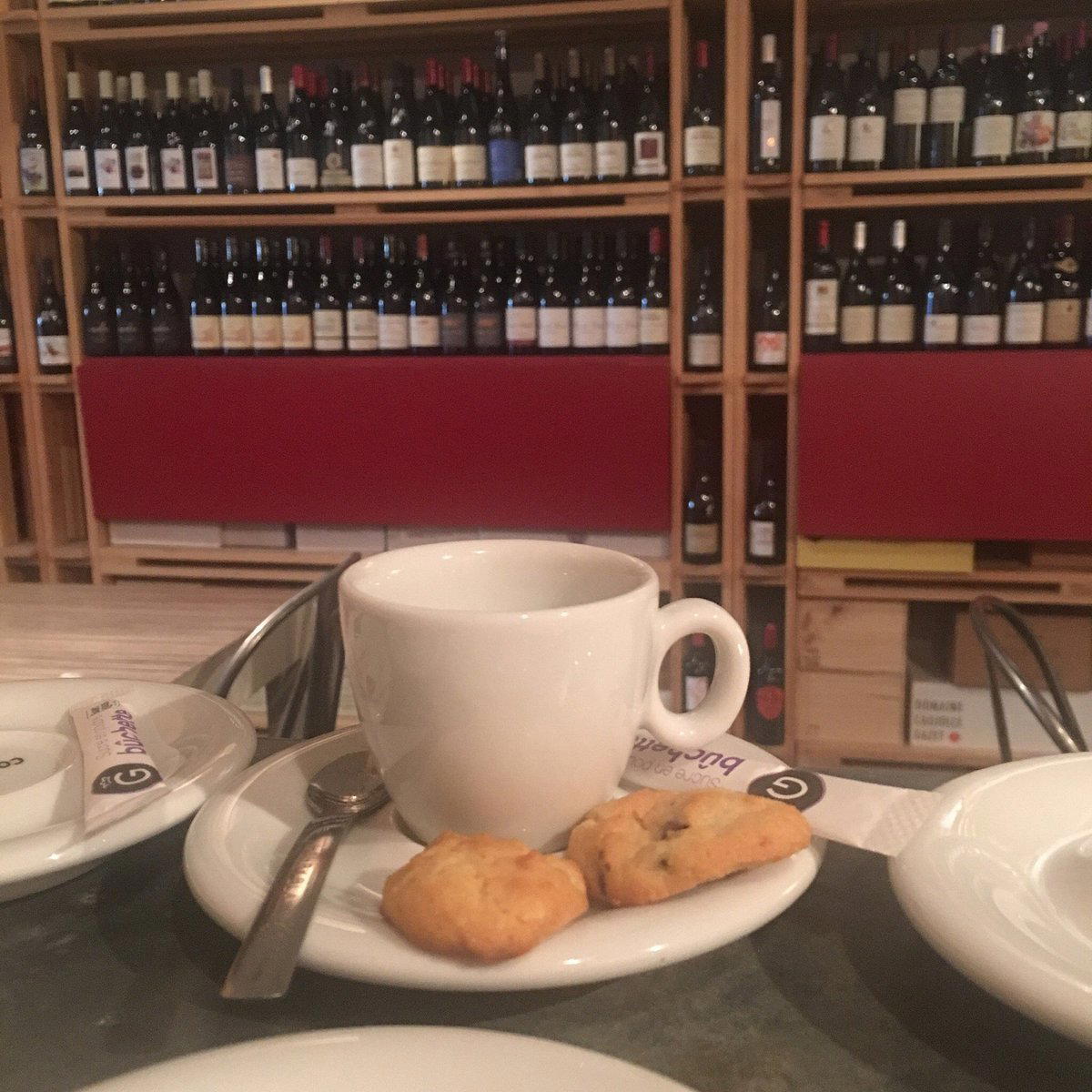
Traditional neighborhood bar atmosphere that is lively and convivial, with a low-key, local feel rather than a polished tourist vibe.