
La Table de Nans holds a Michelin star for the second consecutive year (2024 and 2025), placing it among a small tier of destination restaurants along the Provençal coast between Marseille and Cassis. Price range sits at €€€€.
Pearl is the En Primeur Club membership app — saves, bookings, and concierge access live there. Same editors, same standards.
- Address
- 126 Cor du Liouquet, 13600 La Ciotat, France
- Phone
- +33 4 42 83 11 06
- Website
- latabledenans.com
- Directions
- Get directions
 Saves & bookings on Pearl
Where the Provençal Coast Earns Its Star
Between Marseille and Cassis, the shoreline towns of the Côte Bleue and the Calanques corridor tend to attract seasonal visitors chasing the water rather than the plate. La Ciotat sits at the eastern edge of that stretch, better known historically as the birthplace of cinema and the backdrop for early Lumière footage than for serious dining. That context is worth holding in mind when considering what a Michelin star means here: it isn't the ambient recognition of a Paris arrondissement saturated with decorated tables, but something more deliberate, earned in a town where the dining scene does not automatically confer prestige on its address.
La Table de Nans, at 126 Cor du Liouquet, has carried that star for two consecutive years, 2024 and 2025, which confirms the recognition as sustained rather than introductory. A single star on a consistent basis, scored against Mediterranean peers that include Mirazur in Menton and the Arnaud Donckele table in Saint-Tropez, places the restaurant inside a competitive reference group that extends well beyond its immediate neighbourhood.
Mediterranean Table Culture and the Logic of Sharing
Mediterranean cuisine, as a category, is often flattened into a shorthand for olive oil, grilled fish, and sun-dried tomatoes. At the serious end of the spectrum, what it actually describes is a philosophy of the table: dishes built around produce cycles, coastal geography, and a tradition of abundance through accumulation rather than single-plate isolation. The cultures that ring the Mediterranean basin, Provençal, Italian, Maghrebi, Levantine, Greek, share this structural logic even when the specific ingredients diverge. Meals are meant to be read as a sequence of small and medium compositions that together define the character of a season and a place.
Chef Nans Ducasse works within that tradition. The name carries obvious resonance in French fine dining, Alléno Paris au Pavillon Ledoyen and houses like Paul Bocuse's Auberge du Pont de Collonges define one pole of French culinary ambition, but La Table de Nans operates in a register that is more specifically Provençal and coastal than that broader Gallic fine dining tradition. The Mediterranean framing is the primary editorial frame here, not the grand French classical lineage represented by Auberge de l'Ill or the mountain-rooted precision of Flocons de Sel in Megève.
What that means practically is a table culture oriented toward the shared experience of successive preparations rather than the isolation of a single ceremonial dish. This is the architectural grammar of the region's most expressive cooking, and it frames the experience at La Table de Nans as something better suited to a party of three or four than a solo diner working through a tasting menu in silence. The communal rhythm of Mediterranean eating, plates arriving, space made, bottles poured into the conversation, is the context the kitchen appears to be composing toward.
Situating La Table de Nans in the Southern France Star Map
France's Michelin geography clusters its stars heavily in Paris and in a corridor running from Lyon southward. Troisgros in Ouches, Bras in Laguiole, and Mirazur in Menton represent the kind of destination restaurants that have shaped the southern tier of that geography over decades. AM par Alexandre Mazzia in Marseille, three-starred and technically audacious, represents one prominent decorated table in the immediate regional frame. The restaurant does not compete in that bracket, nor does it seem designed to. It occupies the tier below: a single star held with consistency in a town that hasn't built its identity around fine dining, which carries its own editorial significance.
For comparison, Assiette Champenoise in Reims illustrates how single and multi-star houses in secondary French cities can anchor local dining identity when the surrounding scene is thin. La Ciotat operates on a smaller scale than Reims but along a similar logic: the starred table becomes the reference point around which the rest of the local offer is measured. Roche Belle, the Provençal option in La Ciotat's immediate dining set, and Couleurs de Shimatani, which brings a fusion angle to the same market, occupy different positions in that local hierarchy. Neither carries the Michelin recognition that restaurant holds.
Across the broader Mediterranean arc, the comparison reaches toward La Brezza in Ascona, another Mediterranean-cuisine address working in a smaller, scenic town rather than a major urban centre. The shared logic is that coastal and lakeside settings in this part of Europe can sustain serious cooking precisely because seasonal tourism creates a concentrated, high-spending audience for a few months of the year, which gives a kitchen the economics to maintain quality without the year-round volume of a city room.
The Seasonal and Coastal Argument
Provence's produce calendar is among the more articulate in France. Spring delivers wild asparagus, artichokes, and early courgette flowers; summer brings tomatoes, aubergines, peppers, and the stone fruits that shape everything from amuse-bouches to dessert; autumn introduces game, ceps, and the truffle season that runs through winter. A kitchen anchored in Mediterranean tradition at €€€€ pricing is expected to follow that calendar tightly, since the case for the price point depends on produce quality and timing as much as technique.
La Ciotat's position between the calanques and the eastern Provençal hinterland gives a kitchen here access to both coastal supply, fish from the Méditerranée, shellfish from the local fishing port, and the agricultural inland that feeds the Bouches-du-Rhône. That dual access is one reason Mediterranean cooking in this corridor is often more compelling than in purely coastal or purely inland settings: the table can move fluidly between the sea and the garrigue depending on what the season offers.
Planning a Visit
The restaurant is at 126 Cor du Liouquet in La Ciotat, which sits approximately 30 kilometres east of Marseille and is accessible from the A50 autoroute. At the €€€€ price tier with sustained Michelin recognition, this is a restaurant where advance booking is advisable, particularly during the summer months when the coastal Provence market for this kind of dining competes hardest for covers. The restaurant's address on the Cor du Liouquet places it slightly outside the immediate port area, which is the more tourist-facing part of La Ciotat, worth noting for visitors orienting themselves in the town for the first time.
For visitors spending more than a day in the area, the full La Ciotat restaurants guide covers the broader dining offer, while the La Ciotat hotels guide maps the accommodation options across the town. Those extending the trip toward wine can consult the La Ciotat wineries guide, and the bars guide and experiences guide cover the rest of the town's offer.
Price Lens
Comparable venues nearby, for context on price, style, and recognition.
| Venue | Cuisine | Price | Awards | Notes |
|---|---|---|---|---|
| La Table de NansThis venue — the venue you are viewing | Mediterranean Cuisine | $$$$ | Michelin 1 Star | Not listed |
| Couleurs de Shimatani | Not listed | $$$$ | Michelin 1 Star | historic centre, Japanese-Mediterranean Fusion |
| Roche Belle | Not listed | $$ | Bib Gourmand | Corniche du Liouquet, Provençal Mediterranean |
| Chez Tania, Calanque de Figuerolles | Not listed | $$$ | Not listed | Calanque de Figuerolles, Modern Mediterranean |
| Ciéutat | Vieux Port, French Mediterranean Bistro | $$$ | Not listed | Not listed |
| La Bastide Bourrelly - Mathias Dandine | Calas, Provençal Fine Dining | $$$$ | Michelin 1 Star | Not listed |
Recognition history
Dated appearances from independent guides and award organizations, with the underlying list record or original source where available.
Michelin 1 Star
Michelin
Michelin 1 Star
Michelin
Michelin 1 Star
Michelin
Continue exploring
More in La Ciotat
Restaurants in La Ciotat
Browse all →
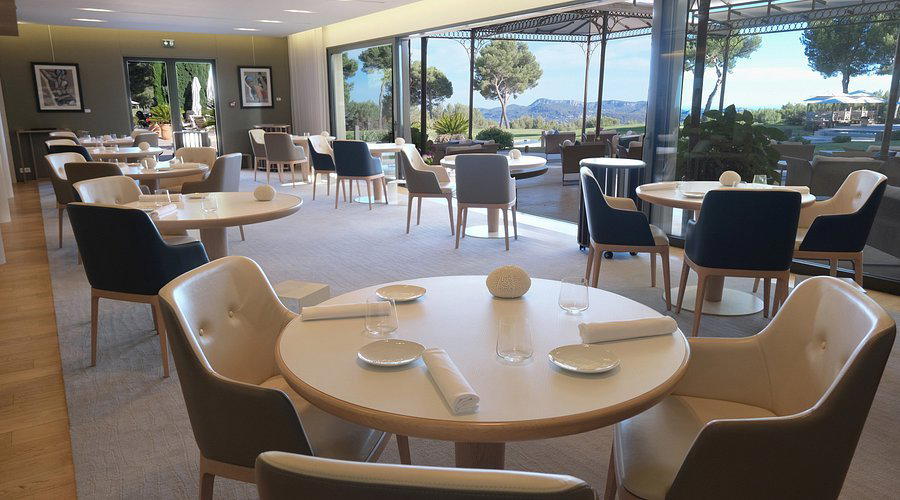
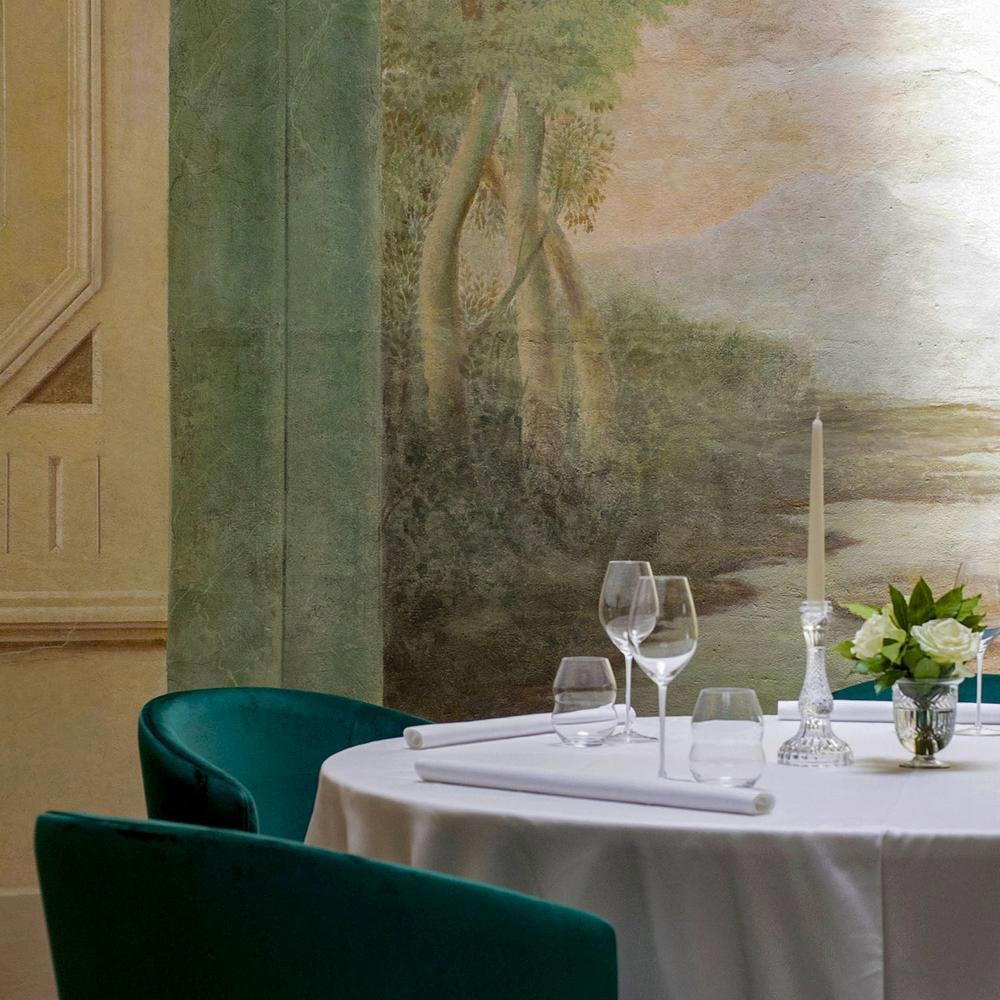
Bars in La Ciotat
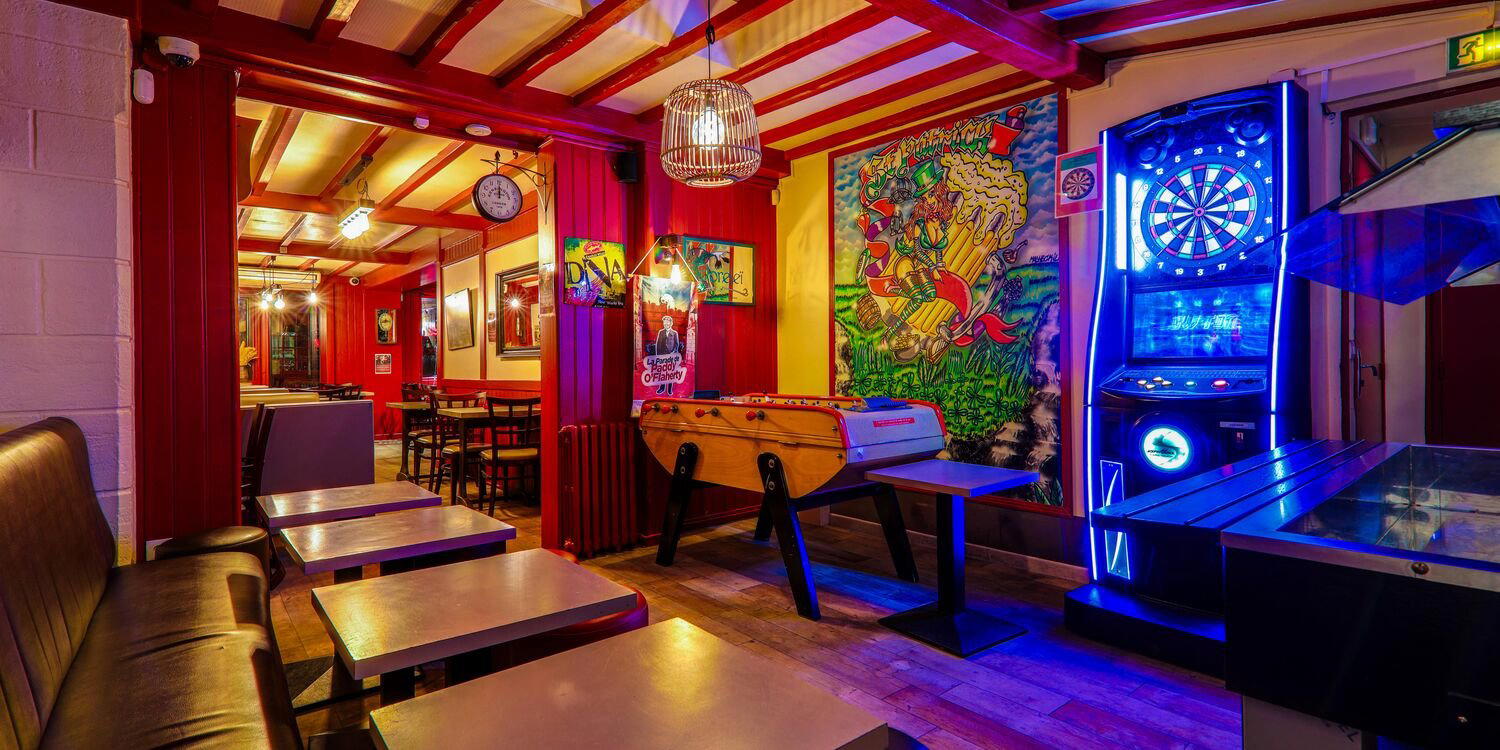
Browse all →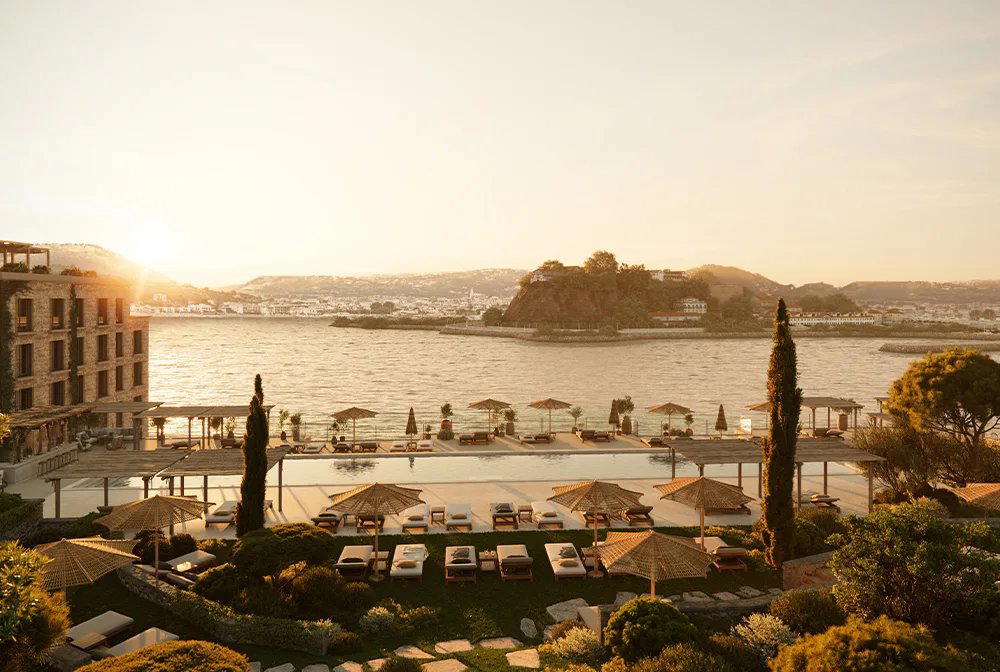
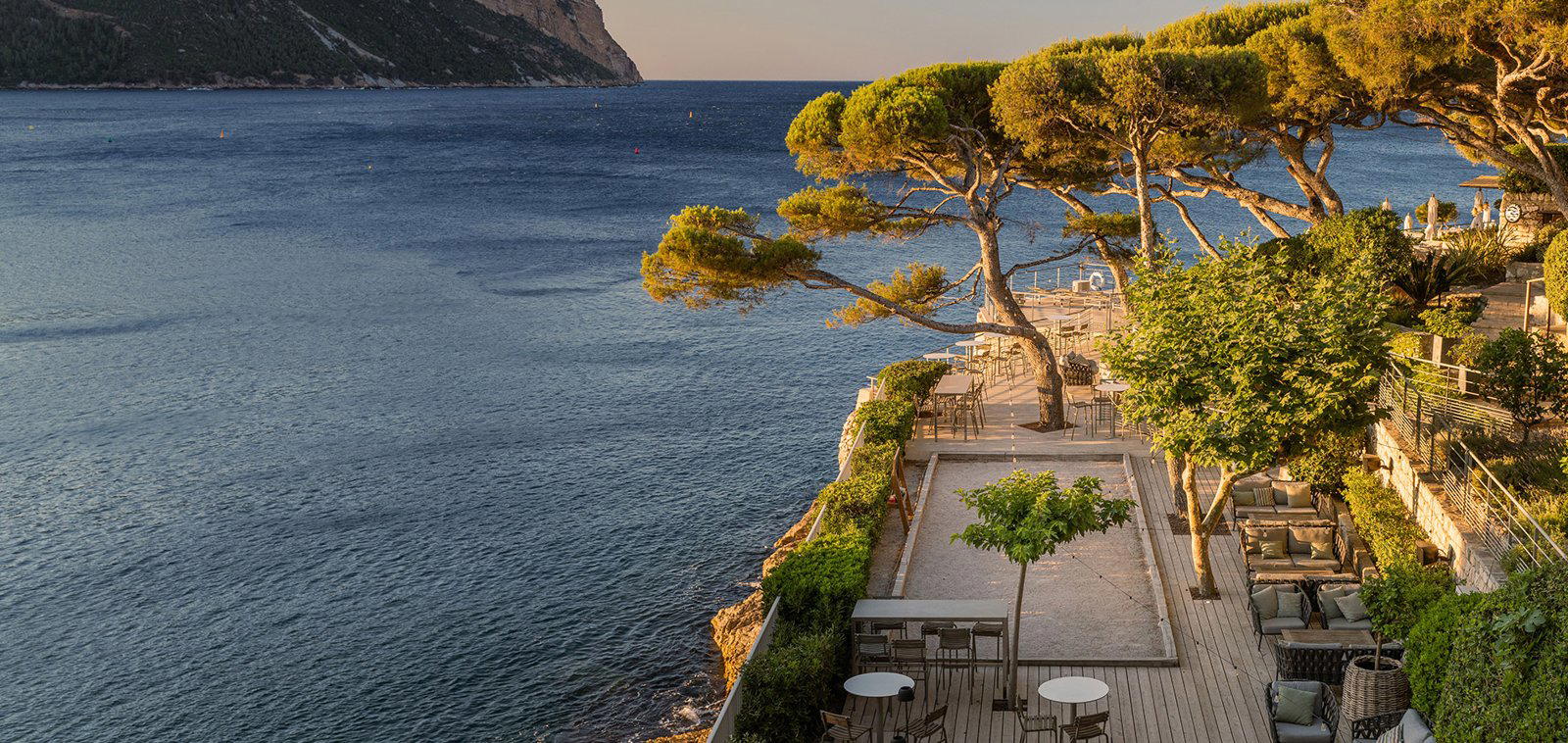
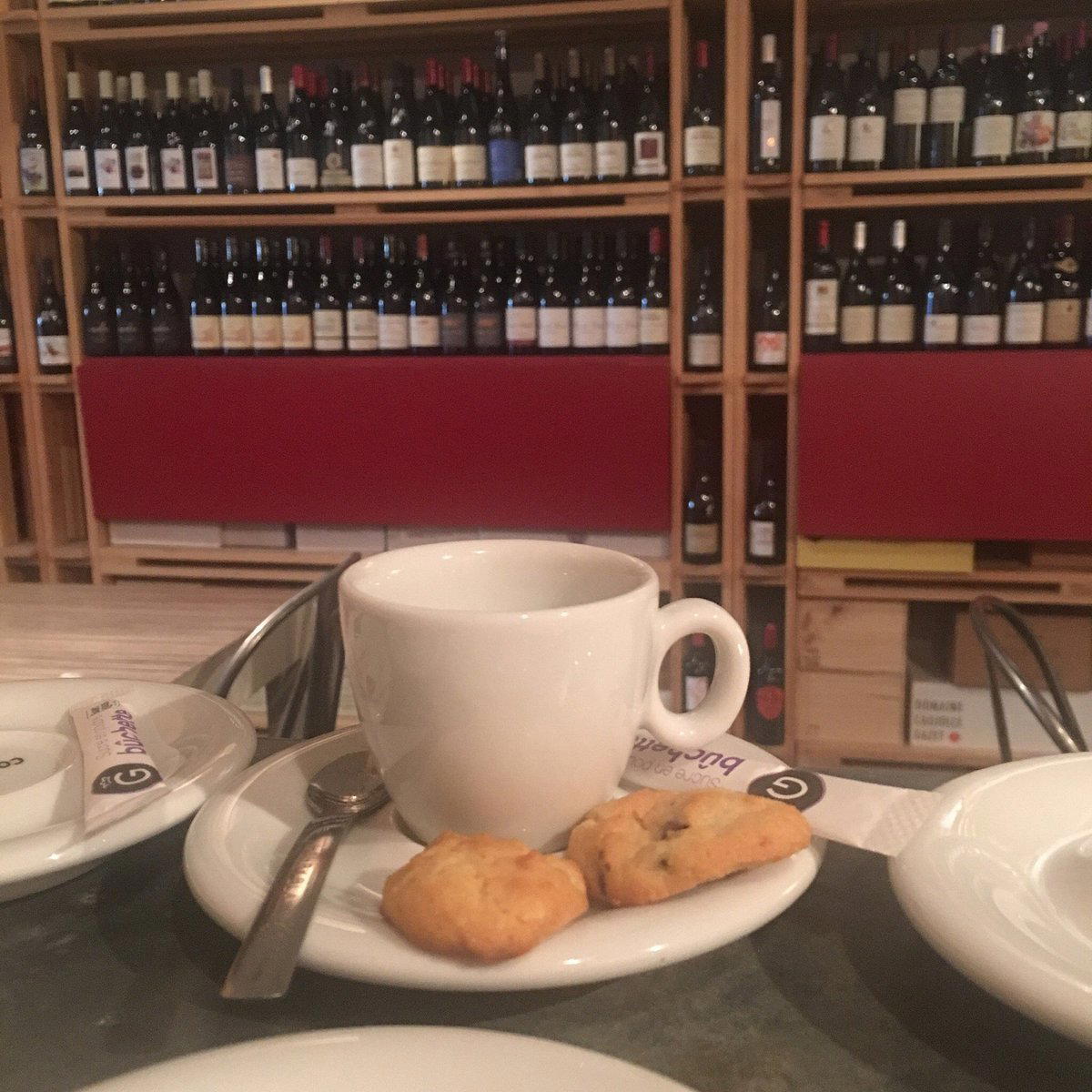
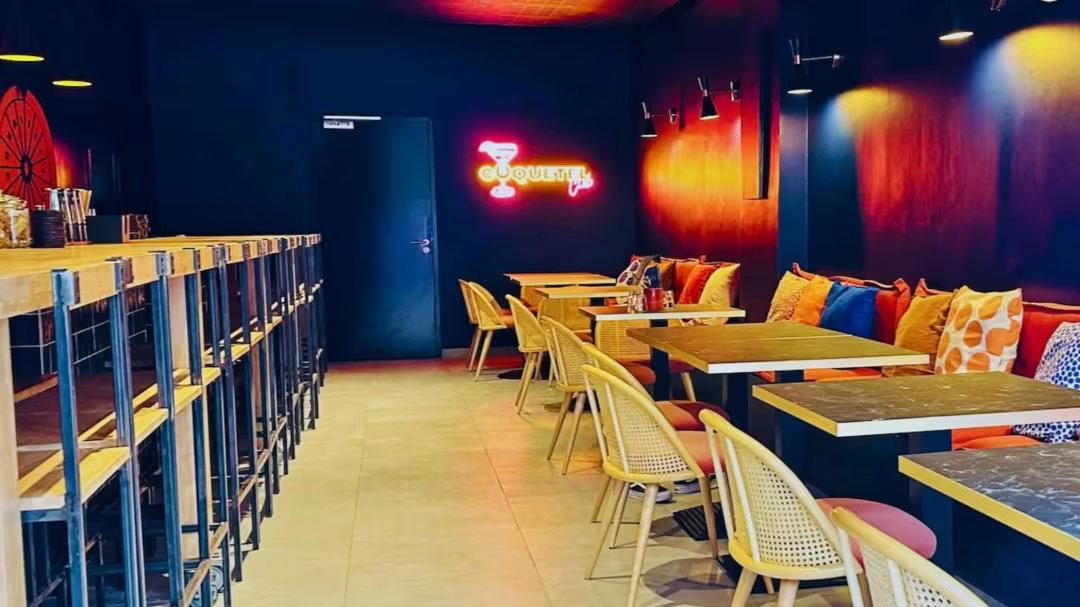
Hotels in La Ciotat
Browse all →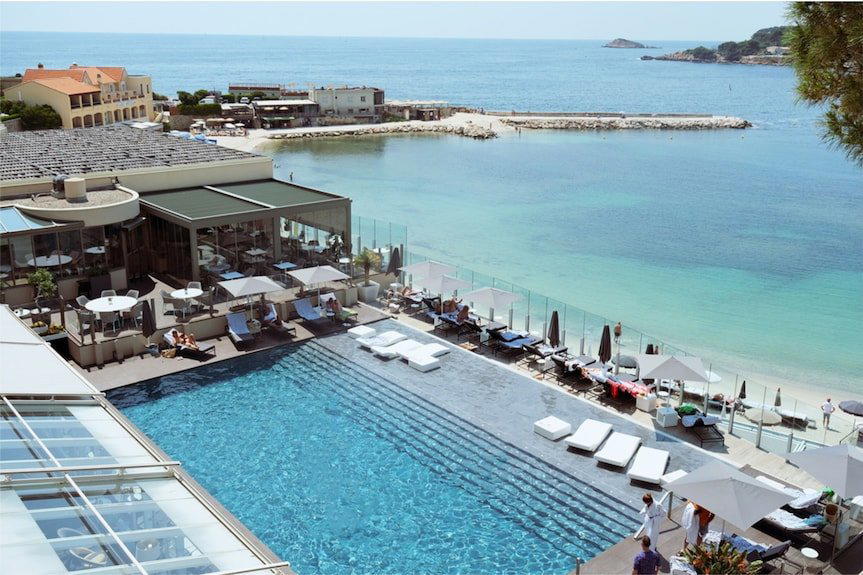
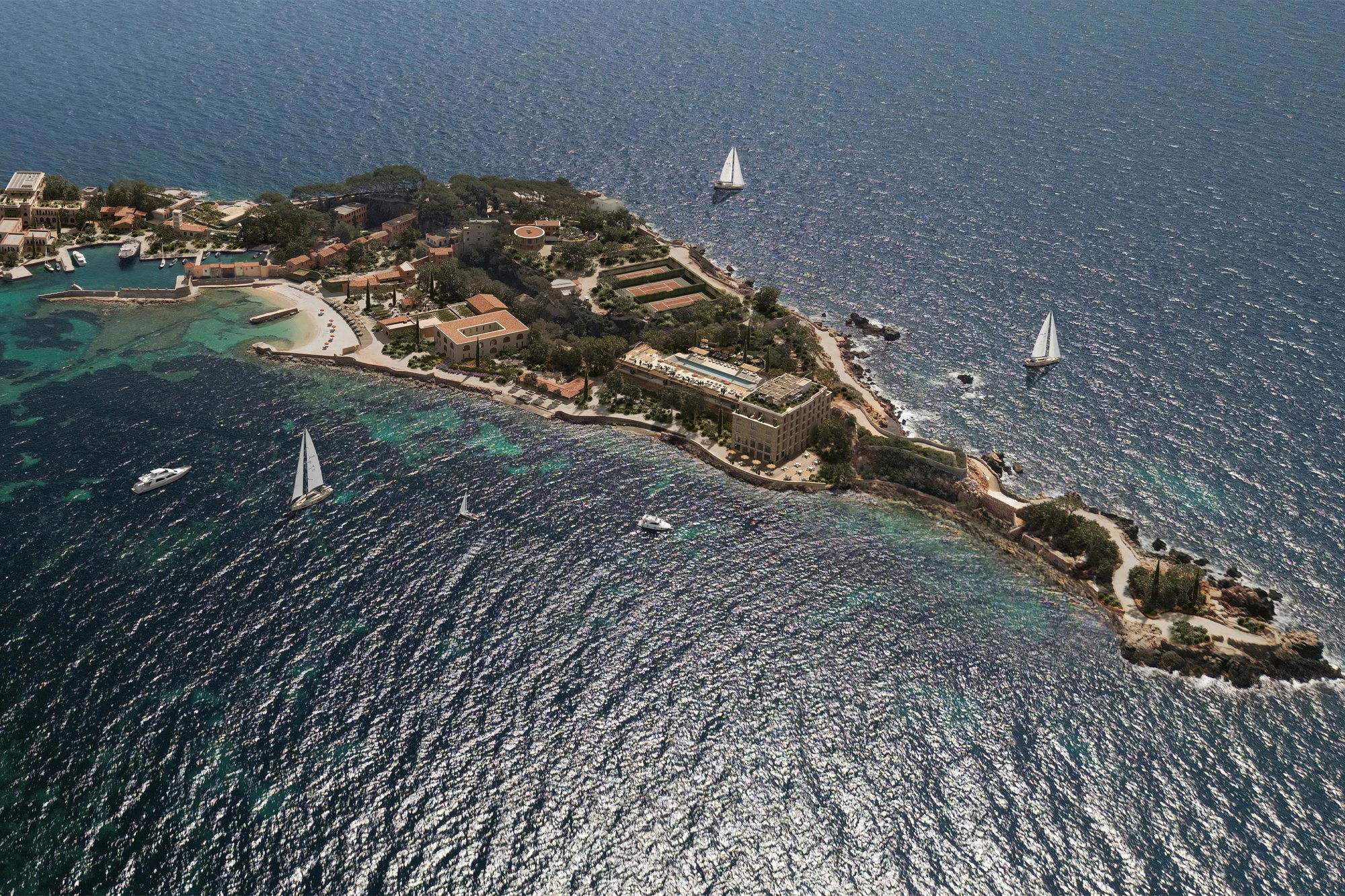
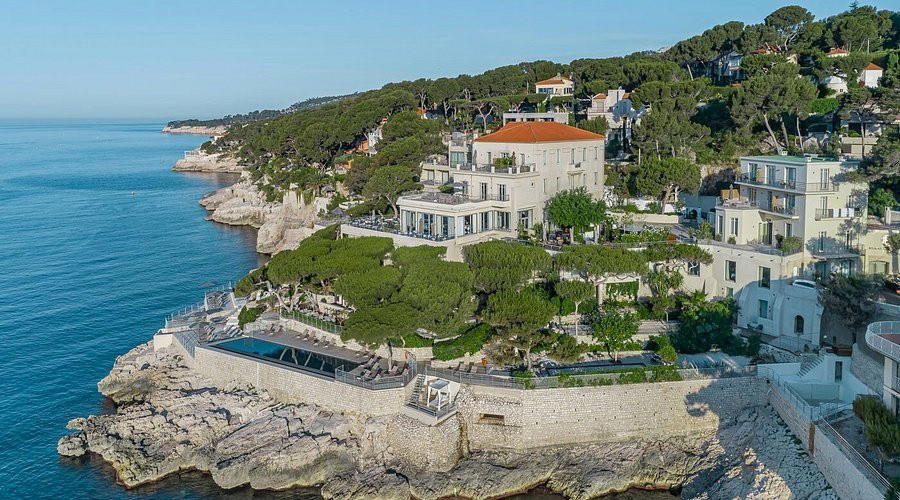
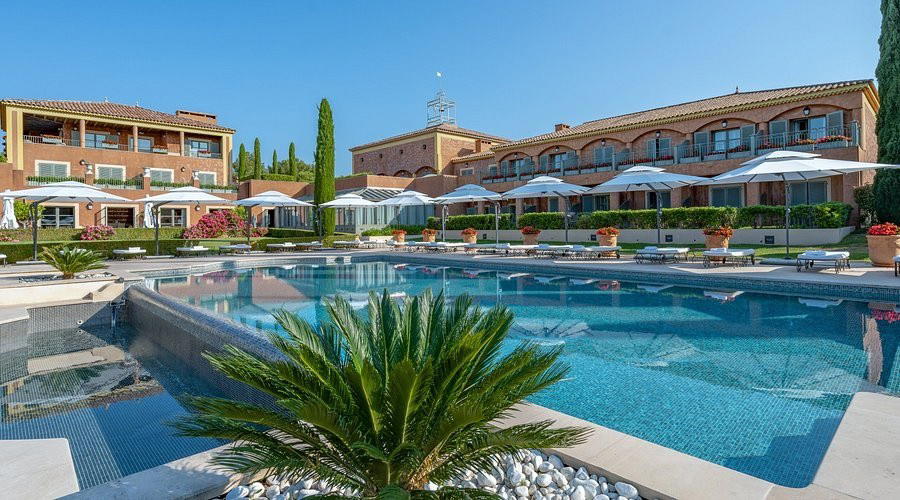
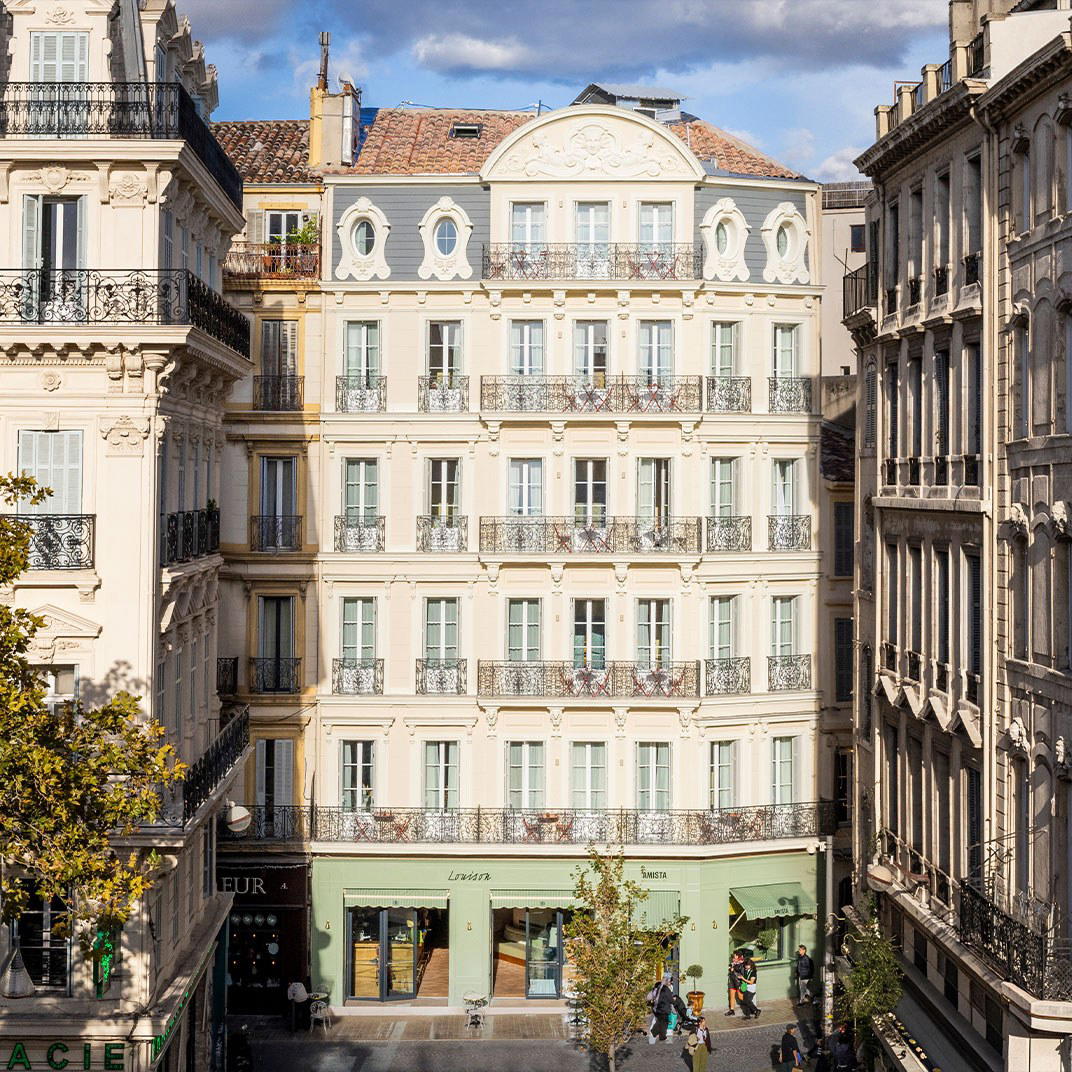

At a Glance
- Romantic
- Elegant
- Scenic
- Sophisticated
- Intimate
- Date Night
- Special Occasion
- Celebration
- Terrace
- Waterfront
- Panoramic View
- Extensive Wine List
- Local Sourcing
- Waterfront
- Street Scene
Current opening hours
- Monday
- Closed
- Tuesday
- 7:30–11:30 PM
- Wednesday
- 12:15–3:30 PM, 7:30–11:30 PM
- Thursday
- 12:15–3:30 PM, 7:30–10:30 PM
- Friday
- 12:15–3:30 PM, 7:30–11:30 PM
- Saturday
- 12:15–3:30 PM, 7:30–11:30 PM
- Sunday
- Closed
Hours can change for holidays and private events. Last verified .
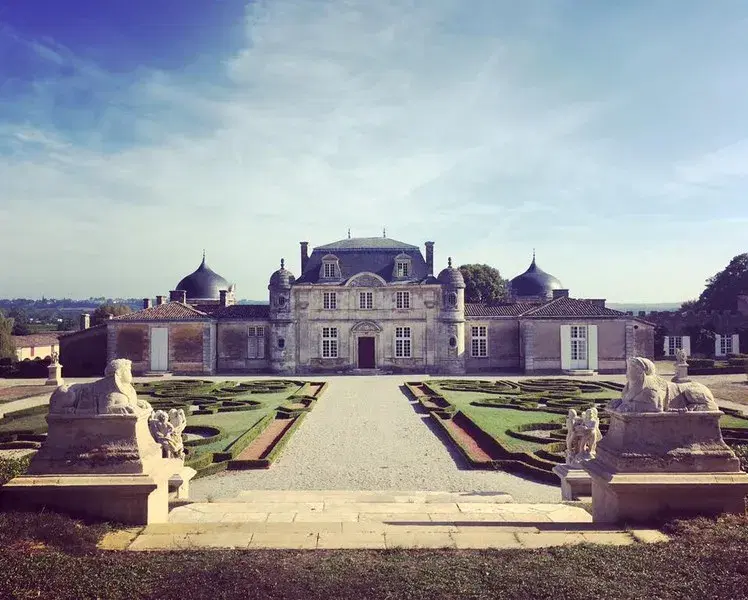
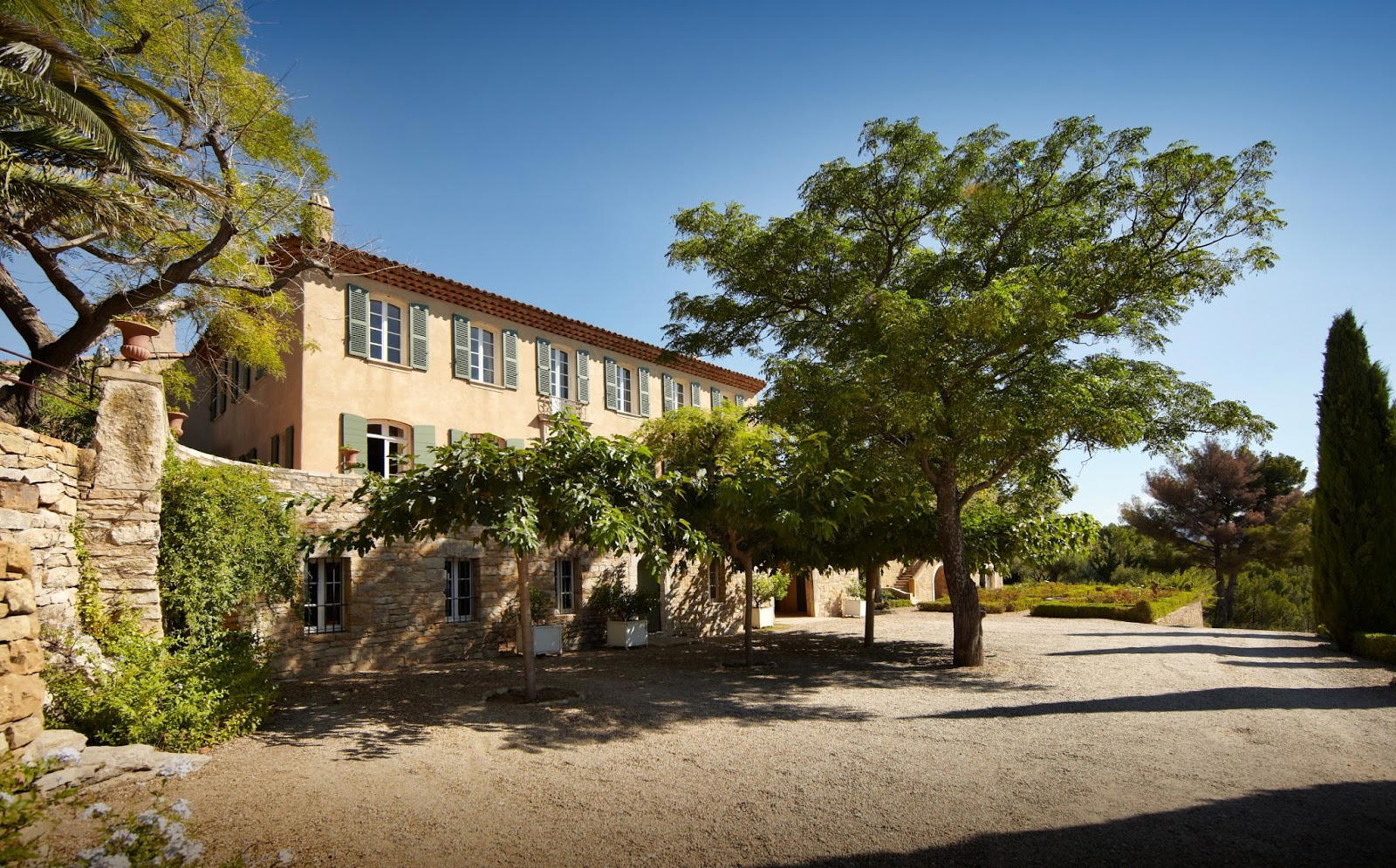
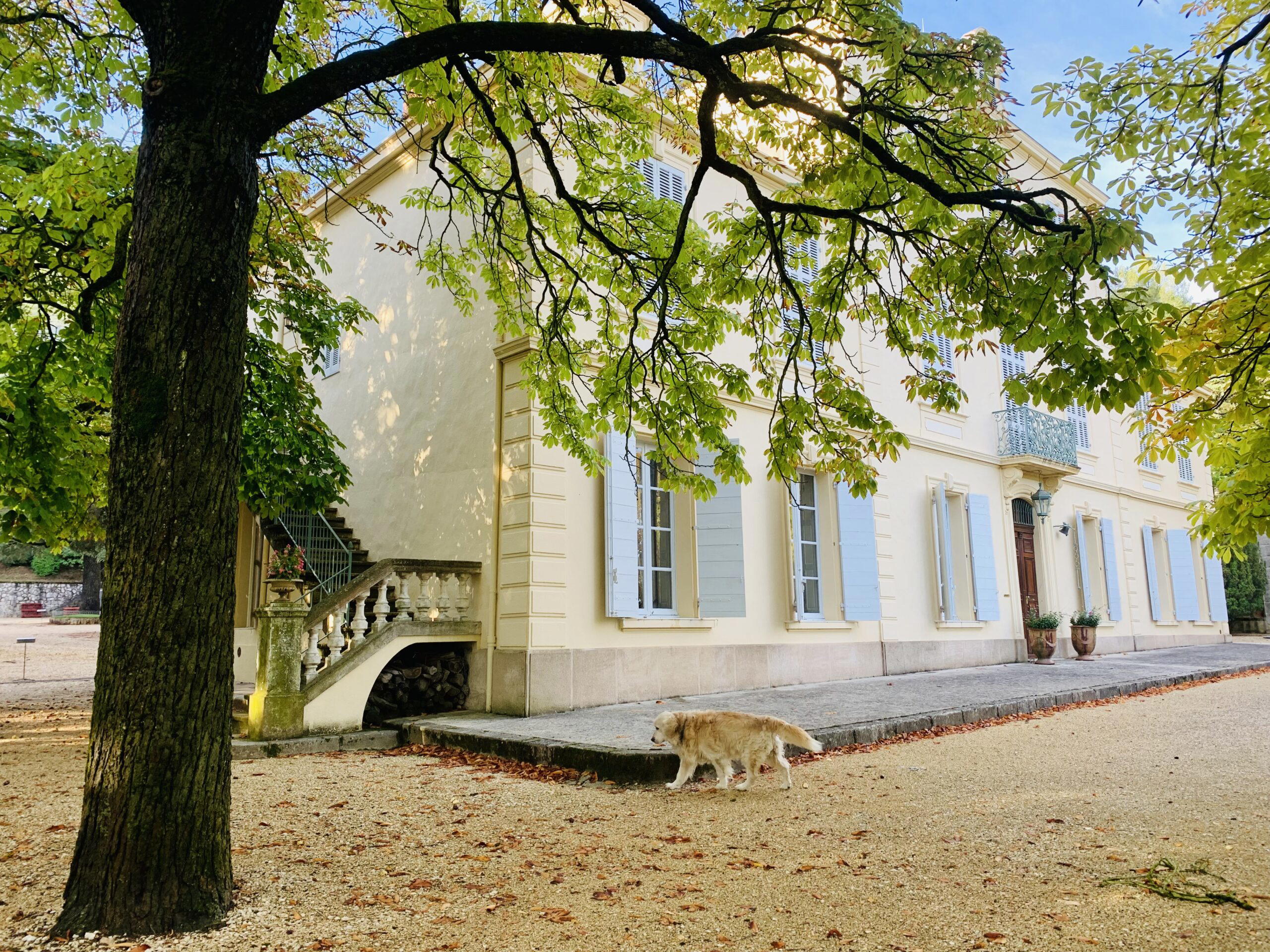
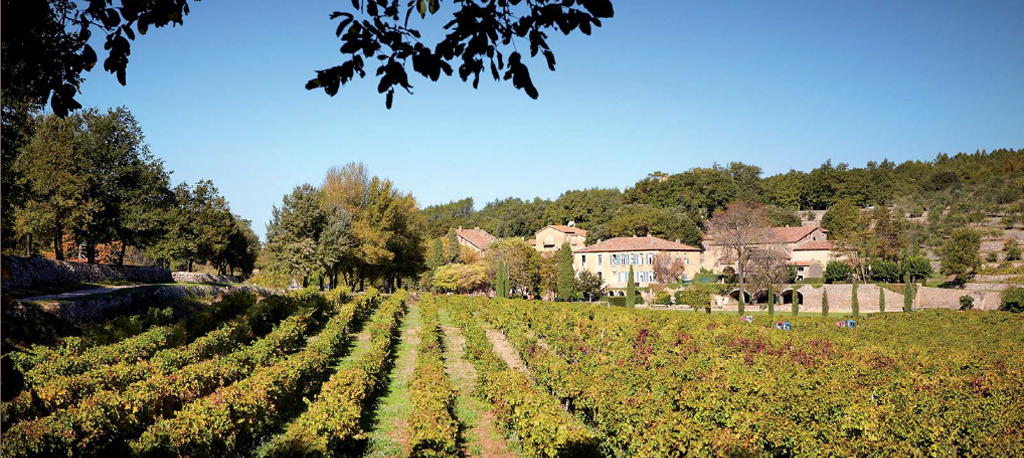
Magical terrace overlooking the sea with sunset views, serene and enchanting atmosphere enhanced by professional service in a historic auberge.