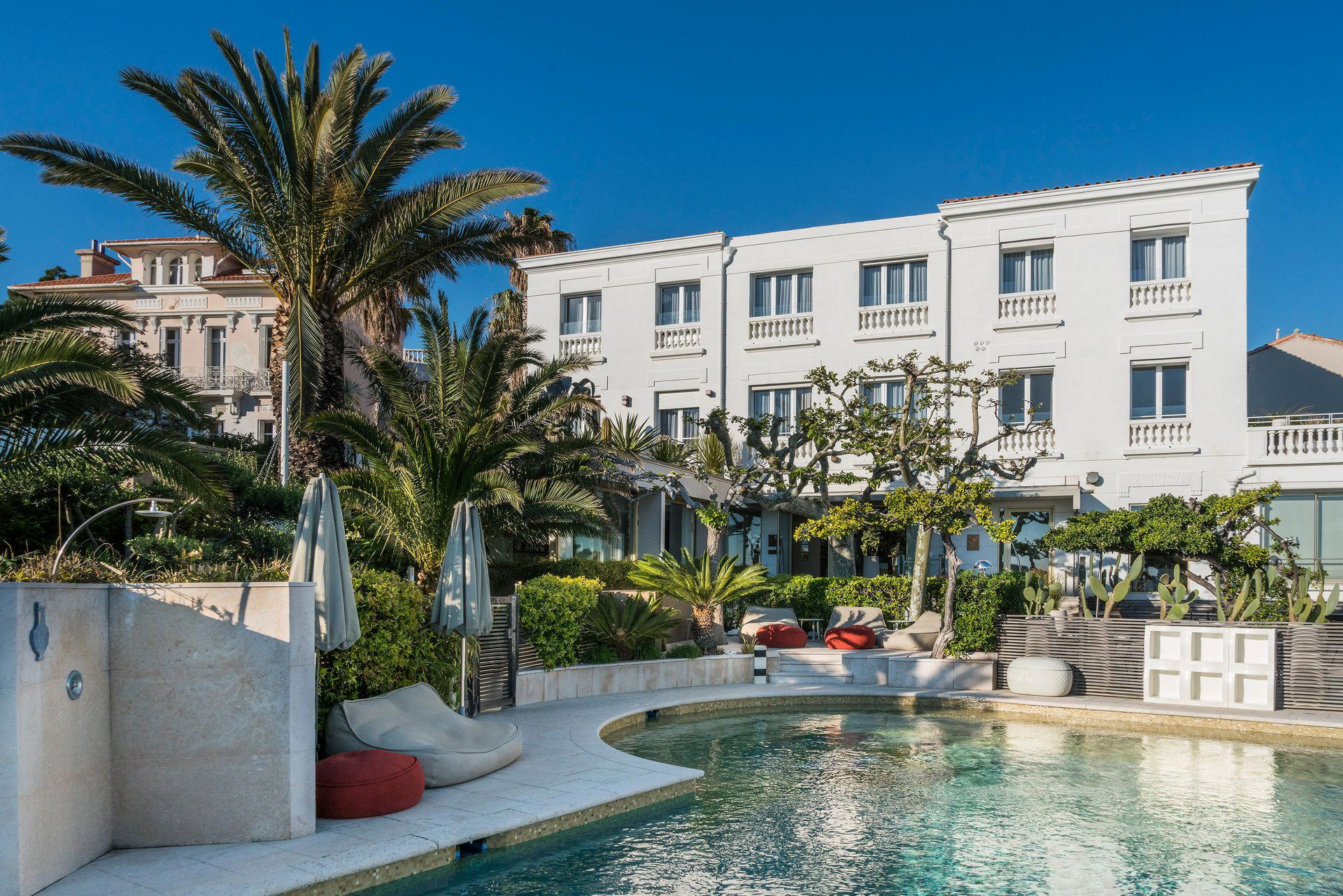
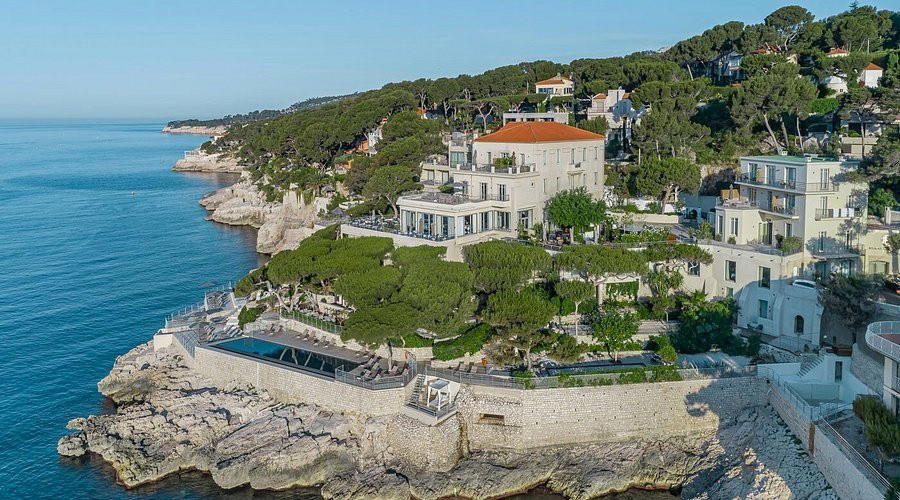
Le Petit Nice Passedat occupies a clifftop position on the Corniche Kennedy in the 7th arrondissement, where the Mediterranean is less a backdrop than a primary ingredient. As one of France's most recognised coastal dining addresses, it sits in a narrow tier of Relais & Châteaux properties that have built their identity around a specific geography rather than a generic luxury template. The address at Anse de Maldormé rewards those who understand what Marseille's relationship with the sea actually means at table.
 Discover on Pearl
Pearl is the En Primeur Club membership app — saves, bookings, and concierge access live there. Same editors, same standards.
- Address
- 17 Rue des Braves Anse de Maldormé, 156 Cor Président John Fitzgerald Kennedy, 13007 Marseille, France
- Phone
- +33 4 91 59 25 92
- Website
- passedat.fr
Where the Corniche Meets the Counter
Approaching the Anse de Maldormé from the Corniche Kennedy, the city's harbour-front noise drops away with surprising speed. The 7th arrondissement's residential cliffs have always attracted a different Marseille from the one tourists photograph at the Vieux-Port: quieter, more self-contained, with the sea below rather than beside you. Le Petit Nice Passedat is a bar in Marseille. Before you reach the dining room or the bar, the property communicates its priorities through what it has removed: the traffic, the crowd, the coastal promenade's casual energy. What remains is a view of open water and a context that places every drink poured here in direct conversation with that geography.
In France's broader coastal fine-dining category, this kind of site-specificity has become the primary differentiator. The Relais & Châteaux designation, which the property holds alongside its five-star hotel classification, signals membership in a cohort defined by character over standardisation. Within that cohort, the properties that endure are those where the physical location does editorial work, where the setting frames the programme rather than simply accommodating it. On the Mediterranean's French coast, that means the sea must be present not just as a view but as a logic that runs through the drinks list, the kitchen's sourcing, and the rhythm of service.
The Bar Programme in a City Rewriting Its Cocktail Identity
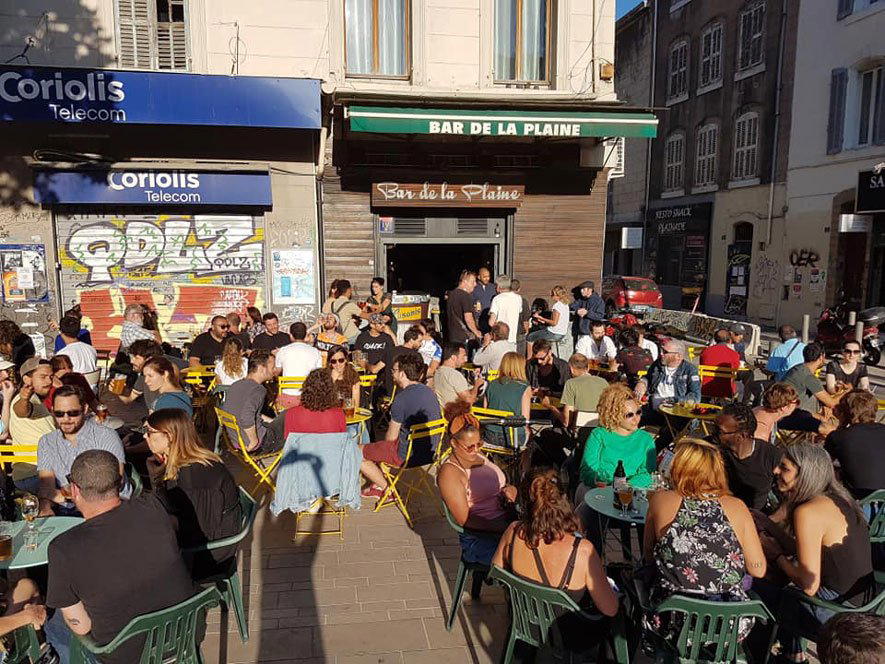
Marseille's cocktail scene has undergone a genuine reorientation over the past decade. The city that once defaulted to pastis-and-water as its singular bar identity now supports a range of programmes that sit at different points on the formality spectrum. At the accessible end, addresses like Le Bar de la Plaine and The Champ De Mars serve neighbourhood crowds with unpretentious precision. Sarment brings a wine-forward perspective to the conversation. CopperBay Marseille, with its Parisian pedigree, introduced a more technically structured cocktail vocabulary to the city's bar circuit.
Le Petit Nice Passedat operates at the top of this spectrum, within a hotel context that changes the terms of engagement. The bar at a five-star Relais & Châteaux property is not competing on the same axis as a neighbourhood bar: the peer comparison is closer to the hotel bars of Lyon's La Maison M. or Bordeaux's Bar Casa Bordeaux, addresses where the room, the service register, and the drinks programme function as a single integrated proposition. In that frame, what a bar pours matters less than whether the entire experience holds together as a coherent argument about the place it occupies.
At a Mediterranean clifftop address, the coherent argument is almost always structured around local botanicals, seafood-adjacent flavour registers, and an acknowledgment of the wine culture that surrounds Provence. A drinks programme that ignored anise, local herbs, or the citrus that grows within kilometres of the property would be making a choice, and probably the wrong one. The question worth asking of any bar at this address is how directly it draws on the geography visible from its windows.
Positioning Inside French Coastal Hospitality
France's premium coastal hospitality tier has concentrated around a small number of addresses that have sustained their reputations across multiple decades rather than riding a single moment of critical attention. The longevity of these properties tends to rest on two things: the irreplaceability of the site and the consistency of the programme delivered within it. A clifftop position above the Mediterranean is not something that can be replicated or relocated. That physical advantage raises the stakes on everything else, the food, the drinks, the service, because the site itself sets an expectation that the programme must then meet.
Within France's broader hospitality geography, Marseille has been slower than Lyon, Paris, or Bordeaux to accumulate international recognition for its restaurant and bar scene, partly because the city's culinary identity is genuinely harder to package. It is not a cuisine of technique in the Parisian sense, nor a wine culture with the infrastructure of Bordeaux. What it has is a relationship with the Mediterranean that runs deeper and more specifically than any other French city's, and the addresses that have converted that relationship into sustained reputation tend to be those where the sea is not decoration but argument.
Comparable technical approaches to place-rooted hotel bar programmes can be found at Bar Nouveau in Paris and Coté vin in Toulouse, both of which have built their identities around editorial consistency rather than novelty. Further afield, Papa Doble in Montpellier shows how Mediterranean references can be converted into a specific cocktail language, while Au Brasseur in Strasbourg demonstrates a different model entirely, fermentation-led, northern, seasonal, that illuminates by contrast what a southern French coastal programme can and should do differently. For a comparison outside Europe, Bar Leather Apron in Honolulu represents the island-geography model taken to its logical conclusion: a bar programme that would be incoherent anywhere other than where it sits.
Continue exploring
More in Marseille
Bars in Marseille
Browse all →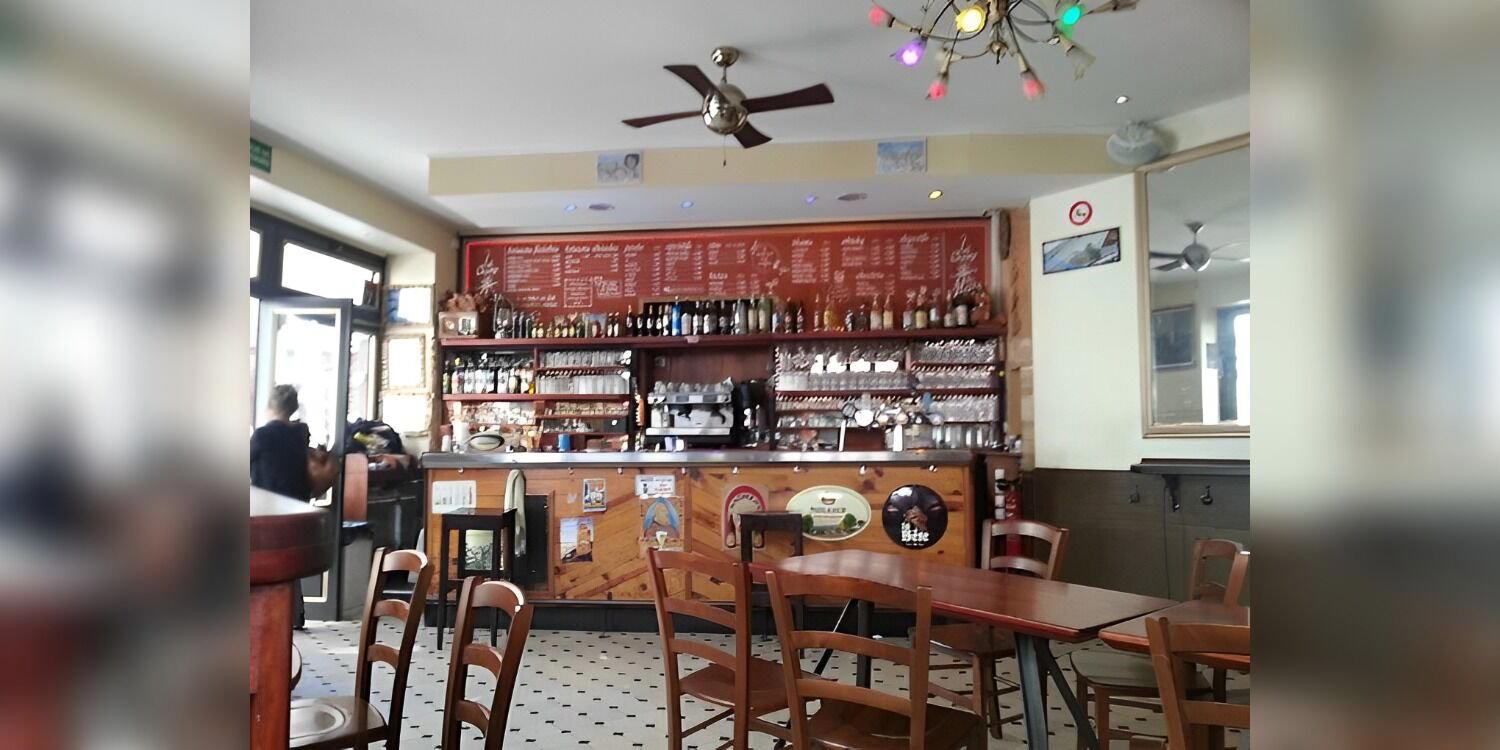
Restaurants in Marseille
Browse all →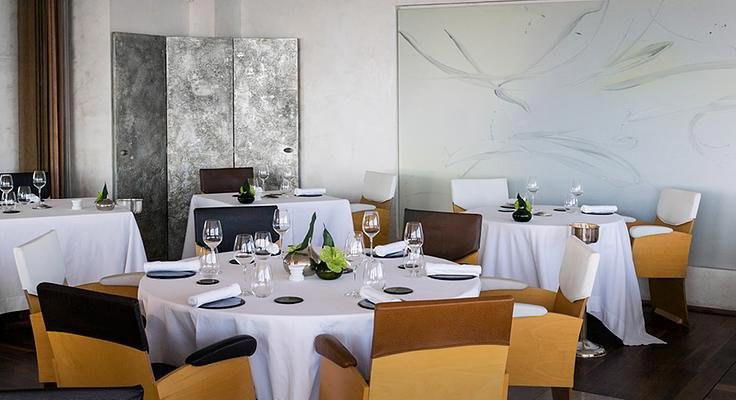
Hotels in Marseille
Browse all →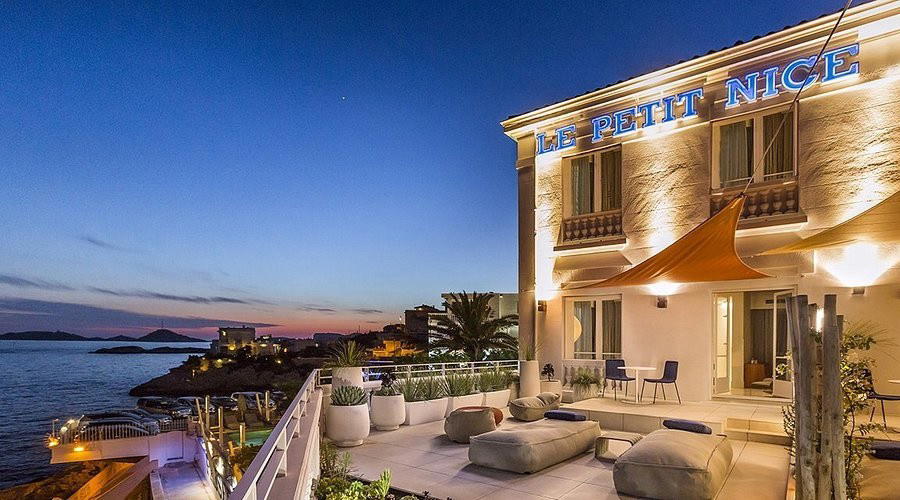
At a Glance
- Elegant
- Romantic
- Sophisticated
- Scenic
- Special Occasion
- Celebration
- Date Night
- Waterfront
- Terrace
- Panoramic View
- Historic Building
- Hotel Bar
- Seated Bar
- Outdoor Terrace
- Lounge Seating
- Conventional Wine
- Waterfront
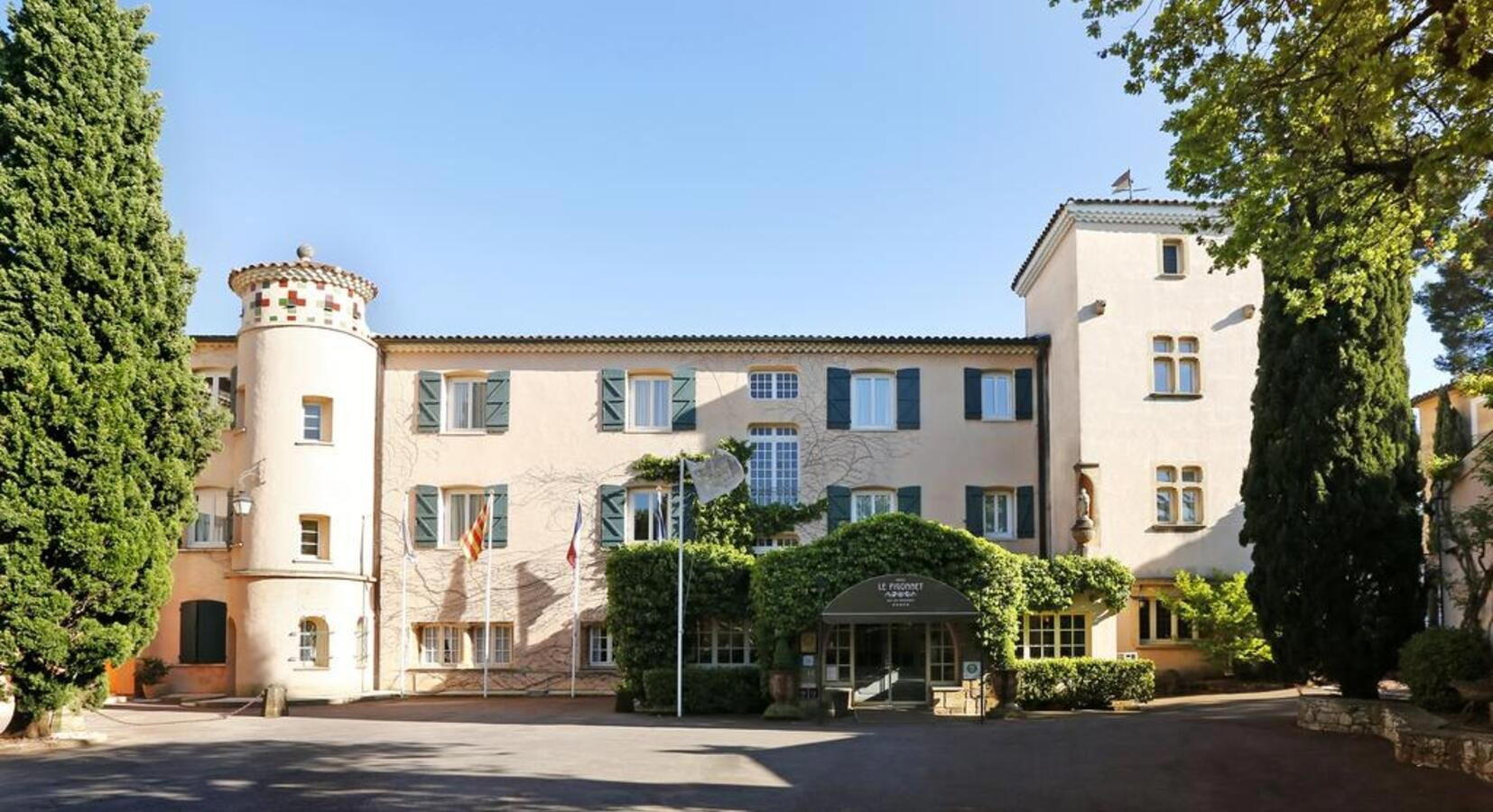
Softly lit with candlelit tables, no background music, old-school elegance with well-spaced cloth-covered tables and panoramic water views through three-sided windows.