
Amista occupies a characterful address on Rue des Recollettes in central Marseille, earning Michelin Selected status in 2025. The property sits within the city's broader shift toward smaller, design-attentive hotels that trade scale for architectural personality. For travellers weighing Marseille's premium accommodation tier, Amista represents the intimate, neighbourhood-rooted end of that spectrum.
Pearl is the En Primeur Club membership app — saves, bookings, and concierge access live there. Same editors, same standards.
- Address
- 2 Rue des Récolettes, 13001 Marseille, France
- Phone
- +33 4 91 54 02 74
- Website
- hotel-amista-marseille.fr
- Directions
- Get directions
 Saves & bookings on Pearl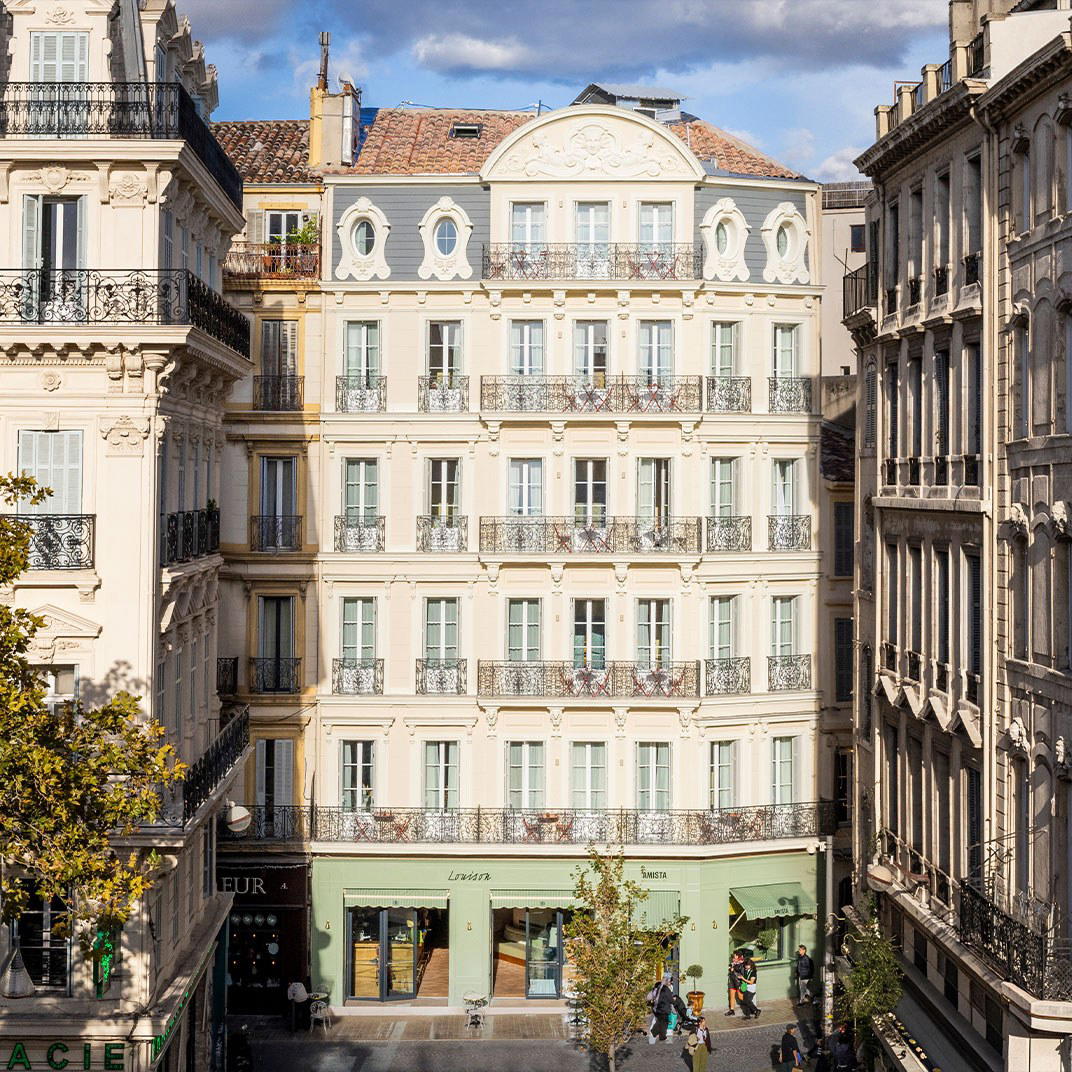
Stone, Street, and the Slow Architecture of Marseille's Centre
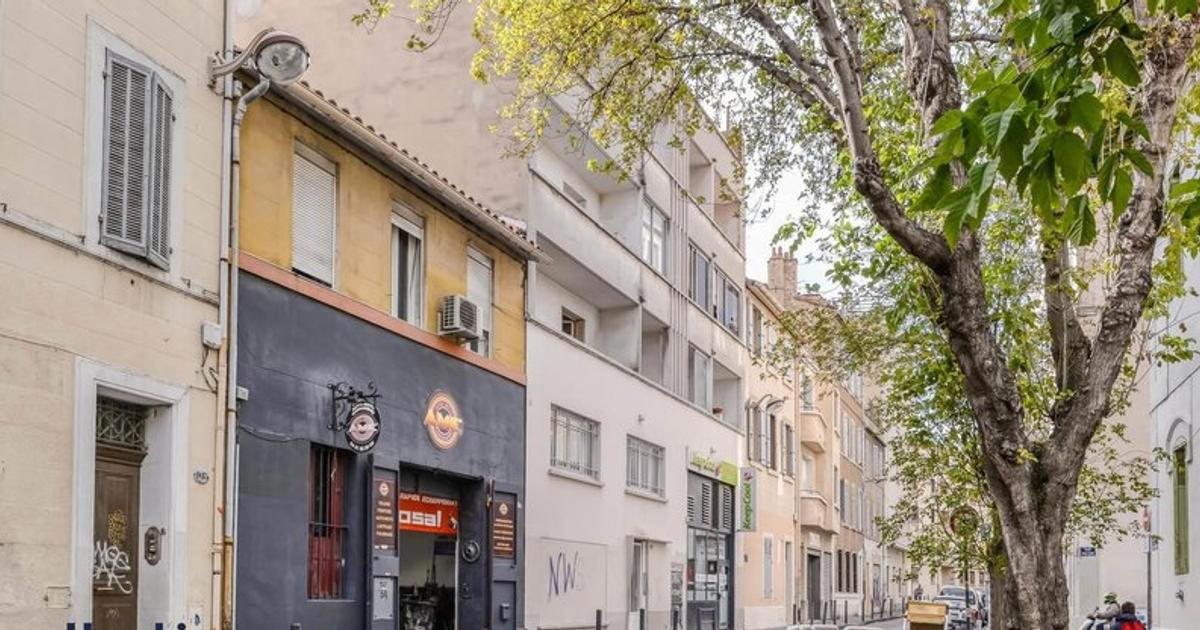
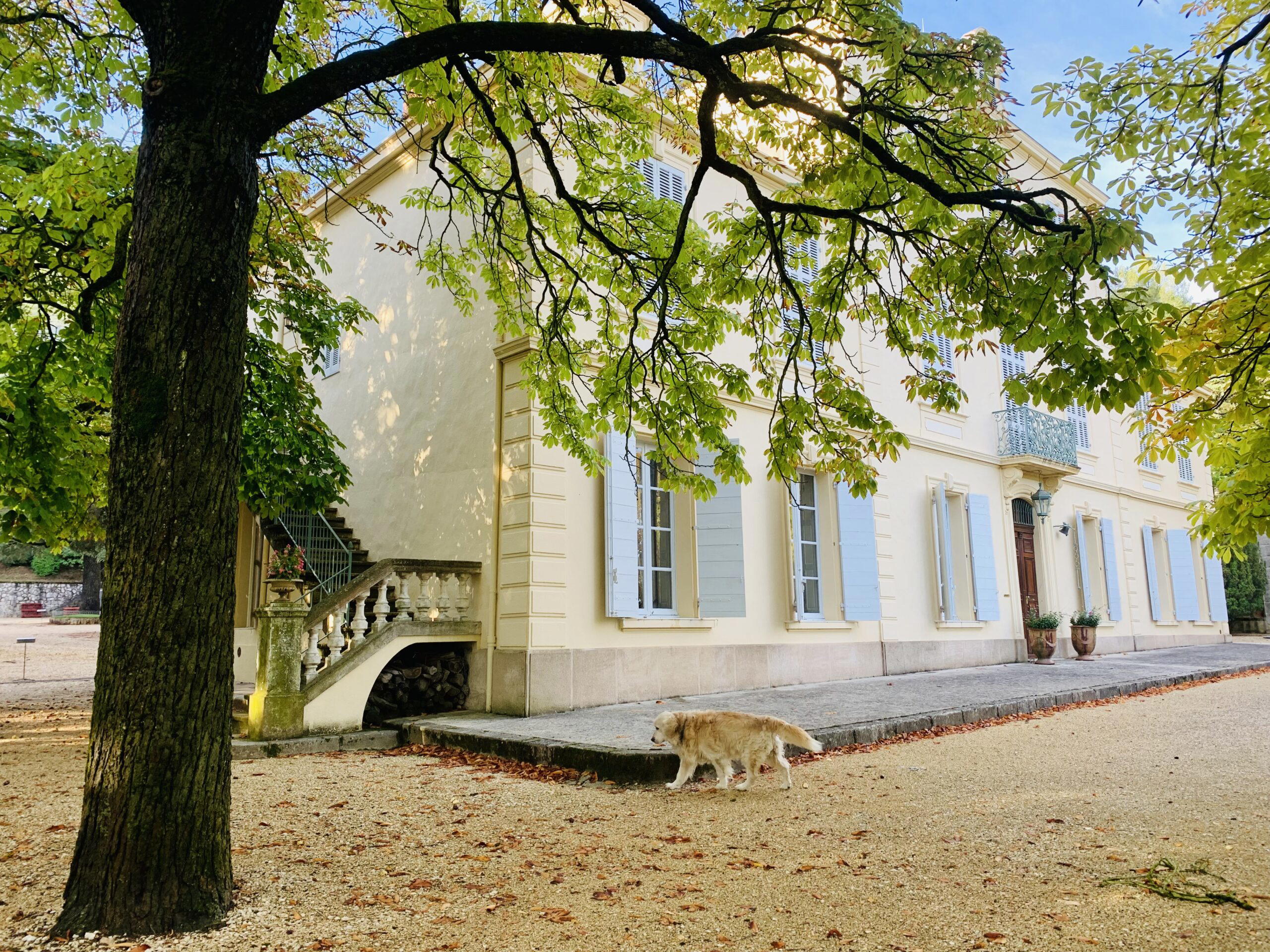
Marseille's hotel stock has split decisively over the past decade. On one side sit the large institutional properties anchored around the Vieux-Port and the waterfront; on the other, a smaller cohort of addresses that have colonised the city's older residential fabric, converting hôtels particuliers and merchant buildings into something more architecturally specific. Amista, at 2 Rue des Recollettes, belongs to the second category. The address alone signals intent: Rue des Recollettes runs through a part of the city where the built environment has its own texture — shuttered facades, limestone detail, internal courtyards — and where the character of a building reads before you step inside.
This is the register in which Michelin's hotel selectors have been operating when they compile the annual MICHELIN Selected list. The 2025 edition includes Amista, placing it alongside properties evaluated not on room count or brand infrastructure but on hospitality coherence, physical environment, and the quality of the stay as a complete experience. That selection process filters for consistency and for places where the physical setting contributes meaningfully to what guests receive.
What Michelin Selection Signals in This City
In a city with properties as architecturally ambitious as Hôtel Dieu Intercontinental Marseille, a converted 18th-century hospice whose stonework and formal courtyards set a high threshold for heritage adaptation, and as design-deliberate as Hôtel C2, Michelin selection carries specific weight. It is not the same as a star rating for a restaurant, but it does represent a credentialled editorial filter. For Amista, the selection marks it as part of Marseille's quality accommodation layer without placing it in the large-format, full-service tier.
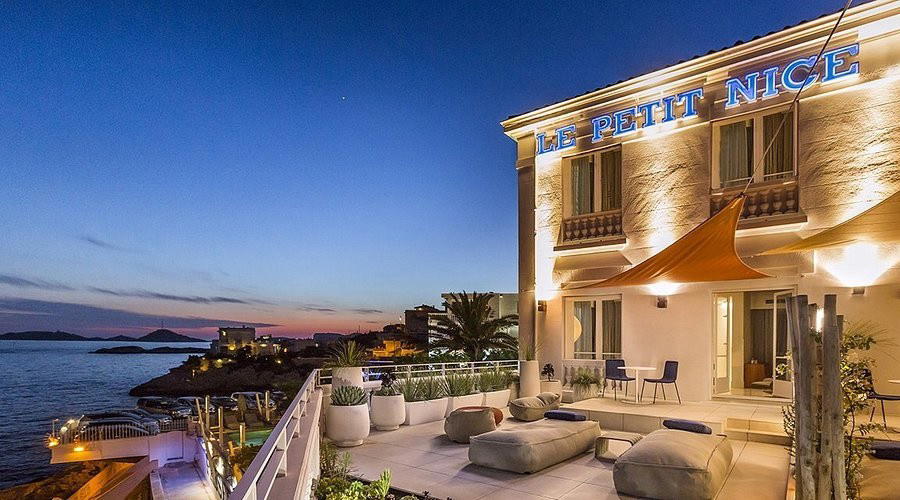
That distinction matters for how the city's hotel options are leading understood. Le Petit Nice, perched above the Corniche with its three Michelin restaurant stars and sea-facing rooms, occupies a different position entirely: it is destination accommodation built around a singular gastronomic identity. Hôtel Le Corbusier, embedded in the Unité d'Habitation, offers something closer to architectural pilgrimage than conventional hospitality. Amista's Michelin Selected status places it in the tier of properties that reward a different kind of attention: the small, considered stay within the city rather than a view from its edges.
The Neighbourhood as Part of the Experience
The Recollettes quarter sits within the 1st arrondissement, close enough to the Vieux-Port to be genuinely central but removed from the tourist density that clusters along the waterfront. This positioning is characteristic of a specific type of urban Provençal address, where the value is partly in the building and partly in the immediate street life: the morning market, the boulangerie two doors down, the pace of a residential block rather than a hotel strip. For travellers who measure a city stay by how much of the actual city they absorb, this geography is meaningful.
Marseille's centre has been subject to significant investment and regeneration since the city's 2013 year as European Capital of Culture, and the residential arrondissements have attracted a wave of smaller hospitality openings that track the city's changing self-image. Amista sits within that shift, though its Rue des Recollettes address predates the most recent wave and gives it the settled quality of somewhere that arrived before the neighbourhood became a talking point.
Design Coherence Over Brand Formula
Properties of this type in French provincial cities tend to succeed or fail on the coherence of their interior approach. The large international brands, represented in Marseille by the InterContinental's Hôtel Dieu conversion, bring design investment and standardised service frameworks. Smaller selected properties have to create their own logic: choosing materials, palette, and furniture that respond to the building rather than to a global brand book. Without specific verified interior data for Amista, the appropriate framing is categorical: Michelin's selection of independent urban properties in this price and scale tier consistently reflects an editorial judgement that the physical environment and hosting approach form a coherent whole.
This is also why Amista sits more naturally in a comparison set with boutique addresses across southern France than with larger Marseille hotels. The design-led, smaller-format approach is common across Provence's premium independent tier, seen at properties such as Villa La Coste in Le Puy-Sainte-Réparade and La Bastide de Gordes in Gordes, and the comparison illuminates what Amista's selection implies about its register, even if the formats are different in scale and setting.
Where Amista Sits in a Broader French Context
France's premium independent hotel tier now runs from large prestige addresses, Le Bristol Paris, Hôtel du Palais in Biarritz, Le Negresco in Nice, through converted estate properties such as Domaine Les Crayères in Reims and Royal Champagne Hotel and Spa in Champillon, down to the smaller urban addresses that Michelin Selected increasingly reflects. The southern coast and Riviera add further reference points: Hotel Du Cap-Eden-Roc in Cap d'Antibes, The Maybourne Riviera in Roquebrune-Cap-Martin, and Château de la Chèvre d'Or in Èze form the coastal prestige tier. Amista's position is in the city-centre, neighbourhood-rooted category, a different proposition and a different kind of value.
For travellers comparing the Mediterranean coastal range more broadly, the contrast with La Réserve Ramatuelle or Hôtel and Spa du Castellet clarifies what Amista offers: urban texture and central access over coastal setting and resort facilities. Neither is superior; they answer different questions about how to spend time in the south of France.
Planning a Stay
Amista is at 2 Rue des Recollettes in Marseille's 1st arrondissement, within walking distance of the Vieux-Port and the city's main transit connections. As a Michelin Selected property for 2025, it is worth confirming availability early for peak summer months, when Marseille's central accommodation runs at higher occupancy. Booking directly with the property, rather than through third-party platforms, typically gives better access to room preferences and arrival flexibility at properties of this scale. For a fuller view of where Amista sits among Marseille's dining and hospitality options, the EP Club Marseille guide maps the city's premium tier across both hotels and restaurants.
How Amista Marseille compares with similar nearby venues.
| Venue | Awards |
|---|---|
| Amista | MICHELIN Guide, Hotels Selected (2025) |
Recognition history
Dated appearances from independent guides and award organizations, with the underlying list record or original source where available.
Michelin Selected
Michelin
Continue exploring
More in Marseille
Hotels in Marseille
Browse all →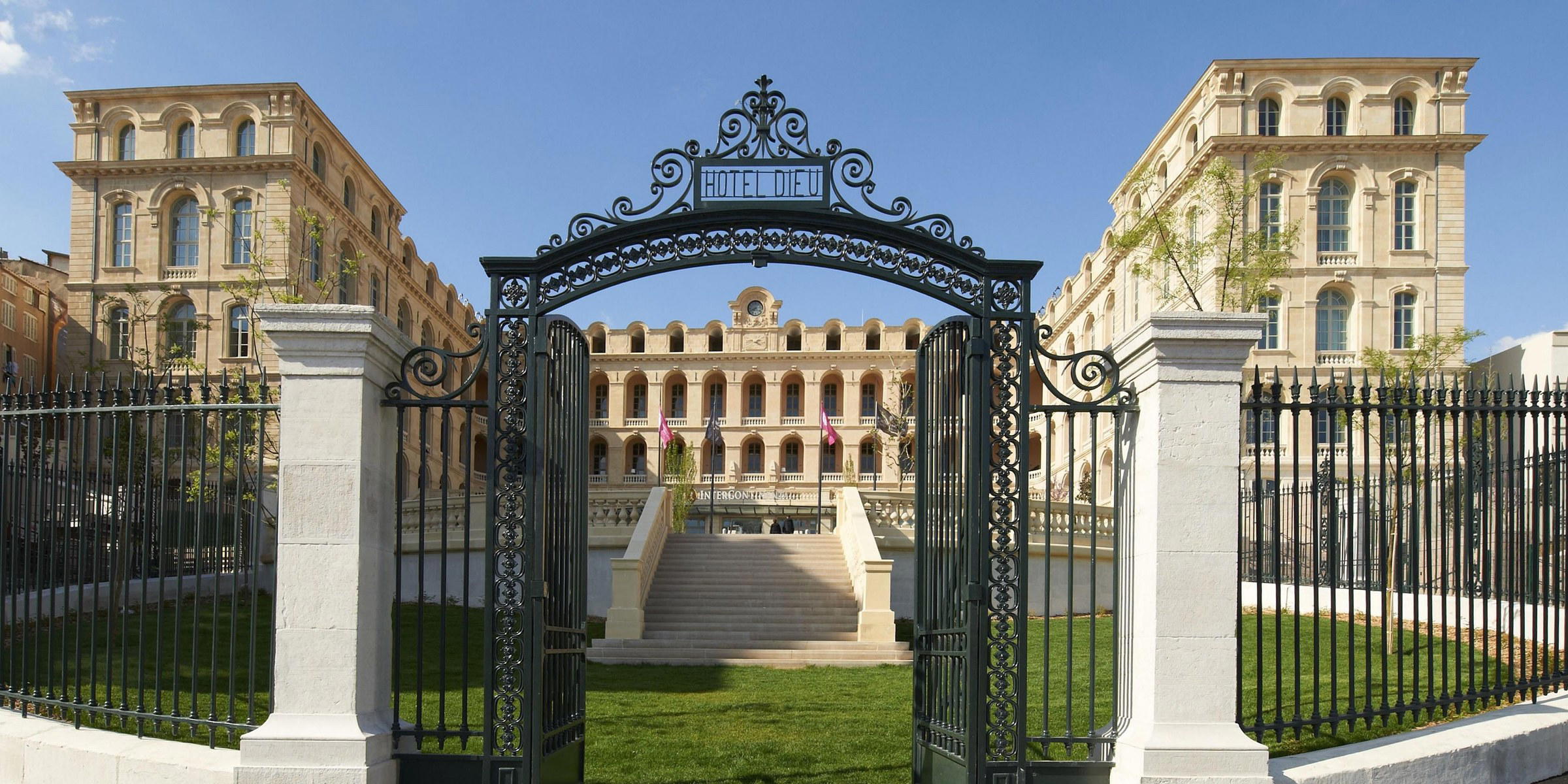
Bars in Marseille
Browse all →
Restaurants in Marseille
Browse all →
At a Glance
- Classic
- Elegant
- Intimate
- Trendy
- Family Vacation
- Weekend Escape
- Romantic Getaway
- Historic Building
- Terrace
- Rooftop Pool
- Design Destination
- Waterfront
- Wi Fi
- Restaurant
- Bar
- Air Conditioning
- Room Service
- Luggage Storage
- Street Scene
- Wi Fi
- Restaurant
- Bar
- Air Conditioning
- Room Service
- Luggage Storage
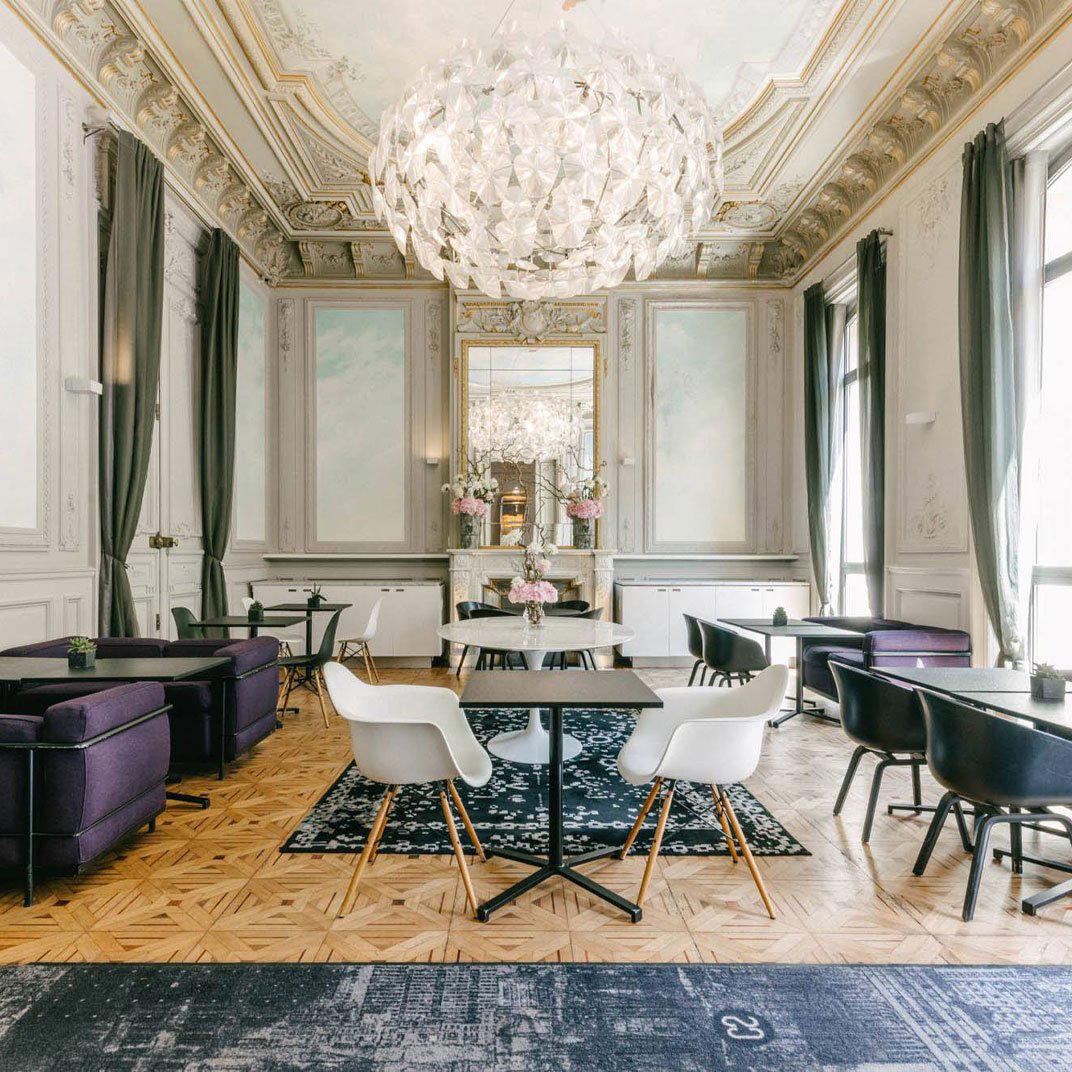
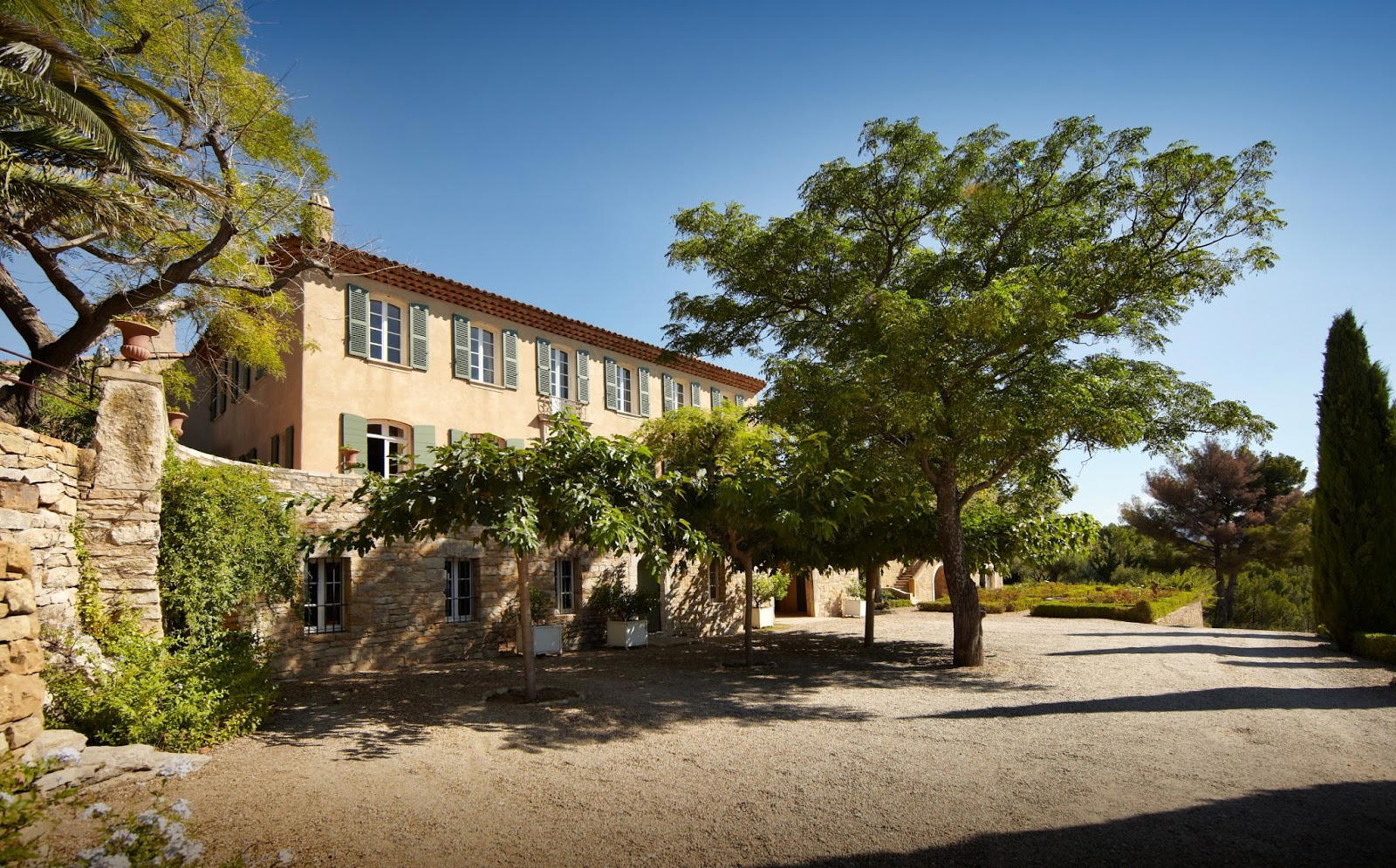
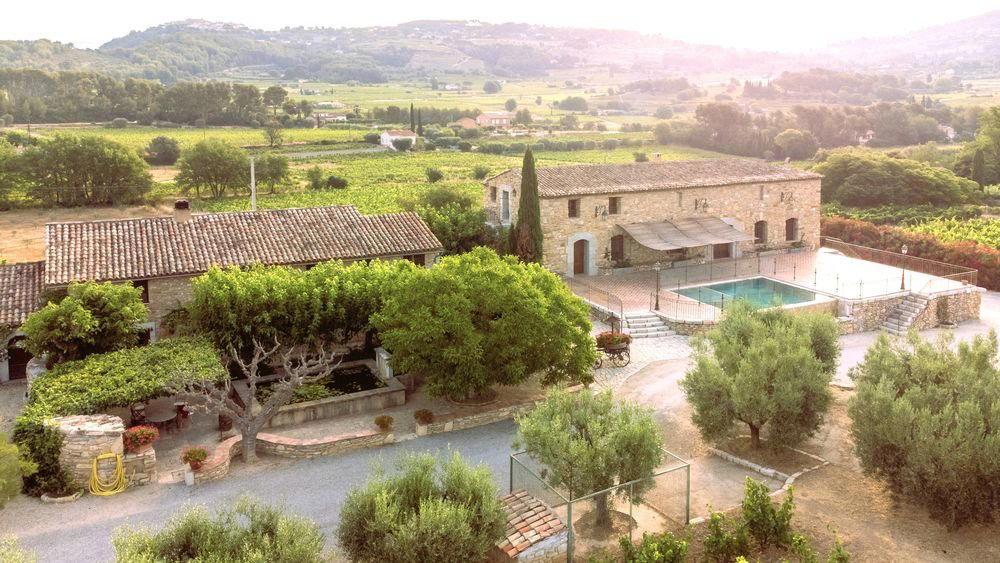
Warm and authentic with Provençal decor in warm terracotta tones and Mediterranean atmosphere, blending heritage architecture with stylish contemporary design.
Know Before You Go
- Getting there
- 2 Rue des Récolettes, 13001 Marseille, France