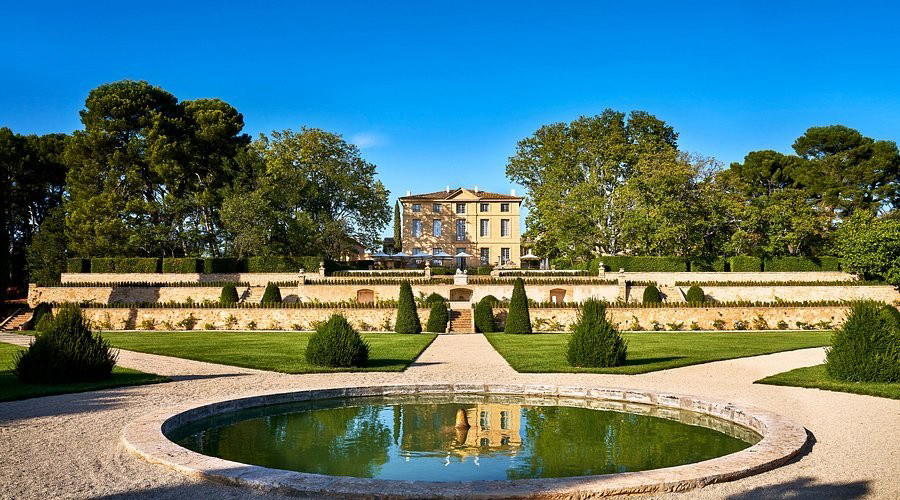
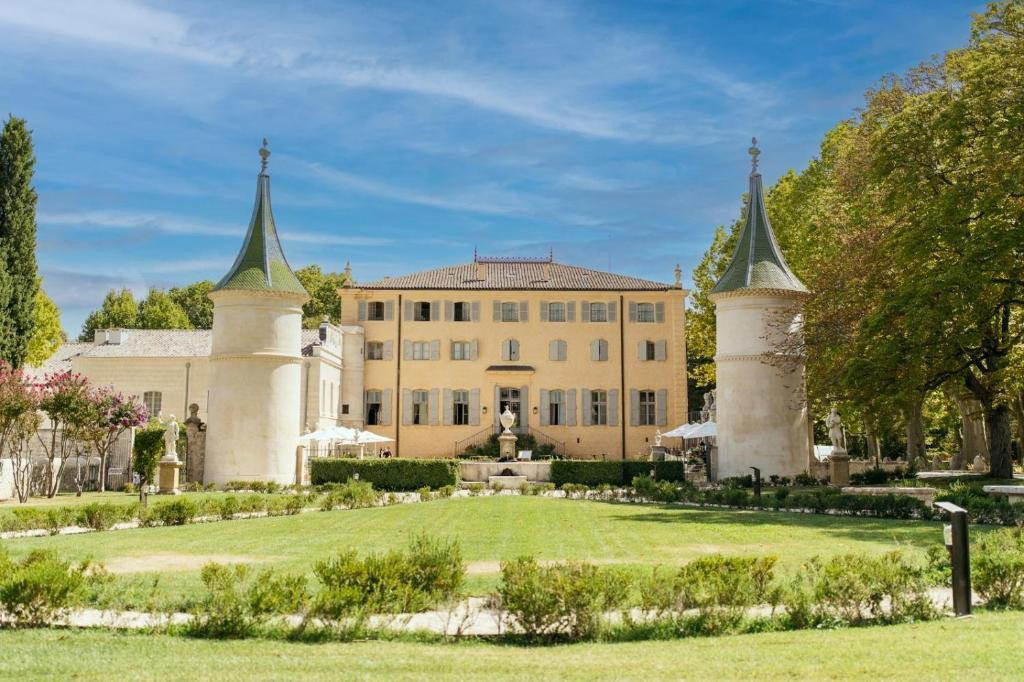
Operating since 1820, Château Simone is one of Provence's most historically anchored estates, working within the Palette appellation just outside Aix-en-Provence.

Pearl is the En Primeur Club membership app — saves, bookings, and concierge access live there. Same editors, same standards.
- Address
- Chem. de la Simone, 13590 Meyreuil
- Phone
- +33 4 42 66 92 58
- Website
- chateau-simone.fr
- Directions
- Get directions
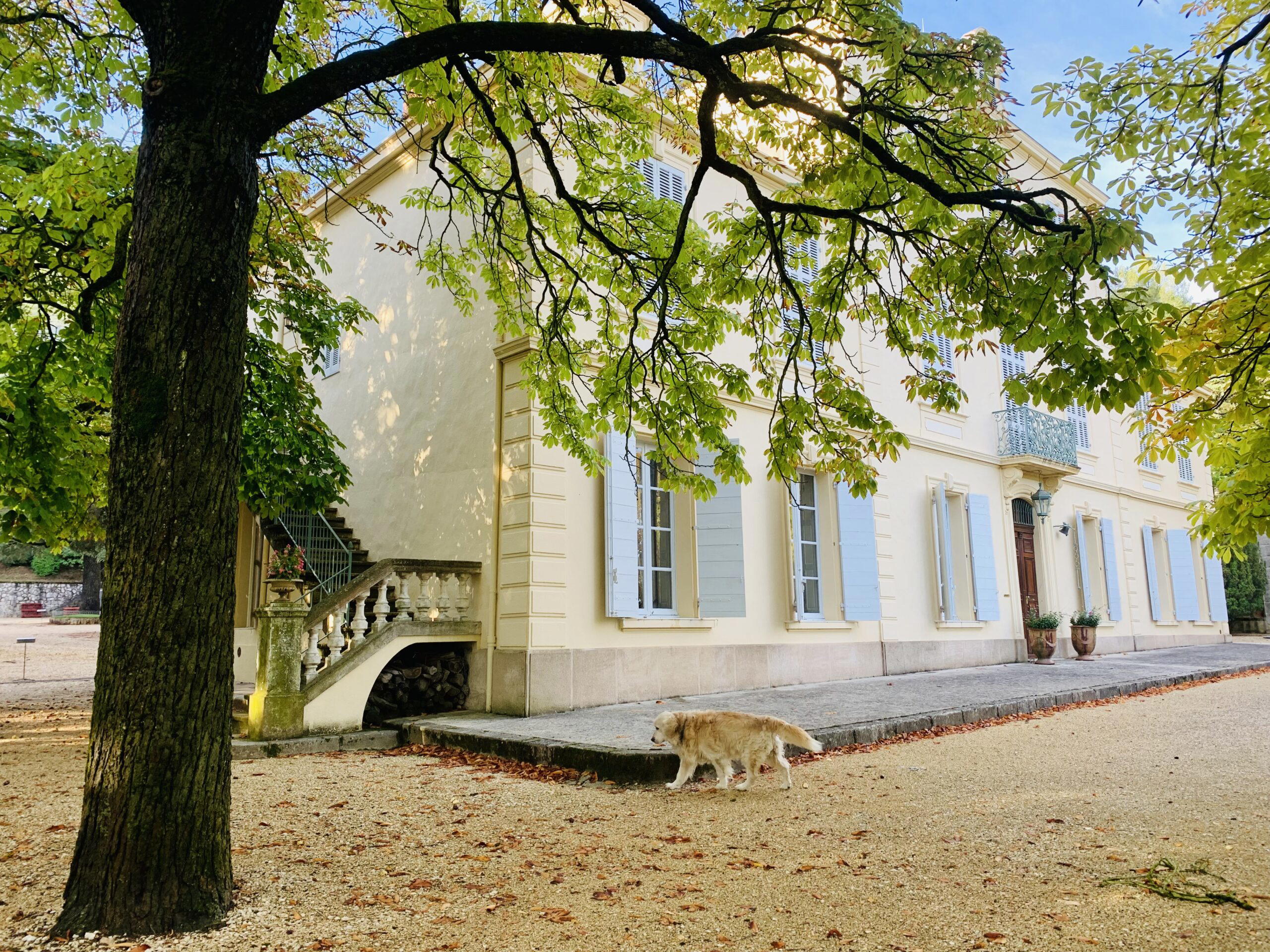
Stone, Chalk, and Two Centuries of Palette
The road to Meyreuil from Aix-en-Provence takes you through a landscape that shifts abruptly from suburban sprawl into something older and more resistant. The garrigue closes in, the limestone breaks through the red clay, and by the time you reach the estate's lane, the ambient temperature drops a degree or two under the canopy. This is not a casual atmospheric observation: that thermal consistency, produced by the Arc valley's elevation and the calcaire subsoil that dominates the Palette appellation, is the physical reason Château Simone makes wines that taste the way they do. Terroir in Provence is often invoked loosely; here, it is a geological argument you can read in the rock.
Palette is one of France's smallest appellations by surface area, and Château Simone has held the dominant position within it for long enough that the two names are, to many sommeliers, functionally synonymous. For context on how that kind of appellation specificity plays out elsewhere in France, the comparison to Albert Boxler in Niedermorschwihr is instructive: a domaine whose reputation is built on granitic Alsatian terroir in a way that makes geography and wine practically the same subject.
What Two Hundred Years Looks Like in a Bottle
The first vintage on record at Château Simone dates to 1820. That longevity matters less as a marketing credential than as evidence of a particular kind of institutional knowledge: two centuries of observing how the same soils behave across different vintages, how the estate's old-vine Grenache, Mourvèdre, and a range of permitted indigenous varieties respond to cool mistral seasons versus warm, humid autumns. Most Provence producers working at scale today are operating with a fraction of that accumulated site memory.
The Rougier family has held the estate across multiple generations, and Jean-François Rougier continues in that lineage as winemaker. What that continuity means practically is that the estate has not been subject to the ownership churn and philosophy resets that have reshaped many Provençal properties over the past thirty years. The wines are made with a consistency of intent that reflects a long relationship with a specific place, not periodic reinvention driven by market taste or investor cycles. Elsewhere in the French south, properties like Château d'Esclans in Courthézon have built significant international profiles through a more market-responsive approach; Château Simone operates on a different axis entirely.
The Palette Appellation: Why the Terroir Argument Holds
To understand what Château Simone produces, it helps to understand why Palette was granted its own AOC status separate from the broader Coteaux d'Aix-en-Provence designation. The soils here are predominantly Urgonian limestone, a specific Cretaceous formation that drains sharply and retains cool temperatures even through Provence's extended summers. The result is a growing environment that moderates the heat accumulation that pushes most Provençal reds toward ripe, soft, quickly approachable profiles. Palette reds, and particularly Château Simone's, tend to carry firmer structure and more pronounced acidity than their regional neighbours, making them genuine candidates for medium- to long-term cellaring.
The whites produced on this terroir show a comparable deviation from regional norms. Provence's white wine production has expanded substantially, largely driven by market appetite for fresh, aromatic wines for early consumption. Château Simone's whites, drawing on old-vine Clairette, Grenache Blanc, and allied varieties, tend toward concentration and textural weight rather than primary aromatics, ageing in a way that has no obvious parallel in the wider appellation zone. This is not a contrarian stance by the estate; it is what the terroir, the vine age, and the cellar approach produce when left to their own logic.
For a comparison point in how limestone-driven terroir shapes wines of comparable structural ambition further north, see Château Branaire Ducru in St-Julien or the gravelly clay arguments made by Château Clinet in Pomerol. The terroir conversations are different, but the discipline of letting soil type define wine character rather than accommodating it to commercial preference is a recognisable posture across this peer group.
Placing Château Simone in the Broader Prestige Tier
This is not Provence's entry or mid-market category. The closest structural analogues are estates like Château Bélair-Monange in Saint-Emilion or Château Bastor-Lamontagne in Preignac: producers whose standing is tied to a clearly defined terroir position within a recognised appellation, where the wine's character is specific enough to be either sought out or passed over depending on the drinker's frame of reference. Château Simone falls into that category unambiguously.
Allocation at this level matters. Estates producing from small, historically defined parcels with old-vine material and a non-interventionist cellar approach are not scaling output to meet market demand. Interested buyers, particularly those focused on the white wines, should approach with the same forward-planning logic they might apply to Château Batailley in Pauillac or Château Boyd-Cantenac in Cantenac: securing bottles on release rather than expecting availability on the secondary market at original pricing.
Getting There and Planning a Visit
The estate sits at Chemin de la Simone in Meyreuil, a small commune in the Bouches-du-Rhône department, directly east of Aix-en-Provence. Aix is the natural base for a visit, with TGV connections from Paris putting you under three hours from the capital. The estate is not set up as a high-volume visitor destination, and approaching by appointment rather than turning up at the gate is the correct assumption for properties at this tier. Meyreuil itself has no significant tourist infrastructure, which means Aix-en-Provence functions as the practical hub for accommodation and dining, with the estate as a focused day-trip objective. For a fuller sense of the local eating and drinking context around Meyreuil, see our full Meyreuil restaurants guide.
The surrounding region offers productive comparisons for those building a southern France producer itinerary. The institutional history of Chartreuse in Voiron speaks to a comparable tradition of long-horizon production philosophy in the French south, while estates like Château Cantemerle in Haut-Médoc, Château Dauzac in Labarde, Château d'Arche in Sauternes, and Accendo Cellars in St. Helena illustrate how prestige-tier producers across different regions position themselves relative to their appellations. Elsewhere in the spirits category, Aberlour in Aberlour demonstrates a parallel argument about place-specificity as the organizing principle of a premium product's identity.
Side-by-Side Snapshot
Comparable venues nearby, for context on price, style, and recognition.
| Venue | Cuisine | Price | Awards | Notes |
|---|---|---|---|---|
| Château SimoneThis venue — the venue you are viewing | Clairette, Grenache | Not listed | Not listed | Not listed |
| Domaine du Vieux Télégraphe | Grenache, Syrah | $50–100 | Not listed | Bédarrides |
| Château de Brégançon | Grenache, Cinsault | Not listed | Not listed | Saint-Cyr-sur-Mer |
| Domaine Grand Veneur | Grenache, Syrah | $50–100 | Falstaff Winery - Listed | Orange |
| Château de Pibarnon | Mourvèdre, Grenache | Not listed | Not listed | Roquefort-la-Bédoule |
| Domaine de Marcoux | Grenache, Mourvèdre | Not listed | Not listed | Châteauneuf-du-Pape |
Continue exploring
More in Meyreuil
Wineries in Meyreuil
Browse all →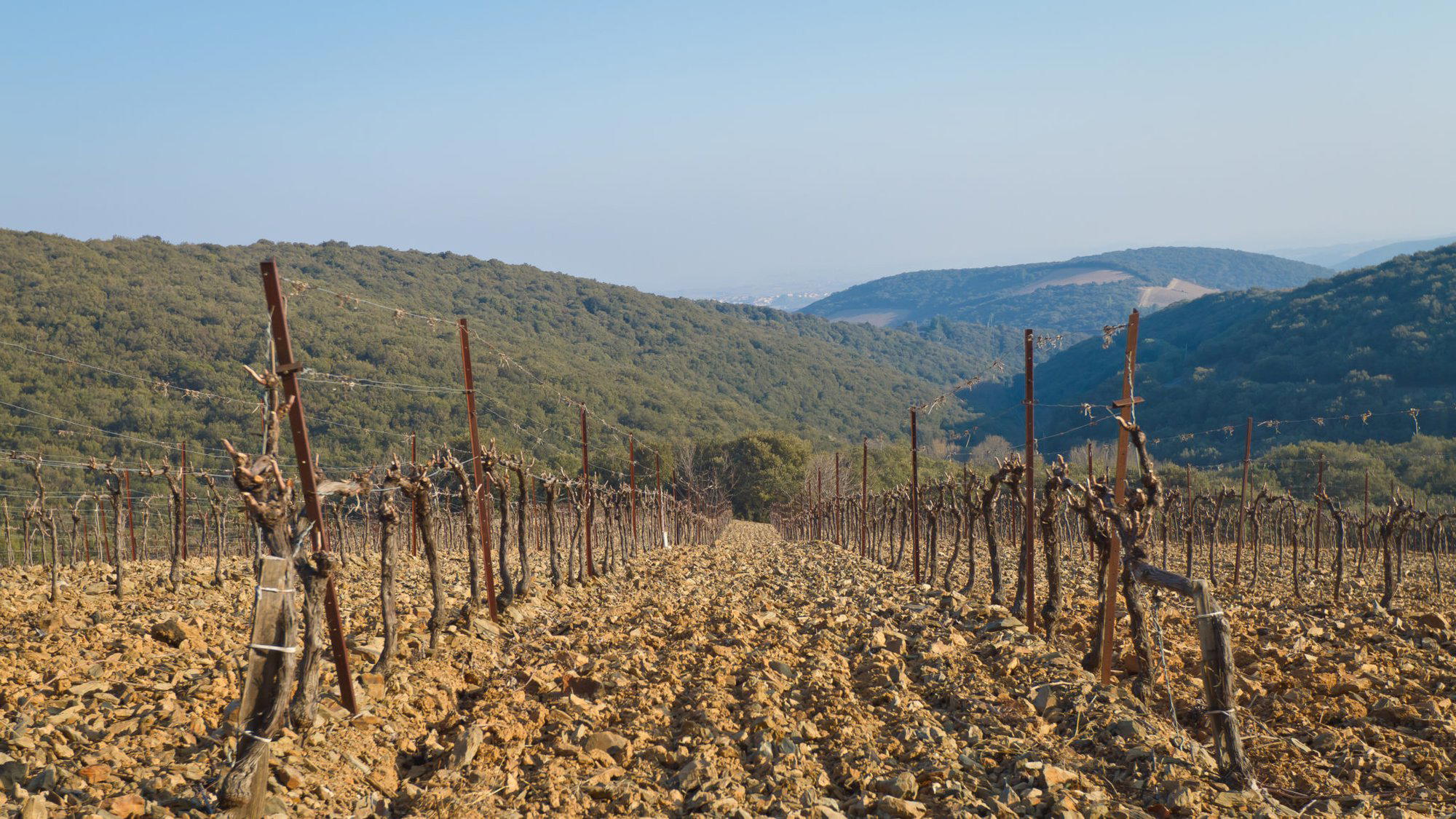

Bars in Meyreuil
Browse all →
Restaurants in Meyreuil
Browse all →
Details
- Classic
- Elegant
- Romantic
- Scenic
- Well Known
- Wine Education
- Romantic Getaway
- Special Occasion
- Estate Grounds
- Historic Building
- Vineyard Tour
- Organic
- Vineyard
- Mountain
- Garden
- Clairette
- Grenache
- Mourvèdre
- Cinsault
- Bourboulenc
- Ugni Blanc
- Syrah
- Grenache Blanc
- Muscat
- Still White
- Still Red
- Still Rosé
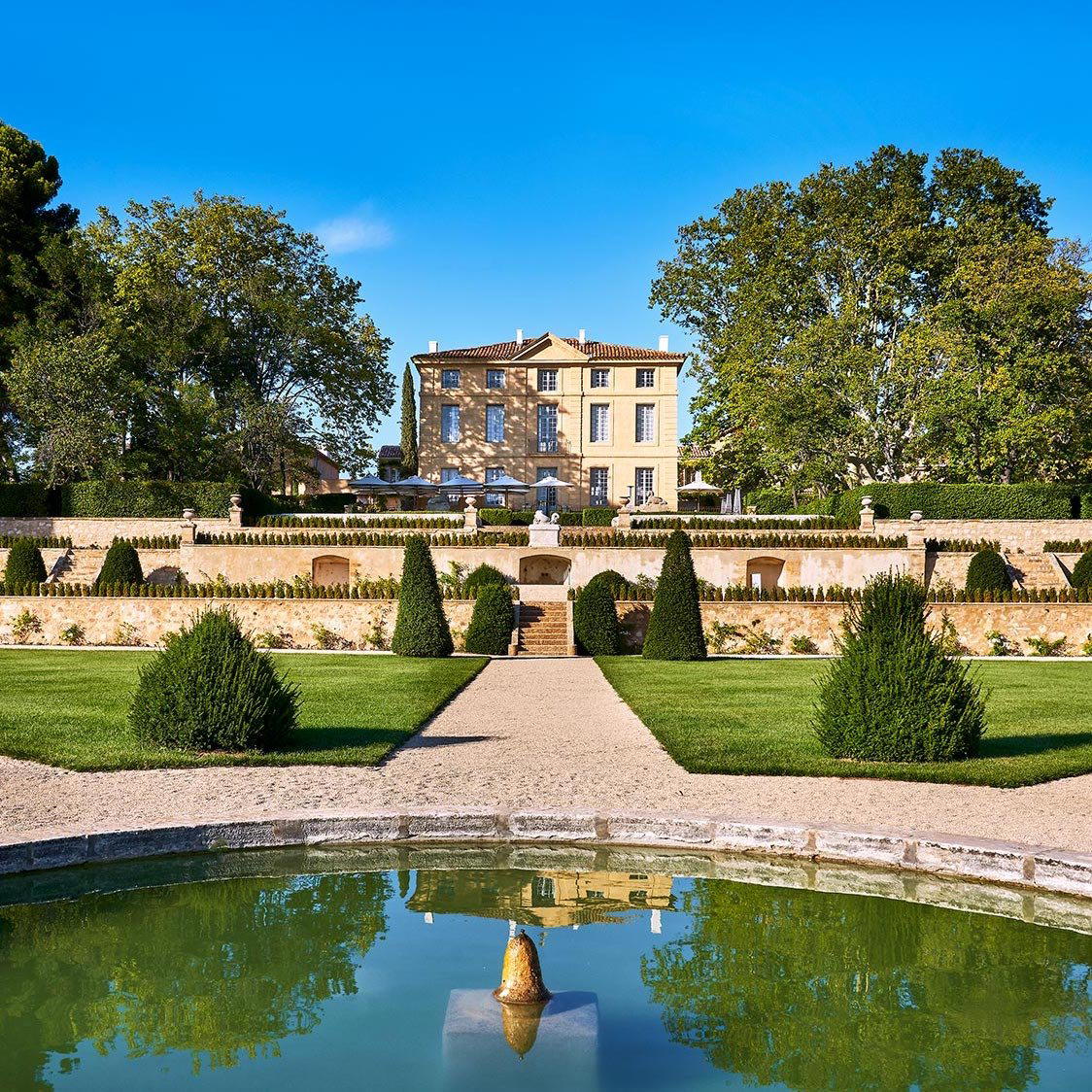
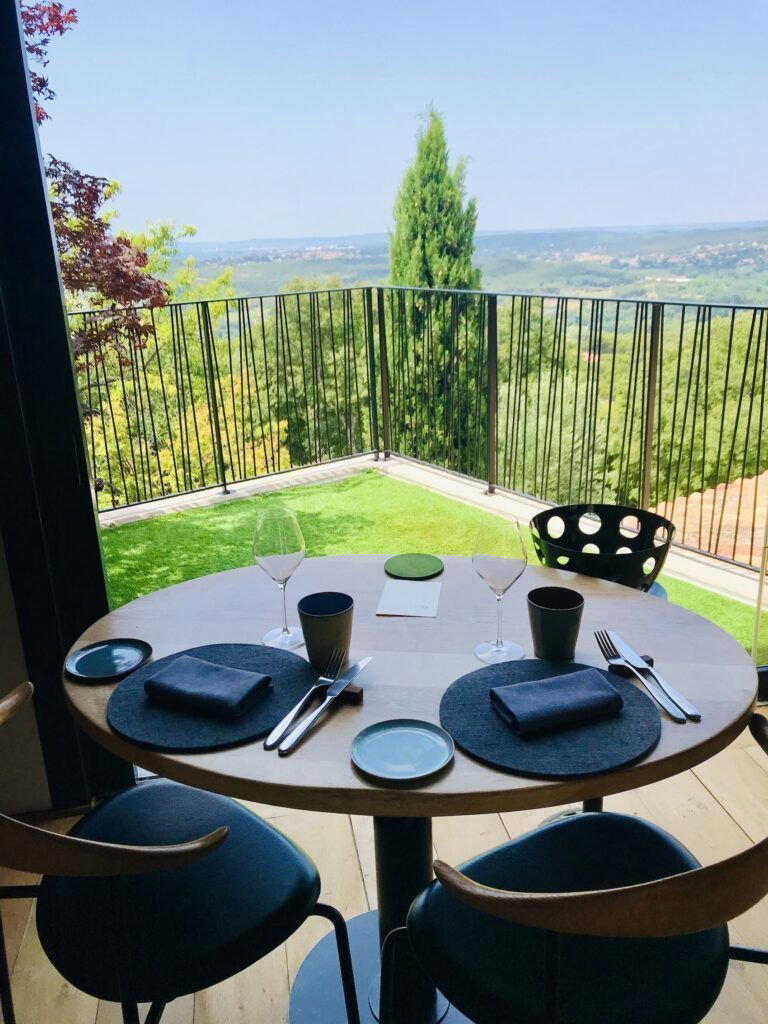
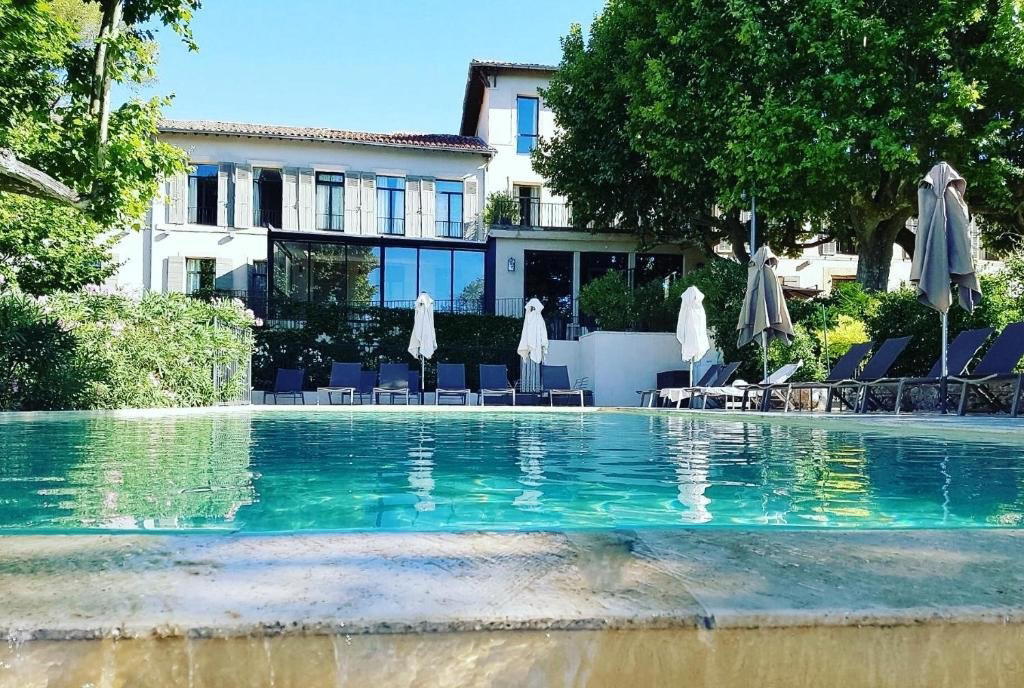
Historic, serene, and refined; the 16th-century cellars with their silence and darkness create a contemplative atmosphere where traditional winemaking unfolds in a natural amphitheater surrounded by protective forests.