Château de Pibarnon
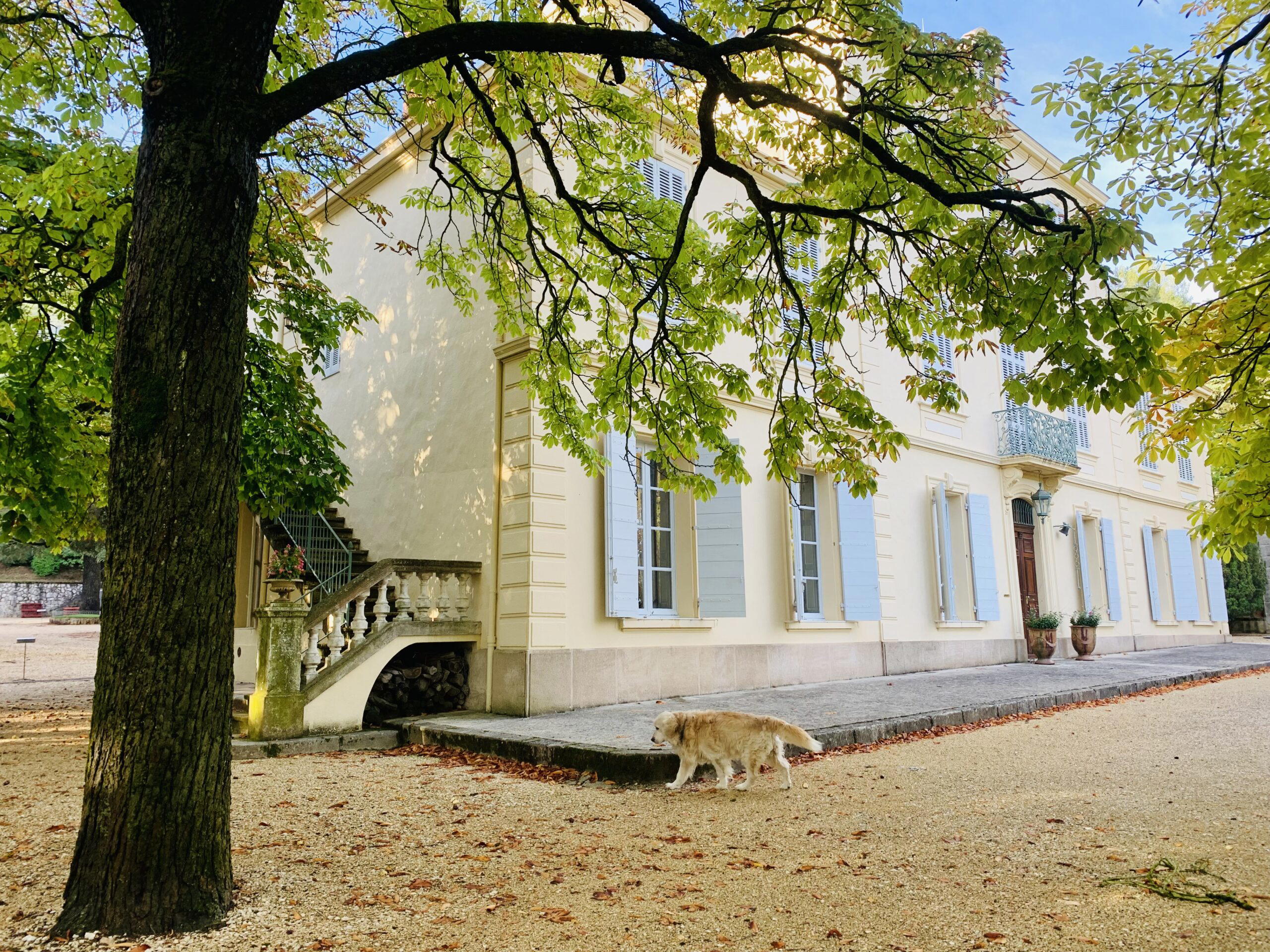
Château de Pibarnon sits at altitude above La Cadière-d'Azur, producing Bandol wines from a limestone and clay terroir that separates it from the appellation's lower coastal vineyards. Winemaker Eric de Saint-Victor has shaped the estate since its first vintage in 1978. It is a reference point for understanding what Bandol Mourvèdre can do when grown at elevation.
Pearl is the En Primeur Club membership app — saves, bookings, and concierge access live there. Same editors, same standards.
- Address
- 410 Chem. de la Croix des Signaux, 83740 La Cadière-d'Azur
- Phone
- +33 4 94 90 12 73
- Website
- pibarnon.com
- Directions
- Get directions
 Saves & bookings on Pearl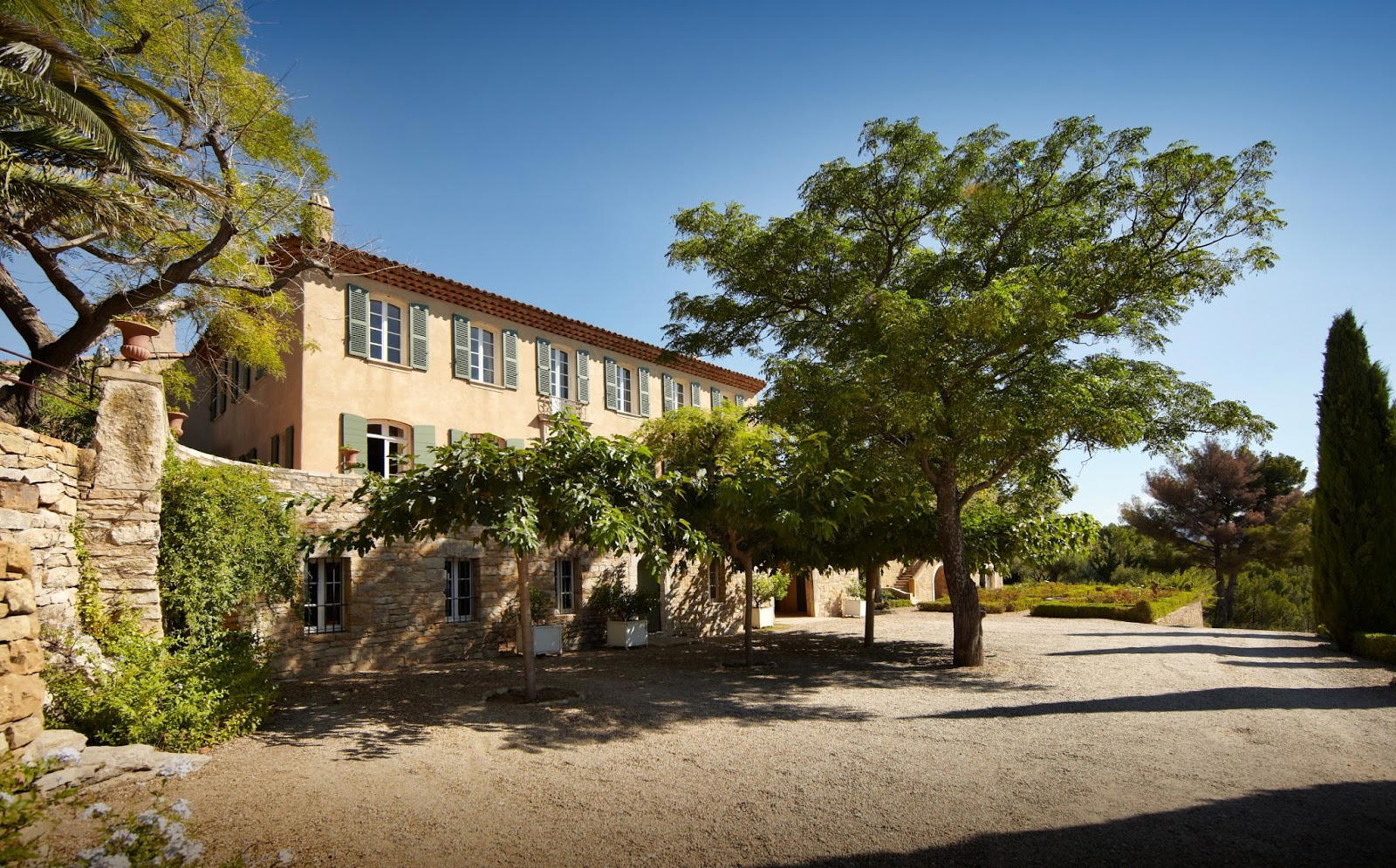
Altitude, Limestone, and the Character of Bandol
The Bandol appellation occupies a narrow band of Provence coastline between Marseille and Toulon, and for most of its history the appellation's reputation has rested on its Mourvèdre-driven reds. Mourvèdre is a grape that ripens late, demands heat and Mediterranean sun, and can turn coarse under the wrong conditions. What separates Bandol's better producers from its average ones is not winemaking technique so much as site: where the vines sit, how the soil holds heat or releases it, and how exposed the parcel is to the mistral. Château de Pibarnon sits at altitude on the hills above La Cadière-d'Azur, on a combination of limestone and clay that marks a clear departure from the sandier, lower coastal plots that make up much of the appellation.
That geological separation matters. At elevation, the diurnal temperature swing is wider, nights are cooler, and Mourvèdre ripens more slowly. The result, in most vintages, is a structural difference from lower-altitude Bandol: more acidity, tighter tannin architecture, and a longer window for development in bottle. For a grape already known for longevity, the Pibarnon terroir extends that timeline further.
The Terroir Above La Cadière-d'Azur
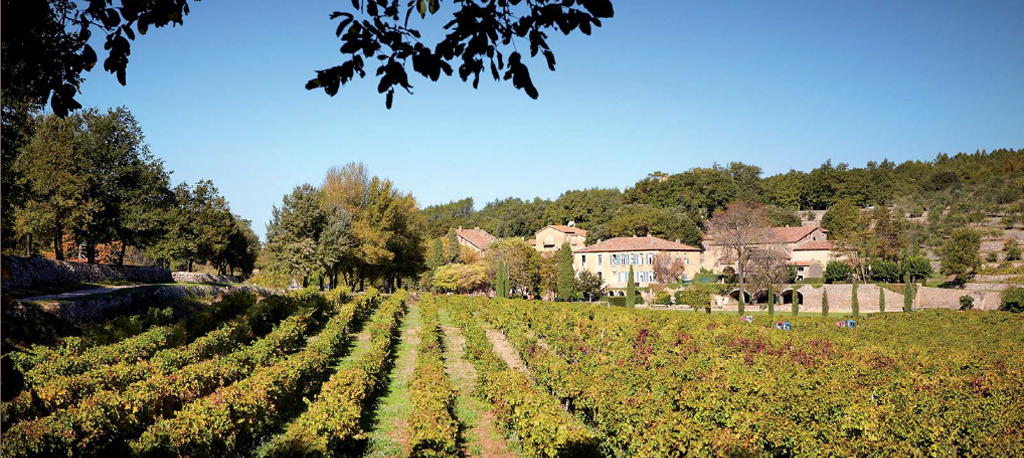
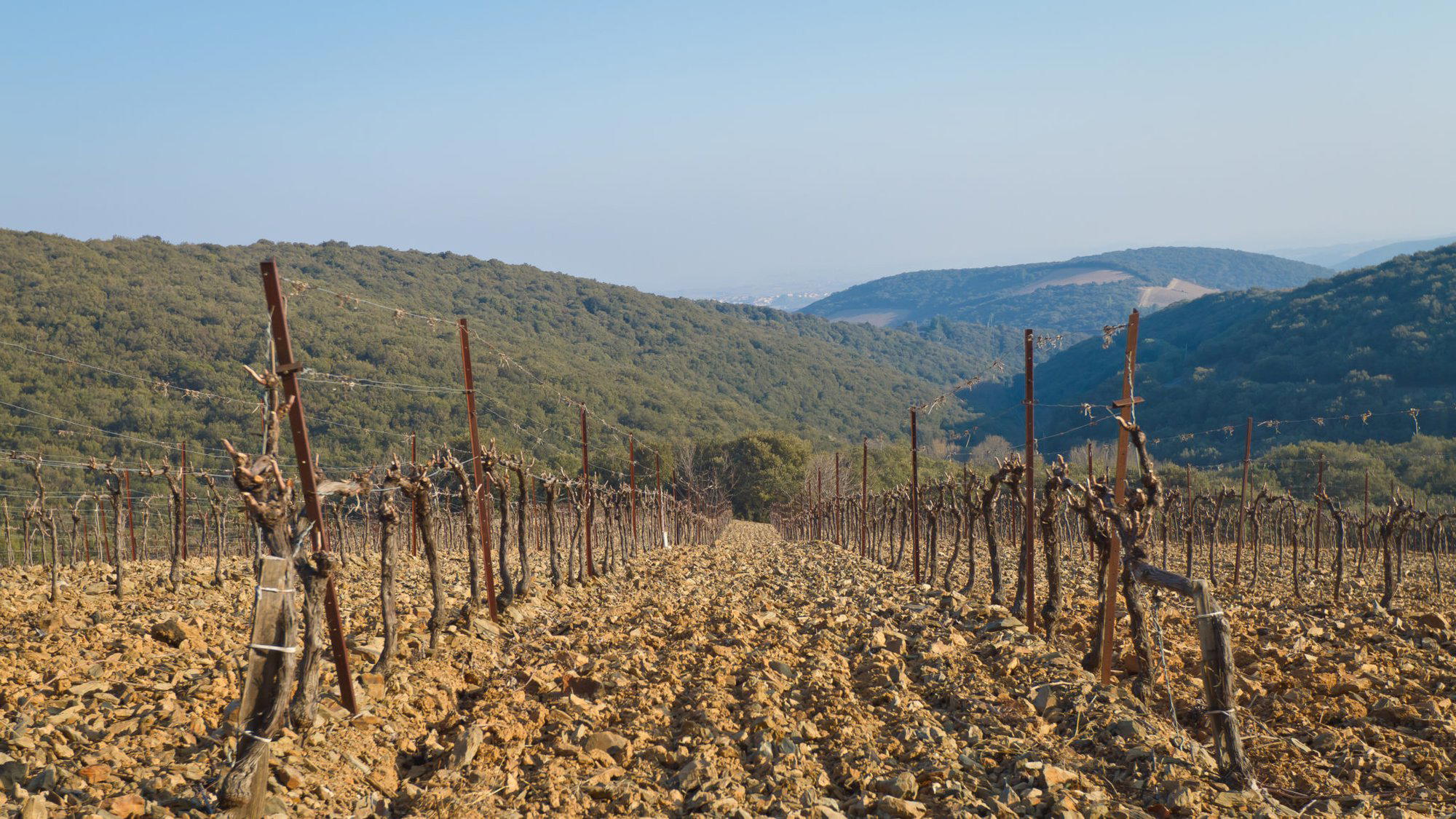
La Cadière-d'Azur sits inland from the Bandol coast, and the vineyards at Pibarnon climb higher still, reaching an altitude that is unusual for the appellation. The limestone subsoil here is the defining factor: it drains well, forces vines to push roots deeper in search of water, and introduces a minerality that shows clearly in the wines' finish. The clay component retains enough moisture to buffer against the driest summers, which are frequent in Provence. Together, the two soil types create conditions that ask a great deal of Mourvèdre, which thrives under those demands in a way that less complex grapes might not.
Winemaker Eric de Saint-Victor has worked this terroir across decades. In a region where Bandol can veer toward overripe, extracted characters in warm years, the altitude at Pibarnon acts as a natural corrective. The wines in strong vintages show the density that Mourvèdre produces at full ripeness alongside a freshness that lower-altitude sites struggle to maintain. Among the Bandol producers worth tracking for this balance between structure and site-driven acidity, Pibarnon operates in a smaller, altitude-specific cohort rather than against the appellation's coastal mainstream. For broader context on how Provence producers approach terroir expression at comparable prestige levels, properties like Château d'Esclans in Courthézon offer a useful regional point of comparison across different Provençal appellations.
Mourvèdre, Ageing, and the Logic of Patience
Bandol rouge requires a minimum of eighteen months in oak by appellation law, but the better estates typically exceed that requirement. Mourvèdre's tannin structure rewards extended ageing, and the limestone-derived Pibarnon fruit has the density to absorb it without losing definition. The wines do not show well young in most vintages: tannins are firm, the fruit is compressed, and the full aromatic complexity is locked down. Pibarnon's reds are commonly recommended with a minimum of five years in bottle before opening, with the more concentrated vintages benefiting from a decade or more. This is not unusual for serious Bandol, but at Pibarnon the altitude factor amplifies the need for patience because the acidity that makes the wines age so well also makes them austere when young.
The estate also produces Bandol blanc and rosé. The blanc, based on Clairette, Bourboulenc, and Ugni Blanc, is a wine that the appellation has historically undervalued but which attracts increasing attention from critics interested in Mediterranean white wine with real mineral depth. The rosé operates in a different register from the deep-coloured, oak-influenced style that defined Bandol rosé in an earlier era, and from the pale, immediate Provence rosé category that has dominated export markets over the past two decades. Pibarnon's rosé has more structure than the latter and more freshness than the former, a position that reflects the altitude's moderating effect on both style categories. For estates elsewhere in France that demonstrate a comparable commitment to site-driven white wine production, Albert Boxler in Niedermorschwihr provides a useful reference point in a different climate and appellation.
Placing Pibarnon in the Bandol Hierarchy
Bandol is a small appellation: fewer than 1,500 hectares under vine, with production dominated by a relatively concentrated group of estates. Within that group, particularly discussed names at the prestige tier include Domaine Tempier, Domaine du Gros Noré, and Château Pradeaux, alongside Pibarnon. Each occupies a distinct site and stylistic position, and the critical tendency to rank them against one another misses the more useful point: they are expressions of different sub-terroirs within a tight geographic zone, and the differences between them illuminate how much Bandol's varied soils and exposures matter.
The estate's longevity, operating since 1978 under the de Saint-Victor family, and the altitude advantage of its site give it a distinct identity inside Bandol's prestige conversation. For a broader picture of what French estate wines at this recognition level represent across different regions, the Château Bélair-Monange in Saint-Emilion and Château Branaire Ducru in St-Julien offer reference points from the Bordeaux side of the premium French wine spectrum, while Château Batailley in Pauillac and Château Clinet in Pomerol illustrate how different appellation logics create distinct prestige hierarchies. Château Cantemerle in Haut-Médoc and Château Dauzac in Labarde round out the picture of how classified Bordeaux properties situate themselves within their own regional tier.
Planning a Visit to the Domaine
Château de Pibarnon is located at 410 Chemin de la Croix des Signaux in La Cadière-d'Azur, a village in the Var department that sits above the coastal Bandol town. The drive from the coast is short but climbs noticeably, and arriving at the domaine gives a direct sense of the altitude advantage the estate works with. La Cadière-d'Azur itself is a well-preserved Provençal hill village with limited amenities, so visitors arriving for a cellar visit or tasting are advised to treat the trip as part of a wider Bandol-area itinerary. The nearby town of Bandol offers accommodation and restaurants within easy reach.
Visits are by appointment only.
At-a-Glance Comparison
Comparable venues nearby, for context on price, style, and recognition.
| Venue | Cuisine | Price | Notes |
|---|---|---|---|
| Château de PibarnonThis venue — the venue you are viewing | Mourvèdre, Grenache | $$$ | Not listed |
| Château de Rayne-Vigneau | Sémillon, Sauvignon Blanc | $$$ | Sauternes |
| Domaine Charvin | Grenache, Syrah | $$$ | Châteauneuf-du-Pape |
| Château de Roquefort | Grenache Noir, Syrah | $$$ | Taradeau |
| Domaine du Cayron | Grenache, Syrah | $$$ | Gigondas |
| Domaine Pierre Usseglio | Grenache, Syrah | $$$ | Châteauneuf-du-Pape |
Continue exploring
More in Roquefort-la-Bédoule
Wineries in Roquefort-la-Bédoule
Browse all →
Bars in Roquefort-la-Bédoule
Browse all →
Restaurants in Roquefort-la-Bédoule
Browse all →
At a Glance
- Rustic
- Elegant
- Scenic
- Wine Education
- Special Occasion
- Vineyard Tour
- Estate Grounds
- Panoramic View
- Organic
- Vineyard
- Mountain
- Bandol AOC
- Mourvèdre
- Grenache
- Cinsault
- Clairette
- Bourboulenc
- Still Red
- Still Rosé
- Still White
- Cave Tasting
- Private Tasting
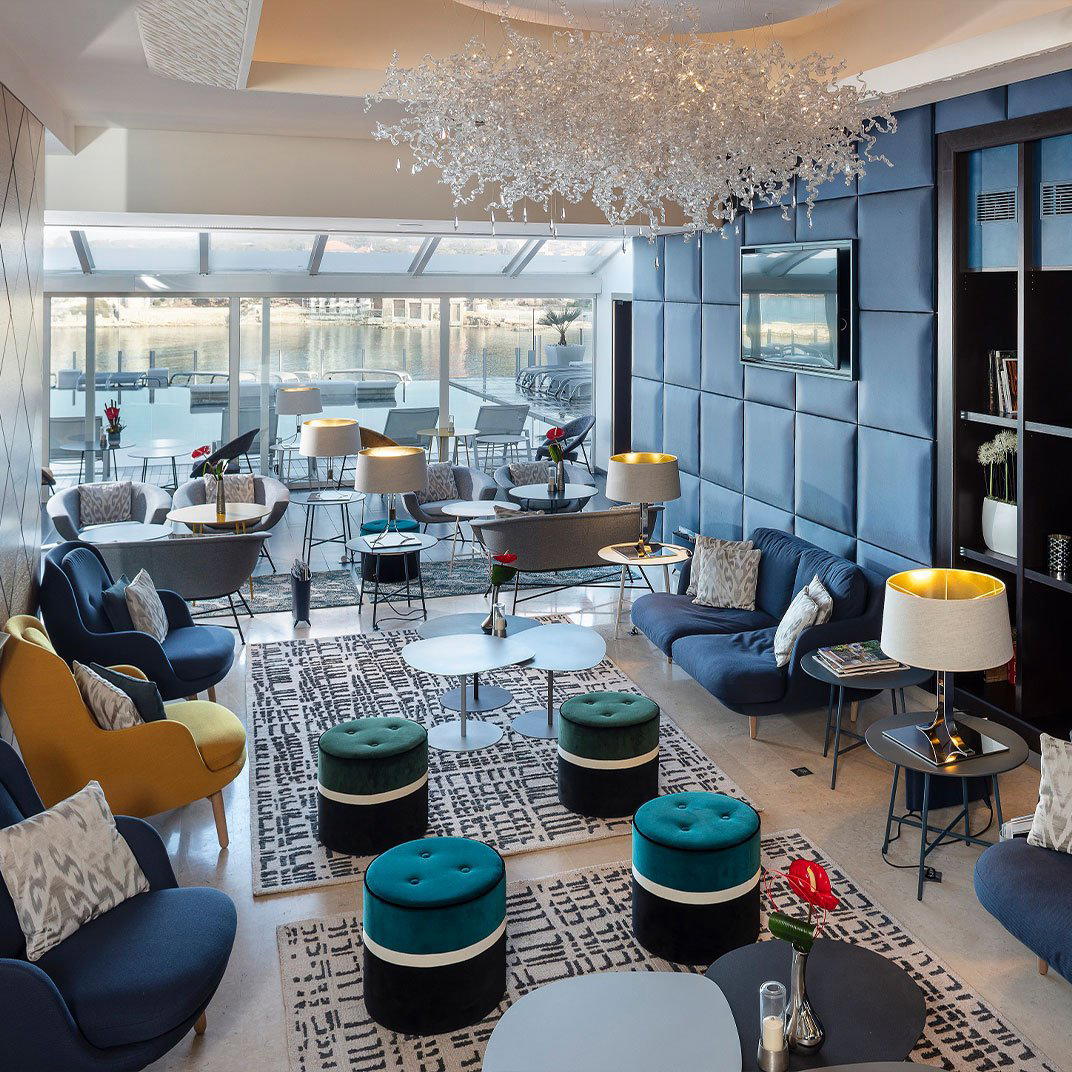
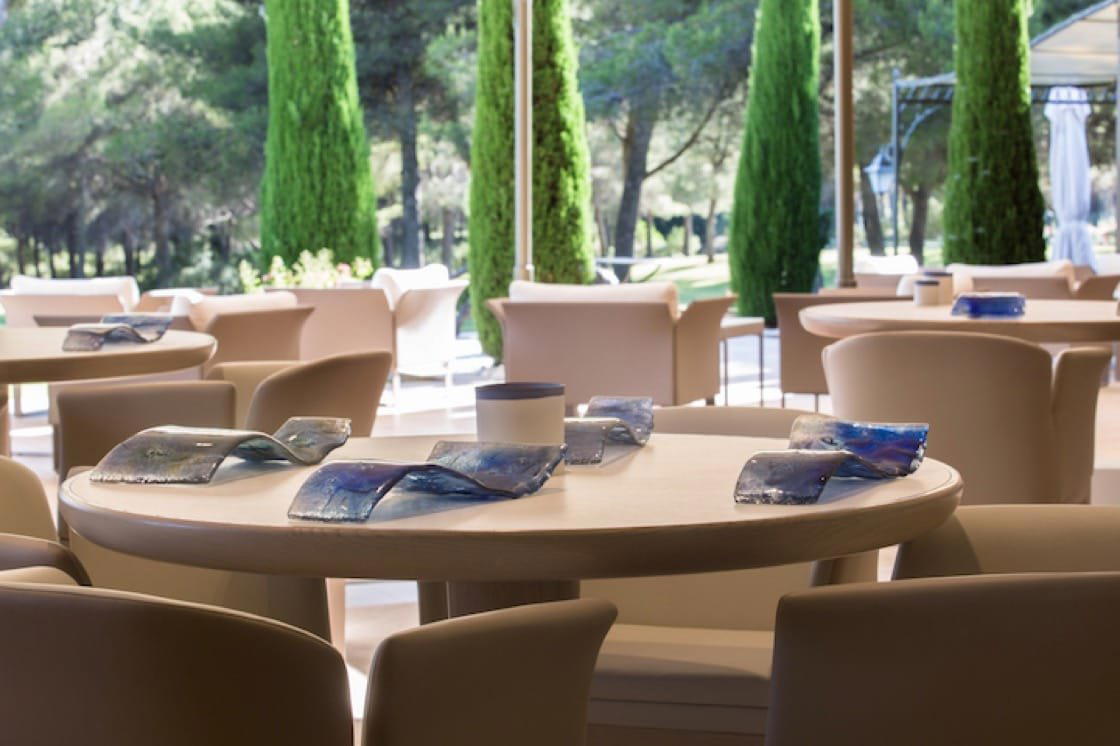
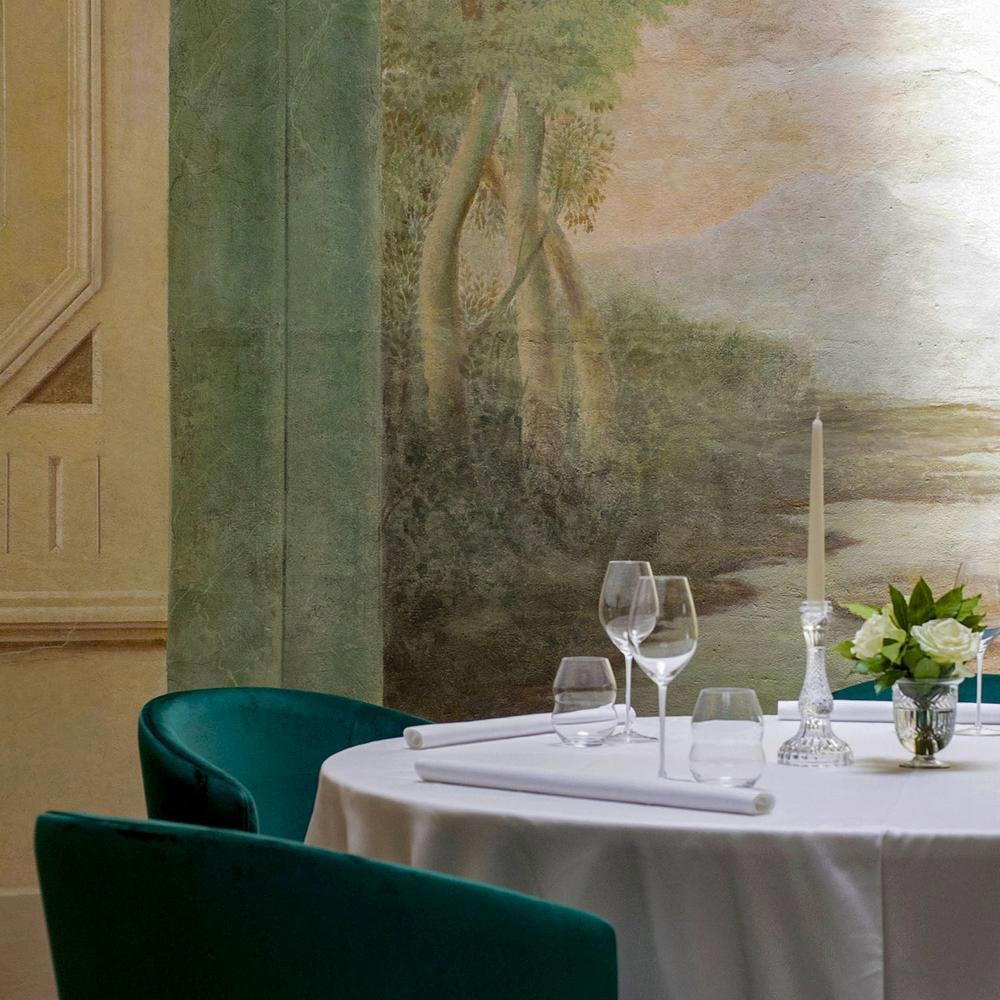
Elegant and refined with a rustic charm from its high-altitude terraced vineyards and cool, slow-ripening conditions.