
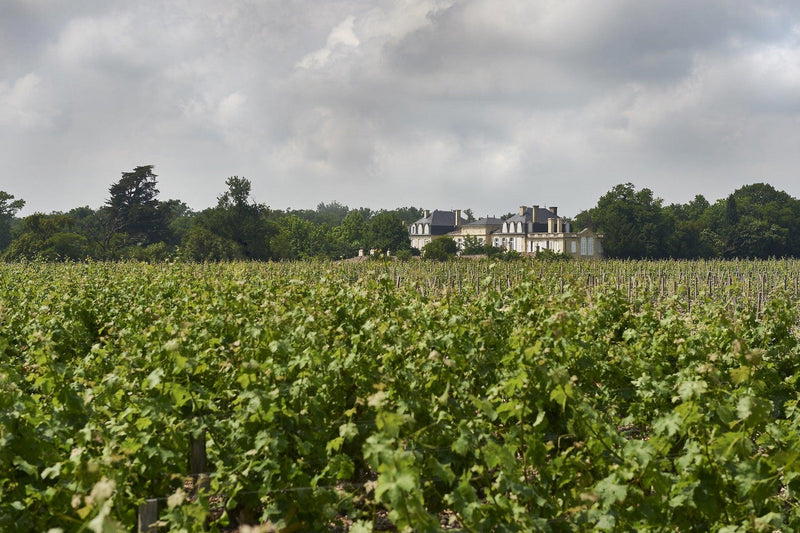
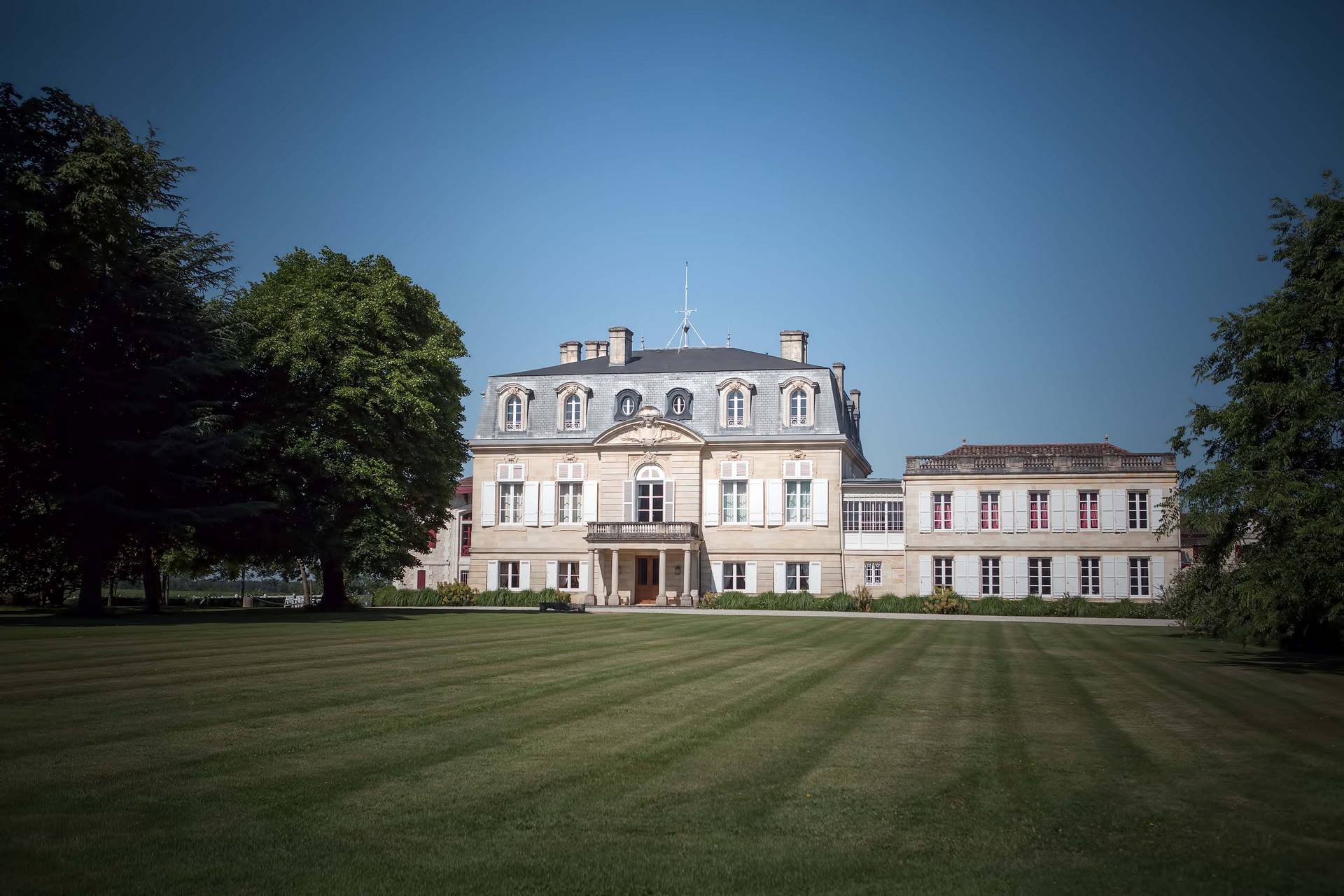
Château Haut-Bages-Libéral holds a Fifth Growth classification in Pauillac's 1855 hierarchy, with vineyards sited on the gravel ridges of the Bages plateau adjacent to the more celebrated Lynch-Bages estate. Visitors and collectors focused on cellar-driven Cabernet Sauvignon should consider this address seriously.
Pearl is the En Primeur Club membership app — saves, bookings, and concierge access live there. Same editors, same standards.
- Address
- 18 Balogues, 33250 Pauillac
- Phone
- +33 5 56 59 11 88
- Website
- gc-lurton-estates.com
- Directions
- Get directions
 Saves & bookings on Pearl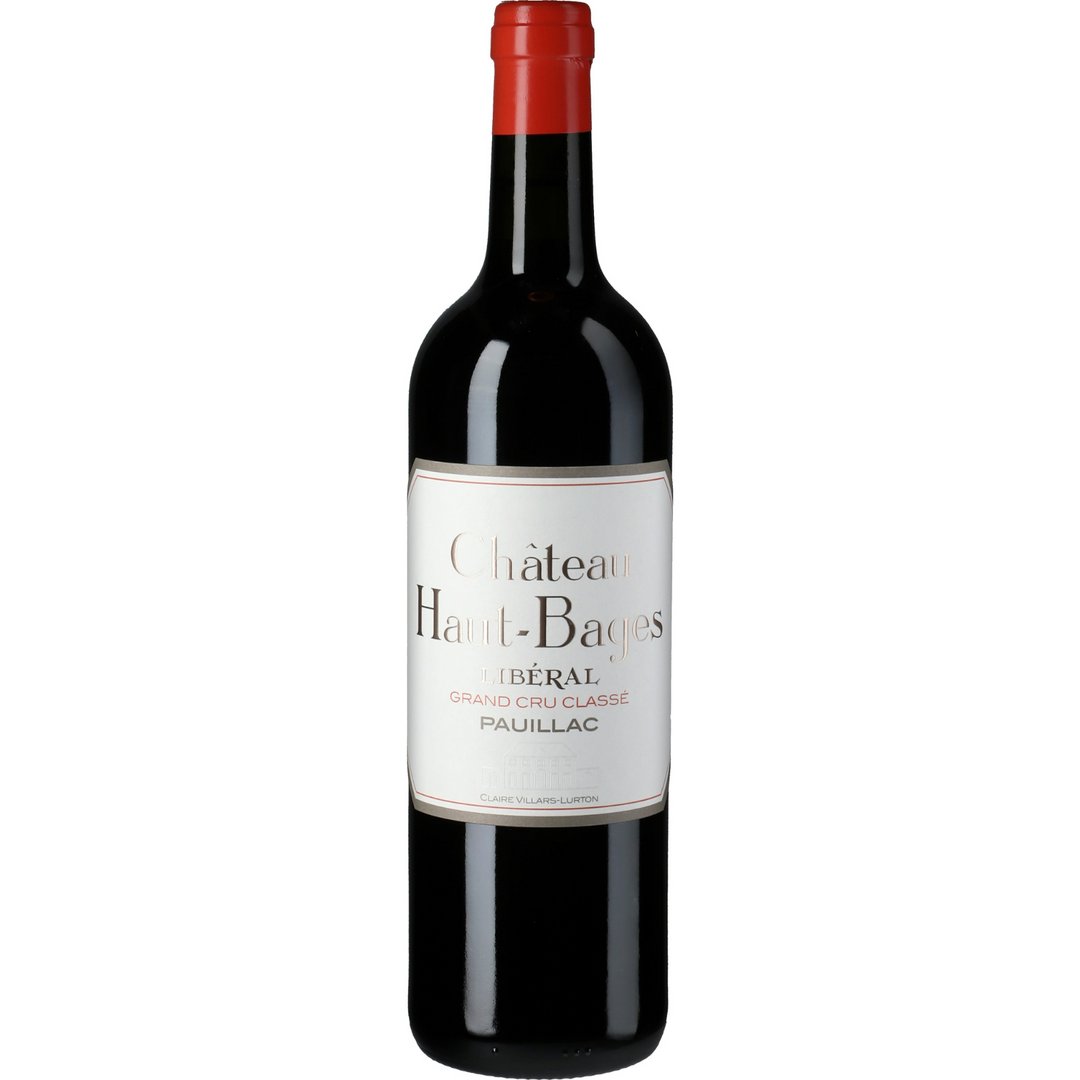
The Bages Plateau and What the Gravel Tells You
Pauillac's reputation rests on a relatively simple geological argument: deep gravel beds over clay subsoils, oriented toward the Gironde estuary, produce Cabernet Sauvignon of a structural density that no other Médoc appellation quite replicates. The Bages plateau, the raised gravelly terrace south of the town, concentrates several Fifth Growth estates whose vineyards share this same topographic logic. Among them, Château Haut-Bages-Libéral occupies a parcel position directly adjacent to Château Lafite Rothschild on one flank and Lynch-Bages on another, a neighbourhood context that does a great deal of the argumentative work when discussing the estate's potential ceiling.
The Fifth Growth tier in Pauillac operates as a diverse cohort. Some estates have leveraged investment and winemaking talent to trade well above their 1855 rank in secondary market pricing; others maintain a quieter profile, releasing wines that reward patience without generating the en primeur speculation attached to the appellation's upper tiers. Haut-Bages-Libéral has historically occupied the latter category, making it one of the more interesting addresses for collectors who want Pauillac's signature structure at a price point that reflects classification rather than celebrity. Compare this positioning to Château Batailley or Château Grand-Puy-Ducasse, both Fifth Growths operating in a similar value register within the appellation.
What the Cellar Decides
In Pauillac, the decisions made between harvest and bottling carry as much weight as any single vintage's growing season. The appellation's structured Cabernet Sauvignon demands time in barrel to integrate tannin, and the choices around new oak percentage, barrel provenance, and total élevage duration shape the final wine's character as materially as the vineyard source. At Haut-Bages-Libéral, the estate sits within a Pauillac tradition that favours extraction and structure over early accessibility, a profile that positions the wines firmly in the cellar-programme category rather than the early-drinking tier.
Across the appellation's Fifth Growth cohort, aging programmes typically run between 16 and 20 months in barrel, with new oak proportions calibrated to vintage weight. Heavier, riper vintages absorb a higher new oak percentage without the wood overwhelming fruit concentration; leaner years call for restraint. This vintage-sensitive approach to élevage is one reason that Pauillac producers rarely adopt a fixed formula, and why barrel room visits during the second year of aging reveal wines in markedly different states depending on what the harvest delivered. The pattern applies across peers including Château Pédesclaux and Château d'Armailhac, where similar decisions about oak and aging duration shape how each estate's wines read in any given vintage year.
Blending in a Pauillac context is also a negotiation between Cabernet Sauvignon's dominance and the softening influence of Merlot and, to lesser degrees, Cabernet Franc and Petit Verdot. The gravel-heavy parcels of the Bages plateau tend to yield Cabernet Sauvignon of particular firmness, meaning that the secondary varieties carry functional weight rather than acting as token inclusions. How that blend resolves in the final wine is the central argument any tasting note about a mature Haut-Bages-Libéral is actually making.
A 2025 Prestige Rating and What It Signals
The timing of that recognition matters for en primeur decisions. Ratings issued in 2025 reflect the current estate trajectory and are particularly relevant for buyers considering particularly recent releases in barrel or newly bottled vintages. In an appellation where Fifth Growth prices span a wide range, a confirmed prestige-tier rating provides a stronger basis for purchase decisions than classification alone.
Visiting the Estate: Practical Orientation
Château Haut-Bages-Libéral is located at 18 Balogues, 33250 Pauillac, on the Bages plateau south of the town centre. The address puts it within easy reach of the cluster of estates that make the plateau one of the Médoc's more concentrated tasting itinerary zones. Visitors planning cellar visits should contact the estate directly to arrange appointments. Pauillac itself is approximately one hour's drive north of Bordeaux, and the D2 road that runs through the Médoc connects the town to Saint-Julien to the south, where properties like Château Branaire-Ducru sit in a comparable production register, and to Haut-Médoc further along the peninsula, where Château Cantemerle provides useful comparative context for the regional style.
Pauillac in a Wider Collector Context
Pauillac's identity as the Médoc's prestige appellations rests on three First Growths, Mouton, Lafite, and Latour, whose pricing operates in a different economic universe from the classified growth tier below them. That concentration of blue-chip recognition at the appellation's leading has historically had a paradoxical effect on the Fifth Growth estates: it draws collector attention to Pauillac as a whole but also creates a price shadow where quality producers are undervalued relative to their actual output quality.
The same dynamic appears in other French appellations with steep internal hierarchies. In Alsace, producers like Albert Boxler in Niedermorschwihr operate in a quality tier that gets less international attention than Burgundy's grands crus despite producing comparably disciplined wines. In Sauternes, Château Bastor-Lamontagne in Preignac occupies a similar position below the classified tier while delivering wines that reward serious cellar attention. The pattern is consistent: appellation prestige hierarchies create pricing inefficiencies that informed collectors are positioned to use.
Within Pauillac's Fifth Growth tier specifically, Haut-Bages-Libéral competes for cellar programme attention alongside estates including Château Batailley and Château Pédesclaux. Each occupies a slightly different stylistic and commercial position, but all three are making wines from the same fundamental terroir argument: deep Pauillac gravel, Cabernet Sauvignon as the structural engine, and a cellar programme oriented toward medium- to long-term development.
Château Bélair-Monange in Saint-Emilion and Château Boyd-Cantenac in Cantenac operate in adjacent appellations with different soil profiles and dominant varieties, providing useful stylistic counterpoints to Pauillac's Cabernet-forward structure. Accendo Cellars in St. Helena in Napa to Aberlour in Aberlour as an analogy for the patience that structured production requires, illuminates what sustained cellar investment actually demands of a buyer.
Comparable Spots
Comparable venues nearby, for context on price, style, and recognition.
| Venue | Cuisine | Price | Notes |
|---|---|---|---|
| Château Haut-Bages-LibéralThis venue — the venue you are viewing | Cabernet Sauvignon, Merlot | $$$$ | Not listed |
| Château Pichon-Longueville-Comtesse-de-Lalande | Cabernet Sauvignon, Merlot | $$$$ | Pauillac |
| Château Batailley | Cabernet Sauvignon, Merlot | $$$$ | Pauillac |
| Château d’Armailhac | Cabernet Sauvignon, Merlot | $$$$ | Pauillac |
| Château Grand-Puy-Ducasse | Cabernet Sauvignon, Merlot | $$$$ | Pauillac |
| Château Lynch-Bages | Cabernet Sauvignon, Merlot | $$$$ | Pauillac |
Recognition history
Dated appearances from independent guides and award organizations, with the underlying list record or original source where available.
Falstaff Winery - Listed
Falstaff
Continue exploring
More in Pauillac
Wineries in Pauillac
Browse all →
Bars in Pauillac
Browse all →
Restaurants in Pauillac
Browse all →
At a Glance
- Classic
- Elegant
- Sophisticated
- Well Known
- Wine Education
- Special Occasion
- Vineyard Tour
- Barrel Room
- Historic Building
- Organic
- Biodynamic
- Sustainable
- Vineyard
- Waterfront
- Pauillac
- Cabernet Sauvignon
- Merlot
- Cabernet Franc
- Still Red
- Cave Tasting
- Private Tasting
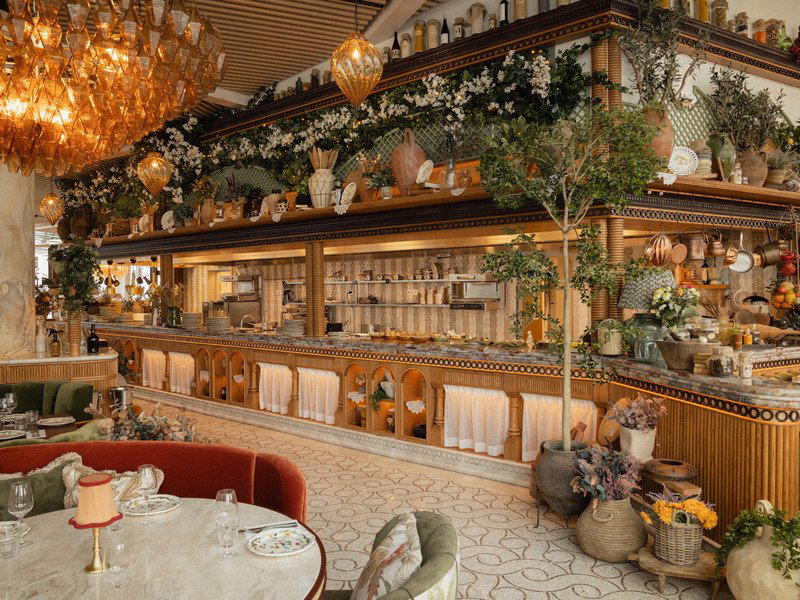
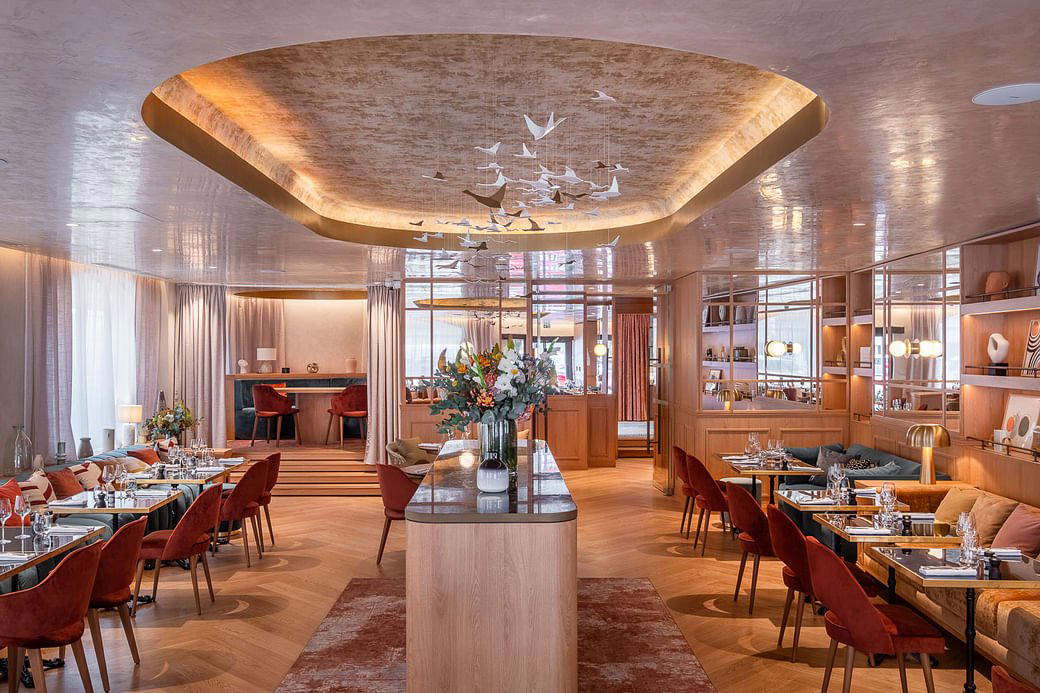
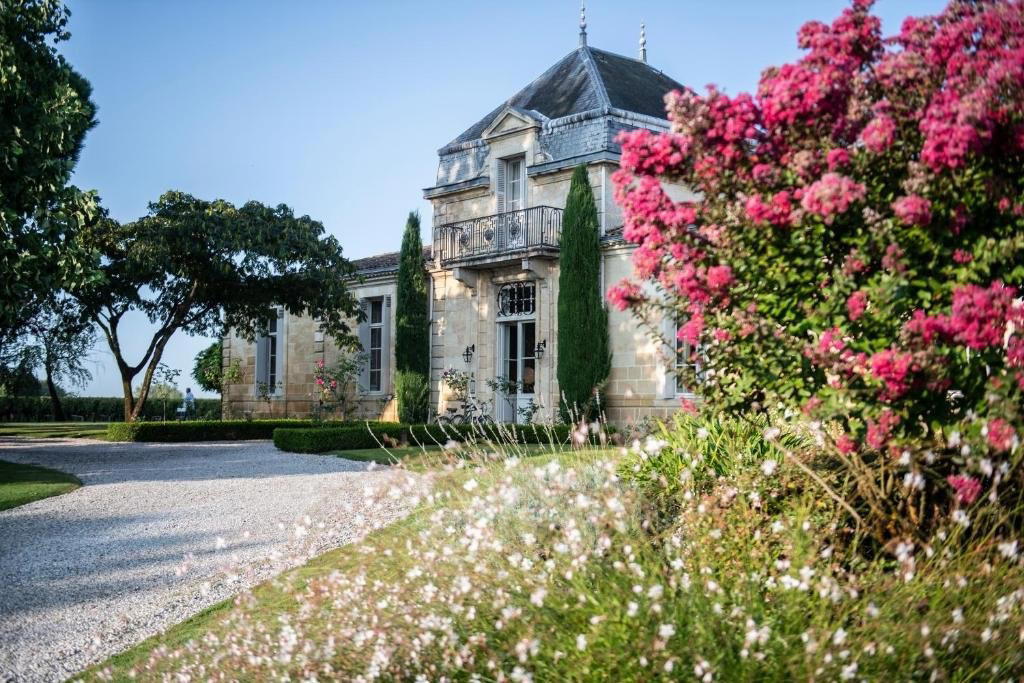
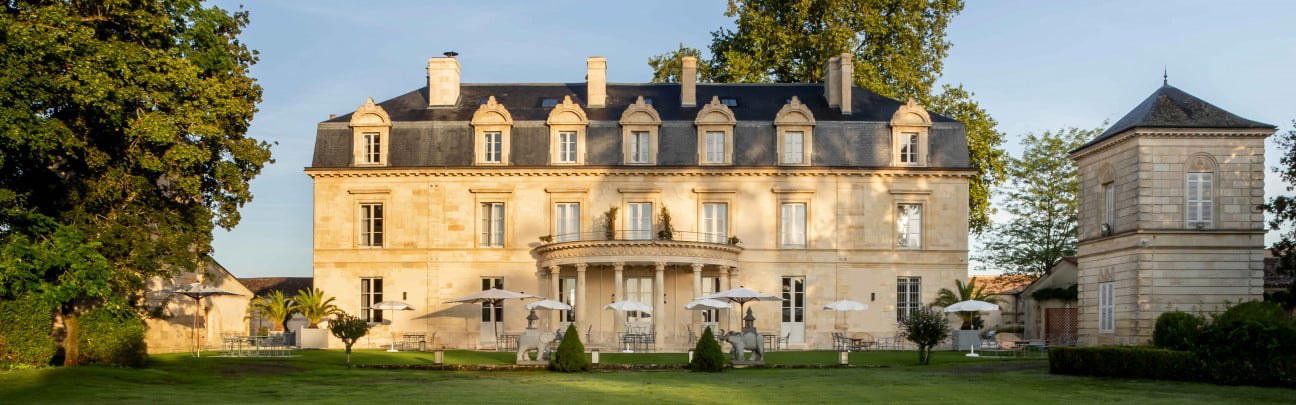
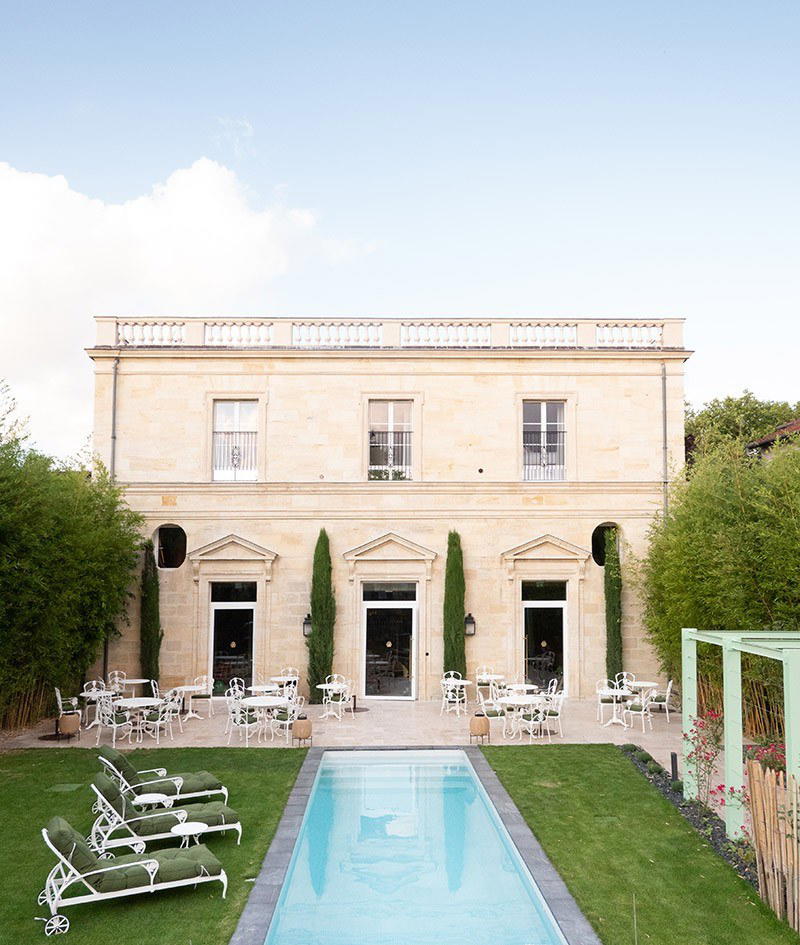
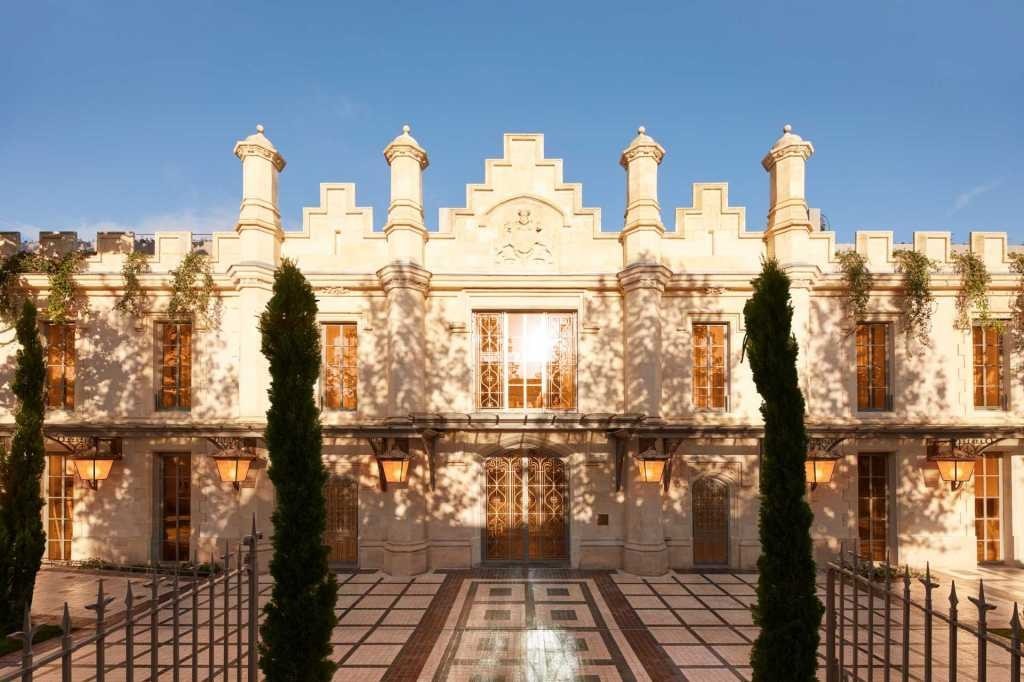
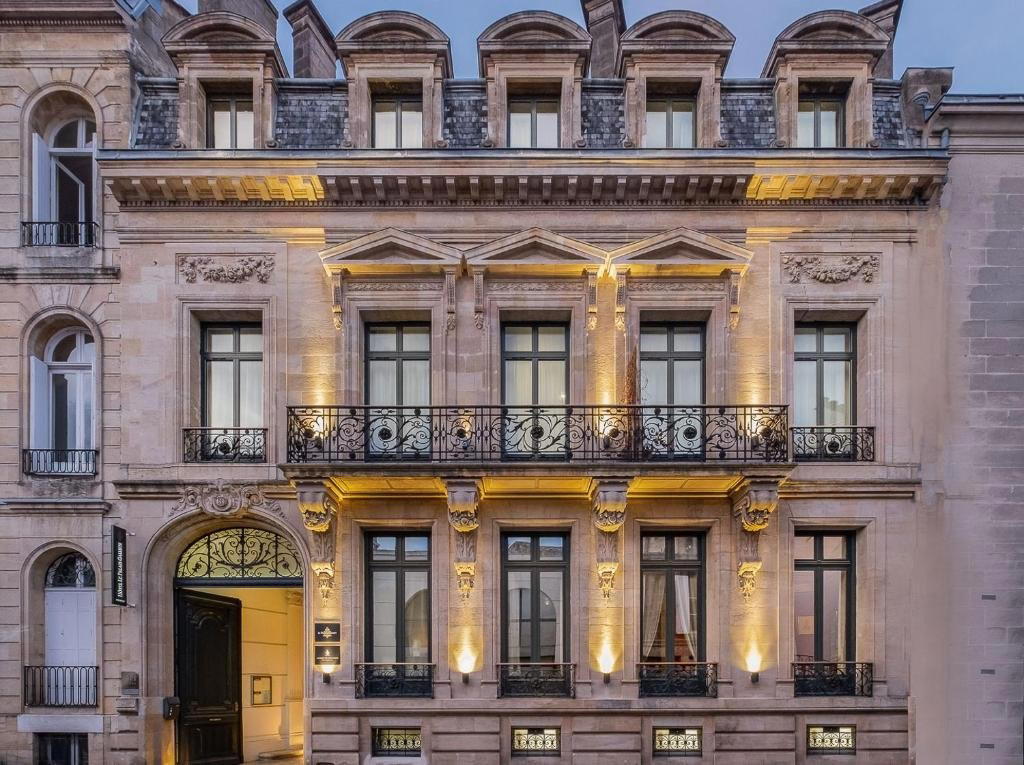
Historic and elegant atmosphere in renovated cellars and buildings, evoking classic Bordeaux sophistication amid lively, life-filled vineyards.