Domaine de Marcoux is a Southern Rhône estate based in Orange, producing wines since its first vintage in 1978 under winemaker Sophie Armenier. Visitors and collectors approaching this address encounter a property whose track record spans nearly five decades of continuous production.
Pearl is the En Primeur Club membership app — saves, bookings, and concierge access live there. Same editors, same standards.
- Address
- chemin de la 84100, 198 Chem. Gironde, 84100 Orange
- Phone
- +33 4 90 34 67 43
- Website
- domainedemarcoux.fr
- Directions
- Get directions
 Saves & bookings on Pearl
Where the Southern Rhône Gets Serious
The road south from Orange into Châteauneuf-du-Pape territory is one of the more honest approaches in French wine country. There is no theatre to it: flat vineyards open up on either side, the galets roulés, those smooth, heat-retaining stones, catch the afternoon light, and the mistral pushes through with the kind of persistence that shapes everything grown here. Domaine de Marcoux sits within this geography, a producer whose address on the Chemin de Gironde places it in the agricultural heart of the appellation rather than along any tourist circuit. The estate's first vintage in 1978 predates the modern Châteauneuf boom by over a decade, which matters as context: this is a domaine that developed its approach before the appellation attracted the international attention and premium pricing it commands today.
Sophie Armenier and the Logic of the Southern Rhône
Châteauneuf-du-Pape is an appellation that rewards patience more than intervention. Its permitted grape varieties number among the more generous in France, up to eighteen, depending on classification, and the estate's approach to blending, canopy management, and harvest timing shapes the final wine as decisively as any cellar technique. Winemaker Sophie Armenier operates within a tradition that prizes the expression of place over the demonstration of process. In the Southern Rhône, where grenache dominates most serious blends and the soils range from the well-known stone plateaux to sandy and clay-limestone terroirs, each site asks something slightly different from the people working it.
Armenier's tenure at Marcoux belongs to a broader pattern among the appellation's more considered producers: a move away from the extracted, heavily oaked style that characterised many Châteauneuf bottlings in the 1990s and toward wines with greater structural precision and longer aging potential. For context within the region, comparable recognitions have been extended to estates like Domaine de la Vieille Julienne and Domaine Grand Veneur, both of whom sit in a similar peer tier within the appellation.
What the 1978 Starting Point Tells You
A domaine with a first vintage in 1978 carries something most newer estates cannot manufacture: a documented production history that spans multiple climatic and stylistic eras. The late 1970s were formative years for the Rhône Valley's reputation in export markets. It was a period before Robert Parker's focused attention on the region, before the wave of international investment, and before the appellation's grand cru ambitions were widely accepted outside France. Estates that were producing then, and that have maintained continuity of ownership and approach, offer collectors a vertical record that younger producers simply cannot provide.
Nearly five decades of production also implies accumulated knowledge of the specific parcels, their behaviour in warm versus cool vintages, the timing windows for harvest across different soil types, and the cellar rhythms that translate those raw materials into bottle. This is the kind of depth that no single outstanding vintage can substitute for. It is also the reason why longstanding Châteauneuf estates tend to perform more reliably across difficult years, they have, in effect, stress-tested their land and methods against conditions that newer producers have never encountered.
Châteauneuf-du-Pape in the Context of Southern French Wine
The appellation sits at the northern edge of Provence and the southern edge of the Rhône corridor, which gives it a climatic profile distinct from both. Summers are hot and dry, harvest often arrives early compared to northern French appellations, and the mistral, which can blow for days at a stretch, controls both disease pressure and ripening speed in ways that producers elsewhere do not contend with. Understanding Châteauneuf means understanding this environment before the wine ever reaches a glass.
Within the broader Southern Rhône, the appellation remains the prestige address. Gigondas and Vacqueyras produce serious wines at lower price points; Lirac and Rasteau are building reputations. But Châteauneuf holds the premium tier, and estates like Marcoux operate in a market where the competition is both local and international, their comparable set includes prestigious addresses from Burgundy, Bordeaux, and further afield. For readers tracking French wine across regions, the parallel with a domaine like Albert Boxler in Niedermorschwihr is instructive: both operate as family-scale producers in appellations with significant prestige, and both derive credibility from generational depth rather than scale.
Orange as a Wine Base
The city of Orange itself is often treated as an administrative point on the map rather than a destination, which means the Châteauneuf vineyards to its south attract more dedicated wine tourism than the city centre does. That balance has shifted somewhat in recent years, with Orange's Roman theatre and the surrounding Provençal towns drawing visitors who then extend into the wine country.
For wine-focused travel, the region around Orange represents one of France's more concentrated areas of serious production. Within a short drive, the full range of Southern Rhône appellations is accessible, and the concentration of named estates, from the well-known to the deliberately low-profile, means a multi-day itinerary can be built around visits, tastings, and cellar conversations without needing to travel far. Domaine de Marcoux's address on the Chemin de Gironde is consistent with the working-farm character of the appellation: these are agricultural properties first and visitor destinations second, which shapes the nature of any engagement with them.
Planning a Visit or Sourcing the Wine
Domaine de Marcoux operates by appointment only. For collectors seeking access to back vintages or allocation, one reliable route is typically through specialist French wine importers in your home market, or through the secondary auction market where Marcoux bottles appear with regularity given the estate's nearly five-decade production history.
Château Bélair-Monange in Saint-Emilion, Château Batailley in Pauillac, Château Branaire Ducru, Château Clinet in Pomerol, Château Cantemerle in Haut-Médoc, Château Bastor-Lamontagne, and Château Boyd-Cantenac in Cantenac represent different regional traditions but comparable levels of established credibility. Further afield, estates like Accendo Cellars in St. Helena and Philip Shaw Wines (a producer sharing its city name but operating in Australia's Orange region) show how the premium-estate model translates across hemispheres. Chartreuse in Voiron and Aberlour in Aberlour complete a picture of how heritage production facilities across France and Scotland earn and maintain long-term recognition.
Booking and Cost Snapshot
Comparable venues nearby, for context on price, style, and recognition.
| Venue | Cuisine | Price |
|---|---|---|
| Domaine de MarcouxThis venue — the venue you are viewing | Châteauneuf-du-Pape, Grenache, Mourvèdre | $$$ |
| Domaine Grand Veneur | Orange, Grenache, Syrah | $$$ |
| Philip Shaw Wines | Winery | Not listed |
| Domaine de la Vieille Julienne | Orange, Grenache, Syrah | $$$ |
| Domaine du Pegau | Châteauneuf-du-Pape, Grenache, Syrah | $$$ |
| Domaine de la Solitude | Châteauneuf-du-Pape, Grenache, Syrah | $$$ |
Continue exploring
More in Orange
Wineries in Orange
Browse all →
Bars in Orange
Browse all →
Restaurants in Orange
Browse all →
At a Glance
- Rustic
- Elegant
- Scenic
- Classic
- Wine Education
- Solo Exploration
- Special Occasion
- Vineyard Tour
- Estate Grounds
- Organic
- Biodynamic
- Vineyard
- Châteauneuf Du Pape AOC
- Grenache
- Mourvèdre
- Syrah
- Cinsault
- Roussanne
- Still Red
- Still White
- Cave Tasting
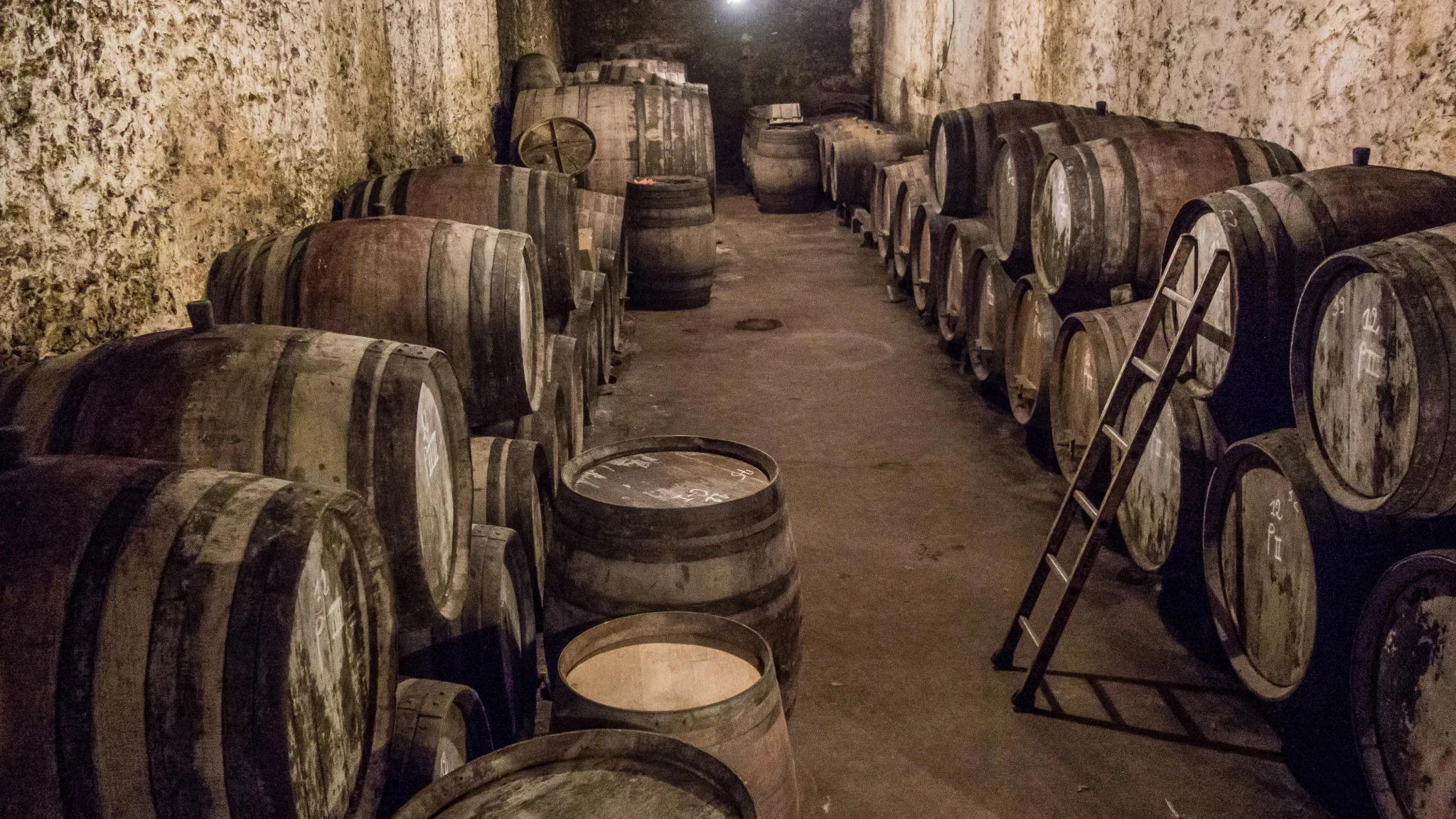
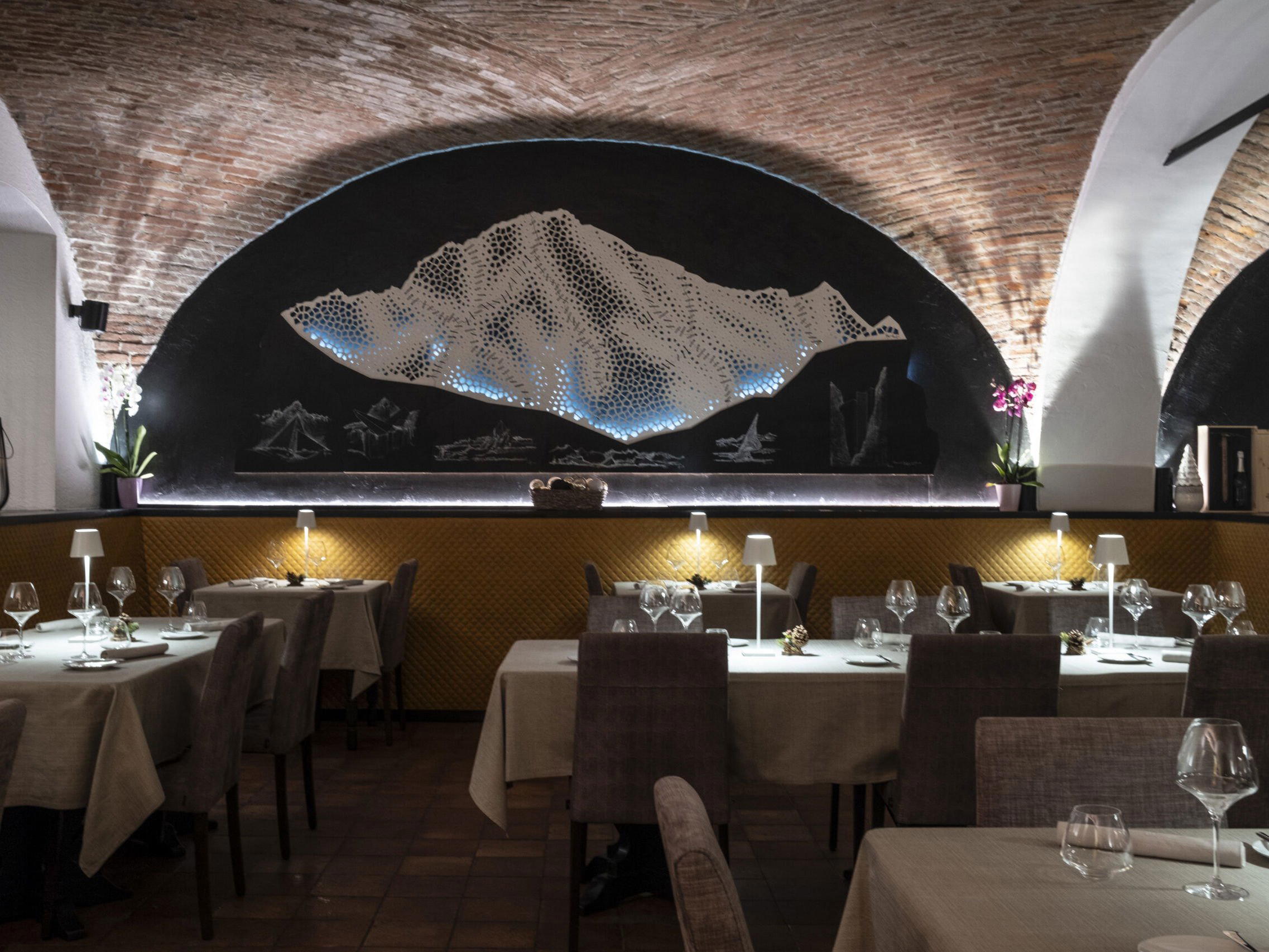
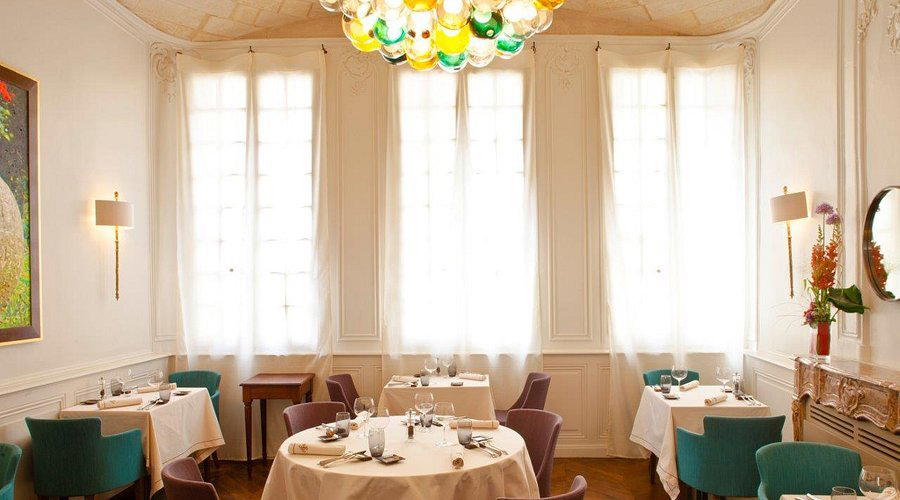
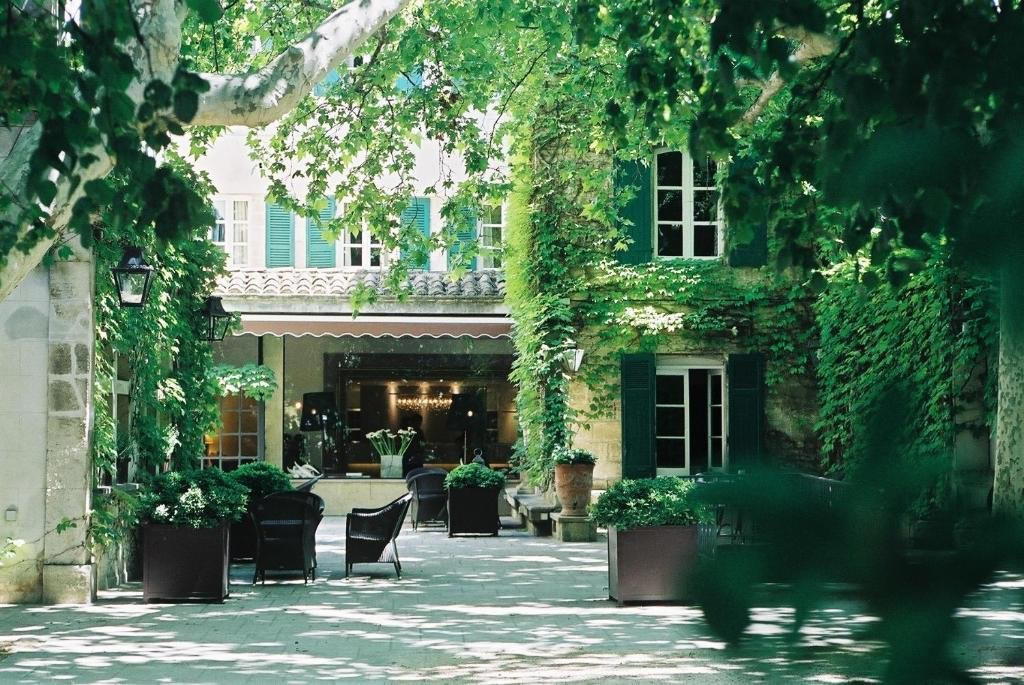
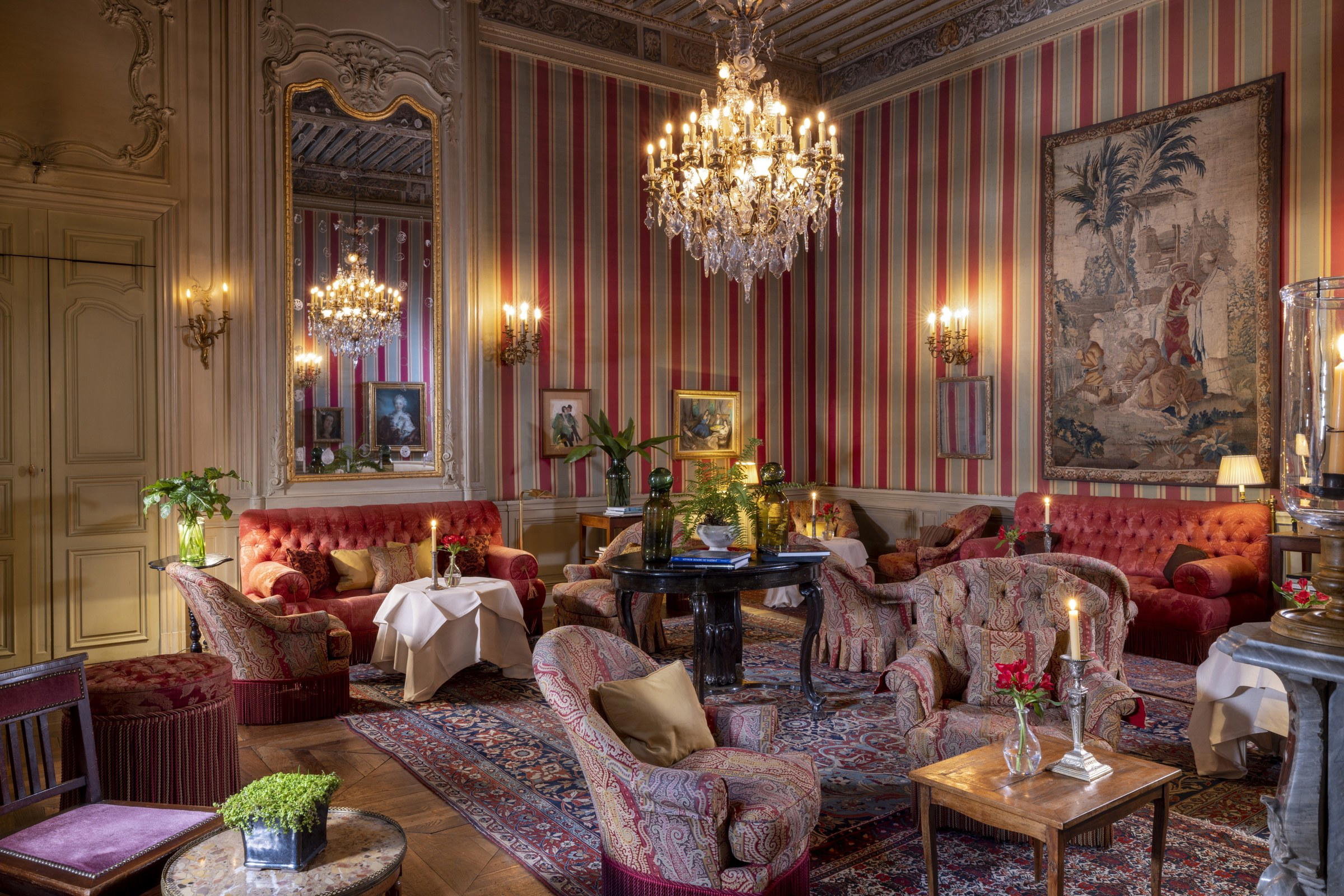
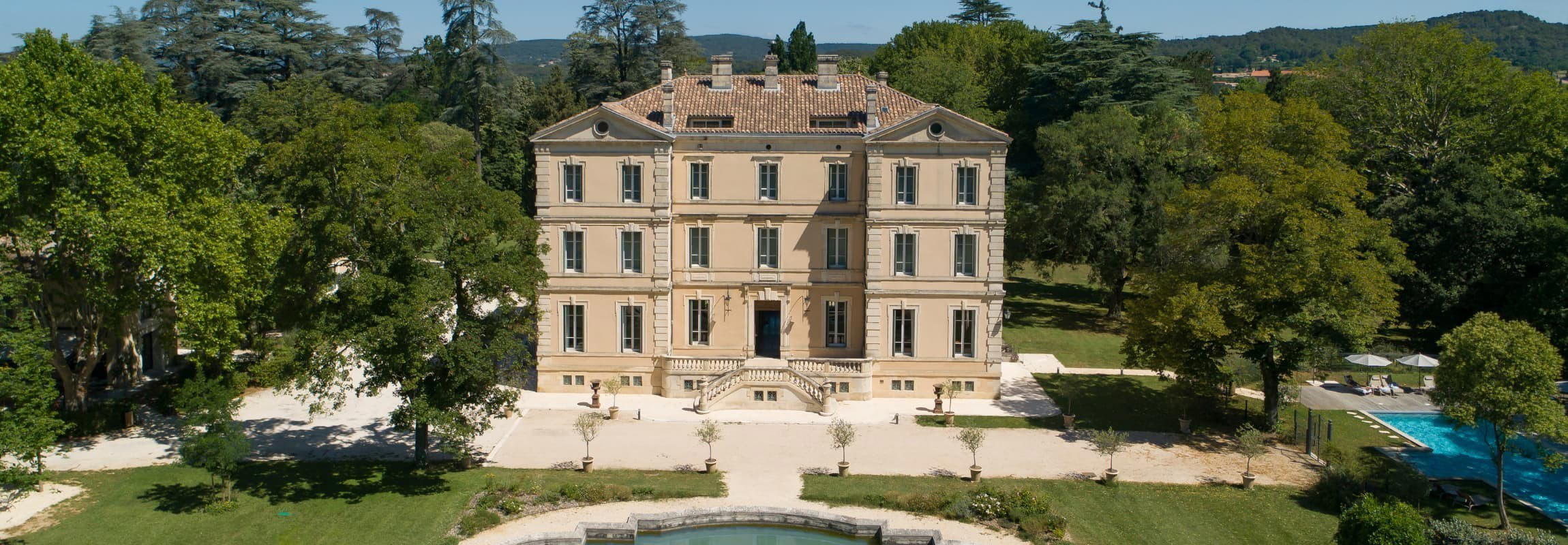
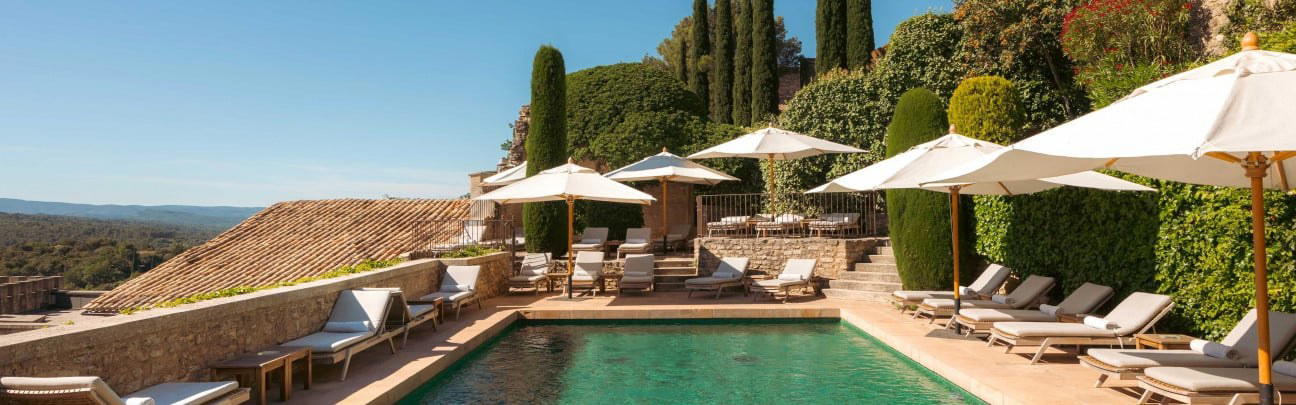
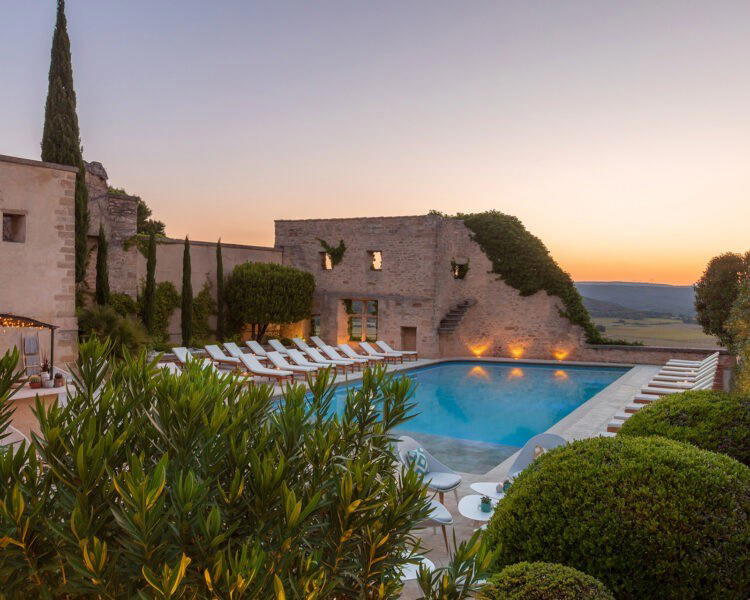
Elegant and refined atmosphere with subtle power from terroir-driven wines, aged in modest concrete cellar.