Domaine Perrot-Minot

Falstaff Winery - Listed
The domaine works across the commune's premier and grand cru vineyard hierarchy, placing it among the village's most closely watched addresses for Burgundy collectors focused on cellar-worthy Pinot Noir.

Pearl is the En Primeur Club membership app, where members save venues, book tables and use the concierge.
The Route des Grands Crus and What Morey-Saint-Denis Demands of Its Producers
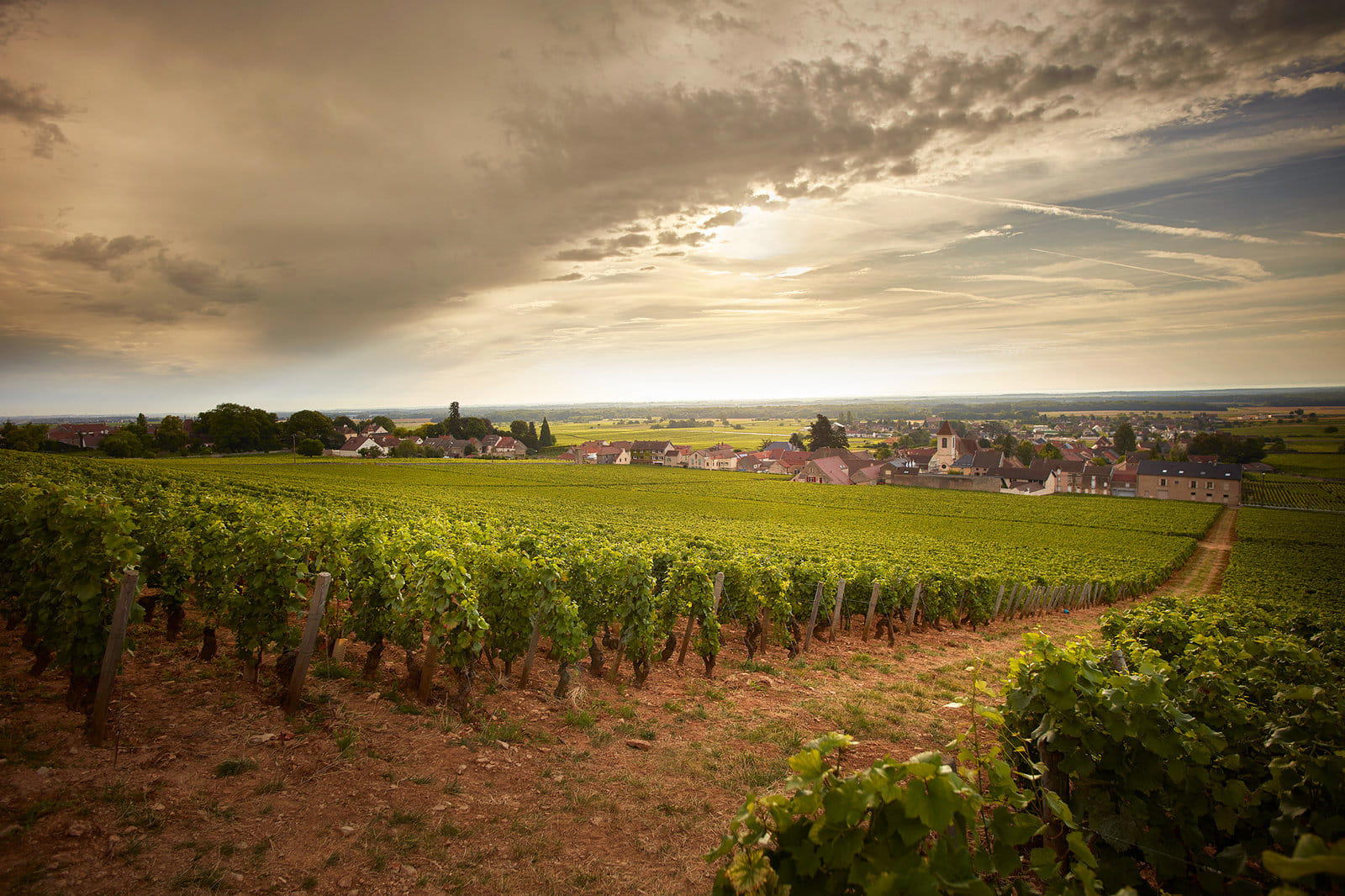
The D122 south of Gevrey-Chambertin passes through one of the Côte de Nuits' most underread communes before reaching the better-publicised appellations further south. Morey-Saint-Denis sits between Gevrey and Chambolle-Musigny, holding five grand crus of its own, Clos Saint-Denis, Clos de la Roche, Clos des Lambrays, Clos de Tart, and a sliver of Bonnes-Mares, yet the village has historically attracted less collector attention than its neighbours. That relative quietness has consequences for how producers here position themselves: the standard for seriousness is set by the vineyards, not by surrounding celebrity. A domaine at 54 Route des Grands Crus is, literally, on the road that defines Burgundy's hierarchy.
In a village where Domaine des Lambrays, Domaine du Clos de Tart, and Domaine Dujac all set the reference points for what serious Pinot Noir from this commune looks like, a prestige-tier recognition carries specific weight. It signals that the domaine's program is being evaluated against peers whose wines are benchmarked in international auction rooms.
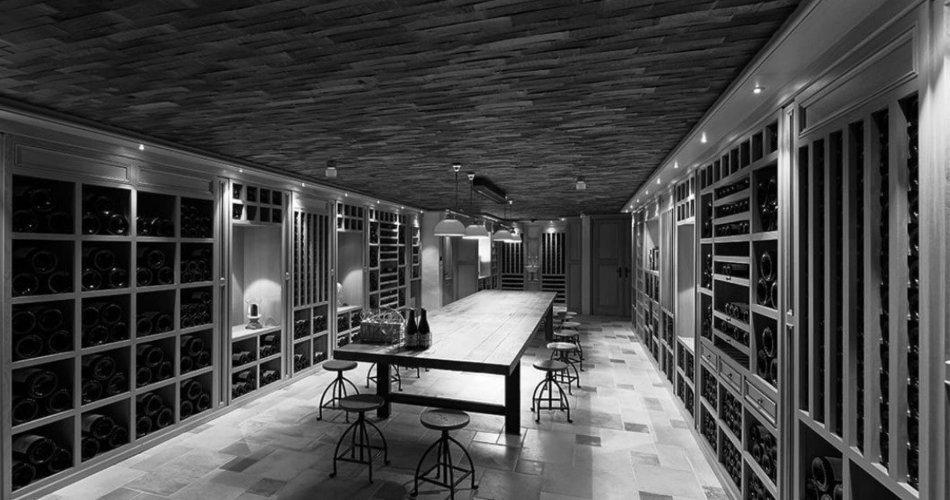
After Harvest: What the Cellar Decides
In Burgundy more than almost anywhere else in the wine world, the decisions made after harvest determine what ends up in the bottle. Viticulture and terroir set the ceiling; the cellar sets the floor. The conversations around new oak percentages, whole-cluster inclusion, extraction approach, and aging duration are the ones that separate producers working at the same appellation level into genuinely different outcomes for the drinker.
Morey-Saint-Denis producers in the serious tier, the cohort that includes Domaine Hubert Lignier and Domaine Arlaud alongside Perrot-Minot, have collectively moved toward approaches that preserve aromatic precision over extraction weight. The regional shift away from high new-oak regimes that characterised parts of the 1990s and early 2000s has left Morey's leading wines in a position where the commune's natural tendency toward structure (firmer than Chambolle, more mineral than Gevrey in the classic generalisation) is expressed rather than masked. The aging program at any serious Côte de Nuits domaine now involves questions of how long each cru spends in barrel, which coopers supply the wood, and at what point in the aging arc the wines are moved to bottle, decisions with consequences that play out over a decade in a collector's cellar.
Situating Perrot-Minot in the Morey Producer Hierarchy
Morey-Saint-Denis is a commune where the producer roster is both compact and competitive. The grand cru monopoles held by Domaine du Clos de Tart (now under Artemis ownership) and Domaine des Lambrays anchor the best of the appellation hierarchy in a structural sense. Beneath them, domaines with access to premier cru and village-level parcels operate in a tier where winemaking decisions, not just vineyard ownership, drive the critical conversation. Perrot-Minot's prestige-tier award places it in that conversation at a level above village-wine-only producers.
For collectors building a Côte de Nuits cellar around Morey specifically, the comparison set matters. Domaine Dujac's whole-cluster approach and pale, transparent style sits at one pole of the stylistic range available from this commune. The wines from Perrot-Minot have historically occupied a different register, fuller fruit expression, more evident structure, though the specific current approach should be confirmed against recent vintage notes rather than assumed from older characterisations. What the prestige award confirms is that the program is being taken seriously at the level where those stylistic questions are actively debated.
Planning a Visit Along the Route des Grands Crus
The Route des Grands Crus from Dijon south through Gevrey-Chambertin, Morey-Saint-Denis, Chambolle-Musigny, and into Vougeot is a well-mapped circuit for Burgundy-focused travel, accessible by car from Dijon in under thirty minutes. Morey-Saint-Denis itself is a small commune with no significant restaurant infrastructure of its own; serious visits to the village are vineyard and cellar focused. For broader context on what the commune and its immediate surroundings offer beyond individual producer visits, our full Morey-Saint-Denis guide maps the dining, drinking, and cultural context of the area.
Domaine Perrot-Minot's address on the Route des Grands Crus puts it within walking distance of some of the most closely watched vineyard parcels in Burgundy, and autumn visits during harvest season (typically mid-September through early October, depending on the vintage) coincide with a period when the commune is at its most active.
How Perrot-Minot Compares to Peers Outside Burgundy
For collectors who hold Morey producers alongside wines from other French regions, the reference points shift depending on the category. Alsace producers such as Albert Boxler in Niedermorschwihr operate in a different appellation logic entirely, where grape variety rather than village hierarchy organises the portfolio. Bordeaux châteaux such as Château Branaire-Ducru in Saint-Julien or Château Batailley in Pauillac operate at volume scales and with blending approaches that make direct comparison with a small Burgundy domaine's single-parcel vinification essentially category error.
Where the comparison becomes more useful is across Napa Valley producers whose Pinot programs have drawn on Burgundy training: Accendo Cellars in St. Helena represents a Cabernet-dominant California approach, while the broader California natural-wine and restraint-led Pinot tier looks toward Morey producers precisely because of the structural and aromatic benchmarks those villages set. The influence travels in one direction more than the other.
City Peers
Comparable venues nearby, for context on price, style, and recognition.
| Venue | Cuisine | Awards | Notes |
|---|---|---|---|
| Domaine Perrot-MinotThis venue (the venue you are viewing) | Pinot Noir | Falstaff Winery - Listed | Not listed |
| Domaine Dujac | Pinot Noir, Chardonnay | Michelin 2 Grapes · Falstaff Winery - Listed | Morey-Saint-Denis |
| Domaine Taupenot-Merme | Pinot Noir, Chardonnay | Falstaff Winery - Listed | Morey-Saint-Denis |
| Domaine Ponsot | Pinot Noir, Aligoté | Michelin 1 Grape · Falstaff Winery - Listed | Morey-Saint-Denis |
| Domaine Arlaud | Pinot Noir, Aligote | Falstaff Winery - Listed | Morey-Saint-Denis |
| Domaine des Lambrays | Pinot Noir, Chardonnay | Michelin 1 Grape · Falstaff Winery - Listed | Morey-Saint-Denis |
Recognition history
Dated appearances from independent guides and award organizations, with the underlying list record or original source where available.
Falstaff Winery - Listed
Falstaff
Continue exploring
More in Morey-Saint-Denis
Wineries in Morey-Saint-Denis
All wineries in Morey-Saint-Denis →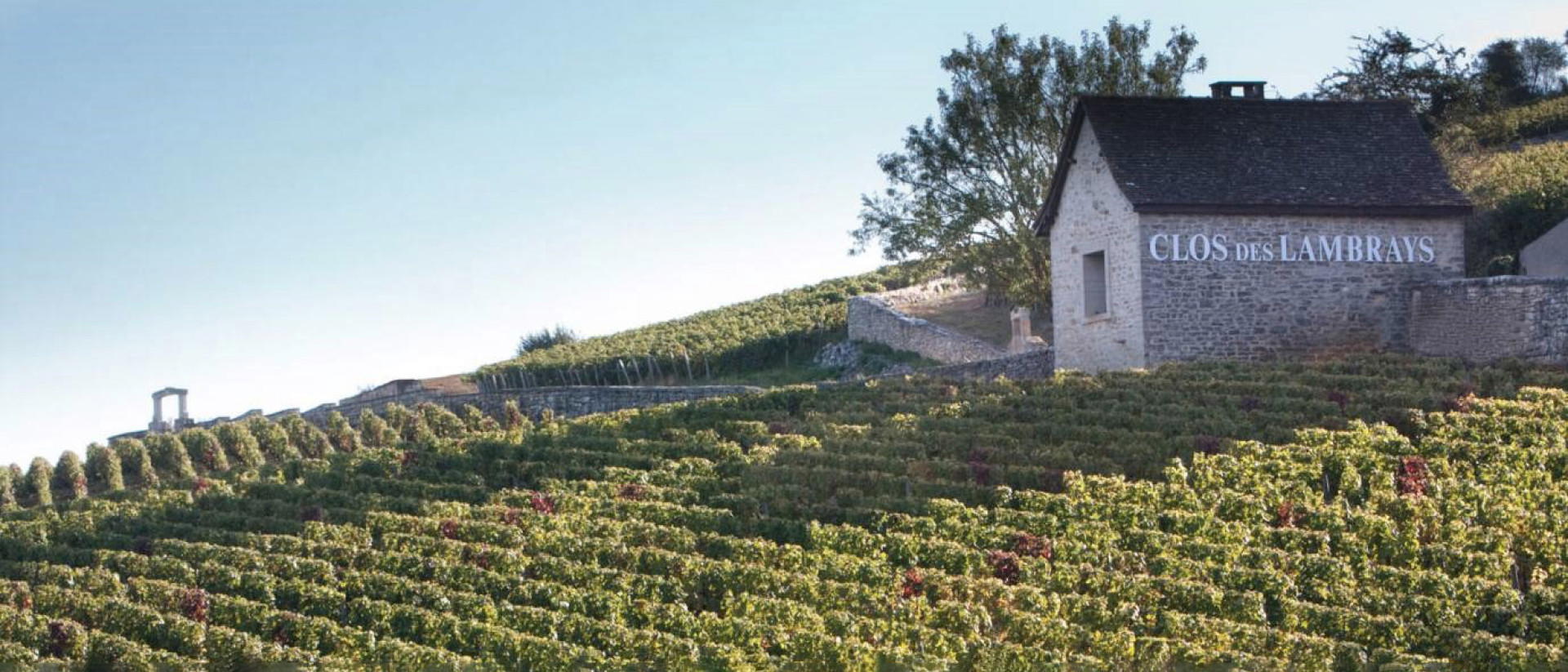
Bars in Morey-Saint-Denis
Browse all →
Restaurants in Morey-Saint-Denis
All restaurants in Morey-Saint-Denis →
Details
- Elegant
- Classic
- Intimate
- Sophisticated
- Wine Education
- Special Occasion
- Solo Exploration
- Cave Tasting
- Vineyard Tour
- Barrel Room
- Organic
- Vineyard
- Pinot Noir
- Still Red
- Private Tasting
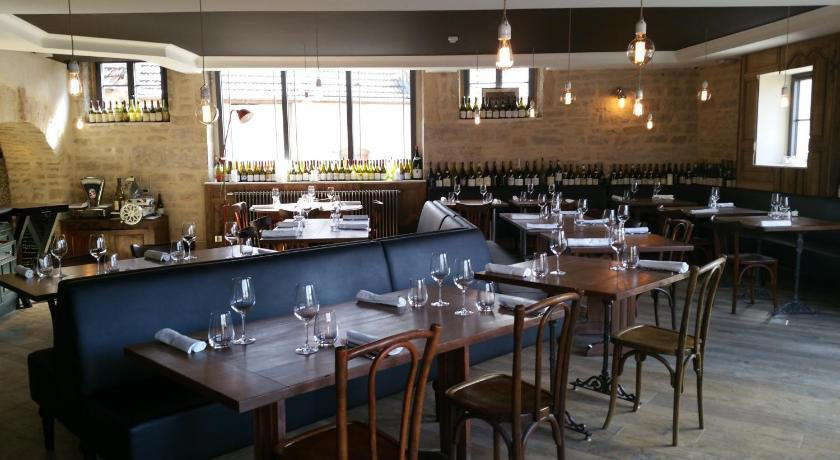
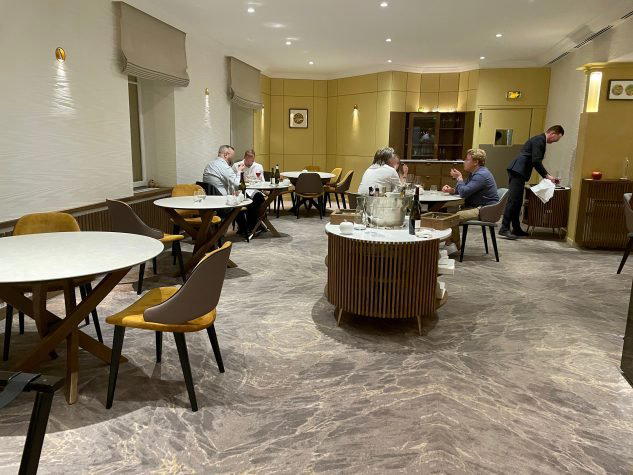
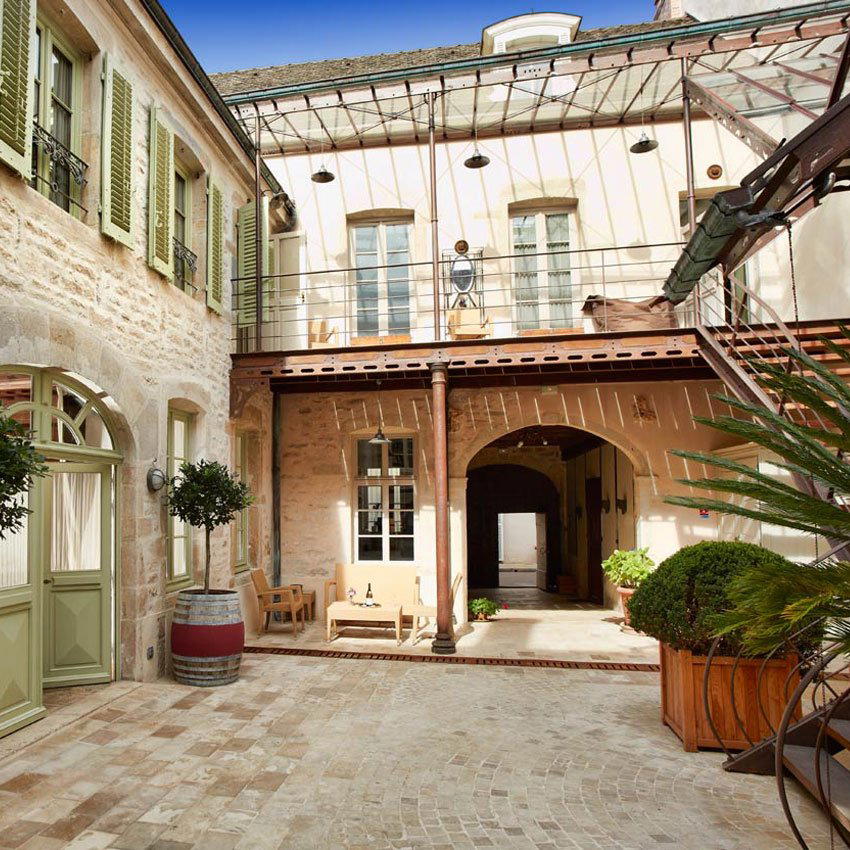
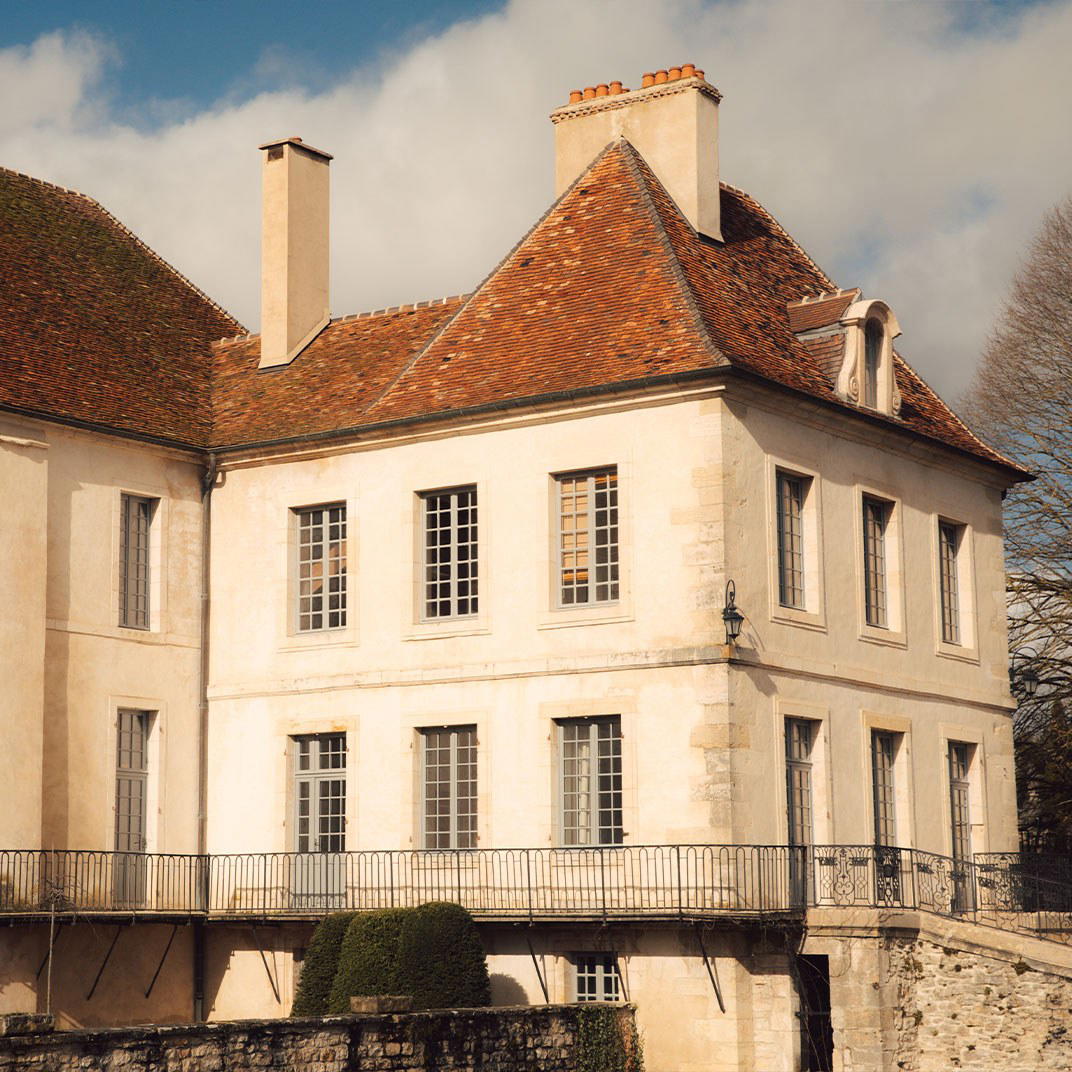
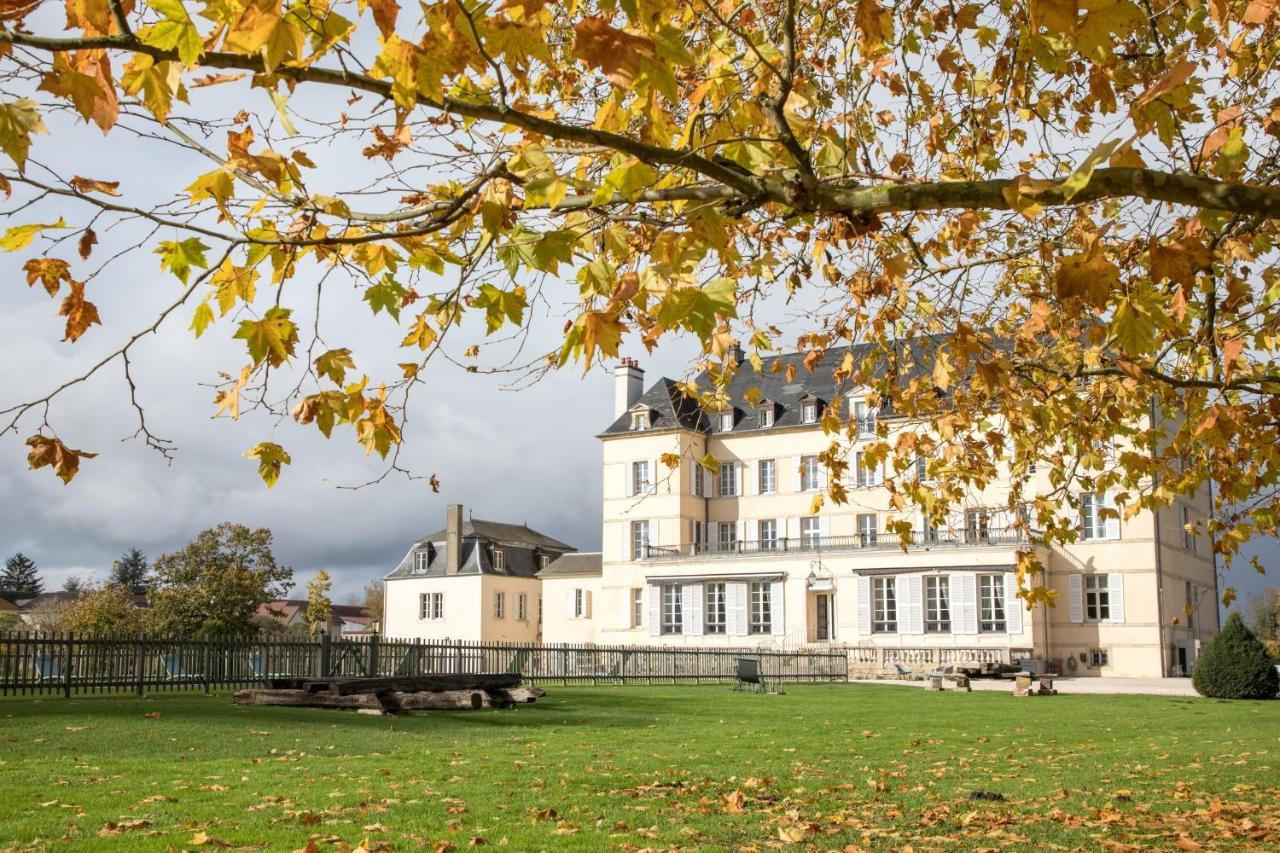
Refined and elegant atmosphere focused on the purity and finesse of terroir-driven wines from meticulous traditional Burgundian practices.