Domaine Michel Briday operates from the heart of Rully, one of Burgundy's most quietly productive appellations, where Chardonnay and Pinot Noir share equal billing across a mosaic of premier cru and village-level vineyards.

Pearl is the En Primeur Club membership app, where members save venues, book tables and use the concierge.

Rully and the Case for Côte Chalonnaise Seriousness
Burgundy's hierarchy has long been written from north to south, with Gevrey, Chambolle, and Meursault claiming the critical headlines. The Côte Chalonnaise sits further south and has spent decades being framed as a value corridor, a place to drink well while waiting for the grands crus to open. That framing is increasingly obsolete. Rully, in particular, produces white Burgundy at a level of textural precision and site specificity that competes with appellations charging considerably more. Domaine Michel Briday, at 31 Grande Rue in the village centre, operates within this sharper critical reassessment of the Côte Chalonnaise and represents exactly the kind of producer that makes the appellation's upward revaluation credible.
La Paulée de New York, modelled on the historic Meursault harvest celebration, draws its producer list from across Burgundy's serious tier, and inclusion signals recognition by a peer group rather than a marketing category. For context, producers at this tier tend to farm multiple appellations with both premier cru and village-level holdings, maintain allocation-based distribution, and attract collector attention that outpaces their public profile. That is a reasonable description of how Briday operates within Rully's ecosystem.
An Appellation Built for Both Colours
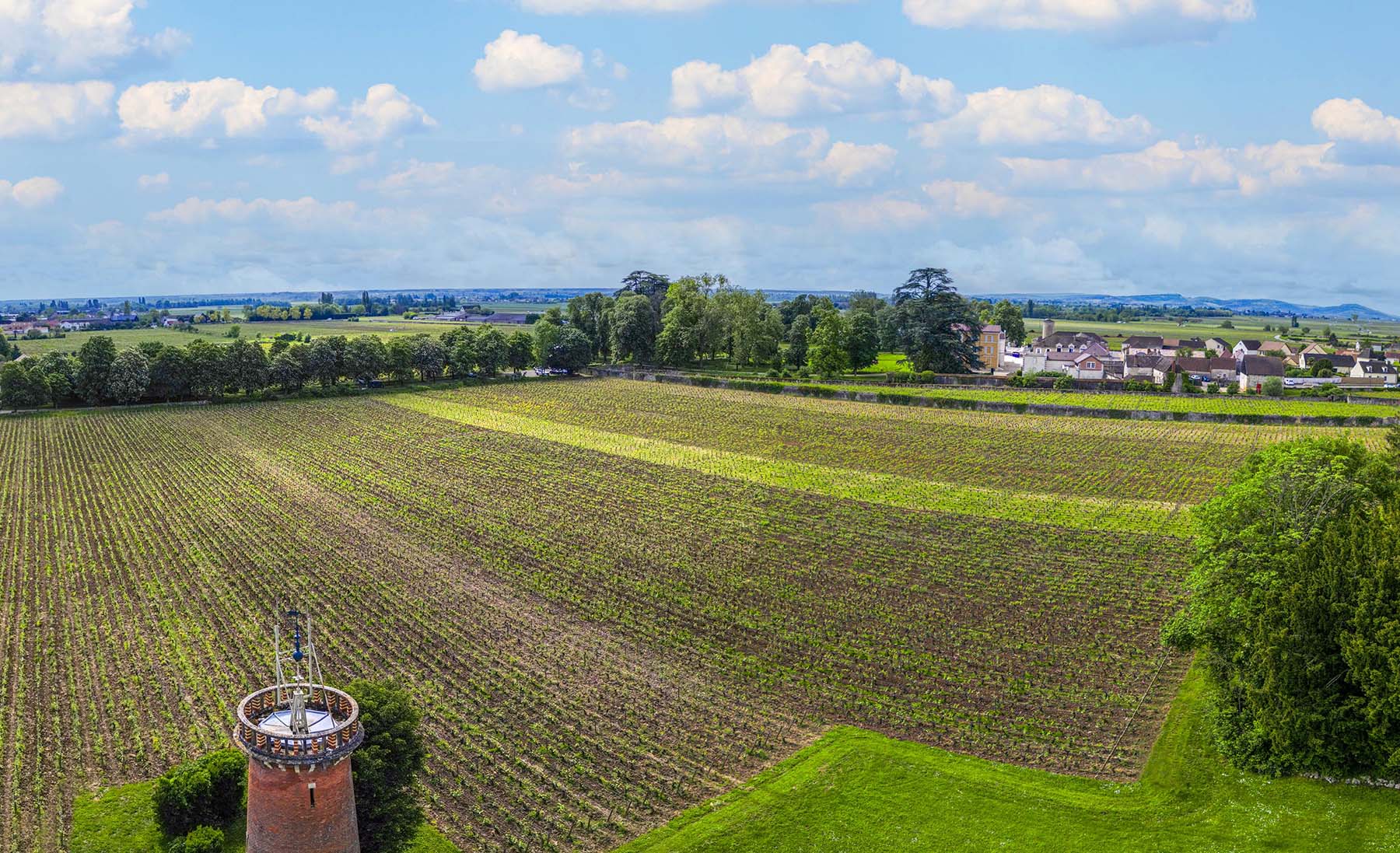
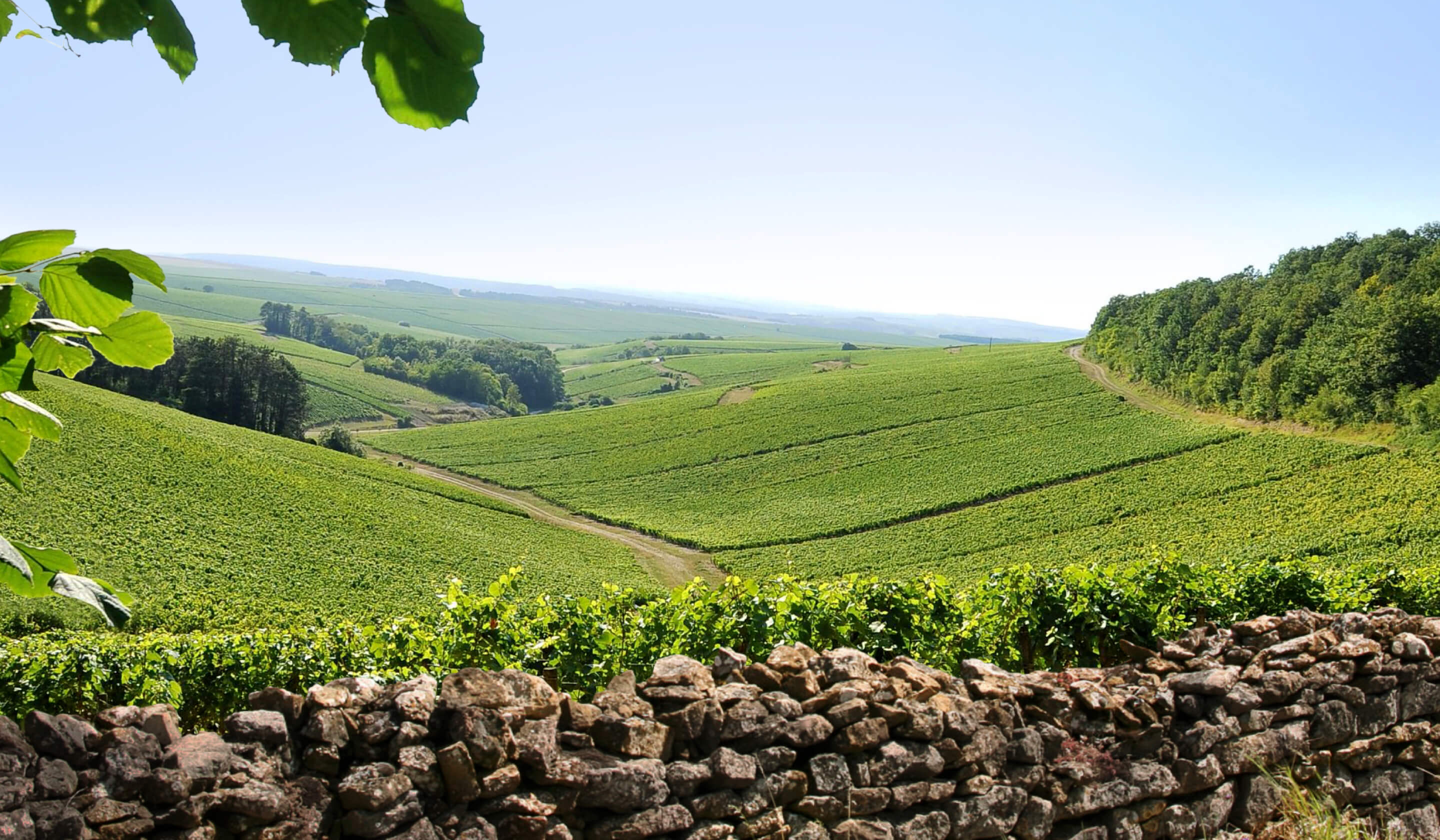
Rully is one of the few Côte Chalonnaise appellations where Chardonnay and Pinot Noir receive roughly equal critical attention. The village counts 23 premiers crus. The soils shift meaningfully across the commune: Jurassic limestone dominates the upper slopes, producing whites with pronounced minerality and tension, while clay-heavier lower parcels tend toward fuller, rounder expressions in both colours.
This geological spread matters for understanding what a producer like Domaine Michel Briday is working with. Rully's whites sit stylistically between the austere, flinty Chablis model and the richer, more oxidative Meursault register, which makes them legible to a wide range of palates without being generic. The reds, often underestimated, carry a lighter frame than Mercurey to the north but with real structural grip from the limestone parcels. Producers who manage both colours at the village level and across multiple premiers crus are making dozens of distinct editorial decisions each vintage, and Rully's complexity rewards that level of attention.
For comparative context across Burgundy's more documented appellations, Domaine Dureuil-Janthial represents another Rully producer whose work has shifted outside assessments of the appellation's ceiling.
Winemaking Orientation in the Côte Chalonnaise
The editorial angle most useful for understanding Domaine Michel Briday is less about individual biography and more about what the Rully appellation demands philosophically from its serious producers. Because Rully lacks the grand cru anchoring of the Côte de Nuits or the name-recognition infrastructure of Meursault, producers here rely on appellation literacy rather than prestige shorthand. The wines have to carry their own argument.
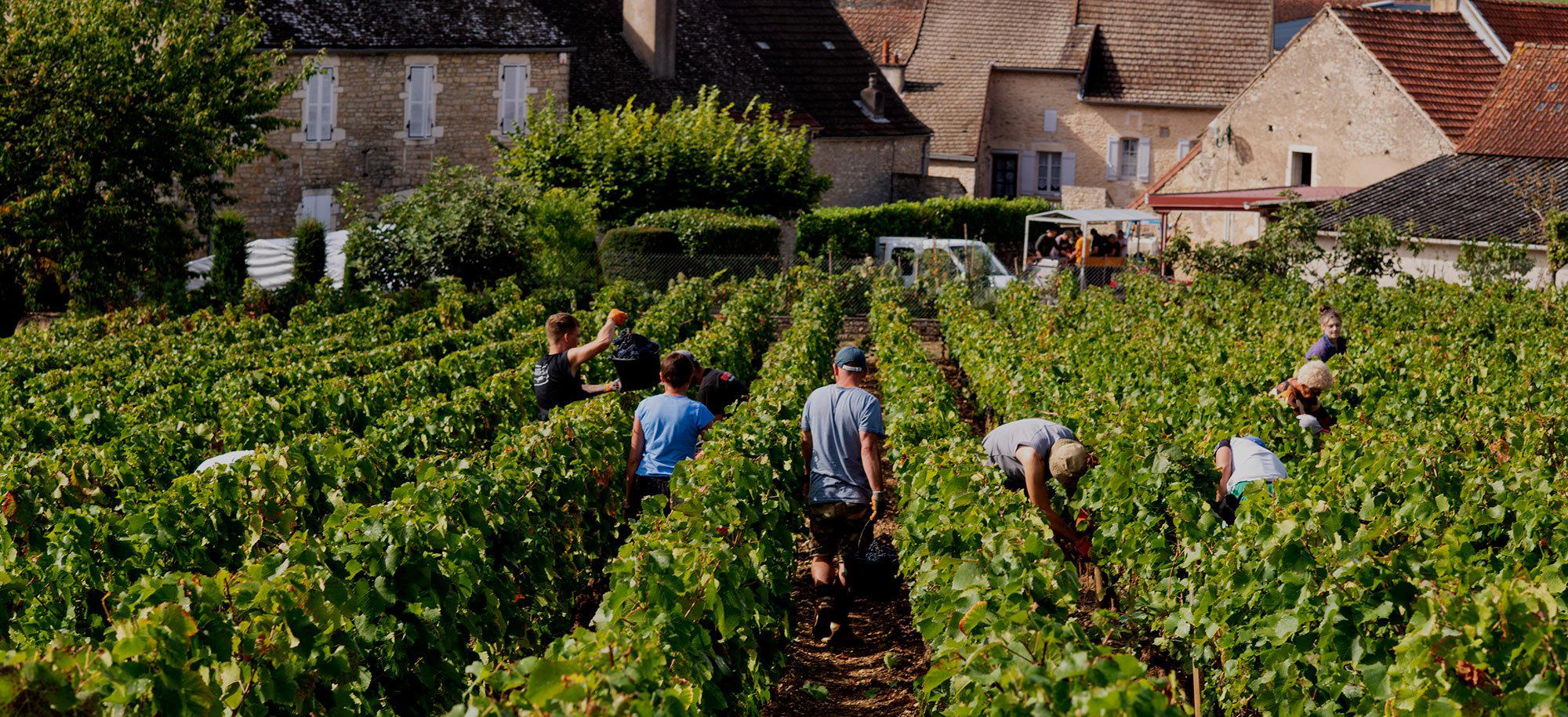
In practical terms, this means Côte Chalonnaise producers who earn sustained collector attention tend to work with minimal intervention in the winery, lean on the specific parcel expression rather than house style blending, and calibrate oak use carefully to avoid flattening the more delicate limestone-driven aromatics. The decision to favour freshness over volume, particularly in the whites, aligns with a broader shift in Burgundy criticism away from the rich, buttery benchmarks of the 1990s toward more site-transparent expressions. Briday's positioning within La Paulée's producer selection suggests this is exactly the register the domaine is working in.
That restrained, site-forward orientation has parallels in other French appellations where geography is the argument rather than the winemaker's signature. Albert Boxler in Niedermorschwihr in Alsace and Chartreuse in Voiron represent producers where tradition and place exert stronger editorial authority than individual personality. Across France's more serious production, the pattern is consistent.
Where Briday Sits in Rully's Peer Field
Rully's producer hierarchy is not large. A handful of domaines have built sustained export reputations, and the allocation dynamics at the top of the pile are tighter than the appellation's relative obscurity might suggest. Briday's Pearl tier classification calibrates it against this existing prestige distribution within the village, not against the Côte de Beaune's more publicised names.
For buyers accustomed to tracking Bordeaux appellations, the structural parallel is instructive. Similarly, Château Batailley in Pauillac and Château Cantemerle in Haut-Médoc operate in classified frameworks where prestige distribution tracks closely to production discipline over volume, another pattern that maps onto Rully's better producers.
Further afield, Château Bélair-Monange in Saint-Emilion, Château Boyd-Cantenac in Cantenac, Château d'Arche in Sauternes, Château Bastor-Lamontagne in Preignac, and Château d'Esclans in Courthézon illustrate how France's prestige tier across regions rewards producer discipline and parcel specificity in ways that often precede rather than follow critical consensus. Rully is at that inflection point now.
Planning a Visit to Rully
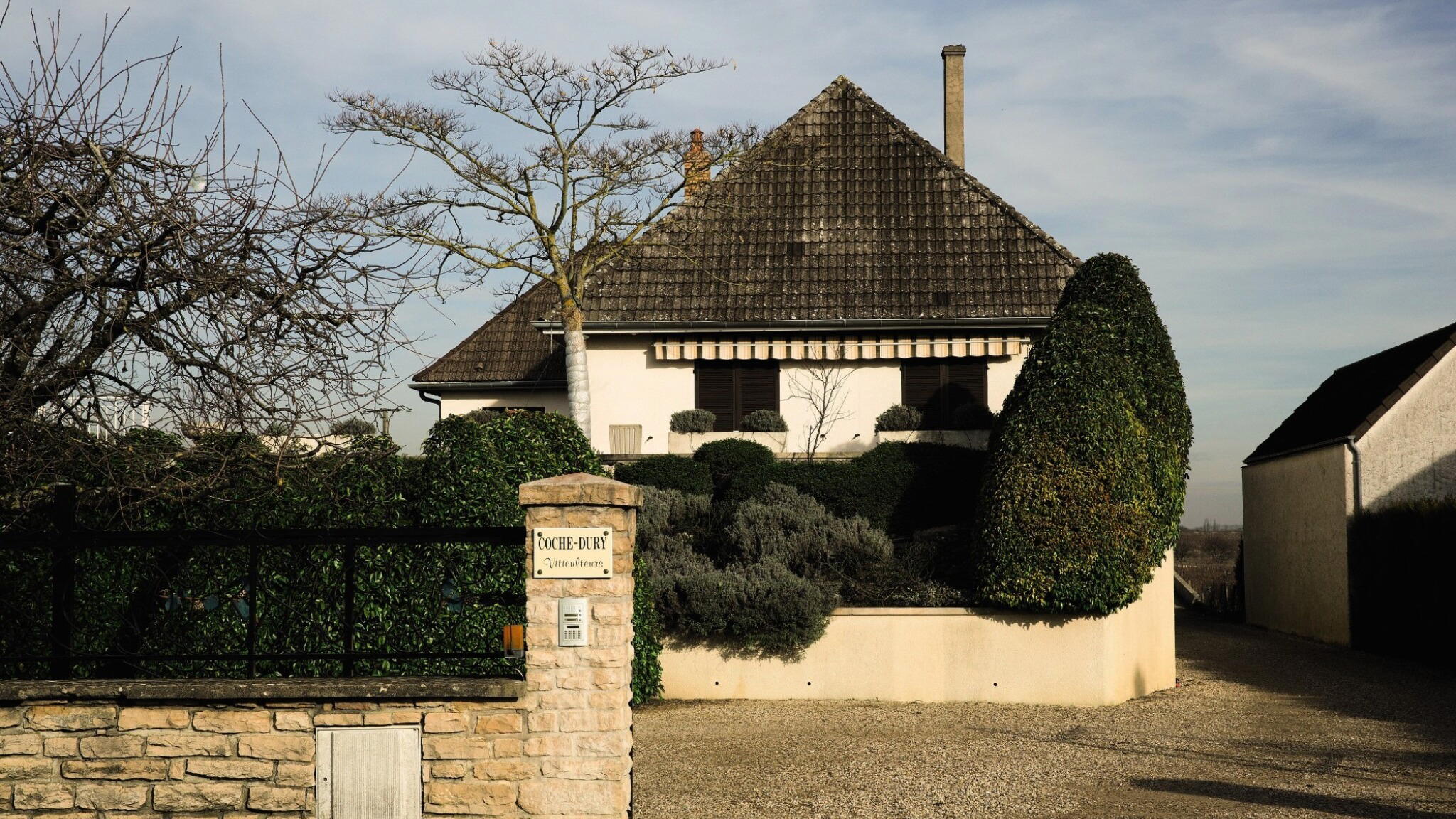
Rully sits roughly ten kilometres south of Chagny and is accessible by car from Beaune in under 30 minutes, making it a logical extension of any Côte de Beaune itinerary. The village itself is compact: Grande Rue runs through the centre and several of the commune's serious producers are within walking distance of each other. Domaine Michel Briday occupies number 31 on that street, in the kind of working-producer setting typical of Burgundy village domaines, where the cellar and the family house share the same address.
Visits to Rully producers typically require advance contact, and no booking method or confirmed visiting hours are available in the public record for Briday. Direct written outreach before travel is the standard approach for Côte Chalonnaise domaines at this level. Buyers with relationships through wine merchants who handle Burgundy allocations will find that channel the most reliable access point. Our full Rully restaurants guide covers the practical infrastructure around a village visit, including dining options that work around cellar schedules. For collectors building a wider French portfolio alongside Burgundy, Aberlour in Aberlour and Accendo Cellars in St. Helena represent the kind of producer-led, allocation-tier experiences that attract the same buyer profile.
Budget and Context
Comparable venues nearby, for context on price, style, and recognition.
| Venue | Cuisine | Price | Awards |
|---|---|---|---|
| Domaine Michel BridayThis venue (the venue you are viewing) | Rully, Chardonnay, Pinot Noir | Not listed | Not listed |
| Domaine Dureuil-Janthial | Rully, Chardonnay, Pinot Noir | Not listed | Michelin 2 Grapes |
| Domaine des Hospices de Beaune | Beaune, Pinot Noir, Chardonnay | Not listed | Not listed |
| Domaine de l'Arlot | Prémeaux-Prissey, Pinot Noir, Chardonnay | $50–100 | Falstaff Winery - Listed |
| Domaine Olivier Merlin | La Roche-Vineuse, Chardonnay, Pinot Noir | Not listed | Not listed |
| Domaine Drouhin-Laroze | Gevrey-Chambertin, Pinot Noir | Not listed | Falstaff Winery - Listed |
Continue exploring
More in Rully
Wineries in Rully
All wineries in Rully →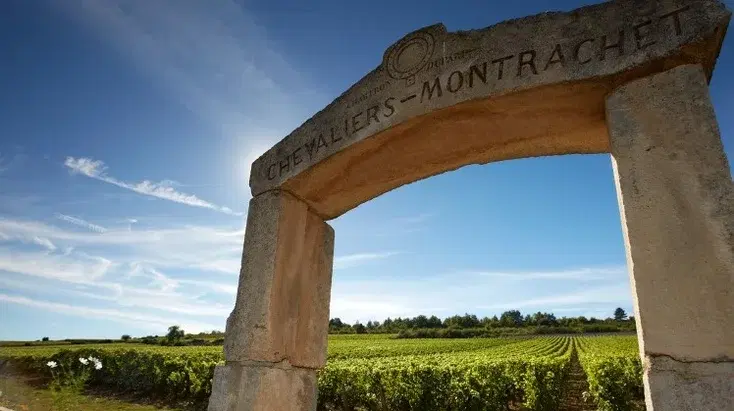
Bars in Rully
Browse all →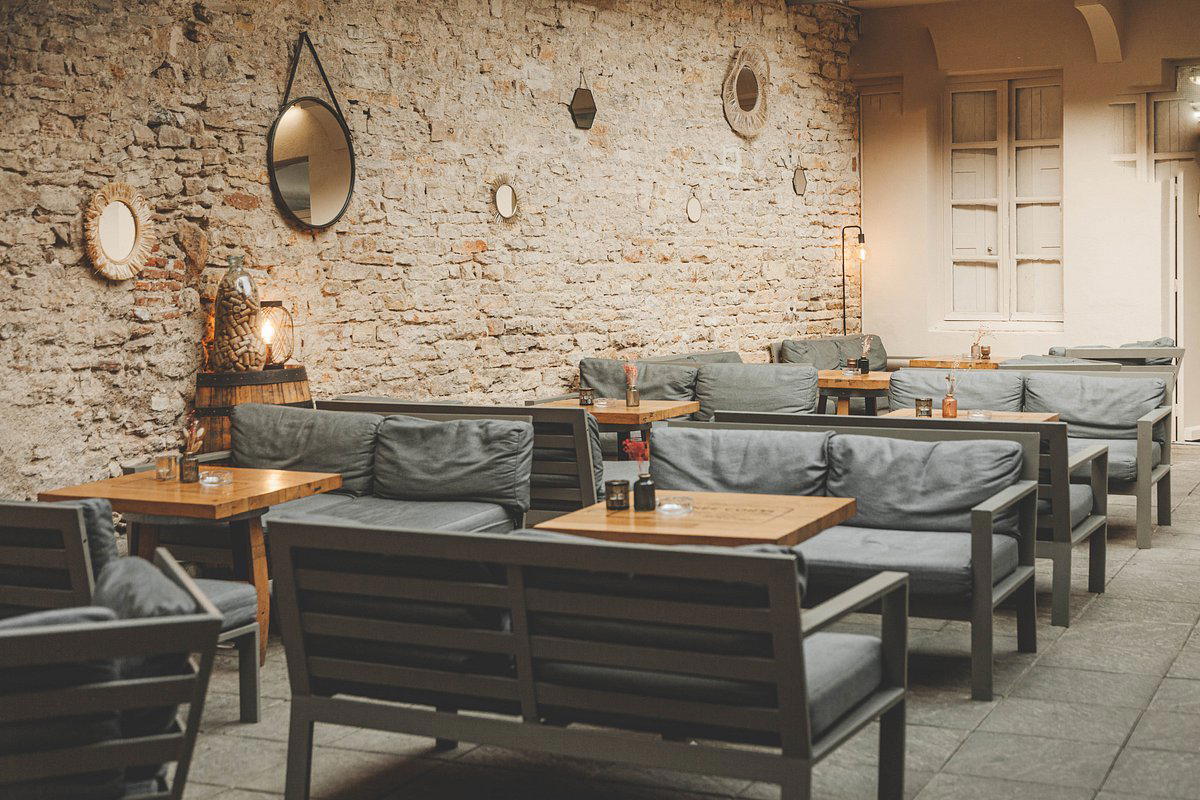
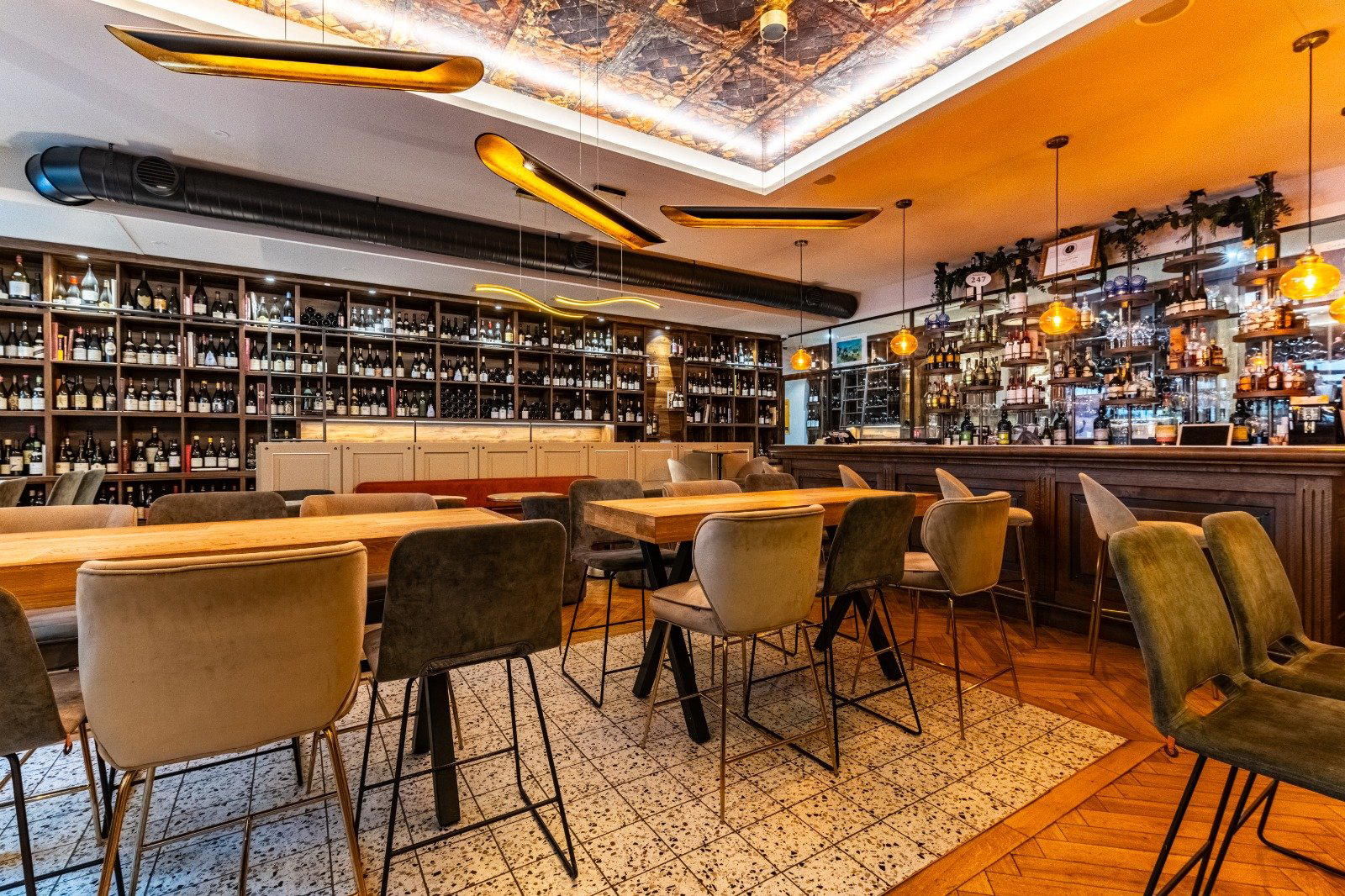
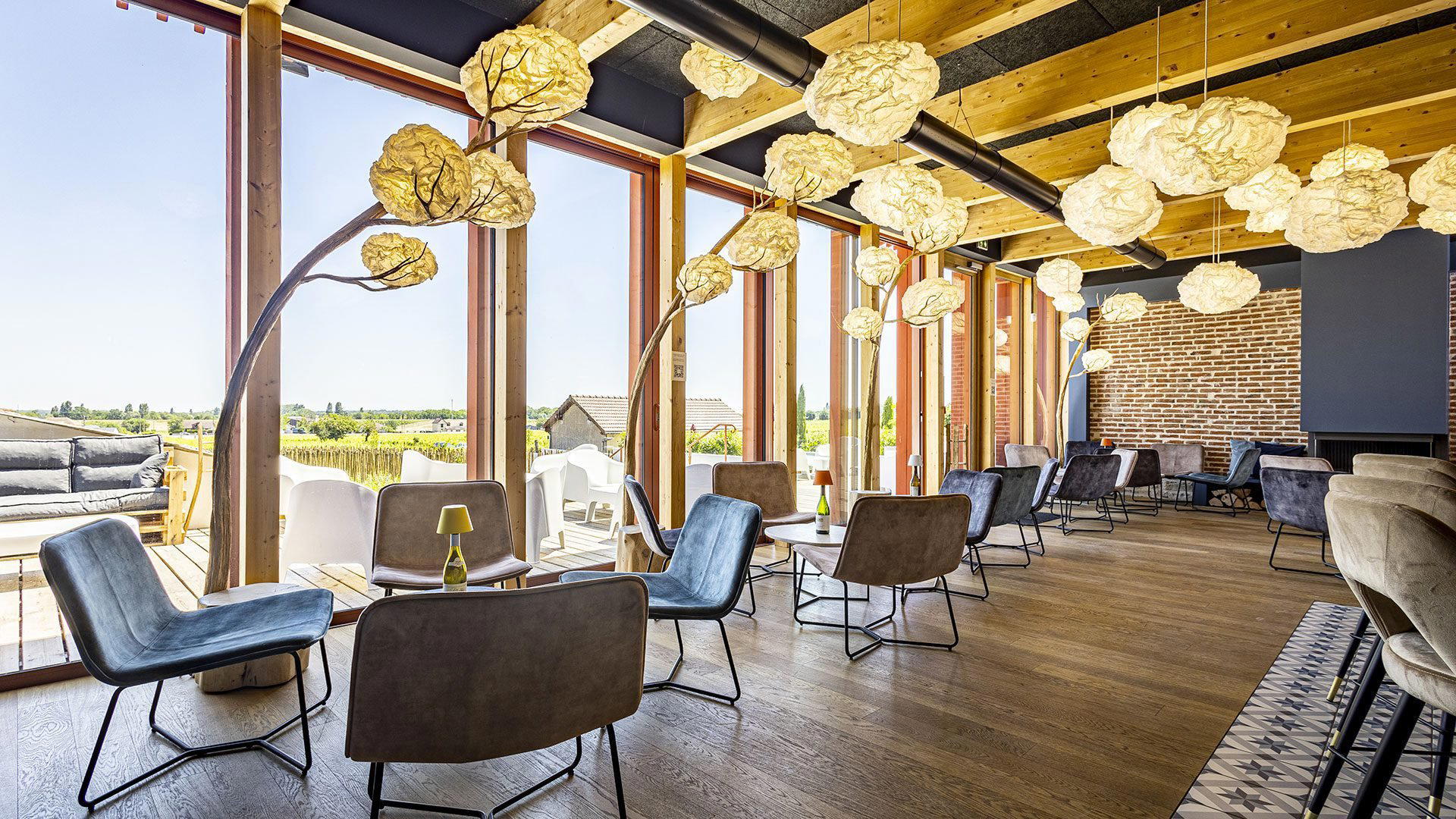
Restaurants in Rully
Browse all →
Details
- Classic
- Rustic
- Elegant
- Scenic
- Wine Education
- Solo Exploration
- Special Occasion
- Vineyard Tour
- Cave Tasting
- Estate Grounds
- Sustainable
- Vineyard
- Chardonnay
- Pinot Noir
- Aligoté
- Still White
- Still Red
- Cave Tasting
Intimate family estate focused on terroir expression with balanced, fruity, and mineral-driven wines.