Château Pas de l’Ane

Falstaff Winery - 1 Stars
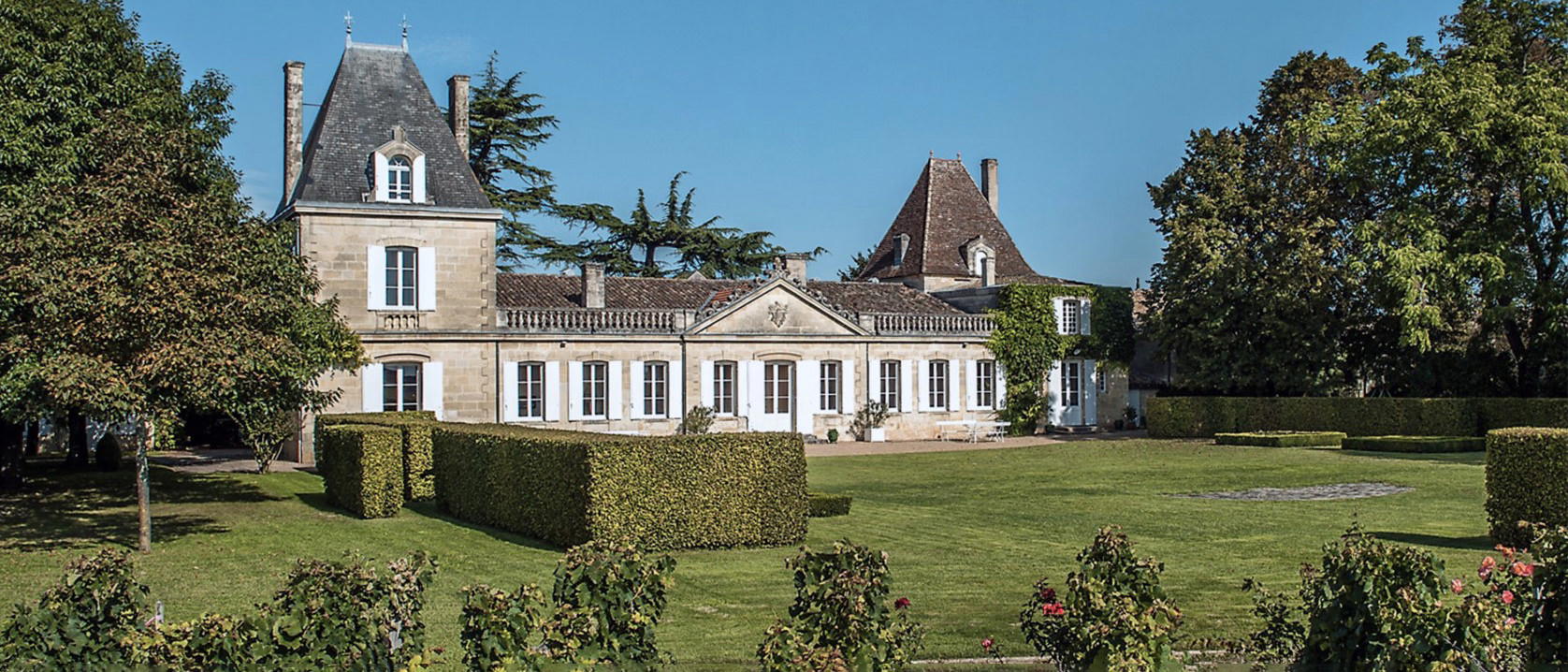
Château Pas de l’Ane belongs in a Saint-Emilion itinerary framed by limestone, clay, Merlot, and the plateau-to-slope differences that define the appellation. With no public database details for visits, pricing, awards, or winemaking team, the useful reading is contextual: treat it as a name to place against the wider Right Bank conversation rather than a fully documented tasting stop.

Pearl is the En Primeur Club membership app — saves, bookings, and concierge access live there. Same editors, same standards.
- Address
- 2683 Route de Libourne, 33330 Saint-Émilion, France
- Phone
- +33 5 57 24 67 66
- Hours
- Daily 10 AM–6 PM
- Website
- pasdelane.com
- Directions
- Get directions
Saint-Emilion begins with stone, not spectacle
Approaching wine in Saint-Emilion means reading the ground before reading the label. The medieval town rises from pale limestone, with vineyard parcels spreading across plateau, côtes, and lower clay-sand sectors that change the shape of Merlot and Cabernet Franc in the glass. Château Pas de l’Ane sits inside that larger Right Bank grammar: a place where the appeal is not a single dramatic gesture, but the quiet argument between soil, drainage, exposure, and cellar decisions. It makes the context the point.
Saint-Emilion is often misunderstood by travellers who arrive expecting Bordeaux to speak in the same register everywhere. The Left Bank leans into Cabernet Sauvignon, gravel, and château hierarchy. The Right Bank, especially around Saint-Emilion, is built around Merlot’s response to limestone and clay, with Cabernet Franc adding line, scent, and savoury tension when sites and blending choices allow. The UNESCO-listed Jurisdiction of Saint-Emilion gives the area cultural weight beyond wine tourism, but the serious visitor should not confuse postcard beauty with simplicity. This is a technical appellation with many small differences over short distances.
Terroir expression in the Right Bank frame
The editorial lens for Château Pas de l’Ane is terroir expression, because the available record gives no reliable basis for a cellar profile, tasting-room format, or bottle-by-bottle recommendation. Saint-Emilion’s limestone is more than scenery; it regulates water, encourages root depth, and can give Merlot a firmer architectural feel than the plush stereotype suggests. Clay contributes volume and moisture retention, useful in dry years. Sandier or lower-lying parcels tend to speak differently, often with a softer register. Without parcel data for this estate, the correct approach is to taste with questions rather than assumptions: is the wine driven by fruit weight, mineral tension, oak framing, or Cabernet Franc lift?
That is where comparison helps. A visit or tasting note in Saint-Emilion gains meaning when placed beside neighbouring expressions such as Château de Ferrand or the more concentrated, small-production conversation around Château La Mondotte in Saint-Emilion. These references are not substitutes for verified Pas de l’Ane data; they are calibration points. The useful question is how each wine interprets the same regional language: ripeness against freshness, limestone edge against Merlot breadth, and oak presence against site transparency.
How to taste when the public record is thin
In data-rich appellations, travellers can plan around classification, critic scores, tasting fees, opening hours, and allocation systems. That requires a more disciplined tasting strategy. Start with the vintage conditions if the bottle is in front of you, then note the appellation cues before making claims about the estate. Saint-Emilion in warmer years can push Merlot toward broader texture and higher alcohol; cooler or more classical years can bring tighter structure, firmer tannins, and more visible Cabernet Franc influence where present. Those are regional tendencies, not estate-specific facts.
The correct tasting order also matters. If Château Pas de l’Ane appears in a local flight, place it after lighter Bordeaux or generic Bordeaux Supérieur and before denser grand cru bottlings with heavy oak signatures. If tasting across regions, set it against other terroir-led European reds rather than against New World Merlot. Burgundy drinkers can sharpen the contrast by looking at Côte de Nuits references such as Domaine Rene Engel in Vosne-Romanée or Domaine Perrot-Minot in Morey-Saint-Denis, where Pinot Noir carries site difference through a different grape and structure. The comparison is not about similarity; it is about learning how place translates through variety.
Where it fits in a Saint-Emilion itinerary
Saint-Emilion rewards tight geography. The town itself is compact, but the wine map spreads quickly into named estates, slopes, satellite appellations, restaurants, and merchants. The sensible move is to build the day around verified appointments and use local wine shops or restaurant lists to encounter lesser-documented labels by the glass or bottle. For dining and route planning, Our full St Emilion restaurants guide is the better operational base than guessing at cellar access.
The broader Bordeaux circuit can help set expectations. Left Bank estates such as Château Rauzan-Gassies in Margaux, Château Dauzac in Labarde, and Château Haut-Bages-Libéral in Pauillac sit in Cabernet-led territories where gravel and classification history shape the visitor’s expectations differently. Even Château Duhart-Milon in Sauternes, listed here by destination rather than by the usual Pauillac association, signals how careful readers need to be with place names and wine assumptions.
Comparisons beyond Bordeaux
Saint-Emilion also becomes clearer when compared with regions that organize prestige differently. Champagne houses such as Jacquesson in Dizy and Pommery in Reims operate in a sparkling-wine culture shaped by blending, dosage, cellar aging, and house identity. Burgundy addresses terroir through village, climat, and domaine scale, with Côte Chalonnaise producers such as Château de Chamirey in Mercurey offering another model of place-led interpretation. Saint-Emilion sits between those poles: site matters intensely, but estate branding, classification, and vintage reputation also influence how bottles are discussed and priced.
International comparisons add another layer. Haute Cabrière in Franschhoek belongs to a South African setting where mountain influence, tourism infrastructure, and New World cellar communication shape the experience. Real Companhia Velha in Vila Nova de Gaia belongs to the Port and Douro conversation, with history, fortified wine, and river trade in the background. Woodford Reserve in Versailles sits outside wine entirely, but it is a useful reminder that visitor culture often tells a different story from agricultural origin. Saint-Emilion’s strength is that the town, vineyards, and cellar traditions remain physically close, which makes terroir easier to discuss on the ground.
Planning notes for a cautious wine traveller
Because no practical details are recorded for Château Pas de l’Ane, assume nothing about appointments, tastings, retail sales, private visits, or group access. In Saint-Emilion, many estates require advance contact, and smaller properties may not operate visitor programs at all. If the bottle appears on a list, ask for vintage, appellation designation, and serving temperature; those three details will tell more than a generic description.
Saint-Emilion spans modest bottles, ambitious grand cru releases, classified growths, and highly allocated labels. A bottle’s place in that range depends on producer history, classification status, vintage, distribution, and critical attention. Since no awards are listed for Château Pas de l’Ane, the trust signal here is not a medal or score but the broader Saint-Emilion setting: a UNESCO-recognized wine jurisdiction with a long record of viticulture and a sharply defined Right Bank identity.
Quick Comparison
Comparable venues nearby, for context on price, style, and recognition.
| Venue | Cuisine | Price | Awards |
|---|---|---|---|
| Château Pas de l’AneThis venue — the venue you are viewing | Saint-Émilion, Merlot, Cabernet Franc | $10–20 | Falstaff Winery - 1 Stars |
| Château de Ferrand | Saint-Hippolyte, Merlot, Cabernet Franc | $30–50 | Falstaff Winery - Listed |
| Lehmann Distillery | Obernai, Winery | Not listed | Not listed |
| La Chablisienne | Chablis, Chardonnay | Not listed | Falstaff Winery - Listed |
| Domaine Didier Fornerol | Corgoloin, Pinot Noir, Chardonnay | Not listed | Not listed |
| Domaine Jean-Marc Brocard | Préhy, Chardonnay, Sauvignon Blanc | Not listed | Falstaff Winery - Listed |
Recognition history
Dated appearances from independent guides and award organizations, with the underlying list record or original source where available.
Falstaff Winery - 1 Stars
Falstaff
Continue exploring
More in Saint-Émilion
Wineries in Saint-Émilion
Browse all →
Bars in Saint-Émilion
Browse all →
Restaurants in Saint-Émilion
Browse all →
Details
- Scenic
- Classic
- Elegant
- Sophisticated
- Intimate
- Wine Education
- Special Occasion
- Family
- Group Outing
- Vineyard Tour
- Estate Grounds
- Historic Building
- Private Tasting
- Sustainable
- Vineyard
- Garden
- Merlot
- Cabernet Franc
- Still Red
- Guided Tasting
- Introductory Tasting
- Thematic Tasting
- Blind Tasting
- Food Pairing
- French
- English
Current opening hours
- Monday
- 10 AM–6 PM
- Tuesday
- 10 AM–6 PM
- Wednesday
- 10 AM–6 PM
- Thursday
- 10 AM–6 PM
- Friday
- 10 AM–6 PM
- Saturday
- 10 AM–6 PM
- Sunday
- 10 AM–6 PM
Hours can change for holidays and private events. Last verified .
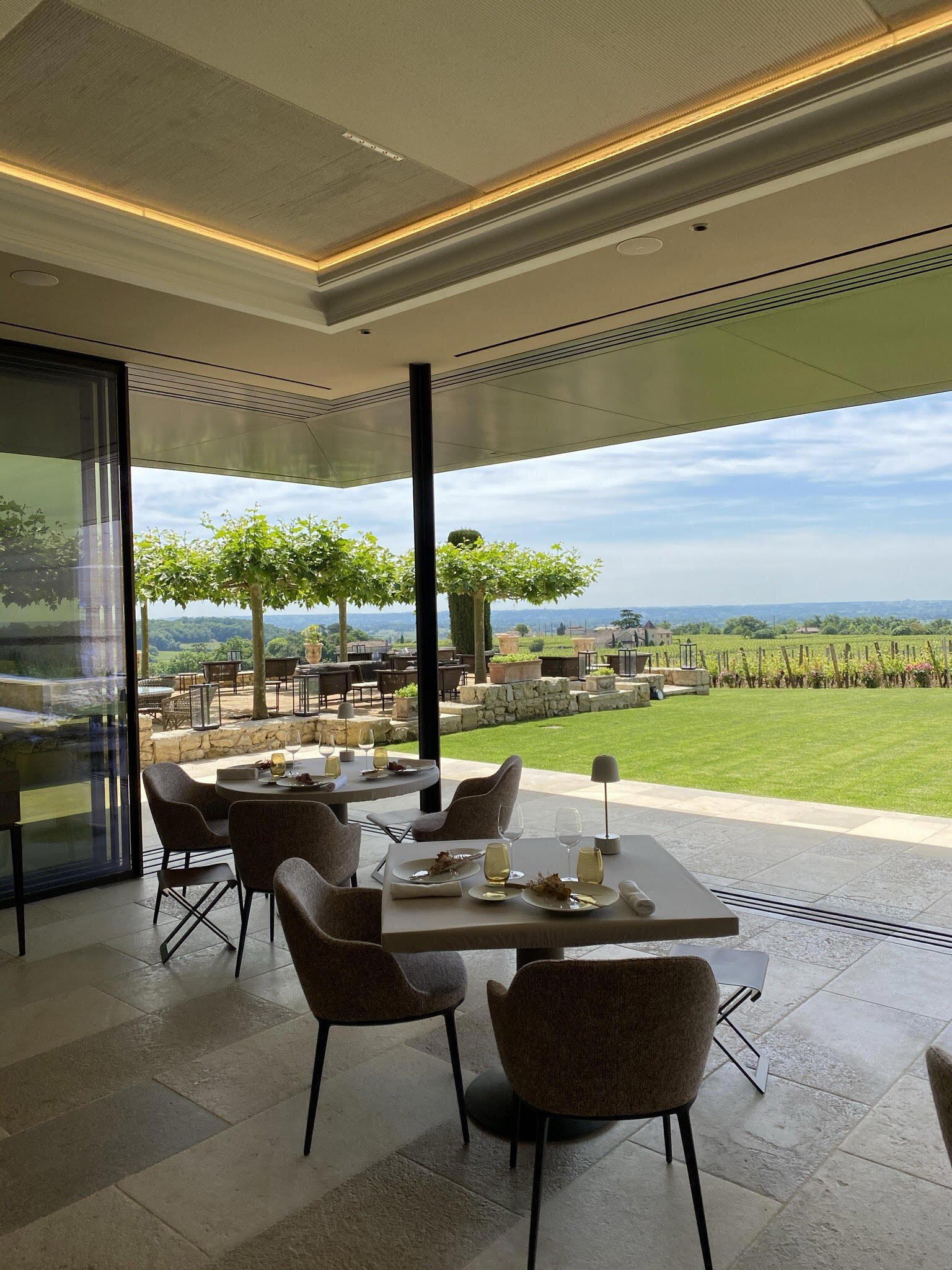
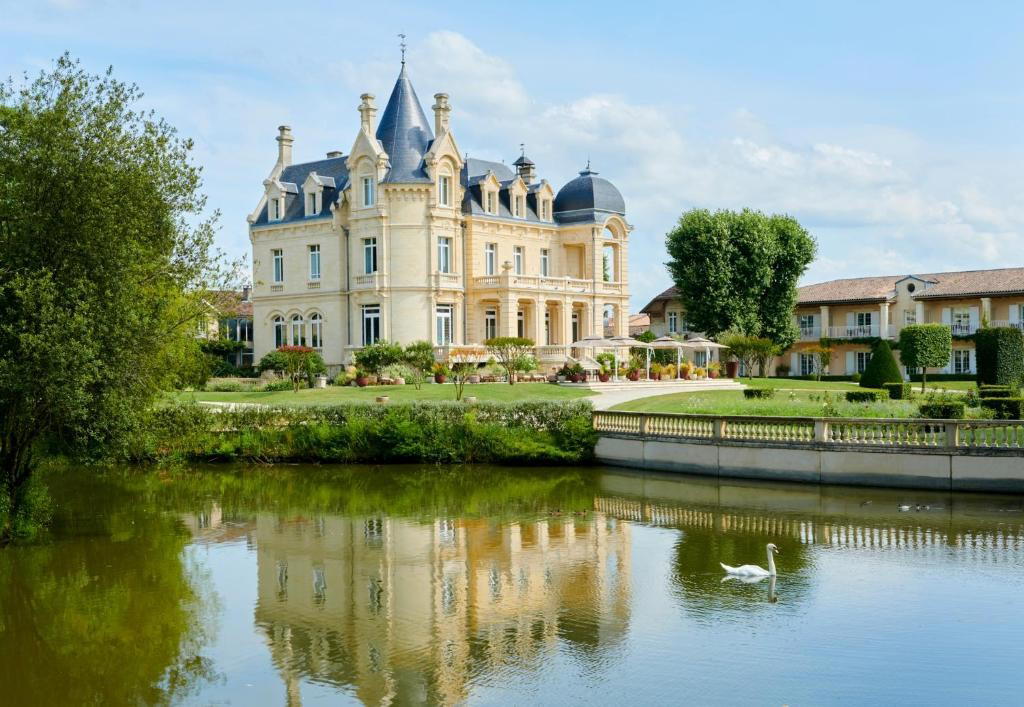
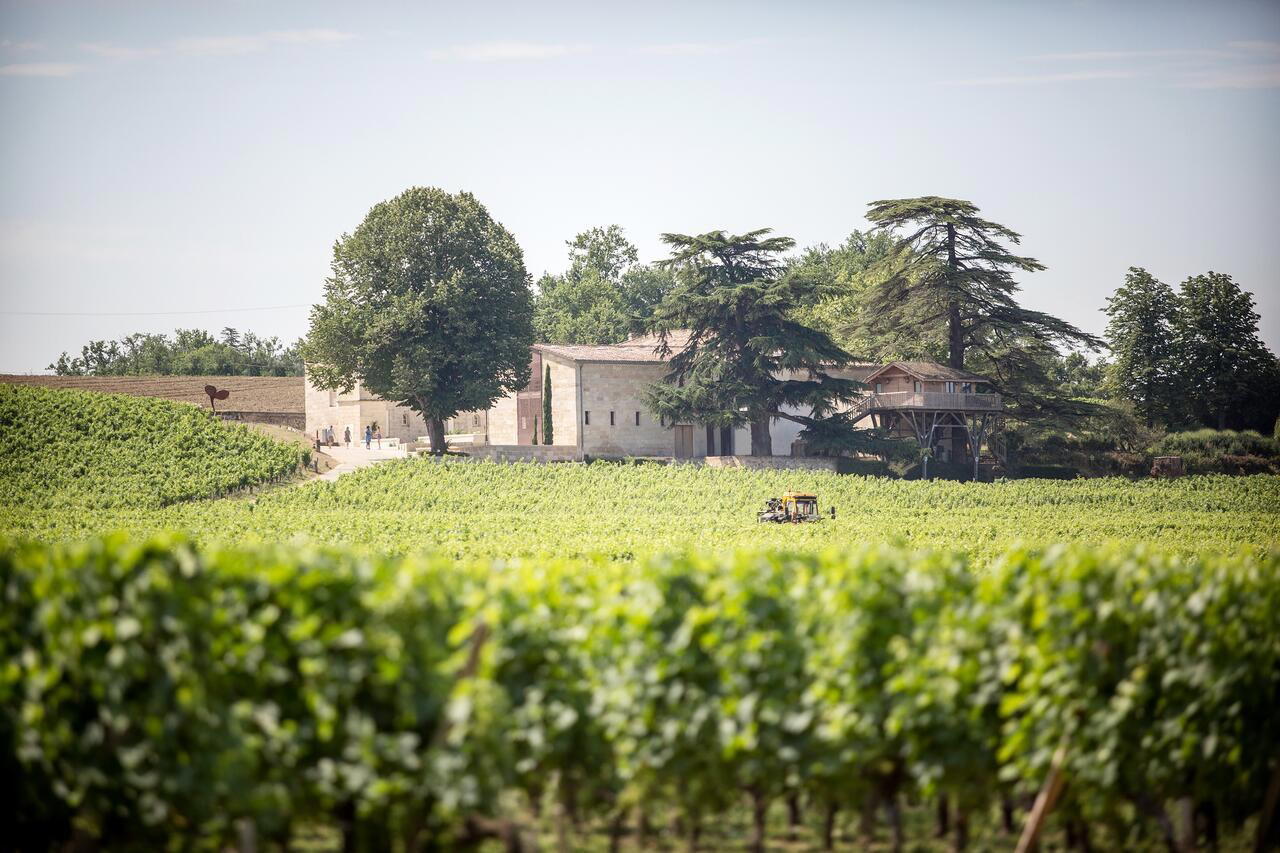
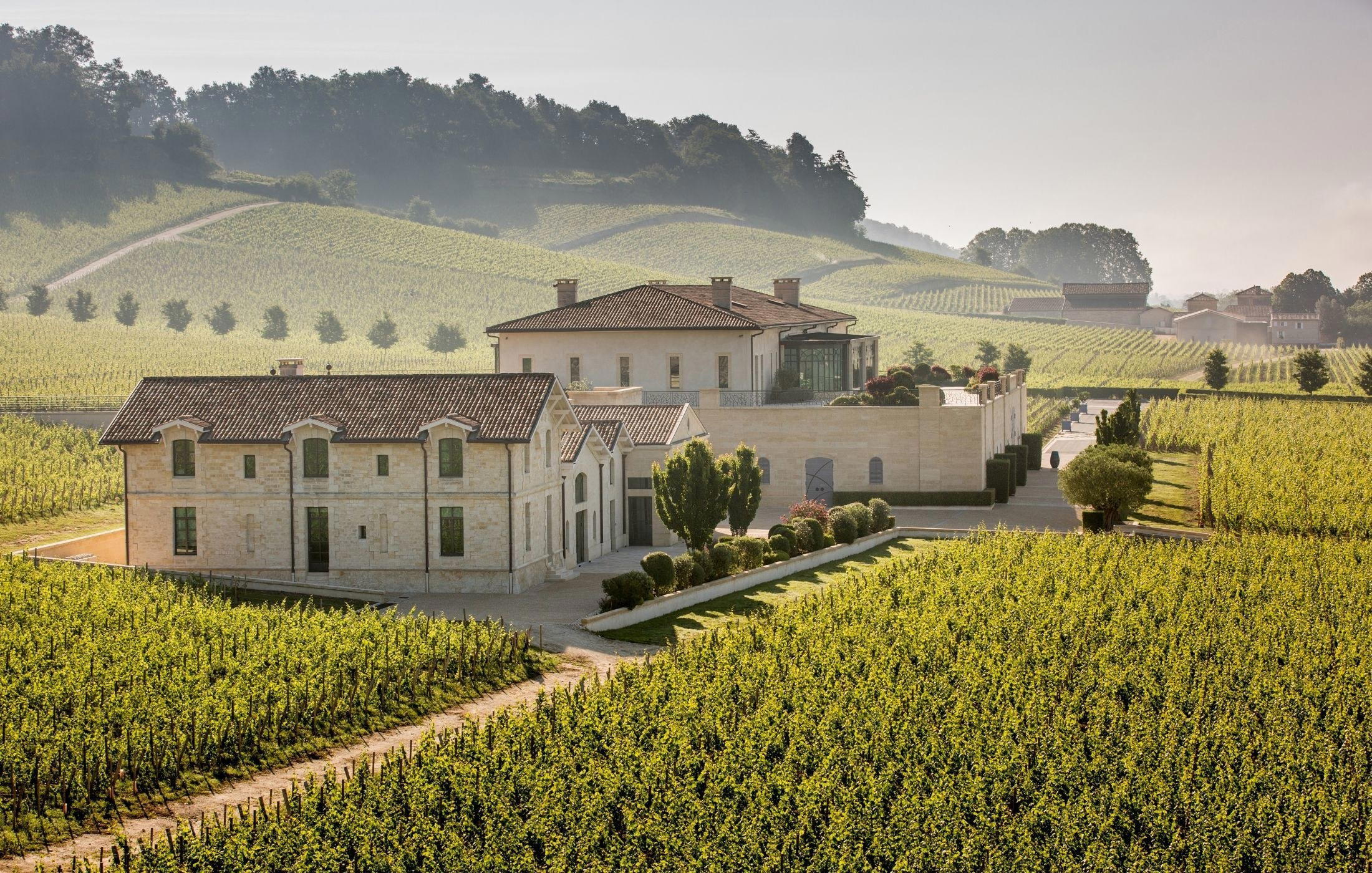
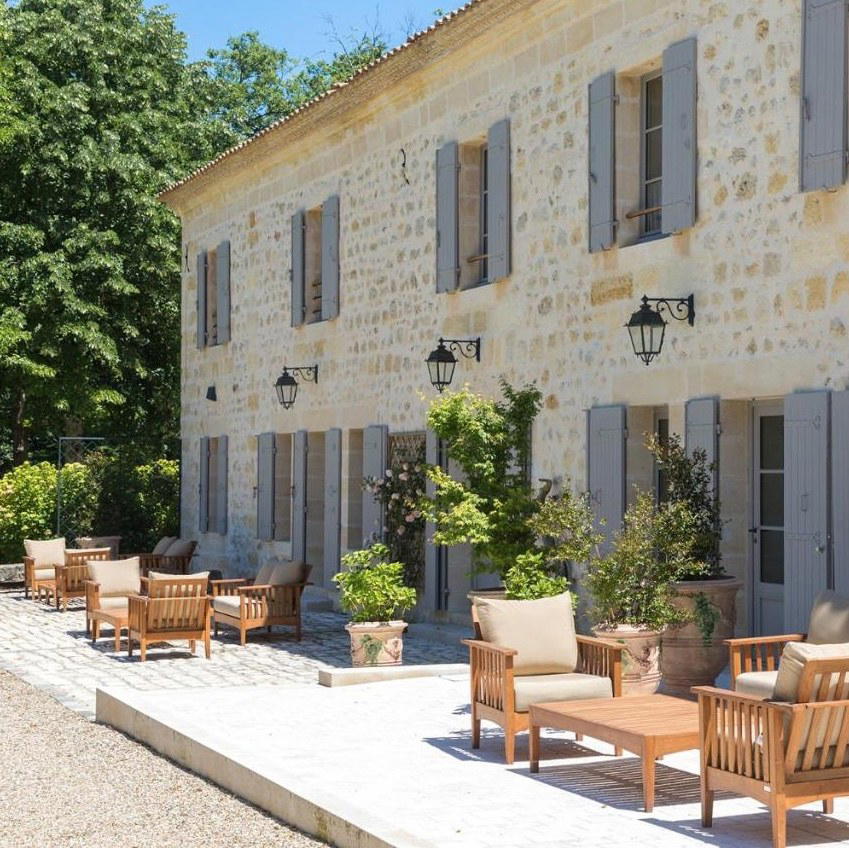
A prestigious, tranquil château setting with varied terroir, historic vineyard surroundings, and a hands-on, experiential atmosphere focused on sensory discovery.