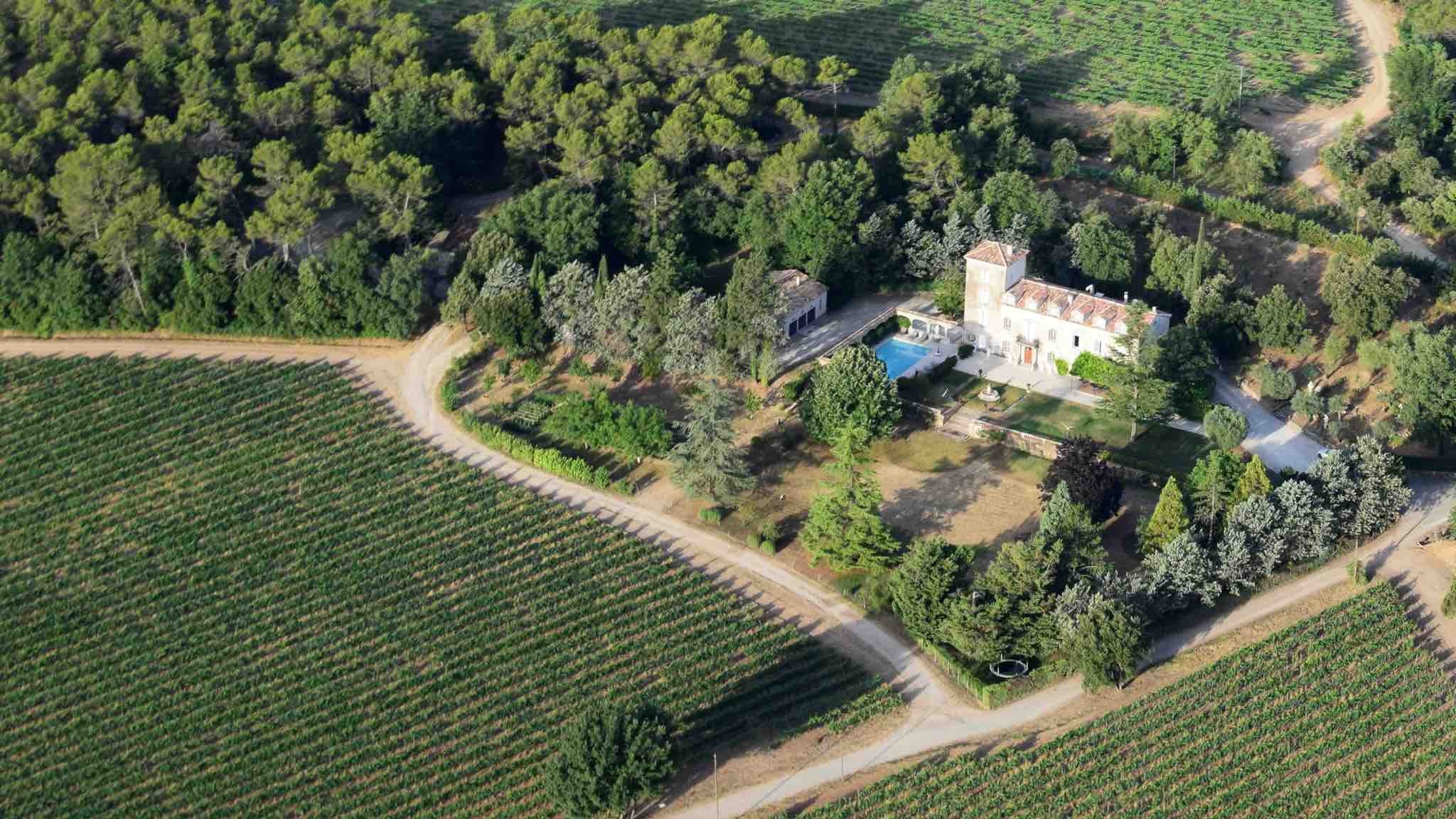
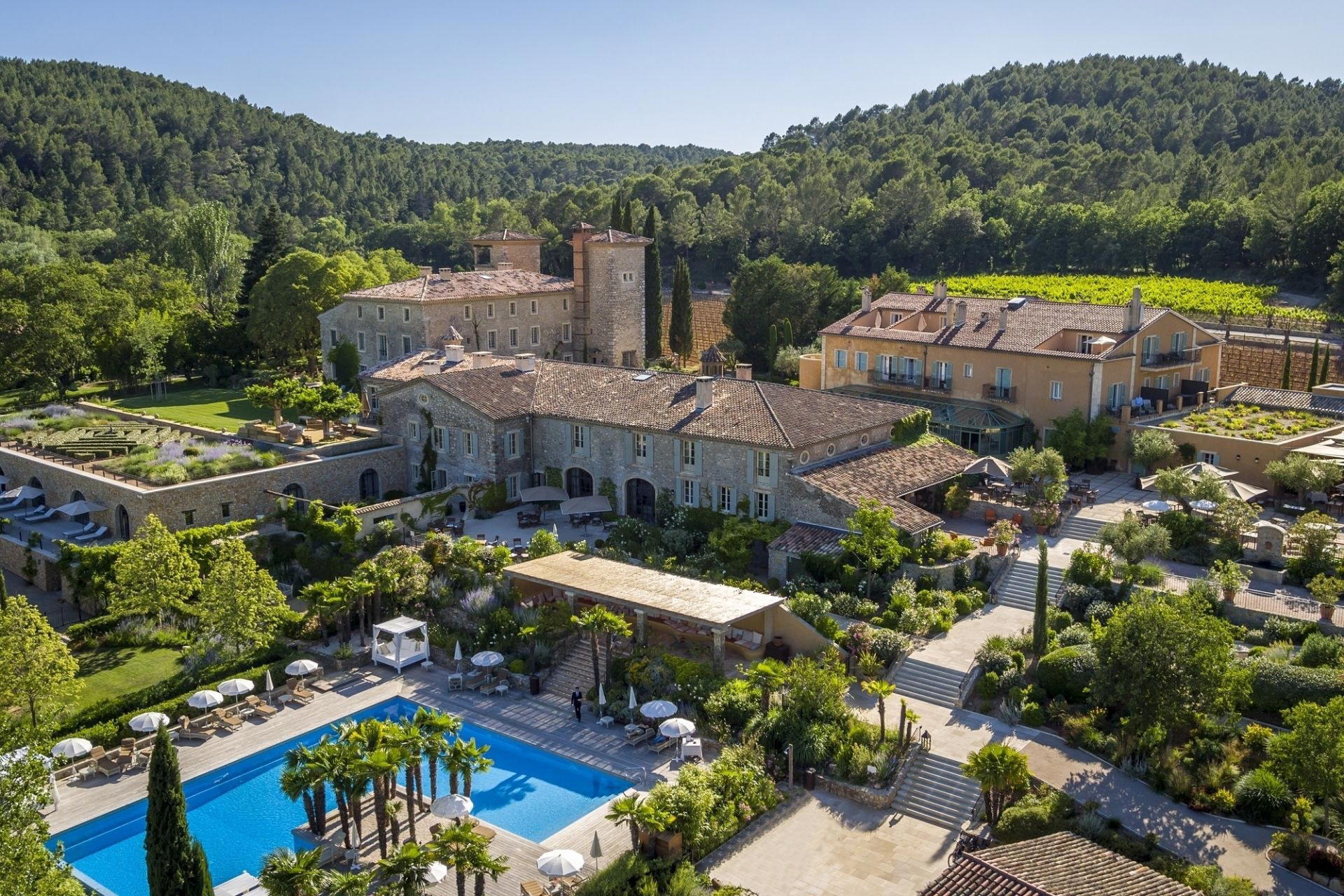
Château de Saint-Martin sits in the Var département of Provence, where winemaker Adeline de Barry works land that has shaped this estate's identity over generations. For those tracing Provençal viticulture beyond the rosé mainstream, this address in Taradeau rewards attention.
Pearl is the En Primeur Club membership app — saves, bookings, and concierge access live there. Same editors, same standards.
- Address
- 614 Rte des Arcs, 83460 Taradeau
- Phone
- +33 4 94 99 76 76
- Website
- chateaudesaintmartin.com
- Directions
- Get directions
 Saves & bookings on Pearl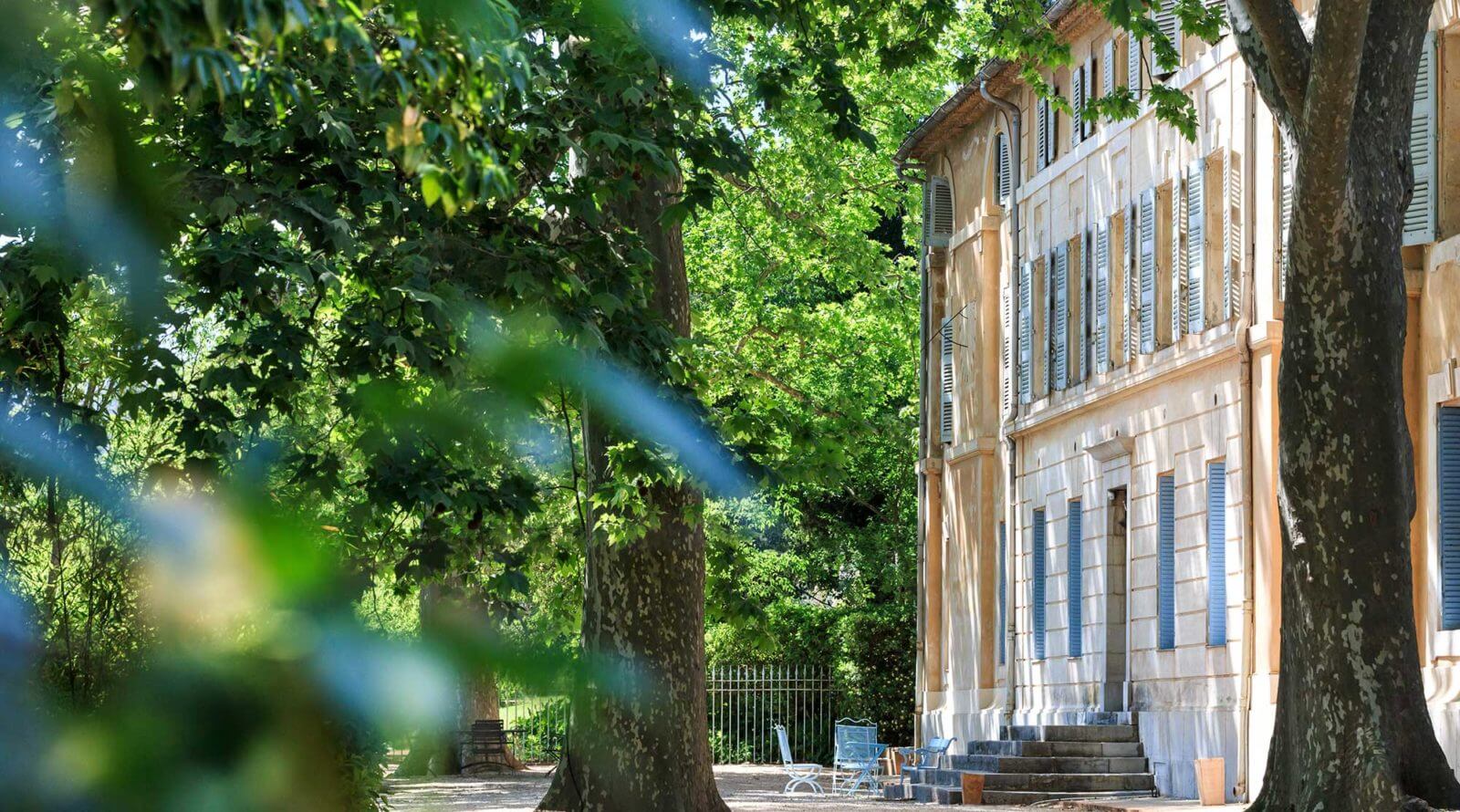
Stone, Garrigue, and the Var's Particular Logic
The Var département occupies a specific climatic pocket within Provence: lower in elevation than the Alpilles, drier than the coastal appellation zones, and marked by a limestone and clay subsoil that resists the overripe tendencies that warm Mediterranean summers can impose on less fortunate sites. Arriving at 614 Route des Arcs in Taradeau, the terrain makes an immediate argument. The surrounding garrigue, rosemary, thyme, cistus, is not decorative; it shares soil chemistry with the vineyard rows, and the herbal register that characterises wines from this part of the Var has a literal, traceable origin in the land itself. This is the kind of site where terroir is not a marketing abstraction but a set of verifiable agricultural conditions.
Château de Saint-Martin is positioned within that context, and winemaker Comtesse de Gasquet works with those conditions as the primary material. The estate's address places it in the commune of Taradeau, within reach of the Les Arcs-sur-Argens appellation zone, territory where the Côtes de Provence designation covers a broad range of styles, but where the better estates have historically distinguished themselves through site discipline rather than volume production. Serious Provençal wine, at this level, is about restraint in extraction and fidelity to what the soil actually gives rather than what intervention can impose.
Where Château de Saint-Martin Sits in the Provençal Field
Provence's wine reputation internationally has been almost entirely captured by rosé, a category that exploded commercially over the past fifteen years. Estates like Château d'Esclans in Courthézon helped define the premium end of that shift, pushing Provençal rosé into fine wine territory. But the region's serious red and white production has always existed in parallel, less visible commercially but well-regarded among buyers who look at the Var with the same scrutiny they apply to lesser-known appellations in Bordeaux or the Loire.
That credential matters as a comparative signal: it locates the estate not among entry-level Côtes de Provence volume producers but alongside estates where wine quality is the primary metric. Comparable wine properties earning sustained recognition in their respective regions, from Château Bélair-Monange in Saint-Emilion to Albert Boxler in Niedermorschwihr, earn that recognition through depth of terroir expression over time, not through a single strong release.
In the broader Provençal field, Saint-Martin's position in Taradeau also differentiates it geographically from estates clustered closer to the coast or the Bandol zone. The inland Var sites around Les Arcs and Taradeau tend to produce wines with more structural backbone and less of the saline coastal character, a distinction that matters when assessing long-term aging potential and food compatibility. For those comparing across French appellations, the structural profile here is closer in logic to what you find at Château Branaire Ducru in St-Julien or Château Cantemerle in Haut-Médoc, wines where structure and restraint are the signature rather than immediate fruit weight.
The Winemaker's Role in a Terroir-Driven Program
Adeline de Barry's presence as winemaker is the relevant credential here, not as biographical subject but as a signal about the estate's direction. In Provence, where the market pressure toward commercial rosé is substantial, a named winemaker with a clear terroir-focused brief indicates that the estate is operating with a different set of priorities. The decision to have identifiable winemaking leadership at this level is itself a positioning statement: it aligns Saint-Martin with estates where individual vineyards and seasonal variation are tracked and communicated, rather than blended away into a consistent house style.
This approach parallels what distinguishes the serious tier across French wine regions. At Château Clinet in Pomerol, or at Château Boyd-Cantenac in Cantenac, the winemaking identity is legible in the wine's structure and reflects a consistent site philosophy. The same logic applies here: de Barry's role signals that the estate's output is the product of deliberate, site-aware decisions rather than formula production.
Planning a Visit: What to Know Before You Go
Château de Saint-Martin sits at 614 Route des Arcs in Taradeau, in the Var département of Provence. The estate is accessible from the A8 autoroute, with Les Arcs-sur-Argens the nearest significant transport point. The surrounding area, including the village of La Motte, offers a range of accommodation options suited to a longer stay in the Var, and the estate's location places it within reach of both the hill villages of the Haut-Var and the coastal towns of the Côte d'Azur. For those building a broader itinerary around serious French wine production, the Var sits within a day's drive of the southern Rhône, making combined visits, to producers like Château Bastor-Lamontagne in Preignac or Château d'Arche in Sauternes, a realistic option for wine-focused trips through southern France.
What the 2025 Award Recognition Means in Practice
For the buyer, this is useful: it confirms a track record, not a single performance. Comparable estates recognised at this tier in other French regions, from Château Batailley in Pauillac to Château Dauzac in Labarde, have demonstrated that sustained recognition at this level correlates with consistent site management and winemaking discipline across multiple vintages.
For the winery, the 2025 recognition is one recent documented signal of quality in the public record. It positions the estate as a reference point within the Var's serious wine tier, and for buyers or visitors approaching Provençal wine with a critical rather than casual interest, that credential is a reliable starting point. The broader category of recognised Provençal estates, from the Côtes de Provence heartland to the more niche appellations of the inland Var, is not large, which gives individual award-holders like this estate a clearer market identity than the sheer volume of Provençal labels might otherwise suggest.
How It Stacks Up
Comparable venues nearby, for context on price, style, and recognition.
| Venue | Cuisine | Price | Notes |
|---|---|---|---|
| Château de Saint-MartinThis venue — the venue you are viewing | Grenache, Syrah | $$$ | Not listed |
| Château Sainte-Roseline | Grenache, Syrah | $$$ | Les Arcs-sur-Argens |
| Château Simone | Clairette, Grenache | $$$ | Meyreuil |
| Château de Roquefort | Grenache Noir, Syrah | $$$ | Taradeau |
| Château de Ferrand | Merlot, Cabernet Franc | $$$ | Saint-Hippolyte |
| Domaine Pierre Usseglio | Grenache, Syrah | $$$ | Châteauneuf-du-Pape |
Continue exploring
More in La Motte
Wineries in La Motte
Browse all →
Bars in La Motte
Browse all →
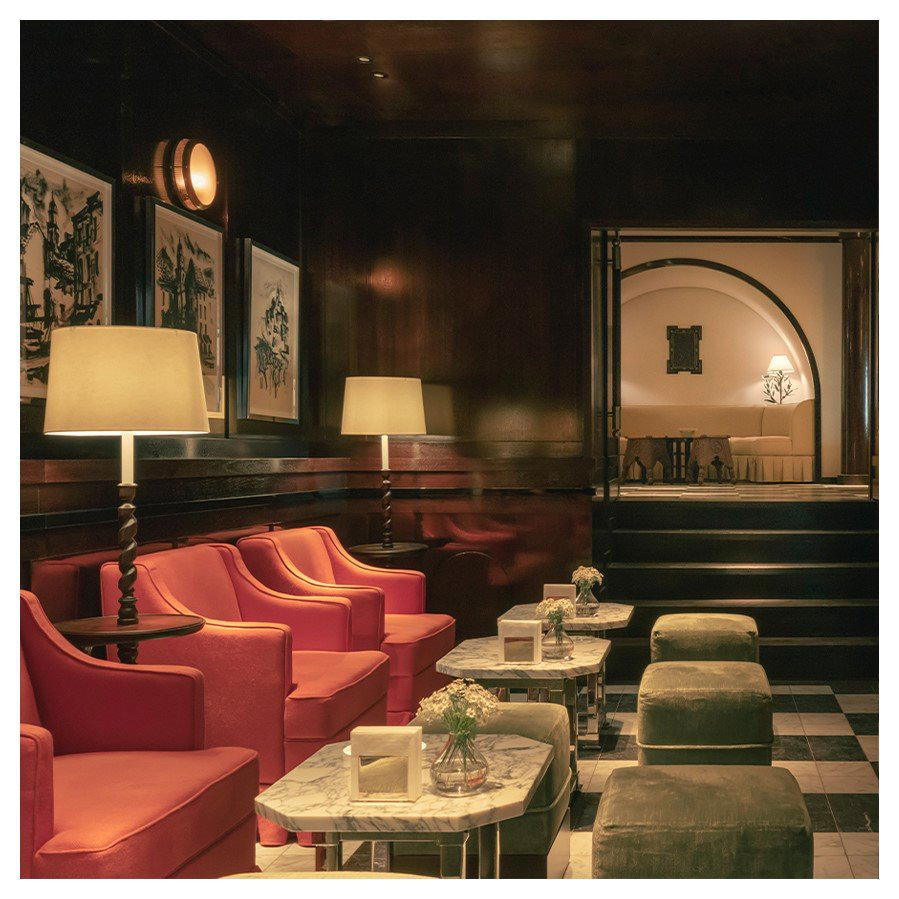
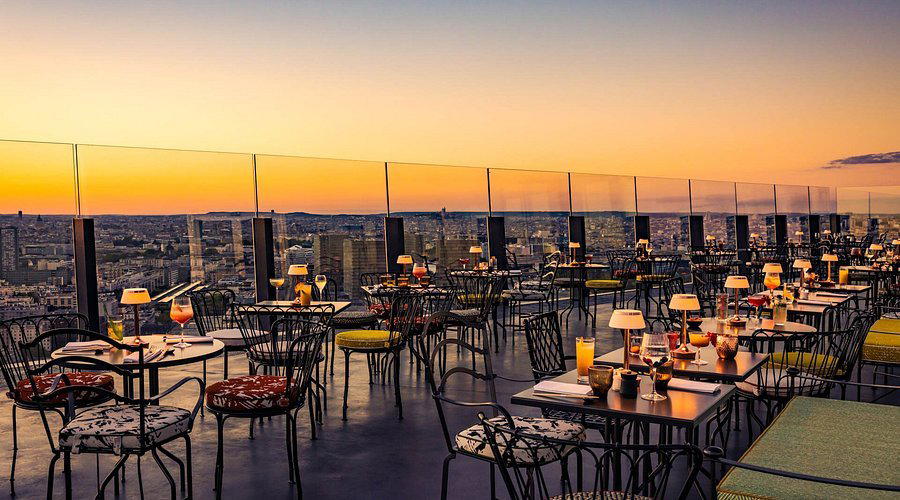
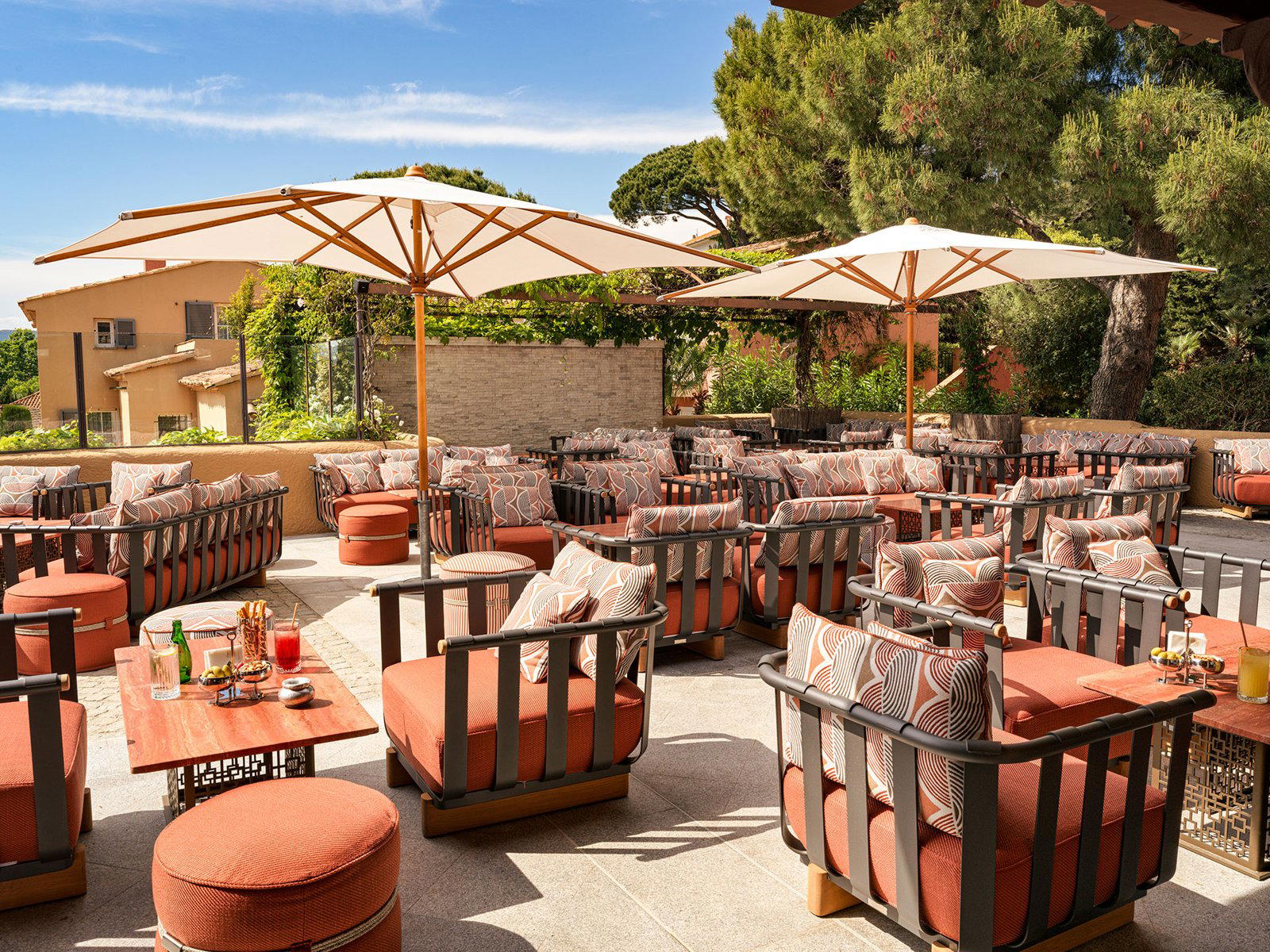
Restaurants in La Motte
Browse all →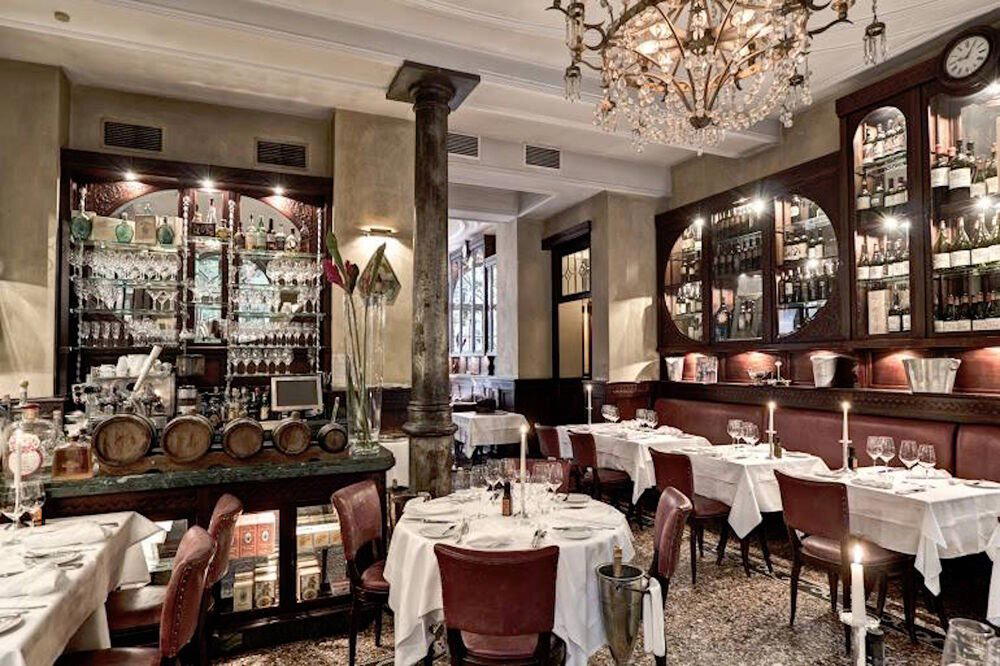
At a Glance
- Elegant
- Classic
- Scenic
- Rustic
- Wine Education
- Special Occasion
- Cave Tasting
- Vineyard Tour
- Historic Building
- Terrace
- Sustainable
- Vineyard
- Côtes De Provence Cru Classé
- Grenache
- Syrah
- Mourvèdre
- Still Red
- Still White
- Still Rosé
- Cave Tasting
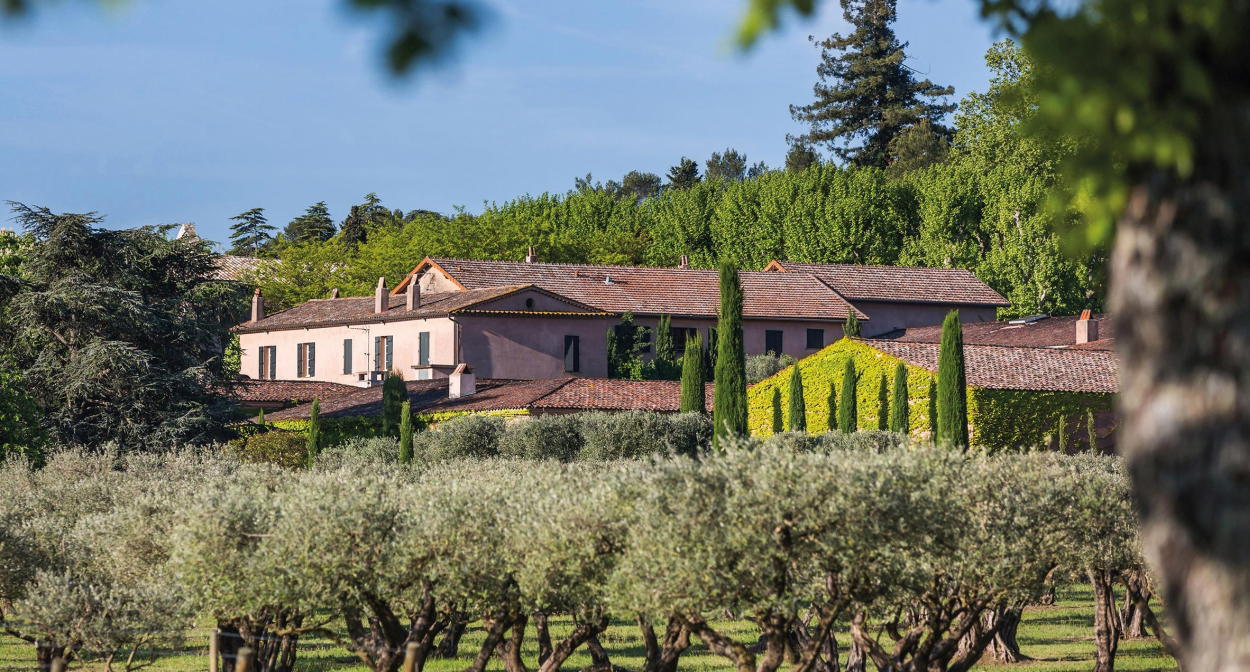
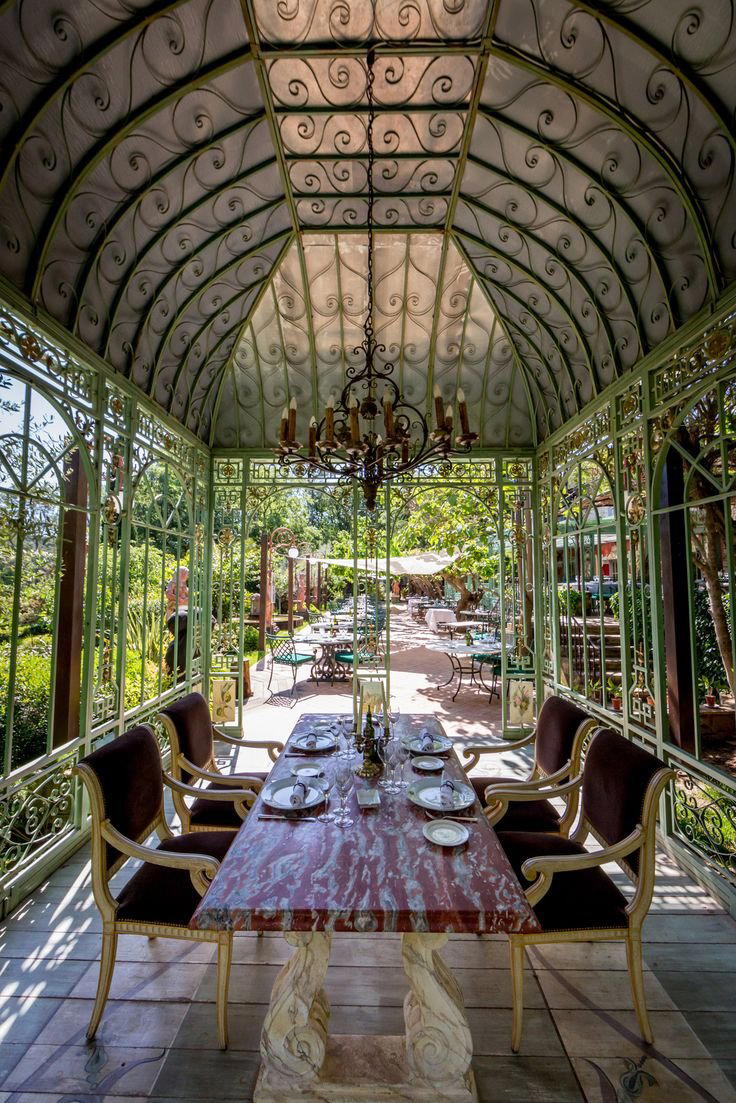
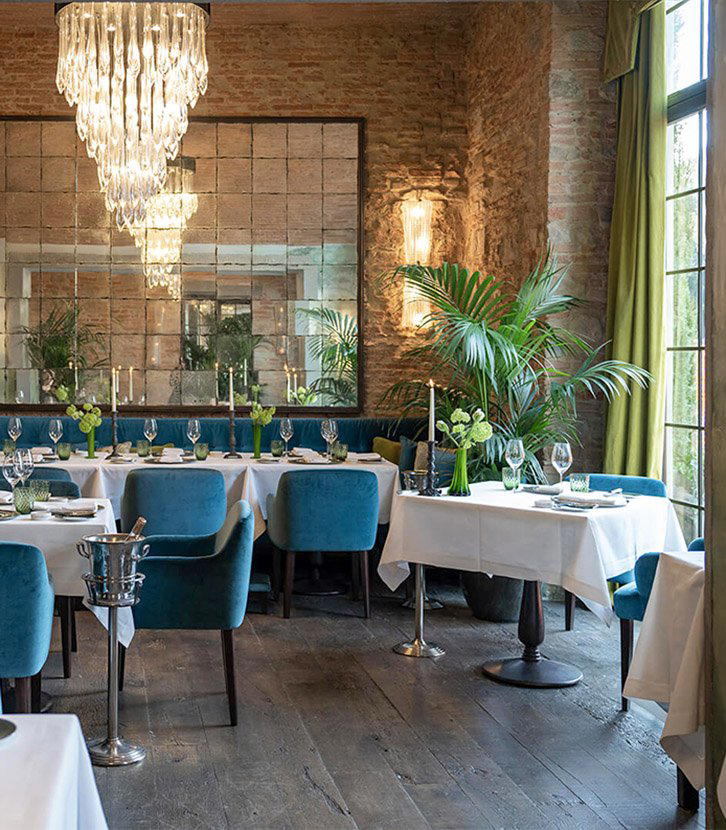
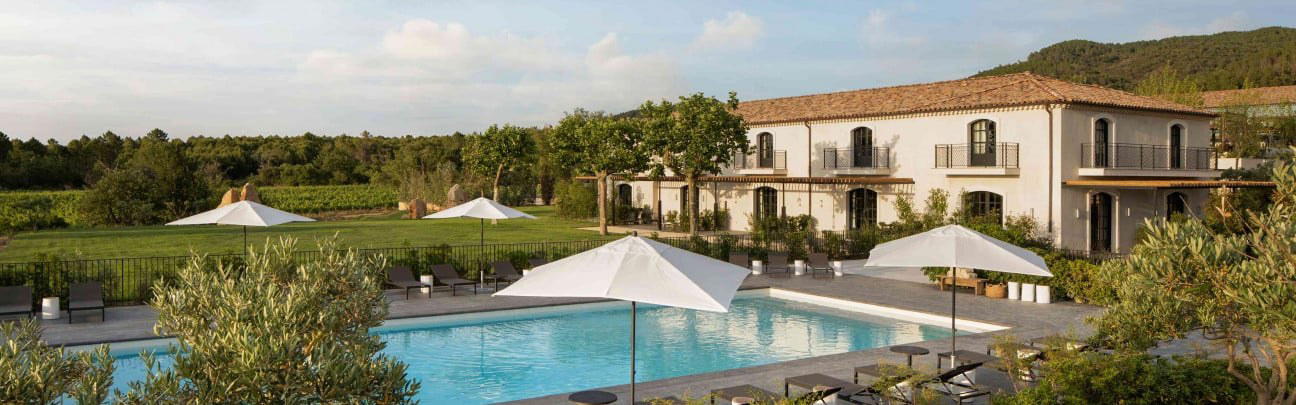
Beautiful chateau surrounded by vineyards with a warm, welcoming Provençal atmosphere.