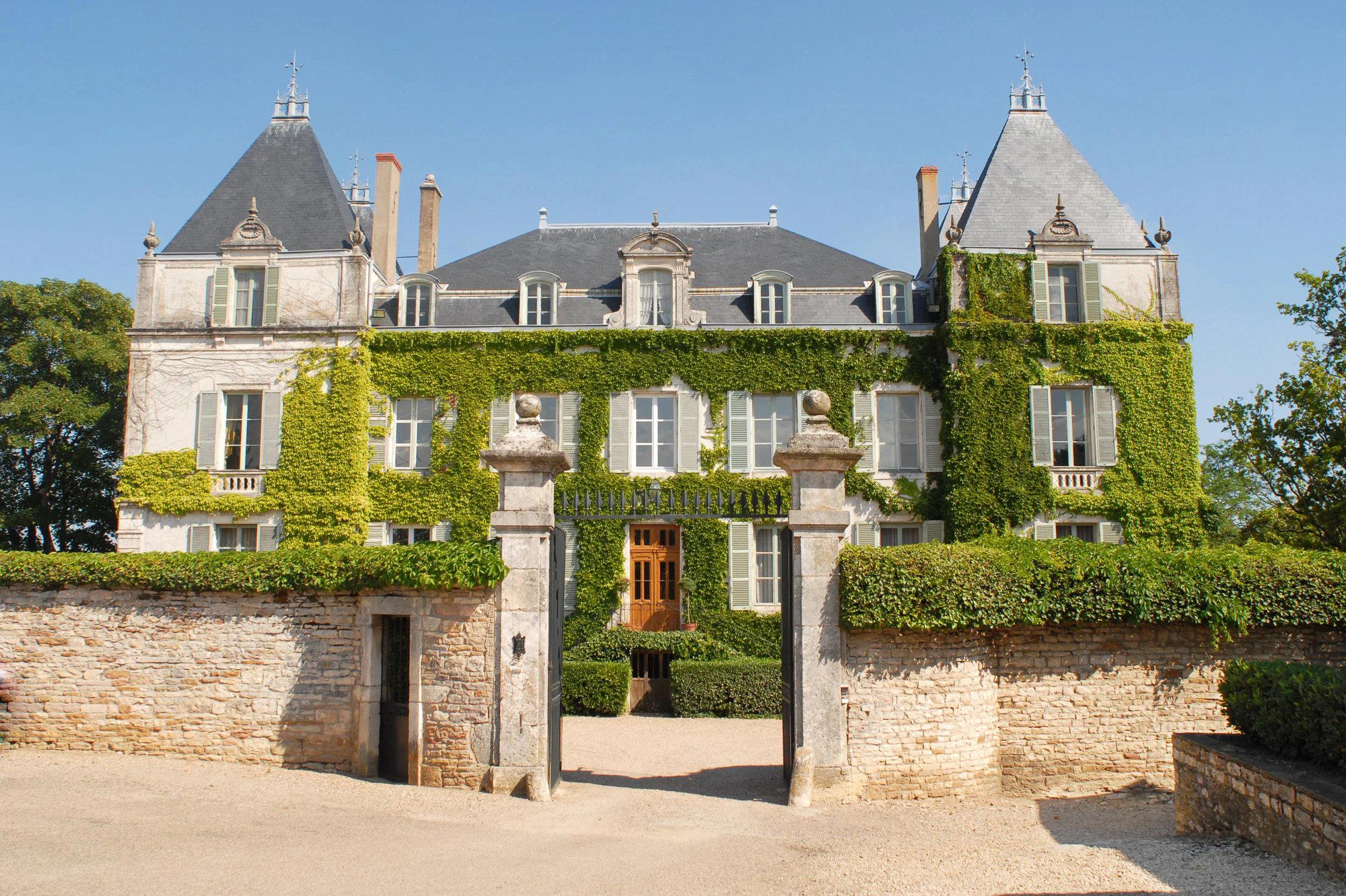
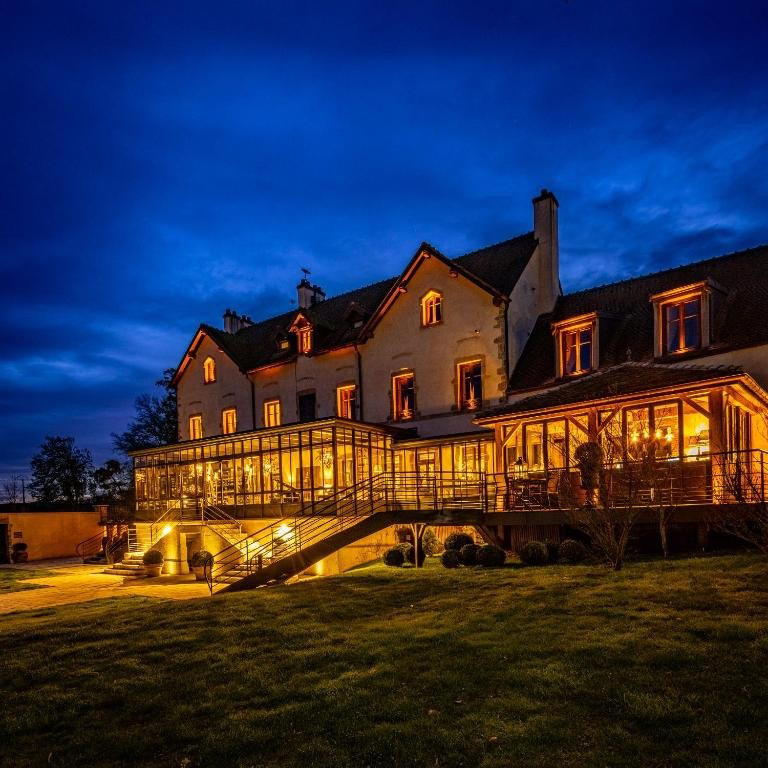
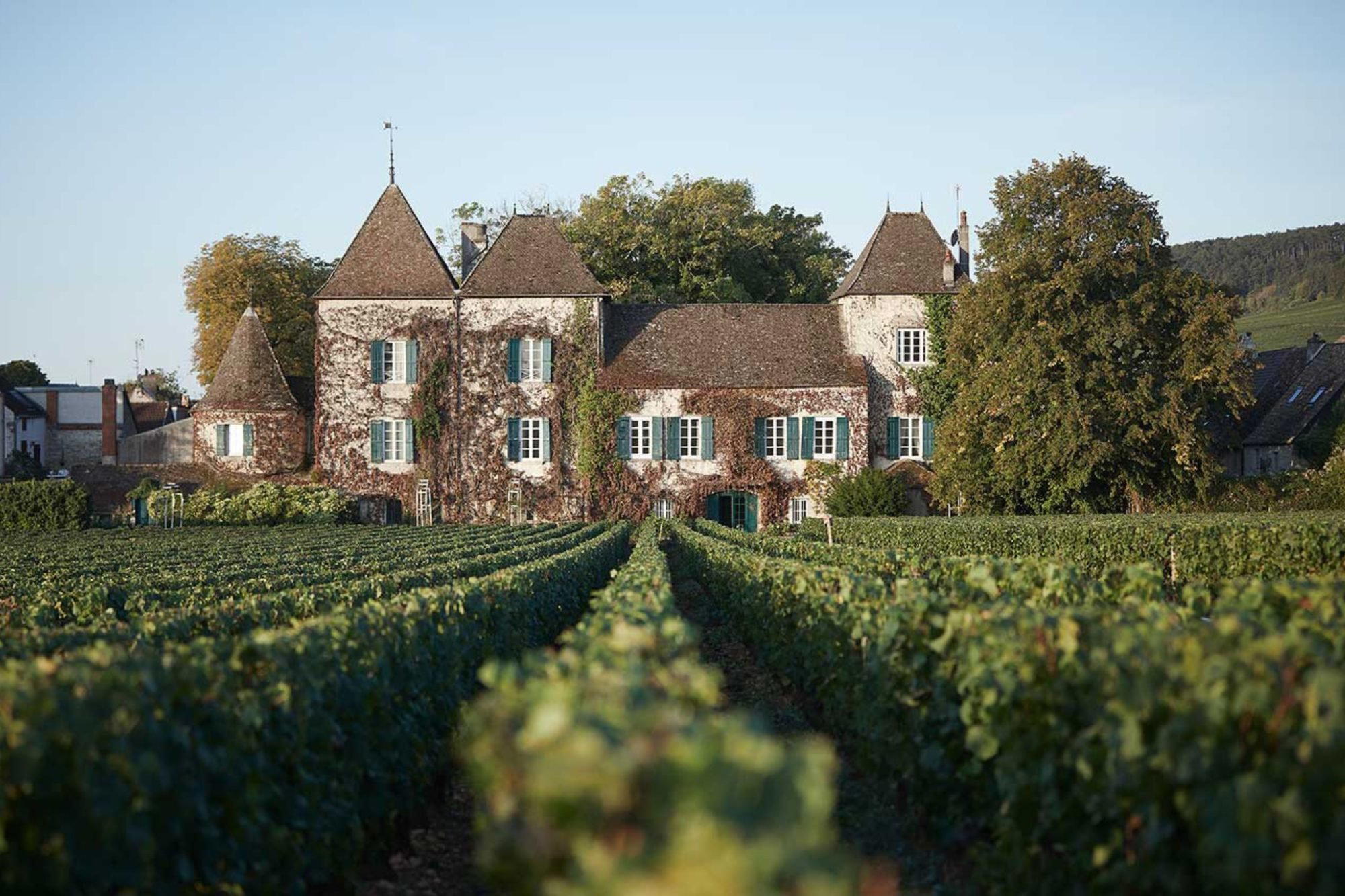
Château de Chamirey sits at the heart of Mercurey, one of the Côte Chalonnaise's most serious red wine villages. Visit for the wines and the terrain that shapes them.

Pearl is the En Primeur Club membership app — saves, bookings, and concierge access live there. Same editors, same standards.
- Address
- Rue du Château, 71640 Mercurey
- Phone
- +33 3 85 44 53 20
- Website
- chamirey.com
- Directions
- Get directions
Where the Côte Chalonnaise Argues Its Case
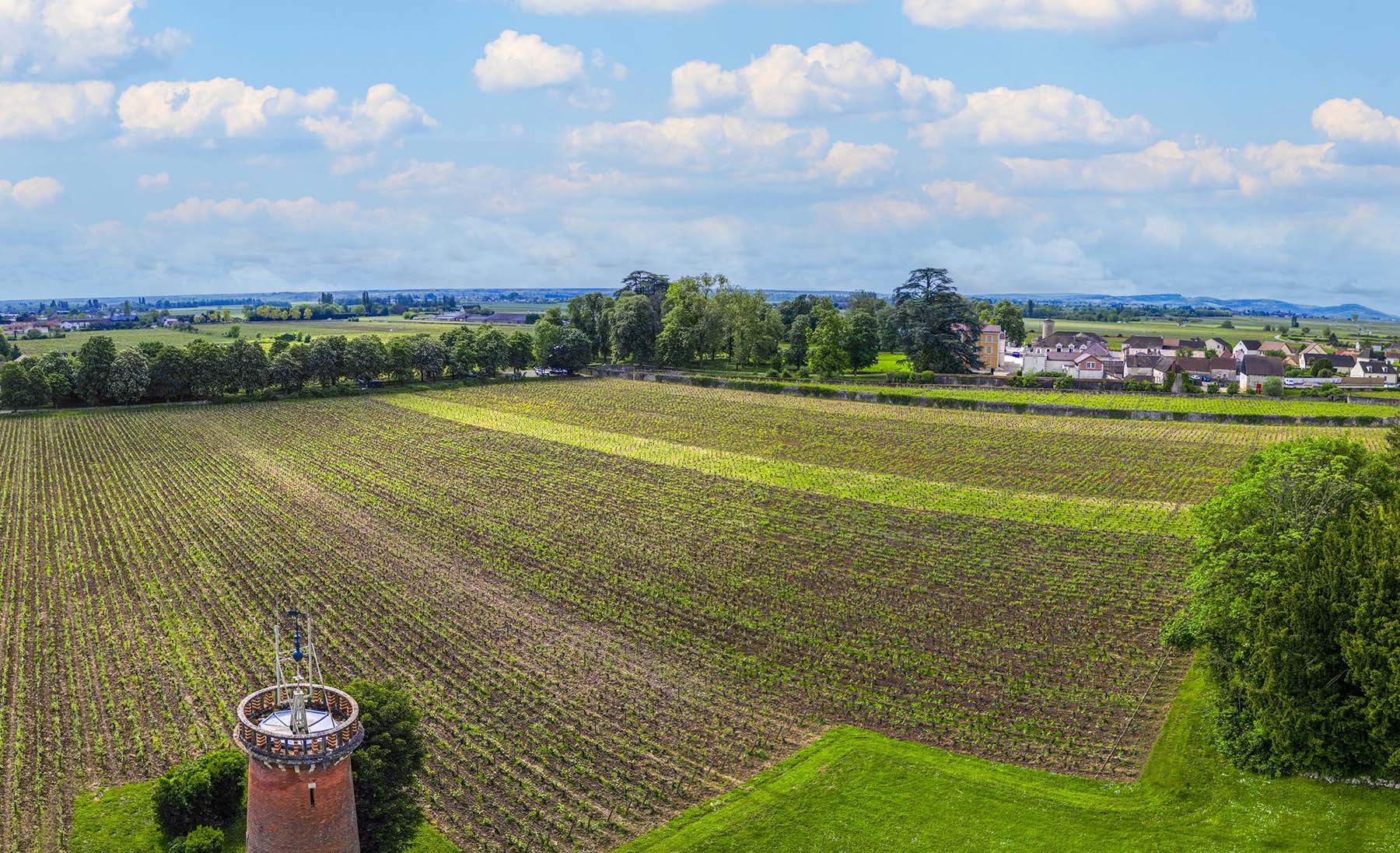
Arrive in Mercurey on a clear morning and the argument the village makes for itself is largely visual. The limestone escarpments that define the Côte de Beaune give way here to something less dramatic but no less purposeful: gentler slopes, clay-rich soils threaded with Jurassic limestone, and a cooler, more Continental microclimate than the grands crus to the north. This is Côte Chalonnaise terrain, and it produces Pinot Noir and Chardonnay that carry the region's own register rather than imitating Burgundy's better-known addresses. Château de Chamirey, on the Rue du Château in Mercurey's 71640 postcode, is among the estates that give this village its reputation for red wine seriousness.
Mercurey is the Côte Chalonnaise's largest appellation by volume, and historically the one with the strongest claim to Premier Cru complexity. That history matters when assessing where Château de Chamirey sits in the regional picture. For the reader accustomed to tracking Bordeaux estates like Château Batailley in Pauillac or Château Branaire Ducru in St-Julien, Chamirey represents a different proposition entirely: Burgundian in structure, Chalonnaise in price positioning, and increasingly confident in its own identity.
Soil as the Protagonist
The editorial case for Mercurey has always rested on geology. The appellation's leading plots sit on east and southeast-facing slopes where Oxfordian and Bathonian limestone outcrops create drainage conditions that concentrate flavour in Pinot Noir without requiring intervention. Clay content varies significantly across the commune, and the parcels that deliver the most textured, age-worthy reds tend to be those where limestone subsoil moderates moisture retention without stripping the vine of the vigour it needs in cooler years.
Château de Chamirey's position within this mosaic is central to understanding its wines. Unlike the more famous estates of the Côte de Nuits, where individual terroir plots have centuries of documented performance, Mercurey Premiers Crus operate in a less fetishised but increasingly rigorous critical environment. That credentialling matters in a region where buyer trust has historically defaulted to northern Burgundy addresses.
For a wider view of how French estate wines respond to their geological settings, the contrast with Albert Boxler in Niedermorschwihr is instructive: both estates draw their identity from specific soil types rather than appellation prestige, and both reward the visitor who arrives with some knowledge of how the land functions. Similarly, Château Bélair-Monange in Saint-Emilion demonstrates how limestone plateau terroir can produce structured reds that age on a longer curve than their appellation classification might suggest.
Reading Mercurey Through the Vintage Record
The Côte Chalonnaise is more vintage-sensitive than the Côte de Beaune, and Mercurey more so than Givry or Rully. In cooler, wetter years, the clay content in lower-lying parcels can produce wines with herbaceous edges and lower physiological ripeness. In warmer, drier years, the same clay provides a reservoir that prevents the stress-driven jammy concentration that afflicts some Côte de Nuits sites. The sweet spot, when Mercurey performs at its most complete, arrives in moderate vintages with good mid-summer sun and a long, gradual autumn. In these conditions, Pinot Noir from the better Mercurey sites achieves a combination of red-fruit precision, firm but resolving tannin, and the kind of mineral tension that earmarks a wine for a decade or more in bottle.
Understanding this vintage dynamic is the single most useful piece of knowledge to bring to a visit at Château de Chamirey. Visitors who track the Côte Chalonnaise through independent critical coverage will find Mercurey's trajectory broadly upward, driven partly by climate shift extending the viable growing window and partly by a generation of producers applying tighter cellar discipline than their predecessors.
Estates in appellations further afield that face analogous vintage variability challenges include Château Clinet in Pomerol and Château Cantemerle in Haut-Médoc, where clay-dominant soils likewise produce wines that reward patience and penalise premature opening in less-ripe vintages.
Where Chamirey Sits in the Competitive Picture
Mercurey operates in an interesting commercial space. It is priced well below the Côte de Nuits Premiers Crus that it can rival qualitatively in good vintages, and it attracts a buyer profile that values substance over label recognition. Not every Mercurey producer targets this tier; many operate on a regional négociant model that prioritises consistent output over parcel-specific quality.
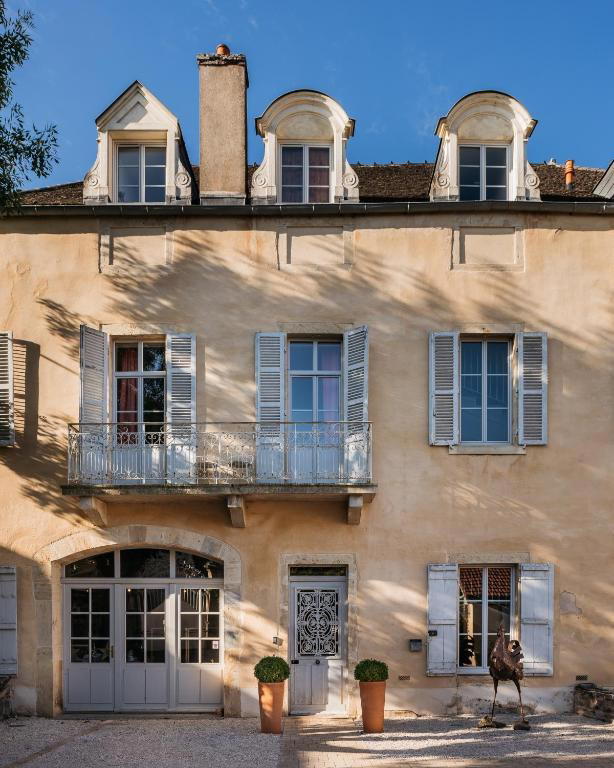
The estate's address on the Rue du Château in Mercurey positions it in the village core rather than on an outlying domaine, which has logistical implications for visits. Mercurey is accessible from Chalon-sur-Saône (approximately 25 kilometres to the east) and sits on the D978, the main road that threads through the Côte Chalonnaise wine villages. Planning a visit to fit within a broader Burgundy itinerary is direct; the village is small enough to cover on foot but sufficiently well-connected to serve as a half-day stop from a Beaune or Chalon base.
For readers building a broader French wine estate itinerary, complementary stops in adjacent categories include Château d'Arche in Sauternes, Château Boyd-Cantenac in Cantenac, and Château Bastor-Lamontagne in Preignac. Those pursuing estates with an emphasis on terroir-driven whites might also consider Chartreuse in Voiron and Château Dauzac in Labarde as bookends to a France-wide property circuit. For context on how allocation models and prestige tiers operate in a contrasting new-world setting, Accendo Cellars in St. Helena and Château d'Esclans in Courthézon offer useful reference points. For whisky estates that share the same patient, terroir-conscious production philosophy, Aberlour in Aberlour is a worthwhile comparison.
See our full Mercurey restaurants guide for context on where to eat and drink across the village.
Planning Your Visit
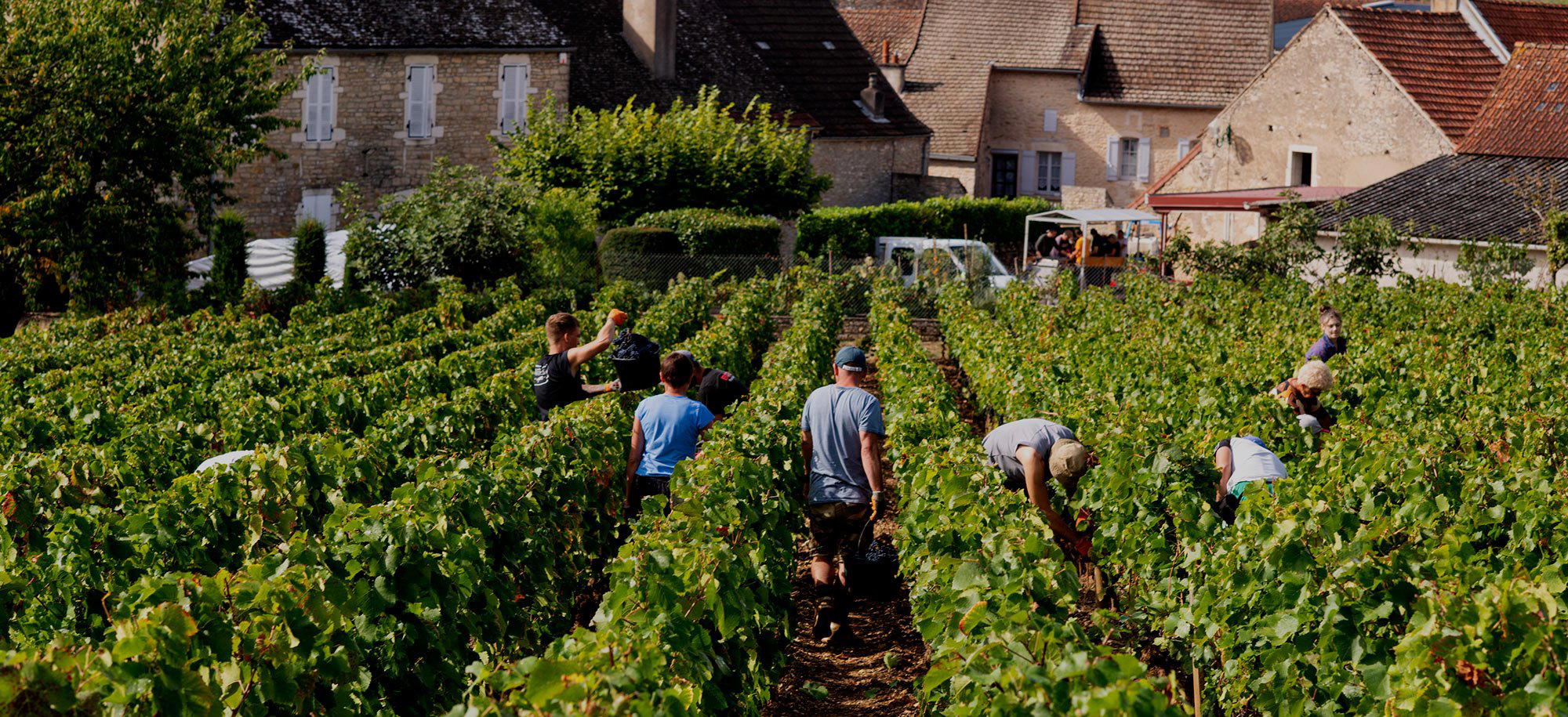
Mercurey is a working wine village, not a tourism campus, and visits to estates like Château de Chamirey benefit from prior contact. The estate does not publish hours or a direct booking portal in public directories, so reaching out in advance by post or through intermediary wine travel agencies is the conventional approach for tasting appointments. The Côte Chalonnaise harvest window runs from early to mid-September in most vintages, making late September through October a period when estate access may be restricted. Spring and early summer, between April and July, tends to offer the most flexible appointment windows and the leading opportunity to assess the current and prior-year releases side by side. The village itself rewards a morning arrival: the light on the limestone slopes reads leading before midday, and the main wine road through the Côte Chalonnaise is quieter before the lunch trade builds in Chalon.
A Quick Peer Check
Comparable venues nearby, for context on price, style, and recognition.
| Venue | Cuisine | Price | Awards | Notes |
|---|---|---|---|---|
| Château de ChamireyThis venue — the venue you are viewing | Pinot Noir, Chardonnay | $20–30 | Not listed | Not listed |
| Domaine Pierre Morey | Chardonnay, Pinot Noir | Not listed | Michelin Main Selection · Falstaff Winery - Listed | Meursault |
| Domaine A. & P. de Villaine | Aligoté, Chardonnay | Not listed | Falstaff Winery - Listed | Bouzeron |
| Domaine Yves Boyer-Martenot | Chardonnay, Pinot Noir | Not listed | Not listed | Meursault |
| Domaine Antoine Jobard | Chardonnay, Pinot Noir | Not listed | Falstaff Winery - Listed | Meursault |
| Domaine Henri & Gilles Buisson | Pinot Noir, Chardonnay | Not listed | Michelin 1 Grape · Falstaff Winery - Listed | Saint-Romain |
Continue exploring
More in Mercurey
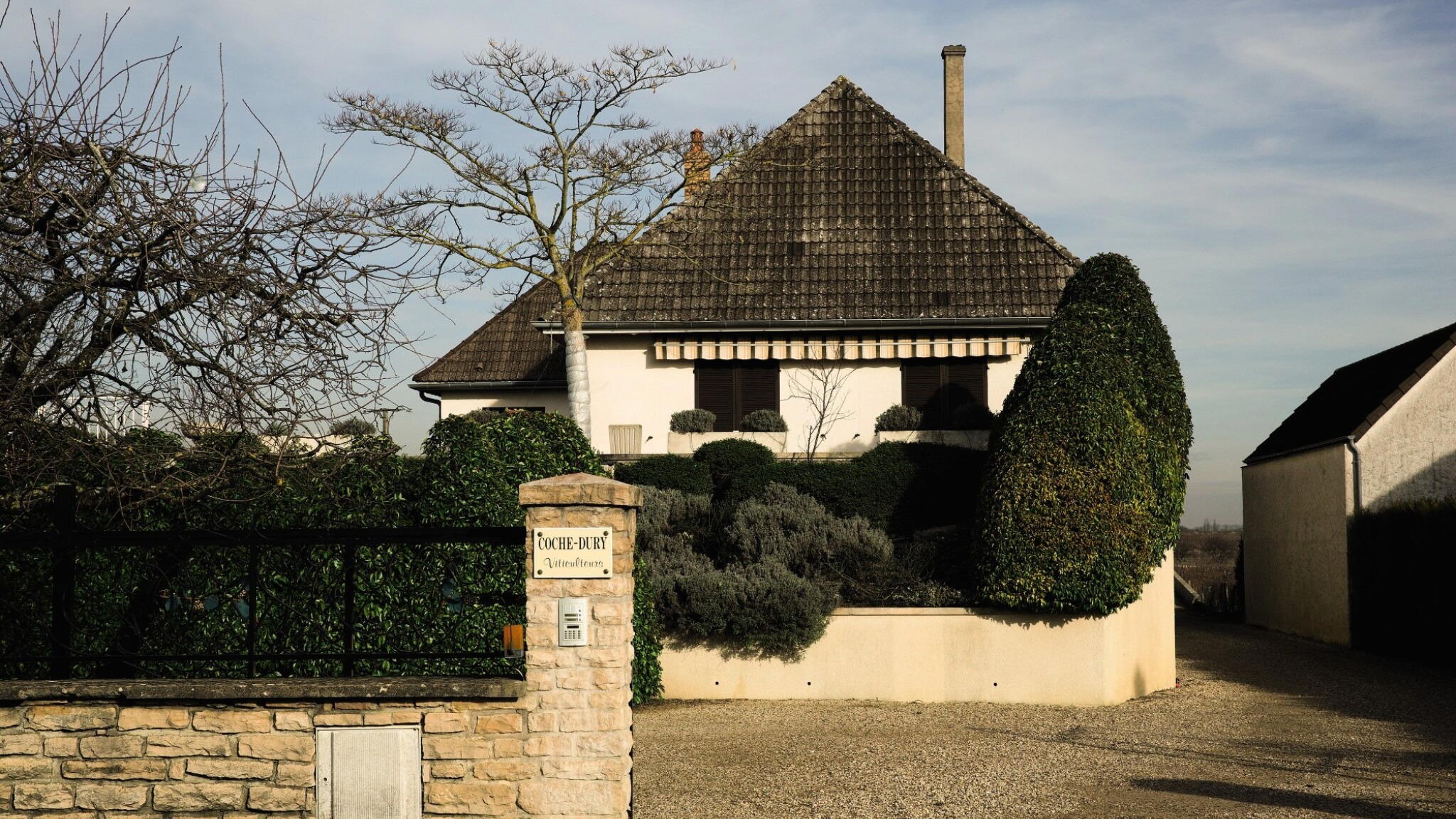
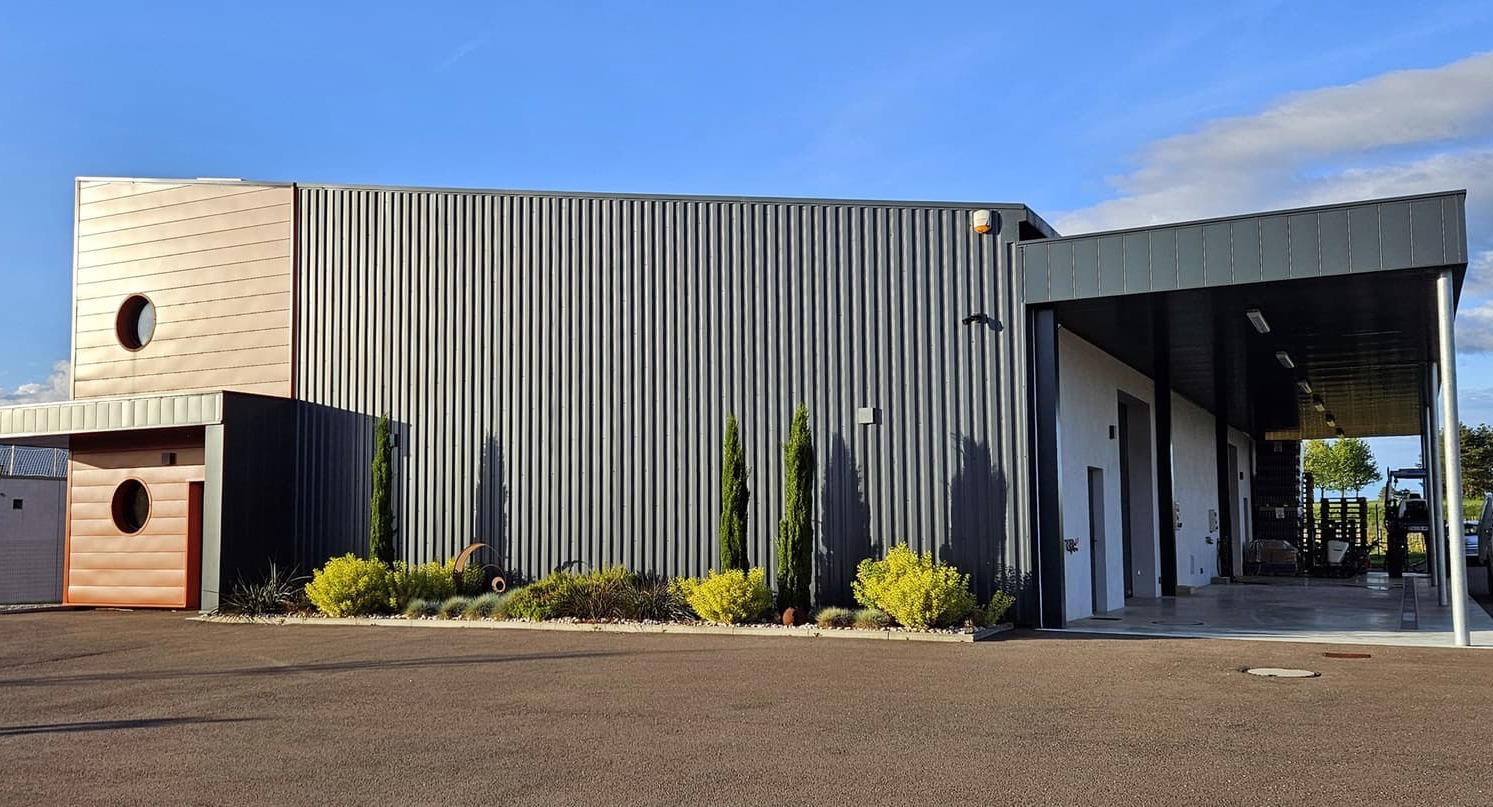
Wineries in Mercurey
Browse all →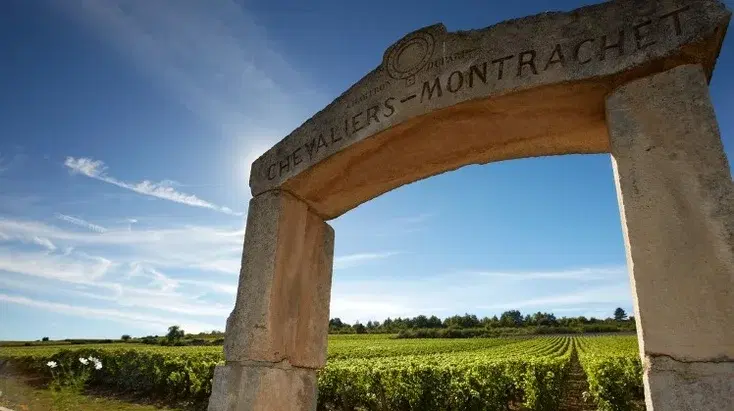
Bars in Mercurey
Browse all →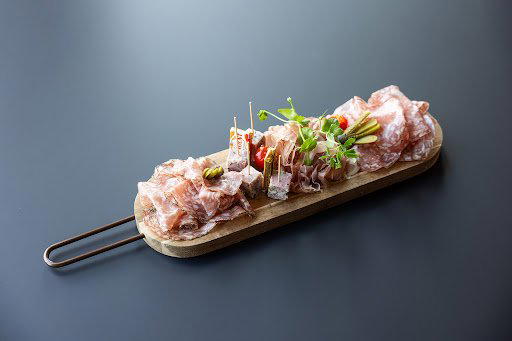
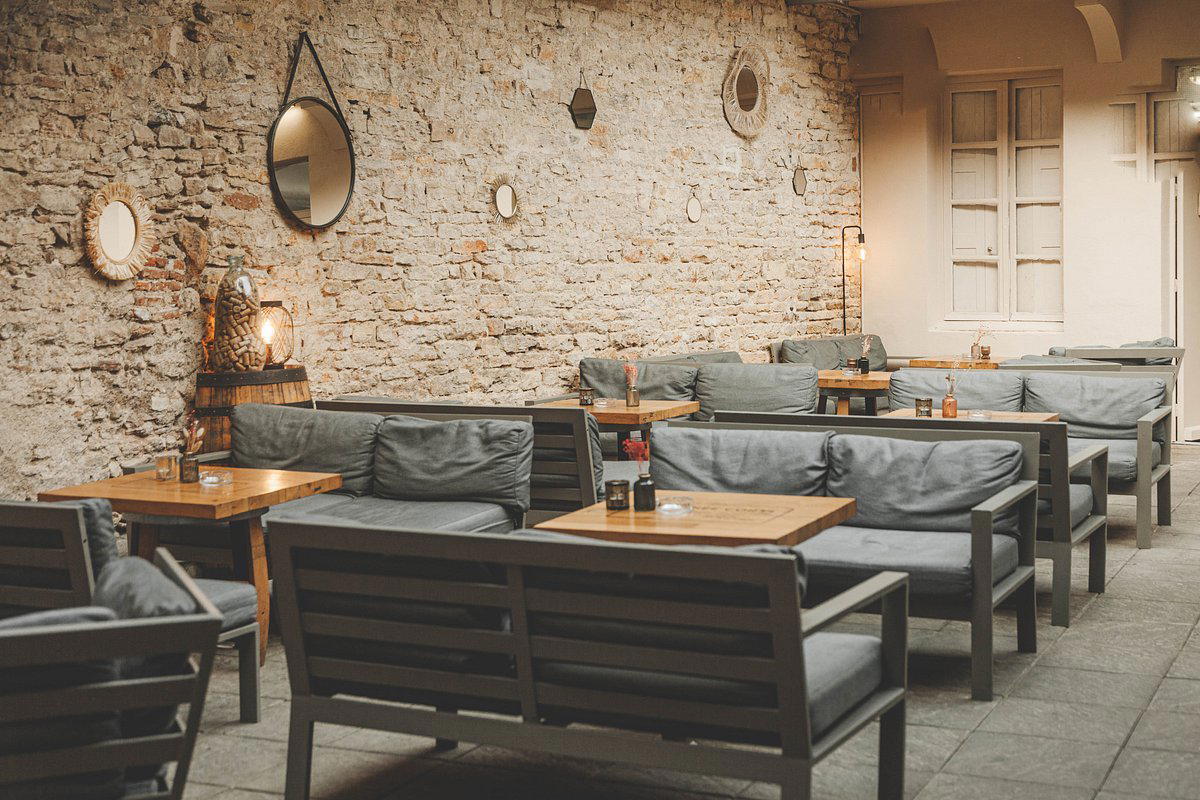
Restaurants in Mercurey
Browse all →
Details
- Elegant
- Classic
- Scenic
- Sophisticated
- Wine Education
- Special Occasion
- Cave Tasting
- Vineyard Tour
- Historic Building
- Panoramic View
- Vineyard
- Garden
- Pinot Noir
- Chardonnay
- Still Red
- Still White
- Cave Tasting
- English
- French
- Italian
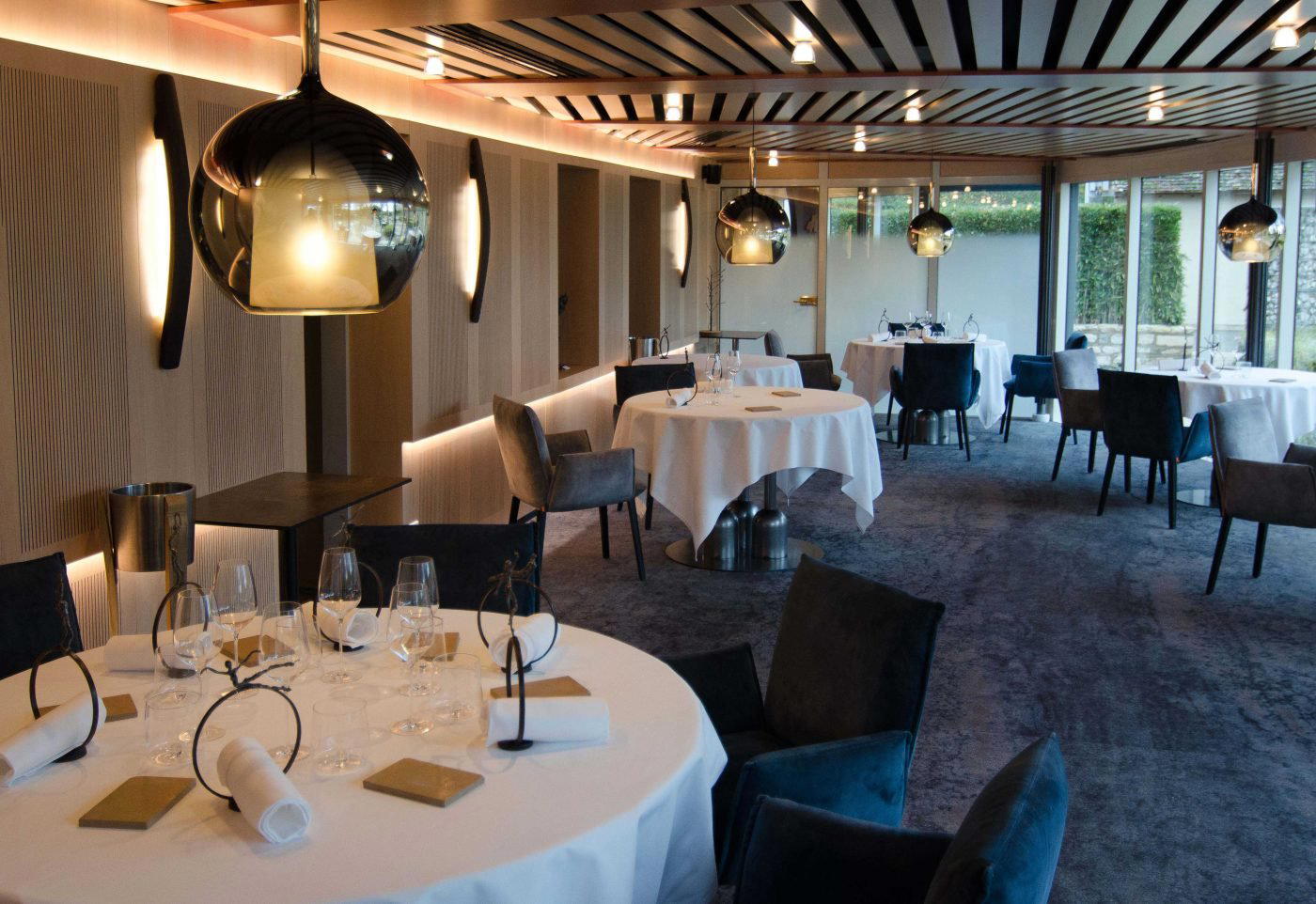
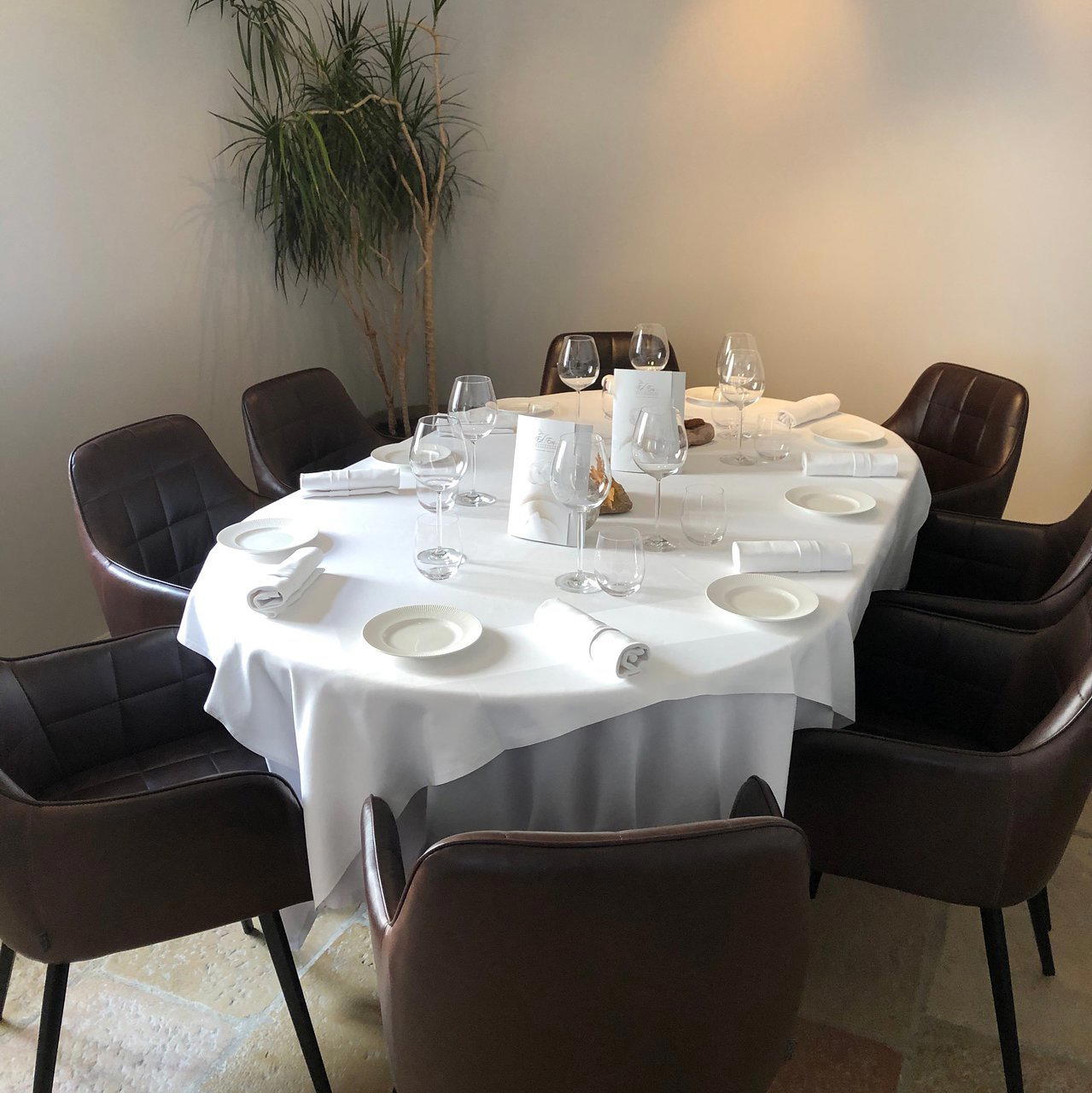
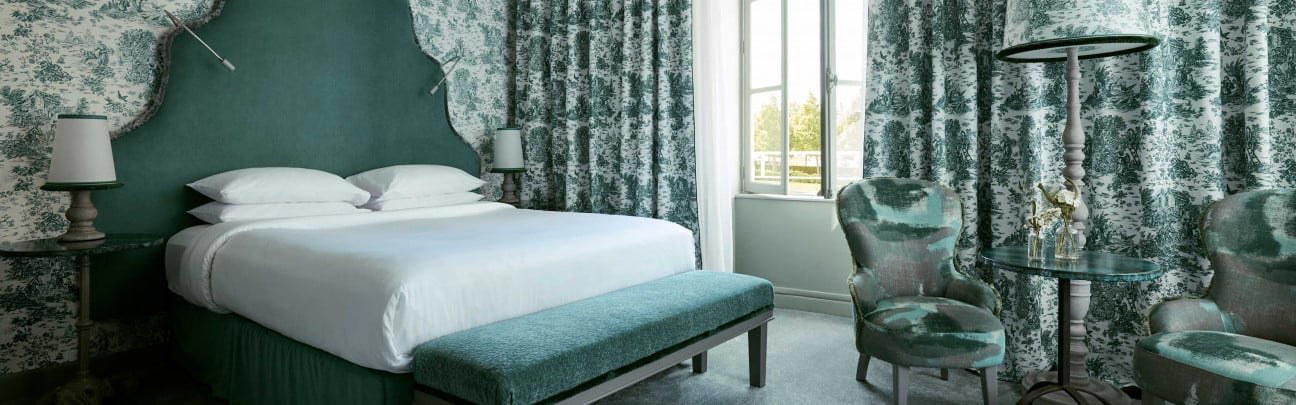
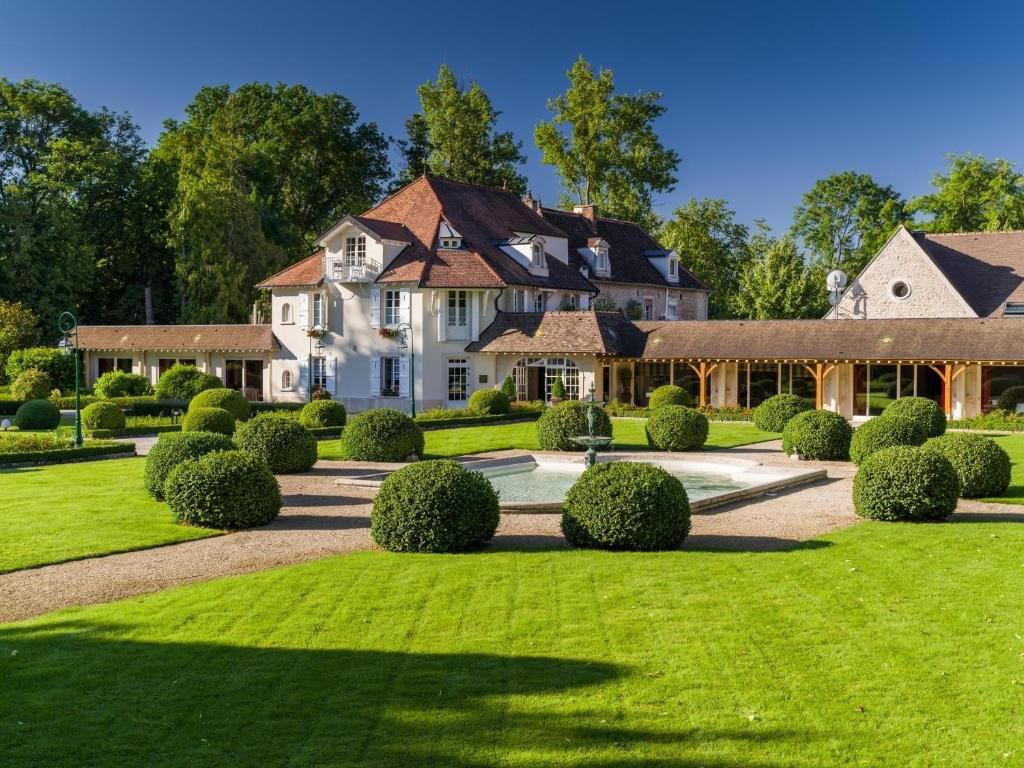
Elegant and serene atmosphere in a renovated historic setting with far-reaching vineyard views, charming staff, and a peaceful, sophisticated vibe.