

Château Duhart-Milon gives Pauillac a quieter kind of classified-growth experience: Cabernet-led, vineyard-focused, and shaped by the cooler Milon hillside rather than château spectacle. The estate is the only Fourth Growth Grand Cru Classé in Pauillac, owned by Domaines Barons de Rothschild (Lafite), with guided visits that suit drinkers interested in terroir, structure, and Left Bank context.
Pearl is the En Primeur Club membership app — saves, bookings, and concierge access live there. Same editors, same standards.
- Address
- Pauillac, Nouvelle-Aquitaine, Frankreich
- Phone
- +33 5 56 59 03 60
- Website
- lafite.com
- Directions
- Get directions
 Saves & bookings on Pearl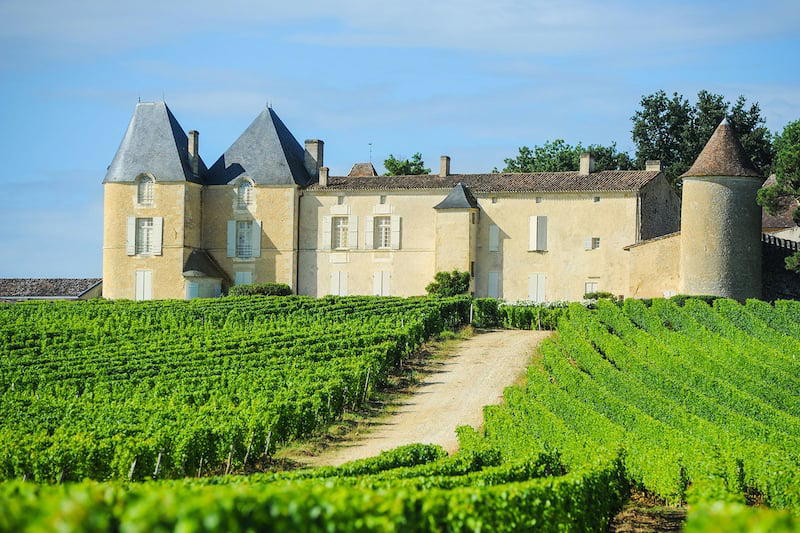
Château Duhart-Milon is a historic Left Bank Bordeaux estate in Pauillac, known for producing classic Pauillac wines with an elegant, balanced, and refined character. It should be read as a clear, wine-led overview rather than as a broad destination guide, because reliable information available here centers on identity, style, and place.
The confirmed picture is of an well-known and sophisticated Pauillac estate with a scenic identity and wines described as structured, fresh, and refined. In that sense, Château Duhart-Milon sits firmly within the language of classic Left Bank Bordeaux: measured rather than showy, polished rather than casual, and defined by the kind of balance that matters to readers looking specifically at Pauillac.
Classic Pauillac character with freshness and structure
Within the information, Château Duhart-Milon is best understood through its classic Pauillac identity: elegant, balanced, and structured wines with freshness and acidity. That gives the estate a focused profile rather than a broad lifestyle destination description. The emphasis is not on a long list of amenities or experiences, but on the character of the wines and the sense of place attached to Pauillac.
The estate’s appeal is tied to Pauillac itself and to a historic Left Bank Bordeaux setting. Rather than relying on technical claims, the grounded description is simpler: the winery represents a refined, classic, and well-known expression of Pauillac. The words that define it here are deliberately restrained: structure, freshness, elegance, balance, and refinement. Together, they point toward a wine style that is serious and composed, with acidity and shape playing an important role in the overall impression.
For readers researching the estate, particularly reliable takeaway is stylistic rather than operational. The winery is associated with classic Left Bank character, a sense of structure, and a polished Pauillac profile. That makes it especially relevant for anyone trying to understand what separates a focused Pauillac estate from a more general Bordeaux reference. The estate is presented here through a narrow but useful lens: not as an all-purpose travel stop, but as a historic name whose appeal comes from classicism, refinement, and a clearly defined wine identity.
This concise framing also helps avoid overstatement. The available information supports a confident view of the winery as elegant and sophisticated, with wines described through freshness and structure, but it does not require extra claims to make the case. The strength of the profile is its clarity. For many readers, that may be exactly the point: the winery is best approached as a Pauillac estate where the essential story is the wine style itself.
A historic Pauillac estate with a concise profile
The safest way to frame the winery is as a historic Pauillac wine estate whose appeal lies in its classic, elegant, and structured wines. That history gives the name weight, while the stylistic description gives readers a practical way to understand why it matters. The estate’s identity is not presented here through excess detail, but through a compact set of dependable markers: Left Bank Bordeaux, Pauillac, sophistication, scenery, freshness, acidity, balance, and refinement.
The confirmed price is $50 per person. That figure is the only confirmed price in this profile, so it should be treated as the practical anchor for readers who need a concrete planning detail. Everything else in the description remains focused on the estate’s character and the way it fits within a Pauillac wine context.
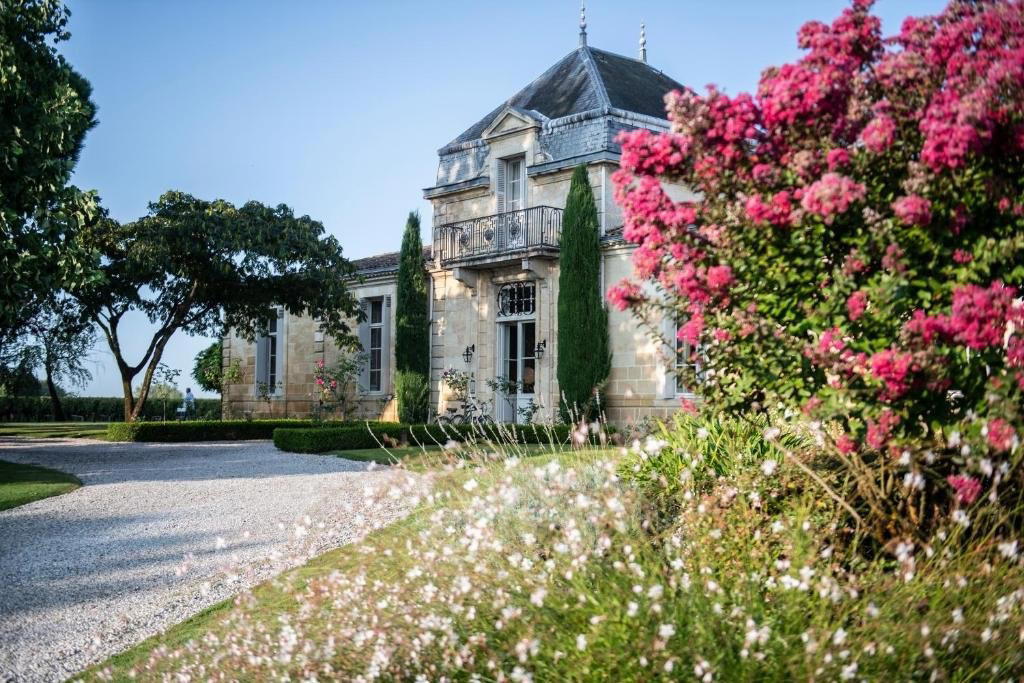
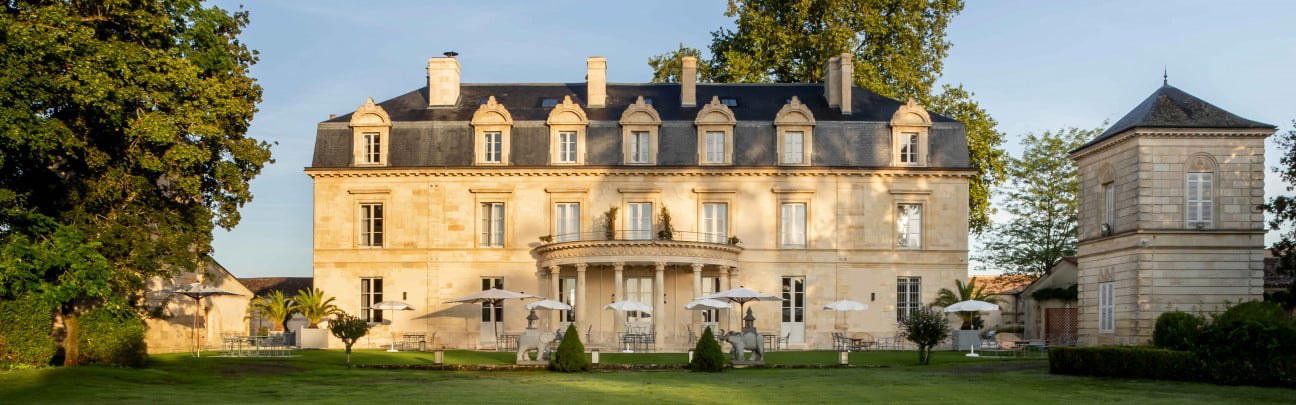
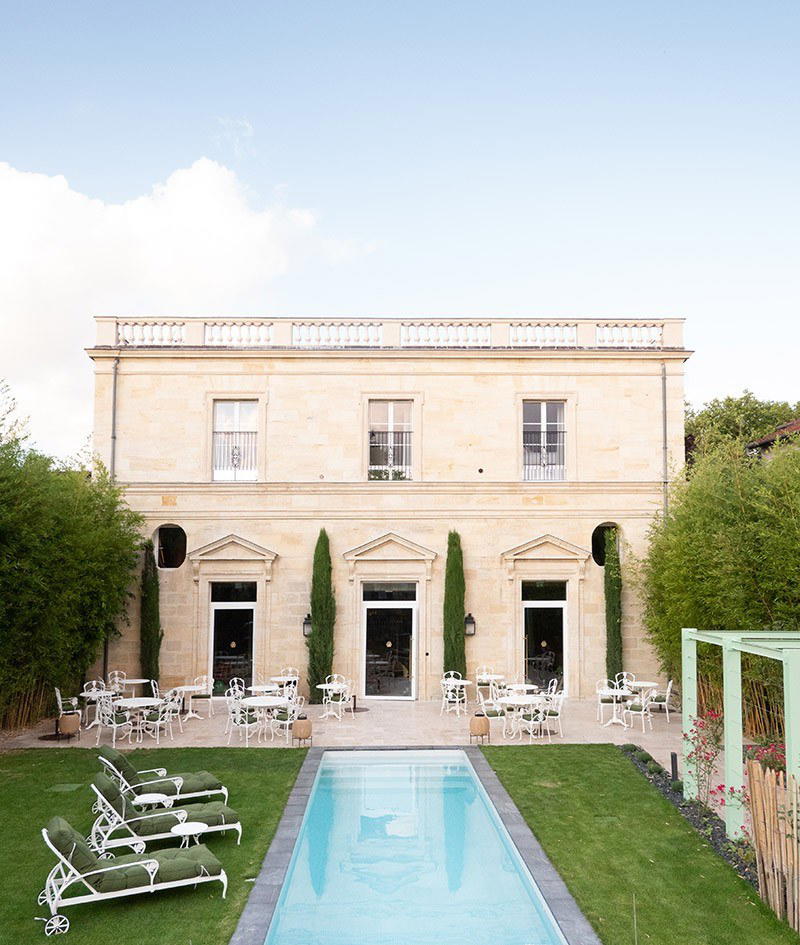
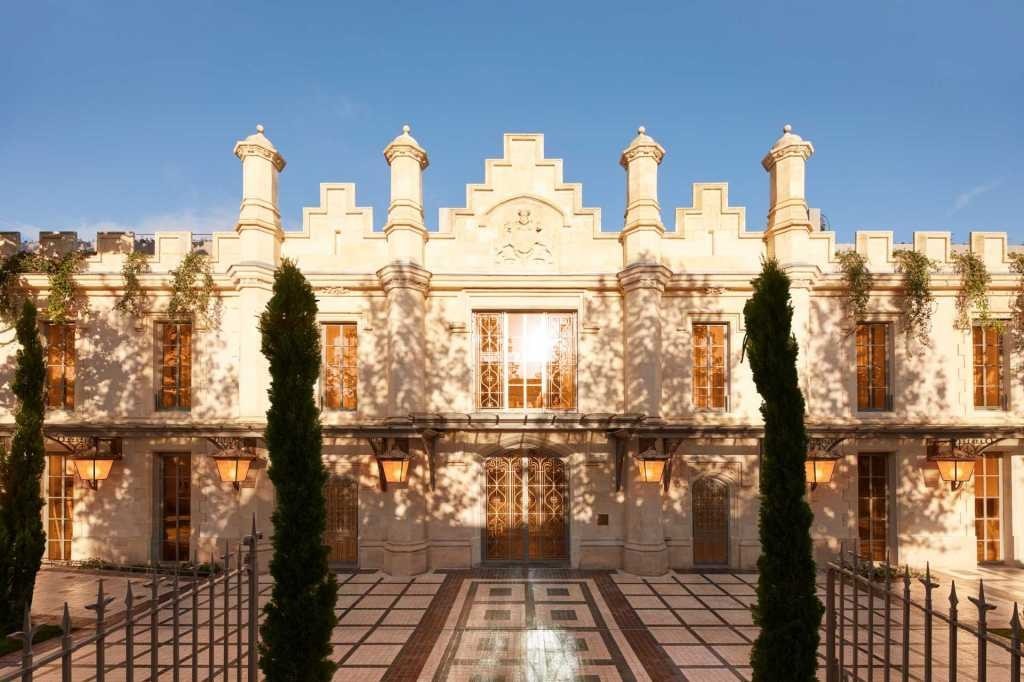
What can be said with confidence is that the estate’s image is sophisticated and scenic, with a refined Left Bank Bordeaux identity. This makes it relevant for readers who are interested in Pauillac style and the character of classic Bordeaux estates. The scenic element adds atmosphere, but the core appeal remains wine-focused: a historic estate associated with a polished and structured expression of Pauillac.
Because the available profile is concise, it is best not to force the winery into categories that are not supported here. The estate is not described through a detailed hospitality program, a restaurant concept, or a list of surrounding attractions.
Where it fits in a Pauillac itinerary
For a Pauillac itinerary, the winery is best positioned as a wine-focused estate for people interested in classic, elegant Bordeaux. It works in the itinerary as a point of reference for the Pauillac style itself, especially for readers who are drawn to structure, freshness, and refinement rather than to a more expansive lifestyle framing. Its role is clear: a historic, sophisticated estate that helps define the Left Bank character of the area.
Keep the focus on the winery itself and its Pauillac identity.
The editorial case is direct: choose the winery for a historic, sophisticated Pauillac name associated with elegant, balanced, refined wines, a focused structure, and a sense of freshness and acidity. It is a concise profile, but a useful one: the estate is presented as classic rather than experimental, polished rather than casual, and firmly connected to the identity of Pauillac within Left Bank Bordeaux.
Recognition history
Dated appearances from independent guides and award organizations, with the underlying list record or original source where available.
Falstaff Winery - Listed
Falstaff
Michelin Main Selection
Michelin
Continue exploring
More in Pauillac
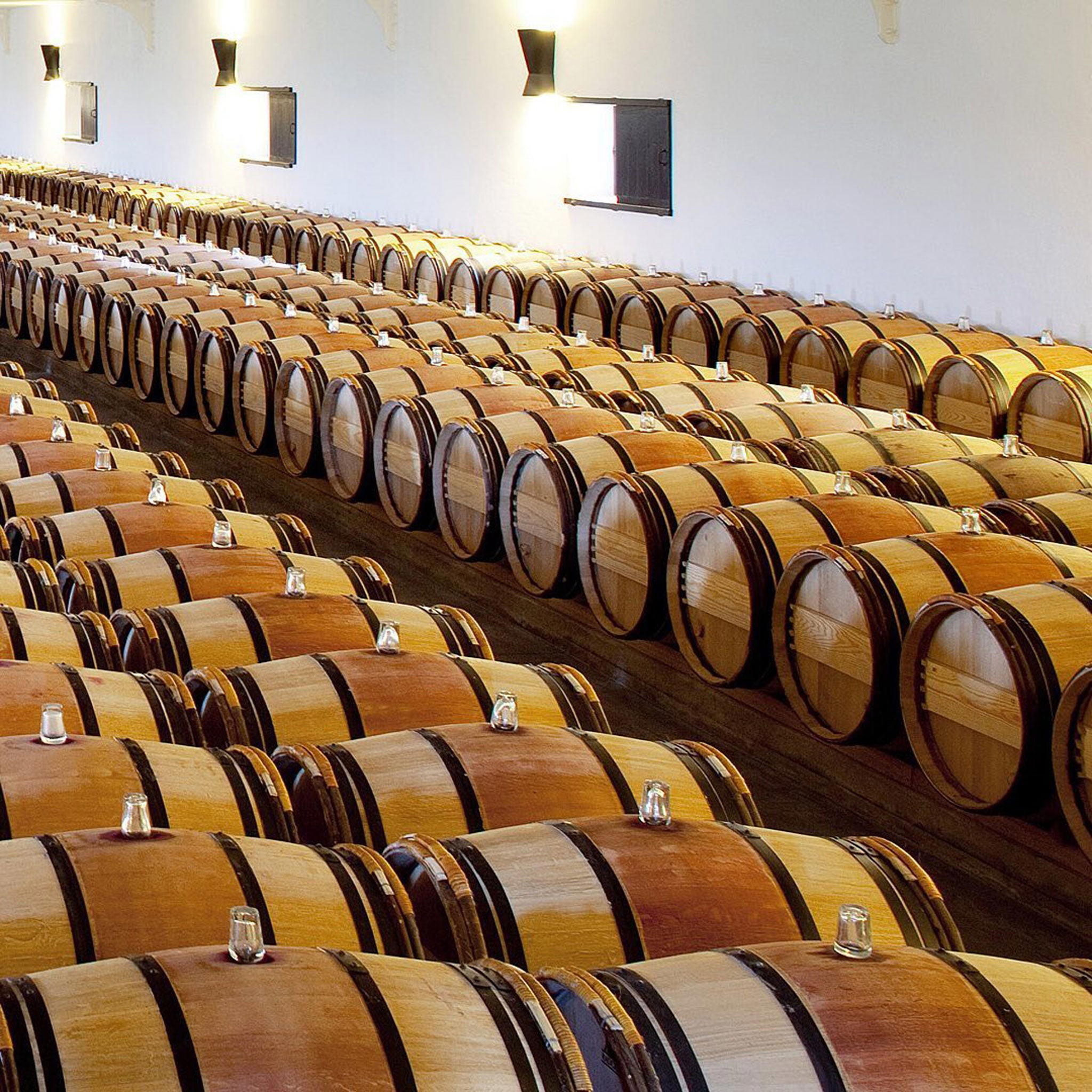
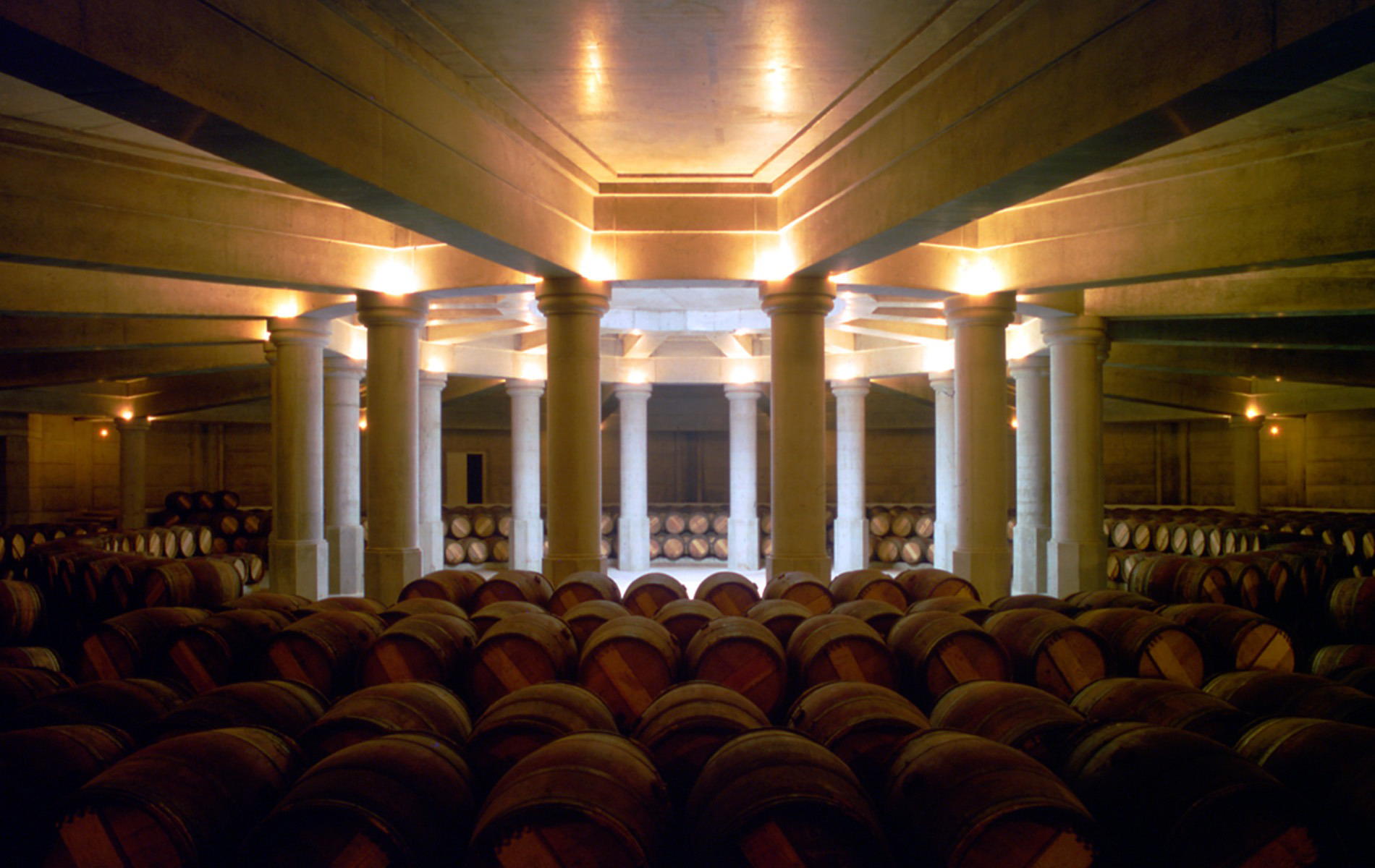
Wineries in Pauillac
Browse all →
Bars in Pauillac
Browse all →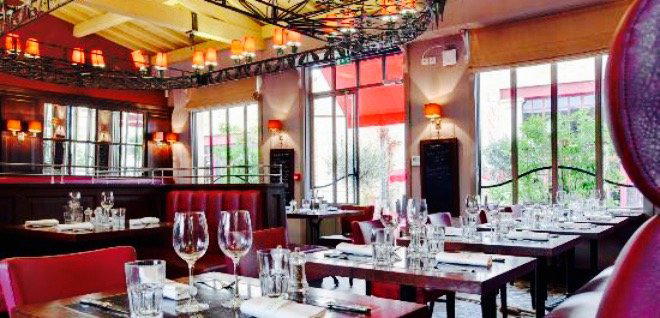
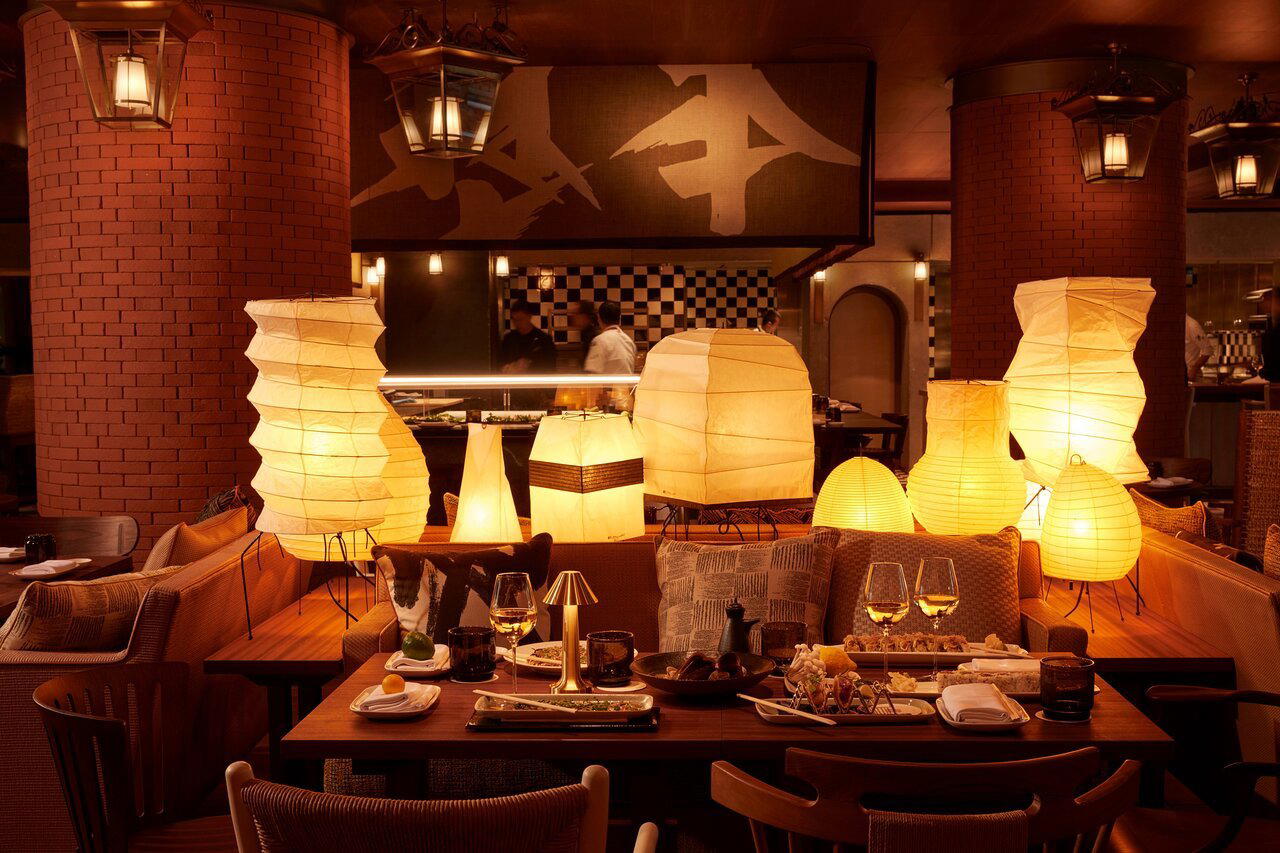
Restaurants in Pauillac
Browse all →
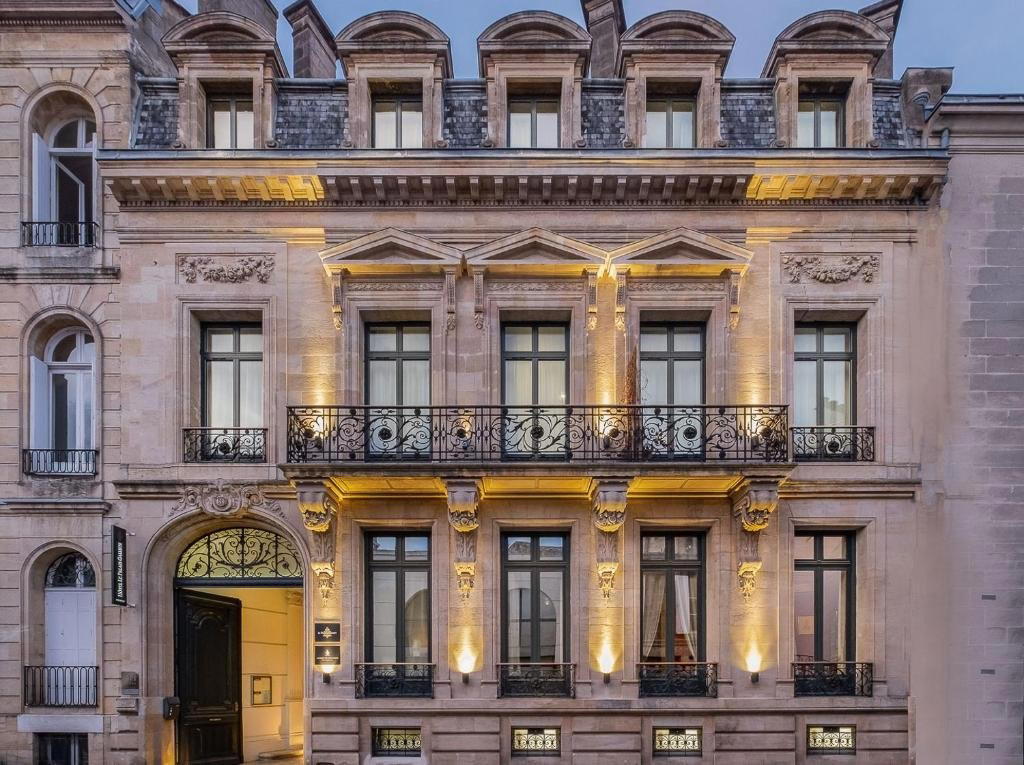
At a Glance
- Classic
- Elegant
- Well Known
- Sophisticated
- Scenic
- Romantic Getaway
- Group Outing
- Wine Education
- Special Occasion
- Corporate Event
- Estate Grounds
- Vineyard Tour
- Historic Building
- Vineyard
- Pauillac AOC
- Cabernet Sauvignon
- Merlot
- Cabernet Franc
- Still Red
- Guided Estate Tasting
- Vineyard Tour And Tasting
Current opening hours
- Monday
- 8:30 am–5:30 pm
- Tuesday
- 8:30 am–5:30 pm
- Wednesday
- 8:30 am–4:45 pm
- Thursday
- 8:30 am–5:30 pm
- Friday
- 8:30 am–5:30 pm
- Saturday
- Closed
- Sunday
- Closed
Hours can change for holidays and private events. Last verified .
Historic left-bank Bordeaux estate producing classic Pauillac wines described as elegant, balanced, and refined, with a focused, structured character and a sense of freshness and acidity.