
One of Champagne's most architecturally commanding houses, Pommery operates from a Victorian Gothic estate above nineteen kilometres of chalk crayères beneath Reims. Ranked No. Winemaker Clément Pierlot oversees a programme defined by extended aging in those ancient galleries.
Pearl is the En Primeur Club membership app — saves, bookings, and concierge access live there. Same editors, same standards.
- Address
- 5 Place Du Général Gouraud
- Phone
- +33326616256
- Website
- champagnepommery.com
- Directions
- Get directions
 Saves & bookings on Pearl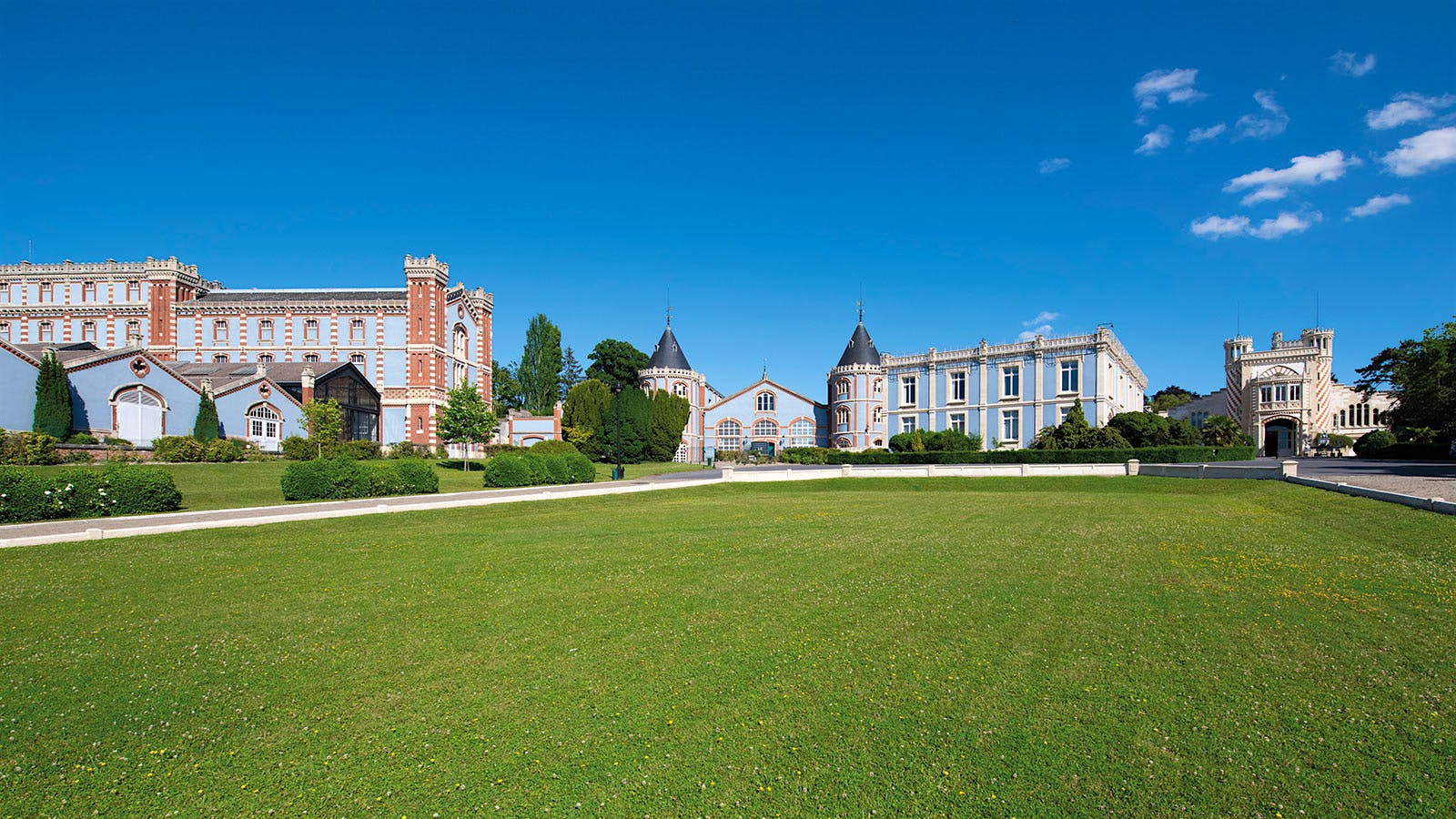
The Ground Beneath Reims
Champagne's prestige rests on what cannot be seen from the surface. Beneath the chalky hills surrounding Reims, a network of ancient Roman quarries, known as crayères, extends into the hillside and provides the consistent humidity and temperature that Champagne houses have depended on for centuries. Pommery, at 5 Place du Général Gouraud, sits above nineteen kilometres of these galleries, and that subterranean depth is not incidental to the wine: it is the programme. Few houses in the region can point to a cellar infrastructure of this scale, and fewer still have built a coherent aging philosophy around it in the way Pommery has across its 150-year history.
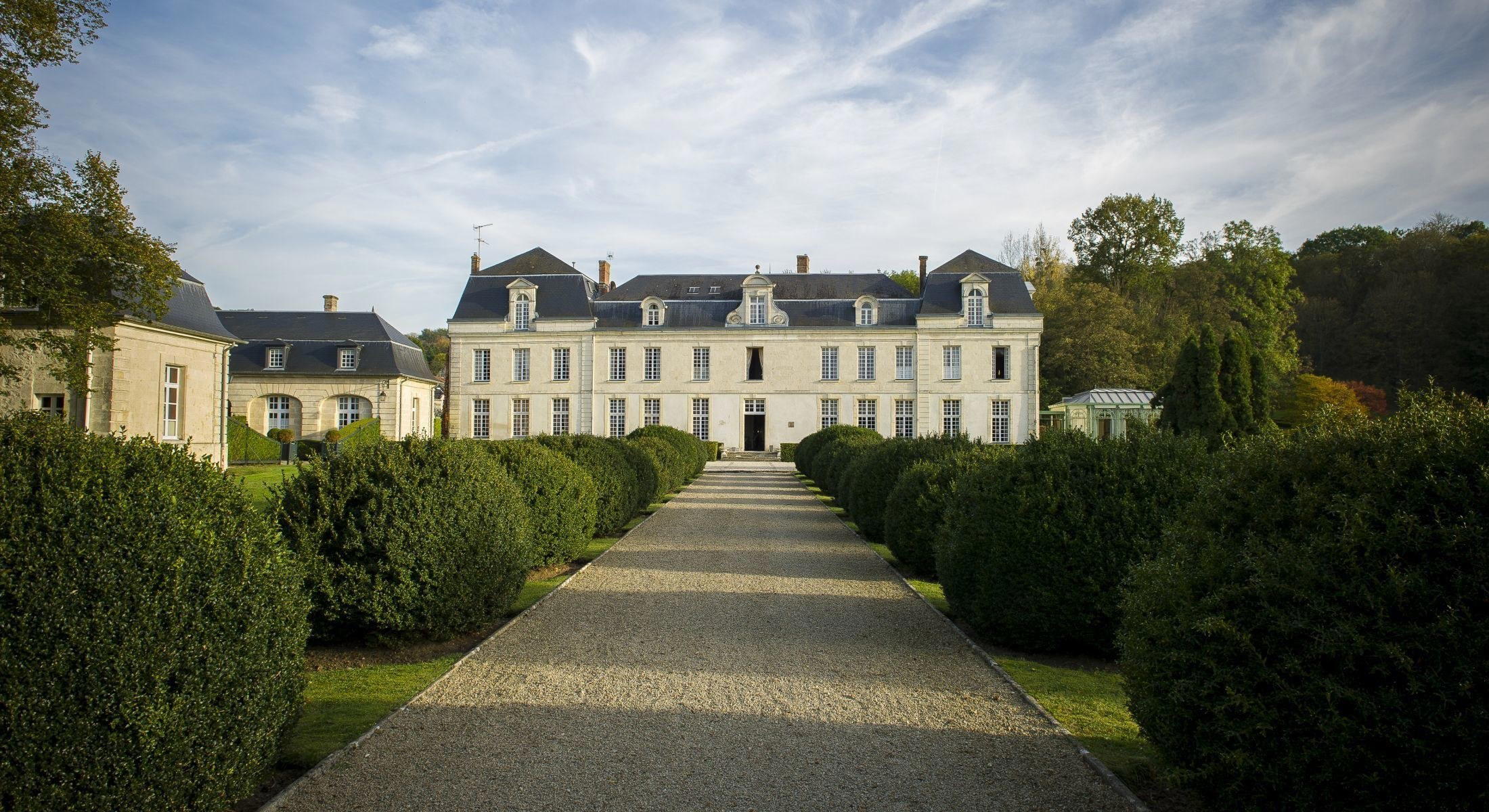
The Victorian Gothic buildings on the Butte Saint-Nicaise were commissioned in the 1870s and remain among the more visually distinctive in the appellation. For visitors approaching from central Reims, the estate reads less like a winery and more like a small campus: a series of neo-Gothic structures arranged around a courtyard, the whole complex sitting on top of those chalk tunnels like a formal entrance to a subterranean world. It is a deliberate statement about permanence and scale, one that was considered serious architecture even in an era when Champagne houses competed aggressively on building ambition.
After Harvest: The Cellar Logic
The working logic of Champagne production is almost entirely post-harvest. Unlike still wine regions where the vintage character is largely set at harvest, Champagne's final identity emerges through decisions made in the cellar: the choice of base wines for the assemblage, the proportion of reserve wines held from previous years, the dosage level, and above all the time spent aging on lees before disgorgement. Pommery's crayères allow the house to hold significant volumes at stable temperatures year-round, which supports extended lees contact without the kind of temperature fluctuation that can compromise development.
The longevity matters here not as heritage decoration but as accumulated institutional knowledge about how the house's style develops over time. A house that has been making assemblage decisions for 150 years across multiple climate cycles carries a different kind of reference library than one formed in the past decade. That knowledge is encoded in decisions about when to disgorg, how long to hold vintage cuvées, and how reserve wine stocks from better years can balance leaner ones.
The crayères themselves are Gallo-Roman in origin, cut from chalk rather than built from it, which gives them a different acoustic and atmospheric quality than conventional wine cellars. The chalk absorbs moisture, moderates temperature, and creates a low-light environment that has remained functionally unchanged for generations. The galleries descend to around thirty metres below ground level, maintaining a near-constant temperature that makes them as effective as any modern temperature-controlled facility, and considerably older than all of them.
Positioning Within the Champagne Tier
The Champagne appellation produces wine across a wide range of house sizes and styles, from small récoltant-manipulants working a few hectares to the large négociant houses with multi-regional sourcing and global distribution. Pommery sits within the prestige négociant tier, a group that includes Veuve Clicquot Ponsardin, Krug, Charles Heidsieck, Henriot, and Bruno Paillard, among others. Within that cohort, Pommery's cellar footprint and estate infrastructure are differentiating factors that inform how the house approaches capacity and aging decisions.
World's Leading Vineyards ranking places Pommery at No. 47 globally for 2024, a list that runs across regions and categories rather than comparing only Champagne producers. That cross-category placement signals recognition by a broad evaluative audience rather than narrowly within the appellation. For visitors assembling a Reims itinerary, the house functions as one of the region's more comprehensive estate experiences: you are visiting a functioning production facility with significant historical infrastructure.
Visiting the Estate
Access to Pommery is by guided tour, which takes visitors through the crayères to view the chalk tunnels, the riddling operations, and the house's collection of large-format art installations in the galleries. The art programme is a deliberate counterpoint to the utilitarian nature of cellar work: large-scale commissions by international artists have been placed through the tunnels since the mid-2000s, creating an environment that reads as both production space and exhibition venue. The combination is unusual in Champagne, where most cellar tours focus on process rather than atmosphere.
The estate is located on the eastern edge of central Reims, reachable on foot from the cathedral quarter in approximately twenty minutes or by a short taxi from the TGV station. The chalk galleries maintain a consistent chill regardless of what is happening outside, so dressing in layers is practical advice for any visit.
The Broader Champagne Reference Frame
Pommery's house style has historically tracked toward a drier, more mineral expression, shaped in part by the chalk-derived character that runs through wines aged in these particular galleries. That stylistic tendency places it in conversation with houses across the appellation that have moved toward lower dosage and longer lees aging as the dominant prestige signal in recent decades. The shift in Champagne toward Extra Brut and Brut Nature formats is visible across many of the region's serious houses, reflecting both changing consumption preferences and a cleaner expression of terroir that extended lees contact tends to produce.
For those building a wider understanding of French wine production, the contrast between Pommery's chalk-cellar approach and cellar strategies in other French appellations is instructive. Houses like Albert Boxler in Niedermorschwihr work within Alsace's granite and clay geology, while producers like Château Bélair-Monange in Saint-Emilion and Château Batailley in Pauillac operate in limestone-dominant systems that share some structural parallels with the chalk of Champagne but produce wines with fundamentally different secondary and tertiary development. Elsewhere in France, Chartreuse in Voiron takes a different post-production aging path entirely. Further afield, Château Bastor-Lamontagne in Preignac, Château Boyd-Cantenac in Cantenac, and Château Branaire Ducru in St-Julien each illustrate how Bordeaux handles the aging question across different appellation contexts. Cross-referencing these approaches sharpens any serious understanding of how cellar environment shapes final wine character.
Comparable Spots
Comparable venues nearby, for context on price, style, and recognition.
| Venue | Cuisine | Price | Notes |
|---|---|---|---|
| PommeryThis venue — the venue you are viewing | Chardonnay, Pinot Noir | $$$ | Not listed |
| Veuve Clicquot Ponsardin | Pinot Noir | $$$$ | Reims |
| Ruinart | Chardonnay, Pinot Noir | $$$$ | Saint-Nicaise Hill |
| Taittinger | Chardonnay, Pinot Noir | $$$ | Reims |
| Bruno Paillard | Chardonnay, Pinot Noir | $$$ | South of Reims city centre |
| Charles Heidsieck | Chardonnay, Pinot Noir | $$$$ | Saint-Nicaise Hill |
Recognition history
Dated appearances from independent guides and award organizations, with the underlying list record or original source where available.
World's 50 Best Best Vineyards #47
World's 50 Best
At a Glance
- Elegant
- Classic
- Well Known
- Sophisticated
- Historic
- Wine Education
- Special Occasion
- Celebration
- Cave Tasting
- Historic Building
- Champagne AOC
- Chardonnay
- Pinot Noir
- Pinot Meunier
- Sparkling
- Guided Tasting
- Self Guided Tour
Grand and awe-inspiring underground cellars with constant cool temperature, artistic installations blending historic architecture and modern art, creating a magical and intimate atmosphere.