L'Huitrier Pie


Michelin Plate · Gault & Millau Remarkable Restaurant
Our verdict
A Michelin Plate-recognised address on one of Saint-Émilion's medieval lanes, L'Huitrier Pie brings modern technique to the seafood and seasonal produce of the Atlantic Southwest. Chef James Gaag operates at the €€€ tier, a notch below the town's starred tables yet consistently rated 4.8 across nearly 500 reviews. For a wine-country town better known for its Merlot than its kitchens, it represents a serious culinary option.

Pearl is the En Primeur Club membership app — saves, bookings, and concierge access live there. Same editors, same standards.
- Address
- 11 Rue de la Prte Bouqueyre, 33330 Saint-Émilion, France
- Phone
- +33 5 57 24 69 71
- Hours
- Mon–Tue ClosedWed–Sun 12–9 PM
- Website
- lhuitrier-pie.com
- Directions
- Get directions
- Booking
- Book on TheFork
The menu
What to order
- Foie gras with Japanese sauce
- Skate
- Oyster preparations
- Venison roe
- Dark chocolate dessert
Stone Lanes and Modern Kitchens: Dining in the Heart of Saint-Émilion
Rue de la Porte Bouqueyre is the kind of narrow medieval passage that makes Saint-Émilion feel as though it exists slightly outside of time. The limestone facades, worn smooth by centuries of Atlantic weather, frame a street that connects the town's UNESCO-listed hillside to the quieter residential edge of the village. It is in this setting that L'Huitrier Pie operates — not as a grand château dining room or a trophy restaurant for visiting négociants, but as a focused modern kitchen that takes the produce of the Atlantic Southwest seriously.
Saint-Émilion's dining scene has long been shaped by its wine identity. The town draws a particular type of visitor: buyers, collectors, and château guests whose primary interest is the glass rather than the plate. That dynamic has historically favoured safe, hotel-adjacent dining rooms over ambitious standalone restaurants. The past decade, however, has seen a gradual shift. A cluster of genuine culinary destinations has emerged across different price tiers, from the two-Michelin-star ambition of La Table de Pavie to the one-star precision of Les Belles Perdrix de Troplong Mondot and Logis de la Cadène. L'Huitrier Pie sits in a distinct position within that grouping: Michelin-recognised, independently operated, and priced at €€€, below the starred tables but clearly above the town's more casual bistro tier.
What the Michelin Plate Signals — and What It Doesn't
The Michelin Plate, awarded here for both 2024 and 2025, is a credential that often gets undersold. It denotes food quality that inspires inspectors to document a visit and record the kitchen positively, without the full constellation of service infrastructure, cellar investment, and ritualistic presentation that a star typically requires. In practical terms, it identifies kitchens that are doing something worth eating, and often, in a wine-country town where the bottle routinely overshadows the food, that distinction matters more than it might elsewhere.
For a broader sense of what Michelin recognition means in the French context, the Guide's reach extends from three-star institutions like Alléno Paris au Pavillon Ledoyen and Troisgros - Le Bois sans Feuilles down through the regional one-star tier represented by addresses like Flocons de Sel in Megève, Auberge de l'Ill in Illhaeusern, and Bras in Laguiole. The Plate occupies a different register from these, but it shares the same critical framework: inspectors ate here, applied the same standards, and marked the kitchen worth noting. That is the floor, not the ceiling.
At a sample size approaching 500, that average reflects genuine consistency rather than a handful of enthusiastic early adopters. In a town with strong tourism throughput, where disappointed visitors and one-time guests often dominate review pools, maintaining that average over a significant volume is editorially meaningful.
The Cultural Roots of Atlantic Southwest Cuisine
The name itself is a declaration of intent. L'Huitrier Pie, literally, the oystercatcher, is a seabird native to the Atlantic coastline, and the reference locates the kitchen firmly within the maritime and estuarine traditions of the Gironde and the broader Aquitaine coast. This is not coincidental framing. The Atlantic Southwest has one of France's most coherent regional food identities, built on the oysters of Arcachon and the Cap Ferret, the lamprey of the Gironde estuary, the ducks and foie gras of the Périgord hinterland, and the market garden produce of the Entre-Deux-Mers plateau.
Bringing that tradition into a modern cuisine framework, the designation under which L'Huitrier Pie operates, involves a particular kind of editorial work in the kitchen. Modern cuisine, as a category, implies technique-led cooking with attention to sourcing and seasonal rhythm, without the strict loyalty to classical French form that defines traditional cuisine. The challenge in applying that approach to Atlantic Southwest produce is avoiding the trap of prettifying ingredients that are already expressive: a well-sourced Arcachon oyster requires precision, not elaboration.
That calibration between regional identity and contemporary technique is what separates the more interesting modern kitchens in Bordeaux's orbit from those that simply dress local produce in fashionable plating conventions. Chef James Gaag's presence here is the credential on record, though the broader tradition he is working within is what gives the kitchen its context within the Saint-Émilion dining scene.
Where L'Huitrier Pie Sits in the Local Tier Structure
Saint-Émilion's restaurant scene, considered as a competitive set, divides fairly clearly by price and ambition. At the upper end, Les Belles Perdrix de Troplong Mondot, Logis de la Cadène, and La Table de Pavie operate at €€€€ with Michelin star credentials, serving visitors for whom the restaurant is a destination in its own right. Further down the scale, Le Tertre and Château Grand Barrail occupy the same €€€ bracket as L'Huitrier Pie, representing the middle tier of the town's formal dining options.
Within that middle tier, the Michelin Plate recognition distinguishes L'Huitrier Pie from hotel dining rooms that operate at similar price points without independent critical recognition. For visitors who want a serious meal without the full commitment of a starred tasting menu, it represents a coherent option, a kitchen with documented quality credentials and strong diner feedback, in a setting that is squarely embedded in the medieval fabric of the town rather than attached to a château estate.
The modern cuisine positioning also distinguishes it from more traditional bistro formats. Where a traditional table in Saint-Émilion might anchor menus around duck confit and magret, a modern kitchen like this one tends to work with seasonal produce across a shorter menu cycle, with more visible technique in the execution. That difference matters for the wine-pairing logic that tends to drive meal choices in this town: modern preparations often offer more flexibility across the range of Saint-Émilion's Merlot-dominant appellations than the heavier preparations of classical Gascon cooking.
Planning Your Visit
L'Huitrier Pie is located at 11 Rue de la Porte Bouqueyre in Saint-Émilion, positioned within walking distance of the town's main square and collegiate church. At the €€€ price tier, it sits in the mid-range of the town's formal dining options, and its Michelin Plate recognition and near-500-review Google average suggest it warrants booking ahead, particularly during the June and September harvest-adjacent calendar that drives much of the region's visitor traffic. For those structuring a broader stay, the full scope of the town's dining and hospitality options is covered in our full Saint-Émilion restaurants guide, alongside hotels, bars, wineries, and experiences across the appellation. For those interested in modern cuisine at a different scale and geography, Mirazur in Menton, Frantzén in Stockholm, and FZN by Björn Frantzén in Dubai offer useful reference points for what the category looks like at different levels of ambition and investment.
Frequently asked questions
Is L'Huitrier Pie Michelin-listed?
L'Huitrier Pie has received recognition including: Category: Remarkable; Michelin Plate (2025); Michelin Plate (2024).
What's the signature dish at L'Huitrier Pie?
Chef James Gaag works within a modern cuisine framework at the €€€ price point, drawing on Atlantic southwest references that run through the restaurant's identity — the name itself references the oystercatcher seabird of the Atlantic coast. The Michelin Plate recognition for both 2024 and 2025 points to consistent kitchen execution rather than a single showcase dish. Expect a menu that tracks seasonal and coastal produce rather than anchoring around one fixed plate.
Cuisine-First Comparison
| Venue | Cuisine | Price | Awards | Notes |
|---|---|---|---|---|
| L'Huitrier PieThis venue — the venue you are viewing | Contemporary French Fine Dining | $50–100 | Michelin Plate · Gault & Millau Remarkable Restaurant | Not listed |
| La Table de Pavie | Modern Bordelaise Fine Dining | $200–300 | 2 Michelin Stars · La Liste Top Restaurants | Creative |
| Château Grand Barrail | Modern French Fine Dining | $100–150 | Michelin Plate | Not listed |
| L'Envers du Décor | Classic French Bistro | $30–50 | Michelin Plate · Relais Chateaux Award | Not listed |
| Les Belles Perdrix de Troplong Mondot | Modern French Gastronomic | $150–200 | 1 Michelin Star · We're Smart World 2 Radishes | Modern Cuisine |
Recognition history
Dated appearances from independent guides and award organizations, with the underlying list record or original source where available.
Michelin Plate
Michelin
Gault & Millau Remarkable Restaurant
Gault & Millau
Full recognition history (4 entries)
Michelin Plate
Michelin
Michelin Plate
Michelin
Continue exploring
More in Saint-Émilion
Restaurants in Saint-Émilion
Browse all →
Bars in Saint-Émilion
Browse all →
Hotels in Saint-Émilion
Browse all →
Details
- Elegant
- Romantic
- Sophisticated
- Intimate
- Date Night
- Celebration
- Special Occasion
- Group Dining
- Terrace
- Courtyard
- Historic Building
- Open Kitchen
- Extensive Wine List
- Sommelier Led
- Local Sourcing
- Garden
- Tasting Menu
- Prix Fixe
- A La Carte
- Wine Pairing
- Local Bordeaux Wines
- Craft Cocktails
- Vegetarian Friendly
- Allergy Accommodating
Current opening hours
- Monday
- Closed
- Tuesday
- Closed
- Wednesday
- 12–9 PM
- Thursday
- 12–9 PM
- Friday
- 12–9 PM
- Saturday
- 12–9 PM
- Sunday
- 12–9 PM
Hours can change for holidays and private events. Last verified .
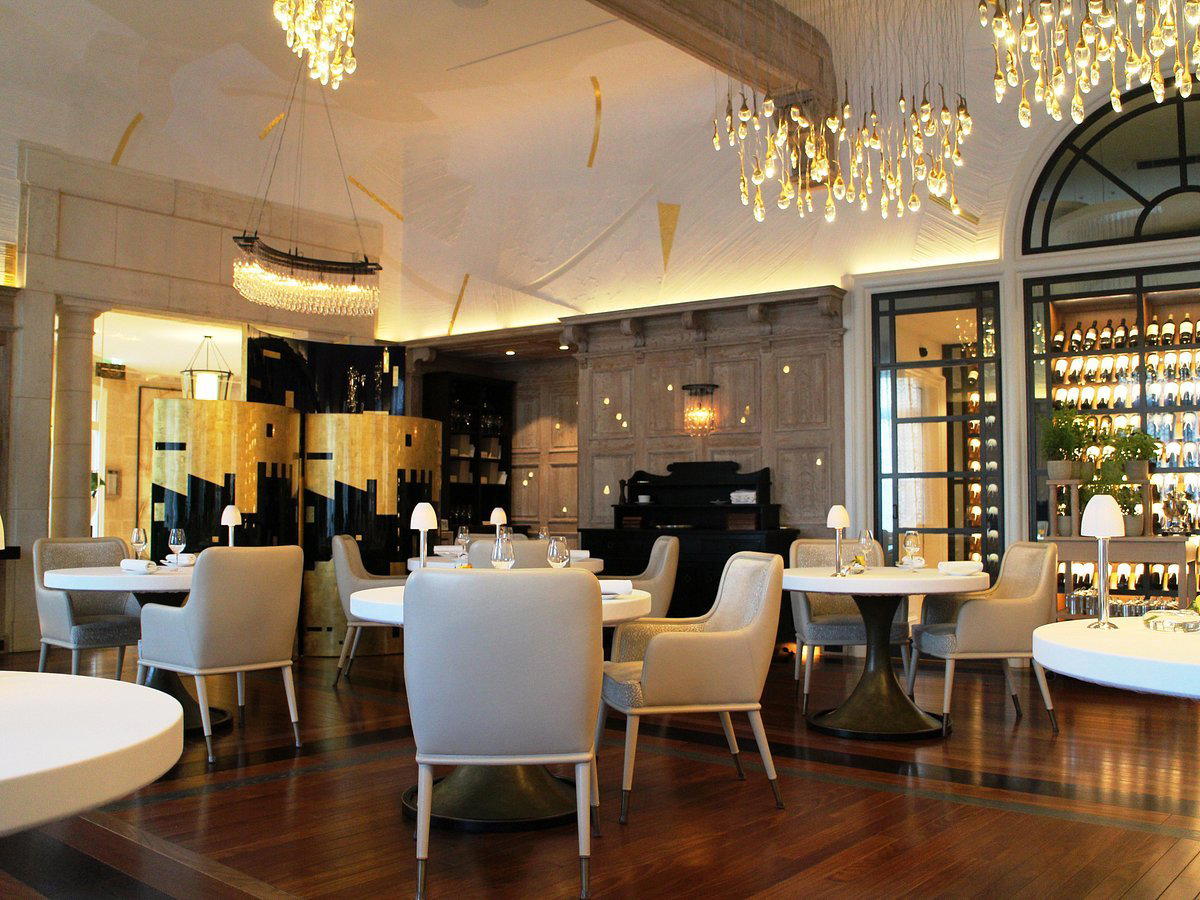
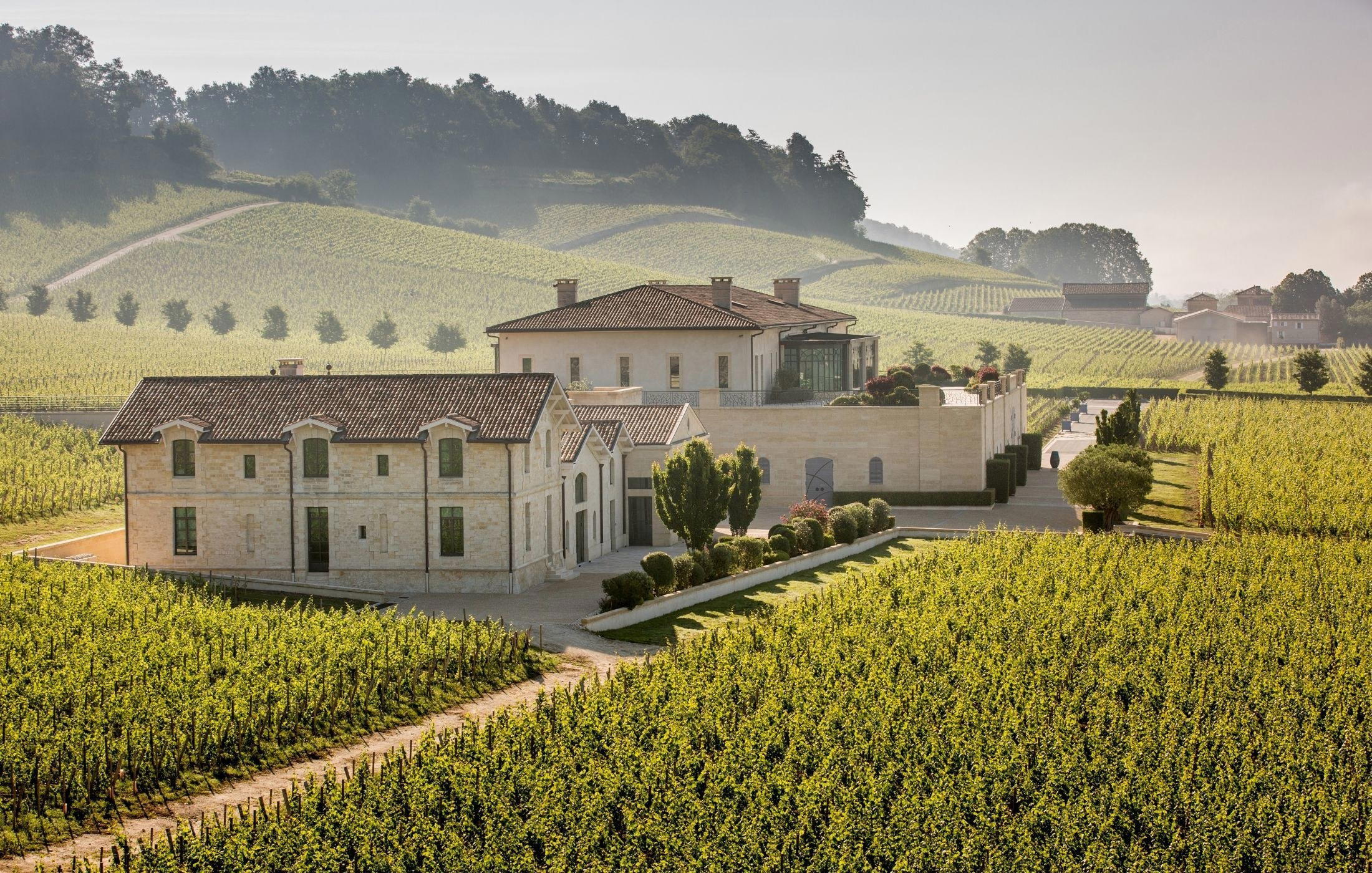
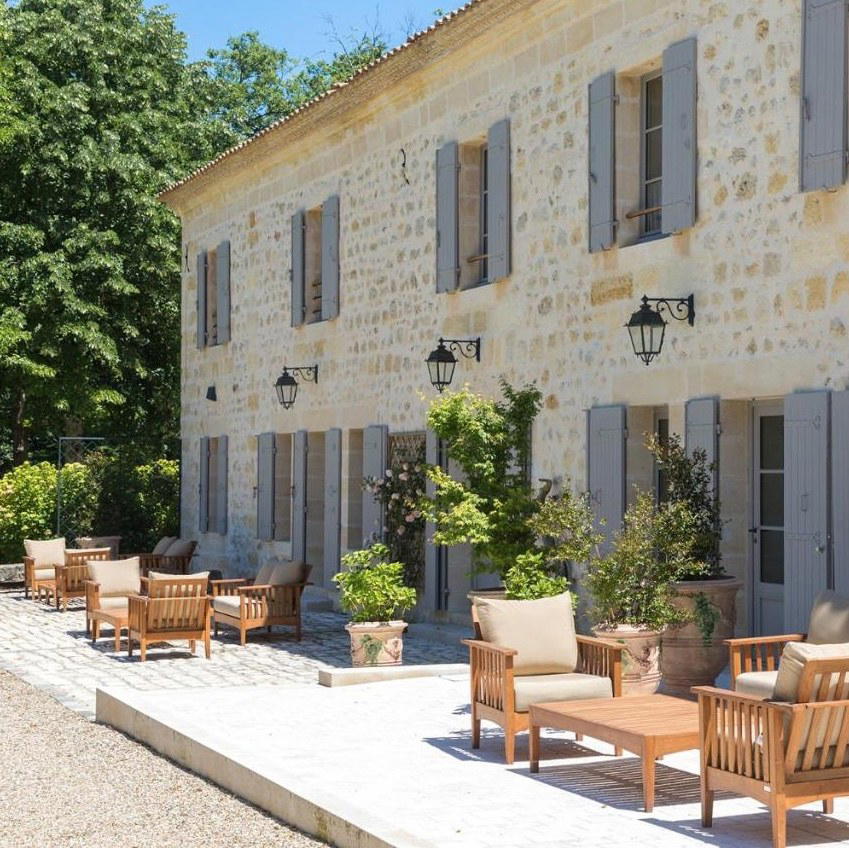
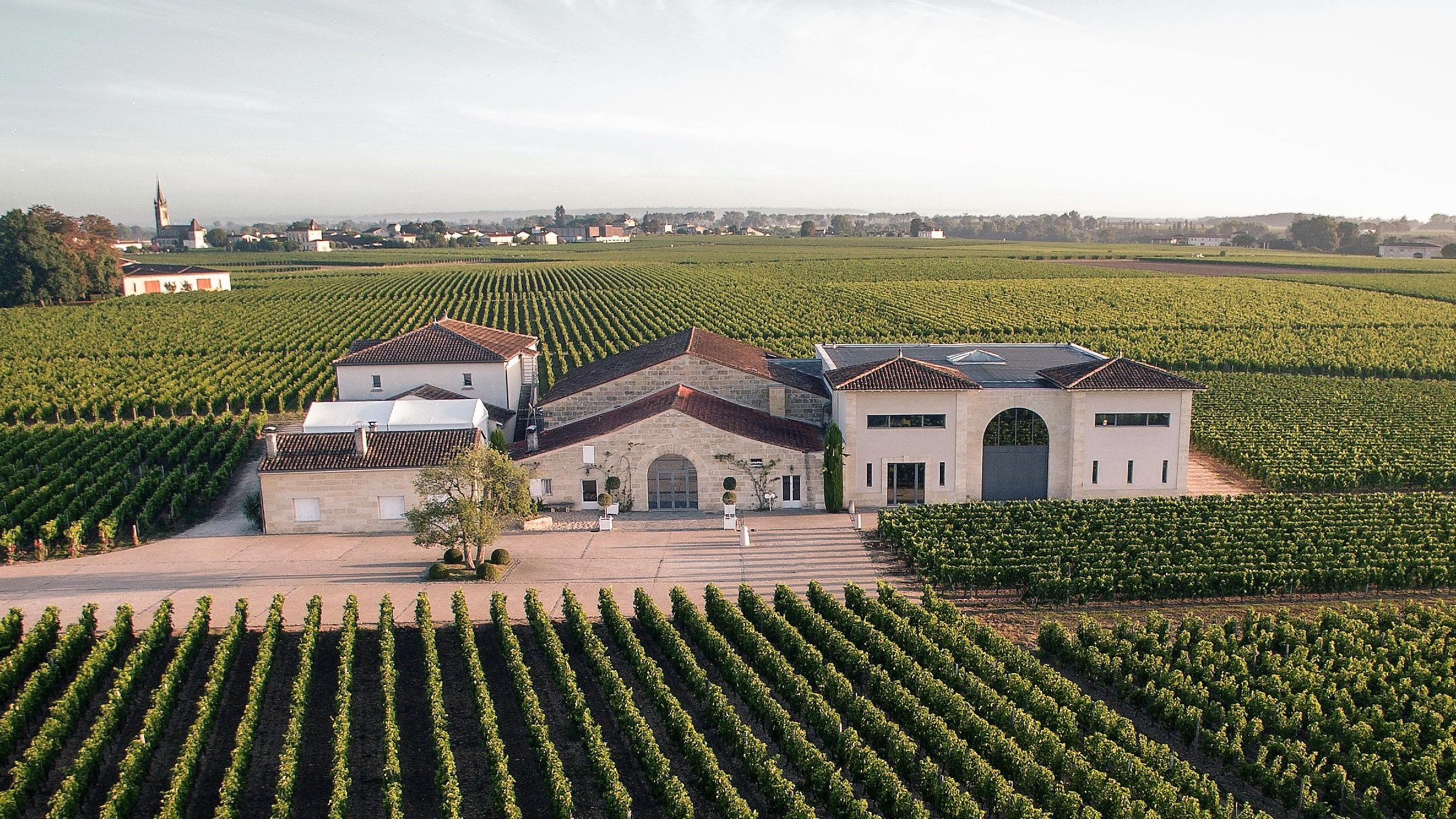
Warm and convivial atmosphere in a historic stone building with elegant, understated décor; intimate dining room and charming patio with soft lighting creating a refined yet relaxed setting.