
Operating since 2003, this Zhudong Town noodle shop built its reputation in a wet market before relocating near the train station in 2021. The menu centres on fried sparerib noodles served with crisp bean sprouts, taro, and a scallion-forward broth, with locally made ribbon noodles among the standout choices. The noodle selection alone warrants careful study before ordering.
Pearl is the En Primeur Club membership app — saves, bookings, and concierge access live there. Same editors, same standards.
- Address
- 8, Section 2, Beixing Road, Zhudong Town
- Phone
- +886 3 594 3160
- Directions
- Get directions
 Saves & bookings on Pearl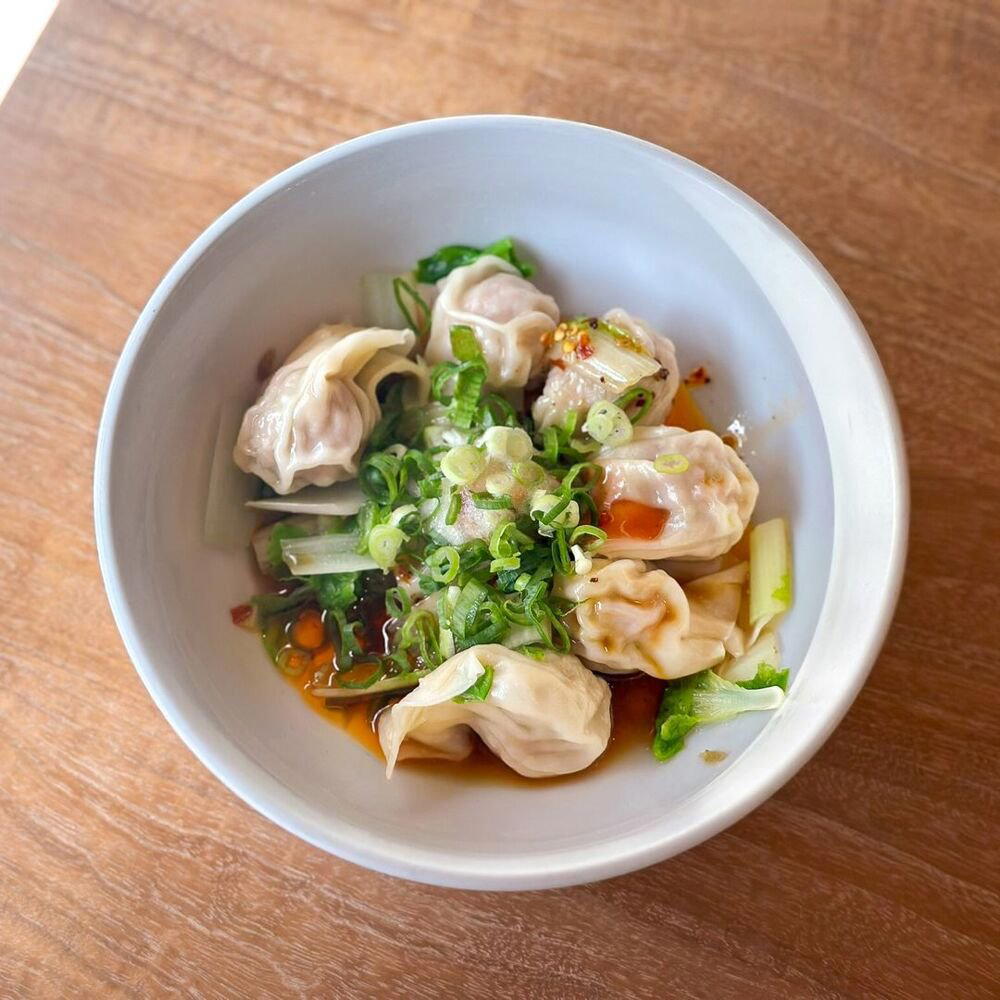
Zhudong's Noodle Culture and Where This Shop Sits Within It
Taiwan's noodle shop tradition is among the more granular in East Asia. Unlike ramen, where a single broth style often defines an entire restaurant's identity, Taiwanese noodle houses frequently present the customer with a matrix of decisions: broth type, noodle type, toppings, and portion. In Hsinchu County's smaller towns, that tradition runs particularly deep, with wet markets and train-station precincts historically serving as the primary venues for this kind of everyday, high-repetition cooking. Zhudong Fried Sparerib Noodle has operated within that context since 2003, first inside a wet market and then, following a move in 2021, in a larger space near Zhudong's train station at 8, Section 2, Beixing Road.
The relocation and expansion signal something worth noting about how this category of restaurant evolves. Wet-market stalls in Taiwan often serve as incubators for formats that outgrow their original footprint. The move to a standalone address near transit infrastructure is a common next step for operators who have built a reliable customer base over years of daily service. For visitors arriving by train from Hsinchu City or connecting from the Neiwan Line, the current address places the restaurant within easy reach of the station, which is a practical consideration worth factoring into any day-trip itinerary.
Menu Architecture: A Framework Built Around One Dish
The menu here operates on a focused logic. Fried sparerib noodles are the anchor, and every other element on the menu exists in relation to that central dish rather than alongside it as a competing option. This is a disciplined approach to menu building that is more common in long-standing Taiwanese noodle shops than in newer casual formats, where the tendency is to broaden the offering to capture more customers. The result is a kitchen that has spent two decades refining a narrow set of preparations rather than spreading its attention across a wider range.
Fried sparerib itself sets the structural tone. Arriving in a broth with pronounced scallion aromatics, it is accompanied by crisp bean sprouts and starchy taro. The textural interplay between those three elements is deliberate: the crunch of the sprouts, the yielding density of the taro, and the broth's depth create a bowl that rewards attention rather than speed. This is not a format designed for quick turnover.
Noodle selection is where the menu becomes genuinely complex. The range available is wide enough to require consideration before ordering, which is unusual even by the standards of Taiwanese noodle houses. Among the options, the locally made ribbon noodles are the clearest expression of what the kitchen is doing. Springy in texture, they are designed to absorb broth rather than sit on top of it, which means the ratio of noodle to liquid shifts as you eat. That absorbency is not incidental; it reflects a deliberate pairing decision between the noodle format and the scallion-forward broth.
The Significance of Local Sourcing in a Regional Format
Use of locally made ribbon noodles connects this restaurant to a broader pattern in Taiwan's county-level food culture. In smaller cities and towns outside Taipei, sourcing from local producers is less a marketing position than a practical and historical norm. Zhudong has its own manufacturing infrastructure for this kind of product, and a noodle shop that sources from within that network is operating in the way such establishments have always operated in this part of Hsinchu County.
This distinction matters because it separates the eating experience here from what a visitor might find in Taipei's more commercially oriented noodle scene, where standardised noodle products from regional suppliers are common. The ribbon noodle's specific texture and its behaviour in broth are characteristics shaped by local production methods, and they are not replicable by substituting a commercially produced alternative. For anyone tracking Taiwan's regional food traditions, that specificity is part of what makes a stop in Zhudong worthwhile beyond the obvious draw of a well-executed bowl.
For broader context on Taiwan's dining scene, JL Studio in Taichung and logy in Taipei represent the fine-dining end of the country's restaurant spectrum, while GEN in Kaohsiung, Zhu Xin Ju in Tainan, and Akame in Wutai Township each illustrate how regional ingredients and traditions operate outside the capital. At the opposite end of the international spectrum, Le Bernardin in New York City and Emeril's in New Orleans demonstrate how institutional longevity shapes a restaurant's identity over decades, a parallel that applies, at a different scale, to what this Zhudong shop has built since 2003.
Planning a Visit
Zhudong Town sits in the eastern part of Hsinchu County, accessible by train on the Neiwan/Liujia Line from Hsinchu Station. The restaurant's address at 8, Section 2, Beixing Road places it in the train-station precinct, making it a natural stop when passing through the town rather than a destination requiring significant detour. Given the restaurant's two decades of operation and its expanded footprint since 2021, peak meal times are likely to draw a queue, particularly on weekends when day-trippers move through the Zhudong area. Arriving at the start of a meal period rather than mid-service is a reasonable precaution.
For more on what Hsinchu County offers across dining formats, our full Hsinchu County restaurants guide covers the range from market-stall cooking to more considered sit-down formats. Other restaurants worth knowing in the county include Ang Gu, Bebu, Chuan Fu, Firoo, and Geng Ye Yue Mei. If you are building a longer stay in the region, our full Hsinchu County hotels guide, bars guide, wineries guide, and experiences guide provide context across all categories. Volando Urai Spring Spa & Resort in Wulai District is also worth noting for those extending a trip into the wider mountain region north of Hsinchu.
Awards and Standing
Comparable venues nearby, for context on price, style, and recognition.
| Venue | Cuisine | Price | Awards | Notes |
|---|---|---|---|---|
| Zhudong Fried Sparerib Noodle (Zhudong)This venue — the venue you are viewing | Traditional Taiwanese Fried Sparerib Noodles | $ | Michelin Plate | Not listed |
| é´»éé£å | Traditional Taiwanese Noodles & Comfort Food | $$ | Not listed | Zhudong |
| Hung Chin | Hakka Cuisine | $$ | Bib Gourmand | Zhudong Township |
| BAK KUT PAN | Traditional Taiwanese Bak Kut Teh | $ | Michelin Plate | Xindian District |
| A Gan Yi Taro Balls | Traditional Taiwanese Taro Balls | $ | Michelin Plate | Ruifang |
| Happy Hwa | Taiwanese Braised Pork Rice | $ | Michelin Plate | Zhubei City |
Recognition history
Dated appearances from independent guides and award organizations, with the underlying list record or original source where available.
Michelin Plate
Michelin



At a Glance
- Casual
- Rustic
- Casual Hangout
- Solo
- Standalone
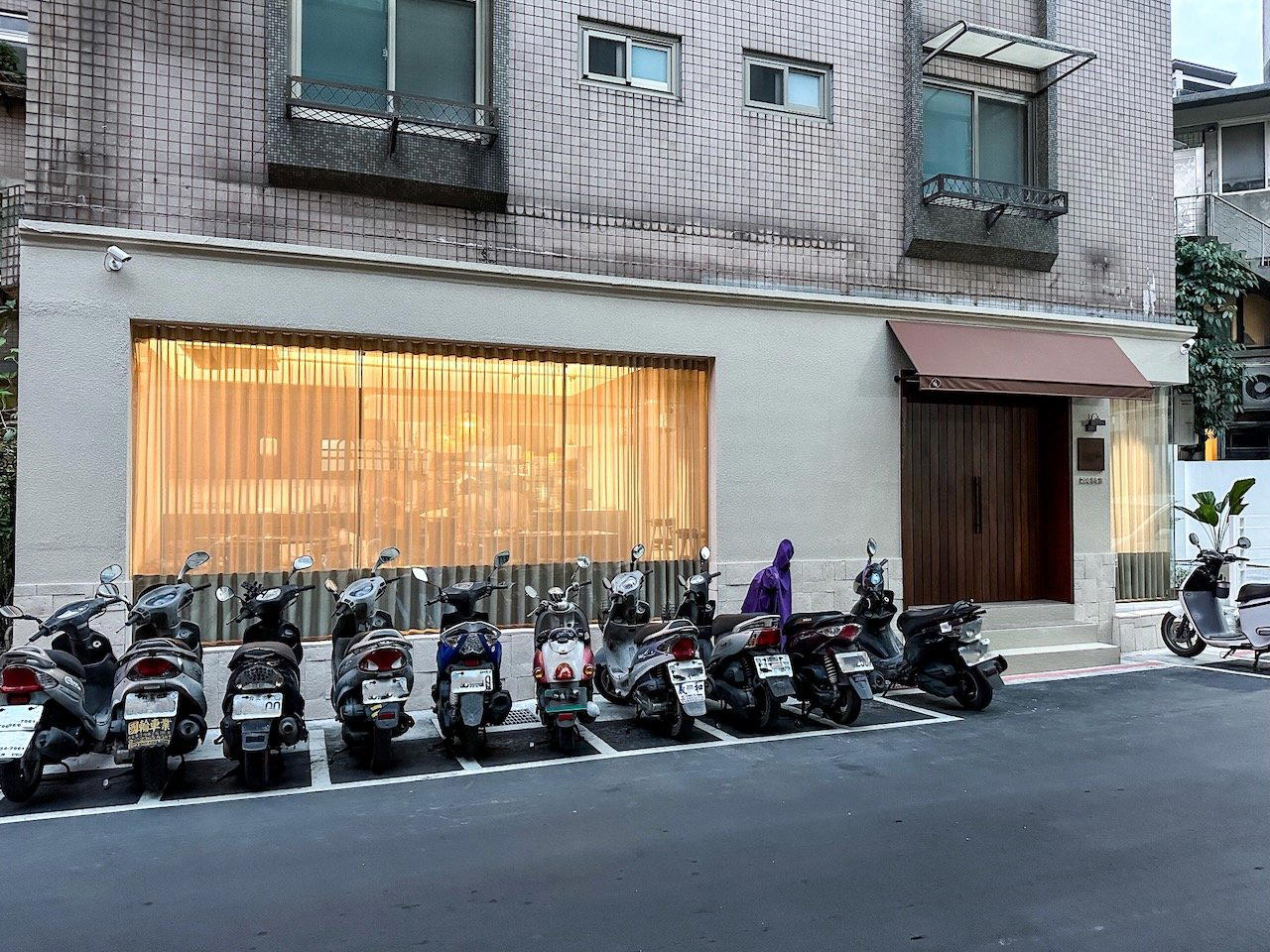
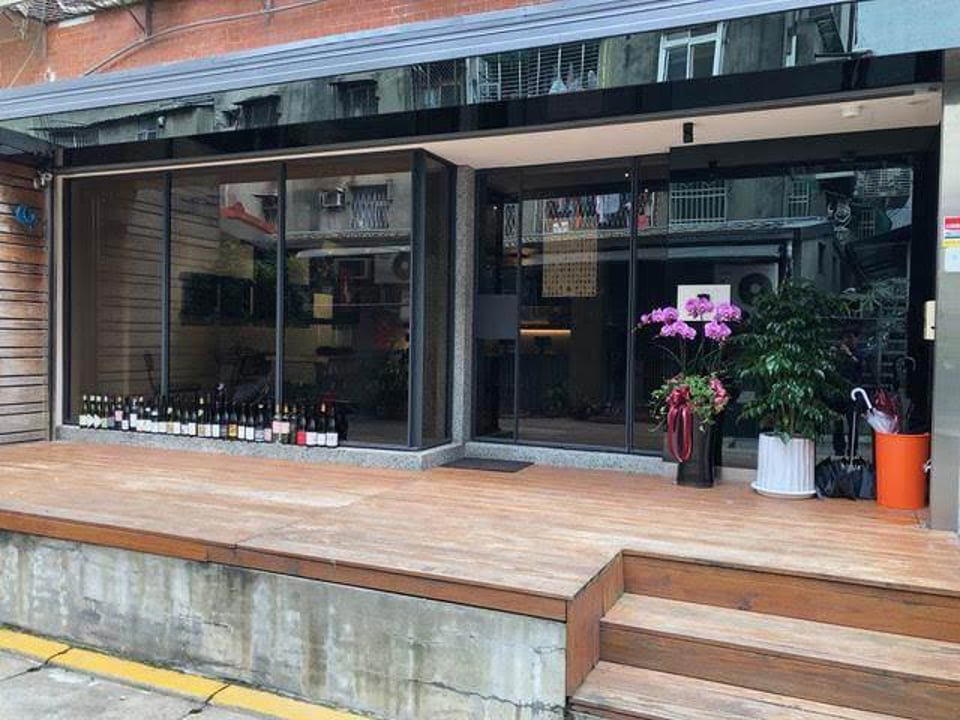
Casual neighborhood noodle shop with a local, unpretentious atmosphere near the train station.