


1 Michelin Star · Star Wine List
Our verdict
Mountain and Sea House occupies a restored mansion on Ren'ai Road, framing Taiwanese banquet traditions through a lens of seasonal produce, multi-layered cultural influence, and architectural grandeur. Holding a Michelin star since 2024 and ranked among Opinionated About Dining's top 200 restaurants in Asia for 2025, it represents Taipei's most considered argument for the formal preservation of indigenous and Hokkien-inflected cooking.

Pearl is the En Primeur Club membership app, where members save venues, book tables and use the concierge.
The menu
What to order
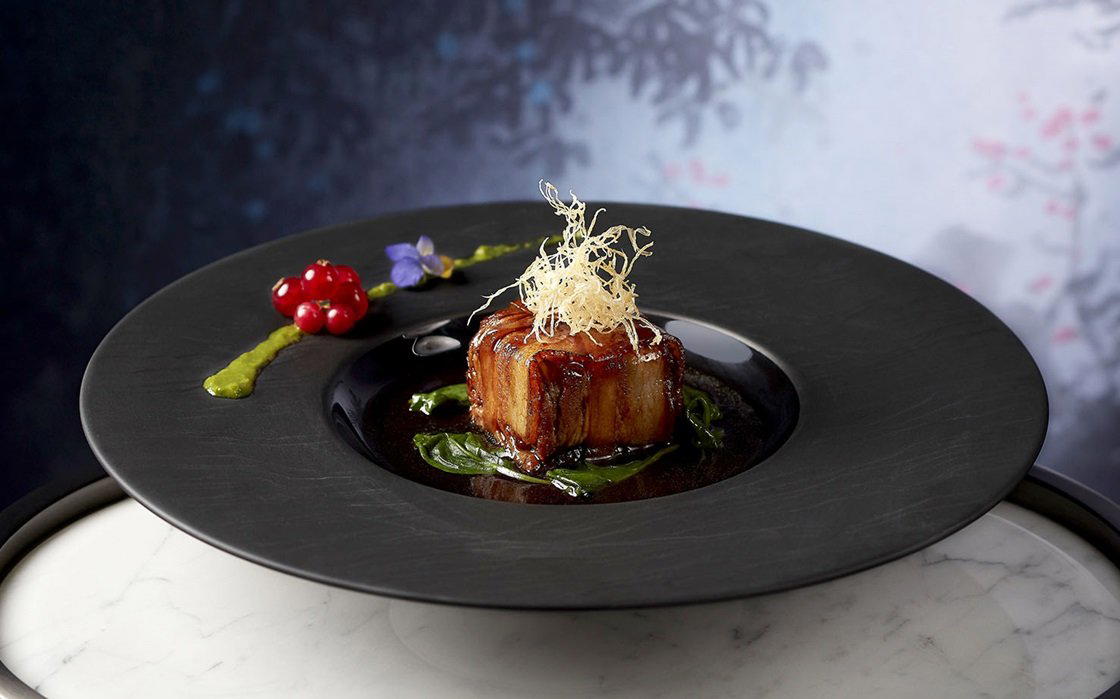
- Roast suckling pig three ways
- Deboned chicken braised in pork tripe
- Stir-fried rice noodles
- Azuki bean pancakes with spun sugar nest
Founded on Zhongshan North Road in 2014 under Chef Tsai Jui-lang, the restaurant relocated to its current address in 2018, taking up residence in a mansion-scale property that the original Zhongshan space could not have accommodated. Restaurants like Taïrroir and logy have earned their recognition by applying rigorous modernist frameworks to local ingredients. The result is a menu that reads as an argument about what classic dishes become when a kitchen refuses to let them fossilize. Dishes that would have demanded lashings of time and technique from household cooks in earlier centuries arrive here as meticulously plated expressions of the same underlying methods, stripped of excess but not of depth. Sustainability and provenance in the produce sit alongside this historical attentiveness: the menu is anchored in local seasonality, which means it shifts with what the island's farms and fisheries produce rather than chasing year-round consistency through imports.
The roast suckling pig, prepared three ways across a day of work, is the kind of dish that communicates kitchen intent through process rather than presentation. A kumquat and mashed taro dessert closes the meal within the same framework: native ingredients, classical technique, restrained execution. The trajectory across those three years signals a kitchen that has been refining rather than coasting. GEN and Akame in Wutai Township focuses on indigenous Paiwan cooking, occupying the most geographically rooted position in the island's fine dining map. A Cun Beef Soup in Tainan represents the specialist single-dish tradition. And
Frequently asked questions
What's the pricing like at Mountain and Sea House?
Pricing at Mountain and Sea House is listed as $$$.
A Tight Comparison
A quick peer list to put this venue’s basics in context.
| Venue | Cuisine | Price | Awards | Notes |
|---|---|---|---|---|
| Mountain and Sea HouseThis venue (the venue you are viewing) | Contemporary Taiwanese Haute Cuisine | $150–200 | 1 Michelin Star · Star Wine List | Not listed |
| logy | Modern Japanese-Taiwanese Fusion Omakase | $100–150 | 2 Michelin Stars · World's 50 Best #22 | Modern European, Asian Contemporary |
| Le Palais | Fine Dining Cantonese | $150–200 | 3 Michelin Stars · La Liste Top Restaurants | Cantonese |
| Taïrroir | Taiwanese-French Fusion Fine Dining | $150–200 | 3 Michelin Stars · La Liste Top Restaurants | Taiwanese/French, Taiwanese contemporary |
| Mudan Tempura | Michelin-Starred Tempura | Not listed | 2 Michelin Stars · La Liste Top Restaurants | Tempura |
| de nuit | Contemporary French | $150–200 | 1 Michelin Star · Star Wine List | French Contemporary |
Recognition history
Dated appearances from independent guides and award organizations, with the underlying list record or original source where available.
Michelin 1 Star
Michelin
Star Wine List
Star Wine List
Opinionated About Dining Top Restaurants in Asia Highly Recommended
Opinionated About Dining
Full recognition history (8 entries)
Michelin 1 Star
Michelin
Opinionated About Dining Top Restaurants in Asia Ranked #200
Opinionated About Dining
Michelin 1 Star
Michelin
Opinionated About Dining Top Restaurants in Asia Ranked #243
Opinionated About Dining
Opinionated About Dining Top Restaurants in Asia Highly Recommended
Opinionated About Dining
Continue exploring
More in Taipei
Restaurants in Taipei
All restaurants in Taipei →
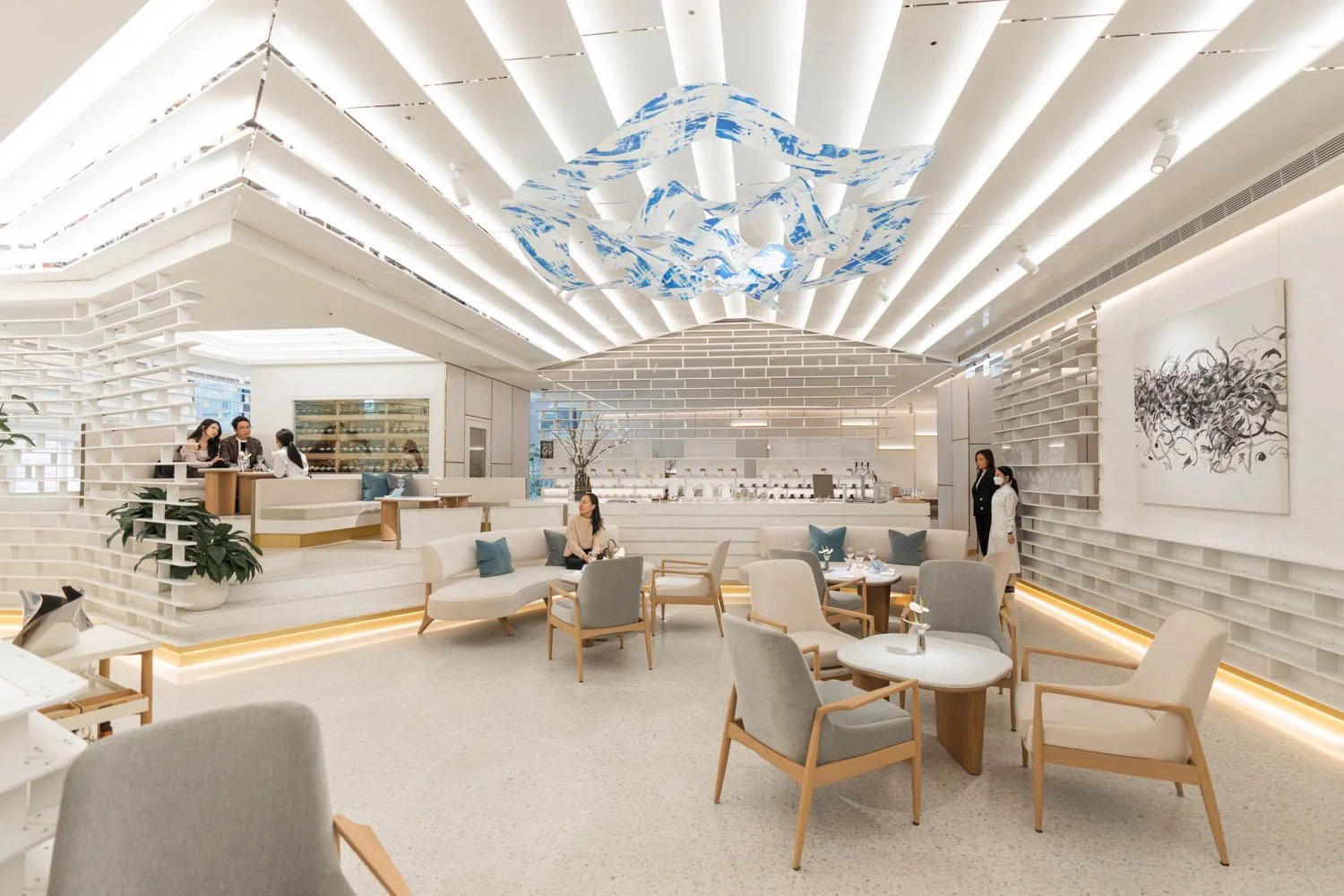
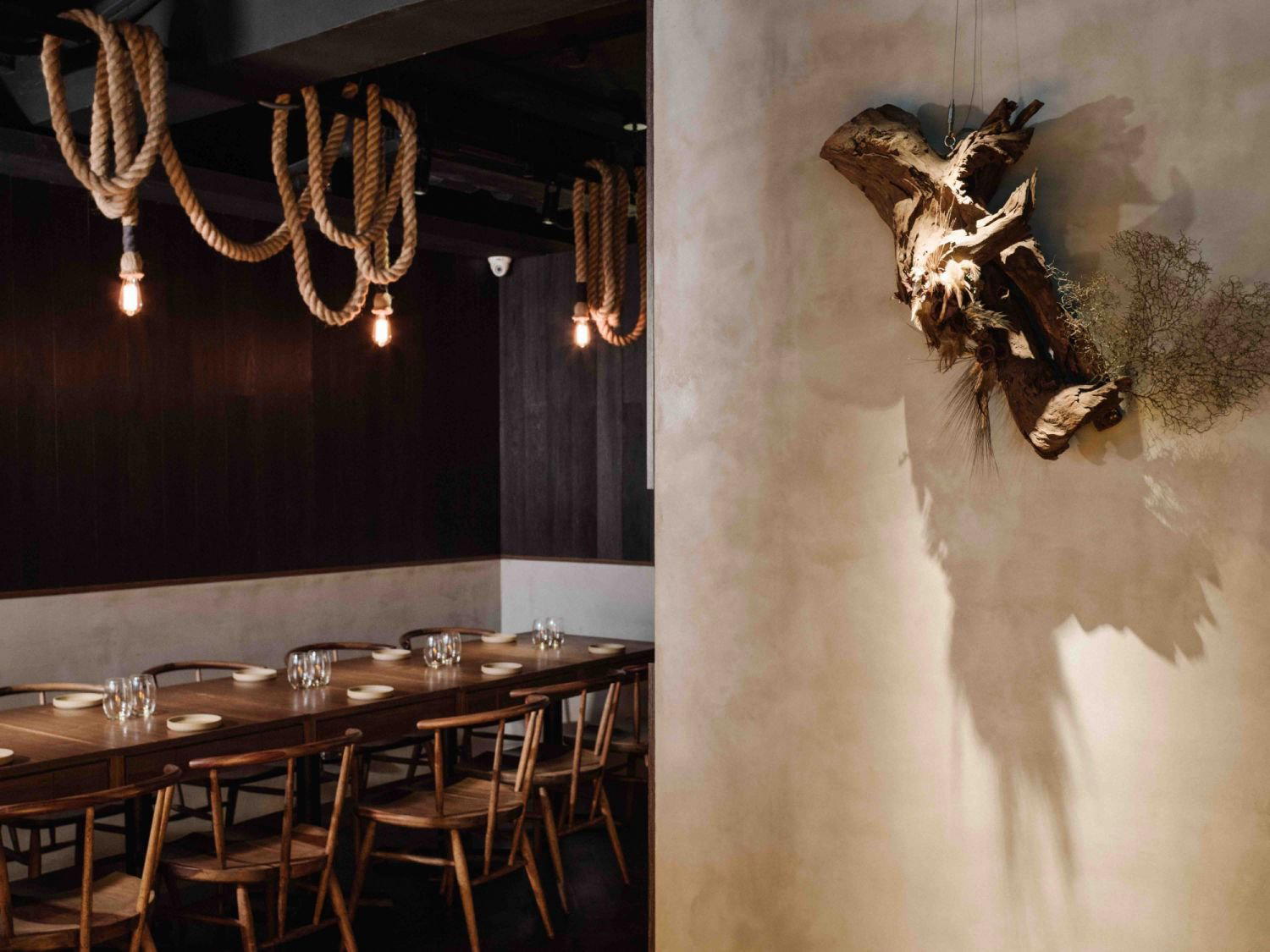
Bars in Taipei
All bars in Taipei →
Hotels in Taipei
All hotels in Taipei →
Wineries in Taipei
Browse all →
Details
- Elegant
- Classic
- Sophisticated
- Intimate
- Special Occasion
- Group Dining
- Celebration
- Family
- Historic Building
- Courtyard
- Private Dining
- Open Kitchen
- Sommelier Led
- Farm To Table
- Organic
- Local Sourcing
- Set Menu
- A La Carte
- Tasting Menu
- Wine
- Tea
- Vegetarian Friendly
- Organic Focus
- Allergy Accommodating
Current opening hours
- Monday
- 12–2:30 PM, 6–9:30 PM
- Tuesday
- 12–2:30 PM, 6–9:30 PM
- Wednesday
- 12–2:30 PM, 6–9:30 PM
- Thursday
- 12–2:30 PM, 6–9:30 PM
- Friday
- 12–2:30 PM, 6–9:30 PM
- Saturday
- 12–2:30 PM, 6–9:30 PM
- Sunday
- 12–2:30 PM, 6–9:30 PM
Hours can change for holidays and private events. Hours as of .
Luxurious 1930s mansion setting with high-ceilinged foyer, courtyard, and art deco design; bright lighting in some rooms; elegant table settings with refined service.