



2 Michelin Stars · Star Wine List · Tatler Listed in Best Restaurants Asia-Pacific
Our verdict
Awarded a Michelin star in its opening year, NOBUO operates from a quiet lane in Dongmen, Taipei, serving a single tasting menu that fuses Franco-Japanese technique with Taiwanese seasonal produce. The sparse, Scandinavian-inflected interior contrasts with the intensity of the cooking. Open Wednesday through Sunday for dinner, with lunch service Thursday to Sunday.

Pearl is the En Primeur Club membership app — saves, bookings, and concierge access live there. Same editors, same standards.
- Address
- No. 8號, Tai'an St, Zhongzheng District, Taipei City, Taiwan 100022
- Hours
- Mon–Tue ClosedWed 6–10 PMThu–Sun 12–2:30 PM, 6–10 PM
- Website
- nobuo.tw
- Directions
- Get directions
- Booking
- Book on the venue's website
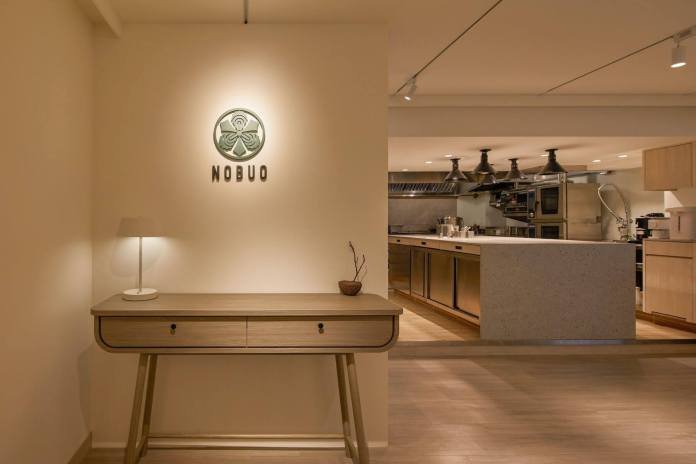
A Quiet Lane, A Precise Kitchen
Dongmen's residential alleys sit at a remove from the concentrated fine-dining corridors of Xinyi and Da'an, and that distance is deliberate context for what NOBUO does. Taipei's Michelin tier has long rewarded two modes: the palatial, high-ceremony room — think Le Palais — and the technically ambitious smaller counter, a format that has proliferated in the city since the mid-2010s. NOBUO, which earned its first Michelin star within months of opening in 2024, belongs to the latter category, but it approaches the format with a particular restraint that sets it apart from the more maximalist counters in the same price tier.
The physical approach matters here. The Japanese façade opens onto a Scandinavian-inflected interior, surfaces spare, materials warm, the atmosphere calibrated to feel residential rather than ceremonial. That design logic is not incidental. When Tokyo and Copenhagen both influence a room's sensibility, the result tends toward quietness over statement-making, and NOBUO's dining environment commits to that register. In a city where the $$$$-tier often signals theatrical service and elaborate tableware, the restraint of this room functions as an editorial position.
How the Menu Is Built
A single tasting menu is the only format. That decision is common enough among ambitious counters that it barely registers as notable, except that the specificity of NOBUO's menu logic gives the single-menu constraint real meaning. The kitchen marries Franco-Japanese technique with Taiwanese produce, a combination that has precedents in the city (most directly at Taïrroir, which has made Taiwanese-French fusion a signature mode for Taipei's contemporary tier), but NOBUO's framing is more personal and more austere. The organizing philosophy, described in the restaurant's own materials as simplicity, purity, honesty, functions less as marketing language and more as a genuine constraint on what appears on the plate.
The cooking draws on Franco-Japanese technique as its primary vocabulary. French method supplies structure: precise temperature control, sauce architecture, classical butchery. Japanese influence supplies a different kind of discipline: the restraint of presentation, an attentiveness to texture as a primary flavor carrier, the willingness to let a single ingredient carry a course. Scallops, according to verified accounts of the menu, deliver on both axes, the texture is the point, and the umami registers cleanly rather than being amplified by heavy preparation. The curry course, rooted in childhood memory, introduces a warmer, more personal register that prevents the menu from reading as purely technical exercise.
Taiwanese produce grounds the whole sequence in place. This is increasingly a marker of the city's serious tasting menus: logy, which holds two Michelin stars and works at the intersection of Modern European and Asian Contemporary cooking, has built its identity substantially on the same local-sourcing commitment. The difference at NOBUO is that the French and Japanese techniques are more directly foregrounded, making the menu feel like a dialogue between those culinary traditions and the island's agricultural specificity, rather than a primarily European framework with local ingredients slotted in.
The Team Dynamic
Contemporary fine dining at the $$$$-level rarely succeeds as the vision of a single person. The mode depends on coordination between kitchen, floor, and, when wine programming is present, the service of a beverage component that extends rather than competes with the food's logic. NOBUO's warmth of atmosphere, described consistently across accounts of the restaurant, suggests that front-of-house has been built to match the kitchen's register: quiet, precise, without the performative distance that sometimes accompanies Michelin-starred service.
Chef Nobu Lee's cultural background, born in Taiwan, raised in Japan, is relevant here not as biography but as operational context. A chef who moves fluently between two culinary traditions is better positioned to run a kitchen in which those traditions genuinely intersect, rather than sit side by side as separate technique sets. The coherence of the menu, which does not feel like a fusion exercise but rather like a unified culinary language, points to a kitchen team that has internalized the synthesis rather than assembling it dish by dish. That kind of coherence is built through rehearsal, iteration, and a floor team that can communicate the menu's logic to guests without lecturing them.
At a restaurant open only four days for lunch and five evenings per week, the pace of service allows for that level of coordination. Closed on Monday and Tuesday, with Wednesday dinner as the sole evening service without a lunch counterpart, the schedule creates a kitchen that is not overextended. Among Taipei's comparable counters, the Franco-Japanese mode also appears at Molino de Urdániz, which works Spanish Contemporary technique with regional produce, the calibration of service pace to kitchen output is a competitive differentiator.
Where NOBUO Sits in Taipei's Fine-Dining Tier
Taipei's Michelin Guide has expanded steadily, and the one-star category now contains a wide range of cooking styles and price points. logy holds two stars in adjacent territory; Taïrroir operates at two stars with a more explicitly Taiwanese-identity framing; L'Atelier de Joël Robuchon anchors the French end of the same price tier.
For travelers building a Taipei fine-dining itinerary, NOBUO represents the more intimate, austere end of the city's contemporary options. Readers interested in a broader view of Taiwan's current dining scene can also look to JL Studio in Taichung, which works similar Franco-Asian territory, or Akame in Wutai Township for indigenous Taiwanese cooking at a tasting-menu level. Further context across the island is available through GEN in Kaohsiung and A Cun Beef Soup in Tainan. For international comparisons within the contemporary tasting-menu format, Jungsik in Seoul and Alo in Toronto operate in overlapping registers, as does César in New York City.
Planning Your Visit
Know Before You Go
- Address: No. 8, Tai'an Street, Zhongzheng District, Taipei 100022
- Hours: Wednesday dinner only (6 PM–10 PM); Thursday–Sunday lunch (12 PM–2:30 PM) and dinner (6 PM–10 PM); closed Monday and Tuesday
- Price tier: $$$$
- Awards: Michelin 1 Star (2024, awarded in opening year)
- Format: Single tasting menu only
- Neighbourhood: Dongmen, Zhongzheng District, accessible via Dongmen MRT station
- Booking: Reservation required; specific booking channel not confirmed, check current availability through the restaurant directly
For a full picture of dining, hotels, bars, and experiences in the city, see our full Taipei restaurants guide, our full Taipei hotels guide, our full Taipei bars guide, our full Taipei wineries guide, and our full Taipei experiences guide. For a longer stay in the region, Volando Urai Spring Spa and Resort in Wulai District offers a contrast in pace and format within easy reach of the city.
Frequently asked questions
What is NOBUO known for?
NOBUO is known for a single tasting menu that applies Franco-Japanese technique to Taiwanese seasonal produce, within a spare Scandinavian-influenced room on a quiet lane in Dongmen. The restaurant earned a Michelin star in 2024, its opening year, and operates at the $$$$-tier with a cooking philosophy centered on simplicity and seasonal honesty. The format and scale position it alongside Taipei's most focused small-counter restaurants rather than the city's larger ceremony-oriented fine-dining rooms.
What's the signature dish at NOBUO?
No single dish is officially designated as a signature, and the single tasting menu changes with season and produce availability. Verified accounts of the menu point to the scallop course, notable for its texture and umami rather than elaboration, and a curry course that draws on the chef's personal background. Both sit within a broader menu logic that prizes intensity and precision over visual maximalism. Specific current menu details should be confirmed directly with the restaurant, as the format is designed to reflect seasonal availability.
Cuisine and Credentials
A quick peer check to anchor this venue’s price and recognition.
| Venue | Cuisine | Price | Awards | Notes |
|---|---|---|---|---|
| NOBUOThis venue — the venue you are viewing | Japanese-French Fusion | $100–150 | 2 Michelin Stars · Star Wine List | Not listed |
| logy | Modern Japanese-Taiwanese Fusion Omakase | $100–150 | 2 Michelin Stars · World's 50 Best #22 | Modern European, Asian Contemporary |
| Le Palais | Fine Dining Cantonese | $150–200 | 3 Michelin Stars · La Liste Top Restaurants | Cantonese |
| Taïrroir | Taiwanese-French Fusion Fine Dining | $150–200 | 3 Michelin Stars · La Liste Top Restaurants | Taiwanese/French, Taiwanese contemporary |
| Mudan Tempura | Michelin-Starred Tempura | Not listed | 2 Michelin Stars · La Liste Top Restaurants | Tempura |
| de nuit | Contemporary French | $150–200 | 1 Michelin Star · Star Wine List | French Contemporary |
Recognition history
Dated appearances from independent guides and award organizations, with the underlying list record or original source where available.
Michelin 2 Stars
Michelin
Star Wine List
Star Wine List
Opinionated About Dining Top Restaurants in Asia Recommended
Opinionated About Dining
Tatler Listed in Best Restaurants Asia-Pacific
Tatler
Full recognition history (6 entries)
Michelin 1 Star
Michelin
Michelin 1 Star
Michelin
Continue exploring
More in Taipei
Restaurants in Taipei
Browse all →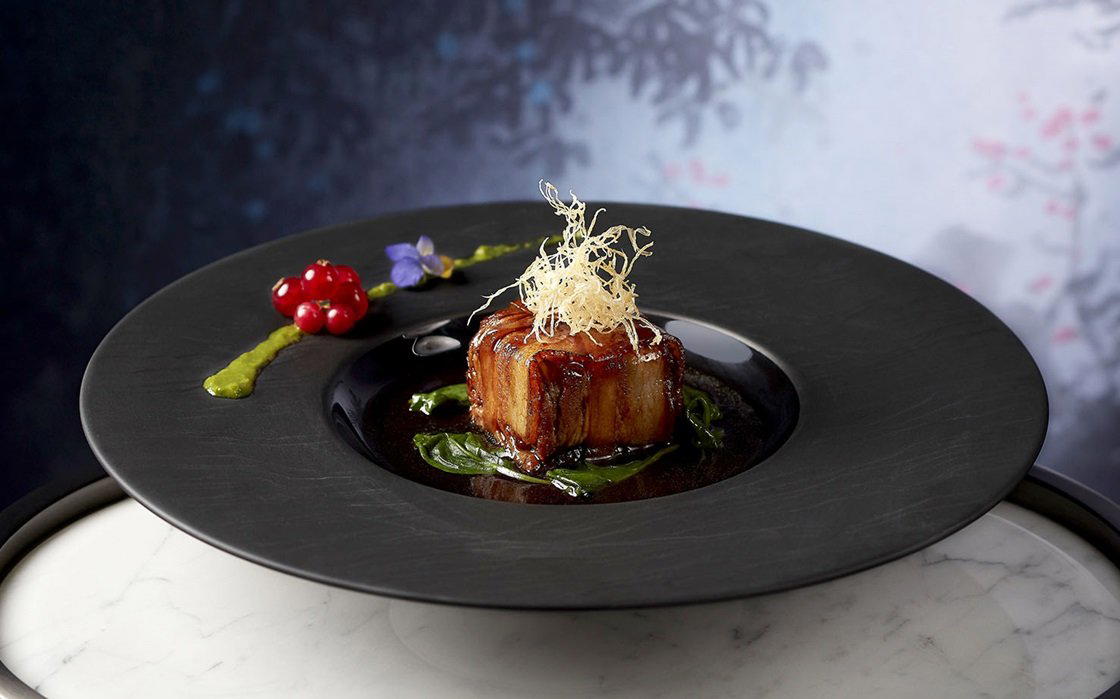
Bars in Taipei
Browse all →
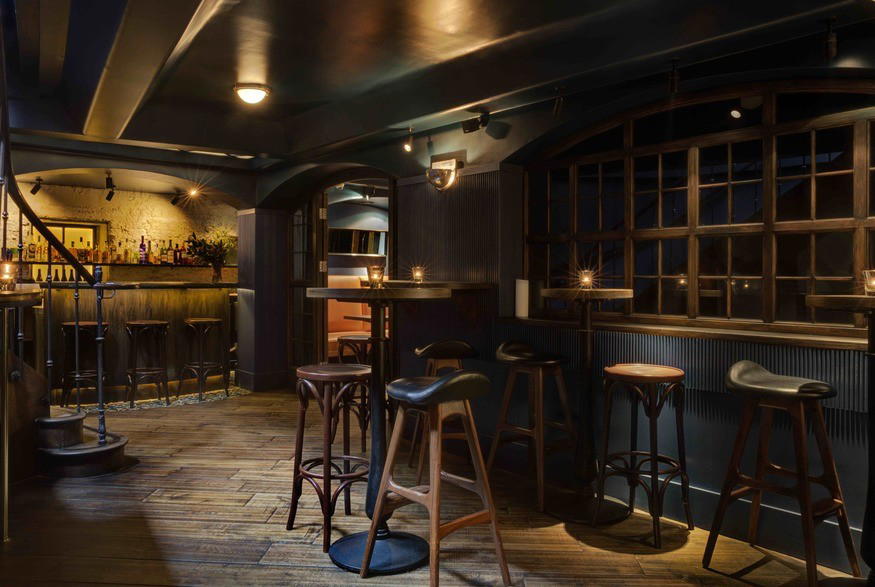
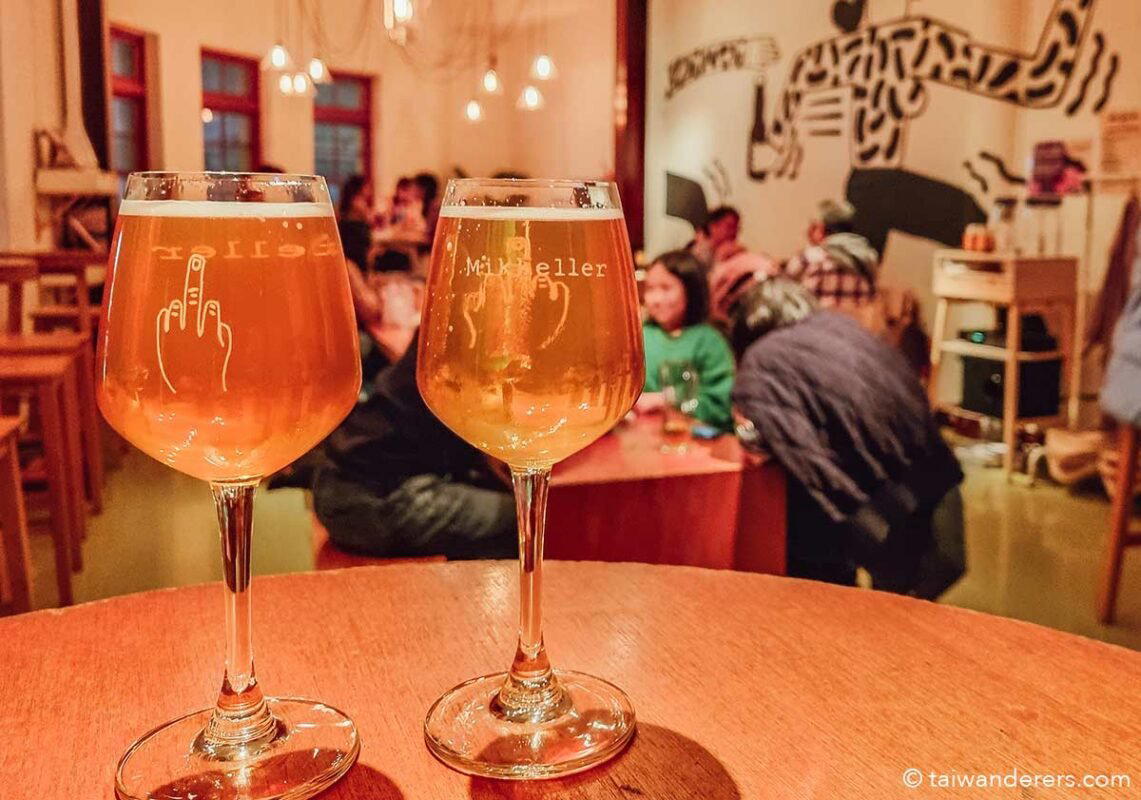
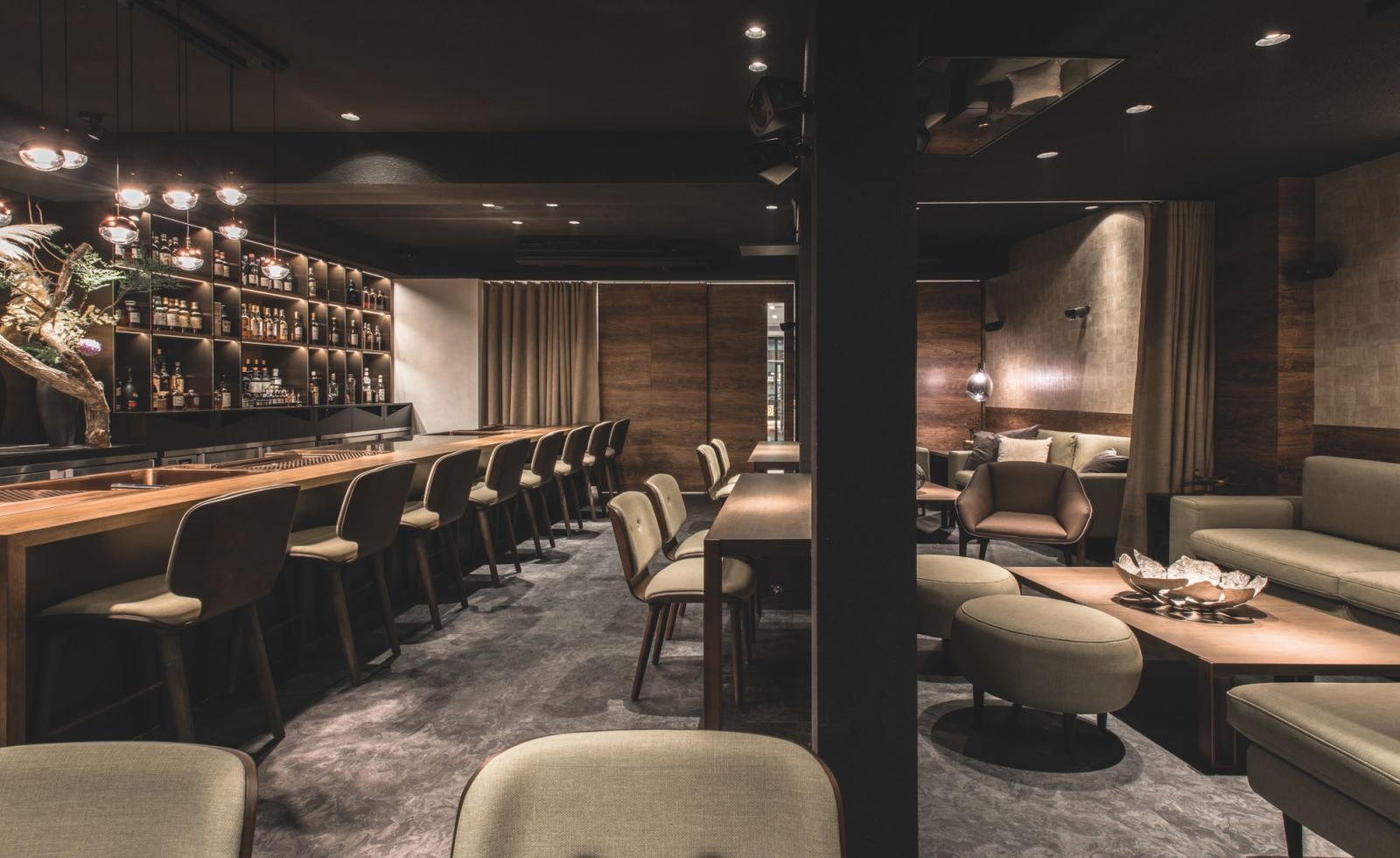
Hotels in Taipei
Browse all →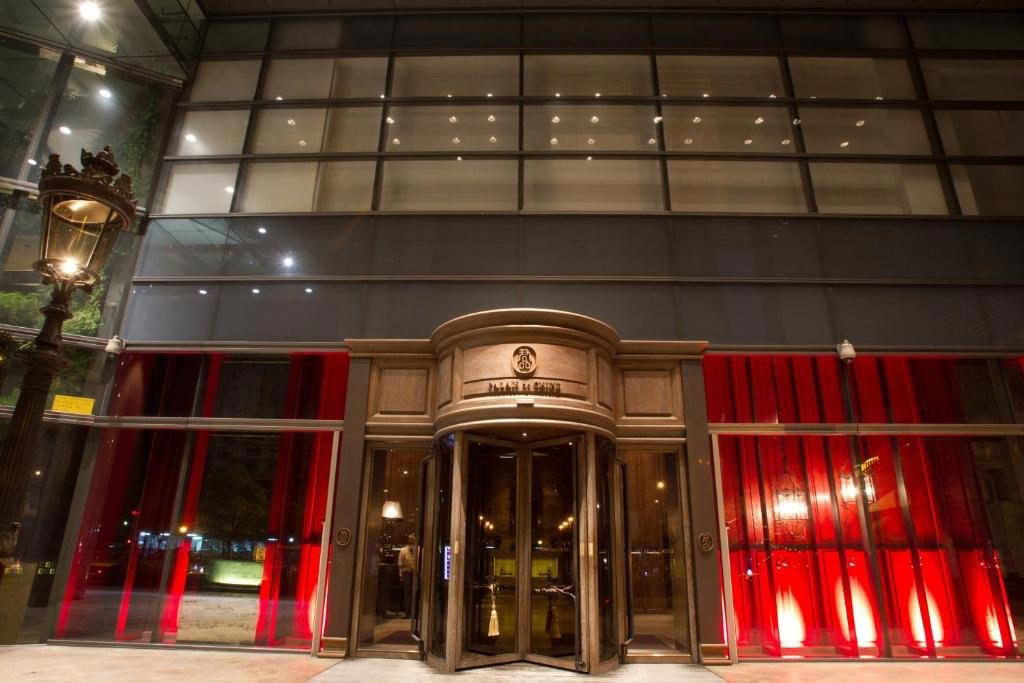
Wineries in Taipei
Browse all →
Details
- Elegant
- Intimate
- Minimalist
- Sophisticated
- Special Occasion
- Date Night
- Celebration
- Standalone
- Sake Program
- Local Sourcing
- Tasting Menu
- Wine
- Sake
Current opening hours
- Monday
- Closed
- Tuesday
- Closed
- Wednesday
- 6–10 PM
- Thursday
- 12–2:30 PM, 6–10 PM
- Friday
- 12–2:30 PM, 6–10 PM
- Saturday
- 12–2:30 PM, 6–10 PM
- Sunday
- 12–2:30 PM, 6–10 PM
Hours can change for holidays and private events. Last verified .
Nordic-inspired dining room with Japanese façade, intimate, calm, elegant, and understated with good table spacing.