Happy Hwa

A Zhubei alley institution built around one of Taiwan's most exacting interpretations of braised pork rice, Happy Hwa hand-slices fatty pork with the skin intact and braises it for hours until gelatinous and yielding. The assortment soup, heavy with pork blood curd, pork balls, and fried tofu, completes a tightly focused menu that treats lu rou fan not as street food but as craft.
Pearl is the En Primeur Club membership app — saves, bookings, and concierge access live there. Same editors, same standards.
- Address
- 150 Jiaxing Road, Zhubei City
- Phone
- +886 3 658 7112
- Directions
- Get directions
 Saves & bookings on Pearl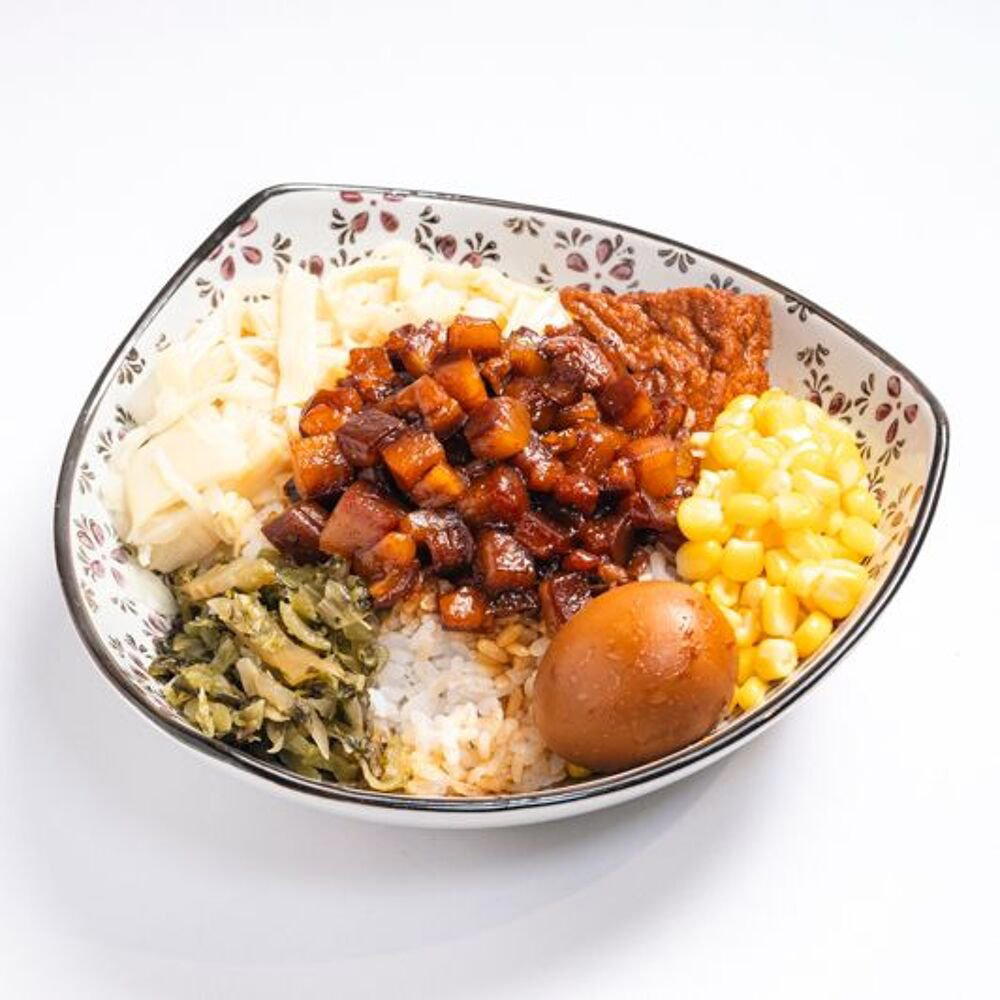
The Alley, the Bowl, and the Logic of Lu Rou Fan
In Taiwanese cities north of Taichung, braised pork rice is not a dish you seek out on occasion. It is the default meal, the reflex order, the thing you eat when nothing else requires deciding. The shops that serve it leading are almost never on main roads. They are in alleys, behind wet markets, on the ground floors of residential blocks, operating on schedules that exist somewhere between early and gone. Happy Hwa, at 150 Jiaxing Road in Zhubei City, belongs to that topology. The alley address is not a gimmick, it is the natural condition of this category, where foot traffic is earned through reputation rather than visibility.
What separates the serious lu rou fan operations from the perfunctory ones is a matter of process, and Happy Hwa's approach is evident in what ends up in the bowl. The pork is hand-sliced rather than machine-minced, with the skin left on. This is a meaningful decision: skin-on, hand-sliced pork behaves differently from ground meat during braising, holding its structure long enough to develop a layered texture before yielding to the braise. The fat renders slowly and the collagen from the skin breaks down into gelatin, which coats the rice differently than oil-based sauces do. The result is a bowl that has weight and gloss without being greasy in the conventional sense.
How the Menu Is Built
Happy Hwa runs a short menu, and the architecture of that menu is its clearest editorial statement. The core offering splits into two pork rice formats and anchors around a single soup. This is not a place that expands sideways into grilled skewers or noodle dishes to pad the offering, the constraint is part of the proposition.
The braised pork rice (lu rou fan) leads, and rightly so. The hand-sliced, skin-on preparation produces the kind of gelatinous, yielding pork that takes hours of controlled braising to achieve. The fat-to-lean ratio skews toward richness, which is why the menu offers a minced pork rice alternative, using a blend of fatty and lean cuts for those who want the same flavor register with somewhat less intensity. Both versions arrive with pickled cabbage on the side, and this is not an afterthought garnish. Fermented or salt-pickled vegetables have always served a structural role in Taiwanese rice dishes, the acidity cuts through the braising sauce and resets the palate between bites. At a shop as focused as the restaurant, the pickle is treated accordingly.
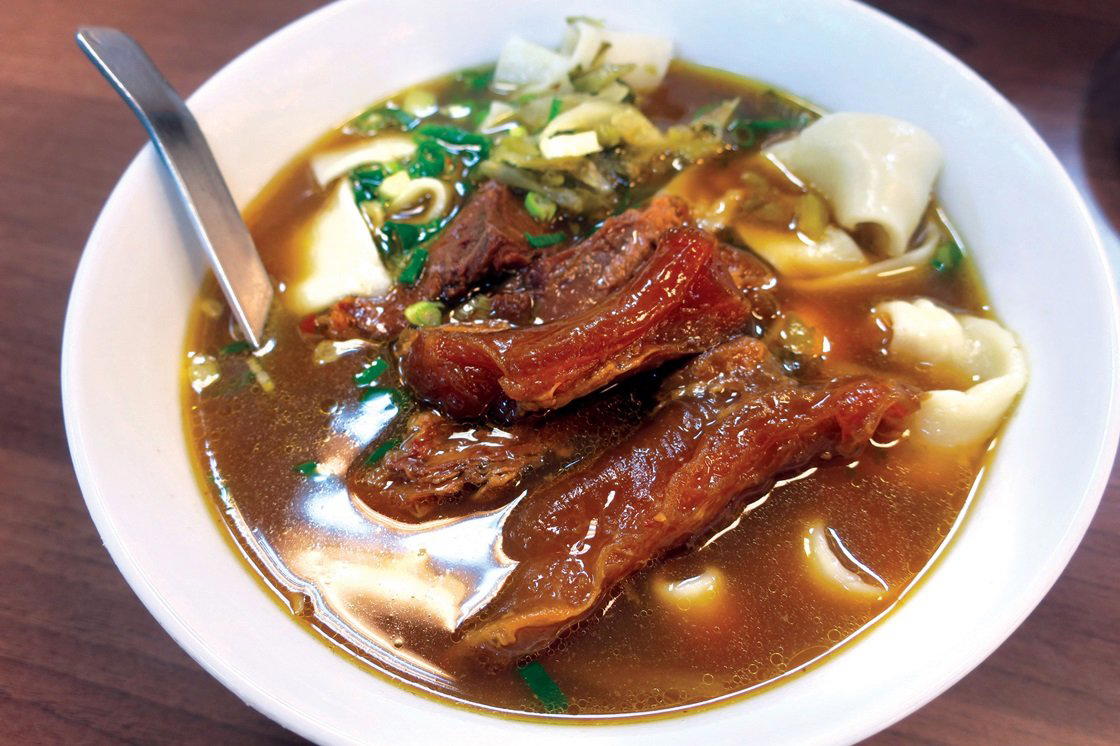
The assortment soup sits alongside the rice as the other ordering anchor. It contains pork blood curd, pork balls, fried tofu, and pickles, a combination that maps closely to the traditional tou hua-adjacent soups served at classic Taiwanese lunch counters. Pork blood curd, when properly handled, has a silken texture and a mild iron note that reads as savory rather than aggressive; it absorbs broth in a way that firmer proteins do not, making it a natural fit in a soup built for depth. The fried tofu adds structural contrast, and the pickles extend the same acidic logic found in the rice accompaniments.
Zhubei and the Braised Pork Rice Belt
Hsinchu County sits between the rice-and-seafood traditions of the Taiwan Strait coast and the broader Hakka culinary belt that stretches south toward Miaoli. Zhubei, the county's fastest-growing urban node and home to a significant portion of Taiwan's semiconductor workforce, does not have the deep restaurant culture of Tainan or the density of Taipei, but it does have serious local food infrastructure. The lu rou fan tradition here draws on both Hokkien braising techniques and Hakka instincts around pork preparation, and shops like Happy Hwa sit inside that layered inheritance.
Across Taiwan's restaurant scene, the contrasts are instructive. At one end, formally structured operations like JL Studio in Taichung or logy in Taipei apply international fine-dining frameworks to Taiwanese ingredients. At the other end, shops like Happy Hwa apply decades of repetition and process discipline to a single dish category. Both approaches can produce something worth traveling for; they are simply operating on different registers. Closer in, within Hsinchu County, the dining scene includes options across multiple categories, Firoo, Bebu, Chuan Fu, Ang Gu, and Geng Ye Yue Mei all represent different facets of what the county's restaurant infrastructure can produce, but for braised pork rice specifically, the restaurant is in a separate category of intent.
Taiwan's southern cities tend to dominate the conversation around classic Taiwanese rice dishes. Zhu Xin Ju in Tainan operates in the same broad tradition. Shops in the north, including Zhubei, have to work against the assumption that the definitive versions are always southern. The restaurant's reputation, built on alley geography and word-of-mouth rather than guidebook placement, suggests it has largely resolved that argument for its regular customers.
Planning a Visit
The restaurant is at 150 Jiaxing Road in Zhubei City, reachable from Hsinchu HSR Station by taxi or local bus. As with most serious Taiwanese lunch counters in this category, the practical calculus is simple: arrive on the earlier side of the lunch window. These shops sell out rather than stay open, and the braised pork that runs out first is typically the hand-sliced version. This is a walk-in counter, not a reservation operation. No dress code applies; the appropriate register is the same one you'd bring to any serious working-lunch counter. Pricing is in the lowest tier.
For reference points further afield in Taiwan, GEN in Kaohsiung and Akame in Wutai Township illustrate how different the island's culinary range becomes once you move beyond the central Taiwanese rice dish tradition.
Recognition Snapshot
Comparable venues nearby, for context on price, style, and recognition.
| Venue | Cuisine | Price | Awards | Notes |
|---|---|---|---|---|
| Happy HwaThis venue — the venue you are viewing | Taiwanese Braised Pork Rice | $ | Michelin Plate | Not listed |
| Tang Tsao Yuan | Traditional Taiwanese Noodles & Dumplings | $$ | Bib Gourmand | Zhubei City |
| Chuan Fu | Japanese Yakiniku | $$$ | Michelin Plate | Zhubei City |
| 首烏廚EAT | Taiwanese Comfort Food | $$ | Not listed | Zhubei City |
| Volcanic rock | Taiwanese BBQ | $$ | Not listed | Zhubei |
| Shou Wu EAT | Traditional Hakka Home-Style Cooking | $$ | Bib Gourmand | Zhubei City |
Recognition history
Dated appearances from independent guides and award organizations, with the underlying list record or original source where available.
Michelin Plate
Michelin
Continue exploring
More in Zhubei City
Restaurants in Zhubei City
Browse all →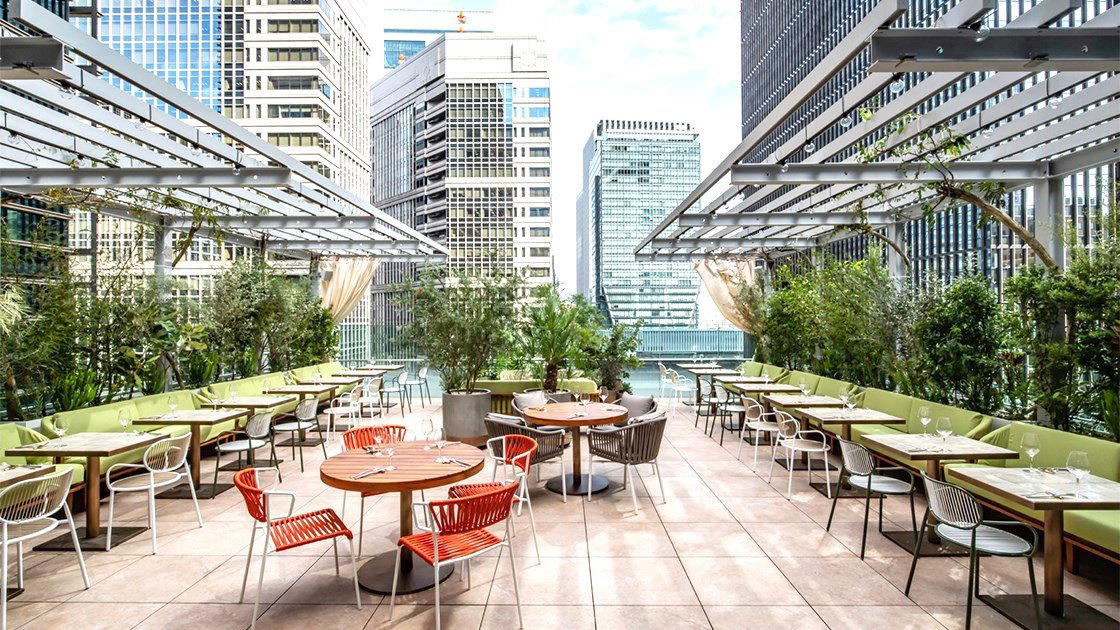
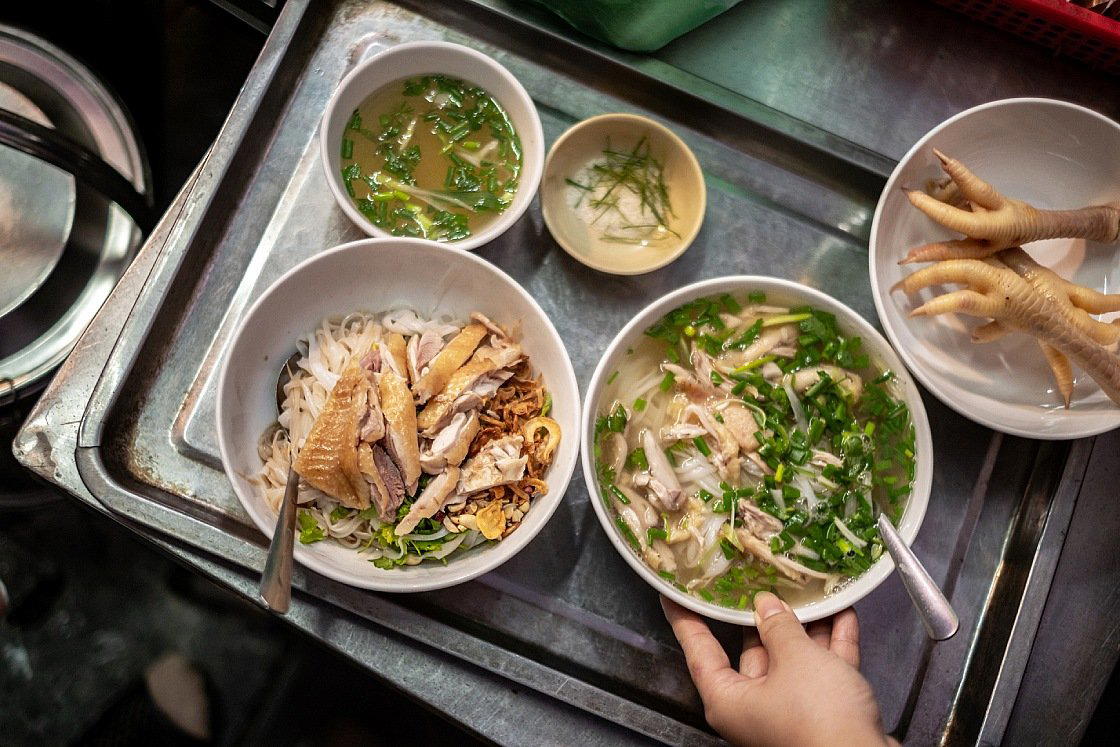
Bars in Zhubei City
Browse all →
At a Glance
- Casual Hangout
Current opening hours
- Monday
- 10 AM–1:30 PM, 5–8:30 PM
- Tuesday
- 10 AM–1:30 PM, 5–8:30 PM
- Wednesday
- 10 AM–1:30 PM, 5–8:30 PM
- Thursday
- 10 AM–1:30 PM, 5–8:30 PM
- Friday
- 10 AM–1:30 PM, 5–8:30 PM
- Saturday
- 10 AM–2 PM
- Sunday
- Closed
Hours can change for holidays and private events. Last verified .
Casual local eatery atmosphere focused on comforting Taiwanese comfort food.